
Textured Leggings Manufacturer for Custom Activewear Brand Programs
Translate texture concepts into Seamless knit structures or suitable Cut & Sew materials, with controlled sampling, fit, quality, and commercial production.
MOVEVOX works with activewear, yoga, Pilates, and fitness brands developing differentiated textured leggings from Tech Packs, legal reference samples, or defined concepts. Projects can use Santoni Seamless structures or suitable textured Cut & Sew materials. Physical sampling, approved specifications, production control, and QC connect the confirmed texture, fit, color, branding, and construction with commercial bulk execution.
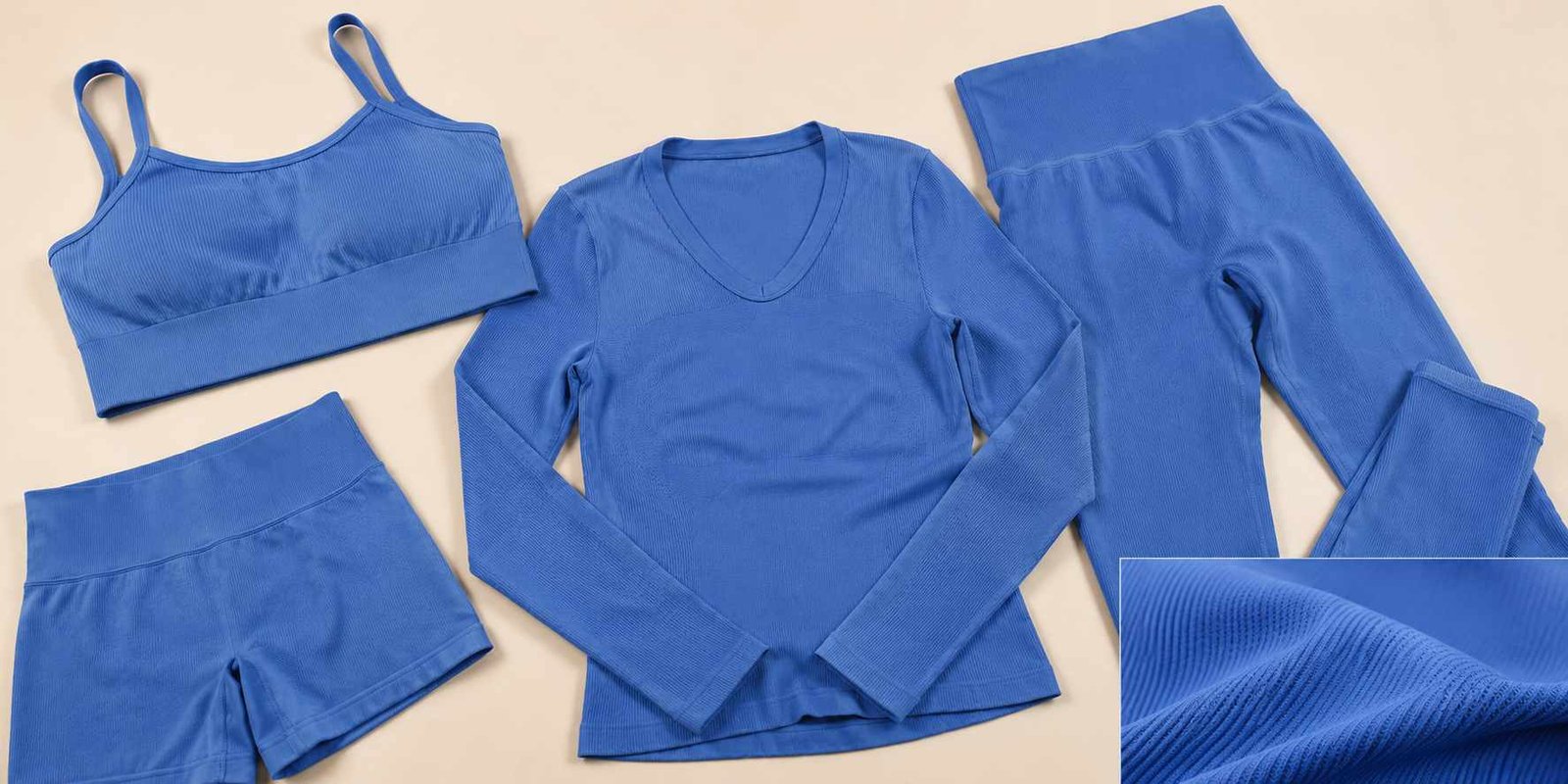
Built for Structured Textured Leggings Development Programs
MOVEVOX is most relevant when texture is part of a defined product-development, second-source, private-label, or repeat-production program. Strong projects combine a clear visual direction with technical review, physical approval, controlled materials, and planned commercial scale.
Established Texture Brands
Brands already selling textured leggings normally have an approved surface language, fit system, waistband direction, material benchmark, and commercial size range. MOVEVOX can review the buyer's Tech Pack, legal physical sample, texture reference, yarn or fabric direction, measurements, colors, branding, and required volume before developing a controlled comparison product.
Approved products can provide a measurable development reference.
Texture should remain linked to physical sample approval.
Material or structural changes require controlled revision.
Factory and production-route verification can support qualification.
New Texture Collections
An established activewear brand may know the visual character it wants without knowing whether the structure should use Rib, Mesh, Jacquard, different knitting densities, mixed Seamless organization, or textured piece fabric. MOVEVOX can review the design intention and translate technically feasible directions into physical samples rather than treating the initial reference as a finished production specification.
Texture concept should be translated into a manufacturable structure.
Manufacturing route should follow product architecture.
Stretch can change the final visual appearance.
Physical approval is required before commercial bulk release.
Second-Source Programs
Brands qualifying another supplier may already have a buyer-owned physical sample, measurement chart, material standard, approved texture, and color specification. MOVEVOX can review those references and develop a comparison version through the appropriate manufacturing route. The objective is controlled supplier qualification, not unauthorized copying of protected third-party products or hidden construction.
Existing approval standards provide a strong comparison basis.
Yarn or fabric feasibility should be reviewed early.
Texture differences should close before production allocation.
Audit and site verification can support formal approval.
Scaling Activewear Brands
Growing brands often need enough flexibility to validate differentiated products without rebuilding the sourcing system when a style succeeds. MOVEVOX's standard Seamless customization can begin around 100 pieces per style and standard Cut & Sew customization around 150 pieces per style under suitable conditions, while dedicated materials or colors can introduce separate upstream minimums.
Entry quantity depends on the real product structure.
Custom color can create separate dye-lot requirements.
Multi-size programs require controlled fit approval.
Repeat production benefits from material and version planning.

What Makes Textured Leggings Technically Different?
Textured leggings use deliberate surface or knitted structure as part of the product architecture. The texture can be engineered through Seamless organization or come from suitable textured piece fabric. Material, density, garment dimensions, stretch, color, fit, and finishing determine how the approved surface appears on the finished product.
Texture Is Structural
Texture can influence surface appearance, local organization, hand feel, and stretch behavior, so it should be reviewed as a technical product variable rather than decoration alone.
Routes Differ
Seamless structures are created through yarn and knitting programs, while Cut & Sew products can begin with suitable textured piece materials before cutting and garment assembly.
Stretch Changes Appearance
A texture that looks clearly defined while relaxed can appear different after the garment extends across the waist, hip, thigh, or other body areas.
Approval Is Physical
Digital references help communicate direction, but final texture, hand feel, fit, color, and stretched appearance should be confirmed through an actual physical product.
Professional buyers should qualify the manufacturing mechanism and physical product behind a texture claim, not only confirm that a supplier can display visually differentiated leggings.
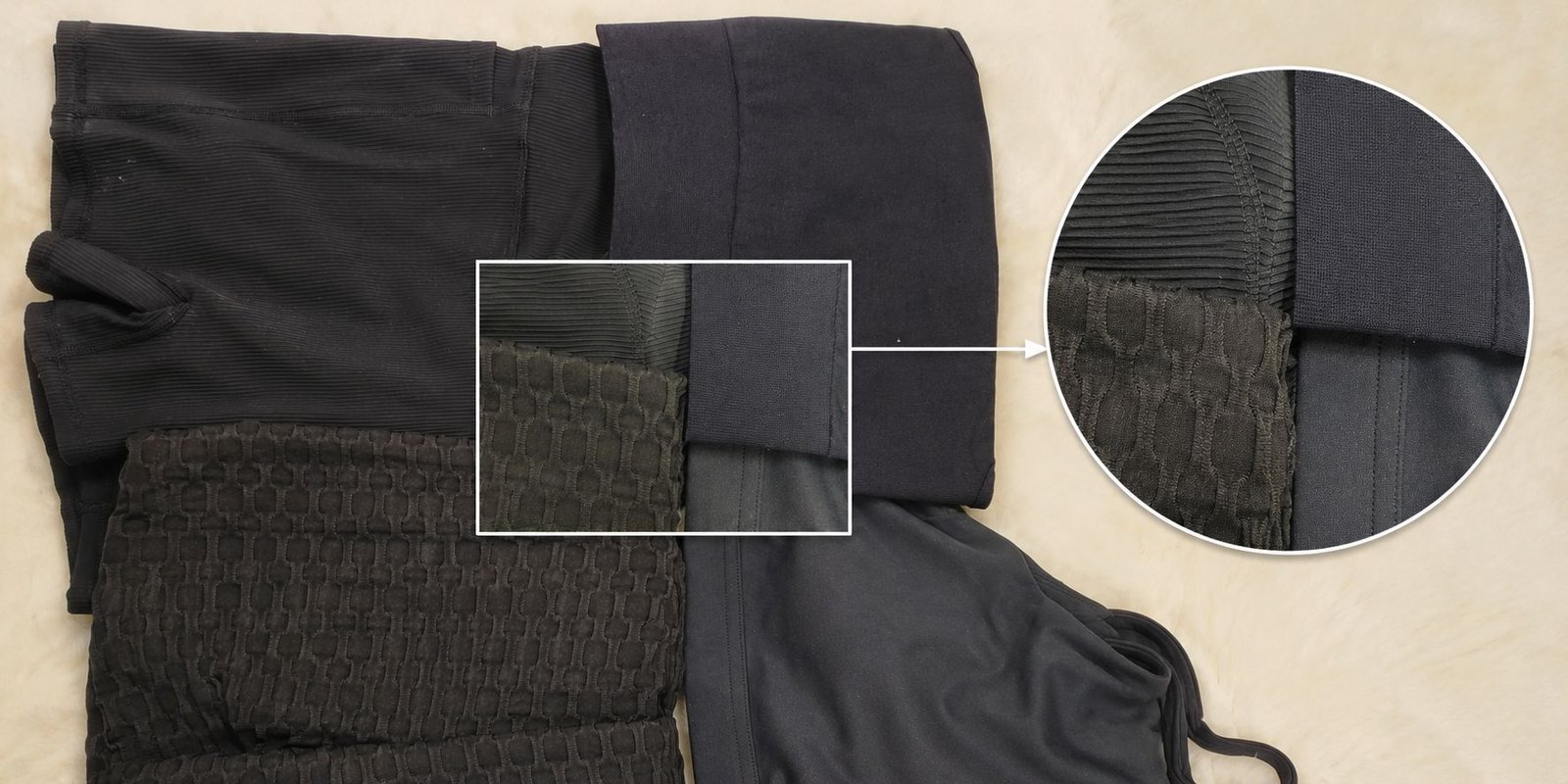
Which Texture Direction Fits Your Leggings Concept?
MOVEVOX's verified Seamless capability includes Rib, Mesh, Texture, Jacquard, and different organization densities. Suitable Cut & Sew textured materials provide another route. Other visual concepts require technical feasibility review before they are described as manufacturable products.
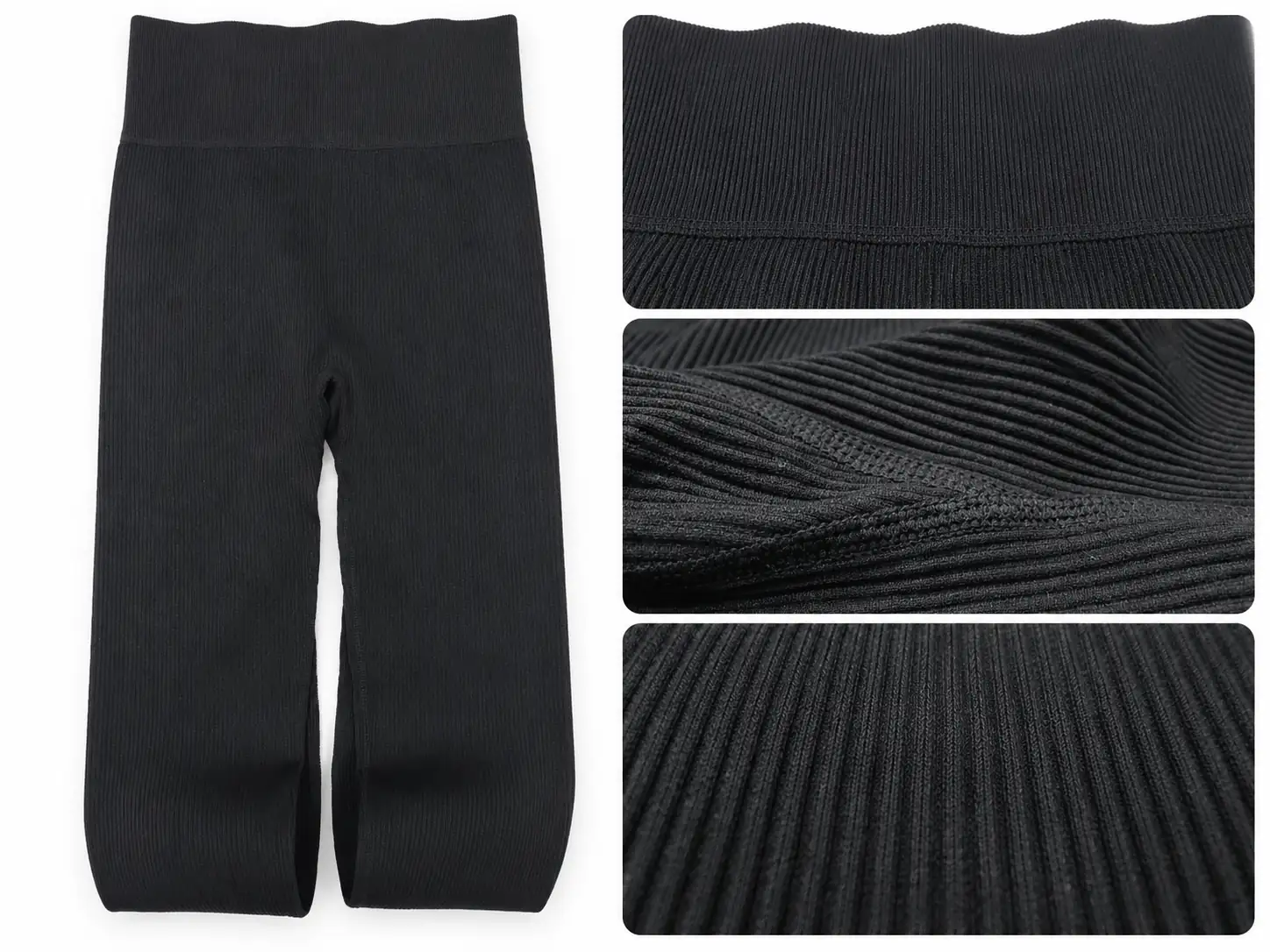
Rib Structure
Rib can be engineered into suitable Seamless garments through programmed organization or supplied through approved ribbed piece fabric for Cut & Sew. Final width, depth, stretch appearance, hand feel, and size behavior depend on the actual material and physical sample.
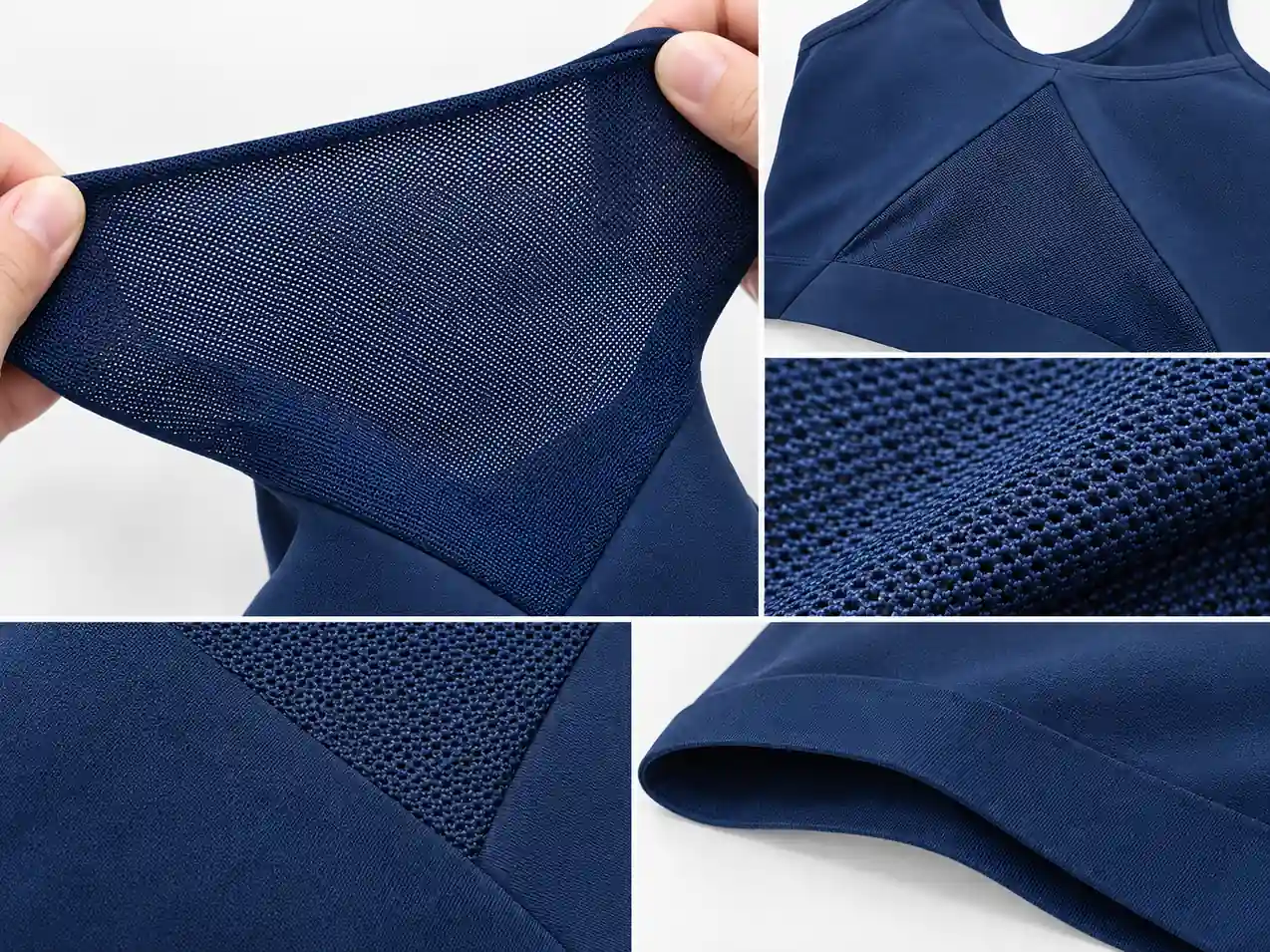
Mesh Structure
Mesh organization can create differentiated open or ventilated visual areas in suitable Seamless products. Position, density, stretch, and coverage require technical review because a visually open zone must remain compatible with the intended use.
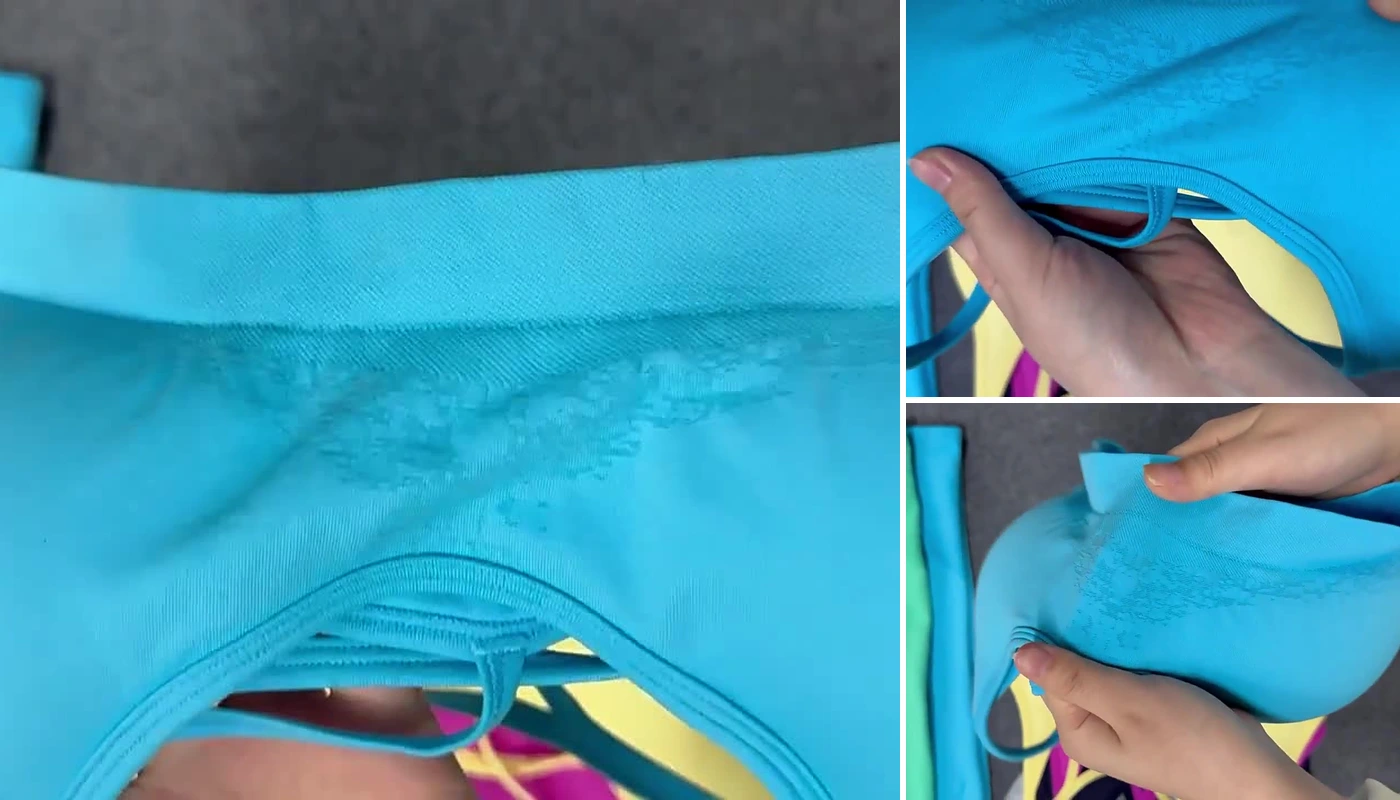
Jacquard Detail
Jacquard can integrate selected visual structure into a Seamless garment. Artwork, scale, yarn, garment extension, and machine feasibility determine how clearly the pattern appears.

Density Zones
Different Seamless organization densities can create controlled changes in surface, hand feel, or sportswear support sensation. Denser does not automatically mean better performance or certified compression.
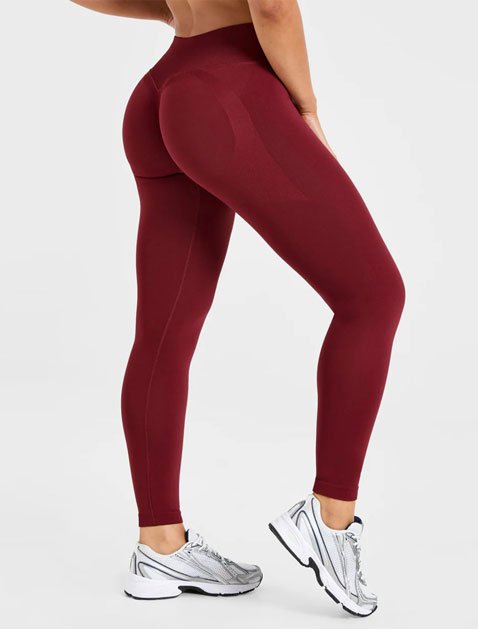
Contour Zone
Localized Seamless structure can create visual contour direction around suitable garment areas. MOVEVOX treats this as apparel structure rather than a guaranteed body-transformation effect.
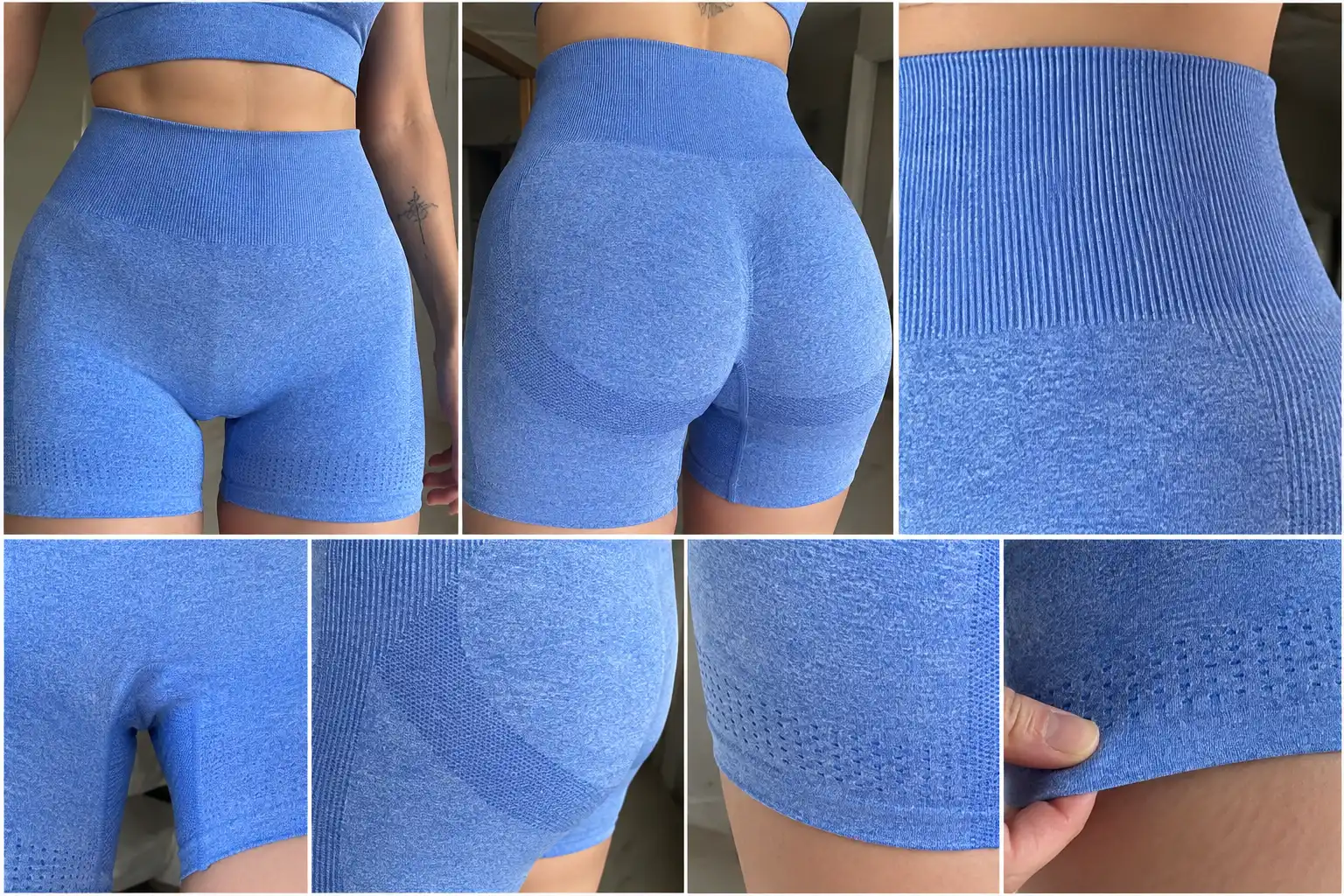
Smooth Contrast
A smoother organization can transition into more visible texture where technically feasible. Transitions, local stretch, dimensions, and organization placement should remain controlled.
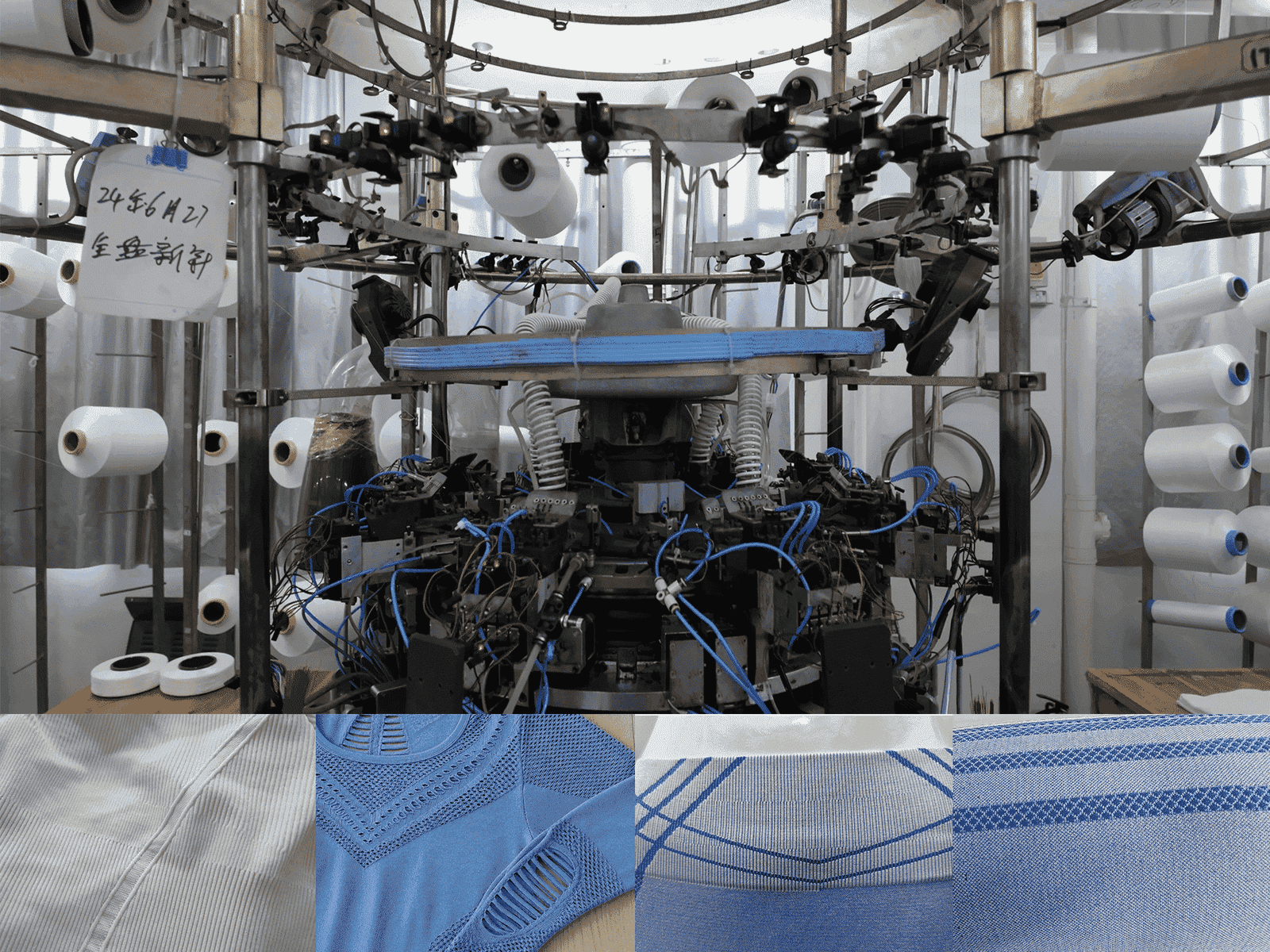
Mixed Texture
Suitable products can combine Rib, Mesh, Jacquard, texture, or different density directions inside one Seamless program. Each combination needs feasibility review.

Textured Fabric
Cut & Sew leggings can use suitable textured sportswear piece fabrics rather than programmed Seamless structure. Material approval should cover hand feel, stretch, recovery, color, surface, direction, and finished garment.
Screen references communicate design intent but cannot establish actual depth, hand feel, stretch appearance, color, or size behavior. Final texture approval should use real yarn, fabric, swatches, or finished garments.
Choose the Texture Route Around Product Architecture
Texture can originate inside a knitted Seamless garment or from a textured piece fabric used in Cut & Sew production. MOVEVOX supports both routes and reviews the decision around appearance, fit, function, material, MOQ, and commercial requirements.
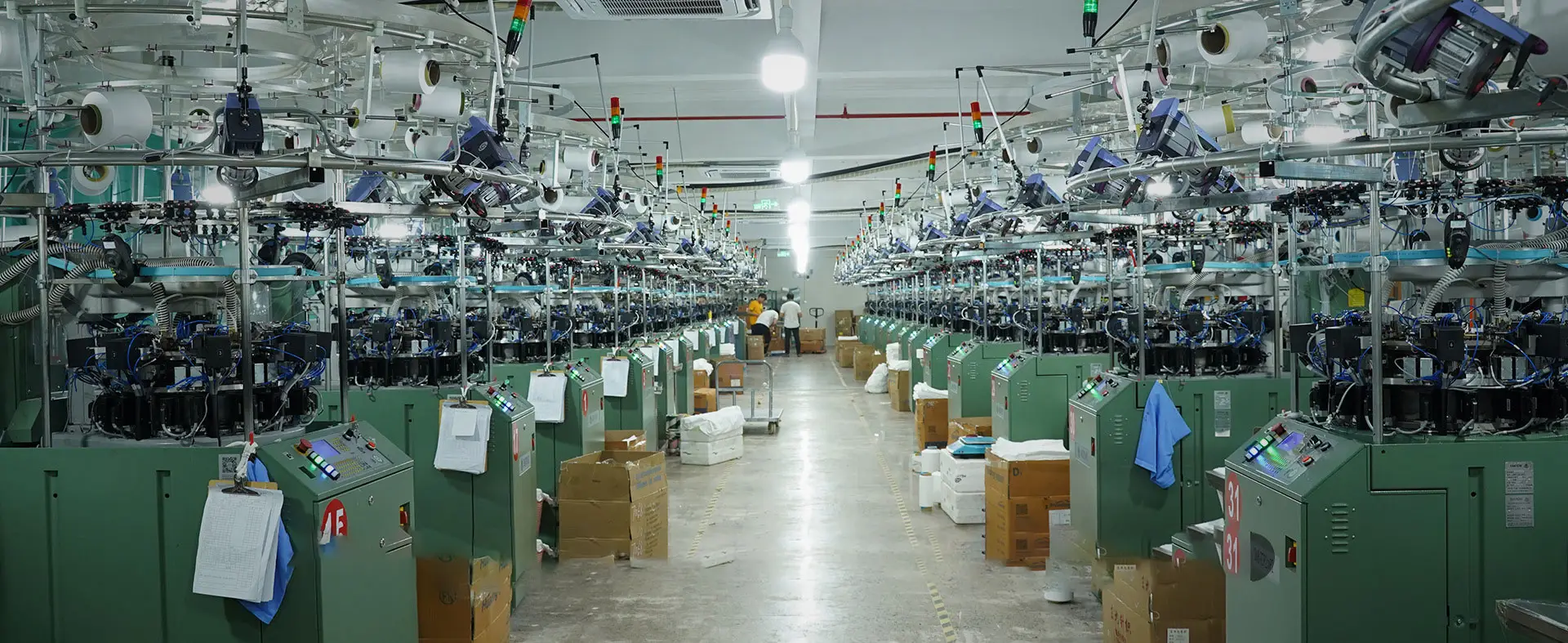
Seamless Texture
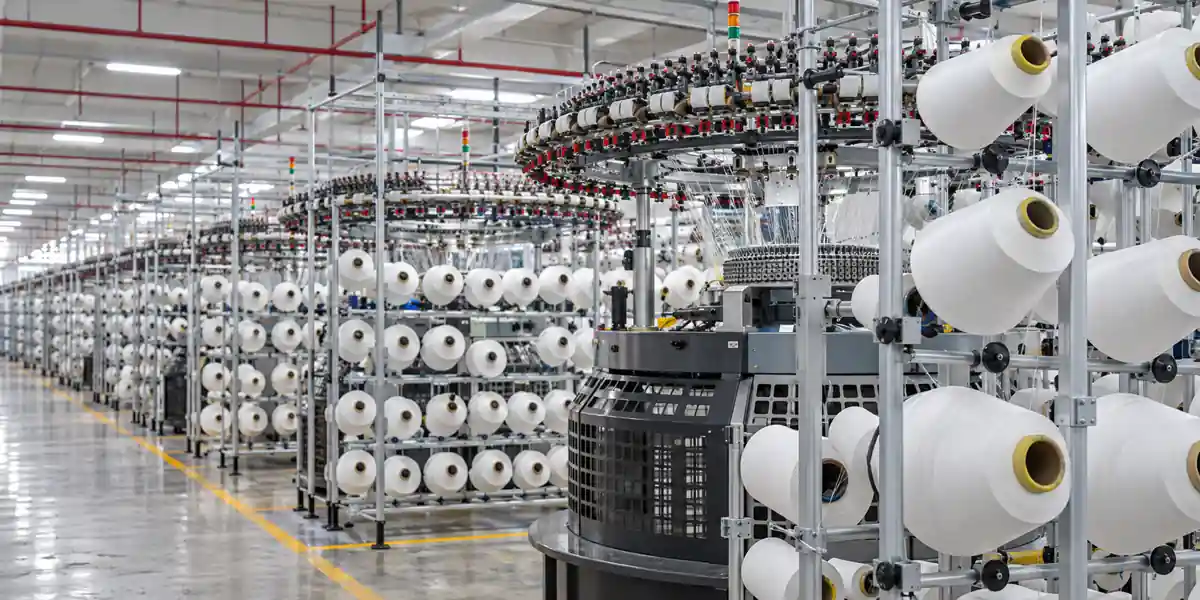
MOVEVOX's own Seamless system uses 28 Italian Santoni machines. Rib, Mesh, Texture, Jacquard, contour directions, and different organization densities can be programmed into suitable garments. This route is relevant when the surface structure should be integrated directly into the knitted product and controlled together with garment dimensions, waistband organization, and localized zones.
Yarn and program feasibility
Organization position
Size and color
Finishing
Physical sample approval
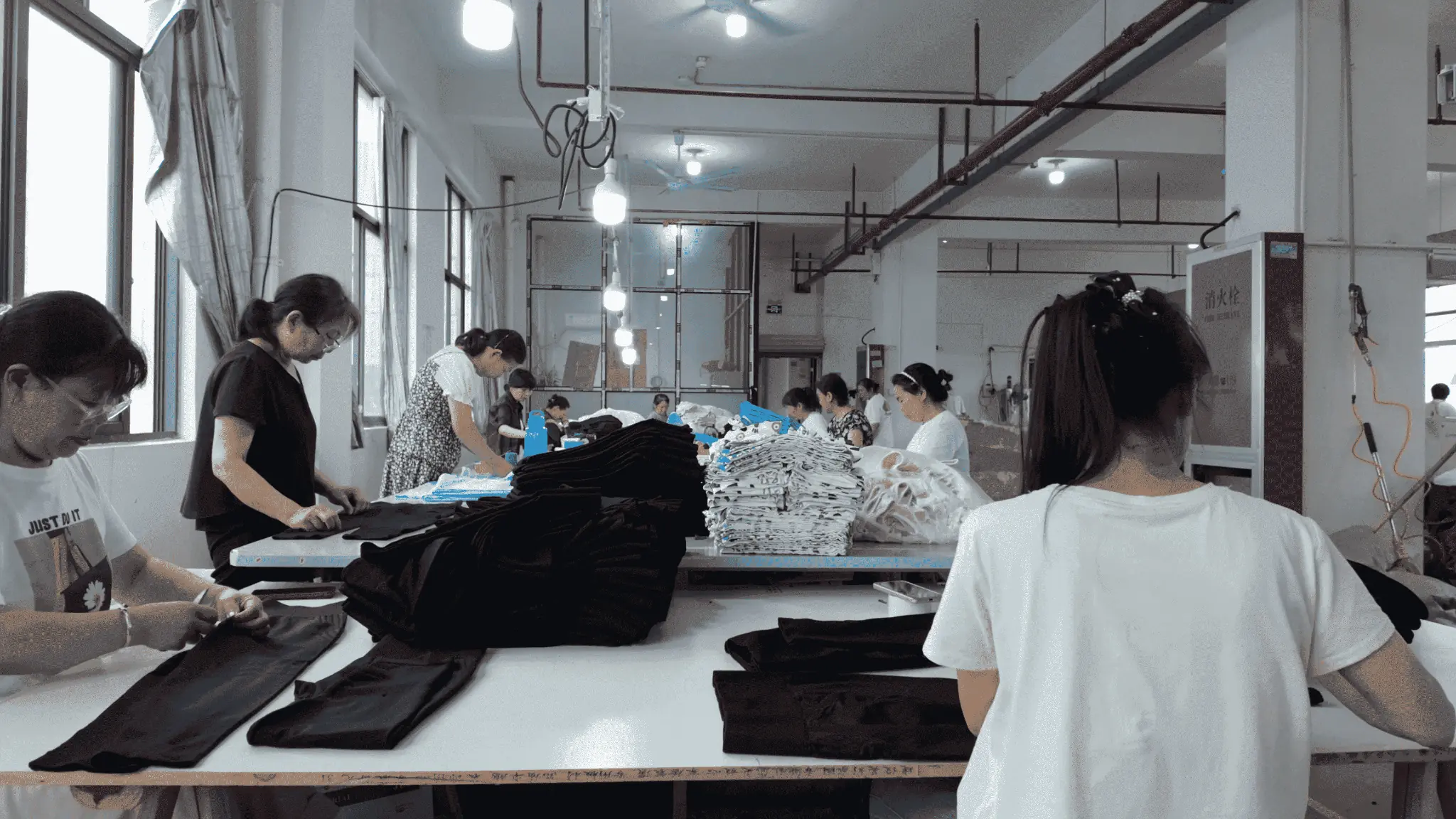
Cut & Sew Texture
MOVEVOX's Cut & Sew core includes approximately 24 principal sewing and garment-production machines. This route begins with an approved textured or structured piece fabric, followed by pattern development, cutting, sewing, finishing, and QC. It can suit products requiring conventional pattern architecture, pockets, panels, or a material texture already available from fabric suppliers.
Material lot and stretch direction
Texture orientation
Pattern placement
Sewing compatibility
Approved fit
Manufacturing Equipment Behind Textured Seamless Programs
MOVEVOX's own production system connects Seamless equipment, technical development, sample-making, Cut & Sew resources, QC, and packing. Equipment is relevant only when its role in developing, checking, or consistently producing the approved product can be verified.
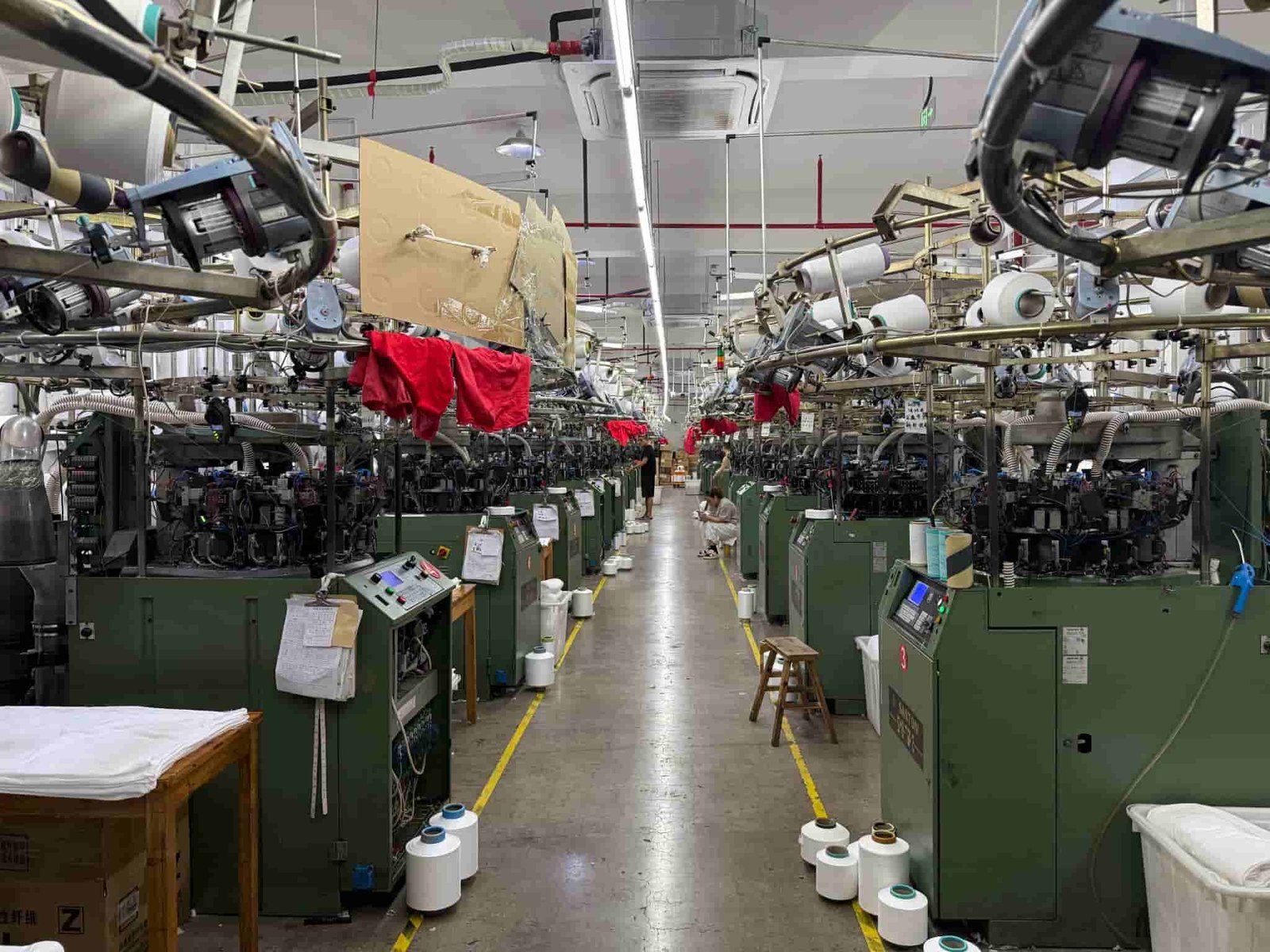
Santoni Seamless Machines
MOVEVOX's own Seamless manufacturing core includes 28 Italian Santoni knitting machines. They provide the physical manufacturing base for suitable Rib, Mesh, Texture, Jacquard, contour, and different-density activewear structures.
28 Italian Santoni machines
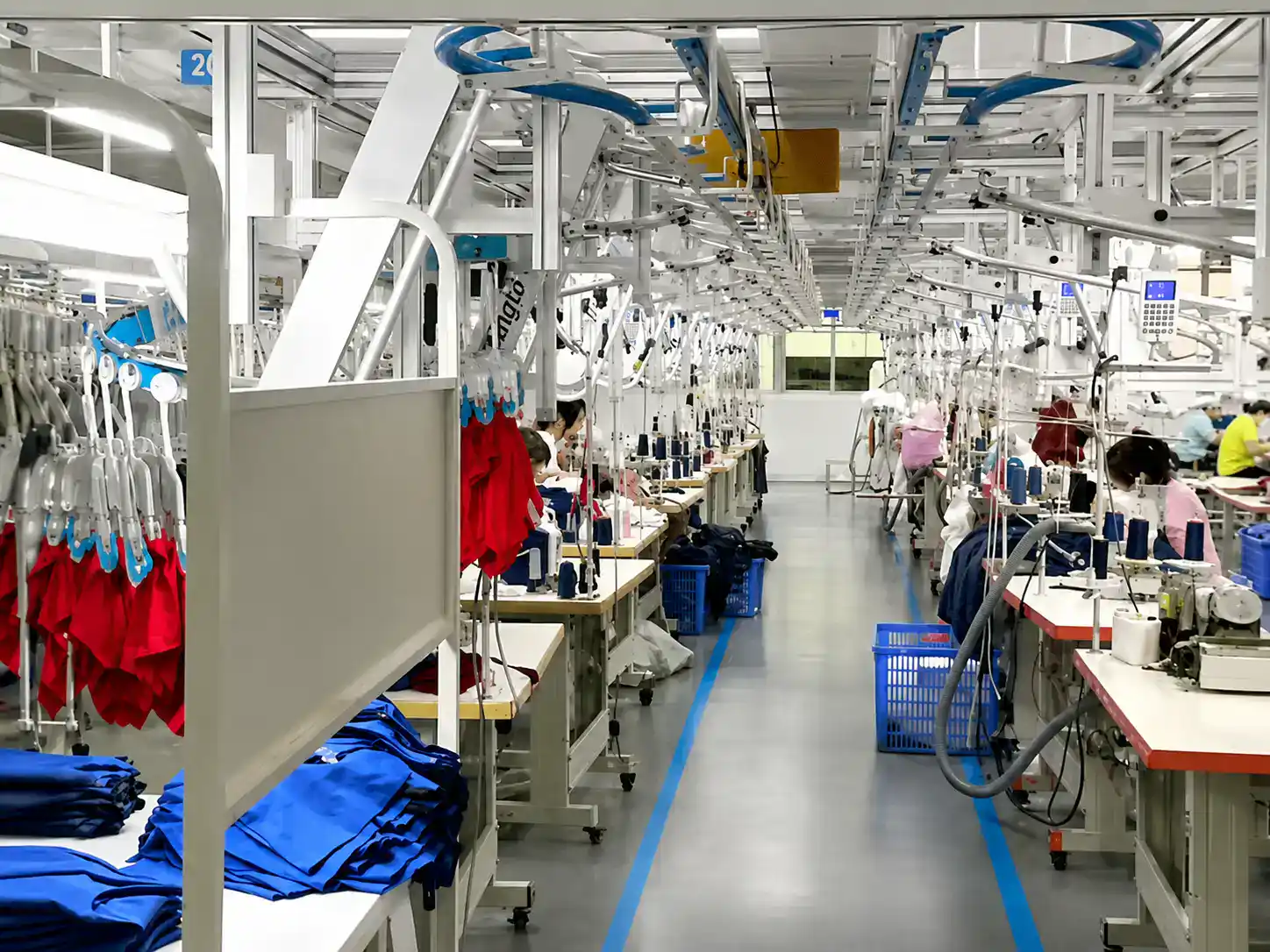
Garment Production Machines
Approximately 24 principal sewing and garment-production machines support MOVEVOX's own Cut & Sew core and suitable textured piece-fabric programs.
~24 principal garment machines
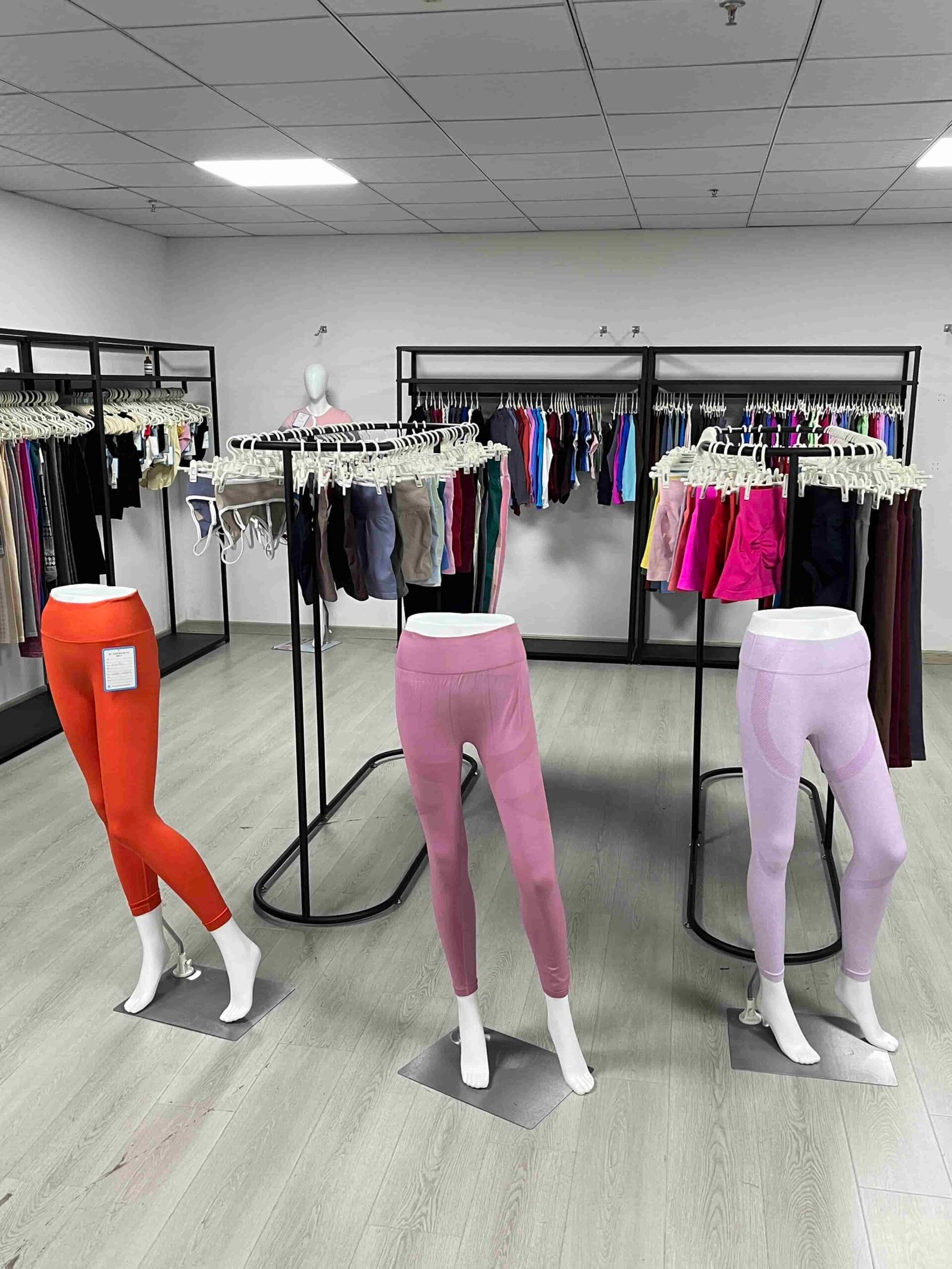
Sample-Making Resources
Four sample-making personnel within an approximately eight-person development organization convert technical inputs and materials into physical garments for fit, texture, construction, and buyer review.
4 sample-making staff
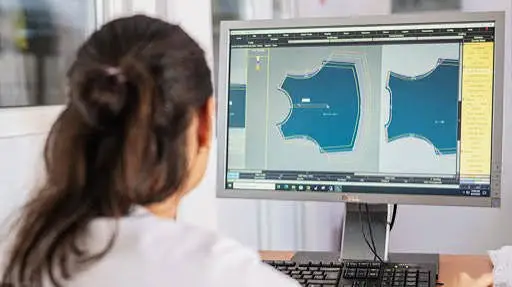
Pattern Development Area
Two pattern and technical personnel support development from buyer measurements, Fit Samples, and technical requirements into controlled Cut & Sew versions.
2 pattern/technical staff
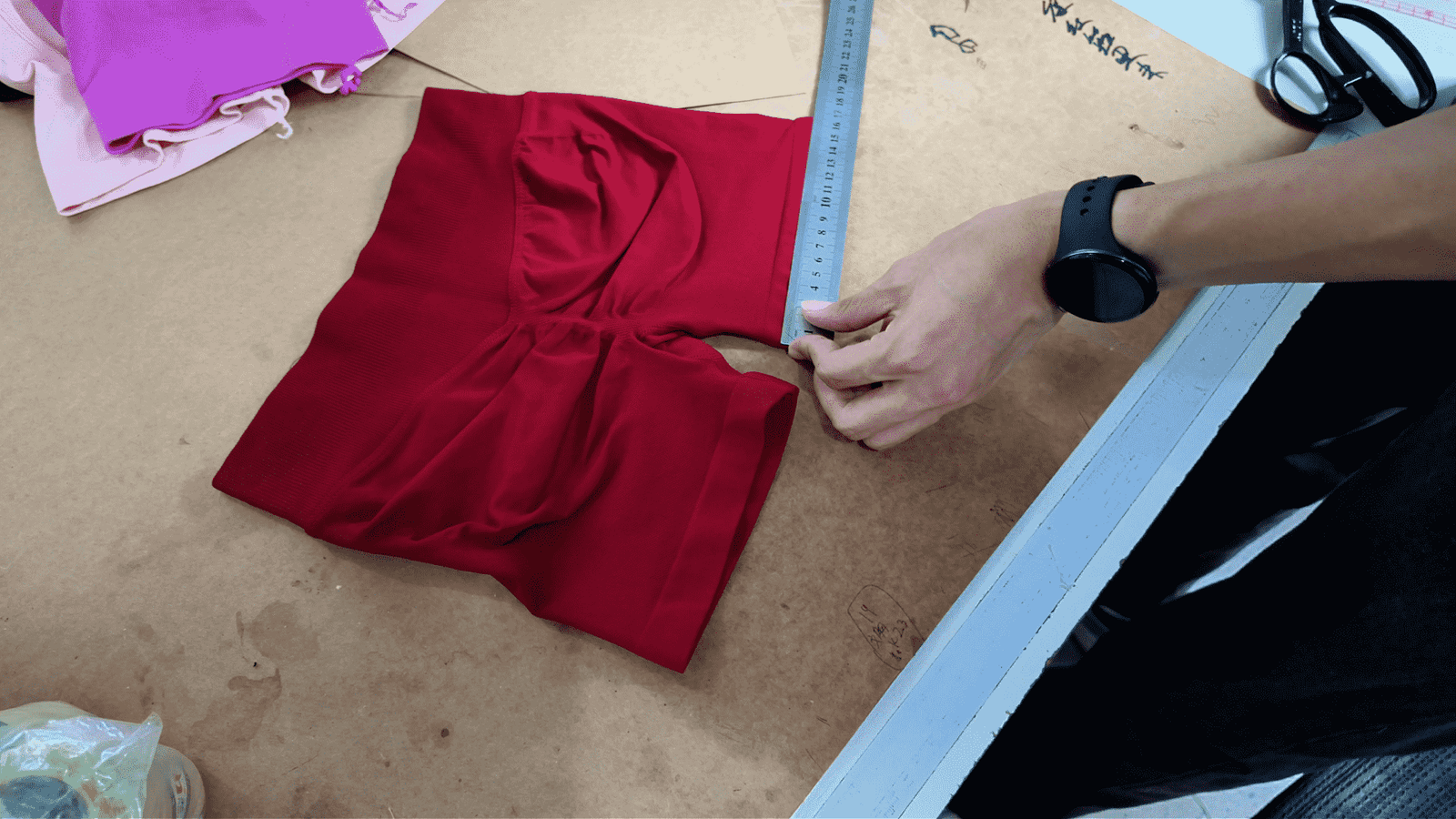
QC Measurement Area
Five QC personnel support material, production, garment, measurement, appearance, branding, packaging, and final inspection requirements.
5 QC personnel
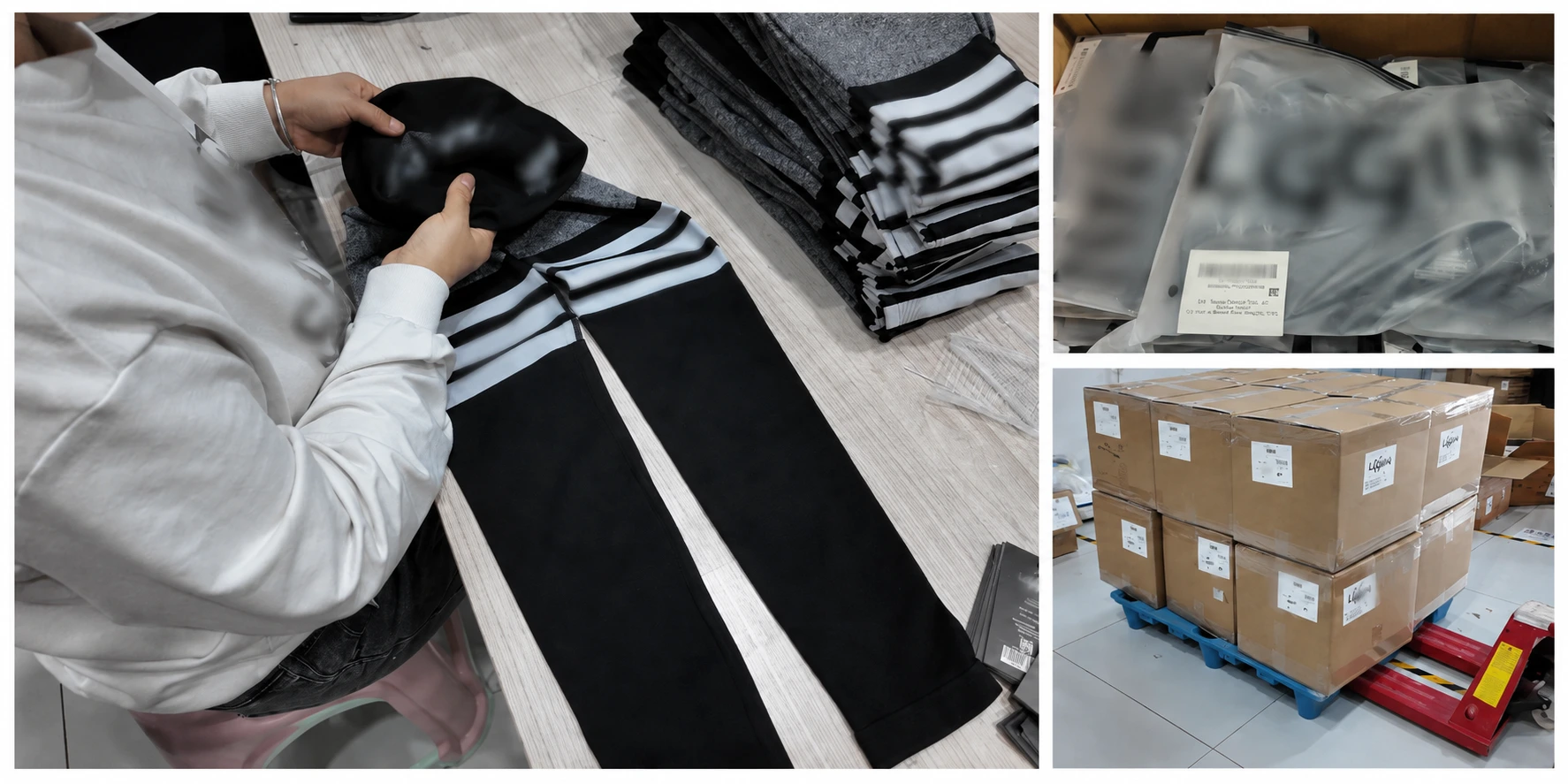
Packing Resources
Packing and finishing personnel coordinate labels, polybags, barcodes, stickers, SKU information, Carton Marks, and final packing requirements.
Packing/finishing team ~6
How Knit Structure Shapes Textured Leggings
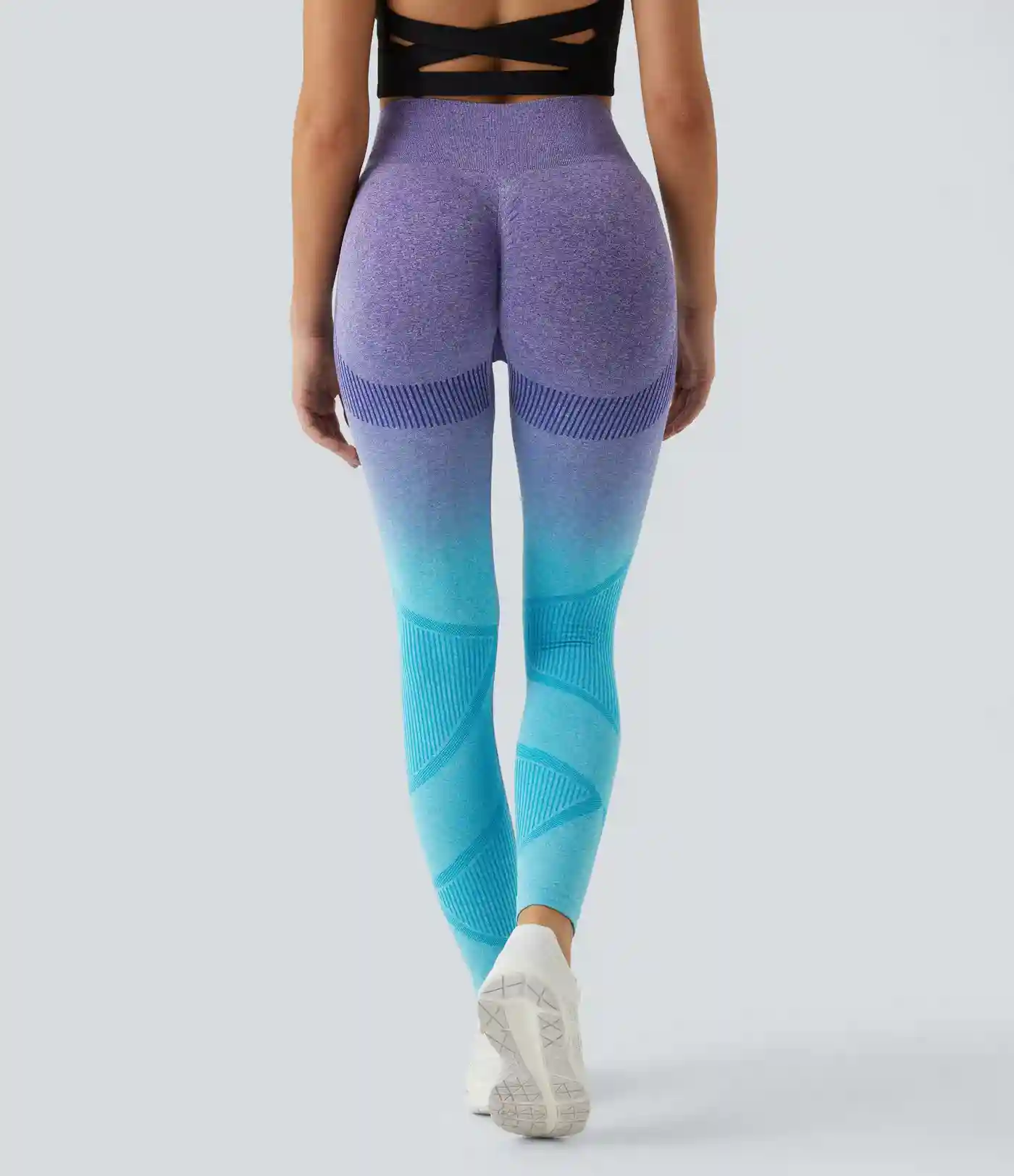
A Seamless garment can place different organization types in different body areas. MOVEVOX reviews structure, dimensions, stretch, yarn, size, and physical fit together because a visual zone also becomes part of the garment's technical construction.
Waist Structure
The Seamless waistband can use organization or density different from the body. Height, circumference, recovery, and transition into the main garment should be approved through actual fit.
Side Texture
Localized texture along the side body can provide visual differentiation while maintaining intended garment stretch. Position should remain linked to the confirmed program, garment size, and Approved Sample.
Mesh Zone
Mesh can create a visually open Seamless area where technically appropriate. Density, placement, extension, and required coverage must be reviewed together before production release.
Rear Contour
Localized organization can create a defined rear visual direction. MOVEVOX treats this as apparel structure rather than a guaranteed body-shaping or transformation claim.
Smooth Transition
A transition from stronger texture into a smoother organization can create intentional contrast. The program should control where that transition occurs and how it behaves under stretch.
Leg Texture
Rib, Texture, Jacquard, Mesh, or different-density structures can appear in selected leg areas where program feasibility permits and the physical sample is approved.
MOVEVOX's Seamless structures are created through machine programs and knitting organization rather than printed onto a finished garment. Organization position, garment dimensions, yarn direction, size, and program version therefore need to remain controlled from sample approval through First Article and bulk production, with critical structure positions checked against the current released standard.
From Texture Concept to Seamless Production Program
MOVEVOX translates buyer requirements into controlled Seamless development through technical review, yarn selection, organization planning, physical knitting, sample feedback, and formal release. New textures remain subject to Santoni, yarn, sizing, and manufacturing feasibility.
Concept Review
Review the buyer's Tech Pack, legal physical sample, texture reference, placement, waistband, sizes, colors, quantity, and intended activity. Unsupported visual concepts remain development directions until feasibility is confirmed.
Owner: Product Team QC Node: Buyer Input
Yarn Direction
Review suitable Seamless yarn around composition, hand feel, stretch, recovery, color, availability, and compatibility with the intended structure. Special yarn and dedicated colors can introduce separate minimums.
Owner: Sourcing Team QC Node: Material Review
Structure Planning
Convert the approved visual direction into feasible Rib, Mesh, Jacquard, texture, contour, smooth-transition, or different-density organization where supported.
Owner: Technical Team QC Node: Feasibility Gate
Program Build
Translate confirmed garment dimensions, texture placement, waistband structure, size, and organization requirements into the current knitting-program direction.
Owner: Seamless Team QC Node: Version Control
Trial Knitting
Verify whether yarn, program, dimensions, and selected organizations produce a workable garment before customer approval.
Owner: Production Team QC Node: Internal Check
Physical Approval
Use the real sample to review texture definition, stretch-state appearance, fit, waistband, color, hand feel, and relevant opacity.
Owner: Project Team QC Node: Buyer Confirm
Revision Release
Consolidate buyer comments into the current technical version; program, yarn, dimensions, organization, color, and other changes remain controlled.
Owner: Development Team QC Node: Internal Release
Bulk Control
Commercial knitting follows the released material and program direction with checks for organization position, holes, missed stitches, symmetry, dimensions, and surface appearance.
Owner: Production/QC QC Node: Inline / Final
How Cut & Sew Builds Textured Leggings
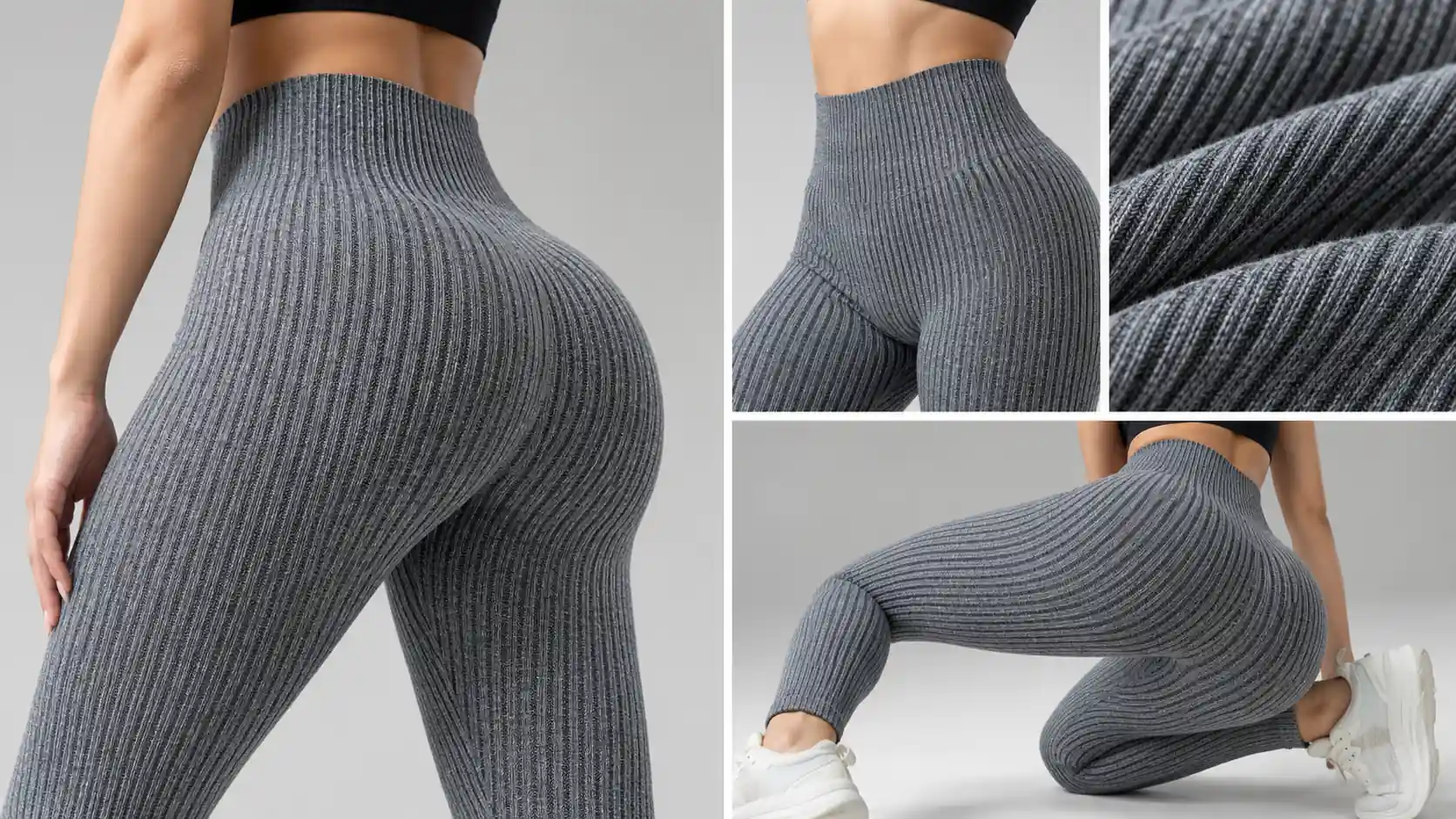
Cut & Sew textured leggings begin with an approved piece fabric rather than a programmed garment body. Material direction, pattern, cutting, stretch-compatible sewing, and finished inspection therefore become the main controls behind the approved surface and fit.

Fabric Approval
Textured sportswear fabric should be confirmed for surface appearance, hand feel, stretch, recovery, color, and intended garment use before normal production begins.
Applicable area: Main leggings panels and waistband materials.
Control focus: Approved material, lot, color, and stretch direction remain linked.
Pattern Development
The pattern translates buyer measurements and Fit Sample direction into physical panels while accounting for waist, hip, rise, inseam, pockets, and actual fabric behavior.
Applicable area: Waist, hip, legs, and functional panels.
Control focus: Production pattern follows the current approved technical version.
Texture Orientation
Textured fabric can make grain or direction differences more visible than a smooth surface. Cutting orientation should remain consistent across paired components.
Applicable area: Main front, back, and side panels.
Control focus: Left-right pairing and texture direction require visual control.
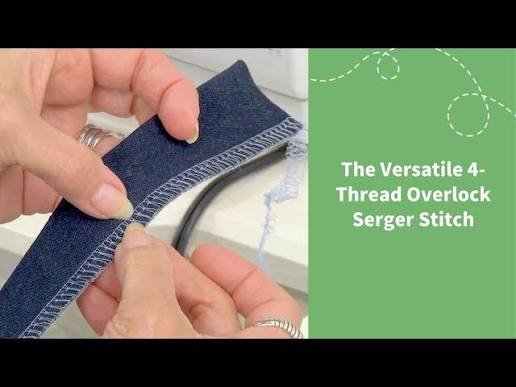
Overlock Joining
Overlock can connect appropriate stretch-fabric seams while controlling raw edges and maintaining sufficient elasticity for activewear construction.
Applicable area: Selected internal joining positions.
Control focus: Thread tension remains compatible with fabric extension.
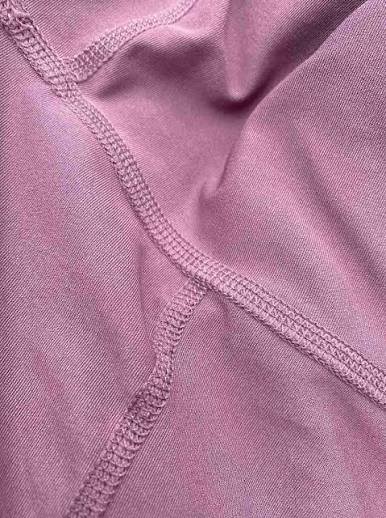
Flatlock Application
Flatlock can provide flatter joining where reduced seam bulk and suitable extension are required.
Applicable area: Selected leg and panel seams.
Control focus: Stitch width, tension, and material compatibility require approval.
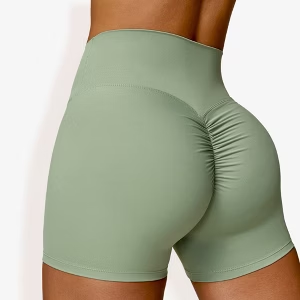
Coverstitch Finish
Coverstitch can be used on suitable hems or finished edges where elastic extension and controlled visual appearance are required.
Applicable area: Leg openings and approved finishing positions.
Control focus: Stitch extension should match the material's actual stretch.
Choose Material Around the Intended Texture
Texture development begins with manufacturing route, intended activity, hand feel, support direction, surface definition, color, stretch, and recovery. MOVEVOX uses physical sampling to confirm whether the selected yarn or fabric works with the finished product.
Manufacturing Route
Seamless / Cut & Sew / Unsure
Hand Feel
Soft / Smooth / Structured / Textured
Texture Visibility
Subtle / Defined / Mixed
Support Direction
Light / Medium / Firmer
Color Route
Standing / Pantone / Physical Reference

Soft Seamless
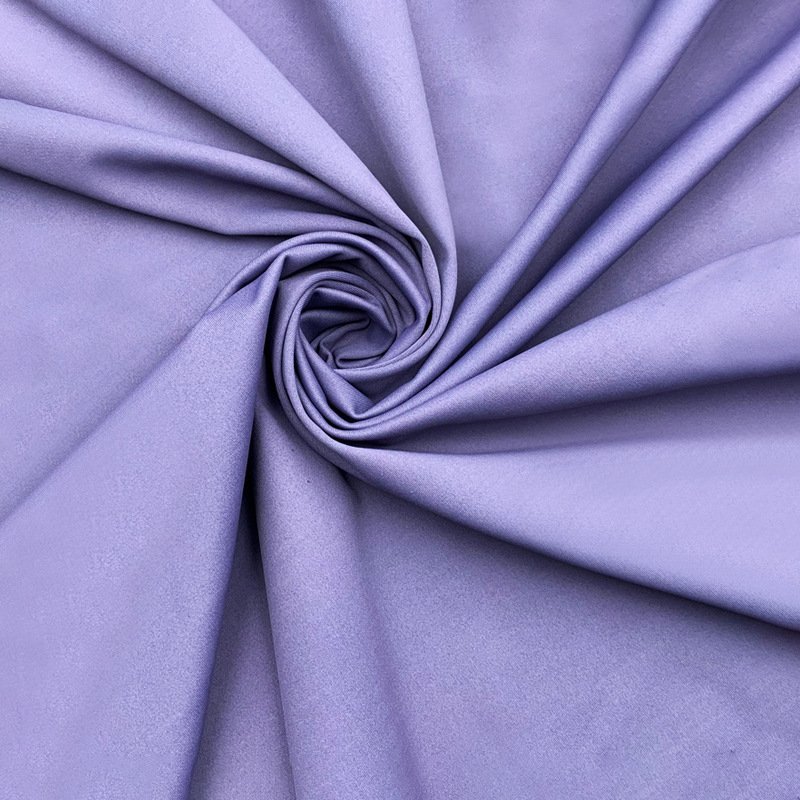
A softer Seamless direction can use suitable Nylon/Polyamide + Spandex or other approved yarn systems for yoga, Pilates, or studio products. Texture definition, stretch, recovery, waistband stability, and opacity still need physical confirmation because softness alone does not establish the finished garment's structural behavior.
Structured Seamless
A more structured sportswear direction can use organization and density designed toward a firmer support sensation where technically appropriate. MOVEVOX does not convert this into unsupported medical-compression claims.

Textured Fabric
Cut & Sew projects can use suitable ribbed or textured piece fabrics where the product needs conventional panels, pockets, or pattern architecture. The actual fabric should be approved for surface, stretch, recovery, direction, color, and fit.
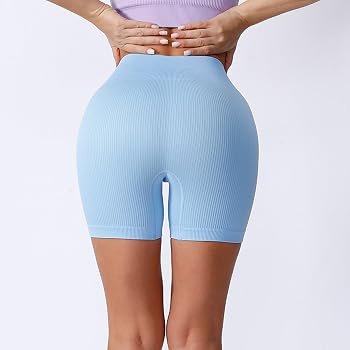
Mixed Structure
Suitable Seamless projects can combine Rib, Mesh, Jacquard, texture, smoother zones, or different densities. Every added organization changes the technical program and can affect stretch, dimensions, appearance, or complexity.
Compare Material Systems Behind Textured Leggings
Fiber composition is only one input. The finished texture also depends on yarn or fabric construction, knitting organization, stretch, recovery, garment dimensions, finishing, and actual product use.
| Parameter | Polyamide Seamless | Polyester Seamless | Textured Piece Fabric | Mixed Seamless |
|---|---|---|---|---|
| Core Fiber | Nylon/Polyamide + Spandex | Polyester + Spandex | Project specific | Project specific |
| Main Route | Circular Seamless | Circular Seamless | Cut & Sew | Circular Seamless |
| Texture Source | Knit organization | Knit organization | Fabric construction | Multiple organizations |
| Stretch | Project specific | Project specific | Fabric dependent | Zone dependent |
| Recovery | Structure dependent | Structure dependent | Material dependent | Zone dependent |
| Hand Feel | Sample approved | Sample approved | Fabric approved | Sample approved |
| Opacity | Color/stretch dependent | Color/stretch dependent | Fabric/stretch dependent | Organization dependent |
| Surface | Program dependent | Program dependent | Fabric dependent | Zone dependent |
| Color Route | Standing/custom | Standing/custom | Supplier route | Standing/custom |
| Best Use | Project defined | Project defined | Pattern-based styles | Zoned structures |
MOVEVOX's material system includes Nylon/Polyamide + Spandex, Polyester + Spandex, Seamless knitting materials, brushed or softer hand-feel directions, and ribbed or textured sportswear fabrics. More than 20 standing color resources exist across the broader yarn and fabric supply system, but actual availability depends on material specification. Final product approval should use the real material, color, and physical sample.
Engineer Waistbands Around Texture and Fit
A textured waistband is both a visual and structural area. Height, circumference, organization, material recovery, rise, and transition into the body influence whether it remains stable and visually consistent during actual movement.

Rib Waistband
A Rib waistband can create a defined texture while supporting a Seamless product language. The actual effect depends on yarn, density, garment dimensions, and extension. Physical Fit Sample approval should confirm compatibility with the intended stability and hand feel.
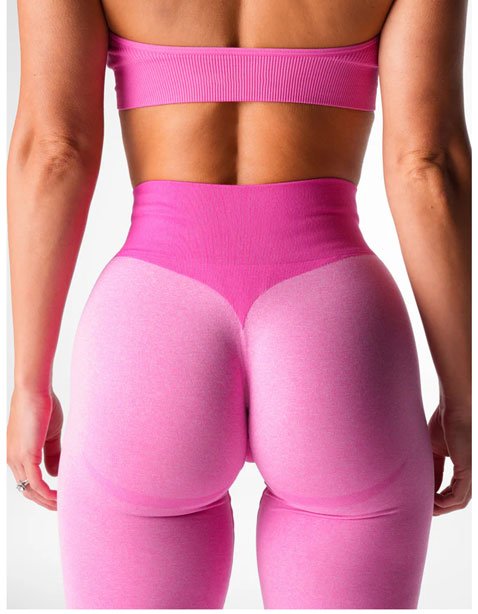
Dense Waistband
A denser Seamless organization can create a firmer sportswear support sensation where appropriate. Higher density should not automatically be interpreted as superior fit or certified compression.
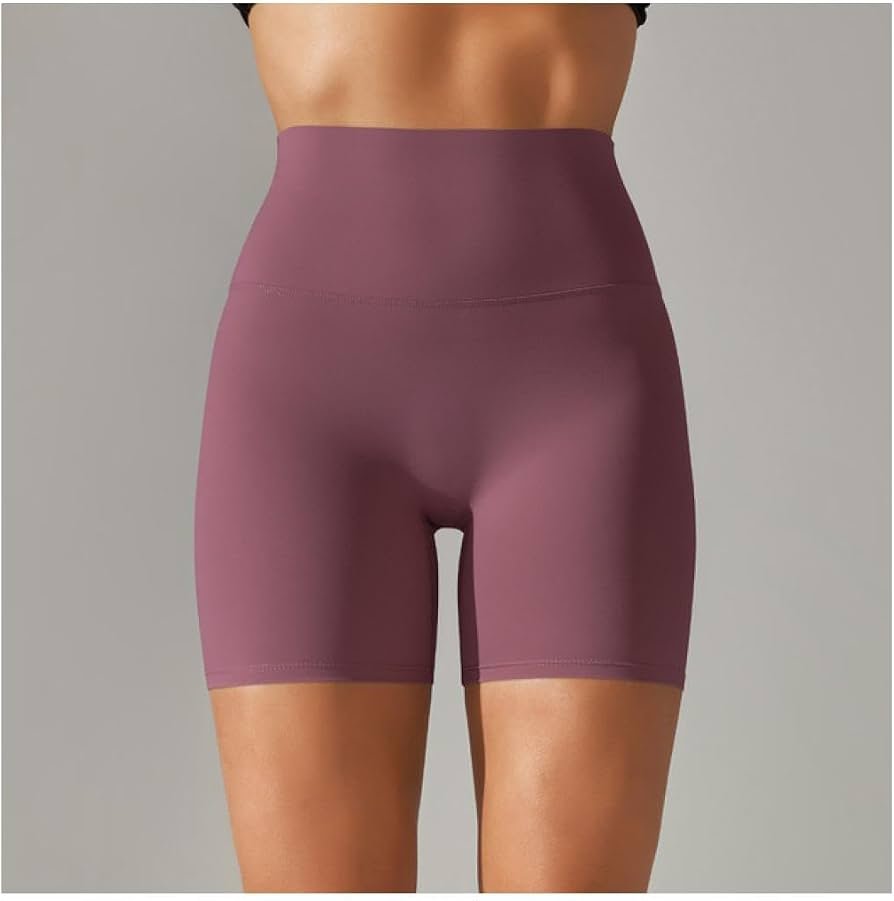
High Waistband
High-waist textured leggings increase coverage above the waist and make vertical stability important. Height, material behavior, waist-to-hip balance, and physical movement should be approved together.
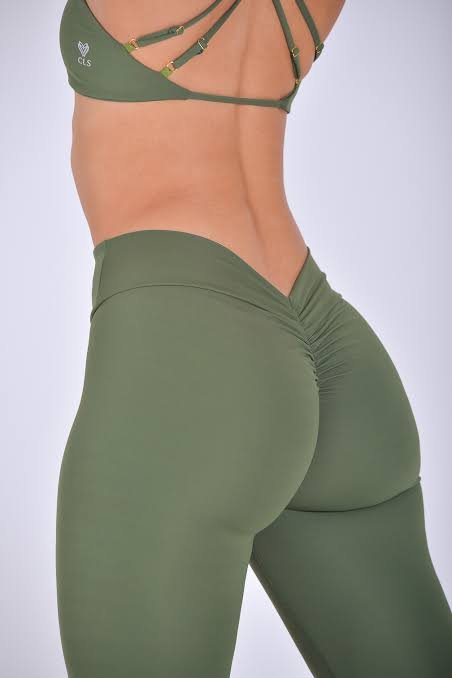
V Waist Direction
A V-shaped waistband can be developed through a technically suitable Seamless or Cut & Sew route. Symmetry, center alignment, local stretch, and transition into the textured body require physical validation.

Smooth Transition
The waistband does not need the same texture as the main garment. A smoother transition into Rib, Mesh, Jacquard, or other organization can be developed where technically feasible.
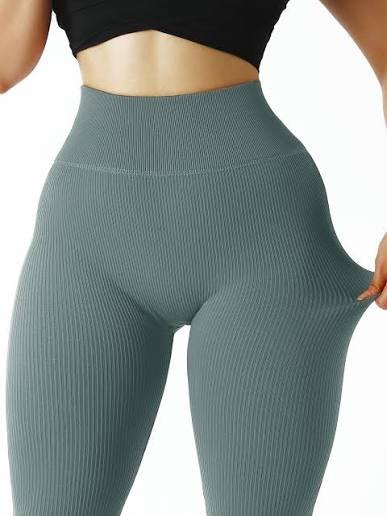
Textured Fabric Waist
Cut & Sew leggings can use textured fabric in the waistband or combine it with another approved material. The chosen construction should maintain suitable recovery, seam stability, and fit.
Evaluate Texture in the Stretched Garment State
Textured leggings need sufficient extension for intended movement while retaining an approved fit and surface direction. MOVEVOX evaluates stretch and recovery together with yarn or fabric, organization, dimensions, waistband, color, and physical product use.
Soft Studio
A softer yoga or Pilates direction can prioritize flexibility and hand feel while retaining the approved visual texture. The final structure should still be reviewed under physical extension because local texture, waistband stability, and opacity can change when the garment is actually worn.
Training Structure
A training-oriented product can use a firmer material or denser Seamless organization where suitable. The objective is an approved sportswear support sensation rather than maximum tightness.
Textured Fabric
Cut & Sew performance depends on the selected piece fabric before assembly. Stretch direction, recovery, panel orientation, pattern dimensions, and sewing all influence how the texture presents on the body.
Mixed Seamless
A mixed Seamless product can contain Rib, Mesh, Texture, Jacquard, or different-density areas that respond differently under extension. Transitions, organization placement, local stretch, and dimensions need physical approval.
These radar profiles are qualitative development directions, not laboratory results. Numerical stretch, recovery, compression, or durability claims should only be published when a defined sample, method, and report support those values.
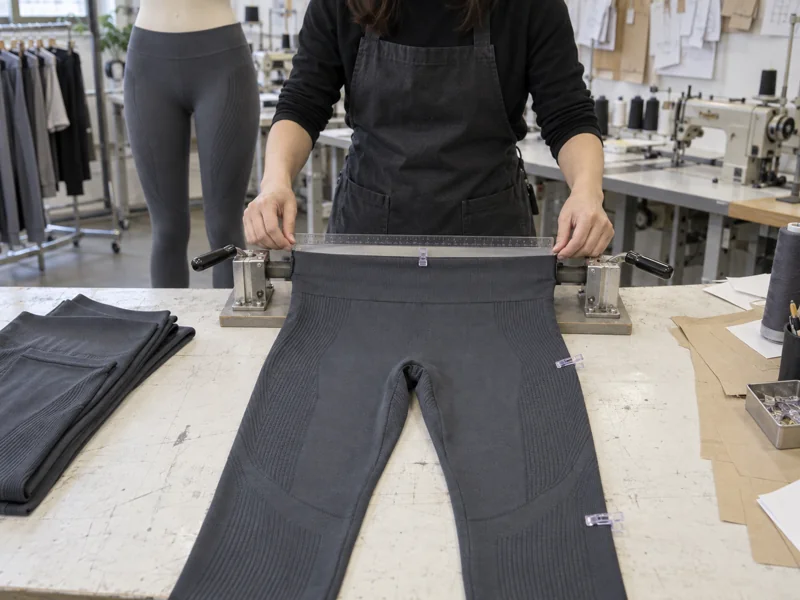
Test Coverage Under Real Texture Extension
Opacity is influenced by material, texture density, organization, color, finished dimensions, size, and garment extension. MOVEVOX can follow buyer-defined visual or laboratory methods when coverage is a formal commercial requirement.
Color Review
Purpose: Determine whether the actual color maintains acceptable visual coverage in the approved texture.
Method: Review the finished garment in the required color under agreed lighting and product conditions rather than transferring results from a different color automatically.
Pass / Report: Buyer-approved visual criterion or defined test standard.
Texture Extension
Purpose: Determine whether the textured structure opens or changes coverage under garment stretch.
Method: Compare the finished material or garment while relaxed and under the agreed Fit Sample or buyer-defined extension condition.
Pass / Report: Approved physical result under defined conditions.
Movement Review
Purpose: Evaluate coverage in body positions that create higher extension.
Method: Use representative buyer-defined bending, squatting, or movement during Fit Sample review when opacity forms part of product approval.
Pass / Report: Buyer approval or defined movement criterion.
Size Review
Purpose: Confirm that different sizes do not create unacceptable coverage changes.
Method: Evaluate representative Size Set garments where commercially required rather than assuming one development size proves the range.
Pass / Report: Approved representative sizes or customer standard.
Measurement Check
Purpose: Determine whether excessive opening is associated with dimensions drifting away from the approved requirement.
Method: Measure relevant POM under the buyer-defined garment condition and compare with current specifications and tolerances.
Pass / Report: Customer-approved dimensional tolerance.
Buyer Laboratory
Purpose: Apply a formal customer or third-party protocol when visual approval alone is not sufficient.
Method: Follow the buyer's specified sample preparation, equipment, stretch condition, measurement method, and acceptance threshold.
Pass / Report: Buyer-defined report or laboratory result.
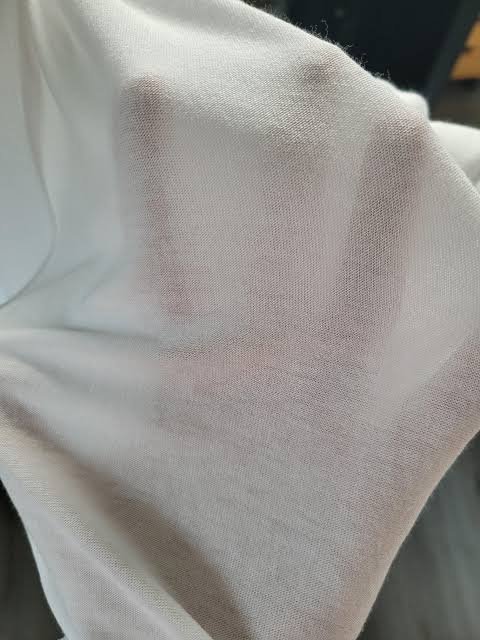
Control Texture Across the Commercial Size Range
The same texture direction can appear different as waist, hip, rise, and local extension change across sizes. MOVEVOX uses buyer-specific measurements and physical approval rather than applying one universal leggings size standard.
| Size | Waist | Hip | Rise | Inseam | Texture Reference | Fit Type |
|---|---|---|---|---|---|---|
| XS | Buyer-approved | Buyer-approved | Buyer-approved | Buyer-approved | Approved sample | Project defined |
| S | Buyer-approved | Buyer-approved | Buyer-approved | Buyer-approved | Approved sample | Project defined |
| M | Buyer-approved | Buyer-approved | Buyer-approved | Buyer-approved | Approved sample | Project defined |
| L | Buyer-approved | Buyer-approved | Buyer-approved | Buyer-approved | Approved sample | Project defined |
| XL | Buyer-approved | Buyer-approved | Buyer-approved | Buyer-approved | Approved sample | Project defined |
| XXL | Buyer-approved | Buyer-approved | Buyer-approved | Buyer-approved | Approved sample | Project defined |
Size and Texture Principle
For Seamless garments, yarn, program, organization density, size, finishing, garment resting condition, and measurement method can influence the final dimensions and appearance. For Cut & Sew textured leggings, fabric stretch, pattern grading, and panel direction also affect the result. MOVEVOX can use representative Size Set review where the buyer needs stronger evidence that texture position, visual scale, waistband fit, and overall dimensions remain appropriate across the commercial range.
- One base-size texture should not automatically qualify all sizes.
- Material or program changes can require renewed size approval.
- Measurements should use one agreed method and garment condition.
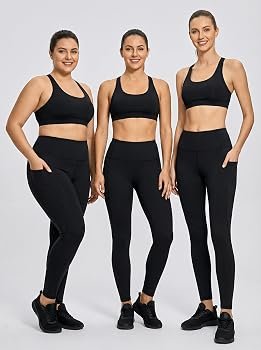
Balance Texture With the Complete Product Requirement
A stronger visual structure is not automatically a better product. MOVEVOX evaluates texture together with stretch, hand feel, opacity, durability requirements, branding, fit, and commercial repeatability so one design objective does not unintentionally undermine another.
Texture Definition
Stronger texture can increase visual differentiation, but depth and organization also interact with yarn, stretch, density, size, and hand feel. The approved level should be established through the physical sample rather than maximizing relief automatically.
Execution proof: Trial knitting and buyer-approved physical texture sample.
Stretch Balance
More structured or denser organization can change local extension and sportswear support sensation. The objective should be enough structure for the design while retaining movement and fit appropriate to the intended activity.
Execution proof: Material review, Fit Sample, and approved garment dimensions.
Coverage Control
Open or highly stretched structures can require additional opacity review, particularly in lighter colors and higher-extension body areas.
Execution proof: Actual color, physical Fit Sample, buyer-defined opacity condition.
Surface Durability
A distinctive surface can introduce different snagging, pilling, wash, or handling requirements depending on yarn and construction.
Execution proof: Physical sample plus buyer-required third-party test where applicable.
Repeat Production
Highly customized texture increases the importance of material, program, version, and production controls. The more specific the approved surface becomes, the more important it is to preserve correct inputs.
Execution proof: Approved Sample, program/material record, First Article, and QC.
MOVEVOX does not treat lowest cost, maximum density, strongest texture, or lowest MOQ as universal priorities. The relevant balance depends on product positioning, customer use, quantity, material, launch timing, and repeat-order strategy.
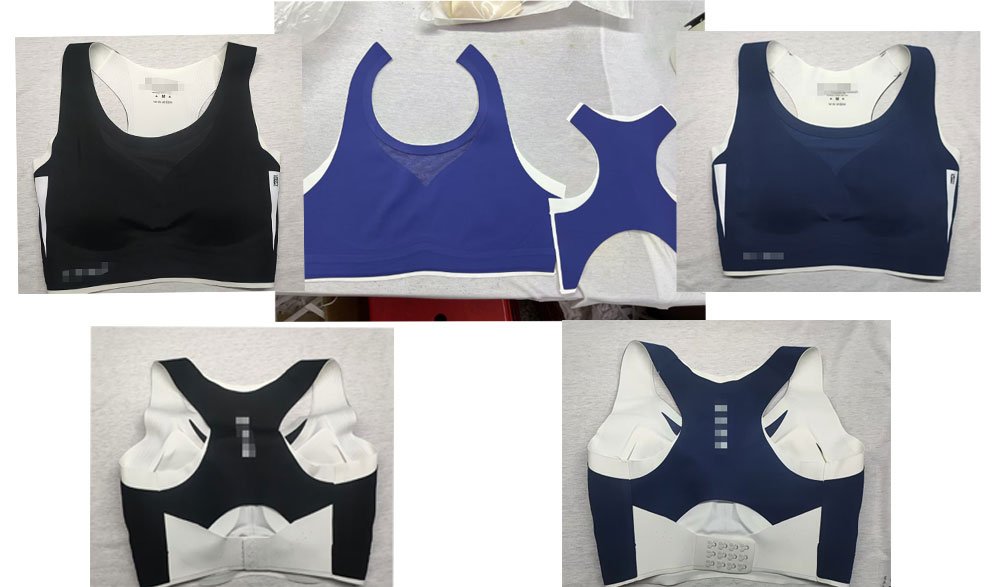
Match Branding Methods to Textured Surfaces
MOVEVOX supports multiple Logo and label methods, but textured and highly elastic surfaces require compatibility review. Artwork, placement, material, stretch, surface geometry, cost, and the approved sample should guide the final branding method.
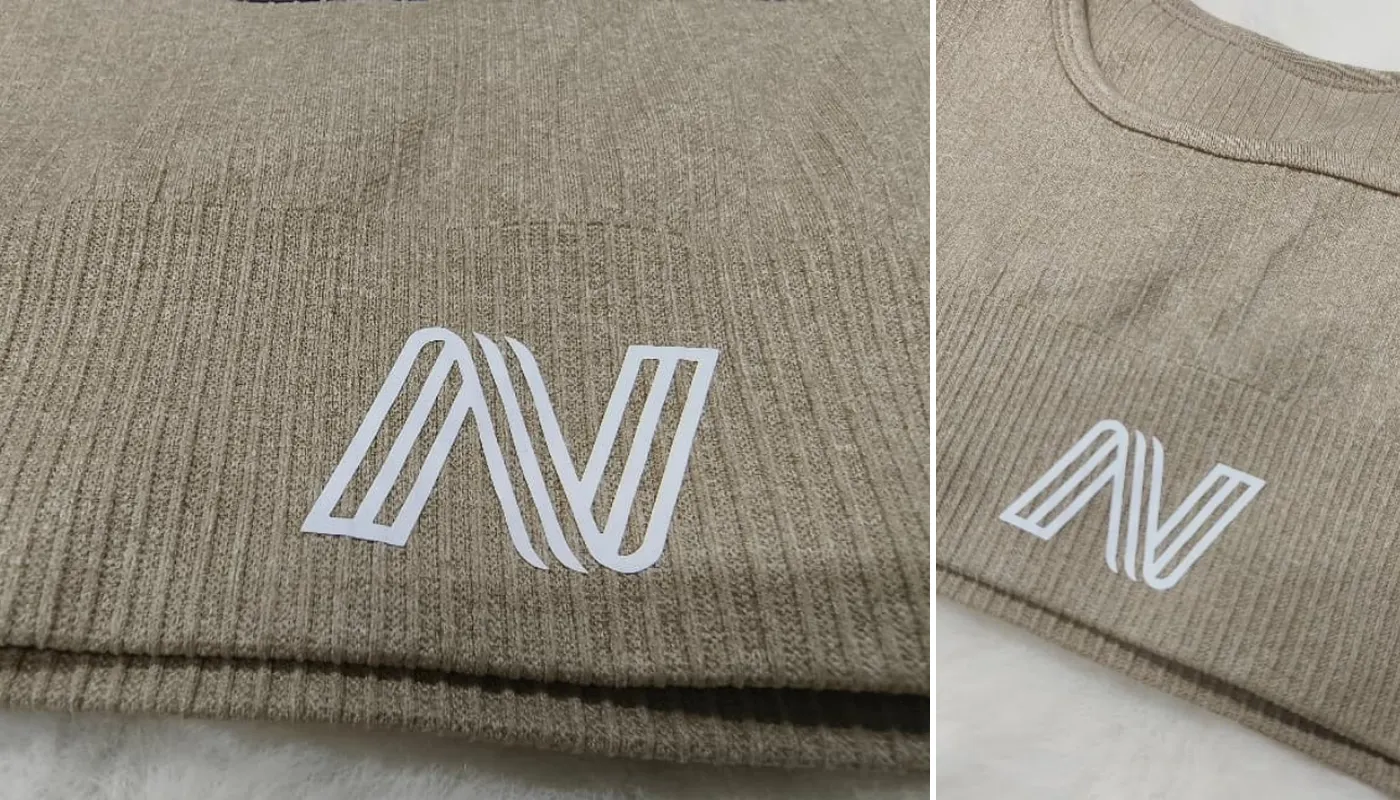
Heat Transfer
Heat transfer can provide a clean branded finish on suitable activewear surfaces. Textured or highly elastic areas require confirmation that the transfer can sit consistently and tolerate intended garment extension.
Best use: Suitable relatively stable activewear Logo areas.
Limit: Highly raised or heavily stretched surfaces require sample validation.
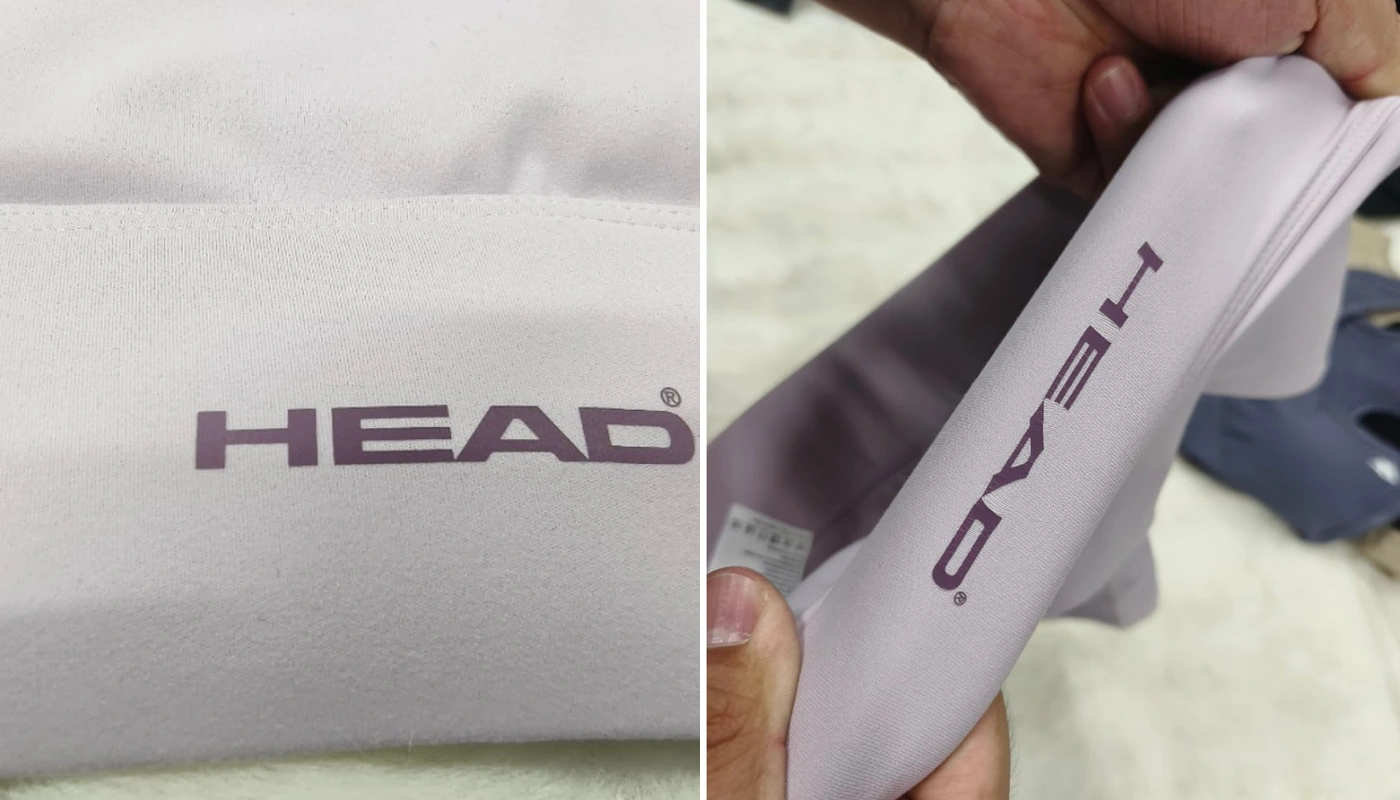
Screen Print
Screen printing can support selected Logo directions where ink, material, surface, and garment stretch are compatible. Texture may affect ink coverage or visual edge definition.
Best use: Suitable printable garment surfaces and approved artwork.
Limit: Strong texture can affect surface contact and appearance.
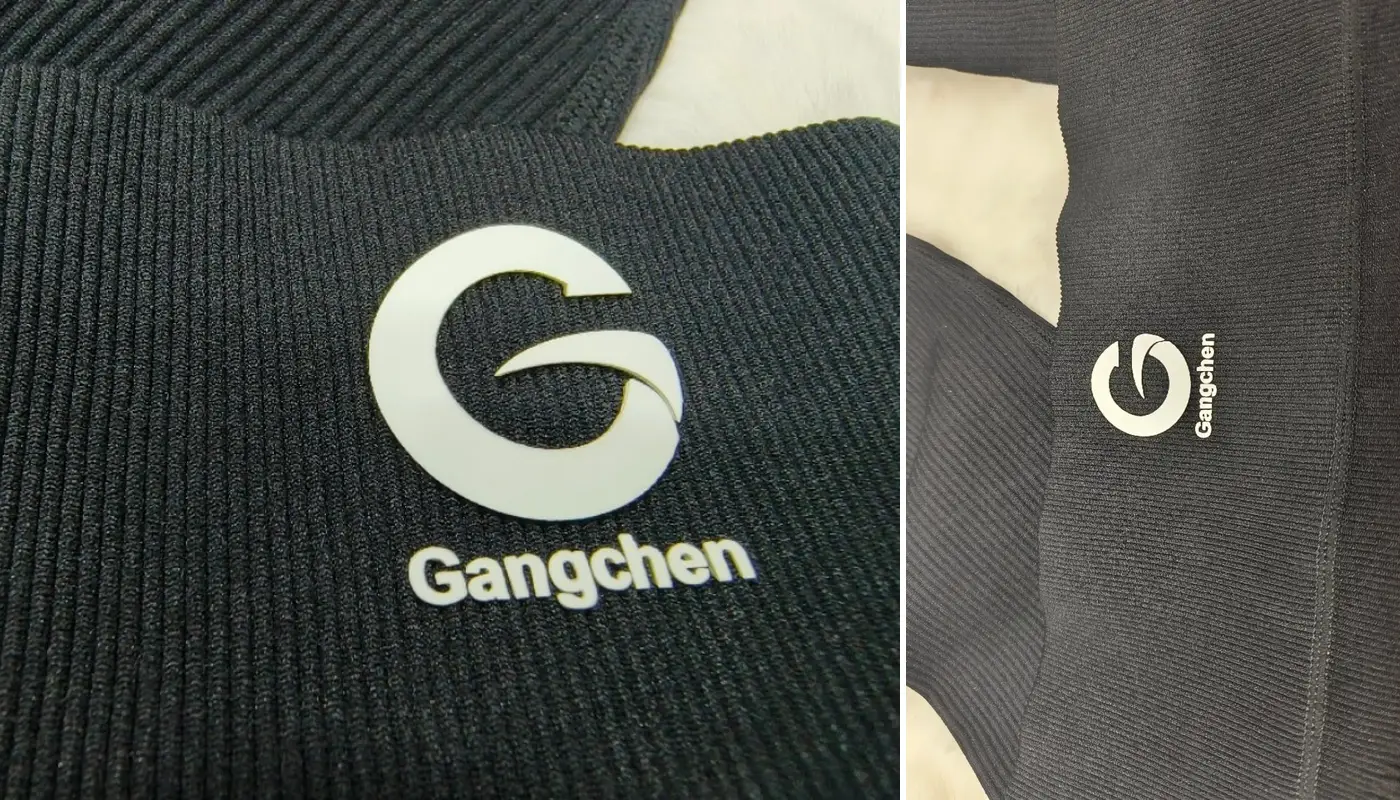
Silicone Print
Silicone printing can create a different tactile direction where appropriate. Elasticity, surface structure, Logo size, position, and adhesion still require review.
Best use: Selected sportswear branding requiring tactile Logo detail.
Limit: Adhesion and stretch need approval on the real material.
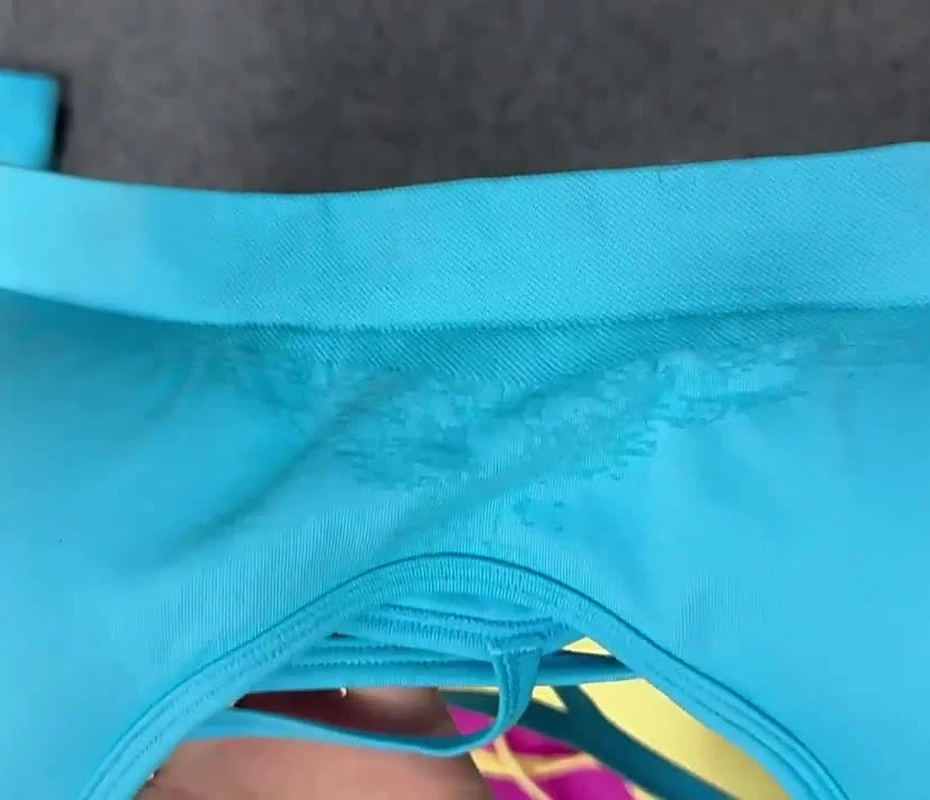
Jacquard Branding
Jacquard can integrate selected branding or pattern elements into a suitable Seamless structure. Artwork must be adapted to yarn, machine, program, garment extension, and visual scale.
Best use: Knit-in visual identity on suitable Seamless programs.
Limit: Fine artwork and color complexity remain technically constrained.
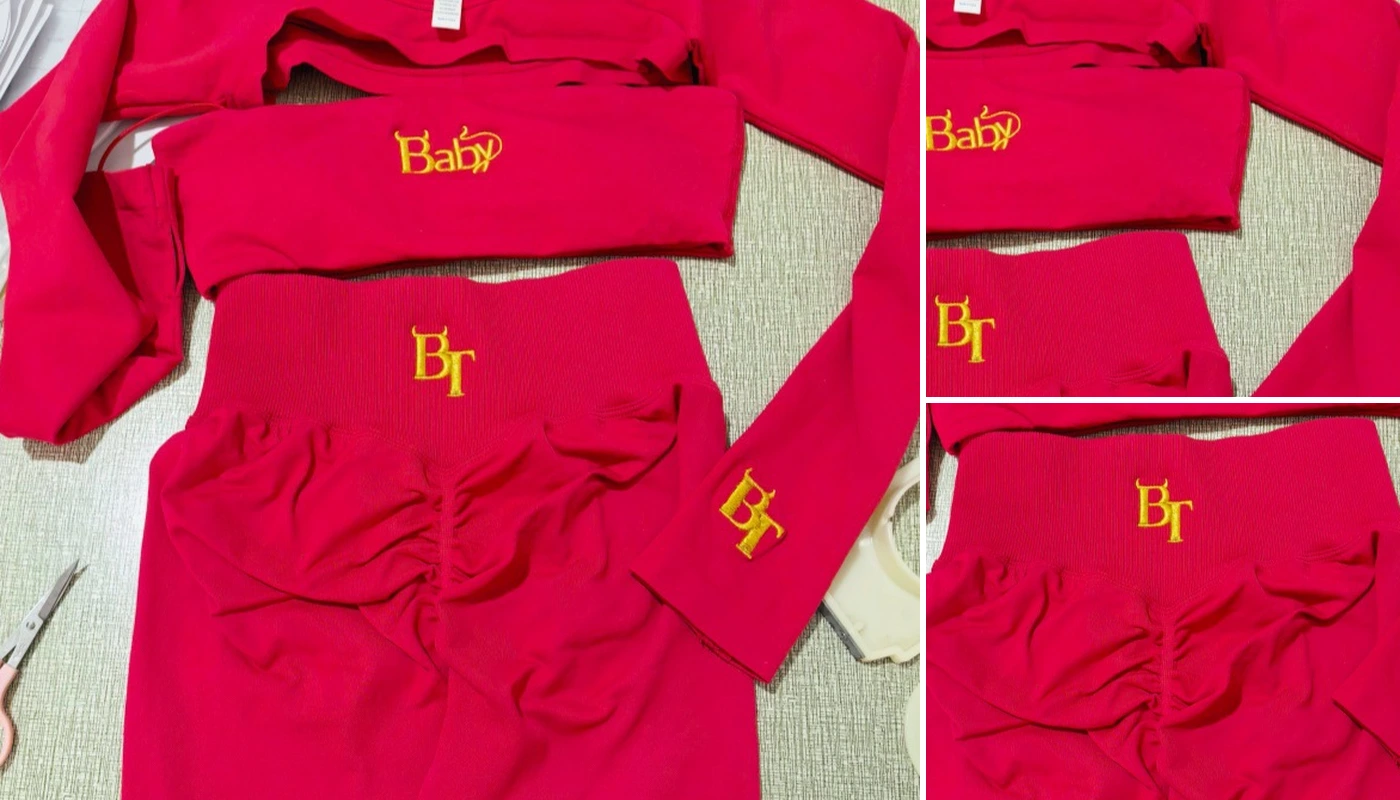
Embroidery
Embroidery can be used on appropriate activewear products and locations where material stability, stretch, thickness, and Logo scale permit.
Best use: Stable zones or products suitable for stitched branding.
Limit: High-stretch areas can require alternative Logo methods.
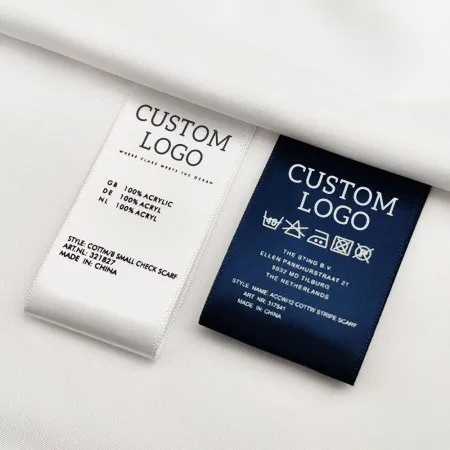
Woven Label
Woven labels can carry brand identity without requiring artwork to sit directly on a highly textured main surface.
Best use: Brand identity where direct surface printing is unsuitable.
Limit: Attachment position must remain compatible with garment construction.
Develop Texture Around Your Brand Direction
MOVEVOX can develop verified Seamless texture structures and suitable Cut & Sew textured-material products. Final direction depends on yarn or fabric, structure, fit, size, waistband, color, function, and physical feasibility.
Rib Texture
Rib can create a clear vertical or structured surface language through suitable Seamless organization or approved ribbed piece fabric, subject to material and physical sample approval.
View Option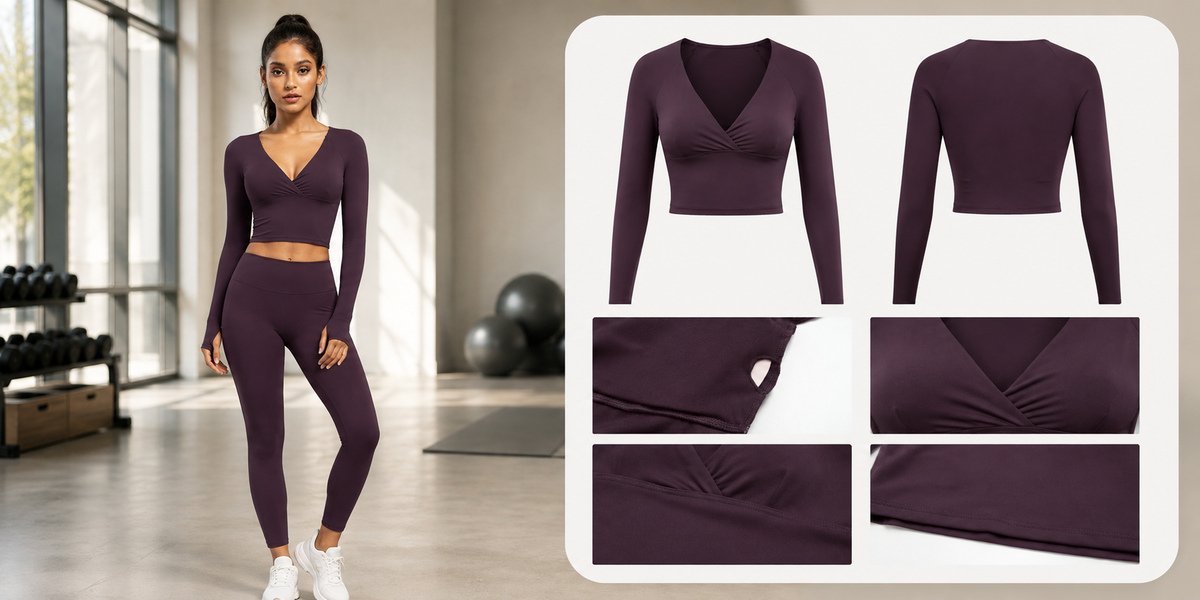
Mesh Texture
Mesh can form a localized Seamless visual area where organization, coverage, stretch, position, and end use remain technically compatible.
View Option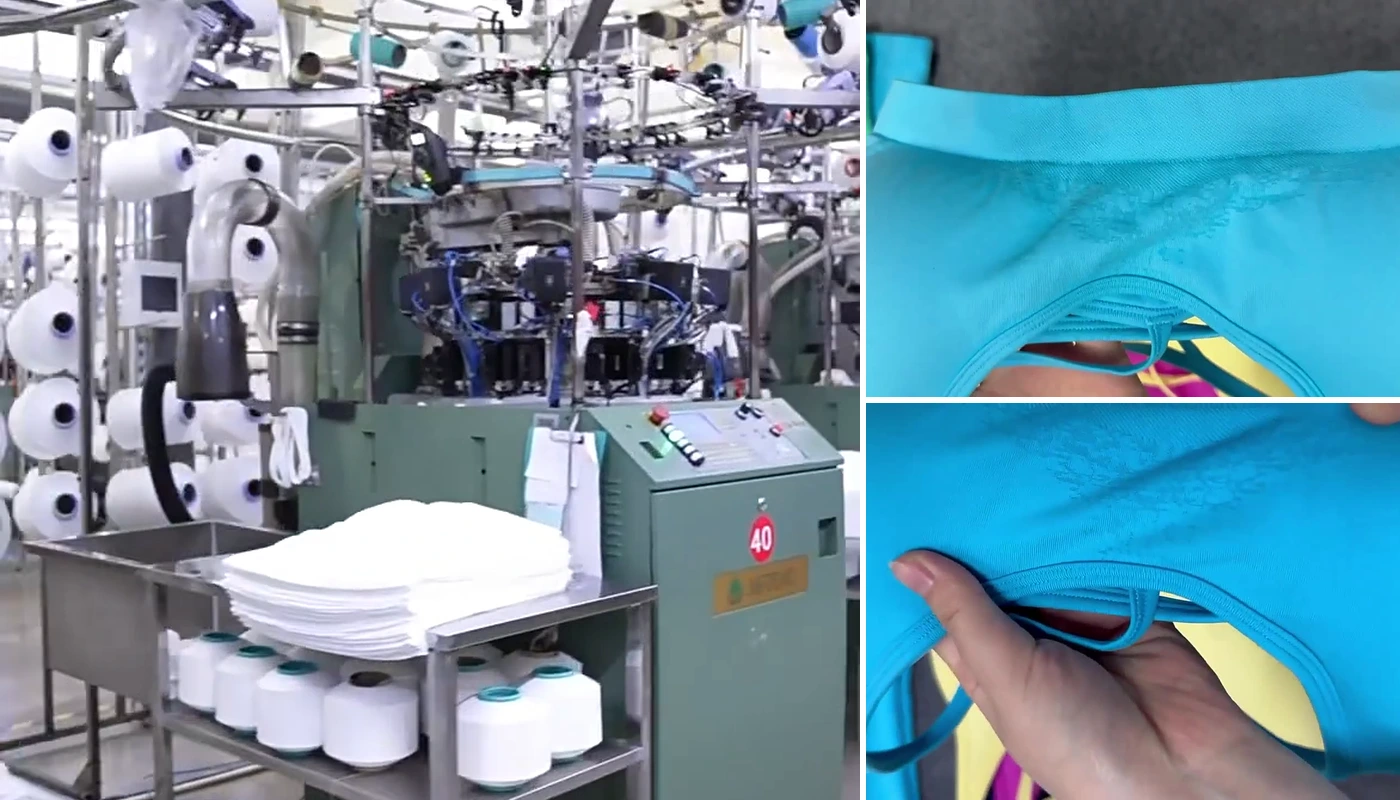
Jacquard Detail
Jacquard can integrate selected patterns or visual structure directly into suitable Seamless garments after artwork and program feasibility review.
View Option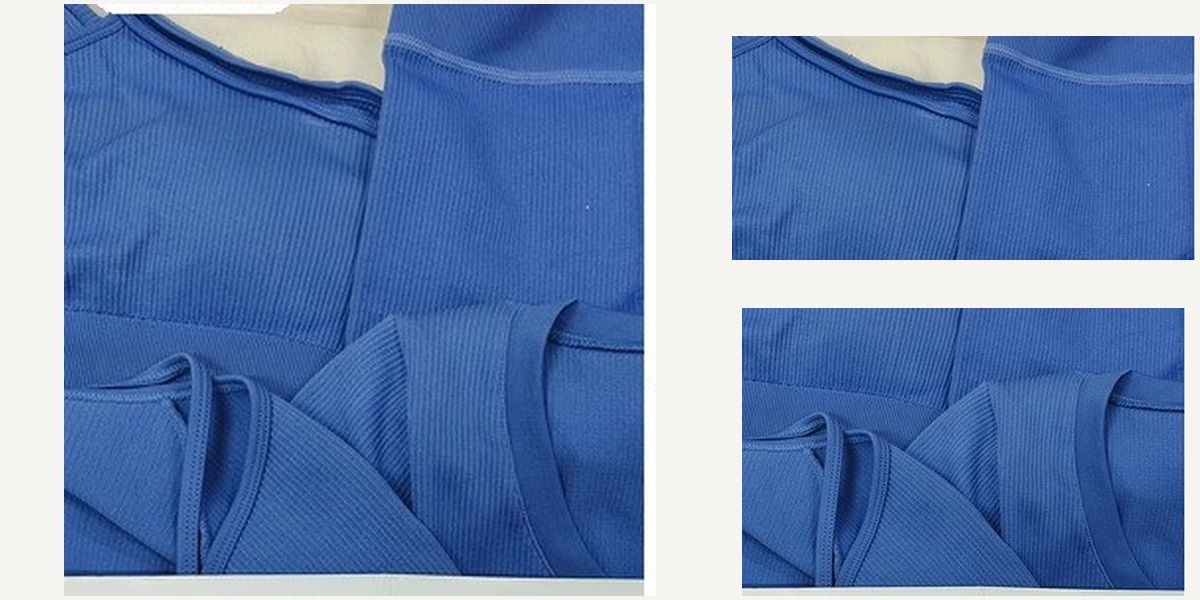
Mixed Texture
Suitable Seamless products can combine different organization directions, including Rib, Mesh, smoother areas, Jacquard, or different densities within one technical program.
View Option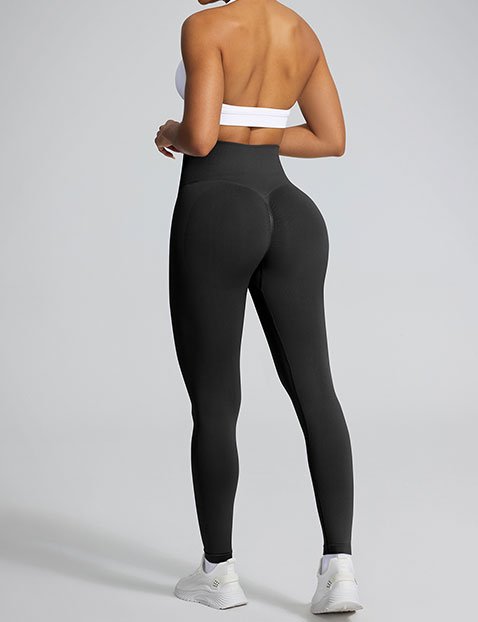
Contour Zones
Localized organization can provide visual contour through structured knitted areas while remaining subject to physical fit, size, yarn, and approved position.
View Option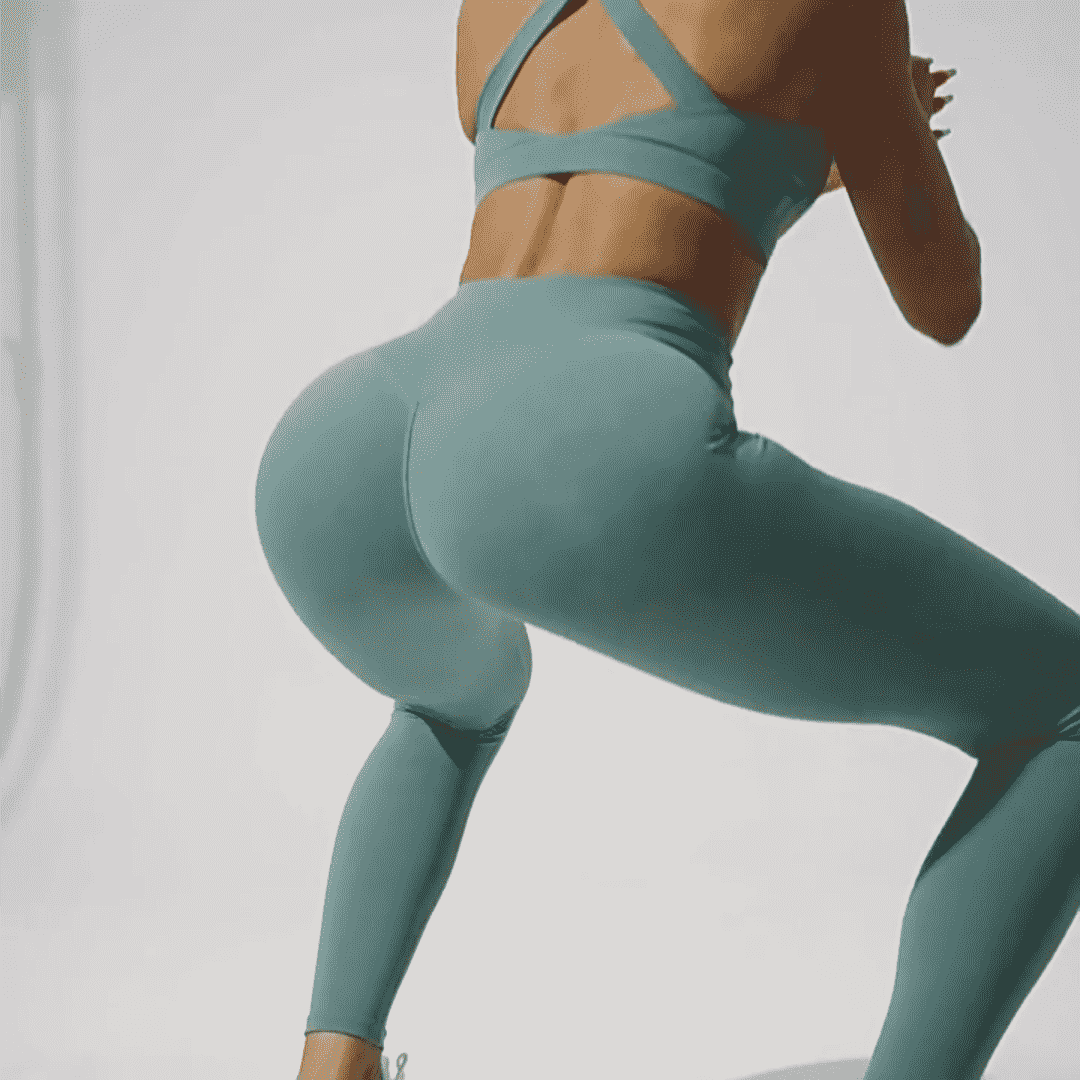
High Waist Texture
Textured leggings can use a high waistband with a related or contrasting organization when waist stability, rise, material recovery, and body fit remain balanced.
View Option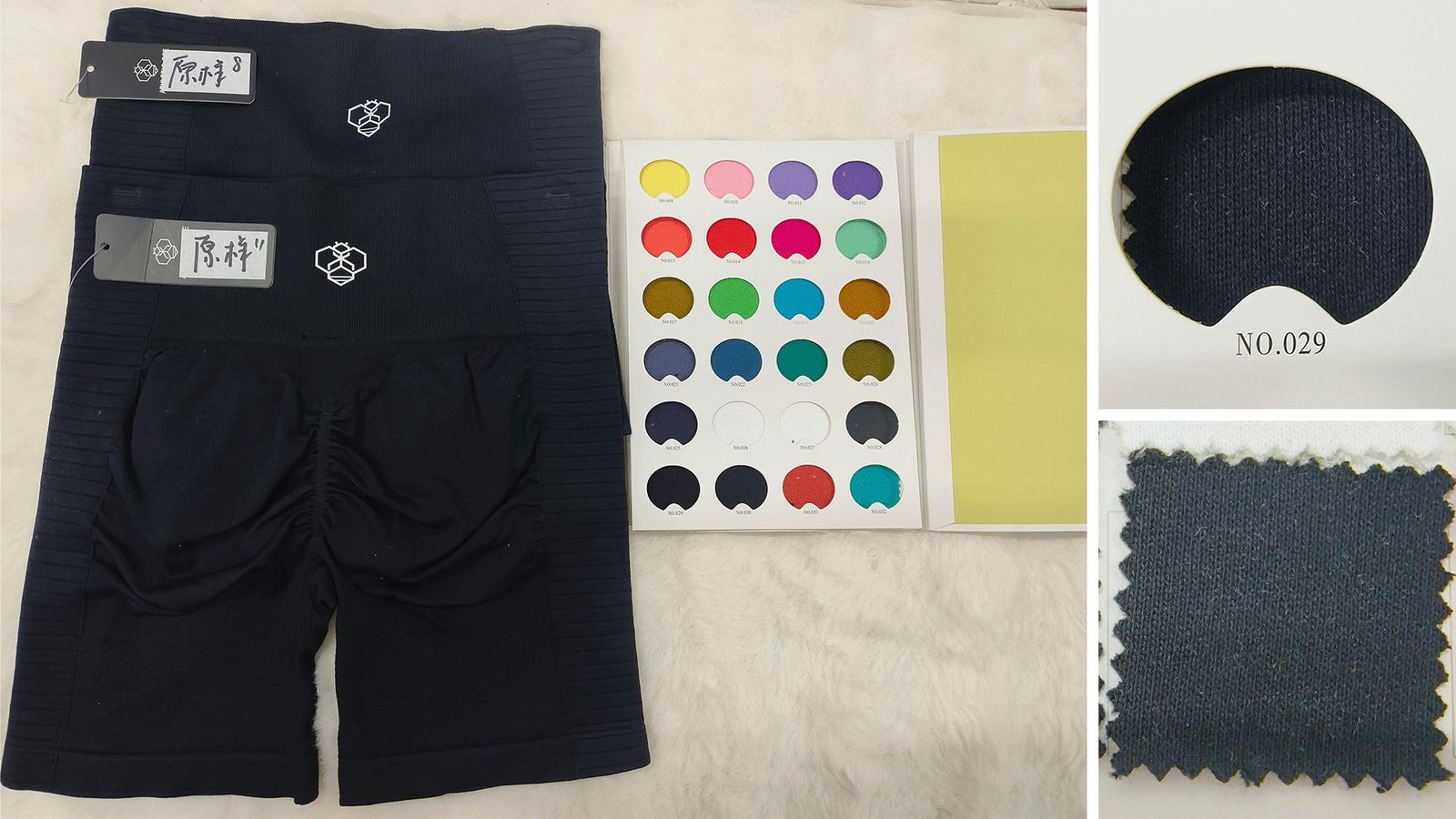
Textured Fabric
Cut & Sew leggings can use approved textured sportswear piece fabrics where the brand needs conventional pattern architecture, pockets, panels, or specific material surfaces.
View Option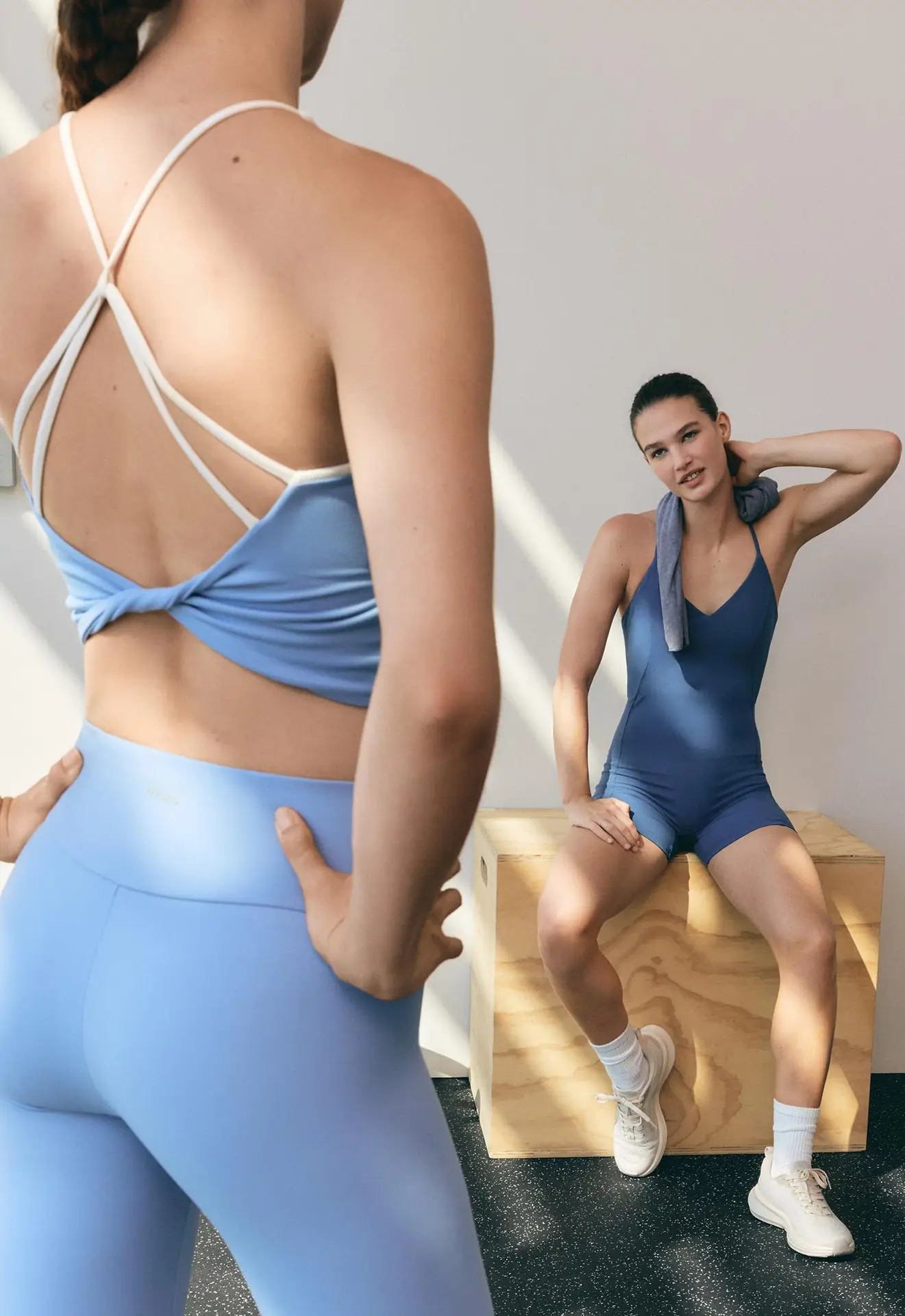
Matching Texture Set
Suitable texture language can extend into leggings, shorts, sports bras, tops, or sets where manufacturing route, yarn or fabric, color, and structure support a coordinated collection.
View OptionDevelop Texture From Concept to Commercial Bulk
MOVEVOX connects visual direction with manufacturing route, yarn or fabric, technical structure, fit, physical samples, and formal approval. Development timing begins after the information required for each stage becomes sufficiently executable.
Project Brief
Review the Tech Pack, legal reference, texture concept, intended activity, waistband, sizes, colors, quantity, branding, and target timing before selecting the development path.
Deliverable: Development Brief
Timing: Project specific
Route Review
Determine whether Santoni Seamless knitting or textured piece fabric with Cut & Sew construction better supports the required appearance, fit, function, and commercial structure.
Deliverable: Route Direction
Timing: Before sample
Material Review
Confirm suitable yarn or fabric around hand feel, stretch, recovery, surface, color, opacity, cost, availability, and upstream minimums.
Deliverable: Material Direction
Timing: Project specific
Technical Build
Develop the Seamless structure/program or Cut & Sew pattern together with dimensions, waistband, texture placement, zones, and relevant construction requirements.
Deliverable: Technical Version
Timing: Complexity dependent
First Sample
Produce the physical development garment after executable details are confirmed. Standard samples normally require approximately five to ten working days under standard conditions.
Deliverable: First Sample
Timing: 5–10 days*
Fit Revision
Review texture definition, position, fit, dimensions, waistband, color, material behavior, branding, and consolidated buyer comments.
Deliverable: Revised Sample
Timing: Feedback dependent
PP Approval
Confirm the current material, program or pattern, texture, dimensions, color, branding, and relevant packaging before commercial production release.
Deliverable: Approved Standard
Timing: Approval dependent
Bulk Production
Release the approved technical direction into PMC, manufacturing, and QC so commercial output follows the current product standard.
Deliverable: Bulk Release
Timing: Order specific
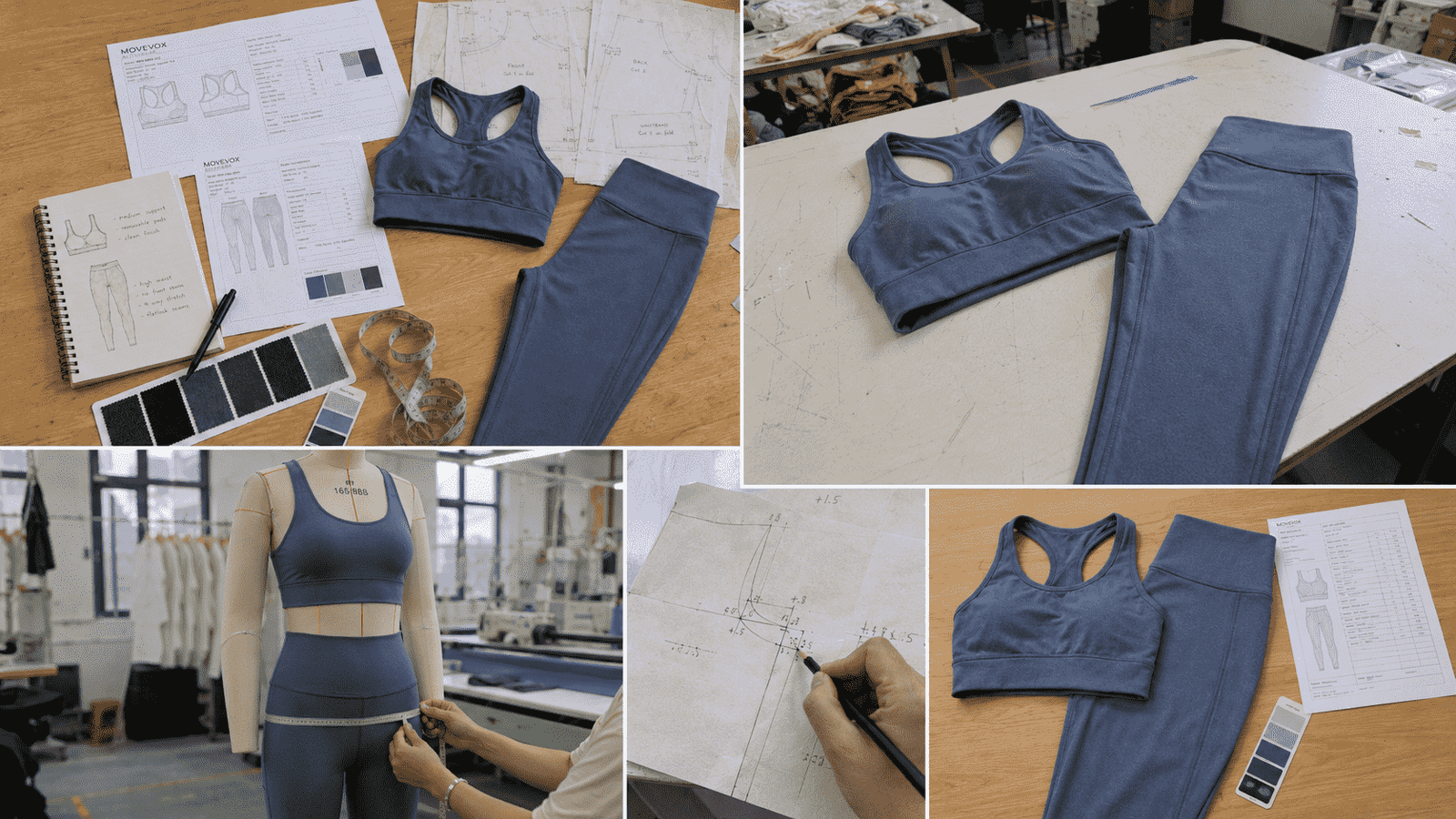
*Special yarn, dedicated color, complex Seamless programs, new fabrics, major revisions, and buyer approval time can extend the normal sampling reference.
Send the Inputs That Define Your Texture
A complete Tech Pack improves development efficiency, but MOVEVOX can begin from a usable visual or physical reference and clear commercial requirement. These inputs help convert the desired surface into an executable project.
Product Sketch
RequiredProvide front and back flats, a legal physical reference, or clear images showing the intended silhouette, waistband, texture, zones, pockets, panels, and major brand details.
Texture Reference
RecommendedProvide close-up photos, swatches, physical garments, or drawings showing the desired surface. If the mechanism is unknown, MOVEVOX can review whether a verified Seamless organization or suitable textured piece material is more practical.
Zone Placement
RecommendedMark where Rib, Mesh, Jacquard, texture, contour, smoother organization, or different density should appear. Seamless placement must be adapted to actual yarn, dimensions, machine, and program feasibility.
Measurement Chart
RecommendedProvide waist, hip, rise, inseam, length, and relevant POM where available. Physical Fit Sample approval remains necessary because texture and garment extension can change product presentation.
Material Target
RecommendedShare desired fiber direction, yarn, fabric swatch, hand feel, stretch, recovery, weight, or physical reference.
Waistband Direction
RecommendedSpecify high, straight, V, Rib, smoother, or other intended waist direction together with target height and fit expectations.
Color Standard
RecommendedProvide Pantone references or approved physical standards. Dedicated yarn or fabric colors can introduce separate dye-lot minimums and additional timing.
Brand Artwork
OptionalProvide vector Logo files, desired position, size, and color. The appropriate branding method depends on material structure, stretch, surface geometry, and Logo location.
Size and Quantity
RequiredDefine the planned commercial sizes and estimated quantity by style and color. Small multi-color and multi-size orders can increase material, machine, SKU, production, and QC complexity.
Launch Timing
RecommendedShare the target sample date, bulk delivery requirement, and launch window so material readiness, development, revisions, production loading, and shipping can be reviewed realistically.
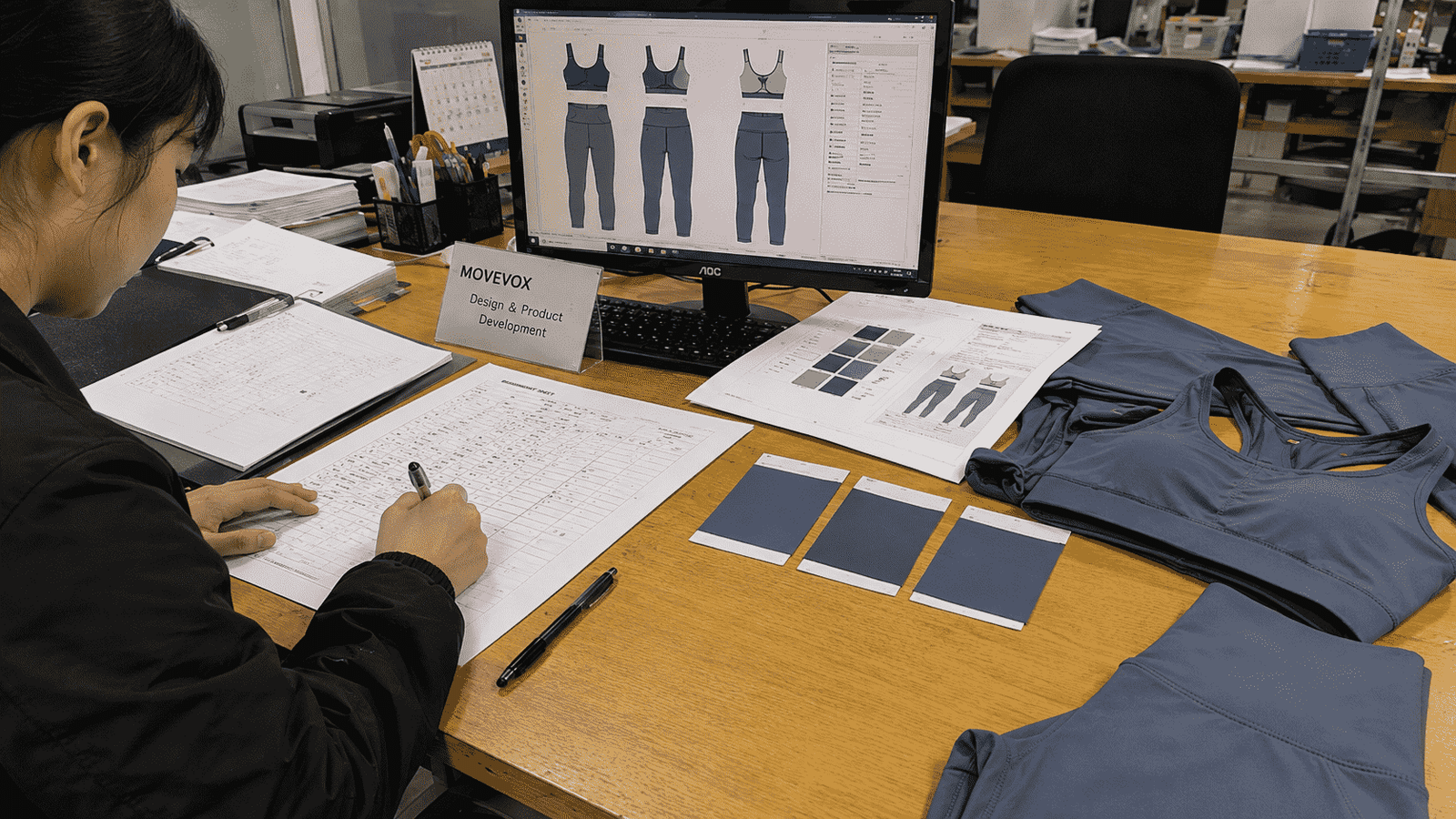
If technical information is incomplete, MOVEVOX can begin from the product category, usable texture reference, quantity, and core commercial requirement, then identify which material, structure, size, color, branding, or packaging details still need confirmation. Quotation and sample timing become more reliable once manufacturing variables are clarified.
Approve Texture Through Real Physical Samples
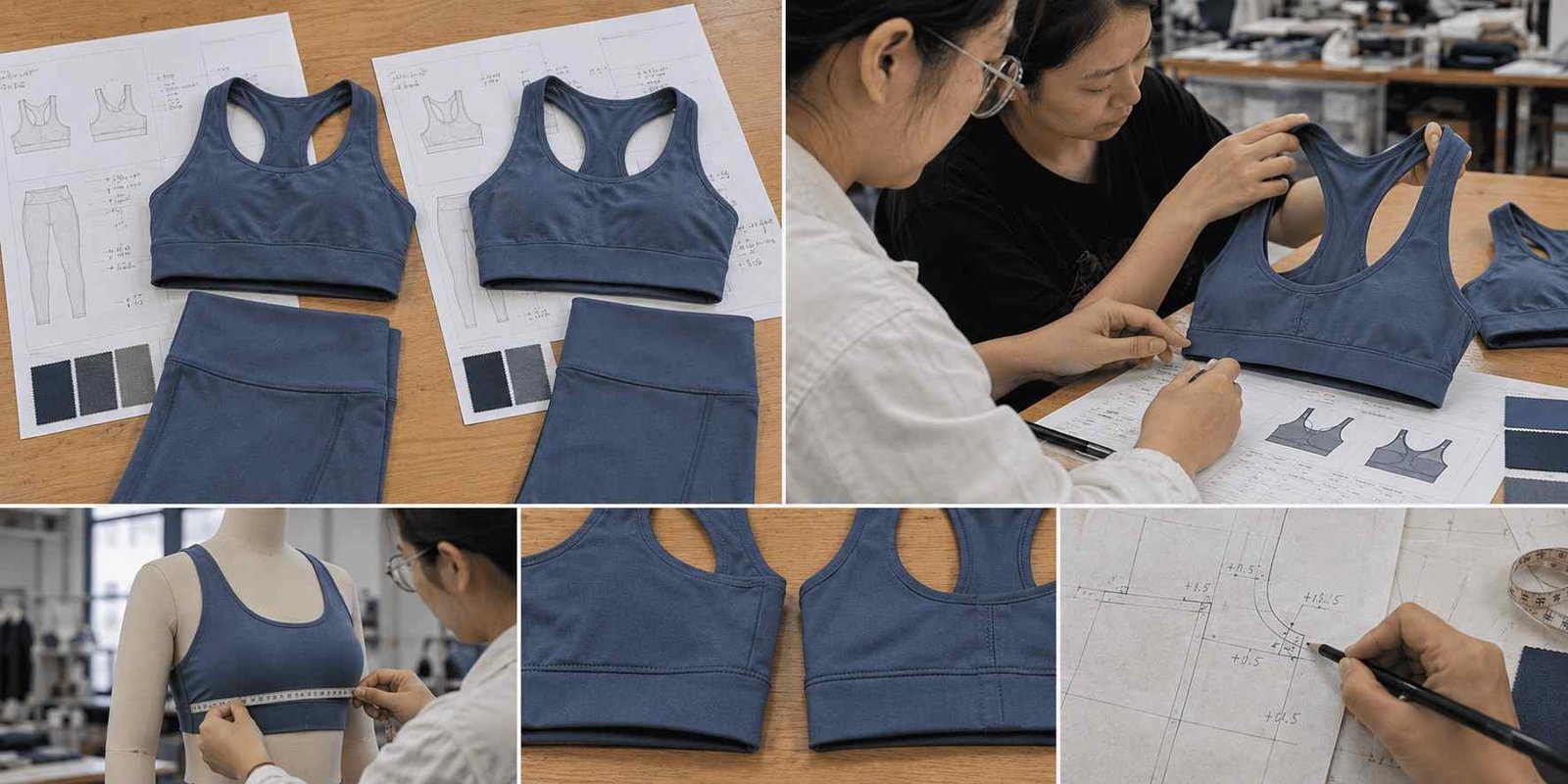
Texture definition, hand feel, stretch appearance, fit, color, and waistband behavior cannot be finalized from digital references alone. MOVEVOX uses controlled physical sample stages to close technical differences before commercial production.
Development Sample
The first garment determines whether the selected route, material, texture direction, placement, waistband, and initial dimensions can translate the buyer's concept into a manufacturable physical product.
Customer Inputs
Confirmed product and texture direction; material or physical reference
MOVEVOX Outputs
First physical development sample; technical observations and open questions
Pass Criterion
The concept is sufficiently workable to proceed into controlled texture and fit refinement.
Texture & Fit
This stage reviews surface definition, placement, stretched appearance, waistband, dimensions, material behavior, color, and relevant opacity under the intended garment fit.
Customer Inputs
Texture and fit comments; measurement feedback where required
MOVEVOX Outputs
Updated program or pattern; controlled Fit Sample version
Pass Criterion
Major texture and fit differences are sufficiently resolved for the next controlled version.
Revised Sample
The revised garment incorporates consolidated comments on structure, yarn or fabric, dimensions, color, waistband, branding, or other approved development changes.
Customer Inputs
Consolidated revision list; updated technical files if applicable
MOVEVOX Outputs
Revised physical garment; updated development version
Pass Criterion
Requested changes are represented correctly and critical differences are closed.
Size Set
Representative sizes can confirm whether texture position, organization, garment extension, waistband, measurements, and general fit remain appropriate across the intended range.
Customer Inputs
Commercial size range; approved measurement direction
MOVEVOX Outputs
Selected size samples; corresponding measurement records
Pass Criterion
Representative sizes retain the approved product and texture direction.
PP Sample
The final approved or PP Sample establishes the commercial reference for material, program or pattern, color, texture, dimensions, branding, and other confirmed product requirements.
Customer Inputs
Formal approval; current commercial specification
MOVEVOX Outputs
Pre-production reference; bulk-ready technical direction
Pass Criterion
Formal approval is sufficient to release the current product standard into controlled commercial production.
Transfer Approved Texture Into Bulk Production
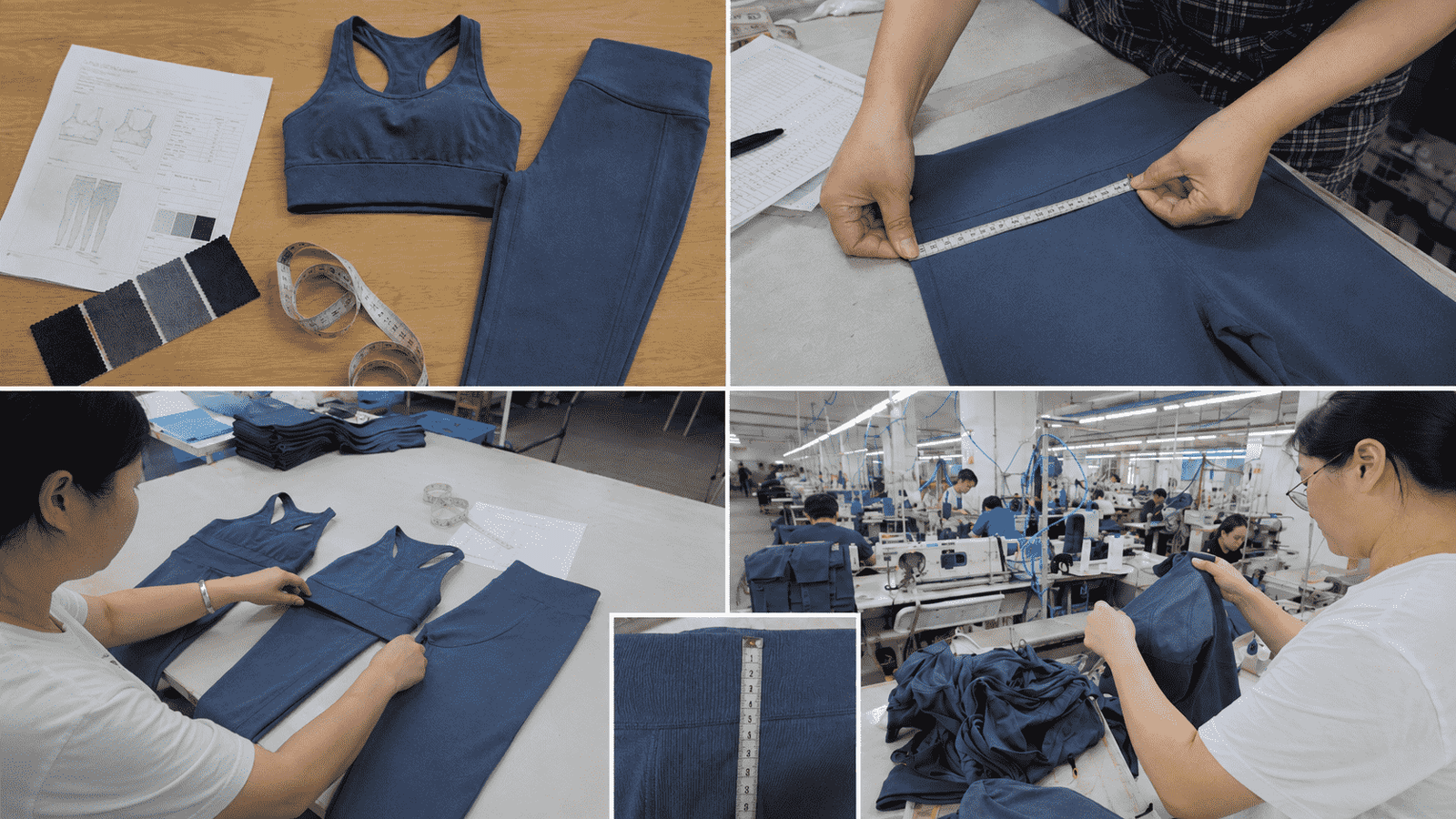
An approved textured garment must become a controlled production reference. MOVEVOX links material, program or pattern, dimensions, organization, color, waistband, branding, and commercial information before normal production begins.
Yarn / Fabric
Bulk should follow the approved material direction rather than an unreviewed substitution after physical sample approval.
Program / Pattern
Production should use the released Seamless program or Cut & Sew pattern corresponding to the current buyer-approved product.
Texture Position
Localized Rib, Mesh, Jacquard, contour, texture, or other confirmed structures should remain aligned with the approved technical direction.
Measurements
Buyer-defined POM and agreed tolerances remain part of the bulk standard and representative production-quality checks.
Waistband
Height, structure, circumference, organization, and transition into the body should remain compatible with the approved sample.
Color
Bulk yarn or fabric follows the approved color standard while recognizing that texture and stretch can influence visual color appearance.
Branding
Logo, labels, care information, barcode, packaging, and other private-label components remain tied to the current product and SKU version.
Before normal commercial production, MOVEVOX aligns the final Tech Pack, material, program or pattern, dimensions, color, Approved Sample, branding, and packaging. First Article review checks whether actual production reflects the released standard. In-line QC then monitors route-specific risks before finished goods proceed to Final Inspection.
Keep Texture Versions Current and Traceable
Textured products can change through material, program, pattern, size, organization, color, and branding revisions. MOVEVOX links project records so production and QC work from the current released version rather than disconnected development instructions.
Purchase Order
The PO records the confirmed style, colors, quantities, sizes, and commercial requirements that production planning, inspection, packing, and delivery need to follow.
POTech Pack
The current specification records dimensions, texture direction, zones, waistband, construction, branding, and other buyer-defined technical requirements.
Tech PackMaterial Record
Approved yarn or fabric, color, and relevant material information remain linked to the style so substitutions do not enter production informally.
Material RecordTechnical Version
The released Seamless program or Cut & Sew pattern corresponds with the currently approved garment structure and development version.
Program / PatternApproved Sample
The physical approved sample provides the commercial reference for texture, fit, hand feel, color, surface, visible construction, and complete appearance.
Approved SampleProduction Batch
Order records connect the released commercial requirement with the relevant production batch and authorized manufacturing resource.
Batch RecordQC Record
Quality records document applicable material, measurement, organization, appearance, workmanship, branding, and packaging checks.
QC RecordShipment Record
Packing List and shipment information connect released finished products with final quantities, cartons, SKU information, and logistics handover.
Packing List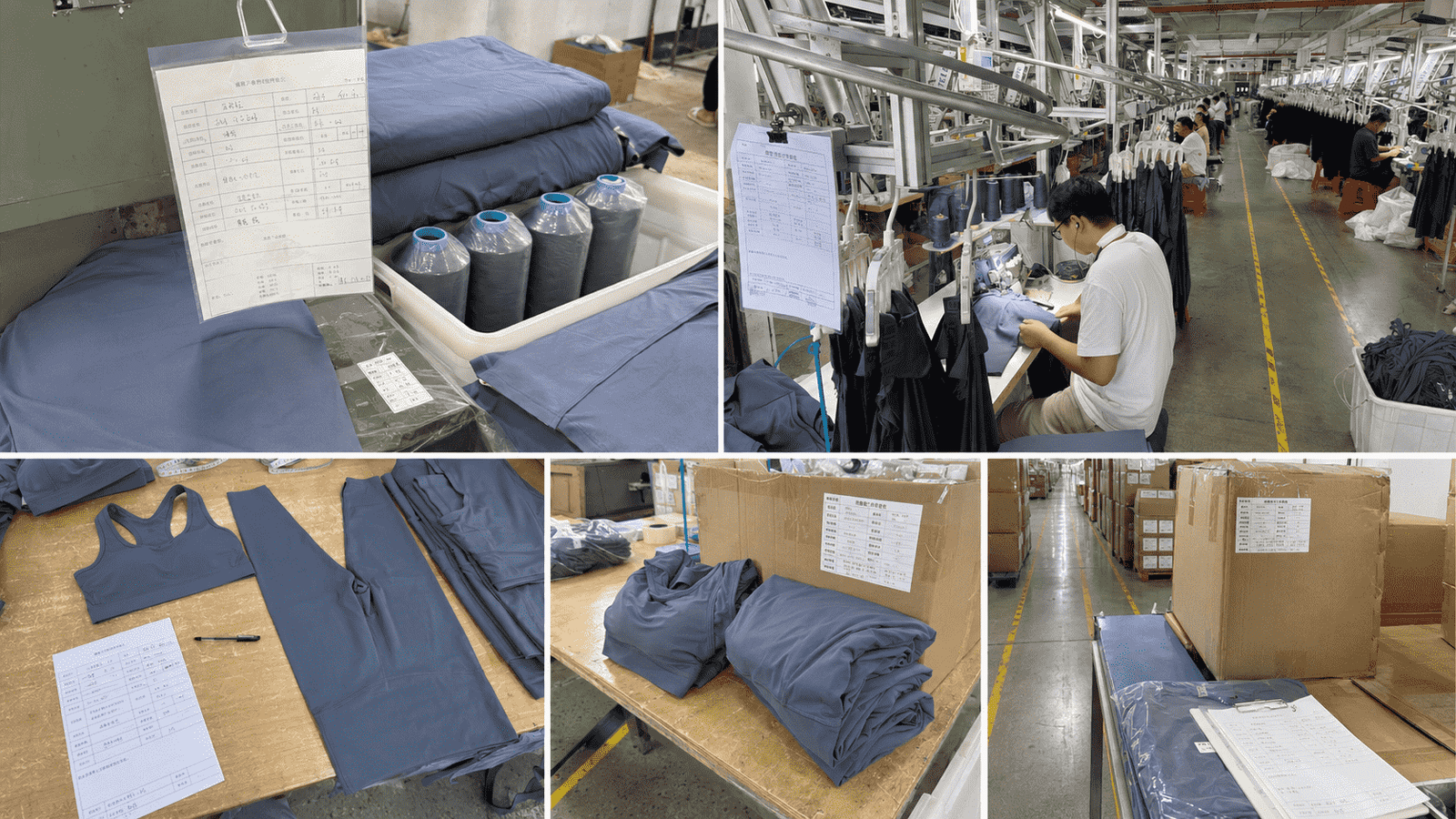
Build a Complete Private Label Textured Product
Private-label development covers more than adding a Logo. MOVEVOX can coordinate texture, material, fit, color, branding, labels, SKU data, and packaging around one buyer-approved commercial product and controlled technical version.
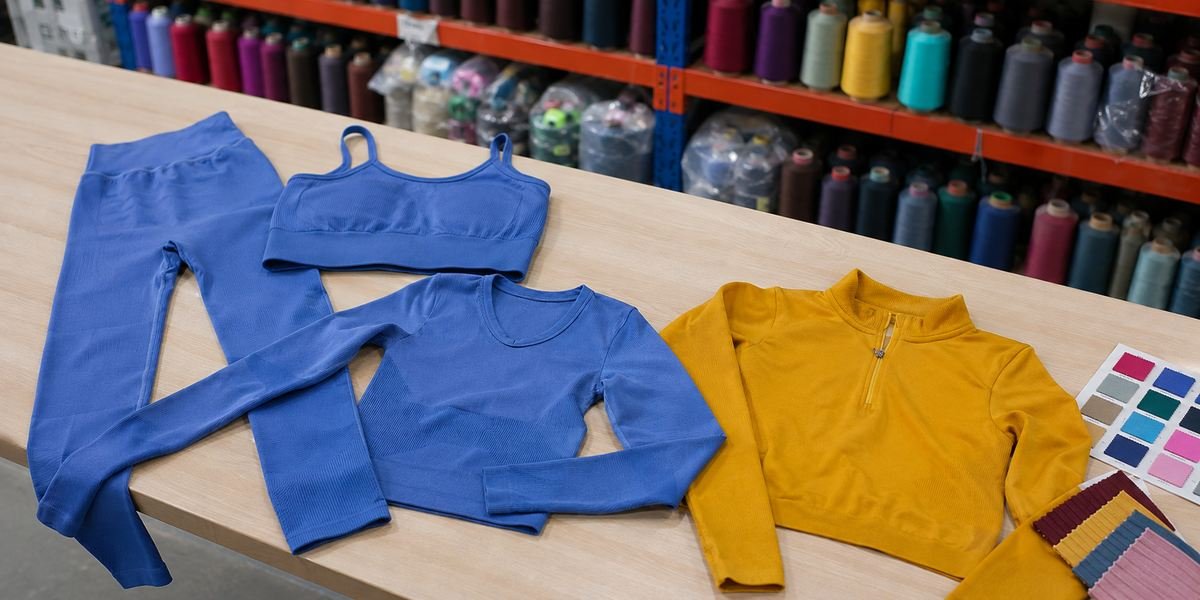
Texture Structure
MOVEVOX can develop verified Seamless directions including Rib, Mesh, Texture, Jacquard, contour, and different organization densities where technically suitable. Cut & Sew projects can use appropriate textured sportswear piece materials. Other surface concepts remain subject to technical feasibility review.
Options: Seamless texture programming; Rib / Mesh / Jacquard direction; Localized organization zones; Textured piece-fabric route
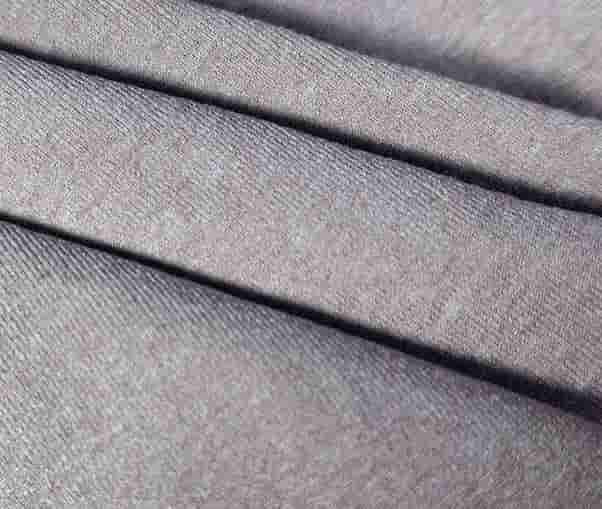
Material
MOVEVOX works with Nylon/Polyamide + Spandex, Polyester + Spandex, Seamless knitting materials, softer or brushed directions, and ribbed or textured sportswear fabrics. Final selection depends on route, hand feel, stretch, recovery, opacity, color, surface, cost, and availability.
Options: Nylon / Spandex directions; Polyester / Spandex directions; Seamless yarn systems; Textured sportswear fabrics
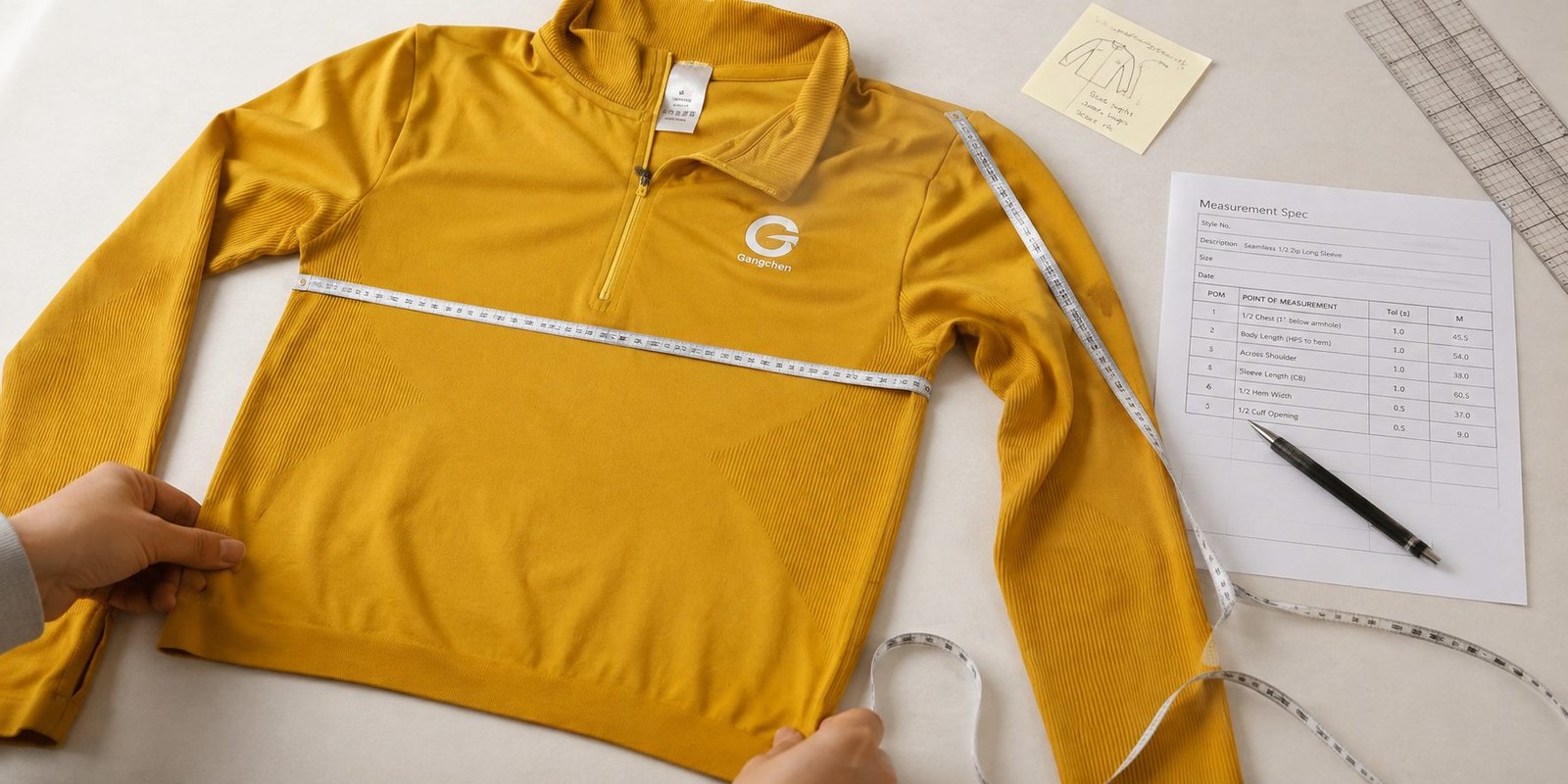
Fit
Brand-specific fit is established through buyer measurements, physical samples, and controlled revisions. Representative Size Set review can be used where texture position, garment extension, or size consistency requires additional validation.
Options: Buyer measurement chart; Fit Sample development; Representative Size Set; Approved tolerances
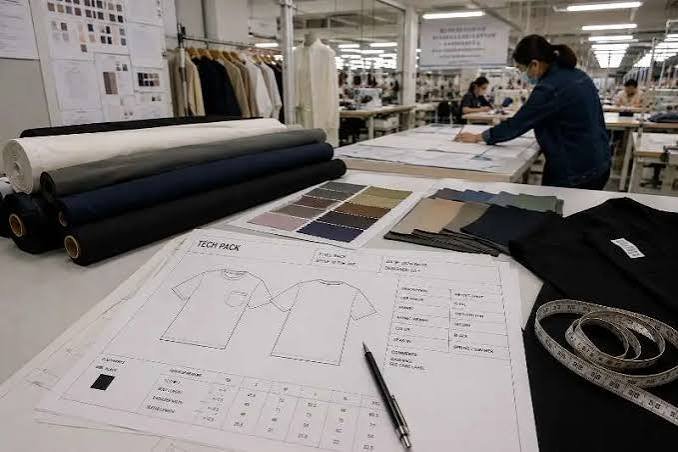
Color
The broader yarn and fabric supply system includes more than 20 standing color resources, while actual availability varies by material. Custom dyeing is typically evaluated around approximately 400–600 finished-garment equivalent pieces depending on project conditions.
Options: Standing color review; Pantone customization; Physical color standards; Custom dye-lot evaluation
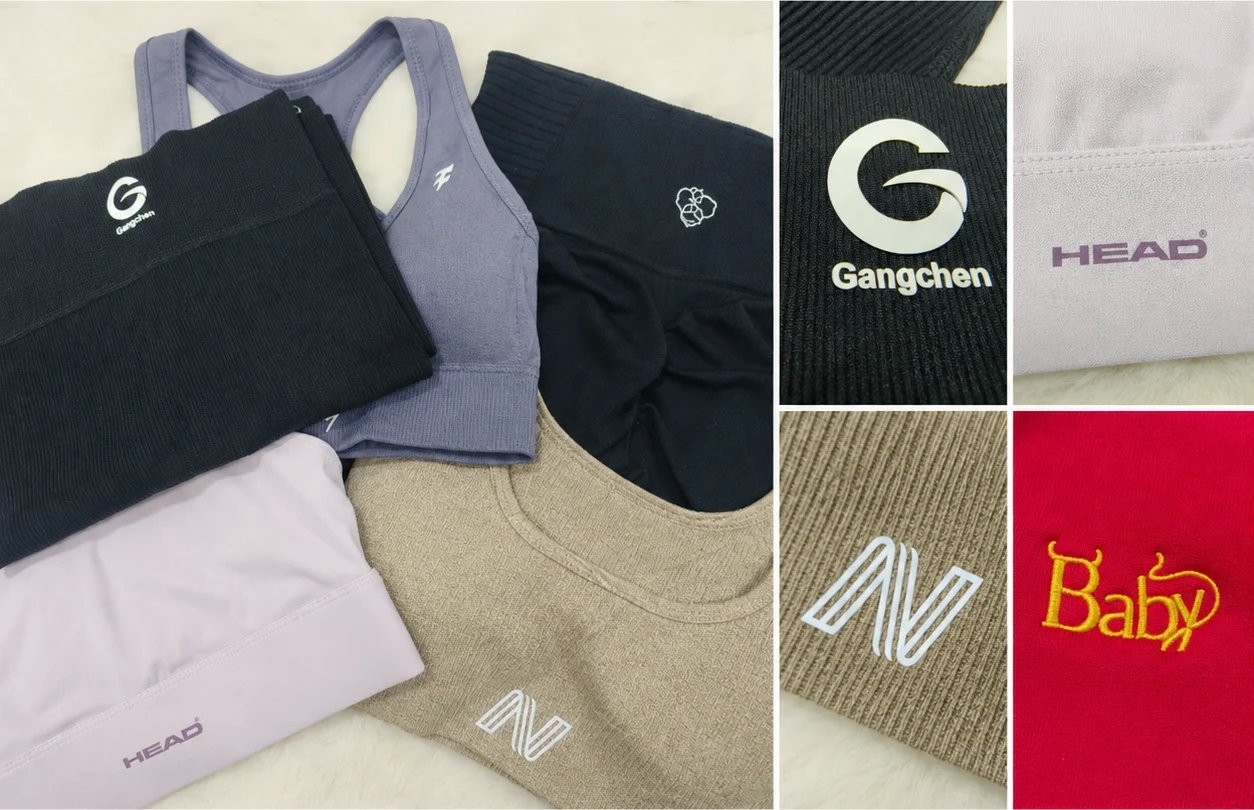
Branding
MOVEVOX can support screen print, heat transfer, silicone print, Jacquard, embroidery, woven labels, and related methods appropriate to the product. Textured or highly elastic surfaces require compatibility review.
Options: Heat-transfer branding; Screen or silicone print; Jacquard where feasible; Embroidery / woven label
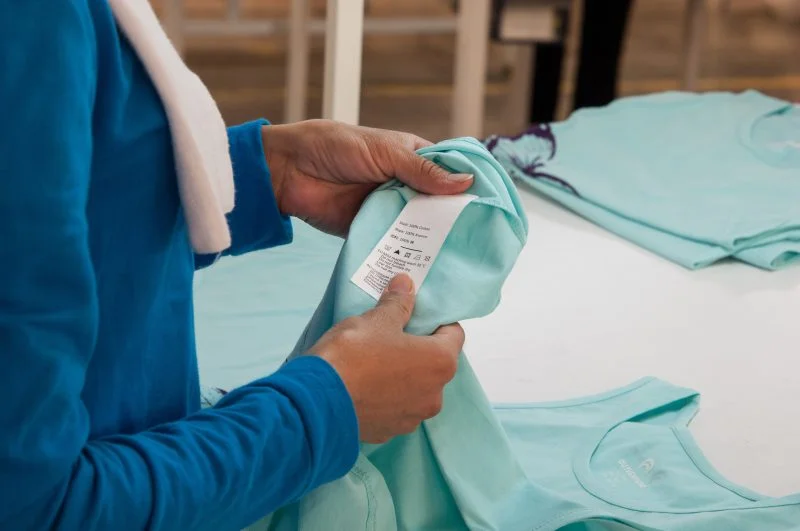
Labels and Data
Private-label execution can include Main Label, Size Label, Care Label, Woven Label, Hangtag, Sticker, Barcode, and SKU information. Multi-size and multi-color programs require controlled SKU mapping.
Options: Main and Size Labels; Care Label information; Hangtags and Stickers; Barcode / SKU mapping
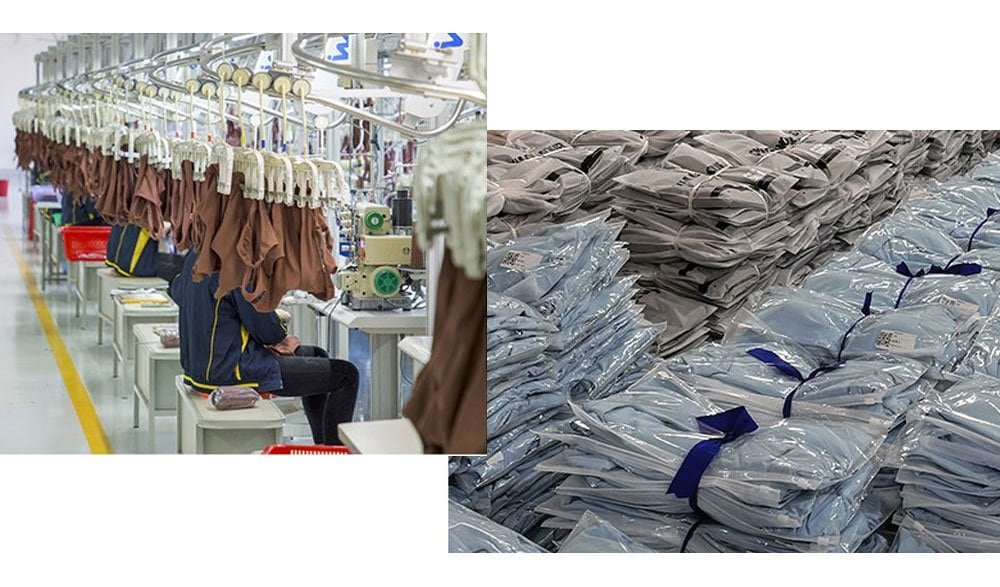
Packaging
MOVEVOX can coordinate polybags, stickers, barcodes, custom packaging, and Carton Marks. Exclusive packaging can have separate upstream minimums from garment production.
Options: Individual polybags; Custom packaging direction; SKU / barcode packing; Carton Mark requirements
Ready to Review Your Texture Concept?
Send your Tech Pack, legal reference sample, texture images, material direction, preferred route, sizes, quantity, and target timing. MOVEVOX can review manufacturability, development steps, sample requirements, MOQ considerations, and the appropriate technical path before commercial production planning begins.
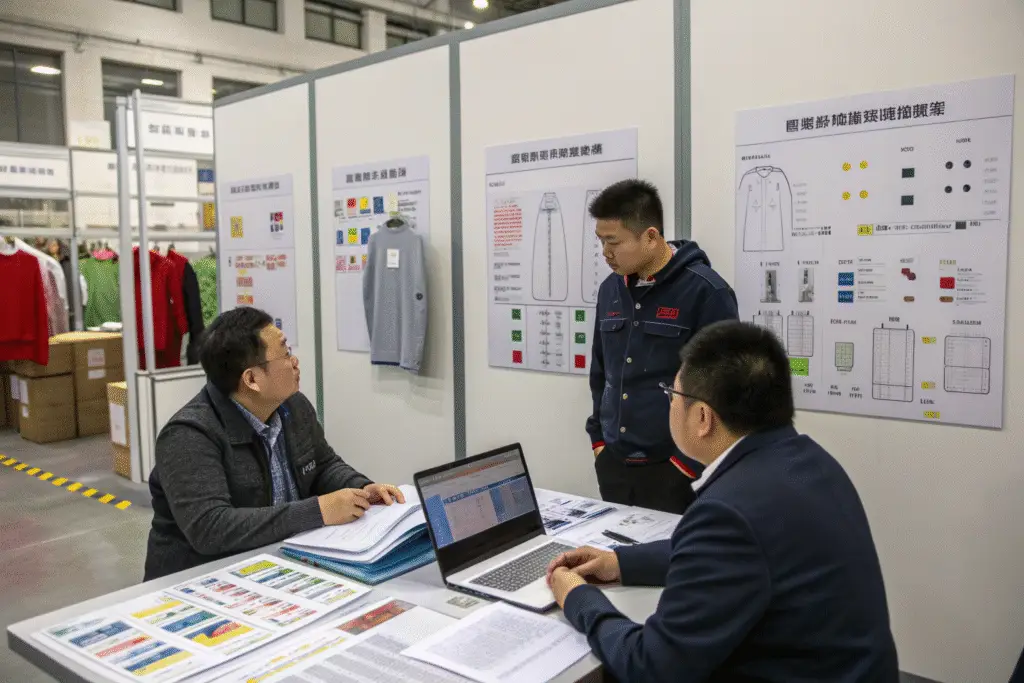
Walk Through the MOVEVOX Manufacturing System
MOVEVOX's Yiwu manufacturing core combines product development, Santoni Seamless knitting, Cut & Sew production, QC, packing, and order management. Controlled supplementary factories provide additional capacity while MOVEVOX retains centralized technical and customer responsibility.

Development & Sampling
MOVEVOX's product-development organization includes approximately eight people across design, pattern/technical, and sample-making functions. Textured projects can begin from Tech Packs, legal samples, swatches, or defined concepts.
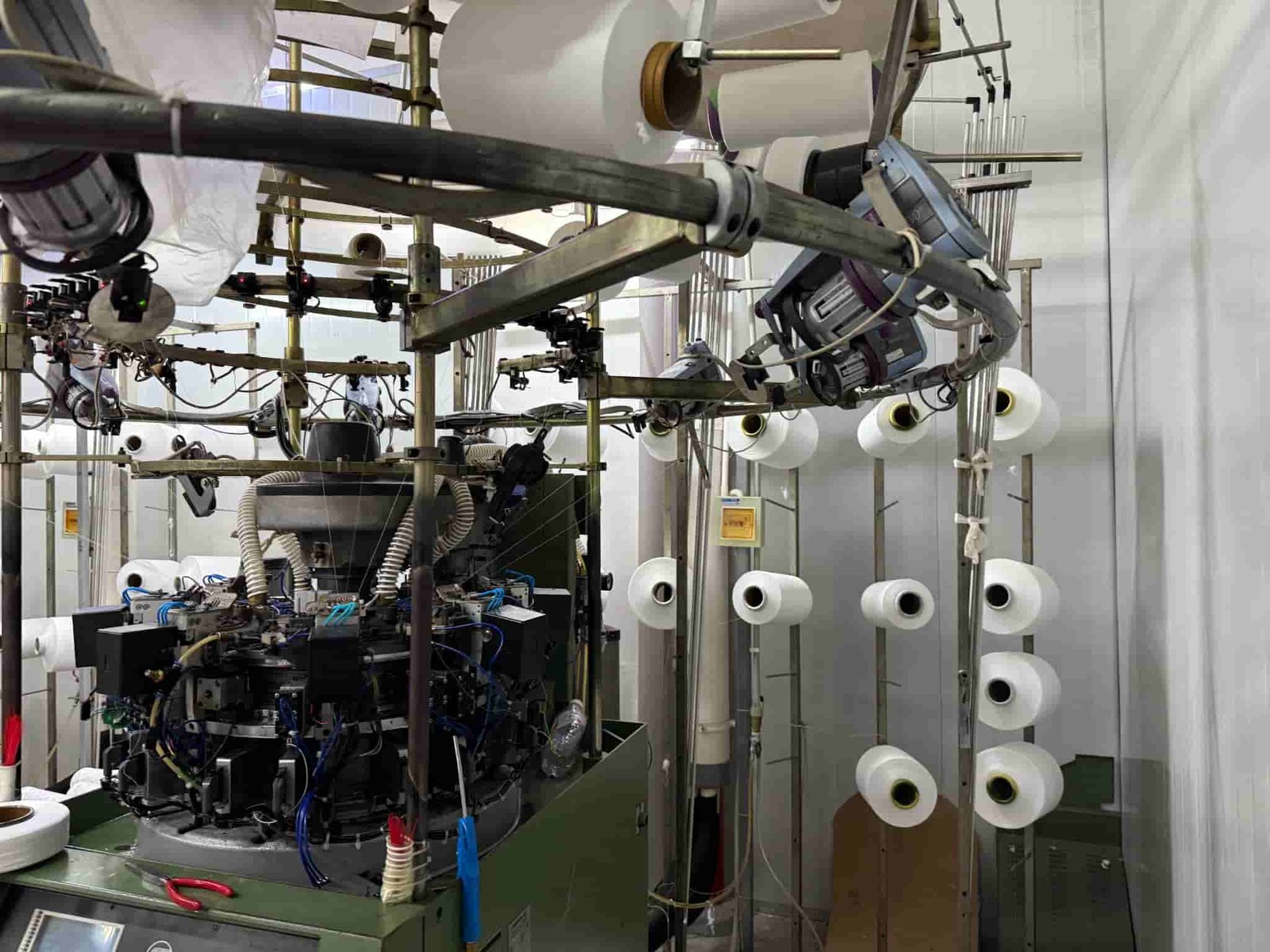
Santoni Seamless Production
The own Seamless manufacturing core includes 28 Italian Santoni machines. They provide the equipment base for leggings and other activewear using Rib, Mesh, Texture, Jacquard, contour directions, and different organization densities.

Cut & Sew Production
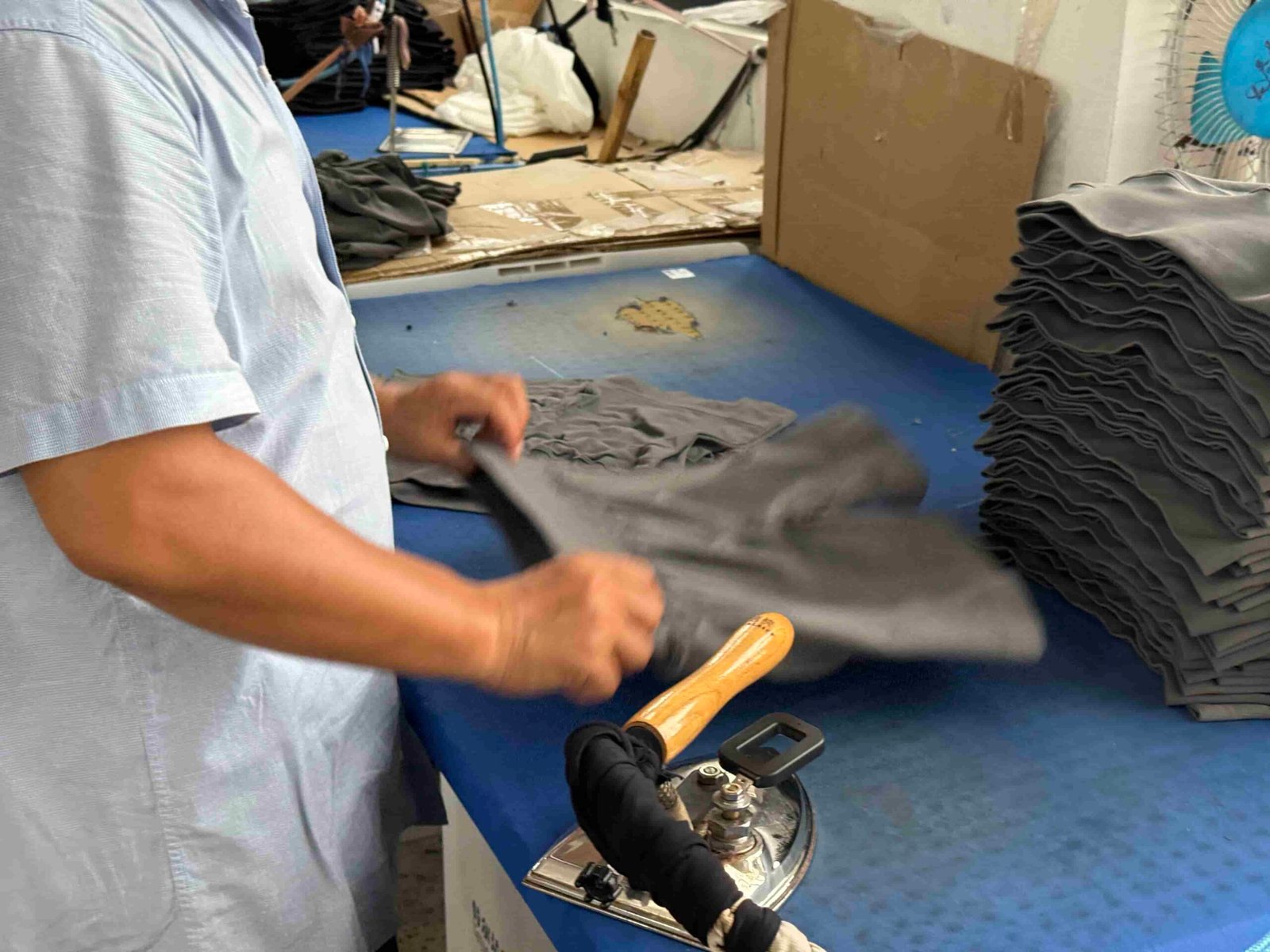
MOVEVOX's own core includes approximately 24 principal sewing and garment-production machines. This route supports activewear using approved piece fabrics, pattern development, cutting, overlock, coverstitch, flatlock, and suitable construction processes.
Quality Control
MOVEVOX currently has five QC personnel, with a Quality Manager who has approximately eight years of garment quality-management experience. Textured products can add organization, surface, symmetry, material appearance, and texture-position checkpoints.
Packing & Data
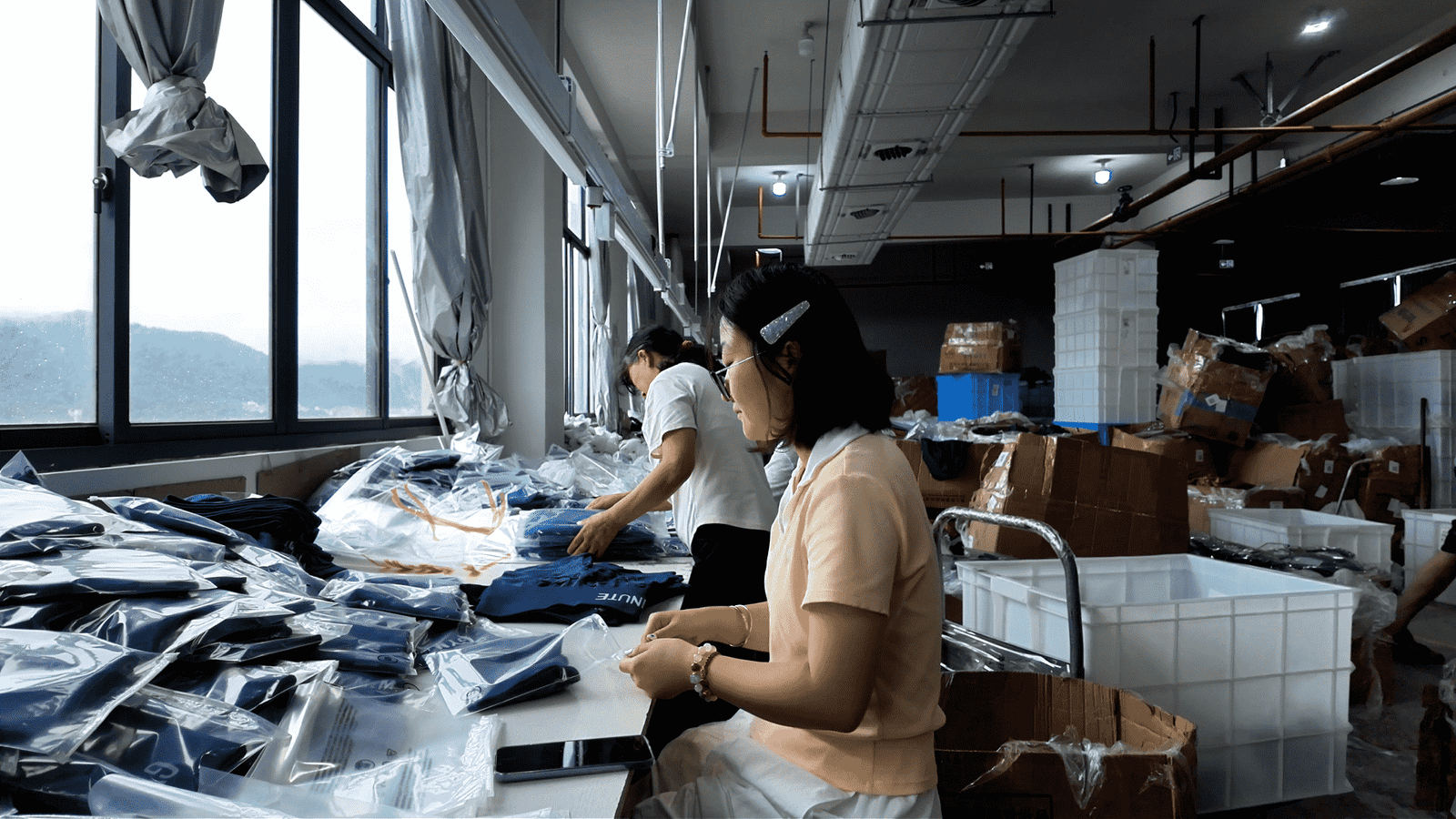
Approved products proceed through labels, barcodes, SKU control, polybags, stickers, and carton requirements according to current customer instructions.
PMC & Handover
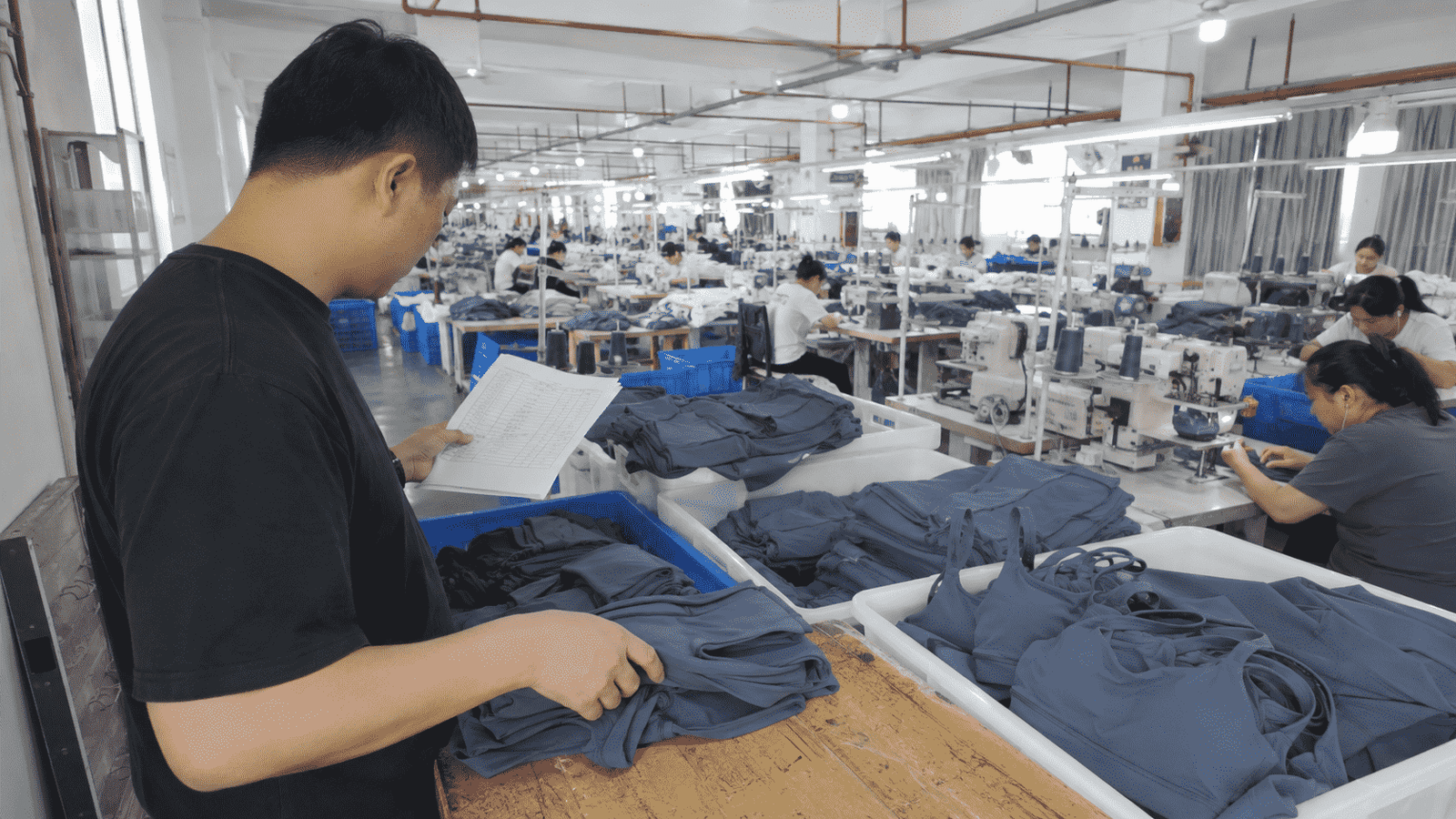
MOVEVOX centrally coordinates material readiness, production allocation, WIP, buyer changes, QC status, and planned delivery before logistics handover.
Measure Capacity by Managed Commercial Delivery
MOVEVOX separates theoretical equipment output from normal managed delivery capability. Actual textured-product capacity depends on manufacturing route, material readiness, program or pattern complexity, colors, sizes, factory loading, finishing, and quality-control requirements.
Santoni Seamless Core
Own Italian Santoni equipment provides MOVEVOX's direct manufacturing base for suitable Seamless texture, Rib, Mesh, Jacquard, and different-density activewear programs.
Garment Production
Own core Cut & Sew resources include approximately twenty-four principal sewing and garment-production machines for suitable textured-fabric and other activewear styles.
pcs/month Managed Delivery
Current normal comprehensive managed monthly delivery capability combines MOVEVOX's own manufacturing resources with controlled supplementary production capacity.
Satellite Factories
Eight long-term satellite factories provide planned supplementary capacity under centralized technical, PMC, QC, and customer-responsibility management.
QC Personnel
Five current QC personnel support material, production, measurement, appearance, branding, packaging, and shipment-related quality inspection.
Own Production Space
MOVEVOX's current own operating manufacturing system uses approximately 6,000 square meters of production space in Yiwu.
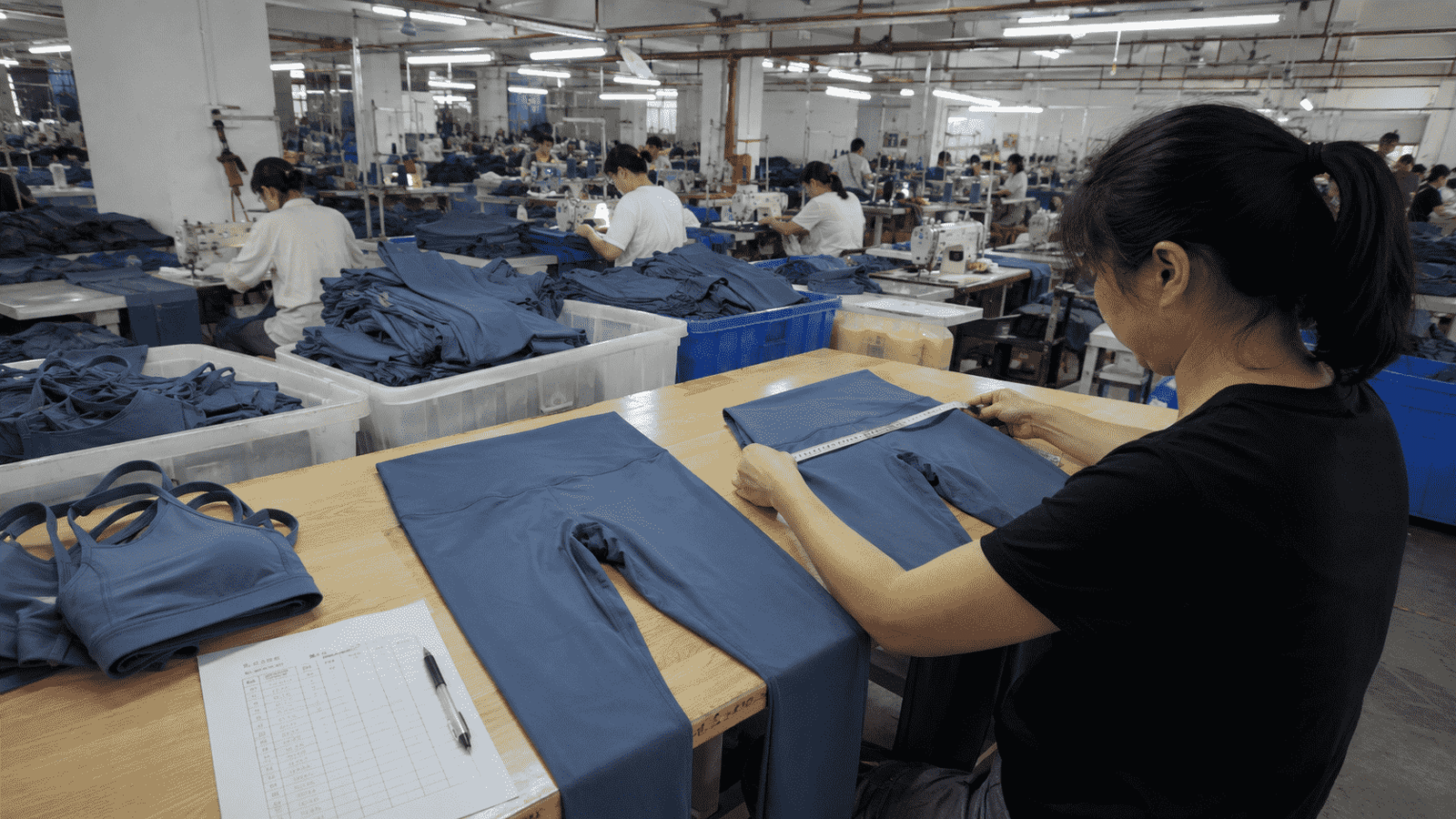
Current operating references; the 150,000–200,000-piece figure includes controlled supplementary resources and is not a guaranteed theoretical maximum for every Textured Leggings style.
Control Texture Quality From Material Through Shipment
MOVEVOX links incoming material, approved technical versions, physical samples, First Article, production inspection, measurements, appearance, and packing. Textured products add surface and organization risks that should not be managed only at final inspection.
Incoming Material
Yarn, textured fabric, colors, and relevant trims are reviewed against the approved project direction before normal production.
Checks: Approved yarn/fabric; Color/batch ID; Trims; Project requirements
Specification Freeze
The current Tech Pack, material, program or pattern, dimensions, Approved Sample, Logo, labels, and packaging are aligned before release.
Checks: Current technical version; Approved sample; Final material/color; Packing information
First Article
Initial production output is checked before normal volume proceeds so the actual setup can be compared against the released standard.
Checks: Critical dimensions; Texture/organization position; Waistband; Visible workmanship
Inline Inspection
Production is inspected while the order is running rather than waiting until every garment has been completed.
Checks: Knitting/sewing defects; Organization position; Symmetry; Surface issues
Measurement Control
Finished dimensions are checked against buyer-defined POM and agreed tolerances using the specified garment condition.
Checks: Waist/hip; Rise/inseam; Length; Critical buyer POM
Appearance Review
Finished products are compared with the Approved Sample for texture, color, surface, organization, symmetry, and relevant coverage requirements.
Checks: Texture consistency; Surface condition; Color balance; Buyer-defined opacity
Packaging Control
Labels, barcodes, SKU data, polybags, stickers, and carton requirements are checked against current packing instructions.
Checks: Style/color/size; Labels/barcode; Packaging materials; Carton Mark
Final Release
Finished quality, quantity, and packing status are confirmed before shipment release or customer-appointed third-party inspection.
Checks: Final status; Order quantity; Packing List; Shipment-ready approval
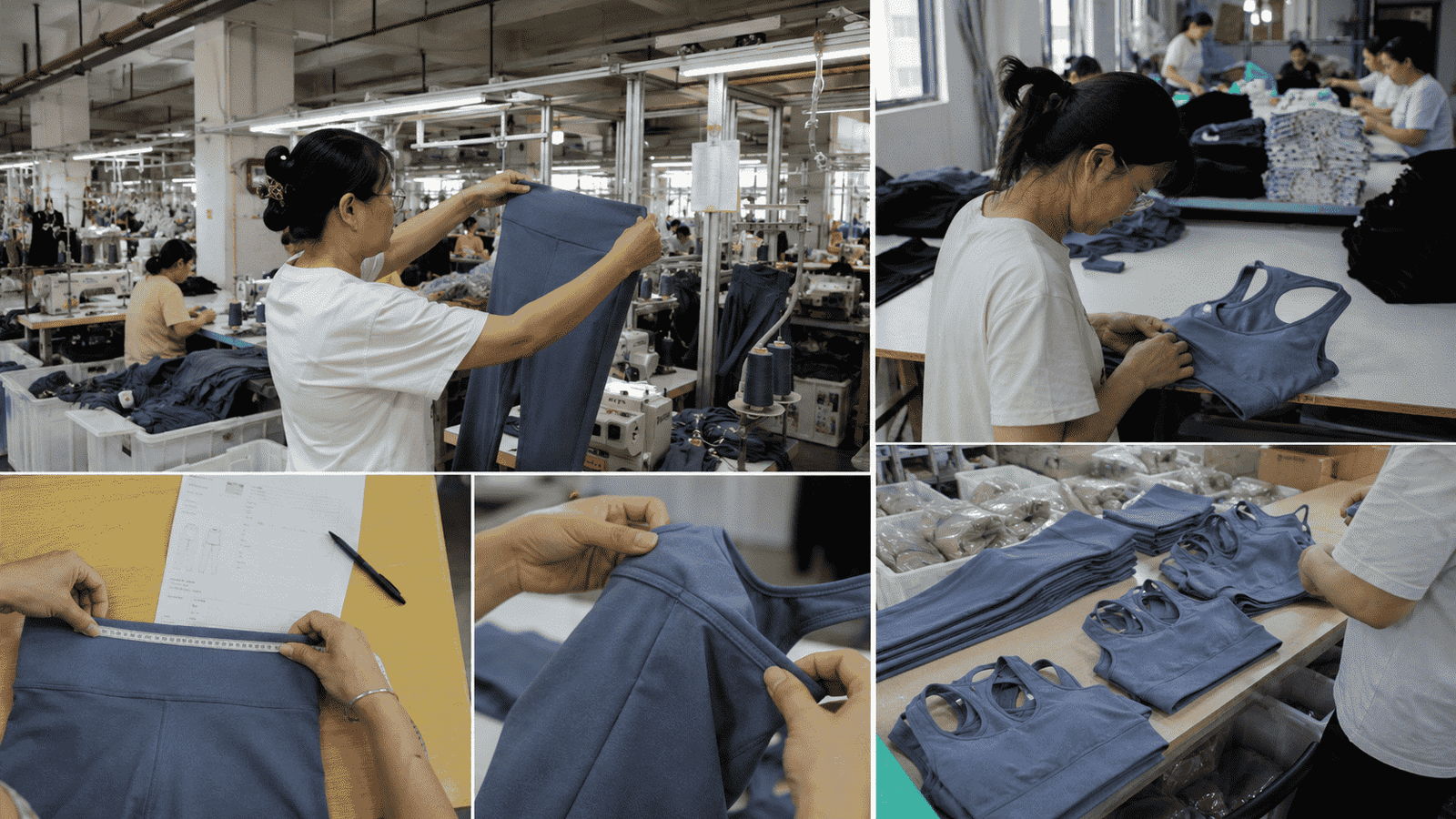
When a significant issue is identified, MOVEVOX can hold or segregate affected goods, define the scope, investigate material or production causes, arrange rework or reproduction where appropriate, and reinspect corrected output. Repeated or significant issues can enter a CAPA process before closure.
Scale Texture Programs Through Transparent Supply Control
MOVEVOX combines its own Seamless and Cut & Sew manufacturing core with yarn, fabric, specialist, satellite-factory, and logistics resources. Technical standards, production planning, QC, and customer responsibility remain centrally coordinated.
Own Seamless
MOVEVOX's own Yiwu manufacturing core includes 28 Italian Santoni machines supporting suitable Seamless Rib, Mesh, Texture, Jacquard, contour, and different organization-density products.
Own Cut & Sew
Approximately 24 principal garment-production machines support core Cut & Sew activewear using approved textured, ribbed, and other suitable piece materials.
Yarn Supply
MOVEVOX coordinates Seamless yarn, colors, and relevant material information against the approved project rather than allowing manufacturing resources to redefine critical inputs independently.
Fabric Supply
Suitable fabric suppliers support ribbed, textured, brushed, soft-hand, Nylon/Spandex, Polyester/Spandex, and other project-specific material directions under approved requirements.
Satellite Factories
Eight long-term satellite factories provide supplementary capacity for suitable approved production under centralized MOVEVOX project management and quality responsibility.
Specialist Processes
Selected professional suppliers can support printing, embroidery, specialized Logo work, labels, packaging, or other processes where the approved project requires them.
PMC Control
Material readiness, production allocation, work in progress, customer changes, resource loading, and planned delivery are coordinated through MOVEVOX's central system.
Quality & Delivery
Approved standards remain applicable across authorized resources, while inspection status, quantities, packing records, and shipment information return to one MOVEVOX responsibility chain.
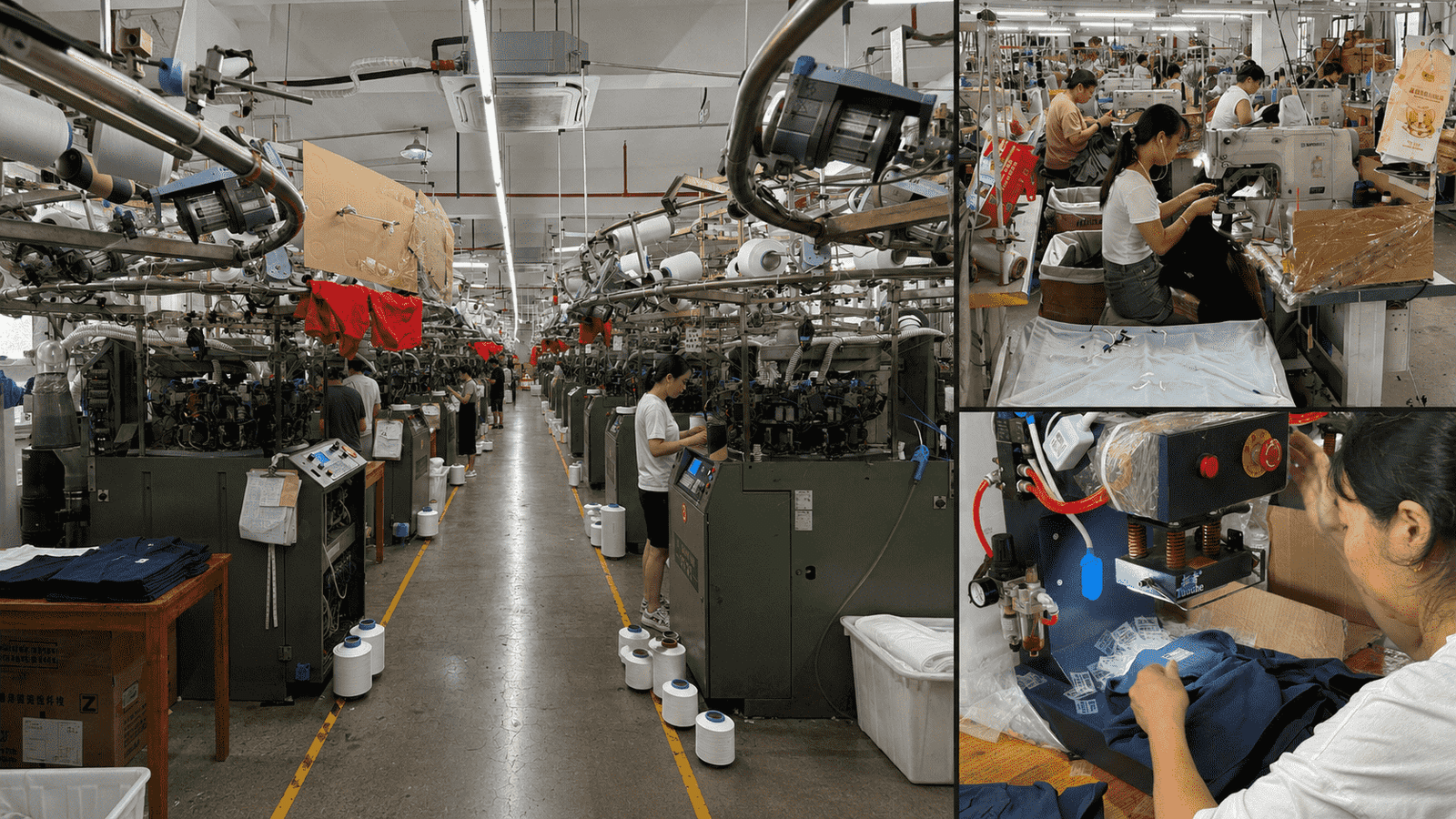
MOVEVOX describes this model as controlled capacity rather than representing every satellite or specialist supplier as wholly owned. If a buyer requires Approved Factory Only production, site disclosure, or restrictions on subcontracting, those requirements should be agreed before order release, and applicable site changes require the buyer's required approval.
Questions Buyers Ask Before Approving Texture Production
Large sourcing organizations often verify actual machinery, manufacturing routes, production locations, material control, quality responsibility, and subcontracting before supplier approval. MOVEVOX supports relevant onsite, video, technical, and third-party verification.
Can we inspect the actual Santoni machines?
Yes. MOVEVOX's own Seamless manufacturing system includes 28 Italian Santoni machines in Yiwu. Buyers can coordinate relevant onsite or live-video review, subject to scheduling and protection of unrelated customers' confidential products.
Book Factory AuditCan we verify Cut & Sew production?
Yes. MOVEVOX's own core includes approximately 24 principal sewing and garment-production machines. Buyers can review suitable development, sewing, QC, packing, and production areas.
Review ProductionCan our team conduct a video audit?
Yes. MOVEVOX can use live video to show relevant development, Santoni production, Cut & Sew operations, QC, packing, warehouse, and factory areas while protecting unrelated customer confidentiality.
Request Video TourCan satellite factories produce our order?
MOVEVOX uses eight long-term satellite factories as controlled supplementary capacity, and suitable approved work can be allocated when project and buyer requirements permit. Satellite sites do not independently redefine standards.
Review Supply ChainCan production stay at one approved site?
Yes, when an Approved Factory Only or similar restriction is agreed before production. Restricted work should not be moved in conflict with buyer requirements; required approval is obtained before applicable site change.
Request Site ReviewCan third-party inspectors access the order?
Yes. MOVEVOX can cooperate with customer-appointed third-party inspection. Timing, scope, sampling method, product status, and access should be agreed in advance.
Discuss InspectionHow should capacity claims be verified?
Capacity should be reviewed against equipment, material readiness, technical complexity, colors, sizes, current loading, finishing, and QC. MOVEVOX's normal comprehensive managed monthly delivery capability is approximately 150,000–200,000 pieces across own and controlled resources.
Check Capacity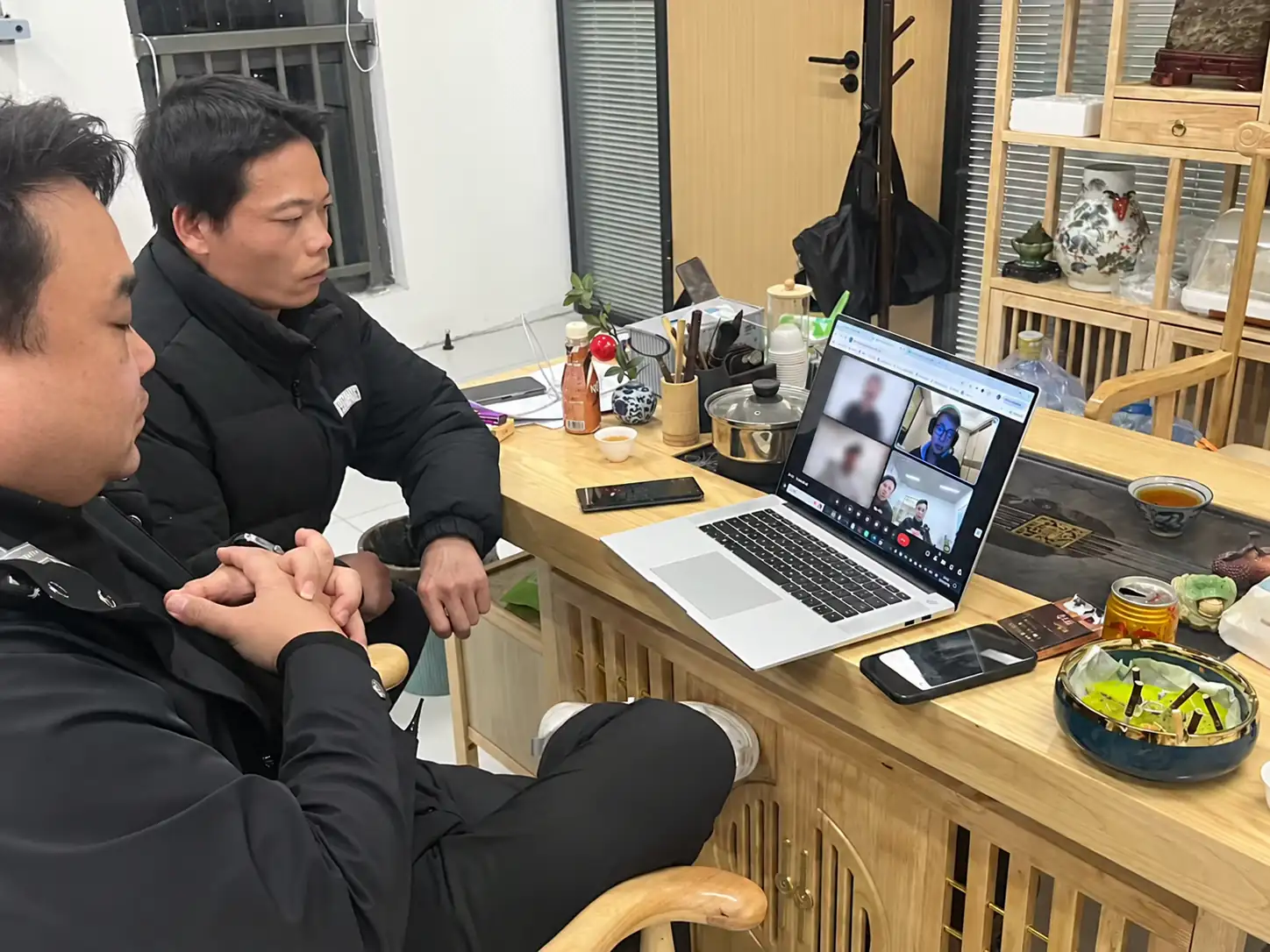
Use Test Evidence Within Its Actual Scope
MOVEVOX can coordinate buyer-specific material and finished-product testing. Existing third-party reports must remain connected to the samples identified in those documents and should not be expanded into blanket certification for Textured Leggings.
Report Identity
Current third-party documents carry specific report and certificate numbers. Original report numbers, dates, tested sample descriptions, and scope should remain visible.
Tested Sample
The available documents relate to submitted black fitness/yoga leggings samples. Existing records do not establish that those tested samples were Textured Leggings.
RoHS Evidence
Report TST20250405148E, dated April 30, 2025, records testing of the submitted black fitness/yoga leggings sample against the cited RoHS 2.0 requirements.
Phthalate Evidence
Report TST20250405150E records testing of the submitted black fabric/fitness yoga leggings sample against the cited REACH Annex XVII Entry 51 and Entry 52 requirements.
Certificate Scope
Certificate TST20250405148EC explicitly states that it applies only to the tested sample and does not assess all future production, materials, colors, or product styles.
Performance Testing
Where required, MOVEVOX can coordinate customer-specified tests such as Composition, Colorfastness, Shrinkage, Pilling, Stretch & Recovery, or other agreed material and performance evaluations.
Acceptance Criteria
The buyer's method, tested sample, product condition, acceptance threshold, and required report scope should be defined before testing so evidence supports the actual project.
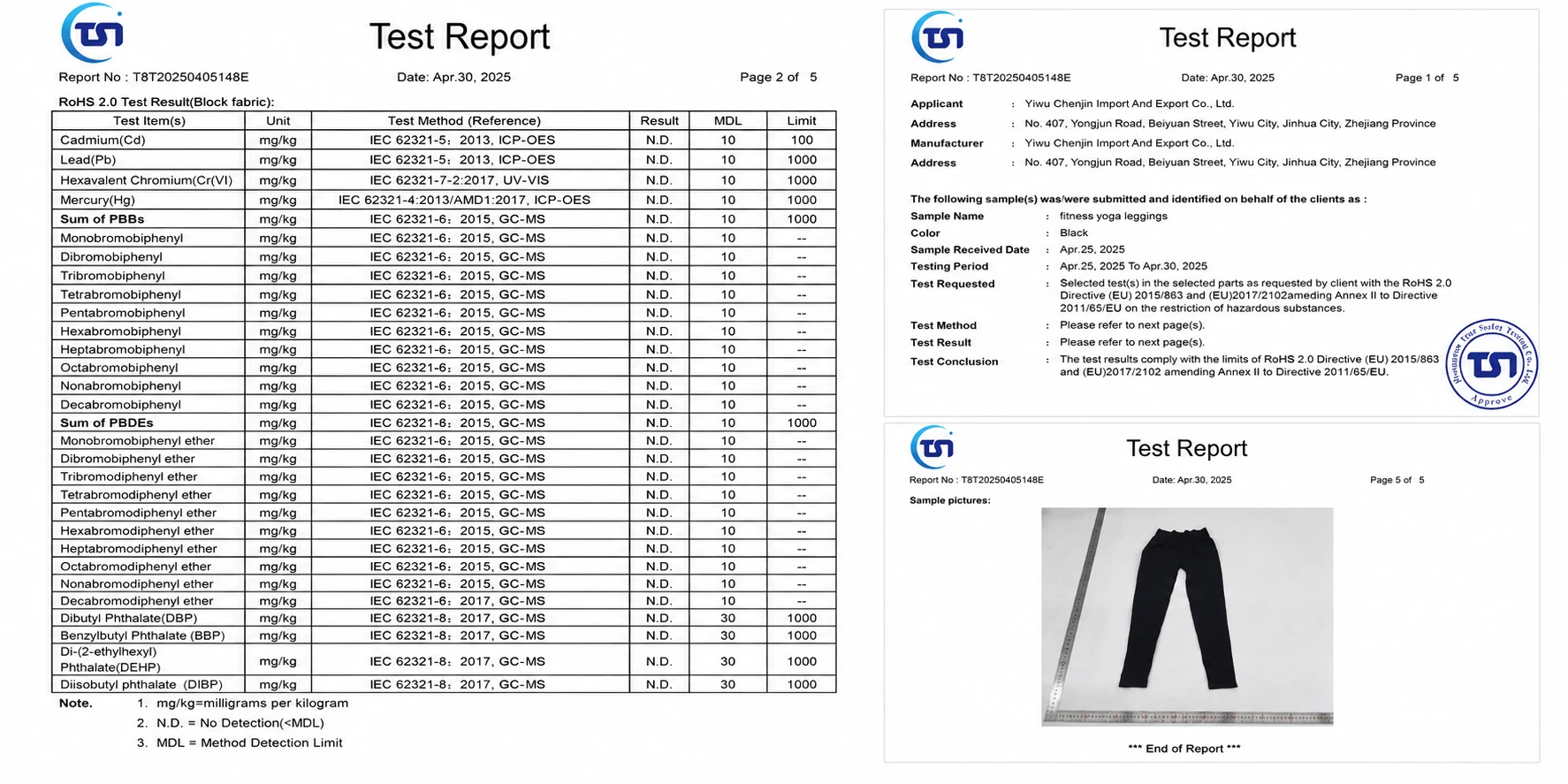
Existing laboratory evidence demonstrates MOVEVOX's ability to coordinate sample-specific testing but does not prove that every textured yarn, fabric, color, organization, or future production batch has identical results. New projects should define testing according to the actual material, finished product, target market, and buyer standard.
Case Study: Controlled Leggings Development for a U.S. Brand
A documented U.S. fitness customer project demonstrates MOVEVOX's ability to translate buyer-owned technical requirements into physical samples, controlled revisions, practical evaluation, commercial production, and branded packing. Existing evidence does not confirm this project as a Textured Leggings program.
Customer Background
The customer is based in the United States and operates an activewear business connected with a fitness-focused social audience. Documented cooperation has continued for approximately three years. Product cooperation has included leggings, shorts, sports bras, workout sets, bodysuits, and tank tops, with requirements involving stretch, support, opacity, soft hand feel, multiple colors, and commercial sizes.
Challenge
The customer already maintained its own Tech Pack, but written technical information alone did not establish whether every requirement would perform correctly in actual fitness use. The first physical sample revealed details requiring adjustment. The commercial program also included multiple colors, four sizes per color, and different QR-code information.
Solution
MOVEVOX reviewed the buyer's Tech Pack for manufacturing feasibility and produced the first development sample. After physical evaluation, several details were adjusted and a second controlled version was prepared. Once largely accepted, approximately five to ten additional samples were produced for practical testing with the customer's audience. Following approval, the program moved into commercial manufacturing with Logo, labels, care information, custom packaging, and an instruction insert.
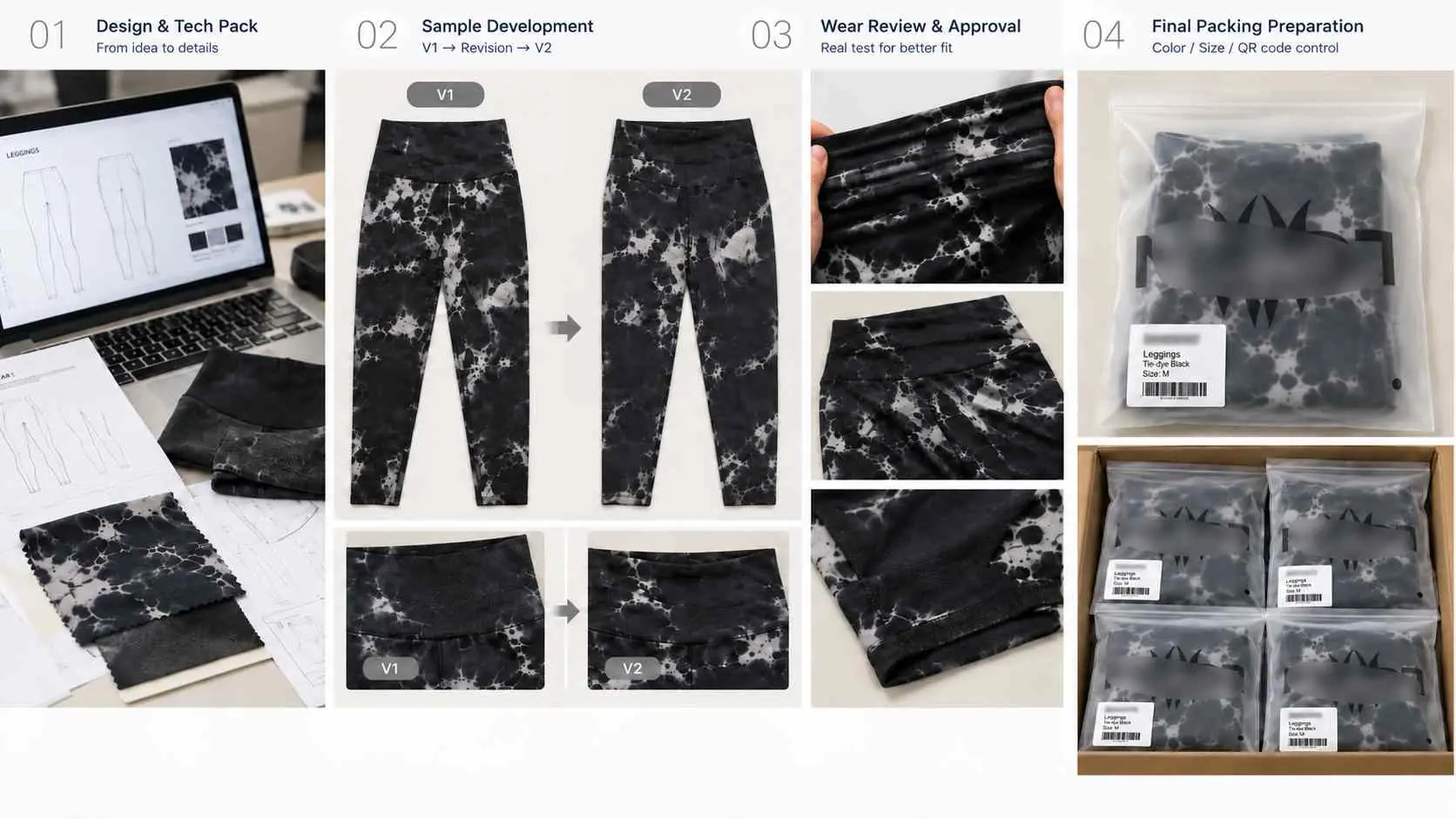
Tech Pack Review
MOVEVOX used the customer's own technical information as the project starting point and reviewed manufacturability before the first development version.
First Sample
The initial garment translated the written product requirement into a physical product that could be evaluated against actual use and buyer expectations.
Controlled Revision
Customer feedback was consolidated into a revised version so approved changes were deliberately implemented rather than introduced informally during bulk.
Wear Testing
After the revised version was largely accepted, approximately five to ten additional samples were prepared for practical evaluation before normal bulk production.
Bulk & Packing
Approved development moved into commercial manufacturing and private-label execution, including branding, labels, care information, packaging, and controlled SKU / QR-code verification.
Evidence Boundary: This case demonstrates product-development discipline, sample revision, practical testing, private-label execution, repeat commercial production, and SKU control. It must not be presented as a Textured Leggings case unless later project-specific evidence confirms that exact product. Customer quote: 需要真实素材替换.