SPORTSWEAR MANUFACTURING & SUPPLY

Sportswear Supplier for Private Label Development and Scalable Production

MOVEVOX supports global brands and mid-to-large B2B buyers with seamless and cut-and-sew development, customization, sampling, quality-controlled bulk production, and shipment execution.

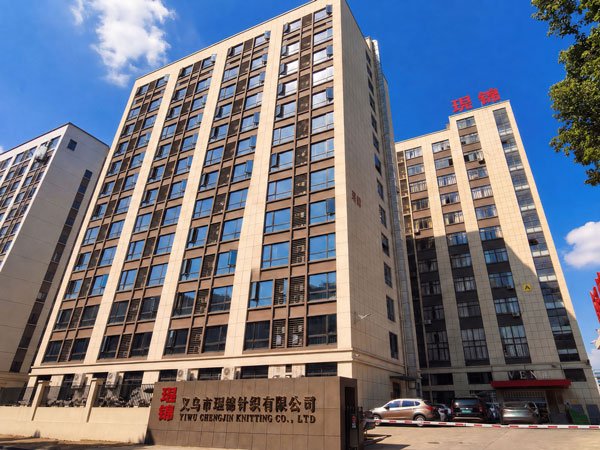
Build sportswear programs from technical input to repeat production through one accountable supplier interface. MOVEVOX combines an approximately 6,000 m² Yiwu core manufacturing base, seamless knitting, cut-and-sew production, product development, private-label customization, QC, packaging and controlled capacity coordination for growing and established brands.

28 Santoni Machines

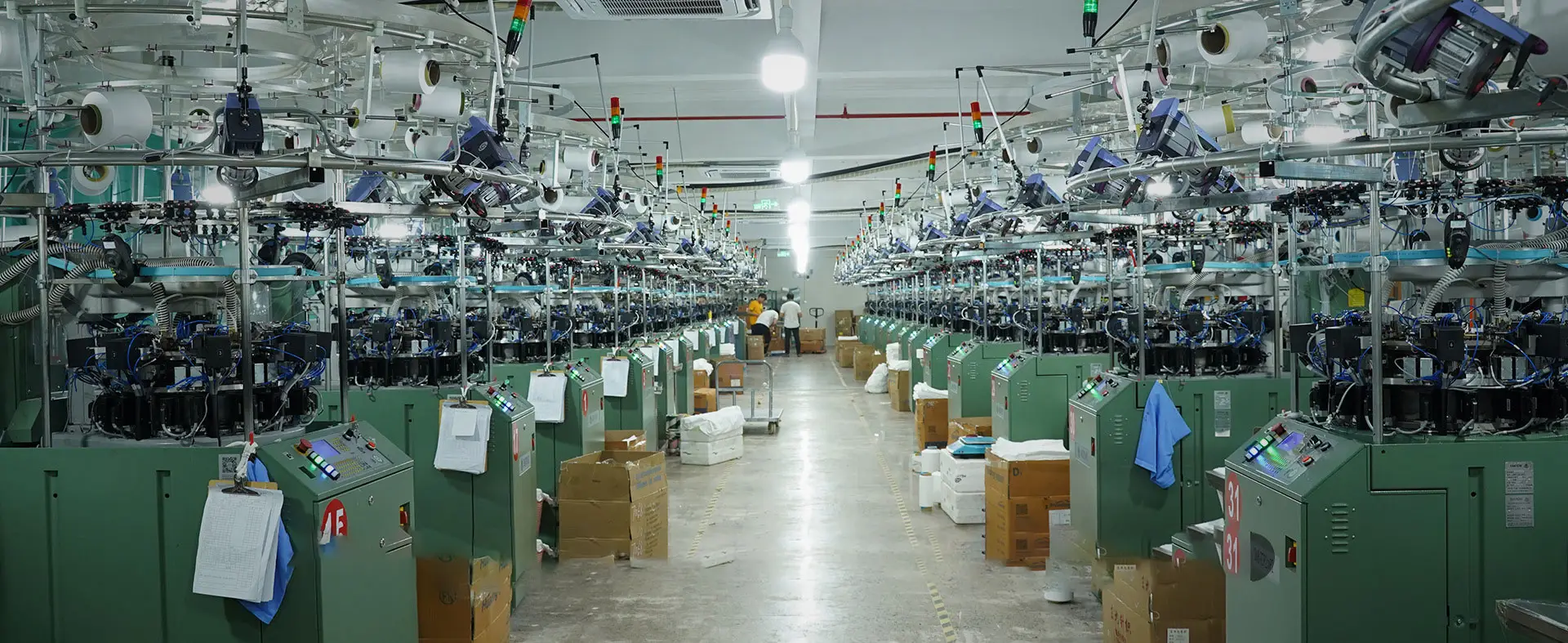
Italian Santoni seamless knitting equipment forms the core of MOVEVOX's in-house seamless development and production capability.

Approx. 24 Garment Machines

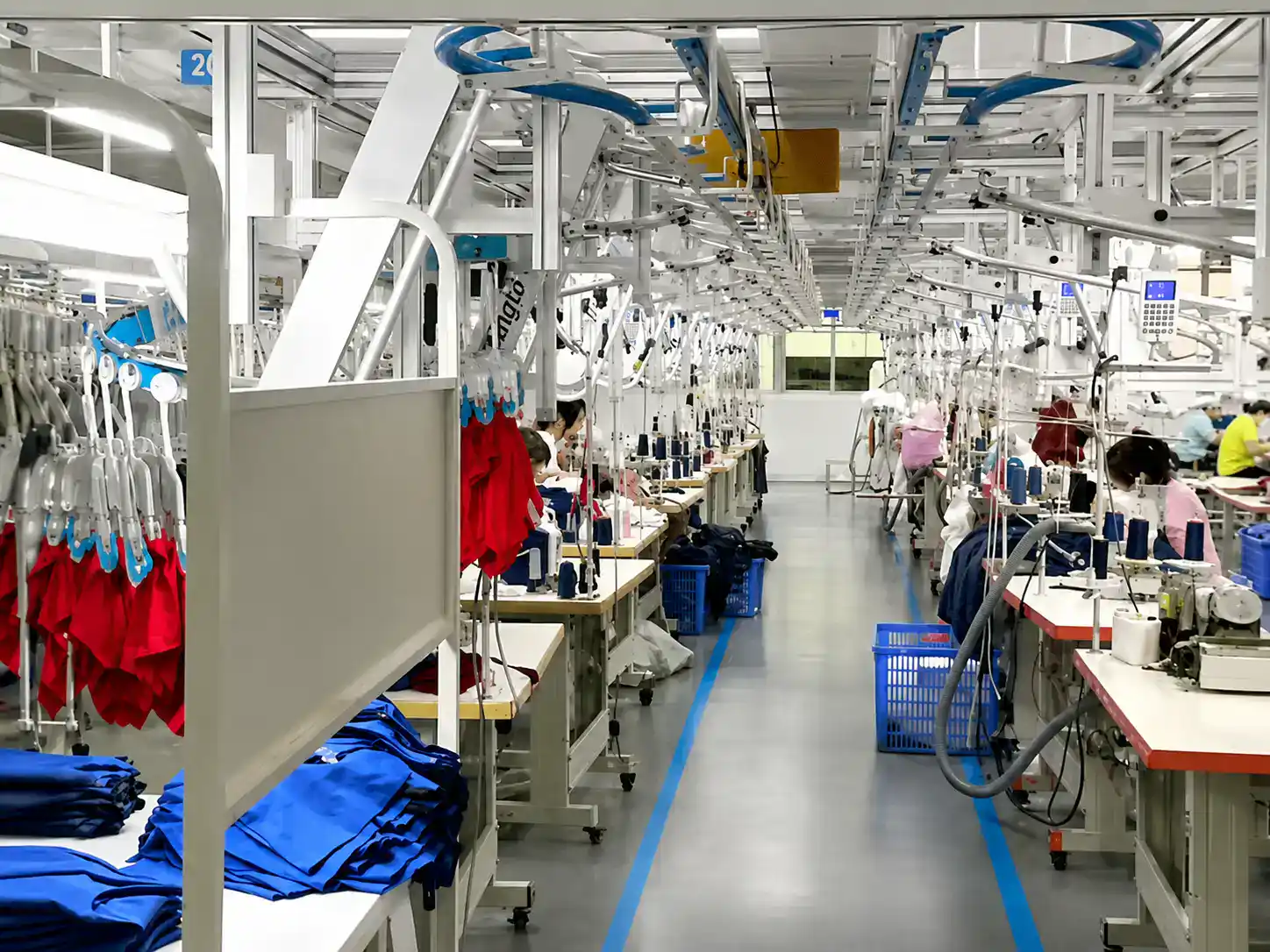
Core cut-and-sew equipment supports common activewear sewing, assembly and garment-making processes at the Yiwu production base.

5–10 Working Days

Standard sample development normally takes approximately 5–10 working days after required development details have been confirmed.

150K–200K Managed Pieces / Month

Approximate normal managed combined monthly delivery capacity, including MOVEVOX's own production and controlled satellite capacity.

SUPPLIER EVALUATION

What Should a Sportswear Buyer Check First?

A sportswear supplier should be evaluated beyond product price. Mature buyers need to understand whether the supplier can translate product requirements into approved standards, execute repeatable bulk production, manage quality and capacity risks, disclose how production is organized, and continue supporting the program as SKU count and order volume grow.

Product Fit

Confirm that the supplier understands the required sportswear categories, construction routes, materials, fit expectations and brand execution rather than simply offering a broad product catalogue.

Development Fit

Evaluate whether technical input can move through review, material selection, sampling, revision and approval before the supplier commits the product to bulk production.

Production & Delivery

Review where production occurs, how capacity is allocated, how material and production status are controlled, and whether realistic lead times are confirmed against the actual project.

Quality & Compliance

Look for defined incoming, pre-production, in-process, finished-garment and pre-shipment controls, together with evidence that test and certificate claims are used only within their actual scope.

Long-Term Scale

A suitable supplier should be able to support the transition from initial validation to repeat orders, additional SKUs and larger programs without rebuilding the entire supply chain.

Why it matters: Supplier selection is ultimately a risk decision. The objective is not only to make one acceptable sample, but to create a controllable route to repeat production.
BUYER RELEVANCE

Sportswear Supply for Different Brand Growth Stages

MOVEVOX is positioned for buyers that require product development, private-label execution and repeat production rather than one-off commodity sourcing. The operating model can support different procurement stages while keeping development, manufacturing and quality responsibilities under one supplier interface.

Established Global Brands

Established sportswear and activewear brands typically enter supplier discussions with defined product standards, Tech Packs, approved material expectations, quality manuals or existing reference products. Their concern is usually not whether a supplier can make a basic garment, but whether product specifications can be controlled through development, bulk production, inspection and repeat orders. MOVEVOX can work from structured technical requirements, combine seamless and cut-and-sew production routes, support factory audits and inspections, and disclose the role of its core factory and controlled satellite capacity.

  • Structured Tech Pack and approved-standard execution across repeat orders.
  • Transparent production-site allocation and access for supplier verification.
  • Multi-SKU quality, packaging and shipment coordination under one interface.

Multi-SKU B2B Buyers

Importers, distributors and larger B2B private-label buyers often manage multiple products, colors, sizes, labels, packaging requirements and delivery windows at the same time. MOVEVOX's value in these projects is the ability to coordinate product development, materials, seamless and cut-and-sew production, branding, QC and shipment execution through a unified project-management structure. This is particularly relevant when the product range cannot be efficiently assigned to only one manufacturing process.

  • Multiple sportswear categories managed through consistent project documentation.
  • Brand labels, packaging and SKU details coordinated with garment production.
  • Capacity review before repeat or larger-volume purchase orders are confirmed.

Growing Established Brands

Growing brands that already have validated products often need a supplier able to start at practical order quantities while leaving room for future scale. MOVEVOX supports development from Tech Packs, legal reference samples or defined product requirements, with base custom MOQ levels of approximately 100 pieces per seamless style and 150 pieces per cut-and-sew style. Actual MOQ remains dependent on material, color, branding, construction and SKU allocation.

  • Practical entry quantities without disconnecting development from later production.
  • Sample revision before committing larger quantities to a new supplier.
  • A repeat-order route that can expand after market validation.
PROCUREMENT RISK

Where Sportswear Sourcing Programs Commonly Lose Control

Most sourcing failures do not begin with one dramatic mistake. They usually develop when approved specifications, production locations, materials, quality controls or project responsibilities become unclear between sampling and bulk execution.

Sample-to-Bulk Drift

Problem: A development sample may meet expectations, but bulk production can drift when material specifications, measurements, construction details, colors or branding standards are not formally transferred into production.

Commercial impact: The buyer may face repeated approvals, inconsistent customer experience, additional inspection work, rework or delays close to the planned launch window.

MOVEVOX control: MOVEVOX uses confirmed technical information, approved samples, material requirements and production checks as bulk references, with first-piece, in-process and finished-garment inspection supporting execution.

Fragmented Supplier Responsibility

Problem: Seamless products, cut-and-sew garments, labels, Logo work and packaging may be managed through separate suppliers without a clearly accountable project owner.

Commercial impact: More interfaces increase the chance of outdated specifications, mismatched branding information, delayed decisions and disputes over which supplier is responsible for a deviation.

MOVEVOX control: MOVEVOX coordinates development, core manufacturing, controlled external capacity, branding, QC, packaging and shipment preparation through one commercial and project-management interface.

Capacity Failure After Growth

Problem: A supplier may handle an initial order but become unreliable after quantities, SKU counts or repeat-order frequency increase beyond its normal production structure.

Commercial impact: Brands can face delayed replenishment, forced supplier changes, repeated sampling or inconsistent production standards at the point when market demand is increasing.

MOVEVOX control: MOVEVOX combines its Yiwu core manufacturing base with controlled satellite capacity and conducts project-specific capacity review before confirming larger programs and delivery commitments.

Hidden Production Changes

Problem: Risk increases when production is moved to an unapproved or unknown facility without corresponding technical, material, QC and documentation controls.

Commercial impact: The buyer may lose visibility over workmanship, compliance requirements, capacity assumptions and the production site originally evaluated during vendor selection.

MOVEVOX control: MOVEVOX distinguishes its own factory, long-term satellite capacity and specialized partners, while production allocation and customer-specific site restrictions are managed against project requirements.

PROJECT FIT

Where Does Your Sportswear Project Fit?

MOVEVOX can enter a project at different maturity stages. The correct starting point depends on how complete the product specification is, whether a sample exists, the intended quantity and how much development work remains before bulk production.

CONCEPT

Concept-Stage Development

A concept-stage project can begin with a sketch, image, written product direction or another legally usable reference. At this stage, the priority is not immediate bulk pricing. MOVEVOX first needs to understand the intended product, construction route, material direction, fit, branding and commercial quantity before determining what additional technical development is required.

Buyer provides: Product concept, legally usable reference, target category, approximate quantity and market direction.

MOVEVOX provides: Initial manufacturability review, open-point identification and a proposed next development step.

SAMPLING

Sample Development

Sampling is appropriate when the buyer has a Tech Pack, physical sample or sufficiently defined product requirements. MOVEVOX reviews the technical input, material, measurements, construction, Logo, labels and packaging requirements before starting development. Standard sample development is normally approximately 5–10 working days after the required details have been confirmed; special materials or complex customization can change the schedule.

Buyer provides: Tech Pack, reference sample or confirmed development brief.

MOVEVOX provides: Technical review, development sample, revision support and an approved bulk reference.

PILOT ORDER

Initial Production Validation

A pilot order is suitable when product standards have been approved but the buyer wants to validate execution before committing a larger program. Base custom MOQ currently starts at approximately 100 pieces per seamless style and 150 pieces per cut-and-sew style. Actual quantities depend on material procurement, color, construction, Logo, packaging and order breakdown.

Buyer provides: Final specifications, approved sample, color, size, quantity and packing requirements.

MOVEVOX provides: Production review, capacity confirmation, QC, packing and shipment preparation.

BULK

Bulk Production

Bulk production begins only after the required commercial and technical conditions are sufficiently defined. MOVEVOX coordinates material preparation, production planning, first-piece confirmation, in-process checks, finished-garment inspection, packaging and shipment preparation. Regular bulk production is commonly around 20–35 days, while larger, complex, customized-material or peak-season programs require project-specific scheduling.

Buyer provides: Approved specifications, PO requirements, inspection requirements and confirmed delivery window.

MOVEVOX provides: Capacity allocation, production control, QC and shipment preparation.

REORDER

Repeat Production

Repeat orders are not treated as a reason to stop controlling standards. Existing approved requirements provide the reference, but the actual material lot, quantity, color, manufacturing allocation and requested delivery date still need confirmation. Where the customer changes specifications, branding, packaging or materials, the revised requirements must be reviewed before repeat production begins.

Buyer provides: Repeat PO, current SKU quantity breakdown and any specification changes.

MOVEVOX provides: Capacity and material review, production against the current approved version, QC and shipment coordination.

VENDOR QUALIFICATION

Use This Checklist Before Shortlisting a Supplier

A credible supplier review should examine development, manufacturing, quality, capacity and commercial execution together. The following checklist reflects the areas a mature sportswear buyer should verify before moving from web research to sampling, audit or RFQ.

Product & Development

  • Can the supplier develop from Tech Packs or approved reference materials?
  • Are seamless and cut-and-sew routes evaluated by product structure?
  • Are materials, fit, Logo, labels and packaging reviewed before production?

Quality & Control

  • Is an approved specification converted into a bulk-production reference?
  • Are incoming, first-piece, in-process and finished-garment checks defined?
  • Can the buyer specify inspection requirements or third-party inspection?

Capacity & Supply

  • Is stable capacity separated from theoretical machine output?
  • Are external production sites disclosed when project rules require transparency?
  • Is capacity checked against SKU complexity, material and delivery timing?

Commercial & Communication

  • Are MOQ assumptions clearly linked to materials and customization?
  • Are sample and bulk lead times defined from confirmed project conditions?
  • Is one supplier interface accountable for production, QC and delivery coordination?
If a supplier can answer these questions with specific processes, numbers, documents and production evidence, it is ready for deeper evaluation. MOVEVOX can provide project-specific clarification around its Yiwu core factory, product-development process, seamless and cut-and-sew capabilities, quality controls, managed capacity, satellite-factory structure and commercial conditions. Final qualification should still be based on your actual product, technical requirements, audit criteria and PO conditions.
OPERATING FACTS

Key Operating Facts for Supplier Evaluation

These figures describe MOVEVOX's current manufacturing and operating structure. They are intended as supplier-evaluation references rather than theoretical maximum claims.

Since 2019

MOVEVOX defines 2019 as the starting year of its sportswear manufacturing and supply-chain operations.

Approx. 6,000 m²

The Yiwu core manufacturing base uses approximately 6,000 square meters across production, development, QC, packing, warehousing and related functions.

28 Santoni Machines

Twenty-eight Italian Santoni seamless knitting machines support MOVEVOX's in-house seamless activewear development and manufacturing capability.

Approx. 24 Machines

Approximately 24 primary sewing and garment-making machines support the core cut-and-sew and garment-finishing production system.

5 QC Personnel

MOVEVOX currently has five QC personnel covering incoming, production, finished-garment, packing and pre-shipment quality-control activities.

150K–200K / Month

Approximate normal combined monthly managed delivery capacity across MOVEVOX's own operations and controlled satellite-production network.

Capacity remains project-specific and must be recalculated by style, material, SKU structure, process complexity and delivery window.
MANUFACTURING CAPABILITY

Six Capabilities Behind a Scalable Sportswear Supply Program

MOVEVOX combines product development, two manufacturing routes, private-label execution, quality control and managed production capacity so buyers can move from product definition to approved sample and repeat bulk production through one coordinated supplier relationship.

01

Seamless Manufacturing

MOVEVOX's Yiwu core facility operates 28 Italian Santoni seamless knitting machines. The seamless route can support leggings, sports bras, shorts, tops, bodysuits and related training products using structures such as rib, mesh, texture, jacquard and localized density or compression zones. Yarn specification, knitting program and approved sample remain critical production references rather than treating seamless as simply “fewer seams.”

02

Cut-and-Sew Manufacturing

The core production base contains approximately 24 primary sewing and garment-making machines supporting common activewear cutting, sewing and assembly requirements. This route is suitable for products where fabric selection, pattern engineering, panel construction, pockets, zippers or conventional garment structures are better controlled through cut-and-sew manufacturing. Final construction is determined from the product specification rather than forcing every SKU into one manufacturing method.

03

Product Development

MOVEVOX can start from a complete or incomplete Tech Pack, legally usable physical reference, sketch, image or defined product requirement. Development covers technical review, material direction, construction, pattern or seamless structure, sample creation, revision and approval. Standard sample development is normally approximately 5–10 working days after required development details are confirmed, while complex materials and special customization can require additional time.

04

Material & Branding

Private-label execution can include fabric and color development together with screen printing, heat transfer, silicone Logo, jacquard, embroidery, woven labels, care labels, size labels, hangtags and custom packaging. These elements are not treated as independent decoration: compatibility with material, stretch area, garment construction, MOQ, tooling and production lead time needs to be reviewed before the final branded product standard is approved.

05

Quality Control

MOVEVOX currently has five QC personnel. The quality process covers material checking, pre-production confirmation, first-piece inspection, in-process inspection, finished-garment checking, packing verification and pre-shipment release. Approved product requirements, measurements, materials, colors, Logo and packaging details are converted into production-control references. Buyer-defined inspection requirements can be incorporated into the project where agreed.

06

Scalable Production

MOVEVOX uses its own Yiwu manufacturing base as the core development and production-control center and combines it with a long-term controlled satellite-factory network when additional capacity or specialist processes are required. Normal combined managed monthly delivery capacity is currently approximately 150,000–200,000 pieces, but each order is capacity-checked according to product structure, materials, SKU count, processes and requested timing.

PRODUCT RANGE

Build a Broader Sportswear Collection With One Supplier

MOVEVOX's production range supports major activewear and sportswear categories through seamless and cut-and-sew routes. The following product directions can be developed and manufactured according to the requirements of the individual project.
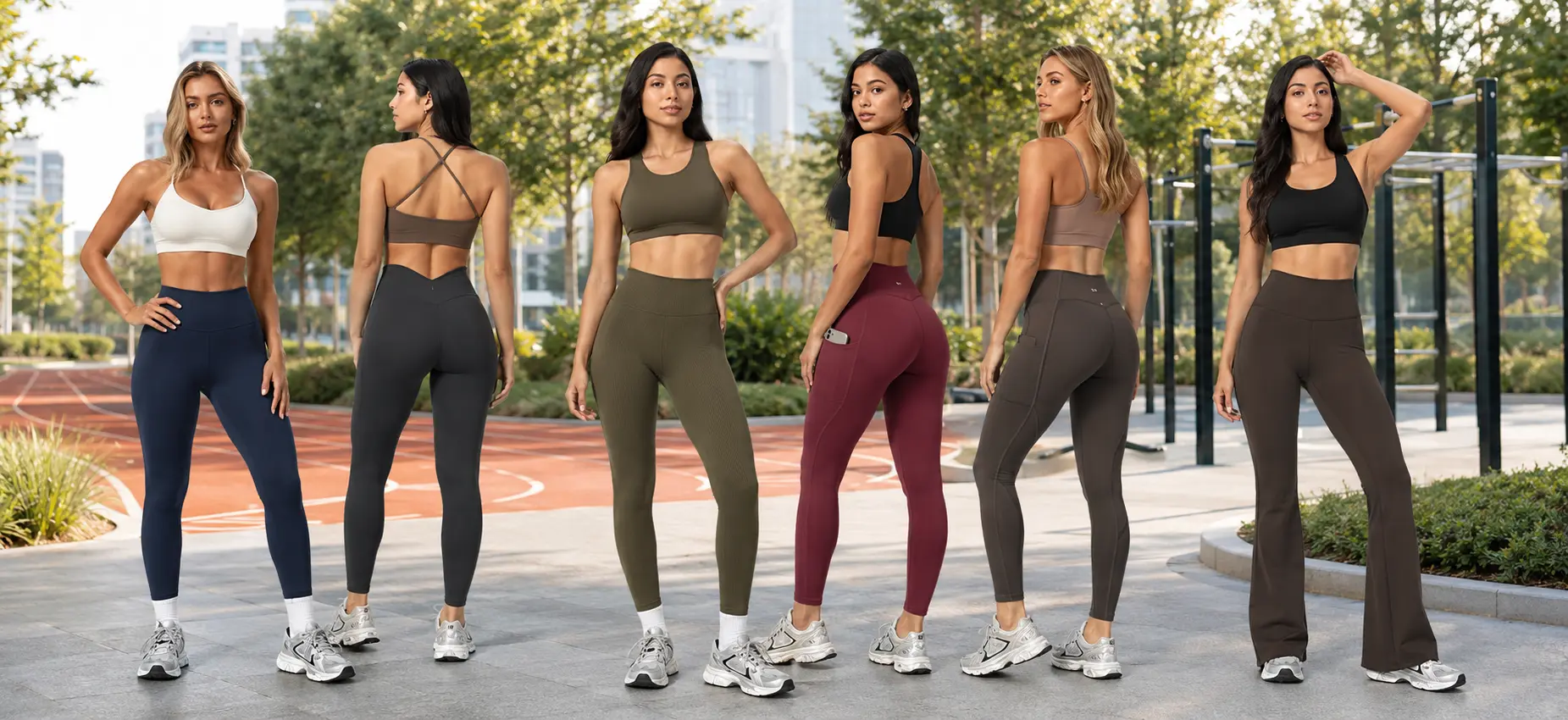
Sports leggings developed for private label activewear production

Sports Leggings

Develop seamless or cut-and-sew leggings around target fit, waistband construction, material, stretch, opacity, pockets, texture and branding requirements.

Seamless Cut & Sew Yoga
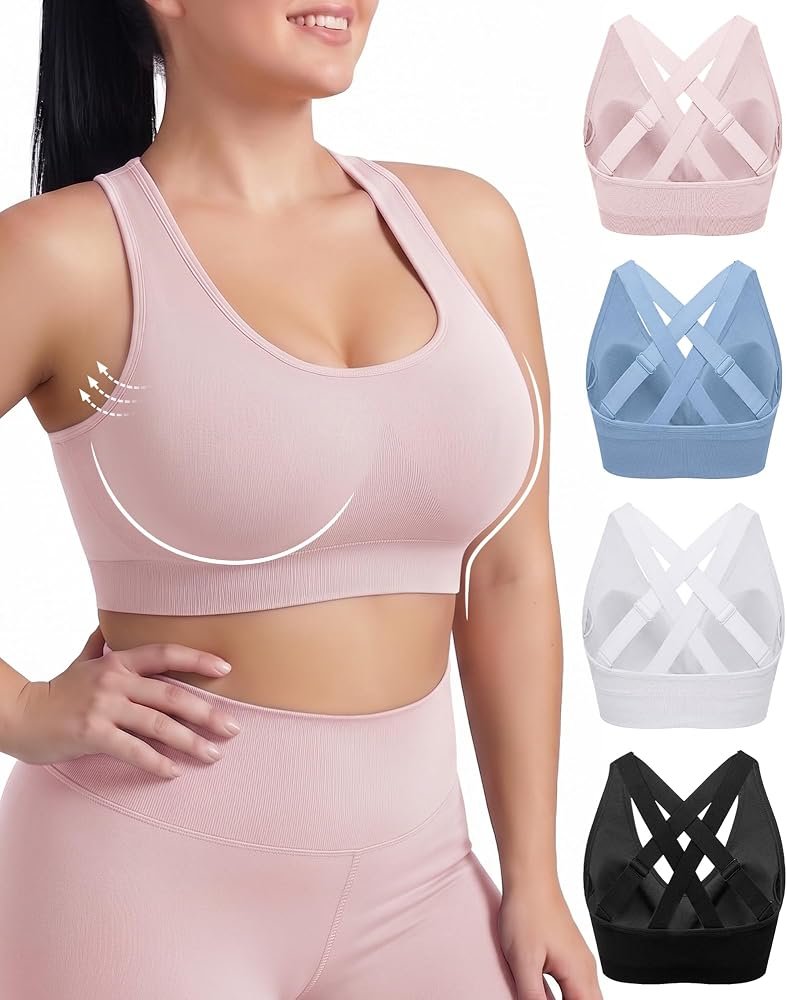
Sports bra showing private label activewear construction details

Sports Bras

Develop sports bras around fit, underband stability, strap construction, coverage, pad configuration, support target and material behavior.

Seamless Cut & Sew Training
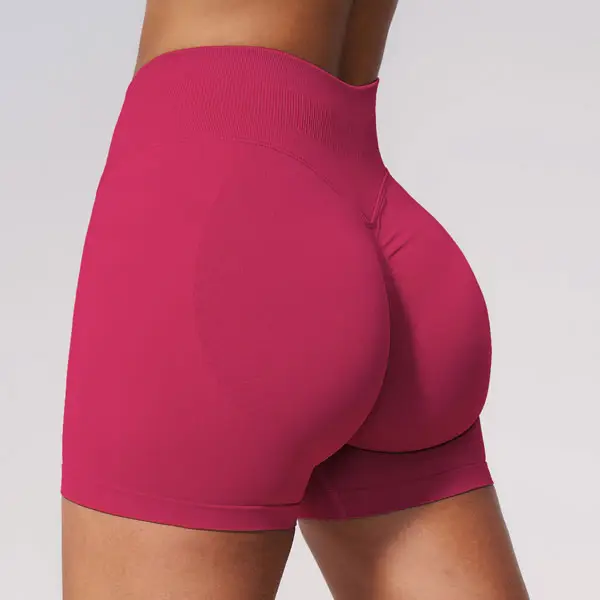
Activewear shorts with waistband and performance fabric construction

Active Shorts

Shorts and biker-short programs can combine high-stretch materials, different inseams, waistband structures, pockets, seamless texture and private-label details.

Yoga Gym Training
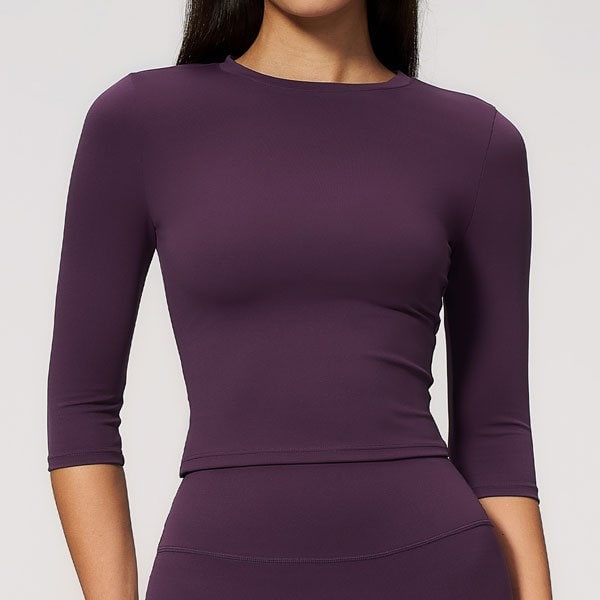
Fitted training top developed for activewear private label production

Training Tops

Tanks and fitted training tops can be developed through seamless knitting or cut-and-sew construction according to fit and design requirements.

Tops Seamless Cut & Sew
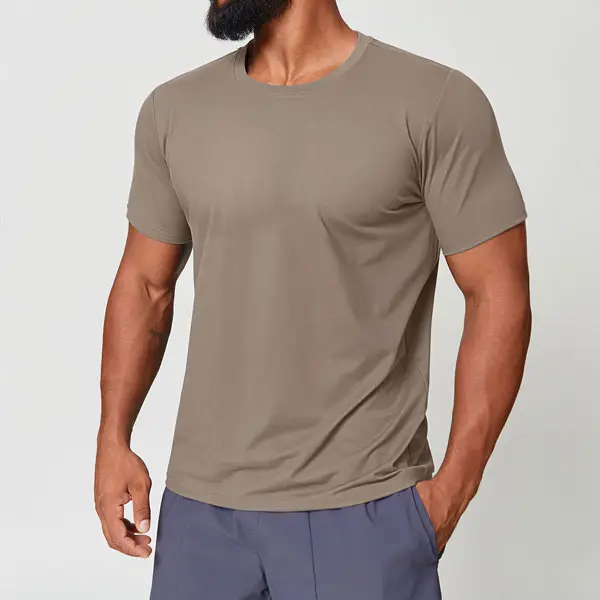
Sports T-shirt showing neckline and garment construction details

Sports T-Shirts

Cut-and-sew sports T-shirts can be developed around fabric weight, fit, neckline, seam construction, Logo placement and intended training use.

Cut & Sew Training Tops
Coordinated private label activewear set with matching garments

Activewear Sets

Coordinate bras, leggings, shorts and tops through shared color, material, branding and packaging standards for a more consistent collection program.

Collection Private Label Multi-SKU
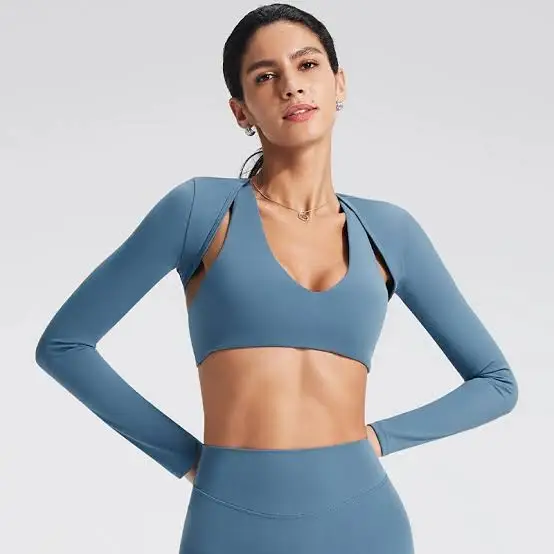
Running wear developed for sportswear manufacturing and private label programs

Running Wear

Running and training styles can be developed according to required garment structure, material direction, movement needs and product-specific performance priorities.

Running Training Cut & Sew
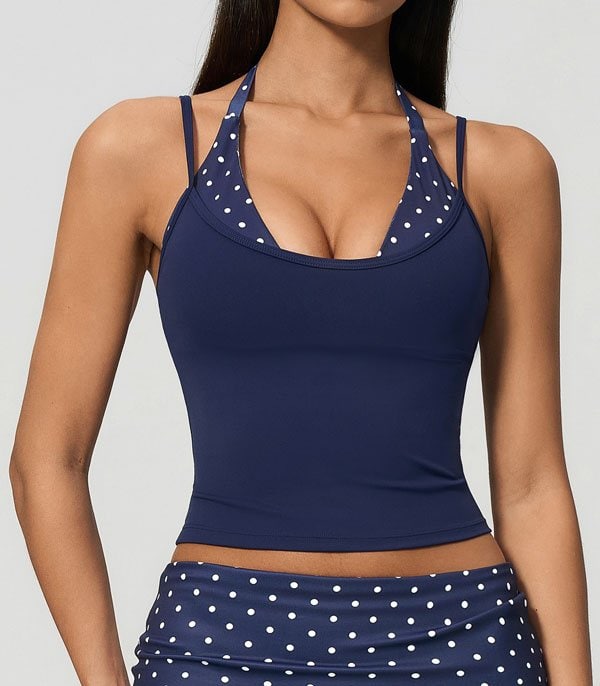
Athleisure apparel combining sportswear construction and casual styling

Athleisure Styles

MOVEVOX can support selected athleisure directions where sportswear construction, comfort, private-label execution and repeat production fit the project requirement.

Athleisure Lifestyle Private Label
MANUFACTURING ROUTE

Choosing Seamless or Cut-and-Sew Sportswear Manufacturing

The correct manufacturing route depends on product structure, fit, material, visual design and required construction. MOVEVOX supports both routes and can evaluate them within one collection.

Decision Area Seamless Cut & Sew
Starting material Yarn-based knitted structure Finished fabric cut into garment panels
Core equipment Santoni seamless knitting Cutting and garment sewing equipment
Typical strengths Integrated textures, rib, mesh and localized structures Flexible panels, pockets, zippers and complex assemblies
Fit development Yarn, structure, program and finishing interact Pattern, fabric, seam and construction interact
Branding Jacquard and selected applied Logo methods Wider range of applied Logo and trim options
Collection use Leggings, bras, shorts, tops and bodysuits Leggings, bras, shorts, tops, jackets and more
MOVEVOX base MOQ Approx. 100 pcs/style Approx. 150 pcs/style
Final decision Based on design and manufacturability Based on design and manufacturability
ONE ACCOUNTABLE INTERFACE

One Accountable Interface Across Multiple Supply Chain Functions

Not every operation needs to occur under one roof to remain controlled. MOVEVOX's role is to coordinate product requirements, production allocation, materials, branding, quality, packaging and shipment execution through one accountable supplier relationship.
MOVEVOX sportswear supply chain coordination with samples materials branding and packaging
Unified Management The objective is not to claim that every material, printing, packaging or logistics operation is physically owned by MOVEVOX. The operating value is that customer specifications, material requirements, production allocation, project progress, quality standards, packing and shipment preparation remain coordinated through MOVEVOX. This reduces fragmented responsibility while keeping external capacity and specialist processes visible when the project requires disclosure.
01

Yarn & Fabric

MOVEVOX coordinates yarn or fabric requirements against approved product specifications, including material type, color, weight, hand feel, stretch and other project-specific parameters before bulk use.

02

Seamless

The Yiwu core factory operates 28 Italian Santoni seamless machines, supporting seamless product development, programming, knitting, related finishing and bulk-production control.

03

Cut & Sew

The core factory contains approximately 24 primary garment-making machines, while controlled satellite capacity can supplement production when product type, volume or schedule requires additional resources.

04

Branding

Logo, labels, hangtags and related brand details are reviewed against garment material, construction, artwork, position, color, MOQ and production requirements before final approval.

05

Packaging

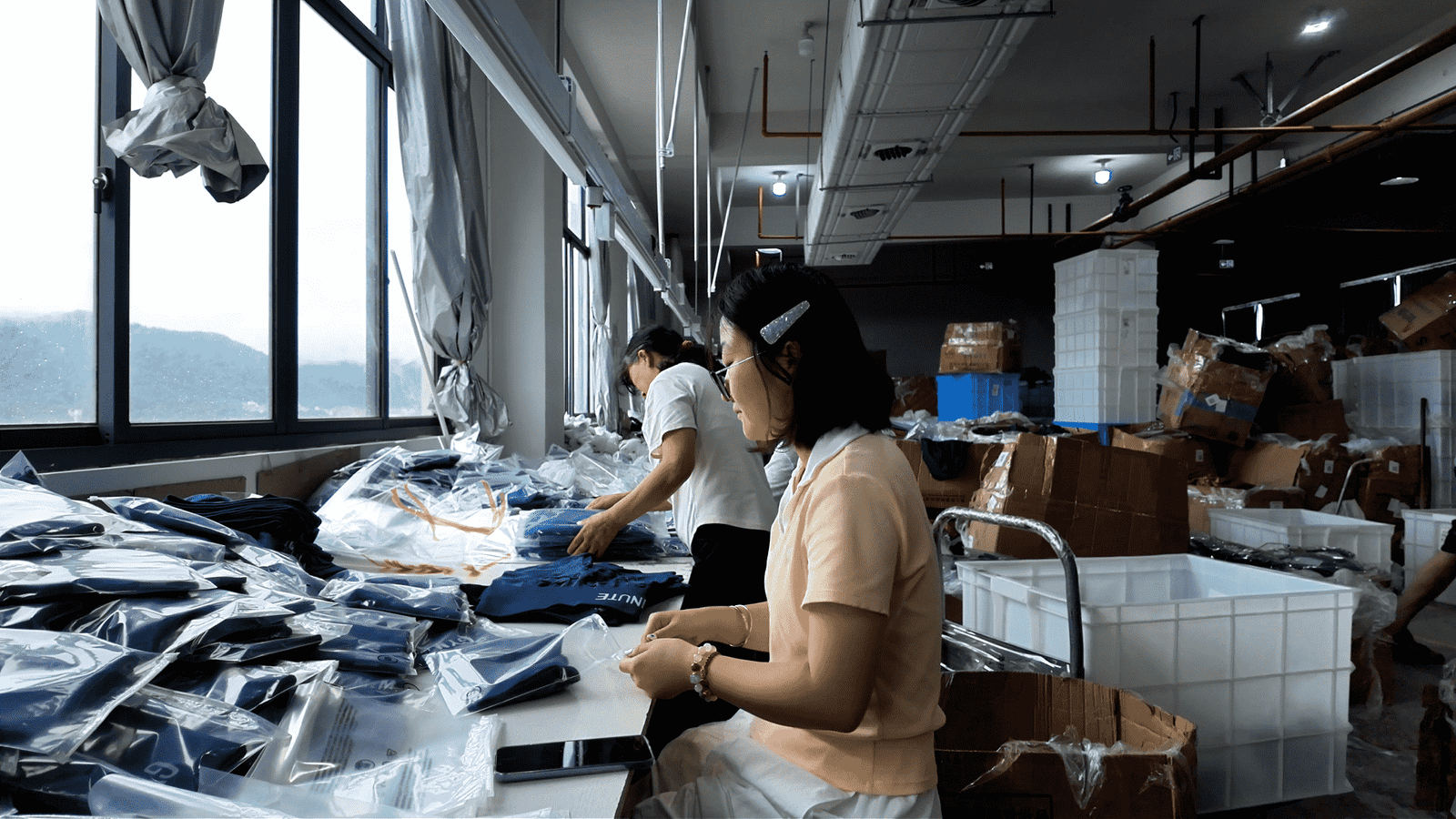
MOVEVOX can coordinate care labels, size labels, hangtags, polybags, stickers, barcodes, cartons and related private-label packaging requirements as part of the order.

06

Logistics

Packing information, carton preparation and shipment handover are coordinated after production and quality release, with shipping arrangements matched to the specific order and agreed trade requirements.

PRODUCT DEVELOPMENT

From Product Input to Bulk-Ready Sportswear Standards

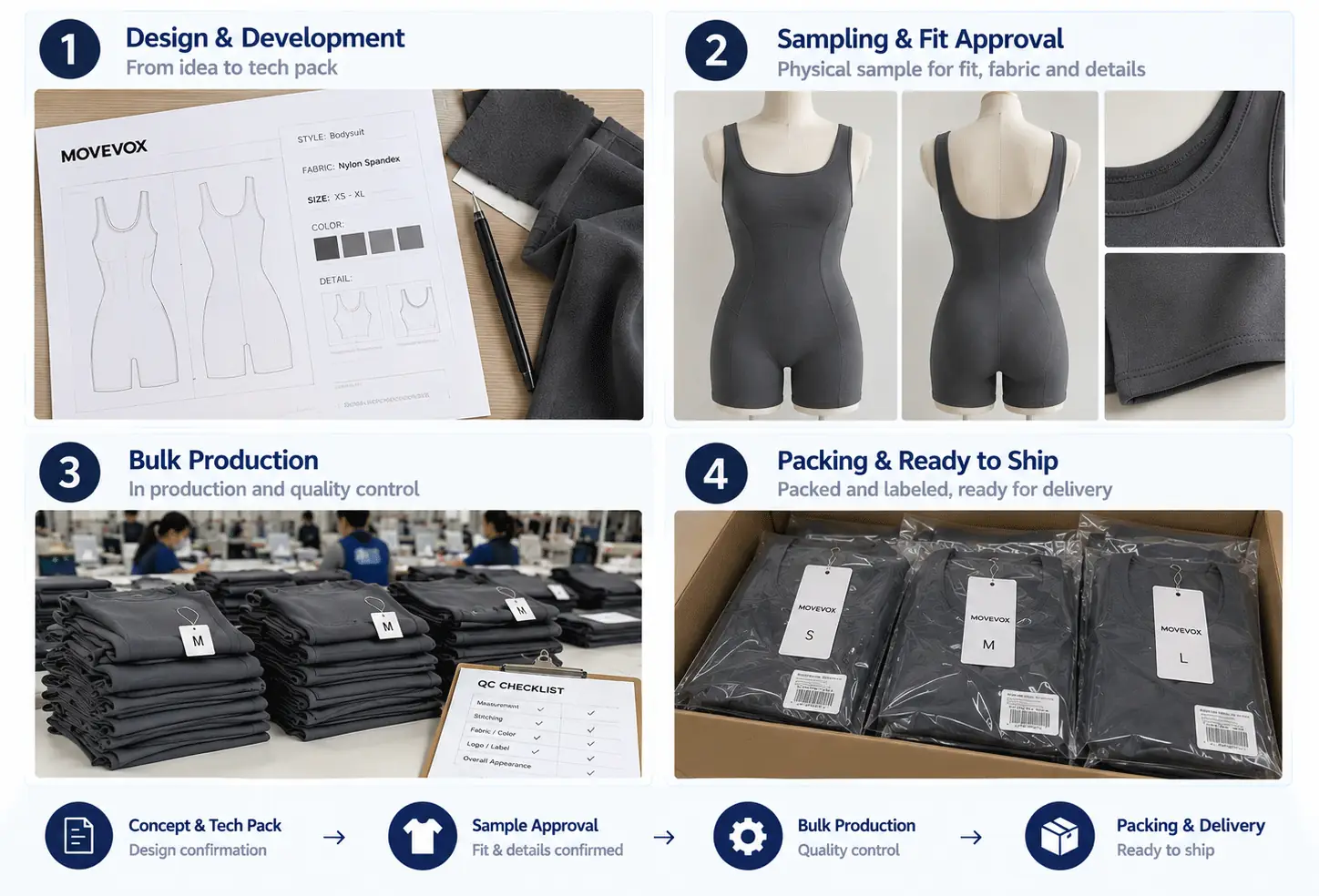
Product development should convert a commercial idea into a specification that production can repeat. MOVEVOX moves projects through technical review, materials, construction, sampling, revision and approval before the final product standard is released for bulk execution.

01

Project Input

MOVEVOX first reviews the buyer's Tech Pack, legally usable physical sample, sketch, image or clearly defined product requirement. Missing information and open technical points are identified before sample work begins.

Deliverable: Development Brief

02

Technical Review

The team evaluates product structure, fit, measurements, material direction, Logo, labels, packaging and whether seamless or cut-and-sew is the more appropriate production route.

Deliverable: Technical Review

03

Material Direction

Fabric or yarn requirements are aligned with target hand feel, stretch, weight, color, appearance, structure and the intended sportswear application. Special materials may affect MOQ and development timing.

Deliverable: Material Direction

04

Construction Setup

Cut-and-sew projects proceed through pattern and construction setup; seamless projects require yarn, structure and machine-program definition. The purpose is to translate design intent into repeatable manufacturing instructions.

Deliverable: Construction Setup

05

Sample Development

After required details are confirmed, a standard sample is normally developed in approximately 5–10 working days. Complex materials, colors, Logo methods or special accessories may require additional time.

Deliverable: Development Sample

06

Review & Revision

The buyer reviews fit, measurements, construction, material, color and branding. Changes are recorded and transferred into the next sample or specification version rather than handled as informal production comments.

Deliverable: Revision Record

07

Final Approval

The approved product requirements establish the reference for bulk production, including the confirmed specification, sample, materials, colors, Logo, labels and packaging relevant to the project.

Deliverable: Approved Standard

08

Bulk Handover

Production, purchasing, PMC and QC use the approved project requirements to plan materials, first-piece confirmation, bulk execution, in-process checks and final release.

Deliverable: Bulk Release

OEM · ODM · PRIVATE LABEL

Choose the Right Sportswear Development Route

OEM, development-led ODM and private label represent different starting points. MOVEVOX does not treat them as interchangeable terms; the correct route depends on who defines the product and how much technical development remains.

Decision Area OEM Development-Led ODM Private Label
Starting input Customer Tech Pack or defined specifications Concept, sketch, image or product direction Existing product direction plus brand requirements
Product definition Primarily customer-defined Developed collaboratively for manufacturability Existing structure with selected customization
MOVEVOX role Review, sample, manufacture and execute Translate concept into production-ready product Execute brand, color, Logo, label and packaging
Customer approval Required before bulk production Required throughout development Required for branded execution
Material work According to customer or approved specification Material options developed against target Selected from suitable available or custom options
MOQ Product and material dependent Product and material dependent Garment and branding MOQs may differ
Lead time Depends on approved specification and materials More development can extend timeline Depends on customization level
Best fit Mature technical product Defined concept needing development support Brand execution on proven product direction
Choose OEM when your product specifications are already sufficiently developed and you primarily need technical review, sampling and controlled manufacturing. Choose the development-led route when product direction is clear but material, construction, fit or manufacturing details still require engineering. Private label is suitable when the main requirement is to create a branded product using selected product, material, color, Logo, label and packaging options. Final ownership, approvals and intellectual-property rights remain subject to the customer's legal product inputs and project agreement.
PRIVATE LABEL SYSTEM

Private Label Means More Than Adding a Logo

MOVEVOX can coordinate the garment, material, color, branding, labels and packaging into one approved private-label standard. Each customization decision must still be reviewed for material compatibility, MOQ, tooling, lead time and bulk-production repeatability.

Fabric & Yarn

Material selection starts with the intended product rather than a generic fabric catalogue. MOVEVOX works with Nylon/Spandex, Polyester/Spandex, seamless yarn systems, brushed and soft-touch materials, ribbed or textured fabrics and project-specific recycled options. The customer should define the intended hand feel, fit, support, appearance and functional priorities. Material changes can alter cost, MOQ, color availability, sample performance and bulk lead time.

Color Development

Projects can use suitable existing colors or move into custom color development when required. Pantone references or physical color standards can be used as development inputs. Custom dyeing is constrained by real material or yarn minimums; MOVEVOX's existing operating reference is commonly around 400–600 pieces equivalent for a dedicated color lot, depending on product and material structure. Color approval should occur before bulk production.

Logo Execution

Available Logo directions include screen printing, heat transfer, silicone printing, jacquard, embroidery and woven-label solutions. The correct process depends on material surface, stretch, Logo size, position, color, hand feel and wash expectations. A process that works on a stable woven surface may not behave the same way on high-stretch or brushed sportswear. Final Logo execution should therefore be approved on the actual product material.

Labels & Identification

Private-label execution can include main labels, care labels, size labels and woven labels together with hangtags and product identification. Required fiber content, care information, sizing and market-specific legal statements remain customer- and destination-dependent. MOVEVOX can execute confirmed label files and placement requirements, but legal label content should be supplied or approved by the customer according to the target market.

Packaging System

Individual packaging can be coordinated with product identity, size, color and retail requirements. Options may include polybags, stickers, barcodes, inserts and shipping cartons according to the project. Where multiple SKUs or QR/barcode combinations are involved, the packaging standard needs controlled versioning so the correct garment, label and external identifier remain matched throughout packing.

Approval & Evidence

Private-label elements should not be released to bulk merely because the artwork looks correct on a screen. Material, color, Logo, labels and packaging need project-specific approval at the relevant development stage. If performance, chemical or compliance claims are required, the evidence must correspond to the actual material, sample, production lot or certificate scope. MOVEVOX does not treat unrelated supplier documents as universal finished-product certification.

SAMPLE APPROVAL

Sampling Is an Approval Process, Not Decoration

MOVEVOX uses sampling to convert product requirements into a controllable bulk reference. The number of revisions depends on product complexity and customer feedback rather than following a fixed number of compulsory rounds.

01

Development Sample

The first sample tests whether the agreed material, construction, pattern or seamless structure can translate the product requirement into a physical garment suitable for customer review.

Pass criterion: Ready for structured fit, construction, material and branding feedback.

02

Revised Sample

Customer feedback is translated into defined revisions instead of informal verbal changes. Measurements, construction, materials, Logo or fit points are updated according to the approved comments.

Pass criterion: Identified issues are addressed and remaining open points are defined.

03

Fit / Wear Review

For products where movement, support, opacity or fit behavior is important, the customer may conduct its own wear or fit evaluation before final approval.

Pass criterion: The customer confirms that the product can continue toward final approval.

04

Pre-Production Approval

The final pre-production reference should reflect the product that bulk manufacturing is expected to follow, including approved construction, measurements, material, color and branded details.

Pass criterion: No material open point prevents reliable production or quality inspection.

05

Bulk Reference

Once released, the approved standard becomes a reference for material procurement, first-piece confirmation, in-process inspection, finished-garment review and future repeat-order comparison.

Pass criterion: Bulk begins against the current approved technical and commercial requirements.

PROJECT REVIEW

Ready to Review a Real Sportswear Project?

Send the product information you already have—Tech Pack, reference garment, sketch, image, SKU plan or target quantity. MOVEVOX can review the manufacturing route, open technical points, customization requirements, expected MOQ and the appropriate next step before you commit to sampling or bulk production.

Projects can begin from complete technical files or clearly defined legal product references.

MOVEVOX product developer reviewing sportswear technical files and samples
MOQ STRUCTURE

MOQ Depends on Product and Order Structure

MOVEVOX has practical base MOQ levels, but material minimums, color development, Logo processes and packaging can create separate constraints. MOQ should therefore be reviewed as an order structure rather than one permanent number.

BASE ENTRY

Base MOQ Entry

For normal custom development, the current base reference is approximately 100 pieces per seamless style and 150 pieces per cut-and-sew style. Color and size allocation still needs to be commercially and technically workable. Existing or shared material colors usually provide more flexibility than independently dyed colors.

Price factors: Material, process, colors, branding and quantity.

MULTI-SKU

Multi-SKU Program

For collections containing several styles, the useful discussion is how quantity is divided across products, colors and sizes. Changing the main fabric, construction or major process can create a separate style or material requirement. A very fragmented quantity can increase material waste, setup work, QC complexity and unit cost even when the total PO appears large.

Price factors: SKU count, colors, size ratio and materials.

SCALE

Scale Program

Larger programs are capacity-reviewed rather than automatically accepted because the total quantity is high. MOVEVOX evaluates style complexity, seamless versus cut-and-sew allocation, material availability, branding, packing, QC workload and delivery window. Current normal managed combined delivery capacity is approximately 150,000–200,000 pieces per month, but this is not a promise for one SKU or one customer.

Price factors: Volume, process efficiency, materials and schedule.

Custom color note: Dedicated custom colors commonly face an actual material or dye-lot requirement equivalent to approximately 400–600 pieces, depending on material and product structure.
MATERIAL DEVELOPMENT

Select Sportswear Materials From Product Requirements First

Material selection should begin with the intended activity, hand feel, fit, stretch, support, opacity, surface and commercial target. MOVEVOX can then evaluate suitable fabric or yarn systems against the specific product.

Activity

Yoga · Training · Running · Athleisure

Hand Feel

Soft · Smooth · Brushed · Structured

Support Target

Low · Medium · Higher

Surface

Matte · Smooth · Ribbed · Textured

Construction

Seamless · Cut & Sew · Evaluate Both

Nylon and Spandex activewear fabric swatches for sportswear development

Nylon + Spandex

Nylon/Polyamide and Spandex systems are commonly used in MOVEVOX's activewear development for leggings, sports bras, shorts and related products. The final composition and GSM should be selected against the required hand feel, stretch, recovery, opacity, surface and support. A composition percentage alone does not determine final product performance; knitting structure, finishing and garment fit also influence the result.

Polyester and Spandex sportswear fabric samples for training apparel development

Polyester + Spandex

Polyester and Spandex systems can be evaluated for training, running, tops, shorts and other sportswear directions where the intended fabric behavior, print requirements, weight and commercial target make them appropriate. If a buyer requires a specific moisture-management or other functional claim, the claim should be supported by the actual material specification or applicable test evidence rather than assumed from fiber content.

Seamless knitted sportswear structures with rib mesh and texture details

Seamless Knit

Seamless sportswear uses yarn, knitting structure and machine programming rather than cutting a finished fabric into conventional panels. MOVEVOX can work with Nylon/Polyamide, Polyester and Spandex yarn systems and develop rib, mesh, texture, jacquard and localized density structures. Final appearance, fit and compression feel must be verified through the actual sample and approved program.

CLAIM VS EVIDENCE

Performance Claims Should Match the Available Evidence

MOVEVOX separates desired product performance from verified product facts. Material, structure, internal checks and third-party tests can support different levels of evidence, but one sample result should never become a universal claim for every product.

Opacity

Claim: Opacity must be confirmed on the actual product.

MOVEVOX includes transparency or light-transmission behavior among material and sample considerations for relevant close-fitting sportswear. Actual opacity depends on material, color, stretch state, garment fit and construction, so approval should be based on the specific product rather than a generic fabric description.

Evidence basis: Approved sample, fabric review and project-specific opacity assessment.

Stretch & Recovery

Claim: Stretch should be evaluated together with recovery.

A high elastane percentage does not by itself prove suitable recovery or long-term fit. MOVEVOX evaluates stretch and recovery as material and product-development variables, while production standards must follow the approved fabric and garment specification.

Evidence basis: Material specification, internal testing records and approved physical sample.

Support / Compression

Claim: Sports compression is product-specific, not a medical claim.

MOVEVOX can develop higher-support fabrics and seamless localized structures, but final compression feel depends on yarn, fabric, knitting density, pattern, sizing and body area. Numerical or medical pressure claims require an appropriate testing method and cannot be inferred from appearance.

Evidence basis: Product structure, approved sample and specific test when numerical claims are required.

Color & Shrinkage

Claim: Bulk materials should be checked against approved standards.

MOVEVOX's material-control scope includes color comparison, GSM, shrinkage, colorfastness observation, elasticity and other project-relevant checks before or during production. Acceptance criteria may be defined by the buyer when a formal test method or tolerance is required.

Evidence basis: Material inspection, test records and buyer-approved material standard.

CAPACITY PLANNING

Capacity Means Quality-Released, Shippable Sportswear Output

MOVEVOX does not define capacity by adding every machine's theoretical peak. Stable delivery capacity considers product structure, materials, SKU complexity, production allocation, QC, packing and the delivery window of the actual order.

NORMAL MANAGED CAPACITY
150K–200K

pieces per month

This is MOVEVOX's current approximate normal combined managed monthly delivery capacity across its own manufacturing operations and controlled satellite-production network.

Capacity is project-specific. The available quantity for one customer, one style or one delivery window must still be recalculated against product construction, material readiness, color count, SKU structure, branding, QC workload and production timing.

MOVEVOX sportswear production capacity and manufacturing planning
SEAMLESS CORE

28 Santoni Machines

Italian Santoni seamless knitting machines at the Yiwu core factory support internal seamless development and regular production.

CUT & SEW CORE

Approx. 24 Machines

Primary sewing and garment-making equipment at the core base supports standard activewear cut-and-sew production.

CONTROLLED CAPACITY

8 Satellite Factories

Current production organization includes eight long-term satellite factories in Yiwu and Guangzhou for controlled capacity and process support.

REGULAR BULK

Approx. 20–35 Days

Regular bulk production is commonly approximately 20–35 days. Materials, product complexity, volume and peak-season loading can change the actual schedule.

01

Product Complexity

Seamless structure, cut-and-sew construction, special processes and workmanship requirements affect realistic line output.

02

SKU & Material Load

Multiple styles, colors, size ratios and dedicated materials increase planning, material-control and production-changeover requirements.

03

Delivery Window

MOVEVOX reviews current production loading, QC, packing and required shipment timing before confirming the capacity available to a project.

Capacity Scope: Figures shown here are current operating references. Combined managed capacity includes MOVEVOX's own production and controlled satellite resources and should not be interpreted as a guaranteed single-SKU or single-customer allocation.
PRODUCTION TRANSPARENCY

How to Identify Uncontrolled Production-Site Risk

External capacity is not automatically a supplier problem. The real risk appears when production is moved without disclosure, approved specifications, QC control or customer permission where the contract requires an approved production site.

Unclear Factory Ownership

A supplier presents one location during qualification but does not explain whether that facility is owned, controlled, contracted or used only for sampling. This makes it difficult to know where bulk production will actually occur.

Verify: Ask for legal identity, site address, ownership relationship and intended production allocation before the PO is released.

Unknown Bulk Site

A development sample may be made at one site while the main order is transferred elsewhere without a defined handover. The production team may then work from different materials, programs or specifications.

Verify: Ask which site will produce each SKU and whether site changes require buyer approval under the project.

Missing Version Control

Even an approved satellite factory can create risk if it receives an outdated Tech Pack, old Logo file, previous measurement table or incomplete packing instructions.

Verify: Check how current specifications and approved versions are released to every production location.

Uncontrolled Materials

Production may move to another site together with a different material source or batch that has never been compared with the buyer's approved standard.

Verify: Require material identification, approved color and relevant inspection records to remain linked with the production order.

No Unified QC

Multiple facilities without one inspection standard can produce different workmanship, measurements or packing results even when they are technically making the same style.

Verify: Confirm which party owns the quality standard, inspection process, nonconformance decision and final shipment release.

Responsibility Fragmentation

When something goes wrong, the trading office, sewing factory, material supplier and subcontractor can each blame another party if commercial responsibility has never been established.

Verify: Ask who remains contractually and operationally responsible for final delivery, corrective action and claim closure.

MOVEVOX operates a Yiwu core factory together with long-term controlled satellite factories and selected specialized resources. It does not describe all satellite factories as 100% owned facilities. Where a buyer's contract restricts production to approved sites, actual allocation and any required change approval must follow the agreed project rule.
BULK EXECUTION

From Approved Standard to Controlled Bulk Production

Bulk execution starts after the project has an approved technical and commercial basis. The objective is to carry the same current requirements through material preparation, production, quality inspection, packing and shipment release.

01

Order Review

The PO, final style requirements, quantities, colors, size ratios, packaging and delivery conditions are checked against the approved development information before production planning proceeds.

QC node: Requirement Check

02

Material Release

Required yarn, fabric, trims and branding materials are booked or prepared according to the approved product direction and purchasing requirements.

QC node: Material Check

03

Pre-Production Review

Production, development, purchasing, PMC and QC confirm the current specifications, approved sample, key workmanship points, material and packing requirements before the line is released.

QC node: Pre-Production

04

First Article

The first production output is checked against the approved requirements before normal production continues, allowing important construction, measurement or workmanship issues to be corrected early.

QC node: First Article

05

Bulk Production

Seamless knitting or cut-and-sew production proceeds according to the planned facility, current specification, approved materials and confirmed production requirements.

QC node: In-Line Check

06

Finished Check

Completed garments are checked for project-relevant measurements, workmanship, appearance, Logo, labels and other approved product requirements before packing release.

QC node: Garment Check

07

Packing Control

Products are packed according to confirmed size, color, individual packaging, label, barcode or sticker requirements and carton instructions.

QC node: Packing Check

08

Shipment Release

Final order status, packing and agreed inspection conditions are reviewed before the goods are released for shipment handover.

QC node: Final Release

QUALITY MANAGEMENT

Quality Is Controlled Before the Final Inspection

MOVEVOX currently has five QC personnel. Quality management is structured around approved requirements and multiple control points from material receipt through production, finished garments, packaging and final shipment release.

Material Check

Materials are checked against the project requirements before or during production, with relevant attention to composition direction, color, GSM, shrinkage, elasticity, appearance and other approved parameters.

Pre-Production Review

Before normal production, the current specification, approved sample, material, Logo, labels and packing requirements are reviewed so departments are working from the same version.

First Article

Initial production pieces are reviewed before full line output continues. The objective is to detect construction, measurement or workmanship deviations before they are multiplied through the order.

In-Line Inspection

QC follows production while garments are being made rather than waiting only for finished goods. Inspection focus is based on the product and known risk points.

Finished Garment

Completed garments are reviewed for the required dimensions, appearance, workmanship, branding, labels and product-specific quality points before packing release.

Packing Check

Packing control confirms that the correct product, size, color and approved packaging elements are matched before products enter shipping cartons.

Final Inspection

Final inspection provides the last quality-release checkpoint before shipment. Where a buyer has its own inspection standard or third-party requirement, the agreed project standard takes priority.

Shipment Release

Goods are released only after required production, inspection and packaging conditions have been reviewed. Critical unresolved quality issues should be escalated rather than hidden to protect the shipping date.

Nonconforming product control: Nonconforming products should be identified, isolated and evaluated rather than mixed into acceptable output. Depending on the issue, action may include rework, replacement, additional inspection, root-cause review or corrective action. For buyer-specific quality systems, MOVEVOX follows the agreed inspection and acceptance requirements and escalates issues that could affect shipment or approved product standards.
FACTORY AUDIT READINESS

Audit the Supplier Beyond Its Website Claims

MOVEVOX supports on-site factory visits, technical audits, pre-production visits, in-line inspections, pre-shipment inspections and live video factory reviews, subject to production scheduling and customer-confidentiality restrictions.

What Buyers Can Verify at the Yiwu Core Facility

A mature factory audit should confirm more than whether sewing machines are visible. MOVEVOX's core production base in Yiwu can be reviewed against its legal and operating identity, manufacturing areas, equipment, product-development functions, QC activities, packaging and warehousing. The core facility uses approximately 6,000 square meters and includes 28 Italian Santoni seamless knitting machines together with approximately 24 primary sewing and garment-making machines.

Factory identity: The external brand MOVEVOX is operated by Yiwu Chenjin Import And Export Co., Ltd. Formal contracts and legal commercial activity are handled through the legal entity.

Manufacturing verification: Buyers can review seamless and cut-and-sew production areas, understand which operations occur at the core factory and discuss where controlled satellite capacity may be used.

Development verification: Sample development, technical review and approved-reference handling can be discussed with the project team rather than treating product development as a marketing claim.

Quality verification: MOVEVOX currently has five QC personnel, and buyers can review how material, first-piece, in-process, finished-garment, packing and pre-shipment controls are organized.

Factory audit and manufacturing verification at MOVEVOX Yiwu production base

How Audit Findings Should Become Corrective Actions

Audit readiness does not mean claiming that a factory has already passed every possible customer, social-compliance or quality audit. Different brands use different manuals, scoring systems, restricted-substance requirements, Approved Factory rules and documentation standards. MOVEVOX's current position is audit-ready rather than a blanket claim that the company possesses every major industry certification.

When a buyer identifies a gap, the professional route is to document the finding, assign responsibility, define the corrective action, collect implementation evidence and confirm closure according to the buyer's requirements. The same logic applies to technical audits and quality findings: the purpose is to create a controlled improvement process rather than hide the issue.

For brands requiring a specific production site, compliance certificate or social-responsibility standard, the relevant document should be checked for holder, address, scope, validity and actual applicability before production is approved. Where satellite or specialized resources may be used, production allocation should be disclosed according to the contract and supplier-approval rules.
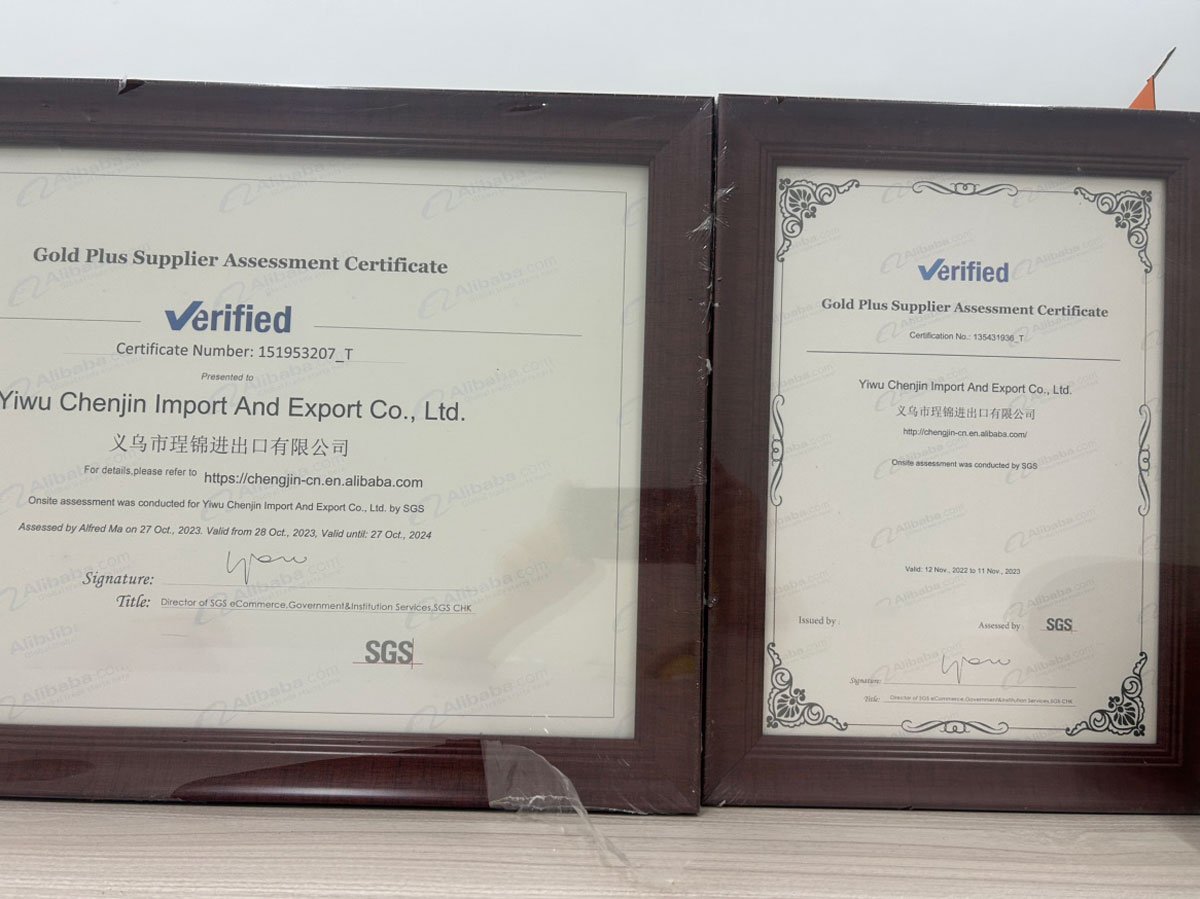
Supplier audit documentation and corrective action review at MOVEVOX
COMPLIANCE EVIDENCE

Read Product Test Evidence Within Its Actual Scope

MOVEVOX does not treat one material report, one tested sample or one supplier document as certification for every future product. Compliance evidence should be read by holder, sample, site, standard, report number, date and actual project applicability.

RoHS 2.0 Tested Sample

A third-party report dated April 30, 2025 identifies the applicant and manufacturer as Yiwu Chenjin Import And Export Co., Ltd. and the tested sample as black “fitness yoga leggings.” The report states that the selected test results complied with the listed RoHS 2.0 limits. The associated compliance certificate also explicitly states that it applies only to the tested sample and does not represent an assessment of the entire production system.

Applicable scope: The specific black fitness-yoga-legging sample and parameters covered by Test Report TST20250405148E.

MOVEVOX response: Use the document only where its sample and scope are relevant; new products or buyer requirements may require separate testing.

REACH Phthalates Test

A separate April 30, 2025 report identifies a black fabric sample associated with fitness yoga leggings and records a Pass conclusion for the requested phthalate testing under European Regulation (EC) No. 1907/2006 REACH Annex XVII Entry 51 & 52. The reported phthalates were not detected above the method detection limits shown in the report.

Applicable scope: The tested black fabric and phthalate parameters specifically listed in Report TST20250405150E.

MOVEVOX response: Do not describe this report as universal REACH certification for every fabric, color, garment, supplier or future production lot.

Certificate Holder and Site

A certificate or test report becomes useful to procurement only after the buyer confirms who holds it and what product, factory, material or process it covers. A supplier document issued to another company cannot automatically be republished as MOVEVOX's own factory certificate. Likewise, a fabric certificate does not automatically certify the completed garment.

Applicable scope: Holder, address, product, process, date and standard must match the intended claim.

What MOVEVOX Does Not Claim

The current fact base does not provide a verified company-level public list proving that MOVEVOX holds every frequently requested factory certification such as BSCI, SMETA, WRAP, GRS, RCS, OEKO-TEX or ISO for all operations. Those claims should not be inserted without the actual valid documents and applicable scope.

MOVEVOX response: Where a project requires a specific audit, certification or chemical test, the required evidence should be defined and verified before approval.

Referenced documents: TST Certificate TST20250405148EC — April 30, 2025 · TST Report TST20250405148E — April 30, 2025 · TST Report TST20250405150E — April 30, 2025
TRACEABILITY

Trace the Order From Requirement to Shipment

Traceability is useful when product requirements, materials, production, QC and packing can be connected to the same order. MOVEVOX's objective is to keep those records linked rather than treating each manufacturing step as an isolated transaction.

PO / PI

Purchase Order

The customer's confirmed order establishes style, quantity, color, size and commercial requirements and provides the commercial reference for production planning and shipment execution.

APPROVED SPEC

Approved Standard

Current product specifications, approved samples, measurements, materials, colors, Logo and packaging requirements form the technical reference used to release the order internally.

MATERIAL RECORD

Material Lot

Relevant yarn, fabric, trim and branding materials should be associated with the intended style and order so changes or deviations can be reviewed against approval requirements.

PRODUCTION RECORD

Production Allocation

The planned core or satellite production site, current specification and production requirements should remain connected to the order, especially where the buyer has an Approved Factory rule.

INSPECTION RECORD

Quality Inspection

Inspection results provide evidence of material, first-piece, in-process, finished-garment or packing checks performed for the order according to the applicable control plan.

PACKING LIST

Packing & Shipment

Packing details, carton information and shipment documentation connect the released finished goods with the commercial order and final delivery handover.

TIME & ACTION

Manage Delivery Through a Visible Critical Path

A useful lead time is not one number. It is the result of specification approval, material readiness, sampling, production, QC and shipment preparation. Each stage can only start when its actual dependencies are sufficiently complete.

Specification Freeze

Timing: Approval-dependent

Precondition: Product, material and branding requirements sufficiently defined.

Customer gate: Final technical approval.

Material Preparation

Timing: Project-specific

Precondition: Approved material, color and procurement requirement.

Customer gate: Special material or color approval where required.

Sampling

Timing: Approx. 5–10 working days

Precondition: Required development details confirmed.

Customer gate: Sample feedback and approval.

Bulk Production

Timing: Commonly approx. 20–35 days

Precondition: Approved product and confirmed material/PO conditions.

Customer gate: Production release.

Quality Release

Timing: Project-specific

Precondition: Bulk completion and inspection readiness.

Customer gate: Buyer or third-party inspection where required.

Shipment Handover

Timing: Route-specific

Precondition: Packing, commercial release and forwarding instructions complete.

Customer gate: Final shipping instruction where applicable.

The 5–10 working-day sample reference begins after required development details are confirmed. The 20–35 day bulk reference describes regular production, not every project. Custom materials, dedicated colors, complex products, large multi-SKU programs, approval delays, peak-season loading or buyer inspection requirements can extend the critical path. MOVEVOX therefore confirms the actual T&A against the individual PO rather than promising a universal shipment date.
LONG-TERM PARTNERSHIP

From First Evaluation to Repeat Sportswear Programs

A long-term supply relationship is built by adding control and shared information over time. MOVEVOX's preferred path moves from product validation toward repeat orders, additional SKUs and more structured planning rather than treating every PO as a new relationship.

01
SUPPLIER REVIEW

Supplier Qualification

The buyer first reviews company identity, product range, development capability, factory structure, MOQ, quality control, capacity and compliance evidence before deciding whether MOVEVOX should proceed to sample development or formal vendor review.

02
SAMPLE APPROVAL

Product Development

Technical input is converted into samples and an approved production standard. Material, fit, construction, color, branding and packaging are clarified before bulk production, reducing dependence on assumptions after a PO is placed.

03
FIRST PO

Initial Order

The first production order validates the supplier's ability to convert the approved standard into controlled bulk production, QC, packing and delivery rather than evaluating only the development sample.

04
REPEAT PROGRAM

Repeat Orders

Repeat business can use approved product knowledge while still reviewing material lots, production allocation, current quantities and delivery needs. Reorders also reveal whether the supplier can maintain standards over time.

05
SCALE-UP

Program Expansion

When products are validated, the relationship can expand into additional colors, SKUs, seamless or cut-and-sew categories and larger order volumes. Capacity planning and standardized project information become increasingly important at this stage.
MOVEVOX long-term sportswear supplier partnership and repeat production planning
PARTNERSHIP MODEL

Build on Approved Standards Instead of Restarting Every PO

MOVEVOX's intended role is not to win one PO through the lowest quoted price. The long-term model is to keep development input, approved standards, production planning, quality control and delivery accountability connected as the customer's range grows.

Approved product knowledge Retained
Repeat-order requirements Reconfirmed
Capacity allocation Replanned
New SKU development Expanded
Actual annual volume, forecasting, production priority and reserved capacity remain subject to the commercial agreement and real production plan.
ANONYMIZED PROJECT CASE

Case Evidence From Tech Pack to Bulk Production

An anonymized U.S. activewear customer began from its own Tech Pack, reviewed two sample versions and then used a small group of additional samples for practical wear testing before proceeding to bulk production.

Product Specification

Bulk production followed the product direction developed from the customer's Tech Pack and subsequent sample revisions.

Fit and Use

The customer used physical samples for actual fitness testing before deciding that the product was ready for bulk.

Material Direction

Development considered stretch, support, opacity, soft hand feel, inclusive sizing and seasonal material requirements specific to the project.

Branding Details

Bulk execution included Logo, labels, care information, custom packaging and additional printed information supplied for the brand.

SKU Identification

Different colors and sizes required different QR codes, creating a packing-accuracy risk that required additional checking.

Packing Accuracy

The project used style-and-color grouping and double confirmation to reduce the risk of placing an incorrect QR label on a package.
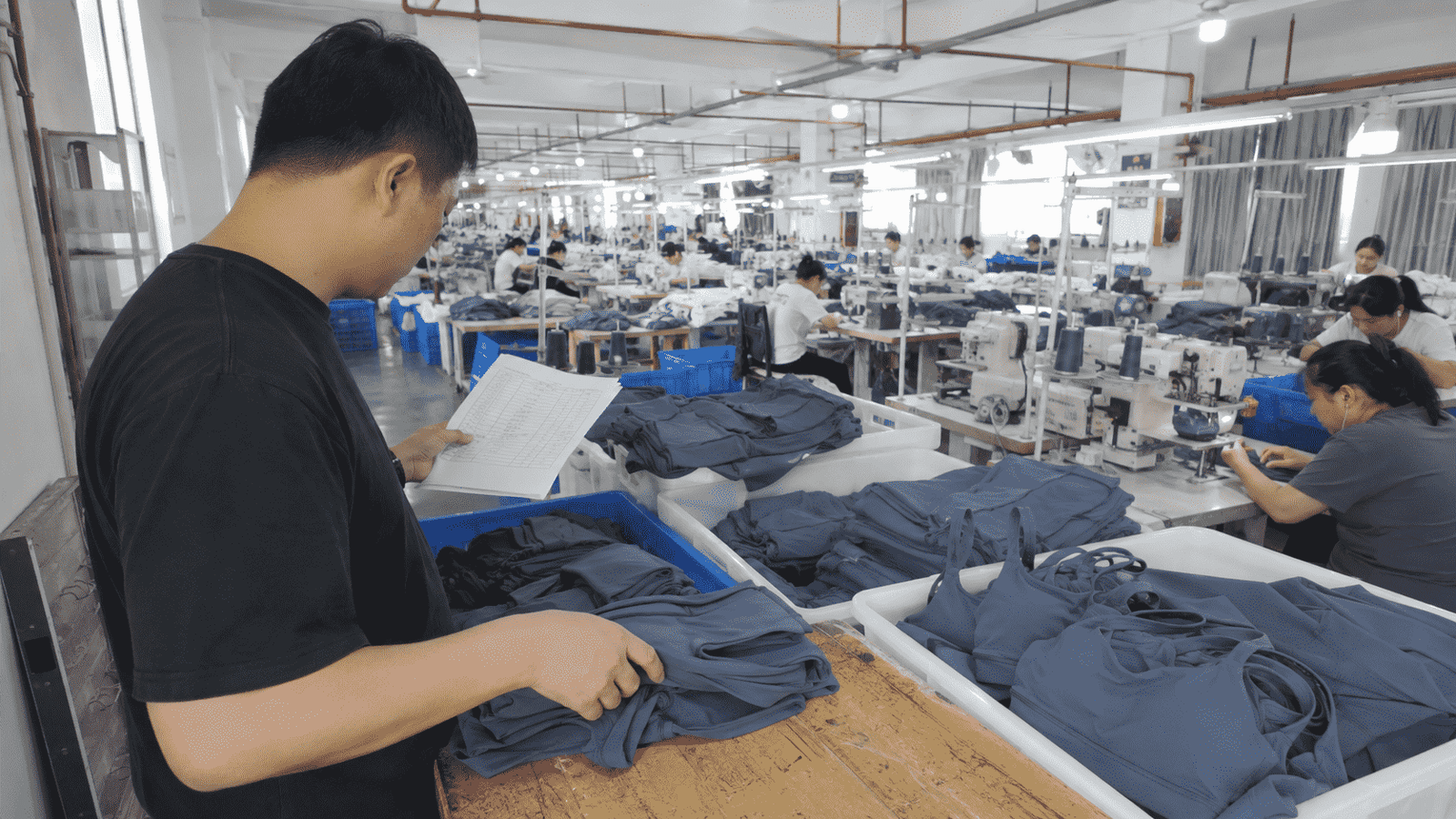
Anonymized sportswear sample development and bulk production project evidence
The project followed a structured route: Tech Pack review → first sample → customer feedback → second sample → approximately 5–10 additional test samples → wear testing → bulk decision. During bulk packing, multiple color and size combinations required careful QR-code matching. The case demonstrates why sample approval, SKU data and packaging instructions need to become production-control references instead of remaining separate communication threads.
ANONYMIZED SCALE-UP CASE

Case Evidence From First Order to Repeat Growth

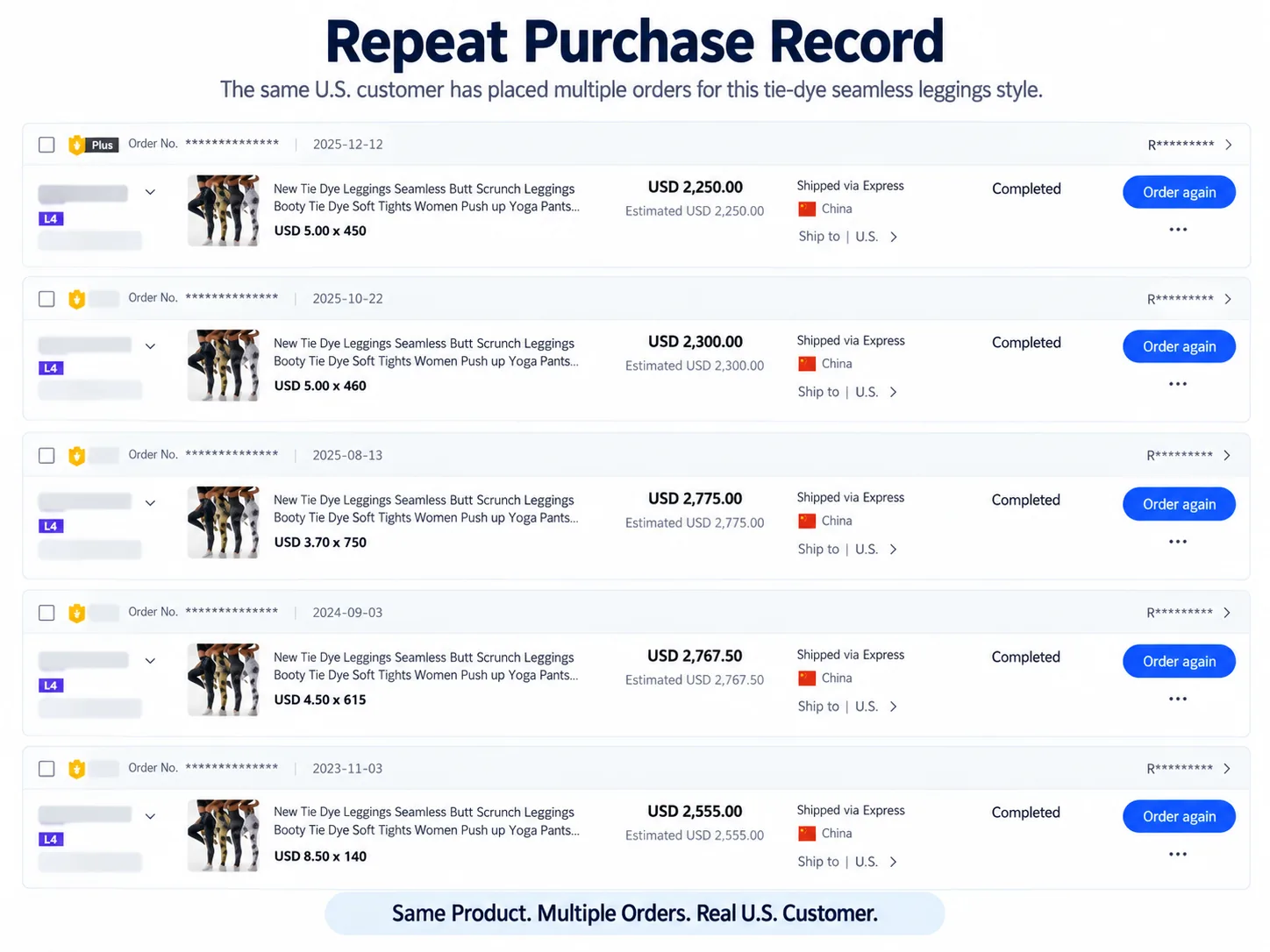
An anonymized Spanish private-label customer began by evaluating stock samples, then moved into customized Logo, care label, tag and packaging execution before placing its first production order.

1,200 pcs

First Order

The customer's first customized production order contained 1,200 pieces.

1,200 pcs

Early Repeat

The customer added another 1,200 pieces during the second week, before receiving the first shipment.

Approx. 15 Days

Production Record

The internal case record states that the first production quantity was completed in approximately 15 days.

Approx. 3×

Special Increase

A later special order was recorded at approximately three times the customer's usual quantity, requiring additional production-line resources.

How the Relationship Scaled

The relationship began with sample quality evaluation rather than an immediate production PO. After the customer accepted the base product, MOVEVOX customized the Logo, care label, tags and packaging and sent the customized sample for confirmation.

The first order then moved through confirmed color, size and packing requirements. When repeat demand increased, the existing product and branding standards reduced the need to rebuild the program from the beginning.

A later quantity increase required additional production resources while maintaining the same project requirements. This case supports a scale-up narrative based on repeatable standards and production coordination, not simply on machine capacity.
Anonymized private label sportswear repeat-order and scale-up project
SUPPLIER MODEL COMPARISON

Compare Different Sportswear Supplier Operating Models

No supplier model is universally better. Procurement teams should select the structure that matches development complexity, order size, manufacturing route and control requirements. The comparison below describes typical structural tendencies rather than every company in each category.

EvaluationMOVEVOXTrading CompanySingle-Process FactoryLarge Traditional Factory
Manufacturing proximityOwn Yiwu core factory plus controlled capacityVaries by sourcing modelDirect within its processDirect, usually highly structured
Product developmentDevelopment and sample system availableDepends on supplier networkOften focused on own processUsually formal and structured
Seamless + cut-and-sewBoth routes under one supplier interfacePossible through sourcingUsually one primary routeDepends on group structure
Entry MOQApprox. 100 seamless / 150 cut-and-sew baseVaries widelyOften flexible within core processOften suited to larger programs
Scale-up modelCore factory plus controlled satellite capacityDepends on external factory accessLimited by facility capacityStrong at established large-volume programs
Quality controlFive QC plus defined process checkpointsDepends on sourcing/QC modelOften production-site focusedUsually formalized buyer systems
Supply transparencyCore/satellite roles can be disclosedMust verify underlying sitesDirect site usually clearUsually formal approved-site system
CommunicationDirect project and manufacturing coordinationCommercial interface may be strongOften direct but narrower resourcesStructured, sometimes more layered
Audit readinessSite and video review supportedMust audit actual production siteDirect factory audit possibleCommonly designed for formal audits
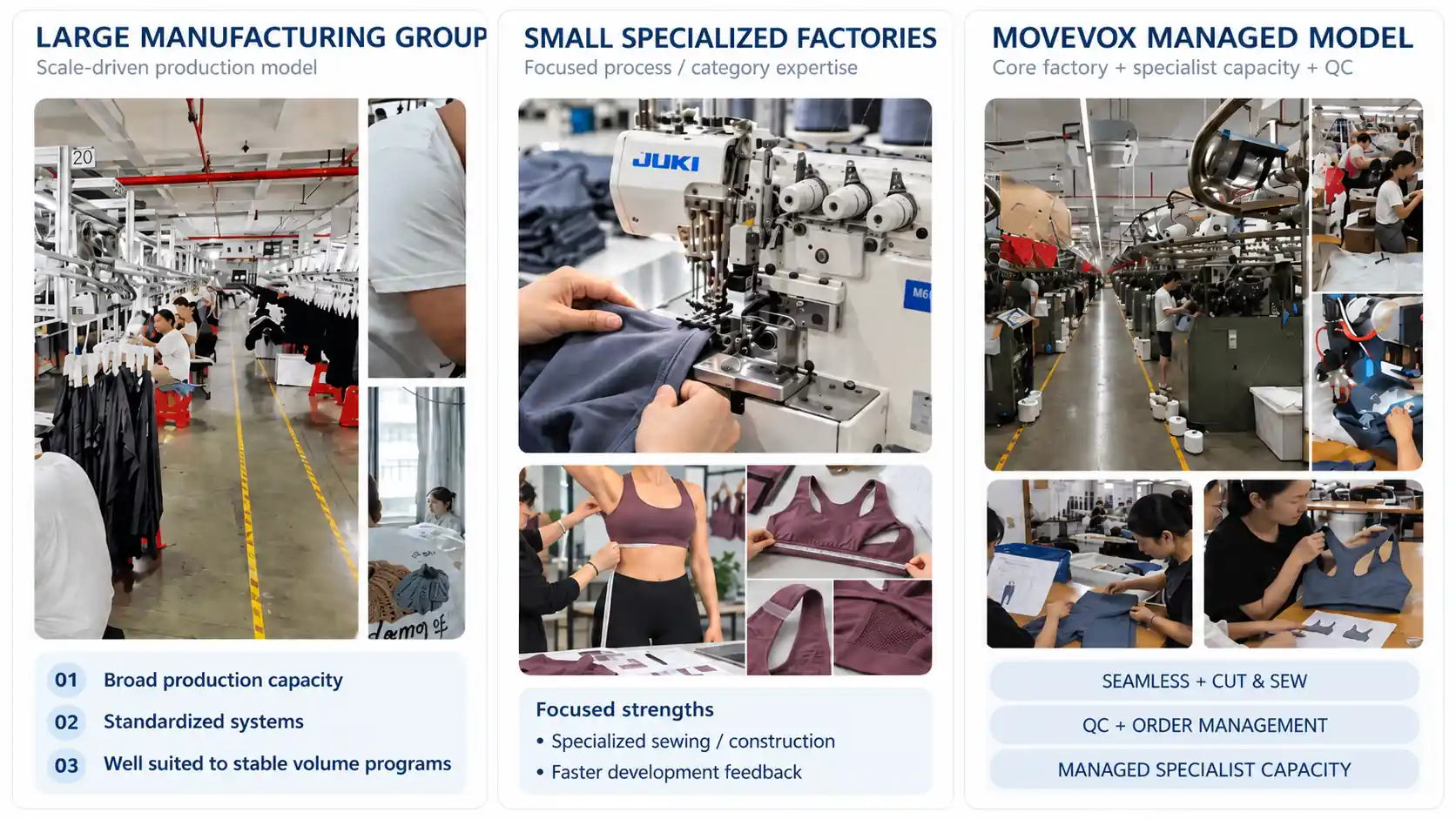
MOVEVOX sits between a pure trading model and a large traditional manufacturing group: closer to direct manufacturing than a trading-only supplier, broader in development and process coverage than many small single-process factories, while maintaining a more flexible entry structure than many very large manufacturing organizations. Large factories may be stronger for very high standardized volumes; small specialist factories may be appropriate for narrow projects.
PROCUREMENT FAQ

Sportswear Supplier Frequently Asked Questions

These answers cover the commercial, development, manufacturing, quality and supplier-control questions buyers commonly need to resolve before requesting samples, starting an audit or issuing an RFQ.

What is MOVEVOX's sportswear MOQ?

MOVEVOX's current base custom MOQ is approximately 100 pieces per seamless style and 150 pieces per cut-and-sew style. These are starting references rather than universal guarantees. Material supplier minimums, dedicated custom colors, special Logo processes, exclusive trims, packaging and fragmented color/size combinations can increase the practical quantity required. Dedicated custom colors commonly face material or dye-lot requirements equivalent to approximately 400–600 pieces, depending on the product and material.

How long does sample development take?

Standard sample development normally takes approximately 5–10 working days after the required development details have been confirmed. The timing does not start merely when a buyer sends an initial inquiry or one reference image. Custom fabric, dedicated colors, complex Logo methods, special accessories or unresolved technical details may extend the schedule.

What is the usual bulk-production lead time?

Regular bulk production is commonly approximately 20–35 days. The actual schedule depends on material availability, product structure, manufacturing process, total quantity, SKU complexity, color count, branding, packing requirements, inspection arrangements and current production loading. Large or peak-season programs require project-specific scheduling.

What information is needed for an accurate quotation?

The most useful RFQ includes company and market information, product type, Tech Pack or legally usable reference, target materials, colors, Logo requirements, labels, packaging, quantities and target timing. When details are incomplete, MOVEVOX can still conduct an initial review, but assumptions should be clearly identified.

Can MOVEVOX manufacture from my Tech Pack?

Yes. MOVEVOX can start from a complete or incomplete Tech Pack and review the product for materials, construction, measurements, fit, Logo, labels, packaging and manufacturing route. A complete Tech Pack usually reduces open technical questions, but production should still proceed through sample development and approval.

Can you develop from a physical sample?

MOVEVOX can develop from a legally usable physical reference garment when the customer has the right to use it for product development. The reference can help communicate fit, construction, material or workmanship expectations, but the project still requires clarification of measurements, fabric, colors, Logo, labels, packaging and required changes.

Do you support OEM, ODM and private label?

Yes, but MOVEVOX treats these as different development routes. OEM is most appropriate when the buyer already controls the technical product definition. A development-led ODM route is suitable when the buyer has a concept but needs assistance translating it into materials, construction and samples. Private label focuses more heavily on brand execution, including color, Logo, labels and packaging.

Can seamless and cut-and-sew styles be developed together?

Yes. MOVEVOX has both seamless and cut-and-sew capabilities. The Yiwu core facility includes 28 Italian Santoni seamless knitting machines and approximately 24 primary sewing and garment-making machines. Different SKUs can therefore be evaluated according to the most appropriate manufacturing route.

Is MOVEVOX a factory or trading company?

MOVEVOX is the international B2B brand operated by Yiwu Chenjin Import And Export Co., Ltd. Its business model combines its own Yiwu manufacturing base with product development, purchasing, order management and controlled satellite capacity. MOVEVOX therefore positions itself as a manufacturing and supply-chain partner rather than a trading-only intermediary.

Where is your production base located?

The core manufacturing base is located in Yiwu, Zhejiang, China. It uses approximately 6,000 square meters and includes production, development, QC, packing, warehousing and supporting functions. MOVEVOX also works with eight long-term satellite factories in Yiwu and Guangzhou for controlled additional capacity and relevant processes.

What production capacity can MOVEVOX support?

MOVEVOX's current normal combined managed monthly delivery capacity is approximately 150,000–200,000 pieces across its own production and controlled satellite network. This figure represents a managed stable operating reference, not a promise that the entire capacity is available for one customer or one SKU.

Can buyers audit your factory?

Yes. MOVEVOX supports customer factory visits, technical audits, pre-production visits, in-line inspections and pre-shipment inspections. Live video factory tours can also be arranged for international buyers. Audit access remains subject to production scheduling and the confidentiality of other customer projects.

How does MOVEVOX control bulk quality?

MOVEVOX currently has five QC personnel. Quality control covers material review, pre-production confirmation, first-piece inspection, in-process inspection, finished-garment checking, packing verification and pre-shipment review. Where the customer has its own inspection manual, AQL requirement or third-party inspection condition, the applicable project standard can be incorporated into the quality plan.

Do you guarantee bulk is identical to the sample?

MOVEVOX does not use an absolute “100% identical” or “zero-defect” claim. Industrial production contains material and process variation, so the professional objective is to control bulk against approved standards and tolerances. Approved material, measurements, construction, colors, Logo, labels and packaging become production references, supported by first-piece, in-process and finished-garment inspection.

Do all MOVEVOX products have RoHS or REACH certification?

No. Current third-party evidence includes specific 2025 testing on a black fitness yoga leggings sample and related black fabric. The RoHS report and certificate explicitly apply to the tested sample, while the REACH phthalates report applies to the tested black fabric and listed parameters. These documents should not be extended into a claim that every MOVEVOX product, material, color or future production batch carries the same certification or test status.

Can you support buyer-specific product testing?

Yes, project-specific testing can be arranged when the buyer defines the required standard, product, material, market and applicable test scope. The test requirement should be clarified before the relevant approval or production stage because testing can affect sample preparation, material selection, cost and lead time.

STRUCTURED RFQ

Start Your Sportswear Supplier Review

Share the product and commercial information already available for your sportswear program. MOVEVOX can review development input, manufacturing route, customization, expected quantity and target timing before defining the appropriate sampling, quotation or supplier-qualification next step.

01

We Review Your Input

MOVEVOX first reviews the available Tech Pack, product reference, target quantity, customization and timing to identify the current project stage and any missing technical information.

02

We Define the Development Route

The project is evaluated for seamless or cut-and-sew construction, material direction, sample requirements, private-label execution, MOQ and production feasibility.

03

We Confirm the Next Action

Depending on the information provided, the next step may be technical clarification, material review, quotation, sample development, factory qualification or production-capacity discussion.

You do not need to have every specification finalized before contacting MOVEVOX. A complete Tech Pack is preferred for detailed review, but a legally usable reference garment, sketch, image or clearly defined product requirement can also support an initial discussion.
RFQ INFORMATION

What to Prepare for Your Project Review

The more complete the information, the more accurately MOVEVOX can review development feasibility, MOQ, sample requirements and production planning.

01

Company & Market

Company name · Contact name · Work email · WhatsApp / phone · Country · Target market

02

Product Scope

Product category · Number of styles · Seamless / cut-and-sew / unsure · Available Tech Pack · Reference sample

03

Customization

Fabric or yarn · Color · Logo · Labels · Hangtags · Barcode / QR requirements · Packaging

04

Quantity & Timing

Quantity per style · Number of colors · Size breakdown · Target sample date · Target bulk date

05

Supporting Files

Tech Pack · Reference images · Artwork · Label files · Packaging files · Product notes

Project information is used for sourcing and development review. Commercial and technical next steps are confirmed after the submitted requirements are evaluated.

Send Us an Inquiry

Tell us your needs, and our team will get back to you within 24 hours.

START YOUR PROJECT

Ready to Develop Your Private Label Activewear Line?

Tell us what you want to develop, your estimated quantity and customization needs. We will review the details and suggest the next practical step for sampling, quotation or production.

Helpful details to include:

Request MOQ & Sample Details