
Booty Leggings Manufacturer for Brand-Led Activewear Programs
MOVEVOX develops and manufactures custom Booty Leggings for activewear and fitness brands that need a defined physical product rather than a generic “butt-lifting” style.
Depending on the intended construction, a project can follow a Seamless or Cut & Sew route. MOVEVOX's own Yiwu manufacturing core operates 28 Italian Santoni Seamless machines together with garment-development and sewing resources.
Projects can begin from a Tech Pack, legally usable physical reference, sketches, product images or a sufficiently defined development direction.
The objective is to translate the buyer's intended rear appearance, fit, material direction, size information and branding into an approved physical product that can remain identifiable through bulk production and repeat supply.
Define the Product Outcome Before Choosing the Construction
Rear Contour Direction
A buyer may want a more defined rear silhouette without specifying how the effect should be constructed.
Booty Leggings = Product Outcome
“Booty leggings” describes the product result the buyer is trying to achieve. It does not, by itself, define whether the correct manufacturing route should be Seamless, Cut & Sew, Scrunch-led or another approved construction.
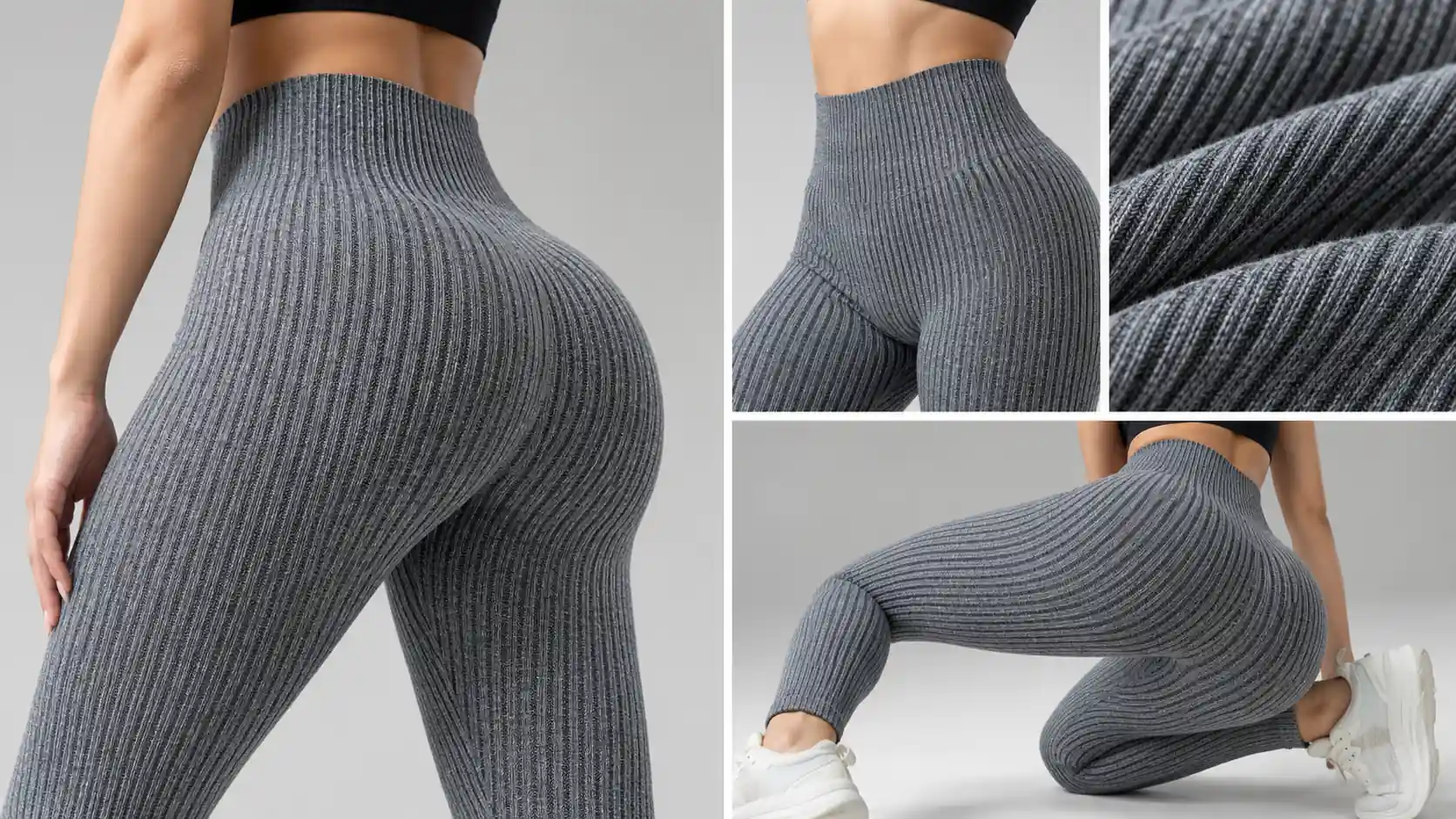
Scrunch Direction
Some products use a visible or more pronounced rear-center feature, but Scrunch is only one possible development route.
Waist-to-Seat Shape
The relationship between waistband, rise, hip and seat can influence the finished appearance without relying on one isolated design element.
Knitted Shaping Direction
A Seamless product can use knitted structural differences where technically appropriate to the intended design.
Pattern / Seam Direction
A Cut & Sew product may achieve the required appearance through pattern shape, seam placement or panel construction.
Select the Manufacturing Route Around the Approved Product Structure
MOVEVOX combines Seamless and Cut & Sew resources so the manufacturing discussion can begin from the intended garment rather than forcing every Booty Leggings program into one construction.
Approved Product Decides the Route
The manufacturing route is a means of reproducing the approved product—not the product definition itself.
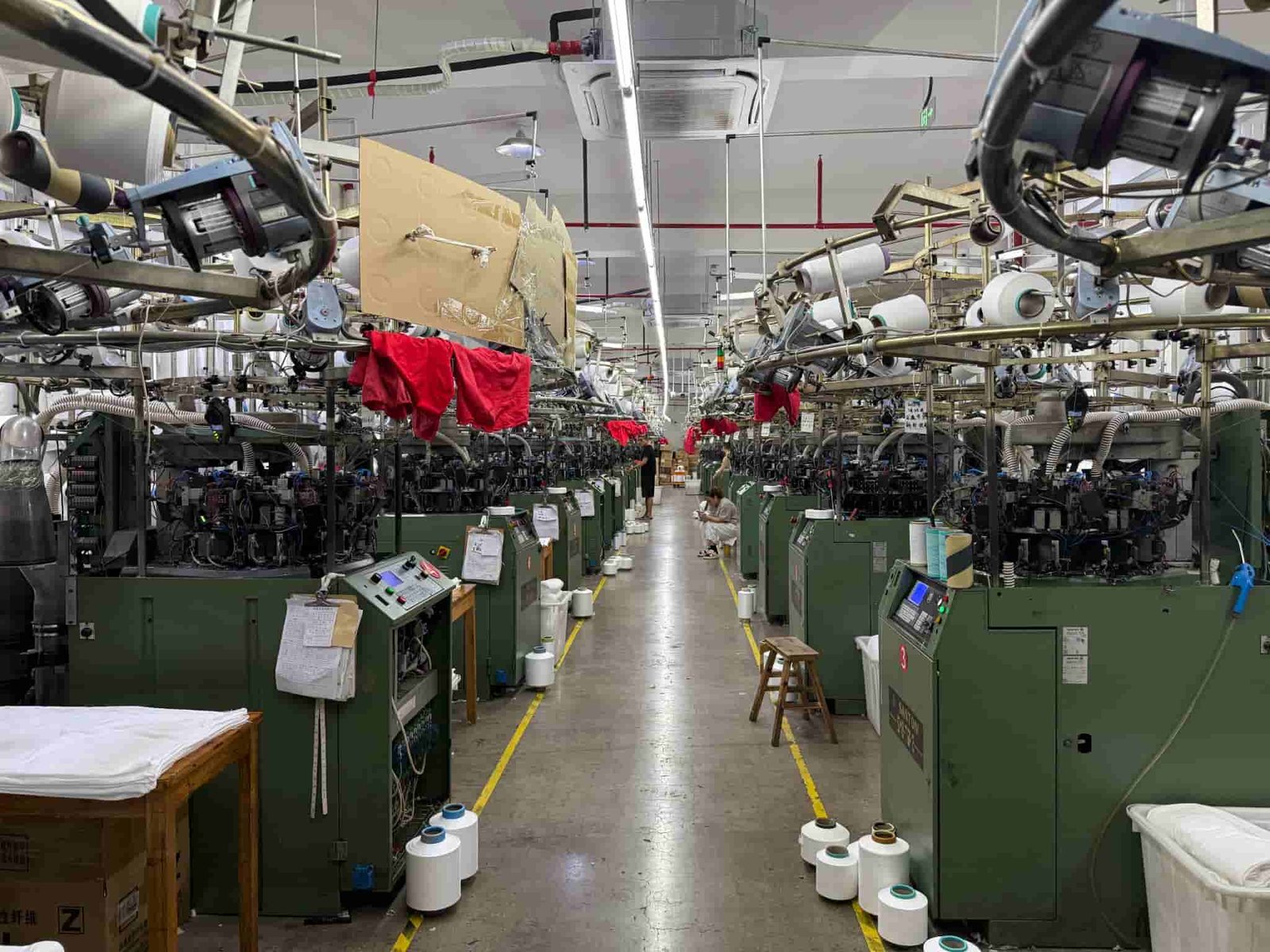
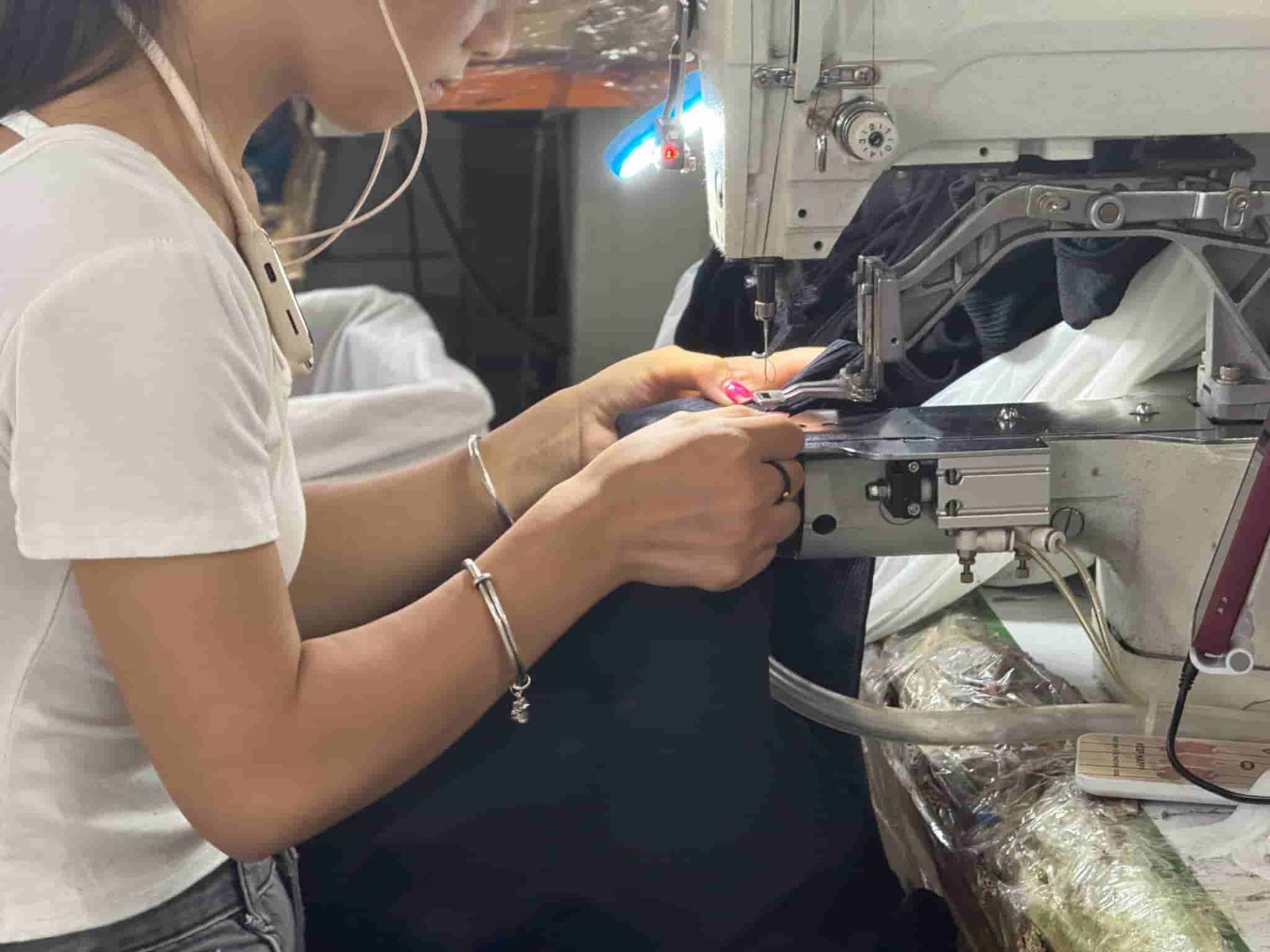
Dual-Route Manufacturing
The appropriate route is selected around the approved garment structure, development requirements and commercial program.
Turn the Target Rear Appearance Into a Manufacturable Product
The technical objective is not to promise a universal lifting effect. It is to define one buyer-approved physical garment whose structure, fit and material behavior can be identified during production.
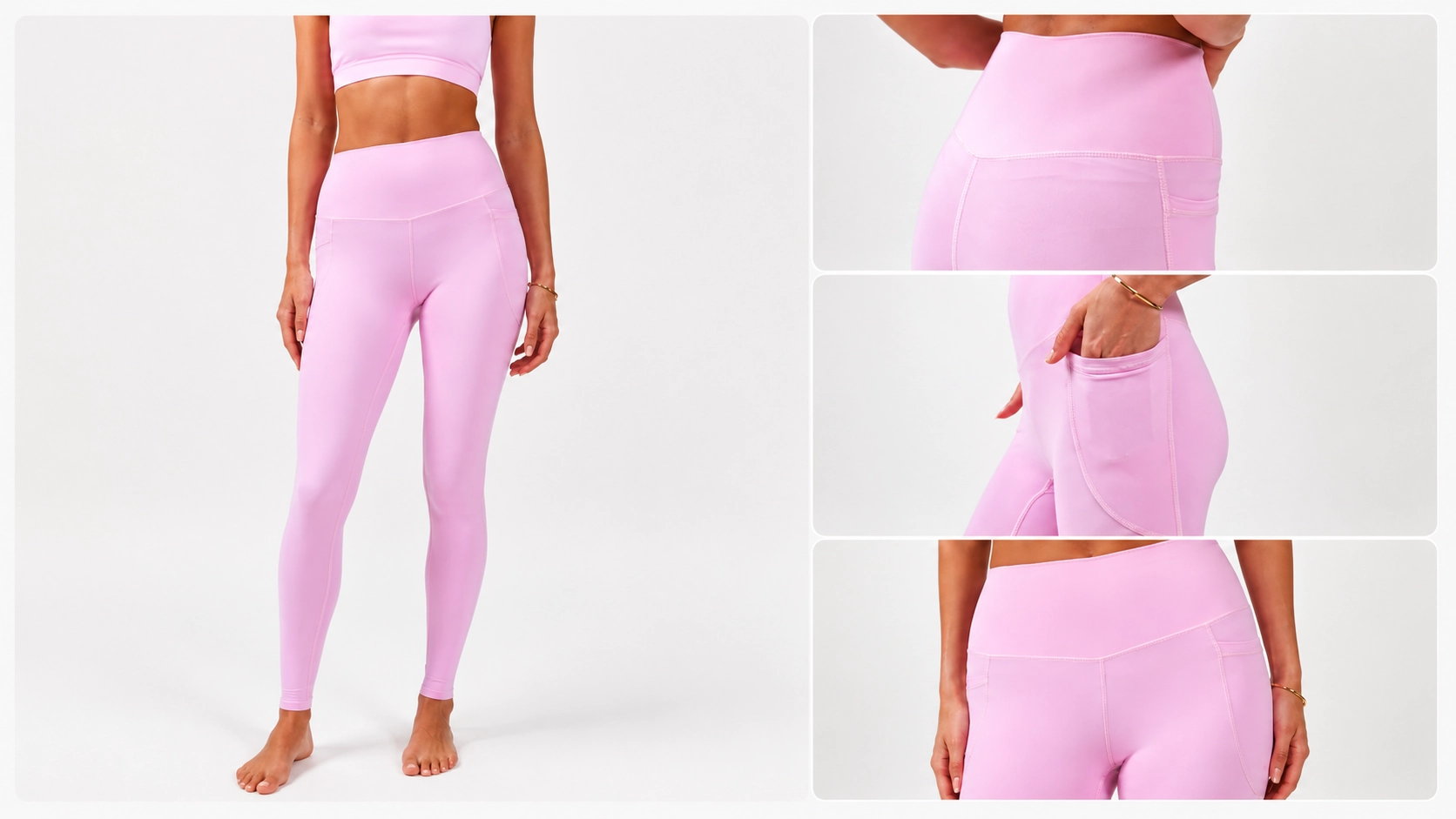
The approved physical garment—not the category name—becomes the reference for product structure, fit and material behavior.
Rear Appearance
Define what the buyer actually expects to see on the approved physical garment rather than relying only on the word “booty.”
Waistband
Waistband height and structure affect how the upper garment sits relative to the hip and seat areas.
Rise
Front and back rise influence the complete waist-to-seat relationship.
Seat Capacity
The garment needs sufficient physical capacity for the intended commercial fit and size.
Contour Direction
Where visible contouring is required, the applicable construction needs to be identified and approved on the physical garment.
Material Behavior
Stretch and recovery can change how an otherwise similar construction appears when worn.
Where Booty Leggings Can Lose the Intended Product Result
Wrong Manufacturing Route
A visually similar reference does not automatically mean Seamless and Cut & Sew routes will create the same commercial product.
Rear Appearance Is Over-Pronounced
A finished garment that exaggerates the approved visual result is not equivalent to the accepted sample.
Rear Appearance Becomes Too Weak
The opposite problem occurs when the intended product direction is no longer identifiable in bulk.
Waist and Seat Fit Become Disconnected
A rear feature cannot compensate for an upper garment whose rise, hip or waistband fit has moved away from the approved product.
Material Recovery Changes
Different stretch and recovery behavior can alter the physical garment even when measurements appear similar.
Sample and Bulk Drift Apart
The key manufacturing risk is whether the commercial product still represents the physical garment the buyer approved.
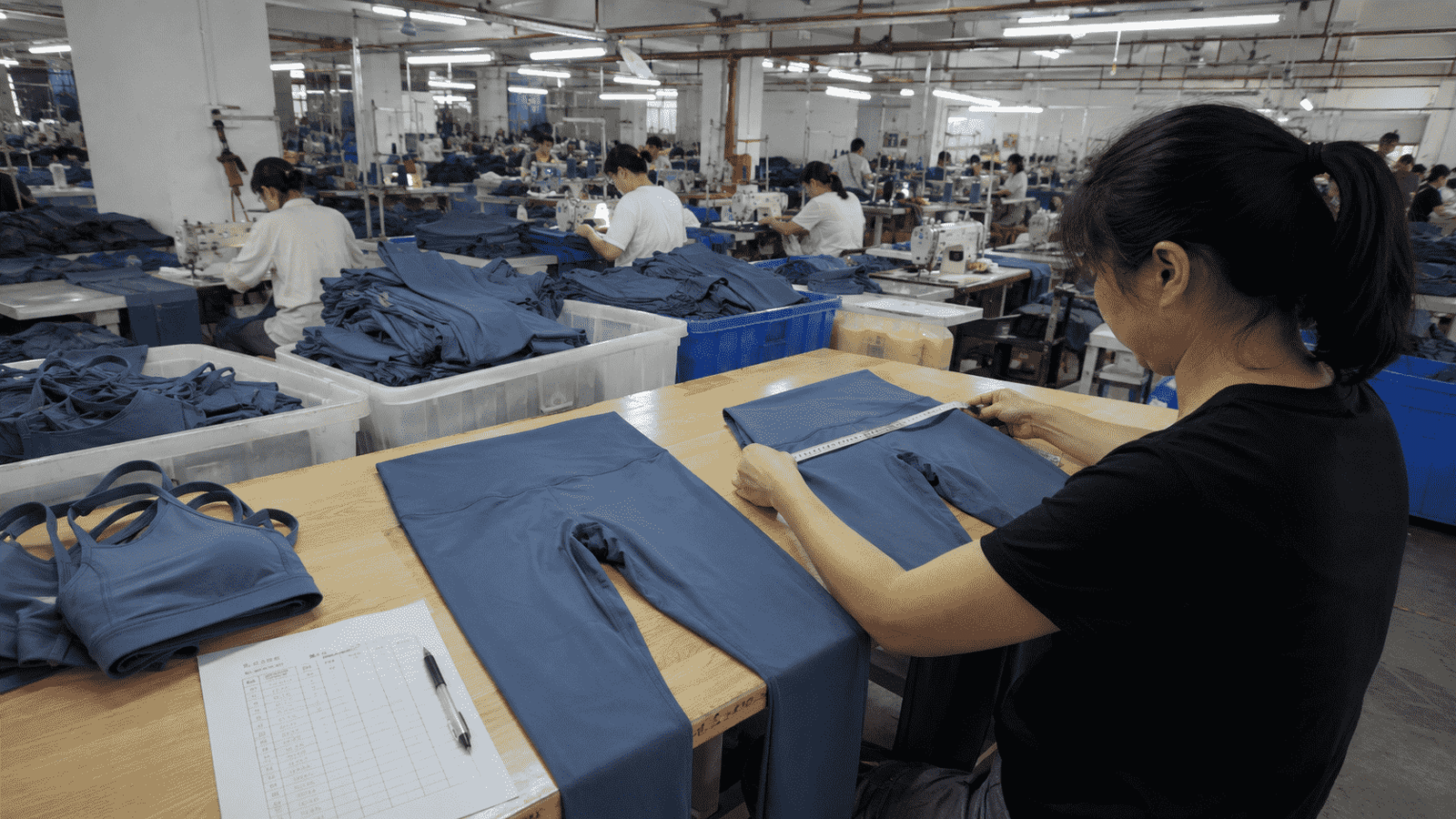
Review Waistband, Rise, Hip and Seat as One Fit System
For Booty Leggings, rear appearance should be approved as part of the complete fit system rather than as an isolated visual feature.
Waistband Height
Waistband dimensions and structure should be evaluated as part of the complete garment.
Waist-to-Body Transition
The relationship between the waistband and lower garment should remain consistent with the intended fit.
Front and Back Rise
Rise influences how the garment sits through the waist, crotch, hip and rear areas.
Hip Capacity
The garment needs to accommodate the intended body and size range without depending on uncontrolled extension.
Seat Capacity
The physical seat area needs to work with the target rear appearance rather than conflict with it.
Garment Extension
Fit should be reviewed on the actual physical garment because dimensional data alone cannot describe how every material behaves under extension.
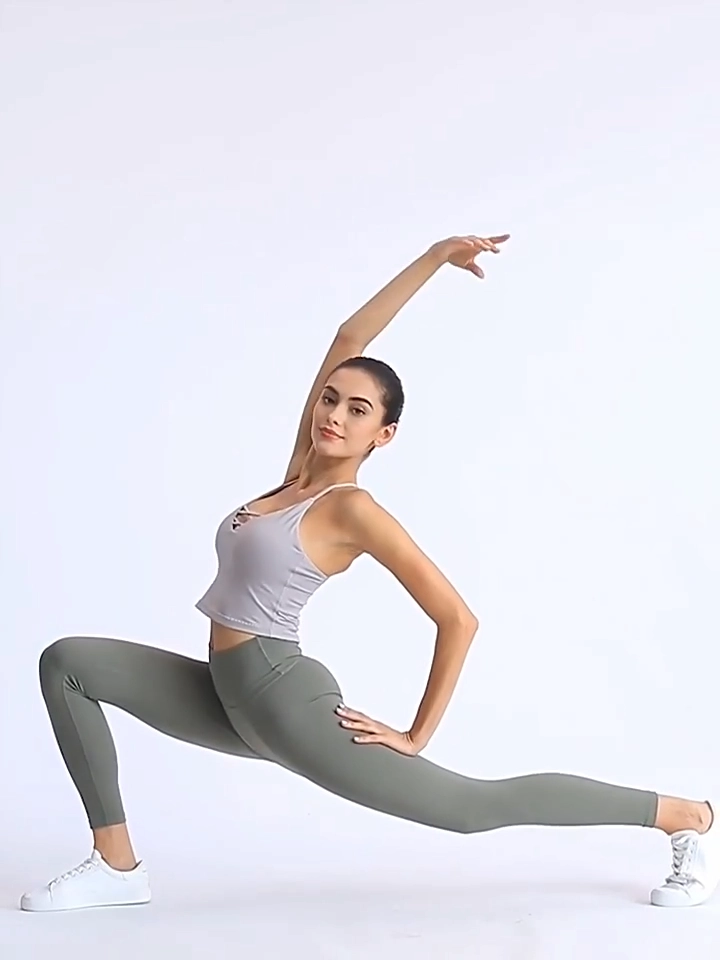
Match the Material System to the Approved Booty Legging
Material acceptance should remain connected to the approved garment. A composition percentage by itself is not a complete Booty Leggings specification.
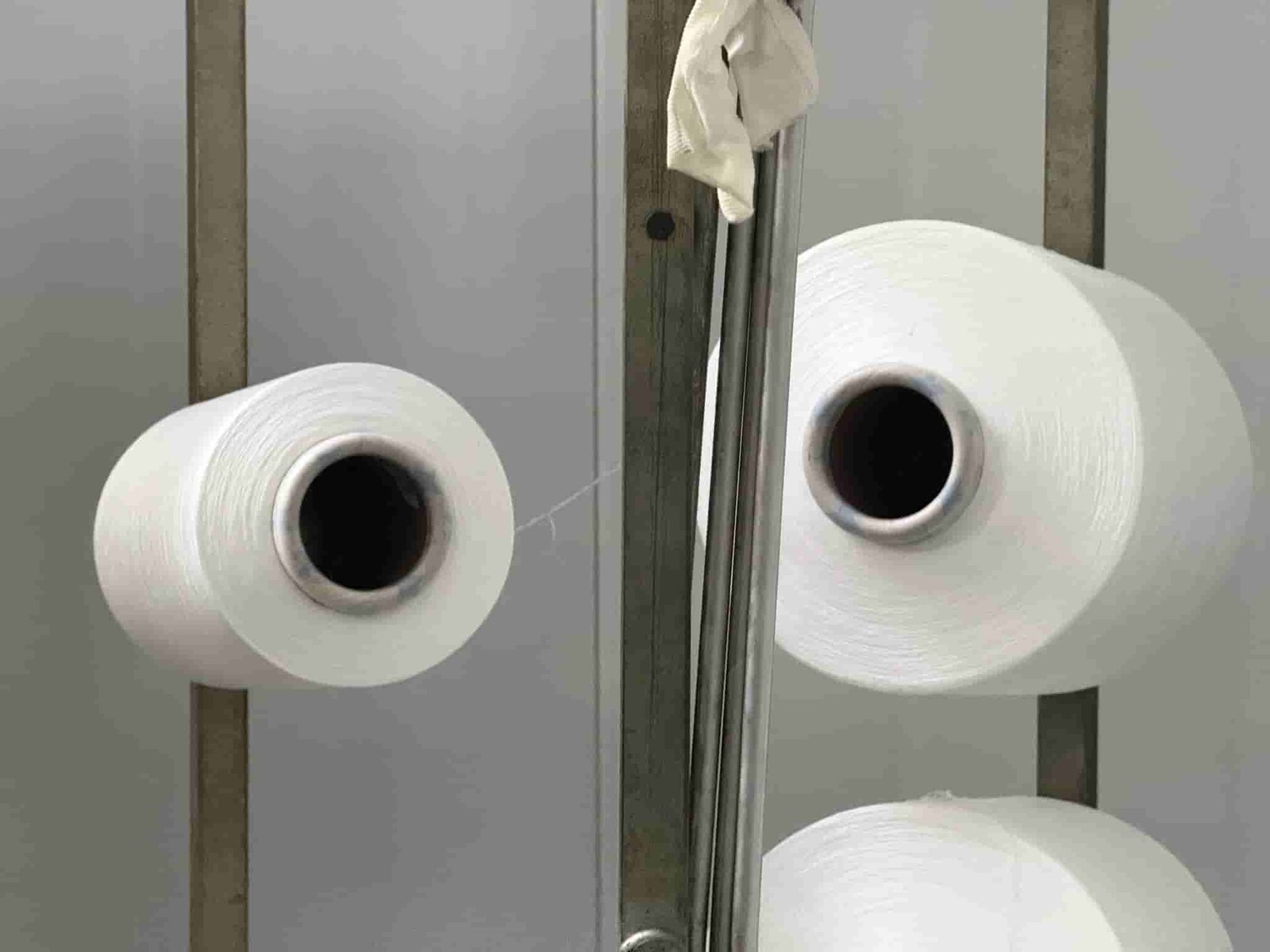
Seamless Yarn Direction
For Seamless products, yarn and knitted structure form part of the physical garment system.
Stretch
The material needs sufficient extension for the approved dimensions and intended fit.
Recovery
Recovery affects how the product returns after extension and can influence the maintained physical appearance.
Cut & Sew Fabric Direction
For Cut & Sew products, fabric behavior needs to be reviewed together with pattern, seam and garment construction.
Handfeel
Fiber composition alone does not define the finished feel of the garment.
Surface & Support
Any surface, support or compression requirement should be evaluated through the actual physical product rather than a generic fabric claim.
Evaluate Opacity Under the Actual Product Fit
MOVEVOX should not make a blanket “squat-proof” claim across every Booty Legging, fabric, size and color. Acceptance should be tied to the actual physical garment and agreed review conditions.
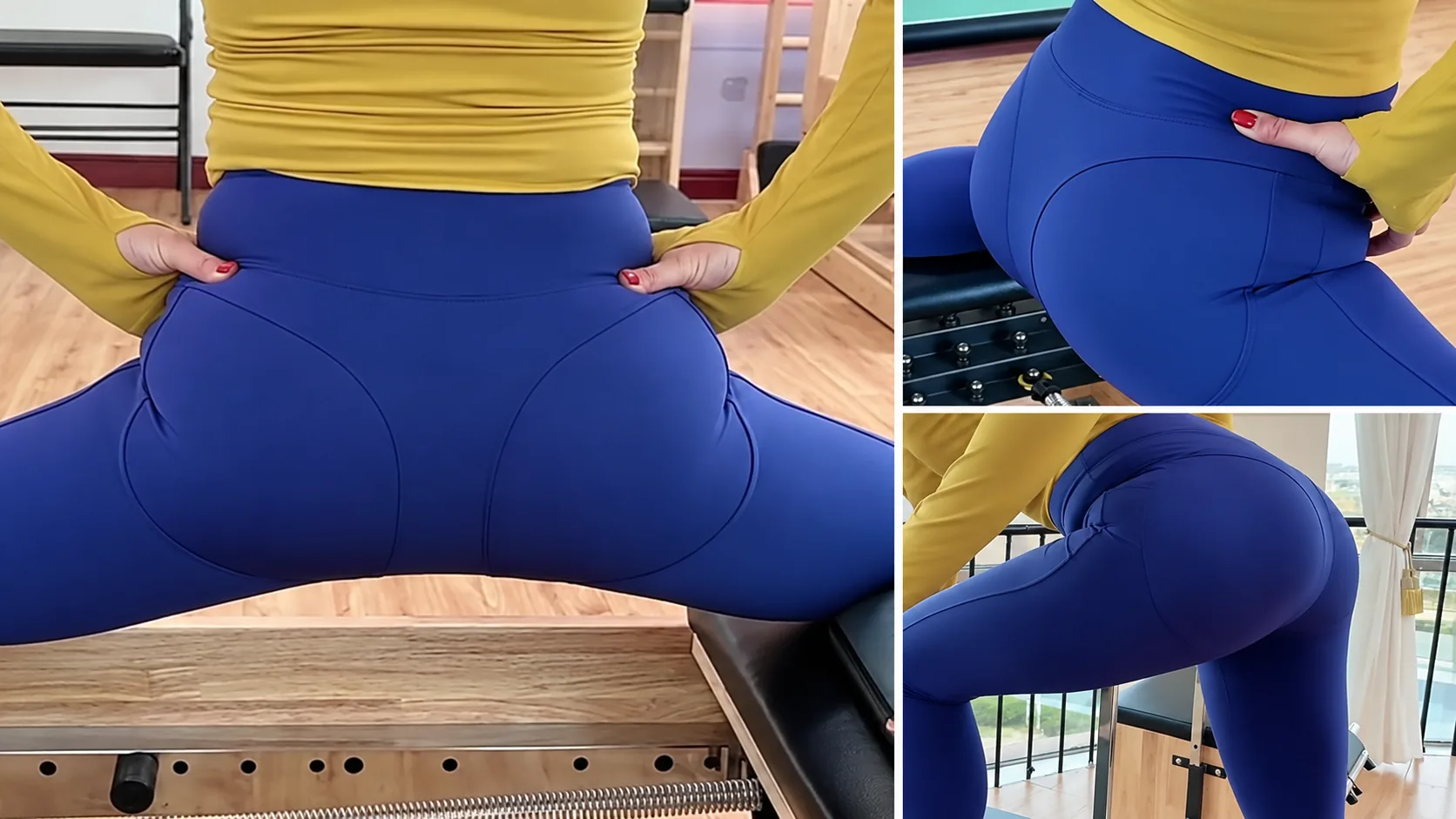
Material System
Opacity depends on the actual physical material rather than fiber composition wording alone.
Color
Different colors can produce different visual results within the same product family.
Seat Extension
The amount of physical extension placed on the rear area can influence opacity.
Size and Fit
A garment worn outside the intended fit can behave differently from the approved product.
Movement
Where opacity is commercially important, the buyer and manufacturer should agree how the actual product will be evaluated.
Control Fit and Rear Appearance Across the Commercial Size Range
Base-Size Approval
Use the approved physical base-size garment as the development reference.
Measurement Progression
Released size requirements should define how relevant garment dimensions progress.
Waist and Hip Progression
Size development needs to preserve the intended relationship between waistband, hip and seat.
Rear Appearance Across Sizes
The target rear visual result should remain appropriately related to the changing garment size rather than being treated as one fixed dimension.
Physical Size Review
Where the buyer requires broader validation, representative physical sizes can be reviewed before commercial release.
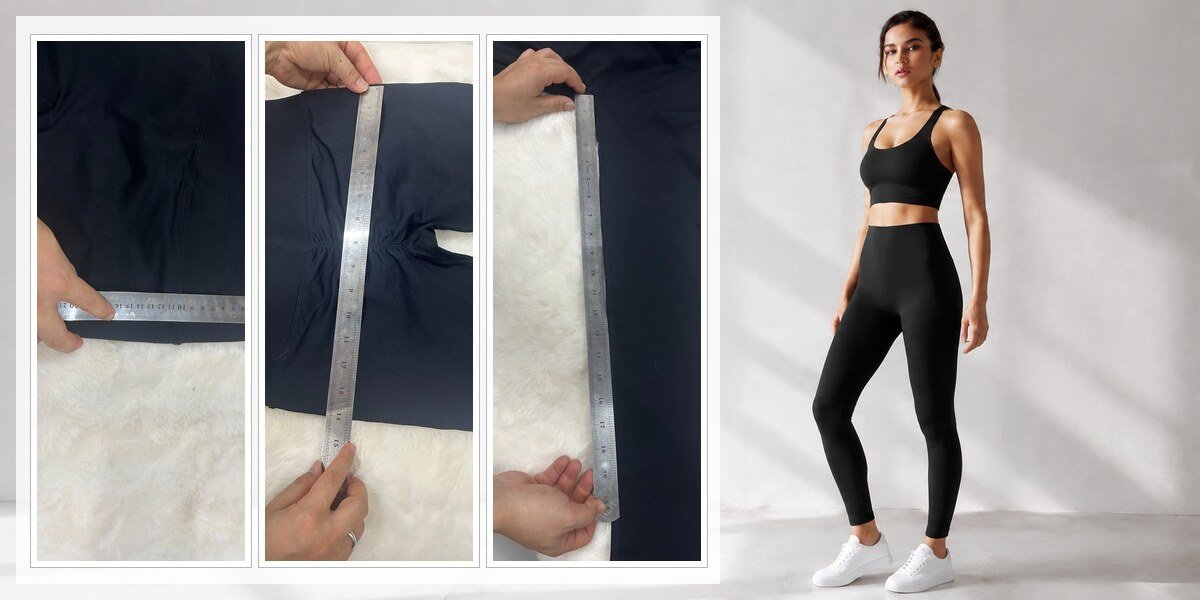
Approval of one base-size garment does not automatically mean every commercial size has been physically approved. The scope of size-set approval should remain explicit.
Keep Product, Manufacturing Route and Commercial SKU Connected
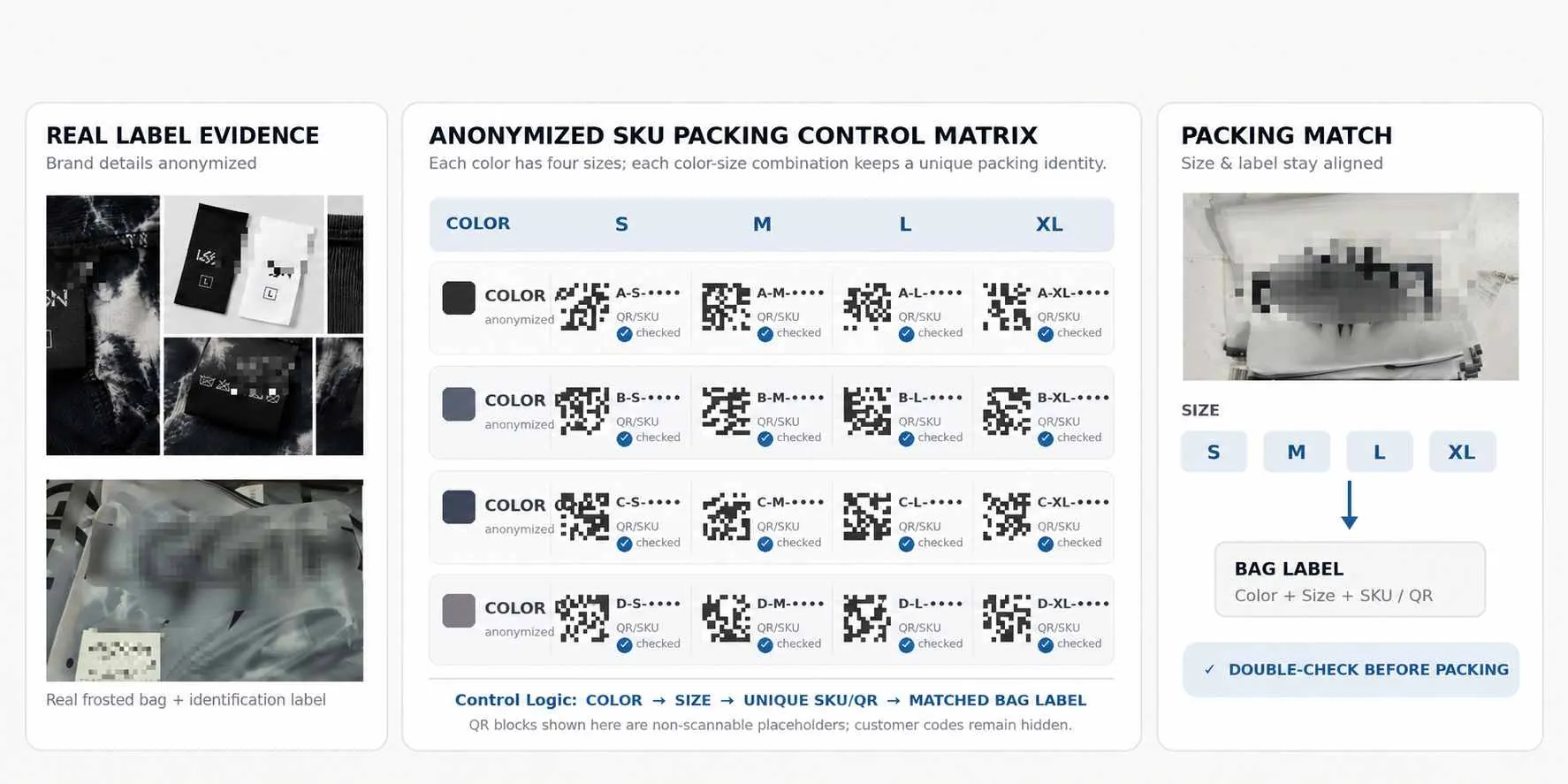
A multi-SKU collection becomes harder to control when product-development information and commercial identification are managed separately. The objective is one traceable relationship from approved product to packed SKU.
Define the Booty Leggings Product Before Development Begins
A complete Tech Pack is preferred for detailed review, but an initial discussion can begin from a legally usable physical reference or clearly defined product direction where sufficient information is available.
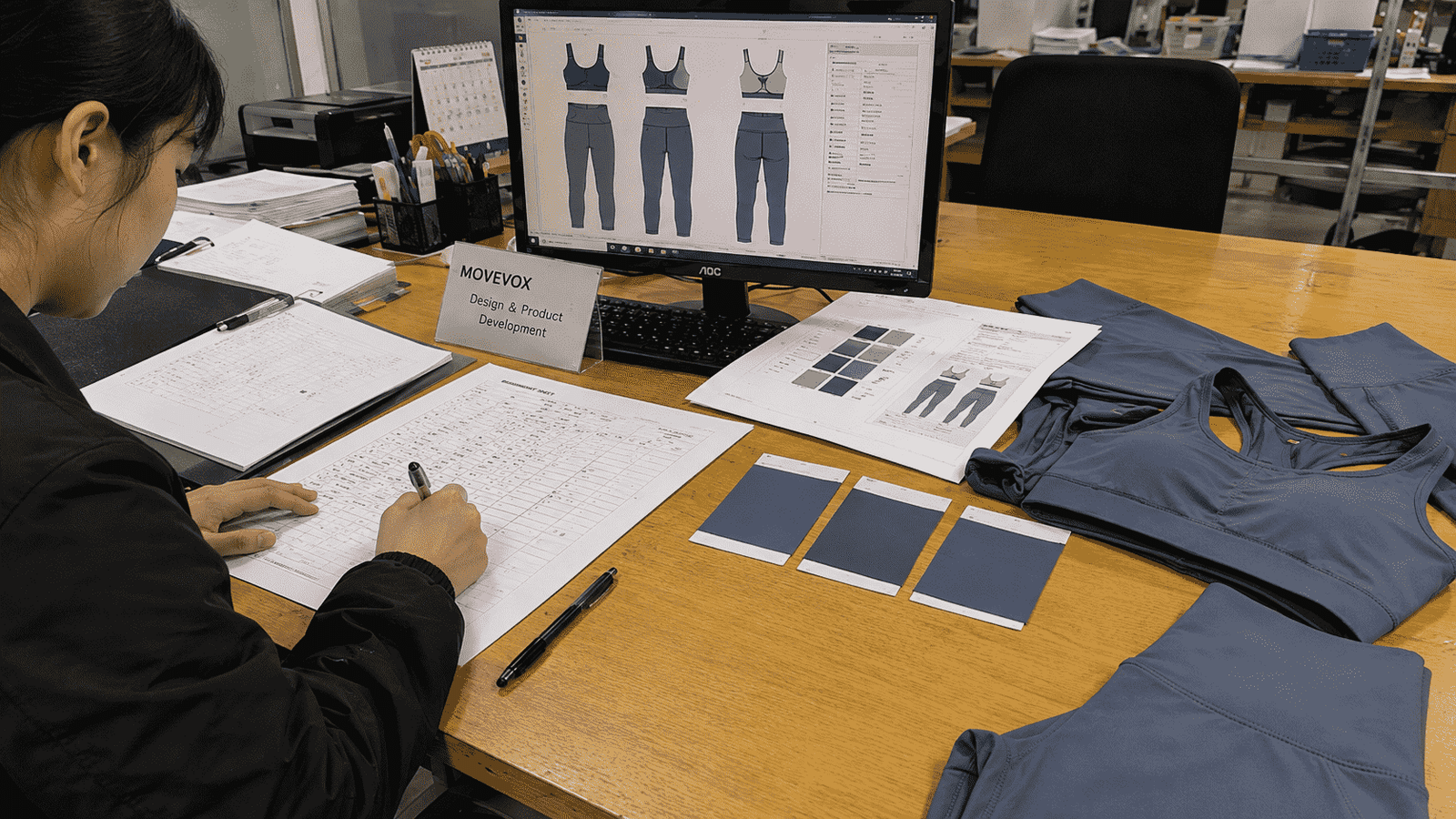
The more clearly product outcome, construction, fit and commercial requirements are defined, the more focused the initial development review can be.
Product Reference
Tech Pack, legally usable physical sample, sketch or sufficiently defined visual reference.
Target Rear Appearance
Describe the intended rear silhouette or visual direction without assuming one manufacturing method.
Preferred Construction, If Known
State whether Seamless, Cut & Sew or another route is already defined by the buyer.
Fit Direction
Waistband, rise, hip, seat and intended overall fit.
Use Physical Sampling to Confirm the Product and Manufacturing Route
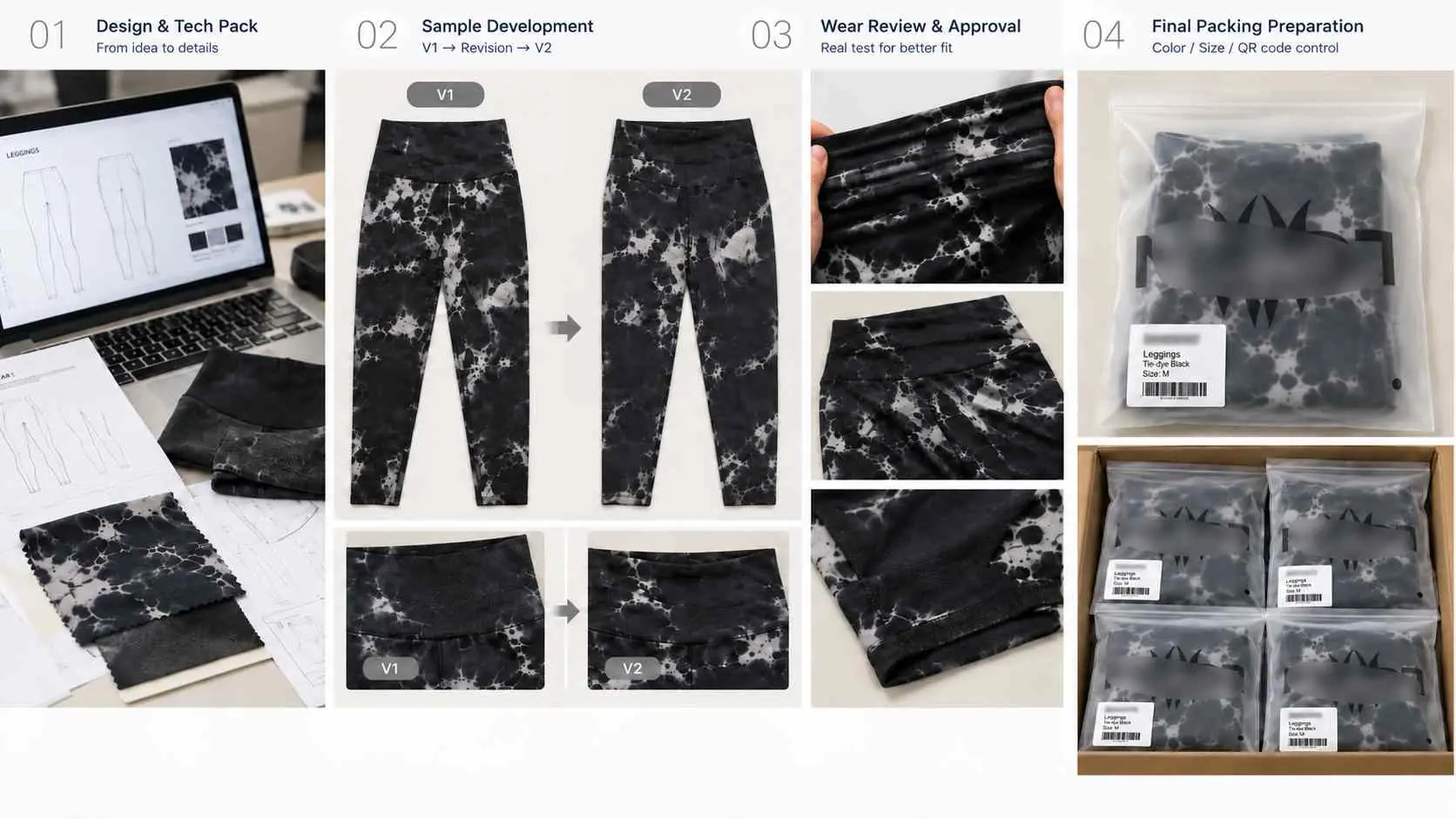
Typical sample development is approximately 5–10 working days after the necessary information is confirmed. Material development and revision rounds can extend the total cycle.
Technical Review
Start by reviewing the current reference, target rear appearance, fit, material direction and commercial requirements.
Route Selection
Identify whether the current product is best developed through Seamless, Cut & Sew or another applicable structure.
First Physical Sample
Create the first garment through the intended development route.
Buyer Review
Evaluate the complete product rather than only one visual feature.
Revision
Update fit, measurements, material or product structure where the buyer requests changes.
Approved Sample
Release one physical garment that represents the accepted commercial product.
Approve the Physical Booty Legging Before Releasing the Product Standard
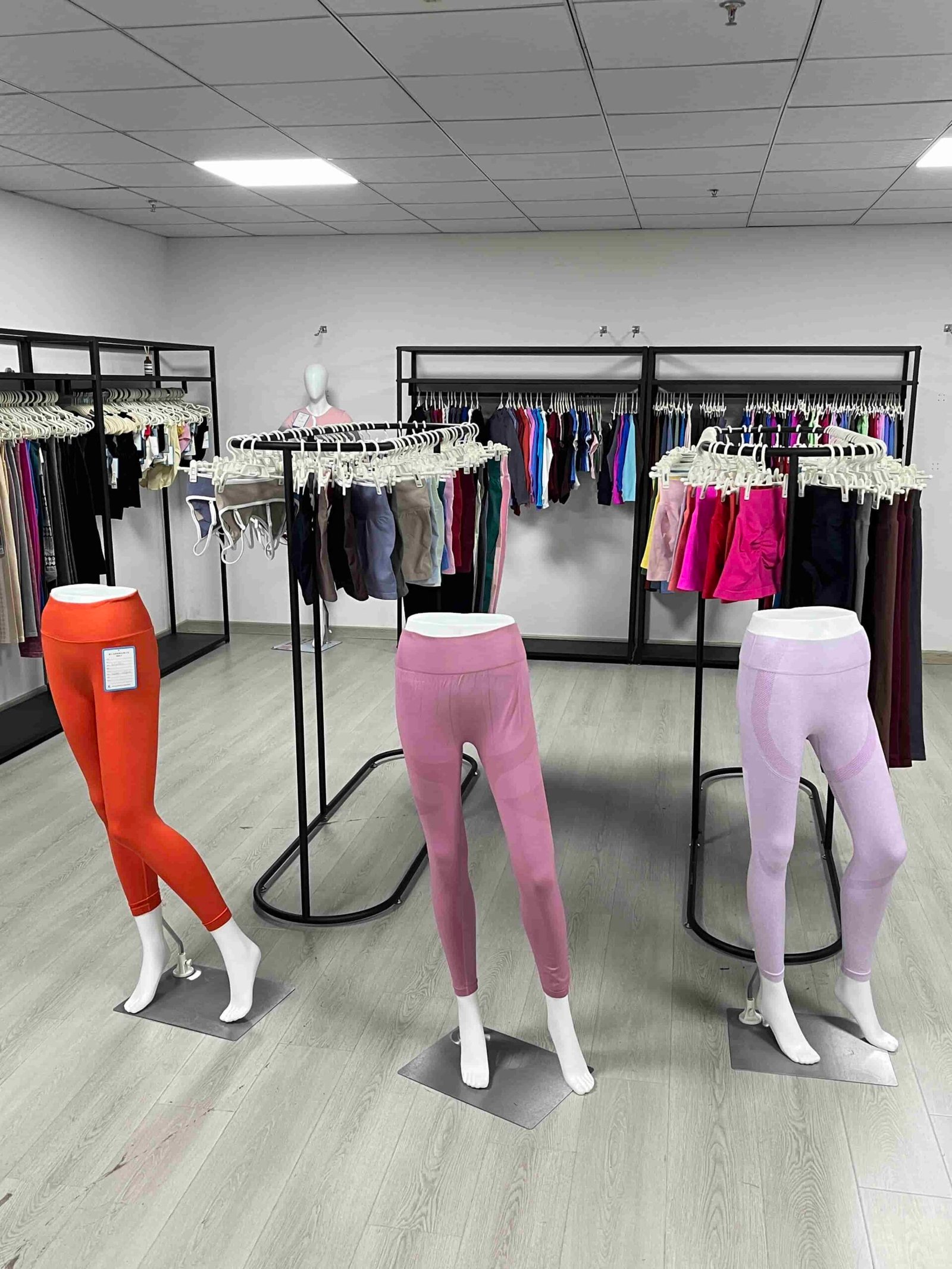
Sample approval should refer to one current physical garment and corresponding information rather than combining comments from several superseded versions.
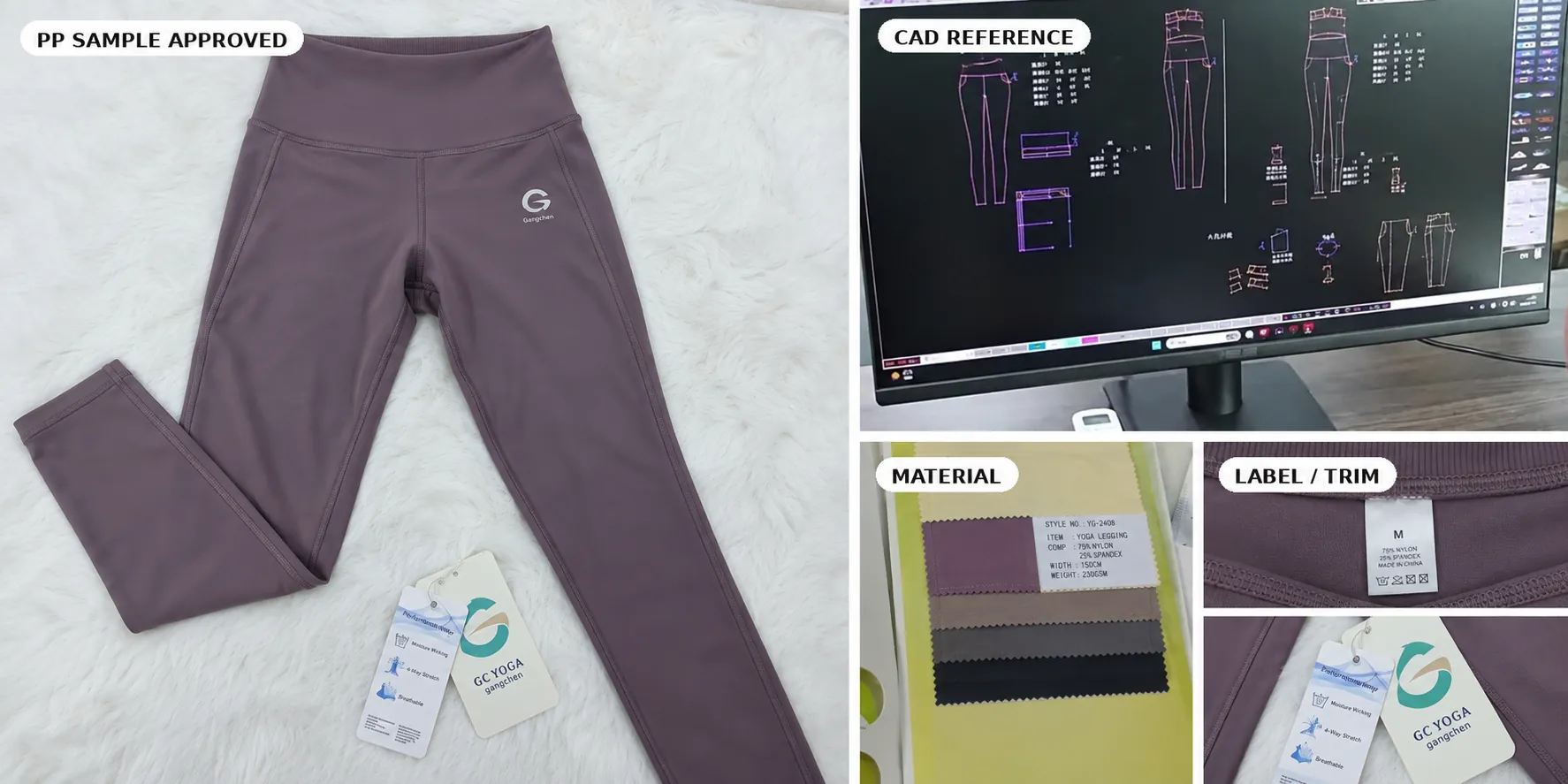
Carry the Approved Booty Legging Into Bulk Production
A successful development sample protects the buyer only when production and QC continue to use the information associated with that approved product. Superseded versions should not remain active production references.
Approved Physical Garment
The current accepted sample defines the expected commercial product.
Bulk production should remain connected to the route used to create and approve the relevant product.
The current material direction should correspond to the approved garment.
Released dimensions and size information should remain current.
The approved physical rear result should remain identifiable during production review.
Logo, labels, SKU and packaging need to correspond to the same product version.
Bulk Reference
Production and QC remain tied to the released product standard.
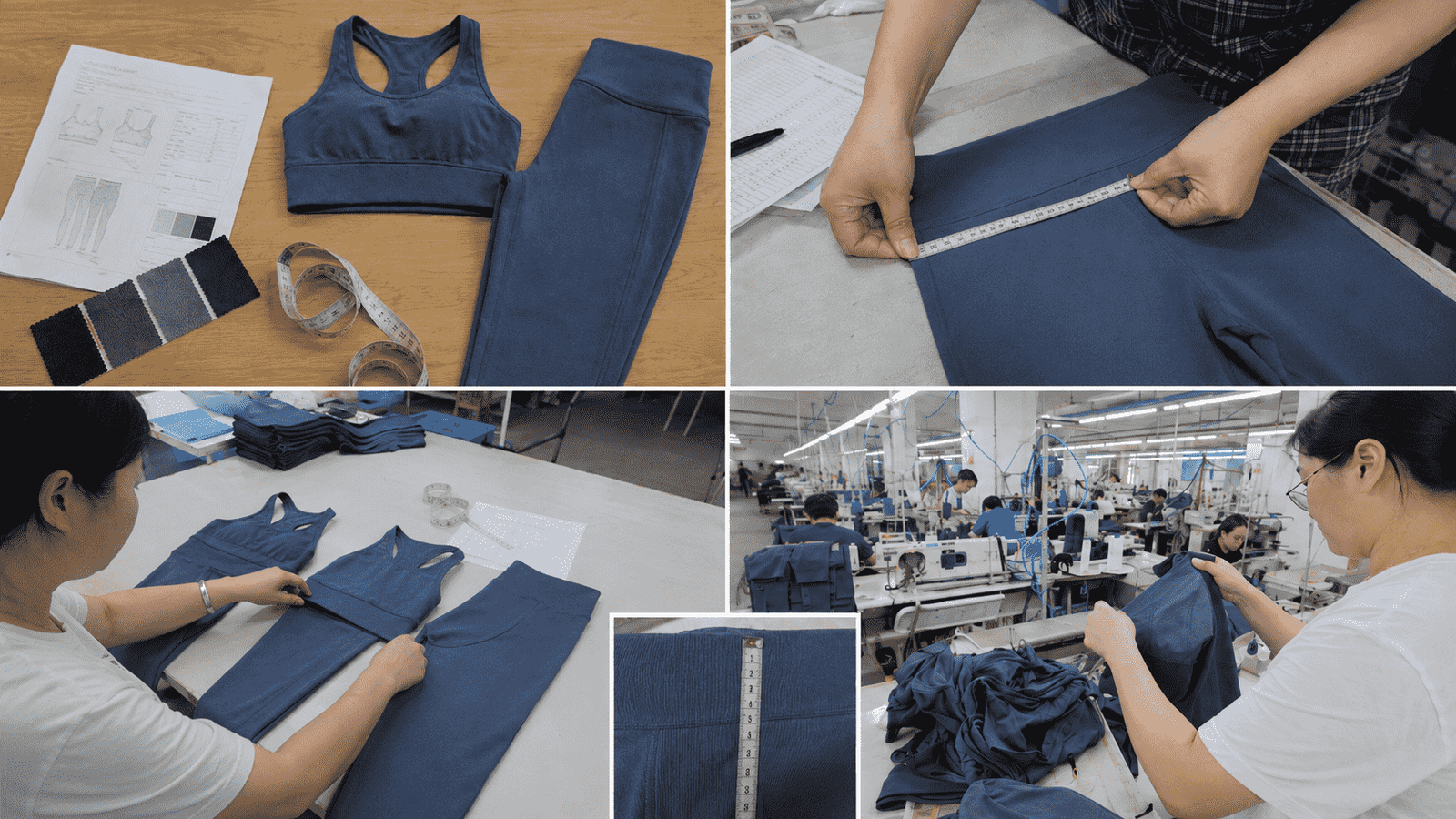
Approved Rear Appearance → Bulk Result
Where Booty-specific sample-to-bulk evidence is available, it should show whether the production garment continues to represent the approved physical rear result.
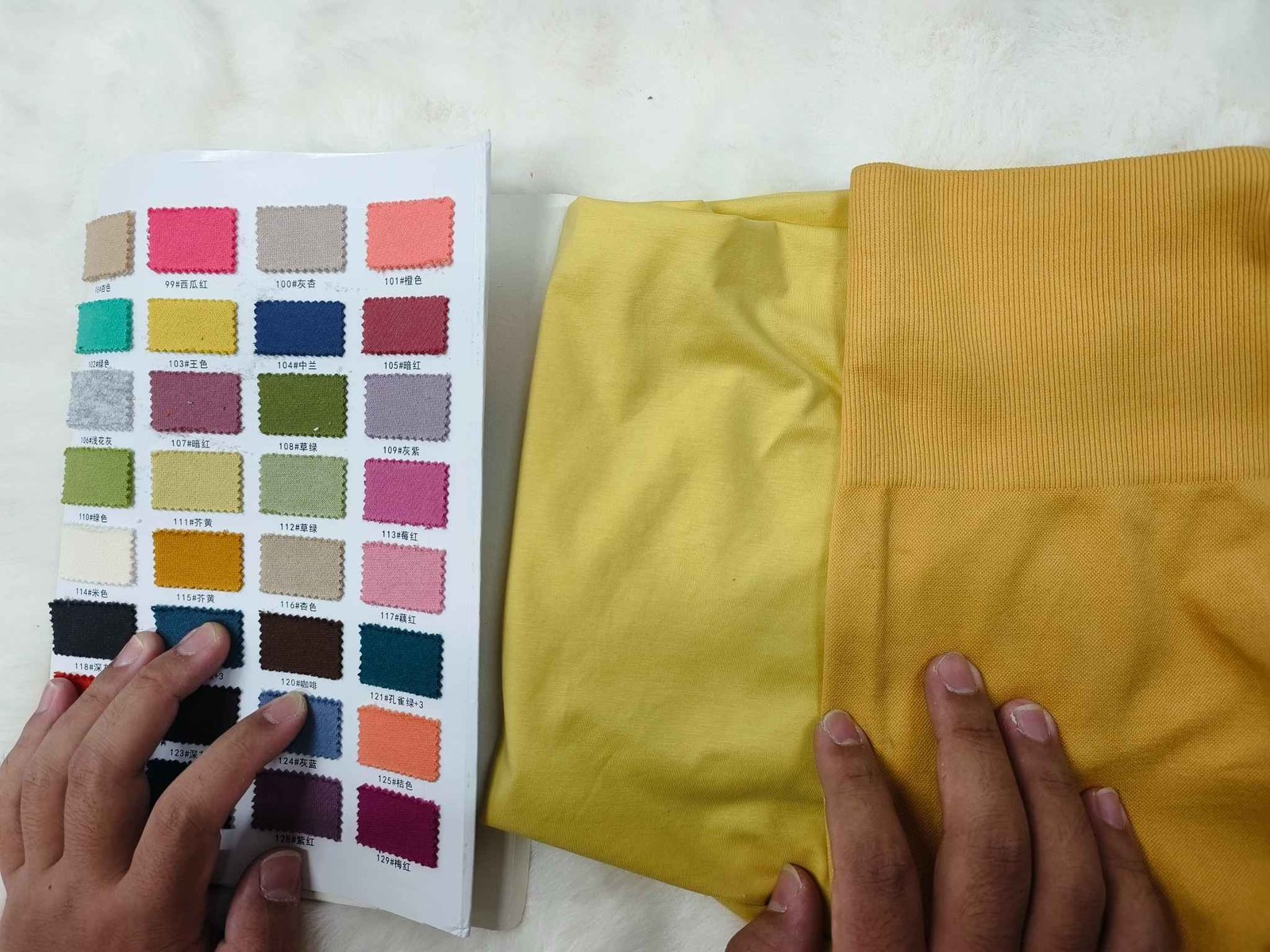
Approve Custom Color on the Actual Booty Legging
Custom colors can affect MOQ and timing where dedicated material, yarn or dyeing preparation is required.
Target Reference
Pantone or another agreed physical reference establishes the intended direction.
Material Translation
The target needs to be translated into the actual yarn or fabric system used for the product.
Physical Sample
Where color appearance is commercially important, the buyer should evaluate the physical product rather than a screen image alone.
Production Reference
The current approved color needs to remain connected to the correct product and production lot.
Connect the Approved Booty Legging to the Correct Brand System
Private-label execution is complete only when product identity and commercial branding remain correctly connected through final packing.
Logo
Artwork, size, position and applicable application method should correspond to the released garment.
Approved Garment
Product identity and branding must remain connected through final packing.
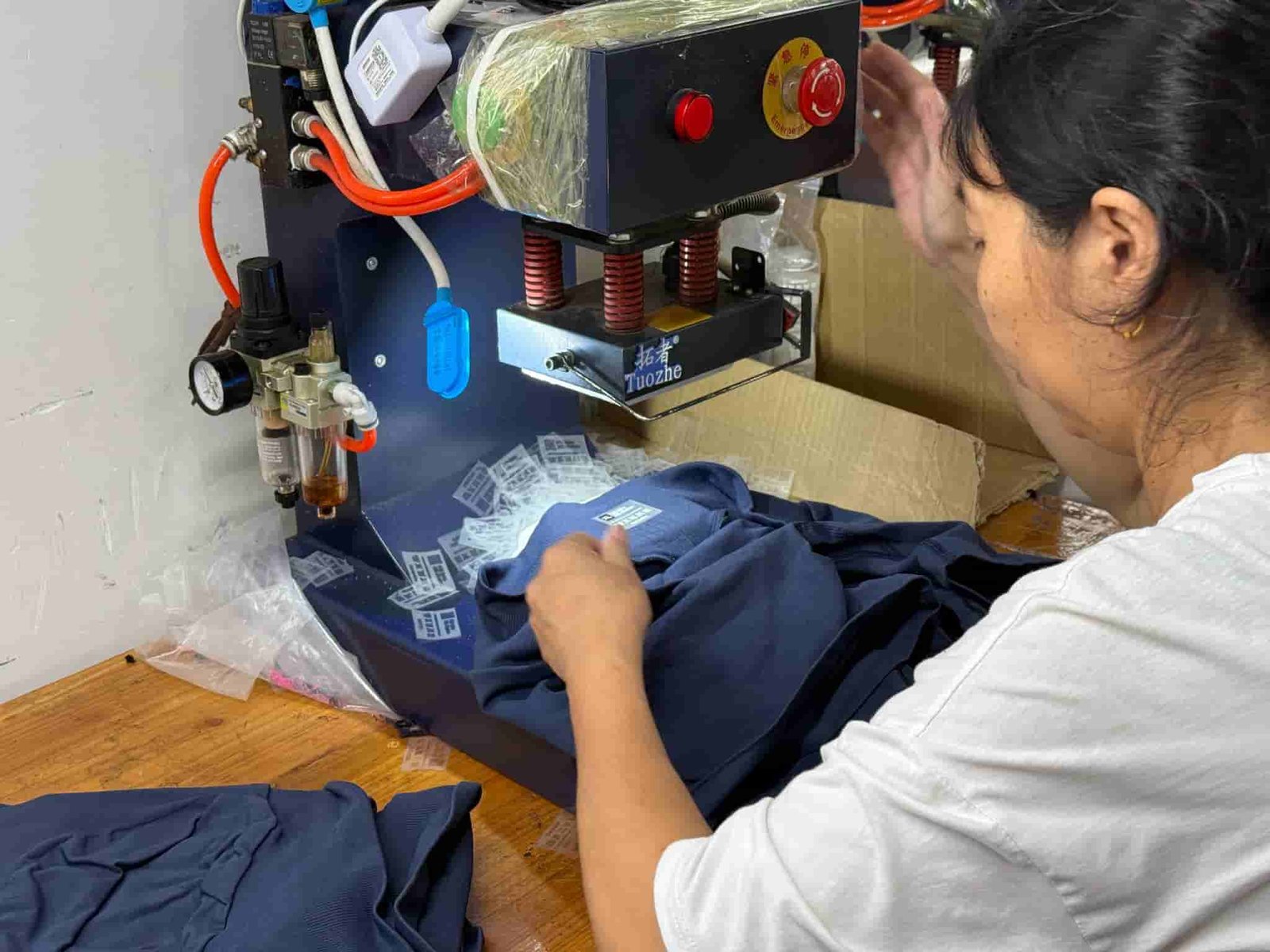
Garment Labels
Main, size and care information should map to the correct product.
Variable Data
SKU, barcode or QR information should correspond to the correct style-color-size combination.
Packaging
The finished garment needs the correct approved individual and shipment packout.
Route-Specific Branding
The suitable branding method can vary according to the actual garment structure and therefore should be confirmed on the relevant product.
Build Quality Control Around the Actual Booty Leggings Construction
MOVEVOX has a five-person QC team. The actual inspection plan depends on the garment structure, buyer requirements and project risks rather than applying one identical checklist to every product.

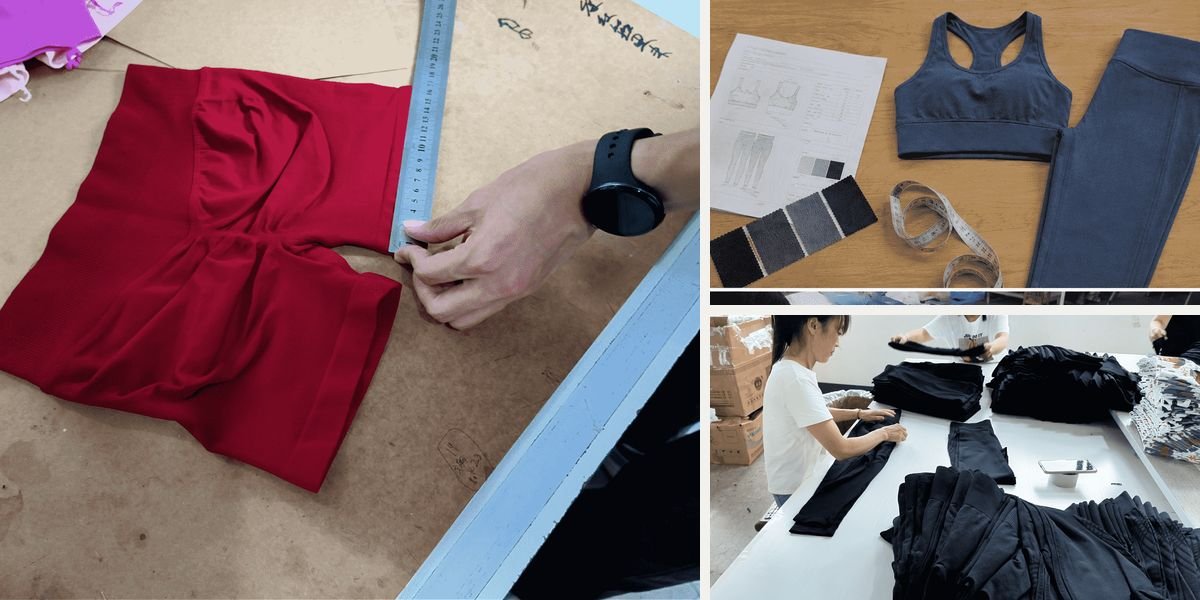
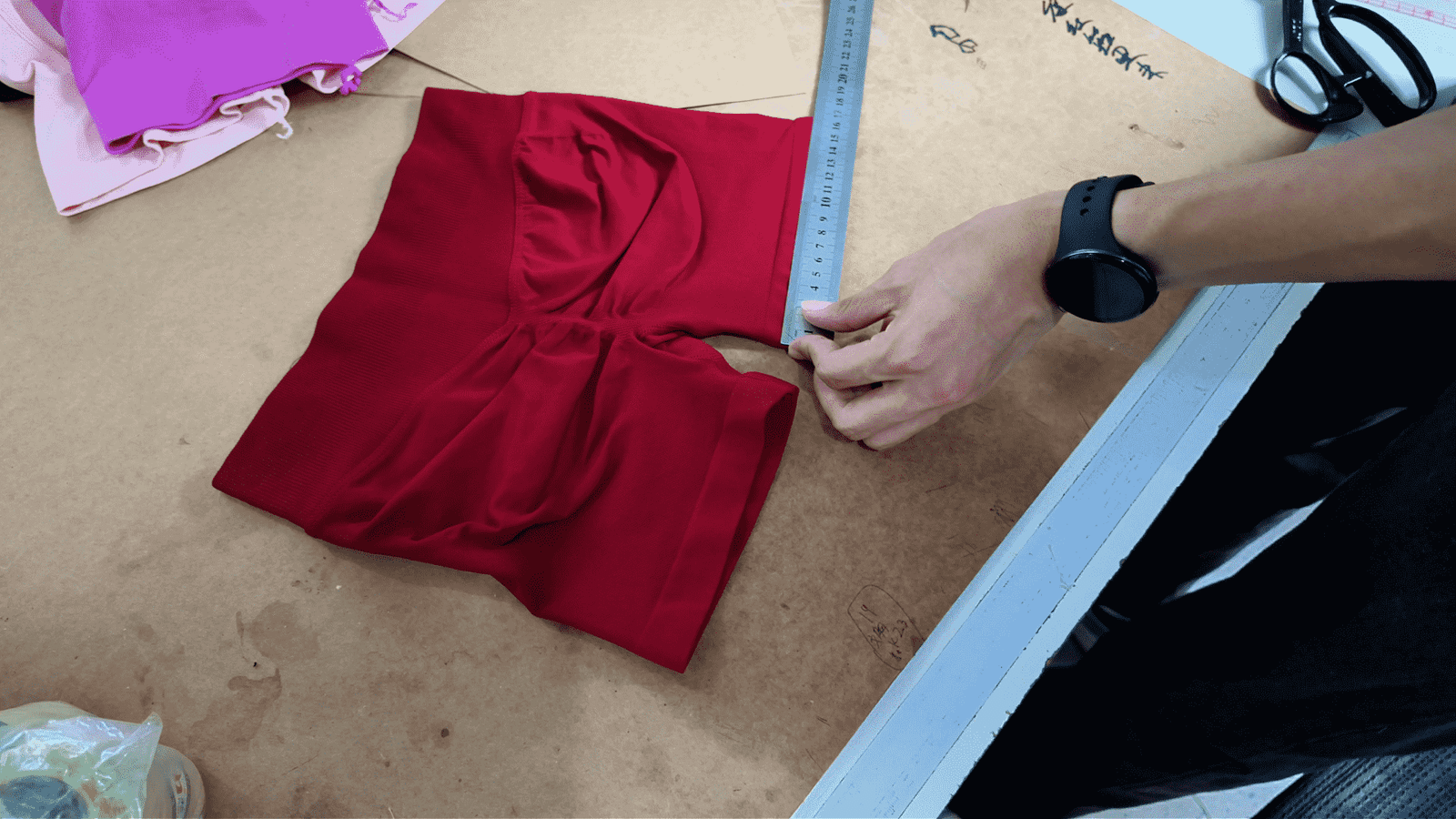
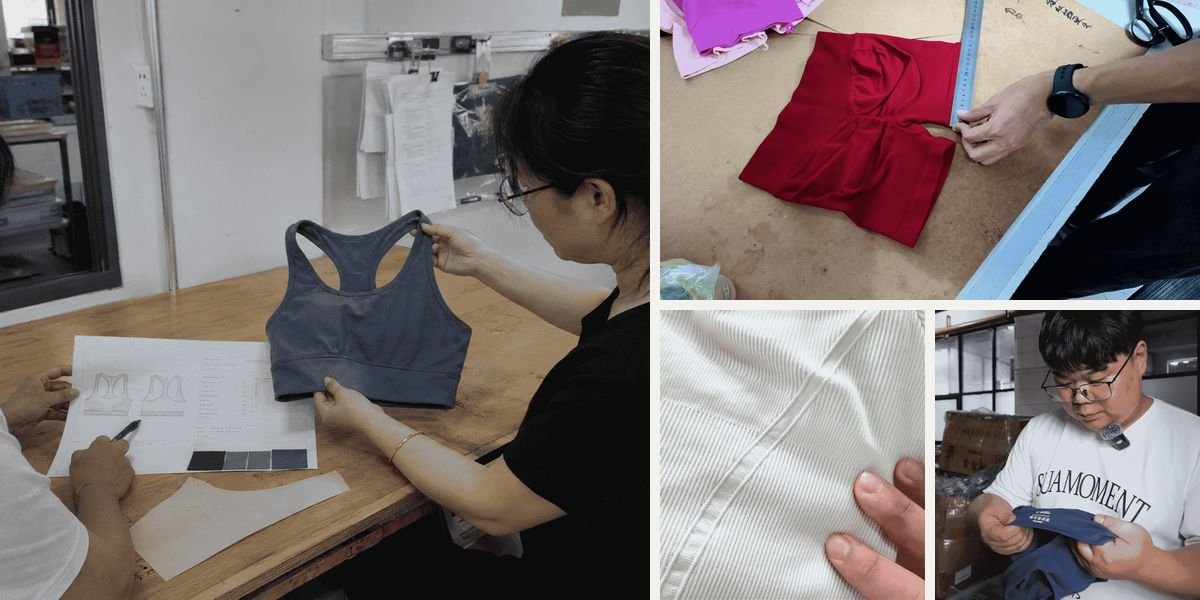
Inspect the Finished Booty Legging Against the Released Product Standard
Final inspection does not replace product development or production-stage controls. It provides the last check that the commercial garment still represents the released product.

Compare applicable dimensions with the current requirement.
Review the finished physical result against the approved garment without using subjective marketing claims as an inspection standard.
Confirm the upper-garment relationship remains consistent with the accepted product.
Inspect the relevant knitted structure, seams, stitching or finishing according to the actual manufacturing route.
Where opacity forms part of the buyer's acceptance requirement, review it according to the agreed product-specific condition.
Check logos, labels, style, color and size.
Verify the approved individual and shipment packout.
Separate Booty Leggings Marketing Language From Verifiable Product Evidence
“Butt-Lifting” Claims
MOVEVOX should not promise a universal body outcome. The accepted physical garment should define the buyer's product standard.
“Perfect Shaping” Claims
A visual result depends on the complete garment, material, construction, size and fit rather than one marketing feature.
“Squat-Proof” Claims
MOVEVOX should not state that every material, color and size is universally squat-proof. Evaluate the actual physical product.
Zero-Defect Claims
MOVEVOX does not position commercial manufacturing as a zero-defect guarantee. Quality is managed through relevant controls and inspection.
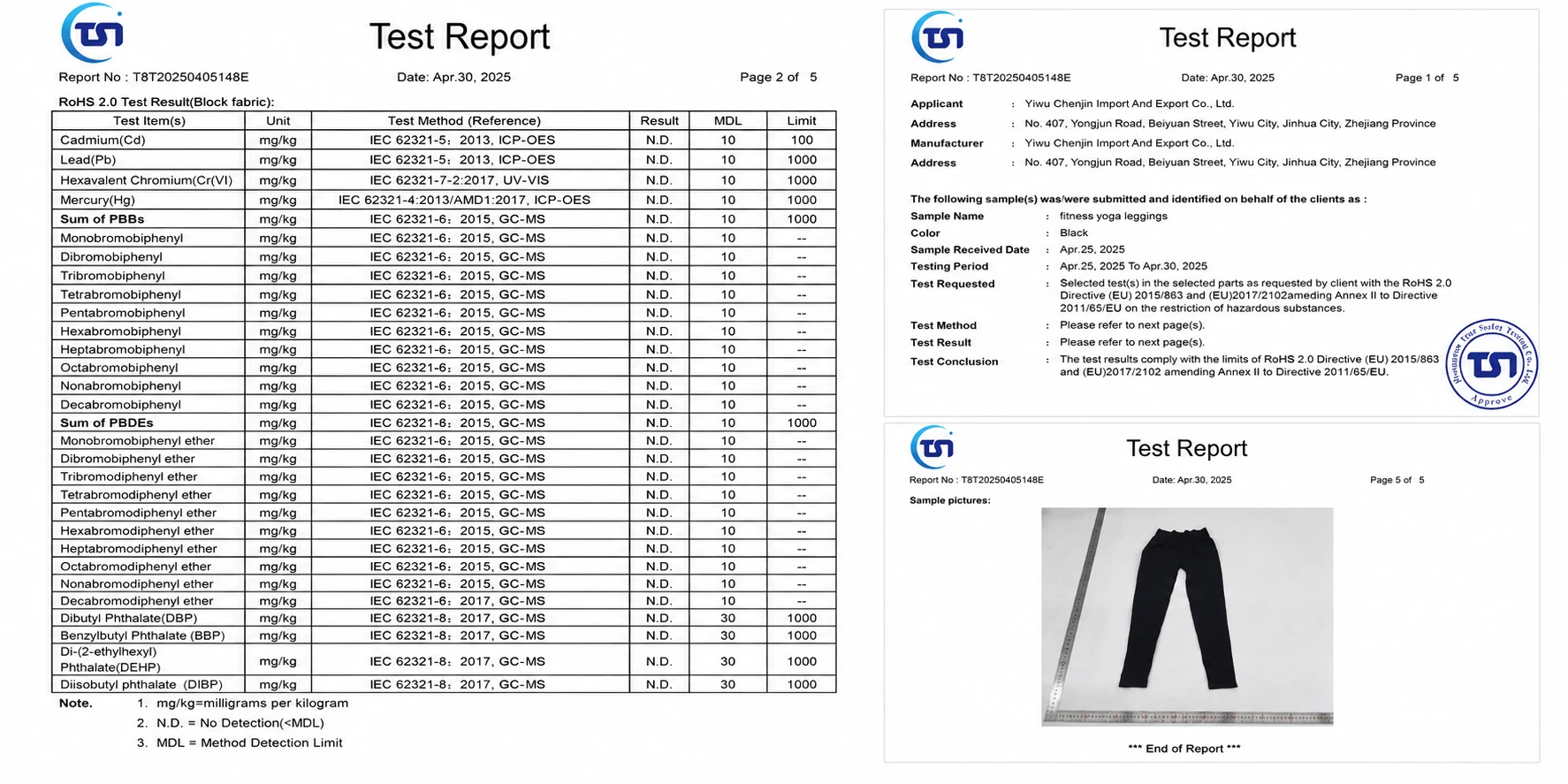
RoHS Sample-Specific Evidence
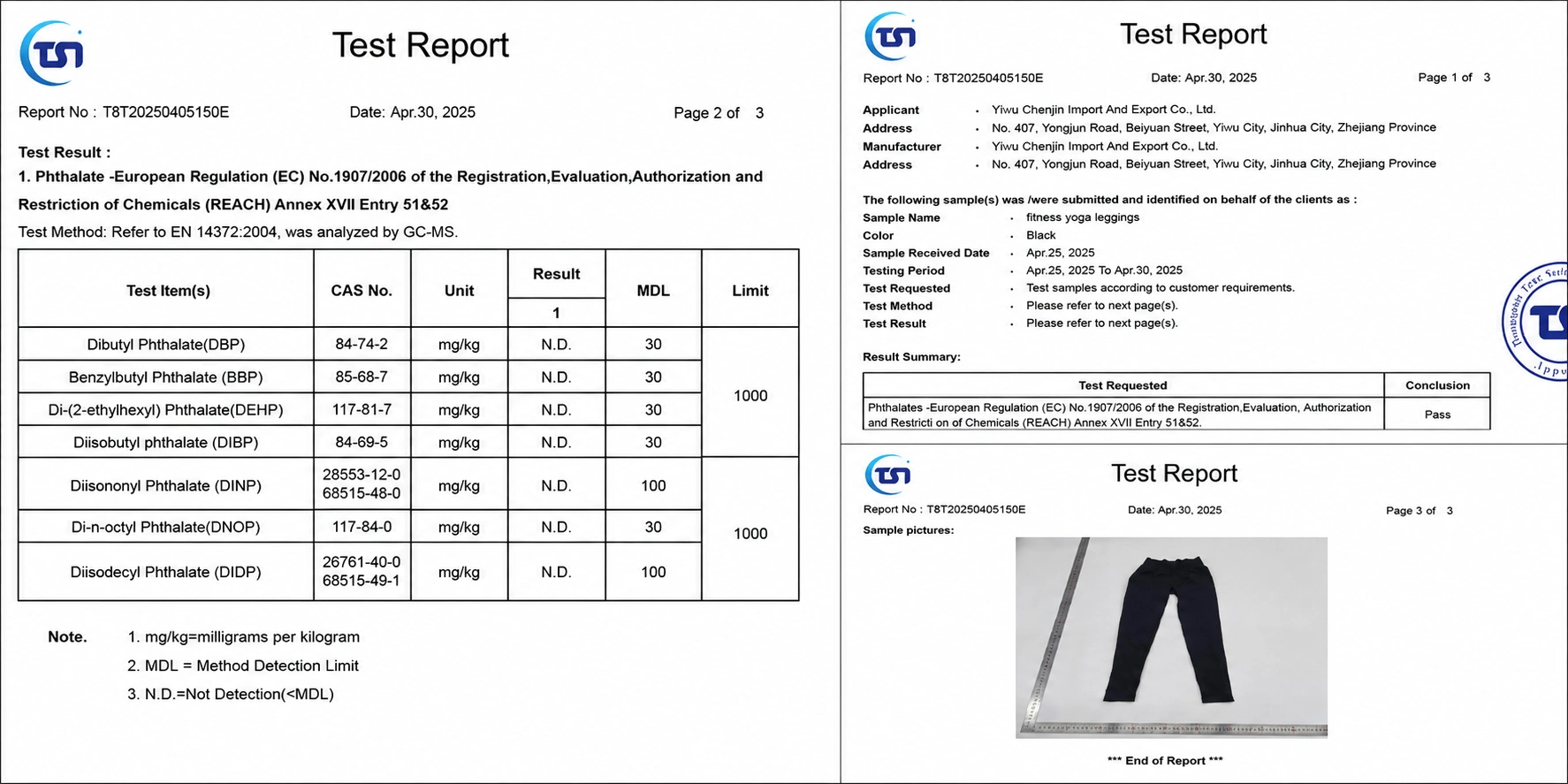
A black fitness yoga leggings sample was tested under Report TST20250405148E, dated April 30, 2025.
REACH Sample-Specific Evidence
Report TST20250405150E covered the specified REACH Annex XVII Entry 51 & 52 phthalates requirements and reported a Pass result.
These reports apply to the tested sample and stated test scope. They do not prove that every Booty Legging, material, color or manufacturing facility is certified.
Scale Approved Products Through MOVEVOX's Managed Manufacturing System
Own Yiwu Manufacturing Core
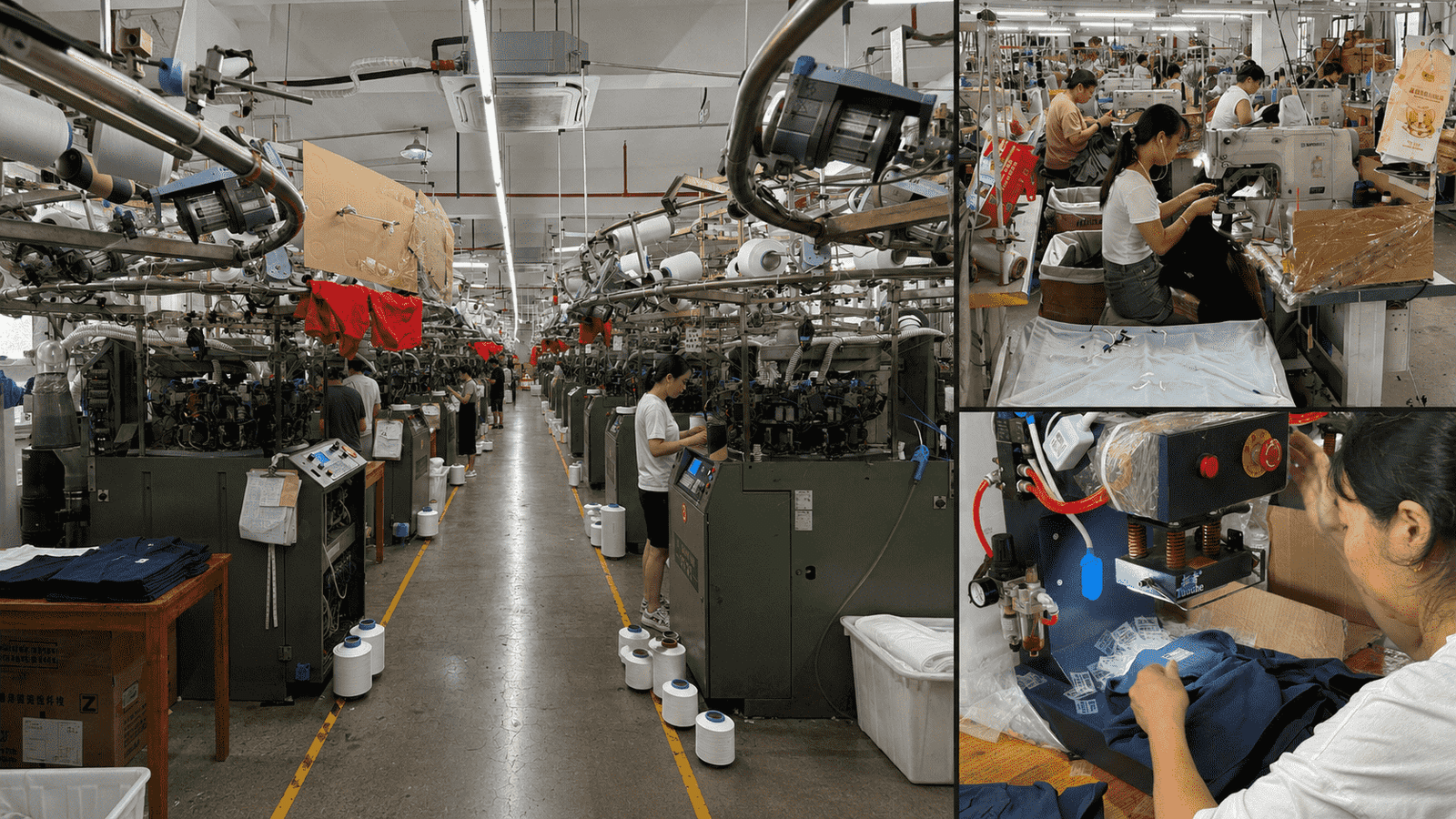
MOVEVOX's own factory functions as the central technical-development, core-production and quality-control base.
6 Long-Term Satellite Factories
2 Long-Term Satellite Factories
Partner Resources, Not MOVEVOX-Owned Factories
MOVEVOX works with eight long-term satellite factories—two in Guangzhou and six in Yiwu. These are partner resources, not MOVEVOX-owned factories.
Managed Monthly Delivery
The normal combined managed manufacturing system supports approximately 150,000–200,000 quality-released pieces per month.
Large-Program Capacity Review
Orders above approximately 50,000 pieces require project-specific capacity review before allocation and timing are confirmed.
The 150,000–200,000 figure is a combined managed system reference. It is not Seamless-only, Cut & Sew-only or guaranteed capacity reserved for one customer.
Verify the Manufacturing Environment Behind the Product
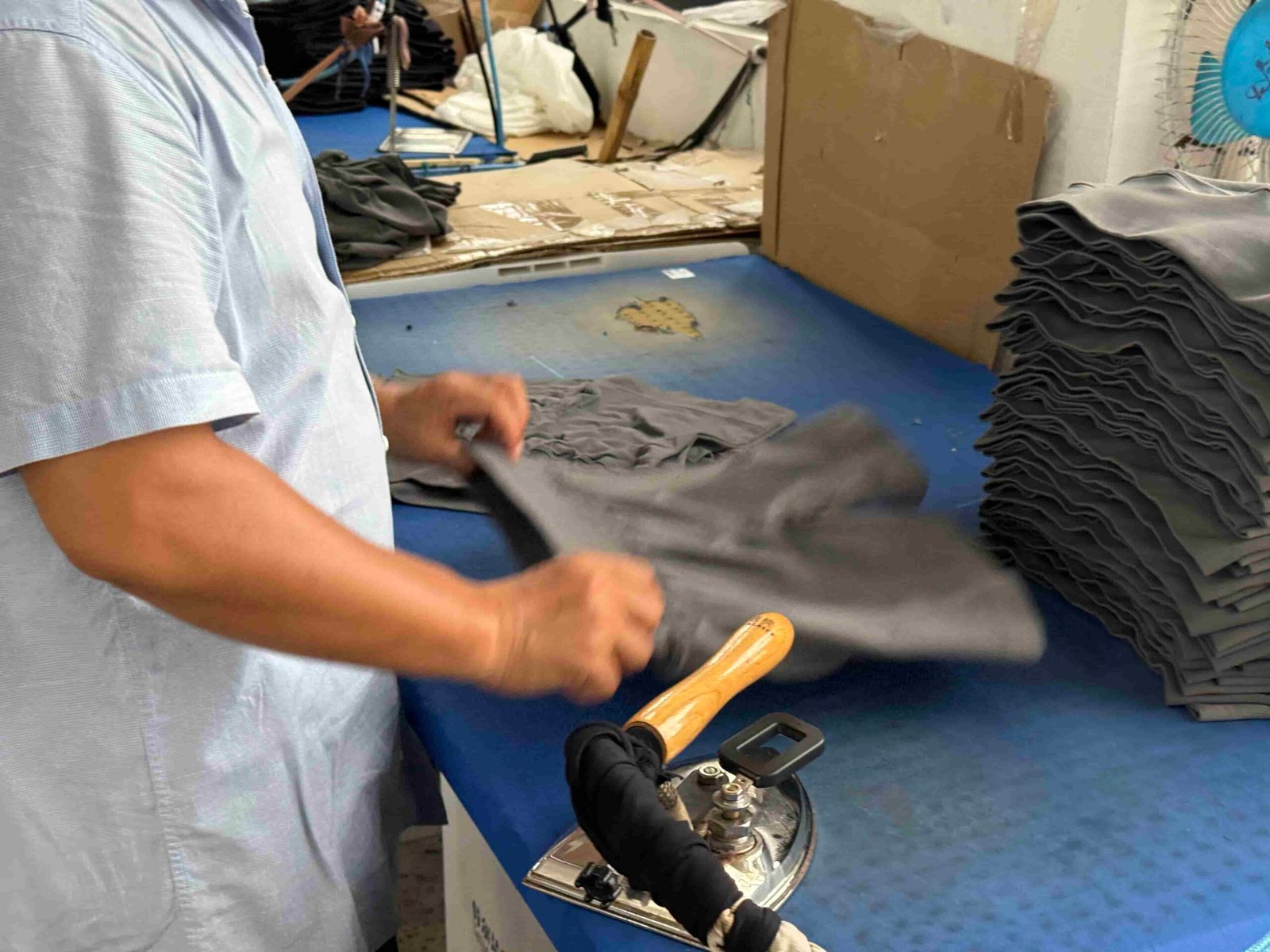
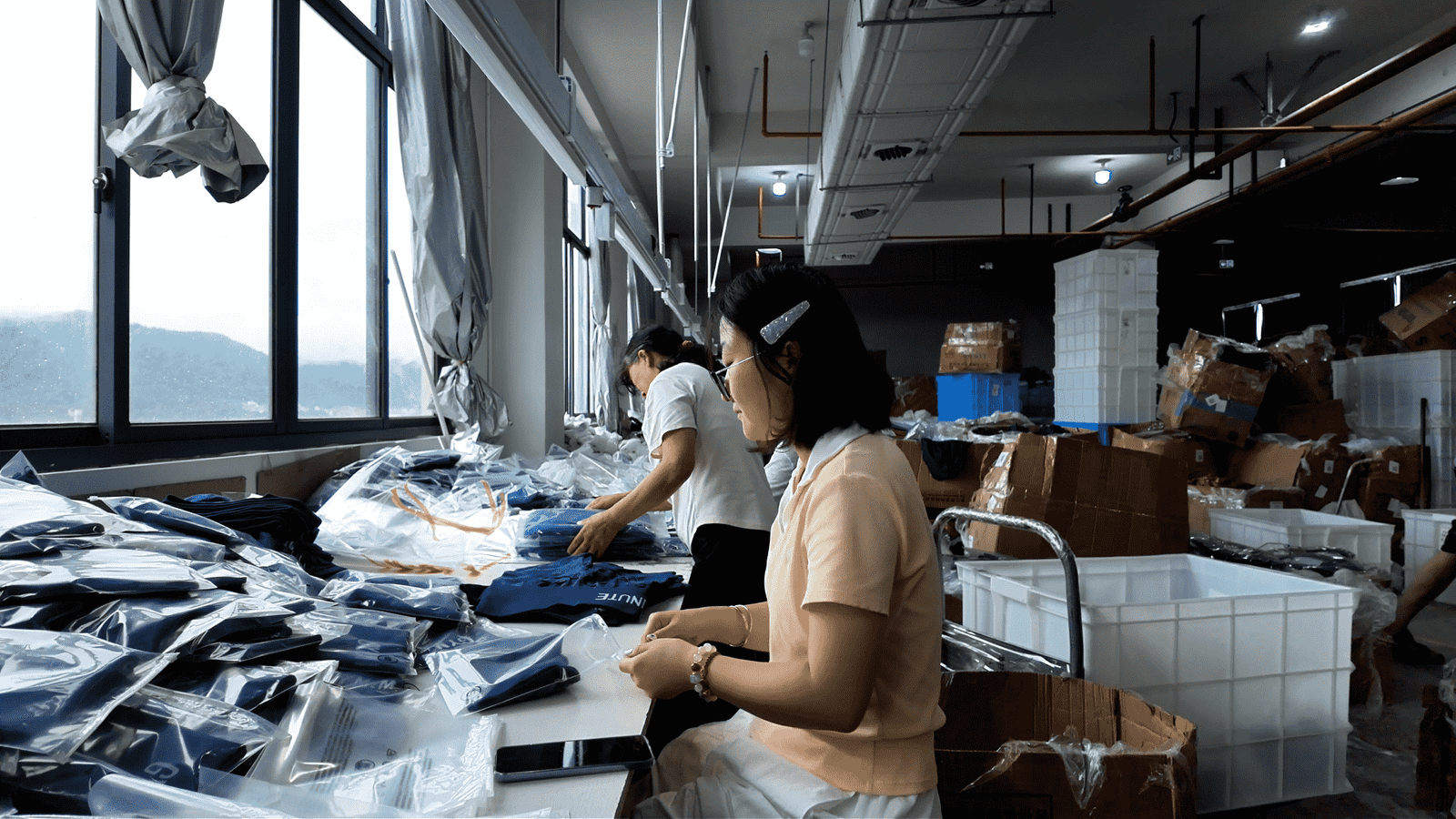
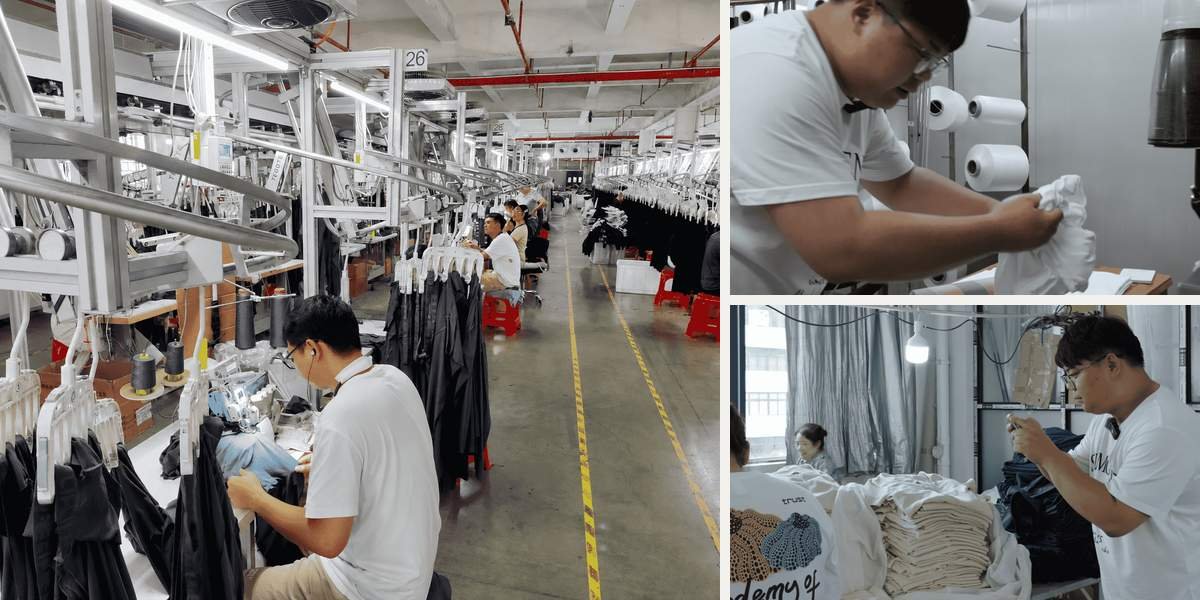
The purpose of factory evidence is to help buyers connect development, production, inspection and packing with a real operating environment rather than treating factory imagery as decoration.
Physical Development Workflow
≈24 Principal Garment Machines
5 QC Personnel
≈6,000 m²
Review Quality Records Behind the Manufacturing Process
A photograph can show that an inspection took place. A useful quality record provides stronger procurement evidence because it can show what was checked, when it was checked and which product the inspection related to.
Incoming / Input Record
Shows which applicable production input was checked.
First Article Record
Connects an initial production garment to the current released product where applicable.
Inline Inspection
Records relevant checks while manufacturing is still active.
Measurement Record
Connects physical dimensions to the current requirement.
Finished Inspection
Identifies the product and final garment inspection stage.
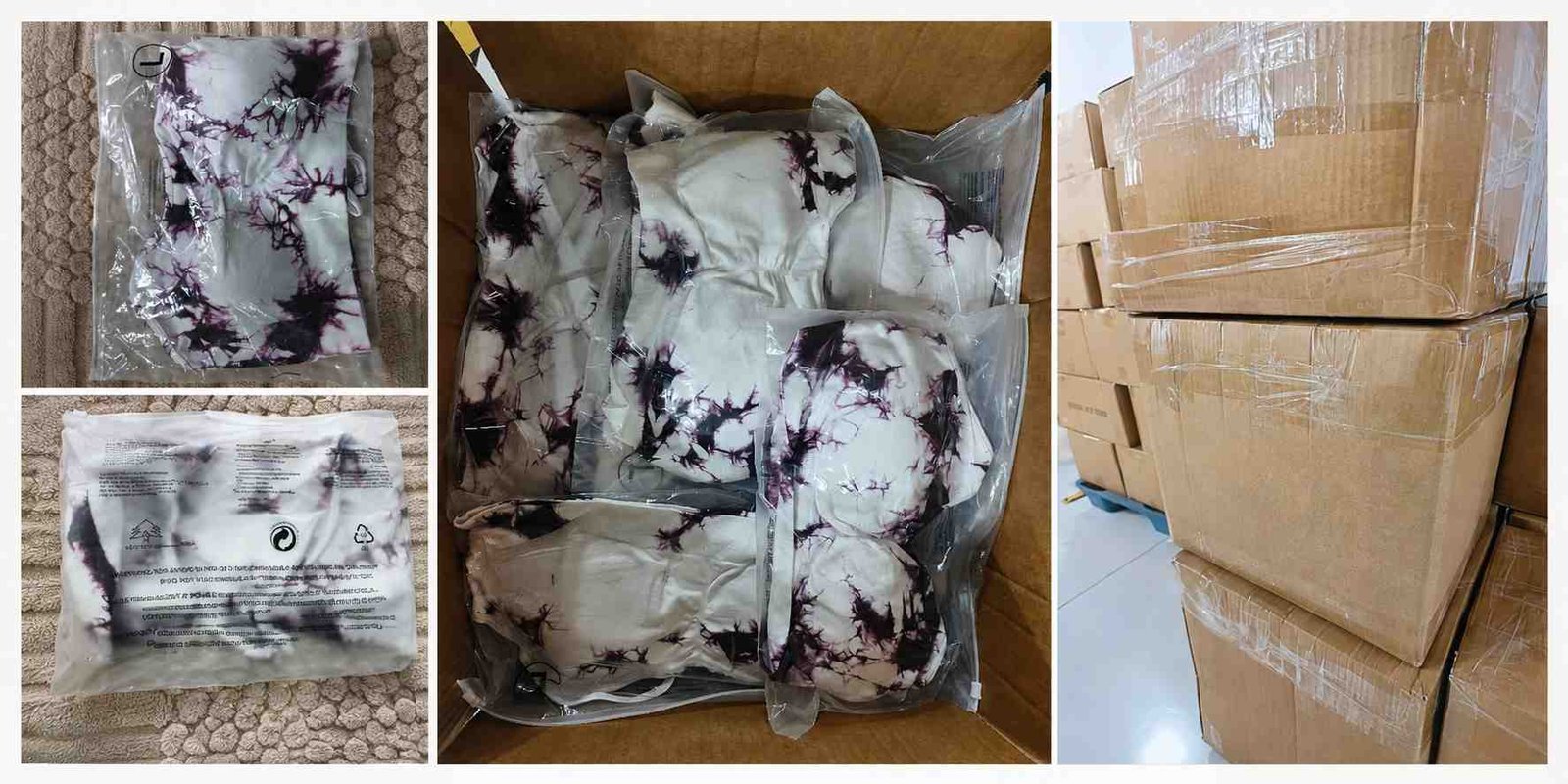
Packing Record
Shows how the correct product remains connected to commercial packing requirements.
Customer-sensitive information should be removed or anonymized before publication.
Buyer Context
The customer was a U.S. female fitness creator with an Instagram audience above 30,000 and a product audience that included curvier and plus-size users.
Product Scope
The program included bodysuits, sets, leggings, shorts, bras and tanks.
Material Direction
Materials used across the program included nylon/spandex compositions such as 88/12, 75/25 and 78/22 depending on the product.
Wear Priorities
Project priorities included high elasticity, support, non-sheer performance, plus-size suitability, softness and fleece options where relevant.
Commercial Structure
Typical orders were approximately 2,000 pieces, with about two orders per month over approximately three years.
Packing Complexity
Strict QR-code matching increased QC and packing work, with packing and inspection taking approximately twice the usual time for this specific project.
The available evidence does not establish that this was a Booty Leggings program. It must not be presented as one.
Repeat the Approved Booty Legging Without Restarting Development
Repeat production should preserve approved decisions while deliberately identifying what has changed. It should neither restart development unnecessarily nor blindly reuse outdated information.
Approved Physical Reference
Keep the current accepted garment as the product reference.
Manufacturing Route
Confirm that the repeat order still follows the current released Seamless or Cut & Sew route.
Material / Yarn Reference
Reconfirm whether the same applicable material direction remains current.
Color Lot
A new physical color lot should not automatically be assumed identical where color consistency is commercially important.
Rear Appearance & Measurements
Keep the approved physical result and current size information connected to the repeat order.
Commercial Updates
Identify changes in logos, labels, SKU information, packaging or quantity.
Current Capacity
Review the new order against current production conditions before release.