
Activewear Sets Manufacturer for Multi-SKU Brand Collections
MOVEVOX supports activewear brands with coordinated multi-SKU collection development through Seamless and Cut & Sew manufacturing. We help connect material, color, branding, sampling, quality control and bulk production requirements while keeping each legging, sports bra, short or top controlled as its own approved product.
- Seamless and Cut & Sew under one managed manufacturing system
- Multi-SKU development from physical sampling through repeat bulk production
- Material, color, branding and packing coordinated across related products
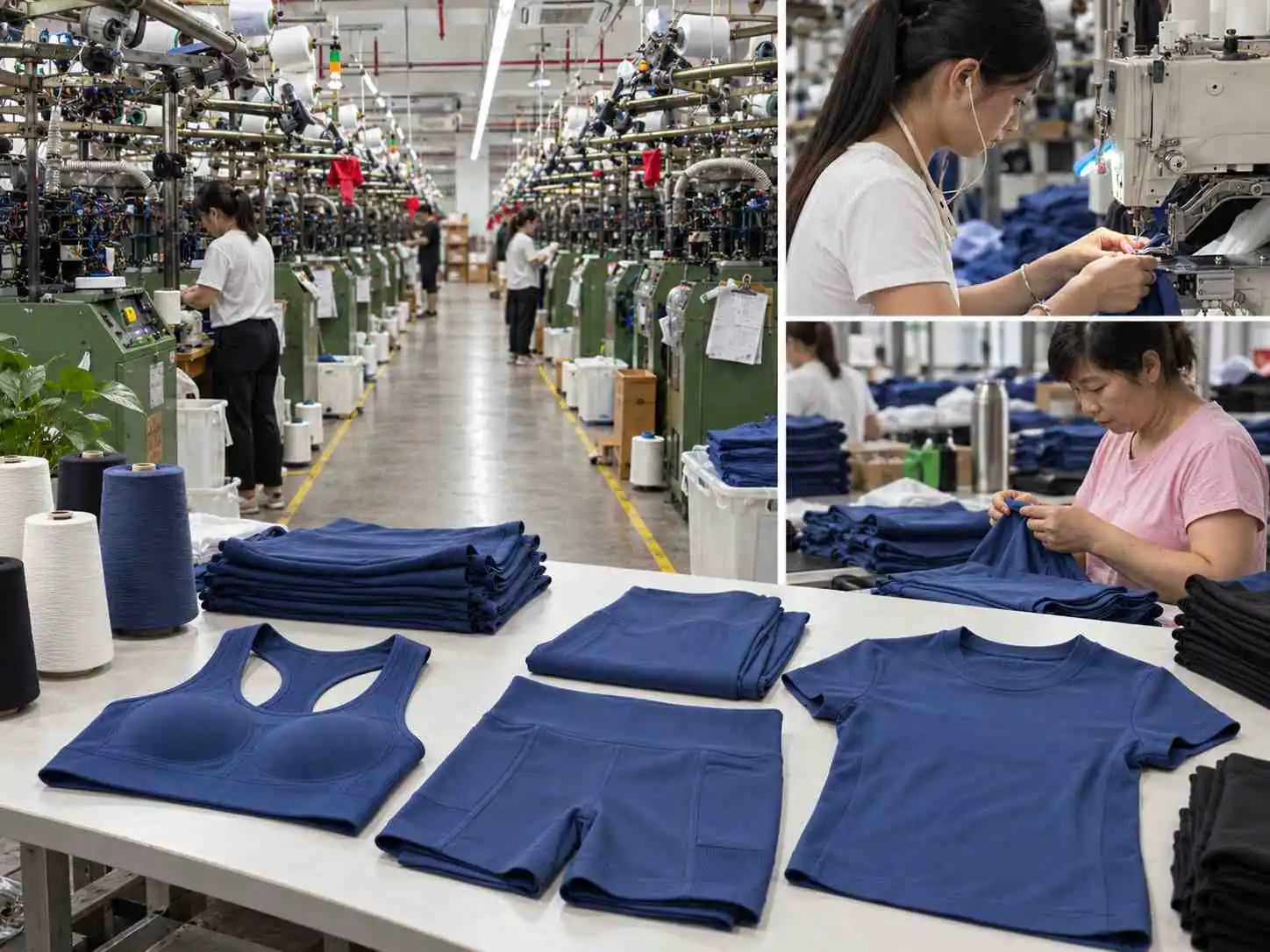
Built for Activewear Brands Managing Collections
Different buyers enter activewear sourcing with different levels of product maturity, order complexity and internal technical resources. MOVEVOX reviews each program according to actual development inputs, customization requirements, SKU structure and expected production scale.
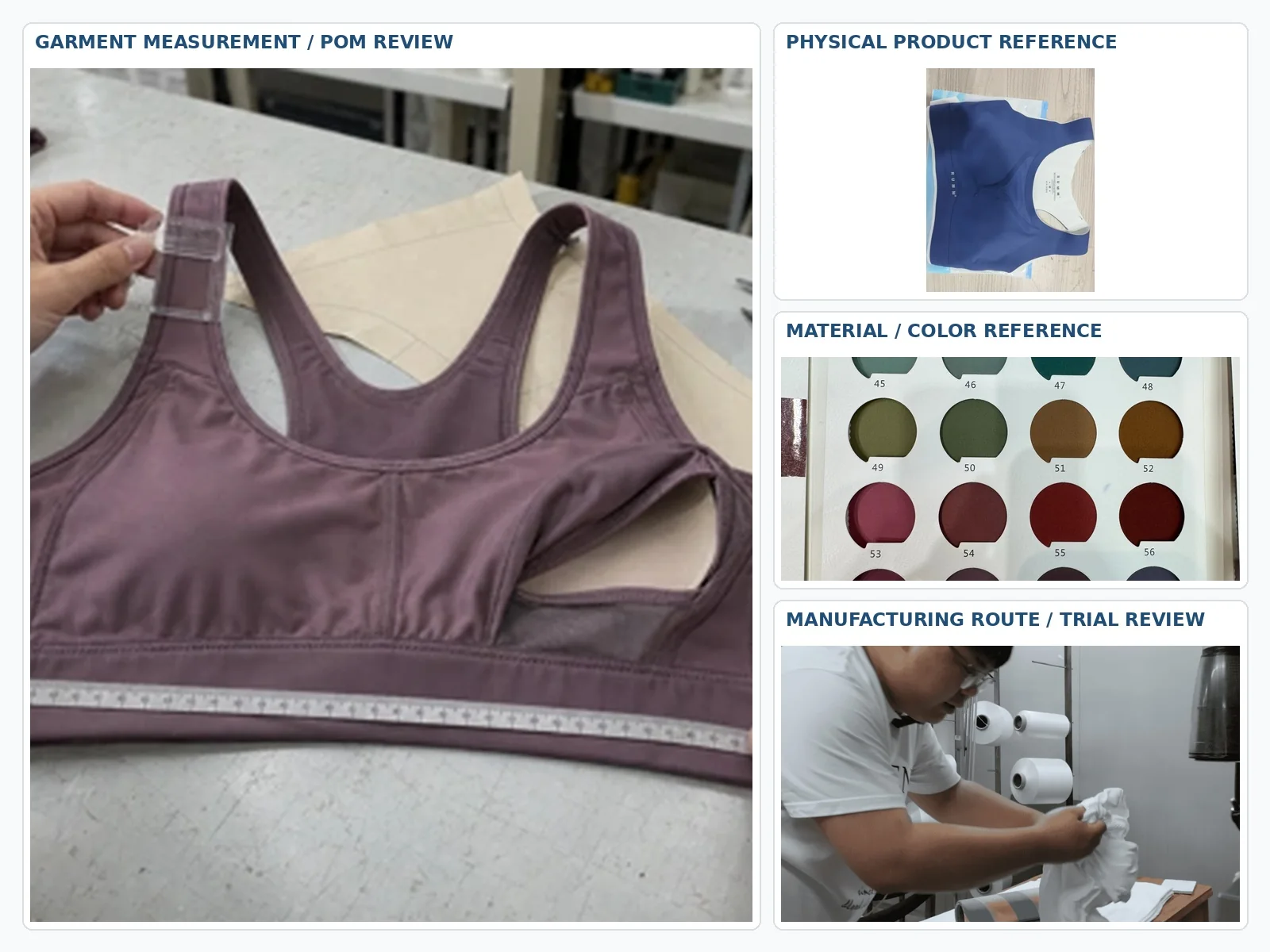
Established Activewear Brands
Established brands may already control Tech Packs, measurement standards, material directions, brand assets and seasonal calendars. Their sourcing requirement is usually less about basic product discovery and more about reliable execution across multiple SKUs, approved samples, bulk quality, packaging and repeat orders.
- Maintain approved standards across multiple products and repeat orders
- Coordinate product-specific specifications within one commercial collection
- Review capacity before committing larger seasonal production programs
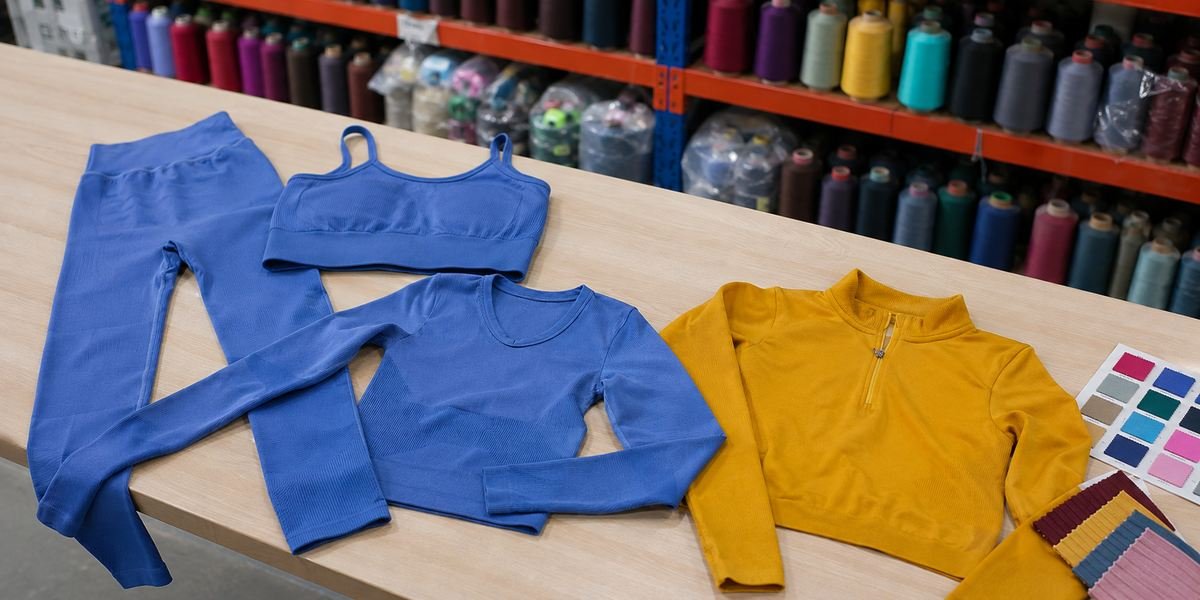
Scaling DTC Brands
Growing activewear brands often have clear visual and commercial direction but need more manufacturing support as product count, colors and order volumes increase. MOVEVOX can support physical sampling, material and color development, branding execution, SKU organization and bulk production.
- Convert collection ideas into controlled physical product development
- Add SKUs without losing fit, color or packaging control
- Build repeat-production standards before order volumes increase materially
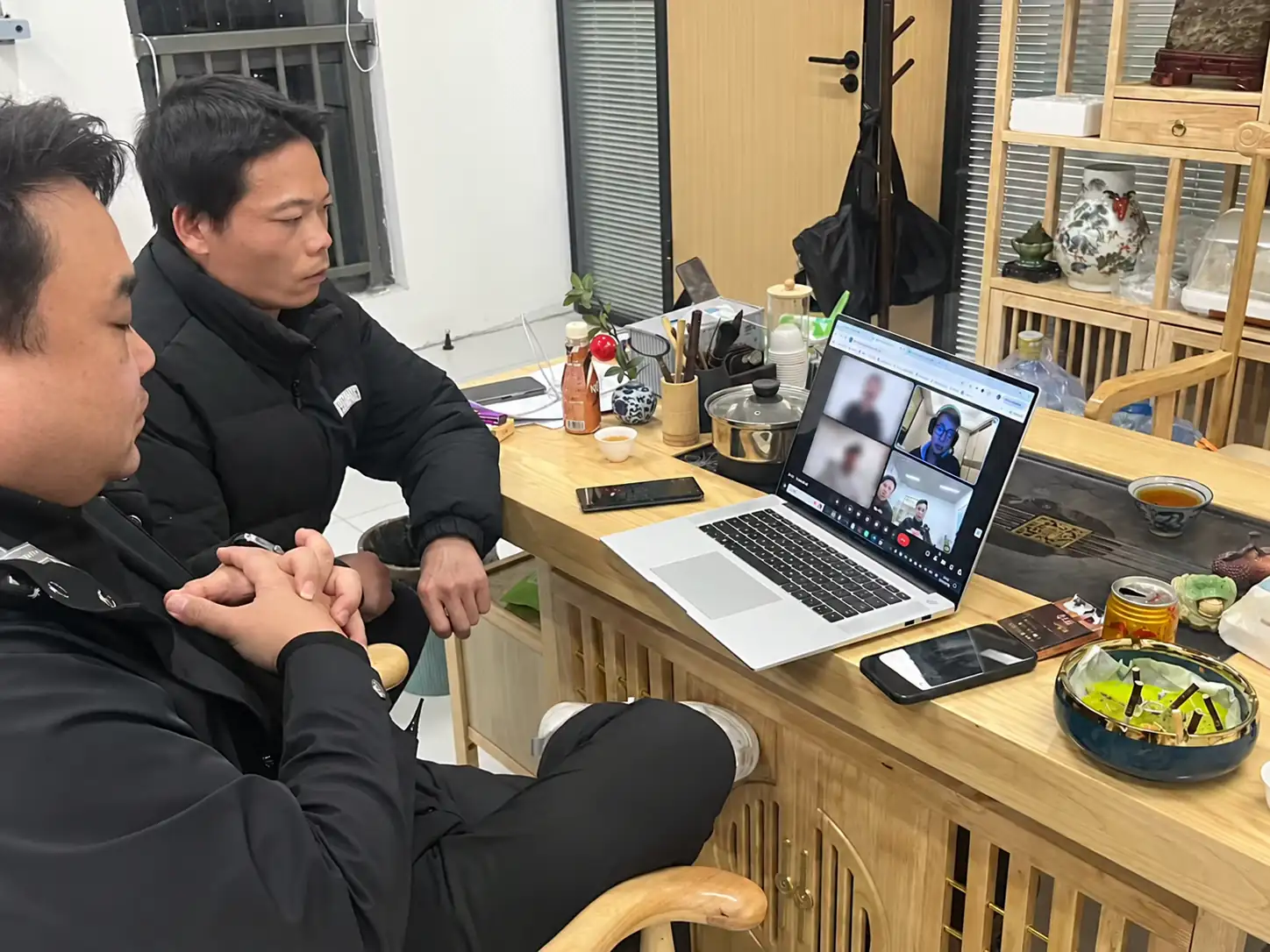
Retail and B2B Buyers
Retailers, importers and larger B2B buyers may need multiple activewear products developed or sourced under one commercial program. Their evaluation normally includes product range, MOQ, production responsibility, quality control, delivery planning and supplier verification.
- Consolidate related activewear categories through one managed supplier
- Keep product identification and packing requirements correctly assigned
- Support supplier qualification, visits and production verification processes
Where Activewear Set Programs Usually Break
An activewear collection can fail even when each garment looks acceptable individually. Risk often appears between products, approvals and production stages, where material, color, fit, identification or packing requirements must remain connected to the correct SKU.
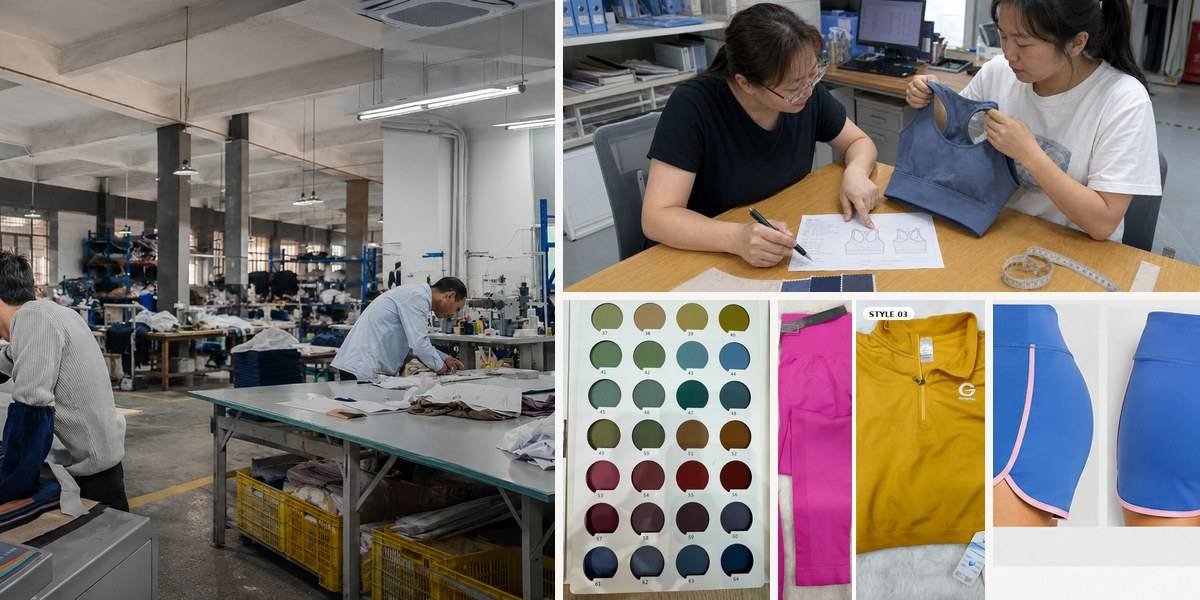
Material Consistency Drifts
Impact: Related garments can develop different hand feel, stretch behavior or physical appearance when materials are changed, substituted or approved independently.
Response: MOVEVOX connects agreed material requirements to the relevant product and physical approval process while recognizing that different garments may still require different specifications.
Color Coordination Breaks
Impact: One color reference can produce visibly different results across different yarns, fabrics or manufacturing routes.
Response: Color is reviewed against the actual materials and products involved rather than assuming one digital or Pantone reference automatically creates an identical result.
Fit Changes by SKU
Impact: A sports bra, legging, short and top serve different body areas and construction requirements.
Response: MOVEVOX treats each garment as an independent product specification while allowing the collection to share an agreed sizing and brand direction where appropriate.
SKU Execution Fragments
Impact: Color, size, labels, QR codes, barcodes and packaging can become disconnected when several related products move at the same time.
Response: Product identification, approved branding and packing requirements remain assigned to the correct SKU through production, inspection, packing and release.
How Should Activewear Collections Be Structured?
A coordinated activewear collection should share commercial standards where that creates consistency, while preserving product-specific technical requirements. MOVEVOX can coordinate common material directions, colors, branding and packaging without treating every legging, bra, short or top as the same technical product.
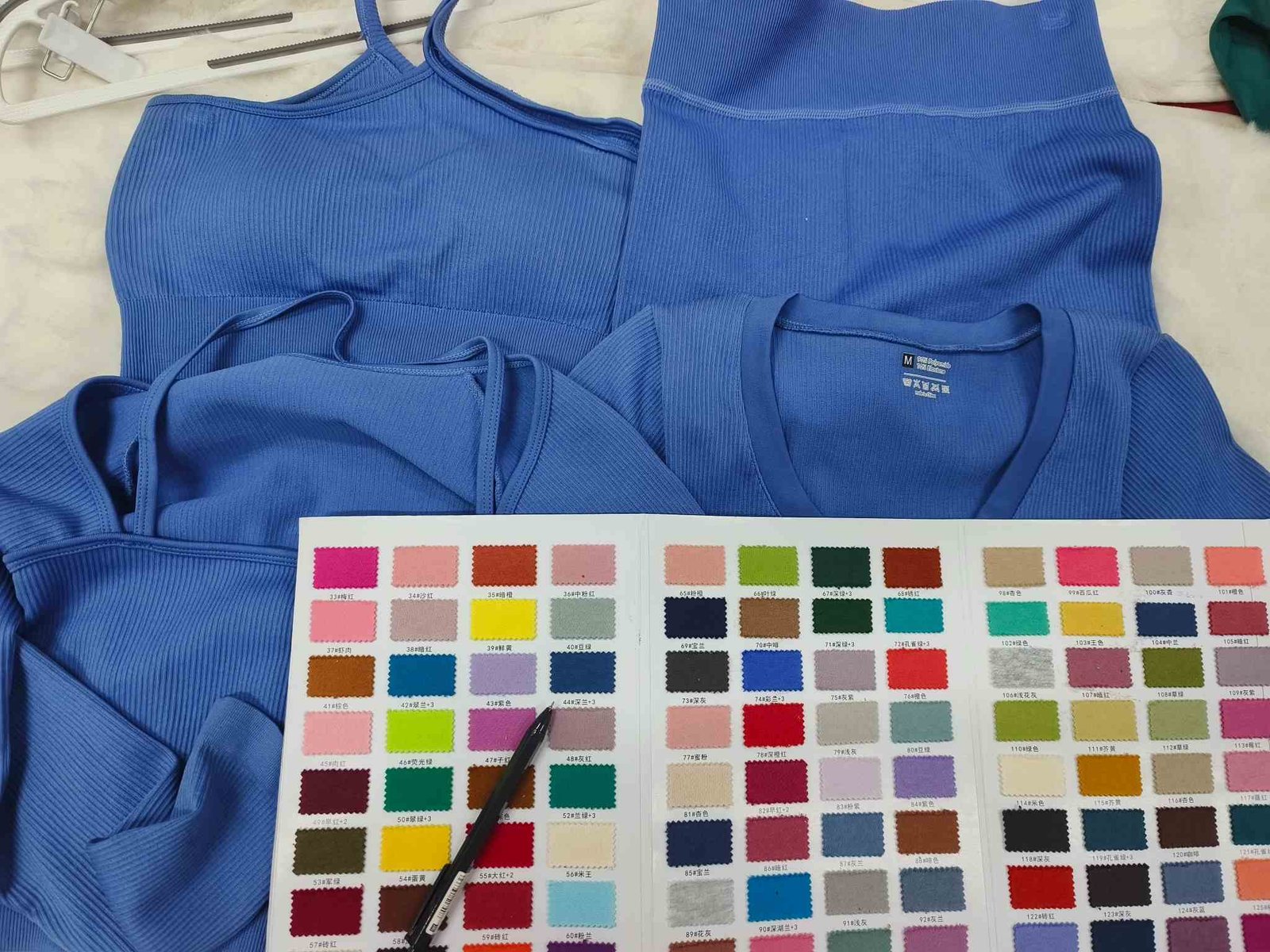
Shared Material Direction
Related products can follow a common material strategy, but the final fabric or yarn specification should still reflect each garment’s construction and performance requirements.
Shared Color System
A collection can work from common color references, while physical color approval remains connected to the actual yarn, fabric and finished product involved.
Shared Brand System
Logo treatments, labels, hangtags and packaging can follow one brand language while remaining mapped to the correct style, size and color SKU.
Independent Product Approval
Each garment should retain its own measurement, construction, sample version and approval status before moving into bulk production.
Why it matters: Collection consistency comes from controlled relationships between products—not from forcing technically different garments into one identical specification.
Activewear Categories for Coordinated Brand Collections
MOVEVOX supports multiple activewear product categories that can be developed individually and coordinated within one broader commercial collection. Final construction, material, fit and MOQ requirements remain dependent on the actual product and customization plan.
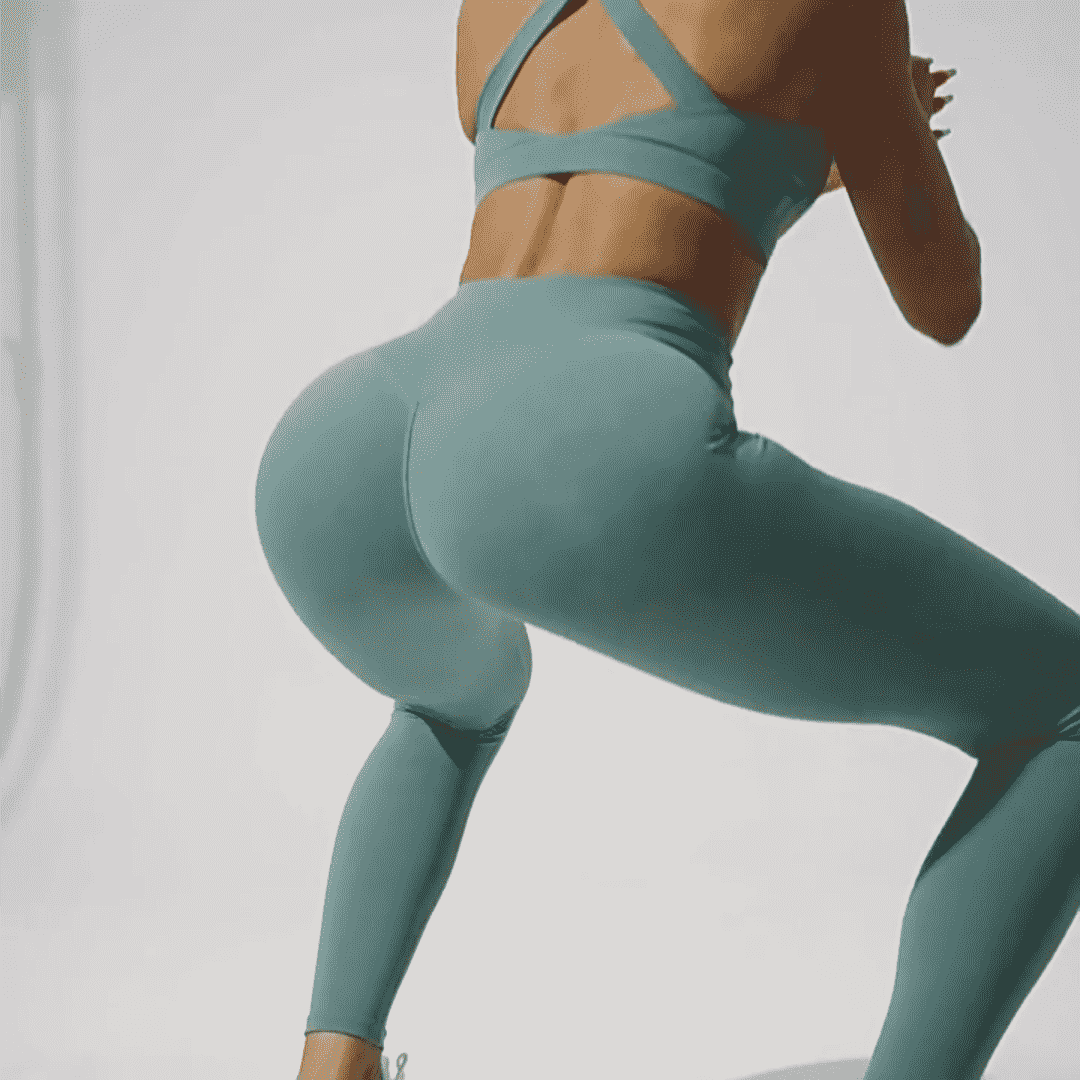
Leggings
Developed according to material, stretch, opacity, waistband, fit and construction direction.
View Leggings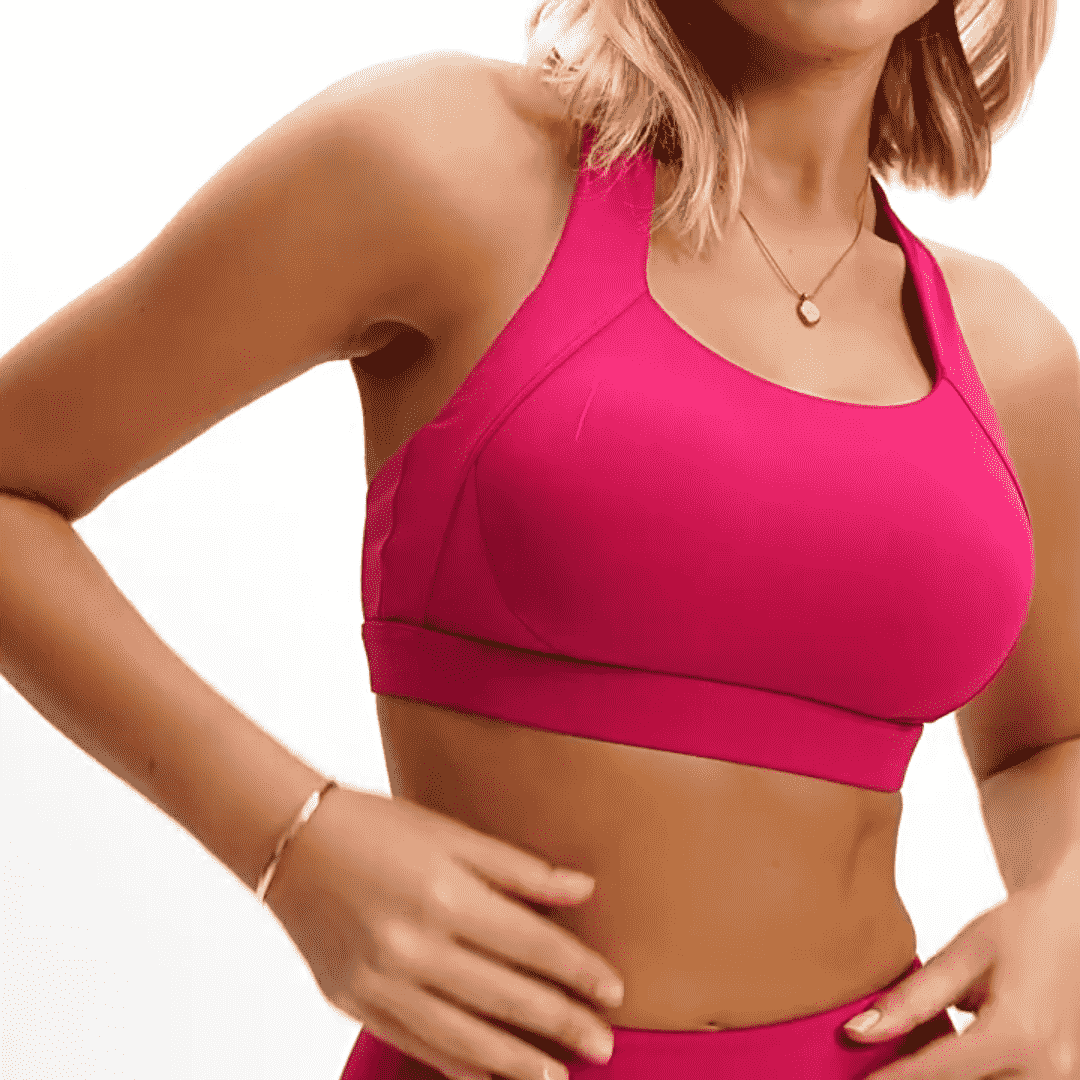
Sports Bras
Can coordinate with related bottoms while retaining independent support, fit, construction, material and size requirements.
View Bras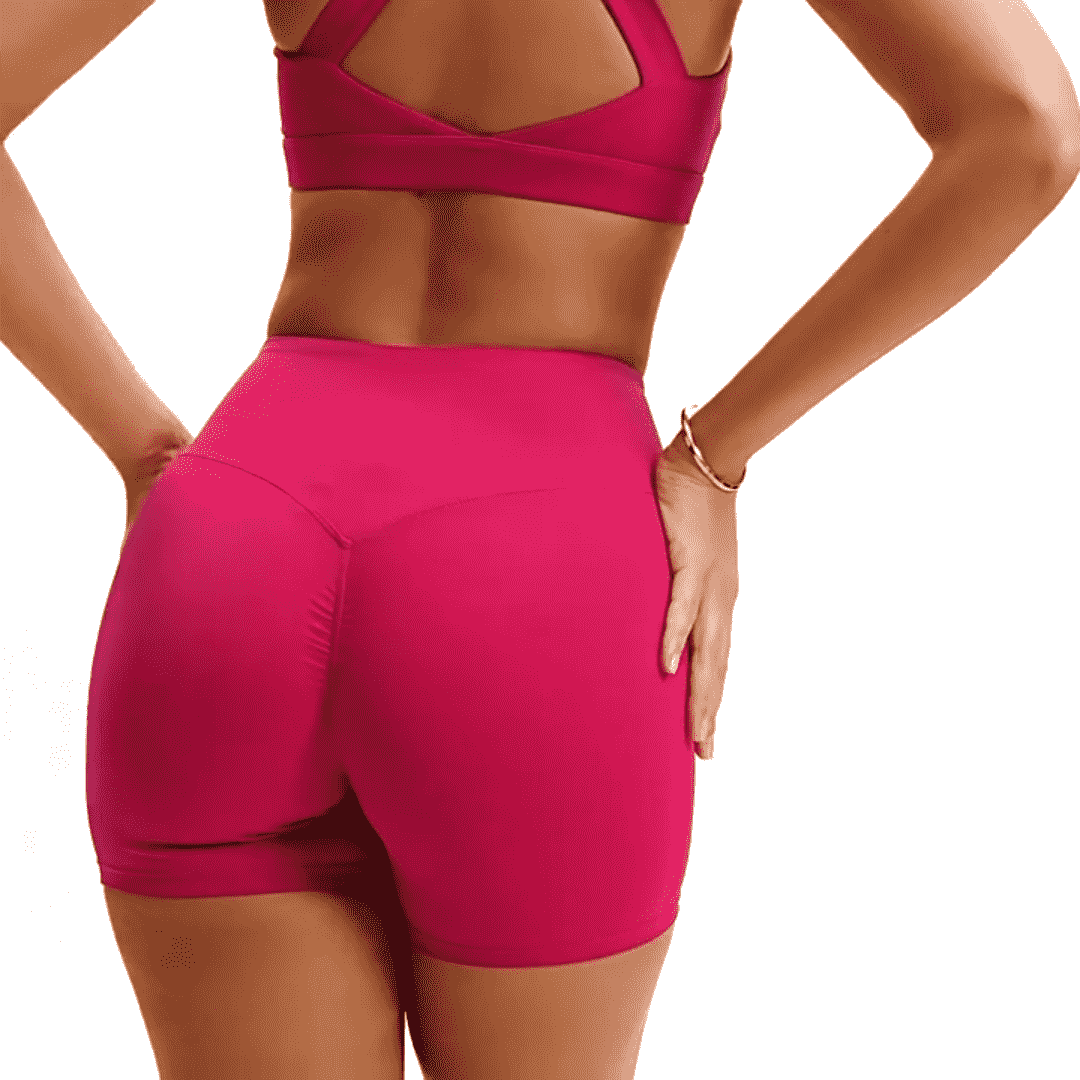
Activewear Shorts
Developed alongside bras or tops while keeping inseam, waistband, fit, fabric and product identification independently controlled.
View Shorts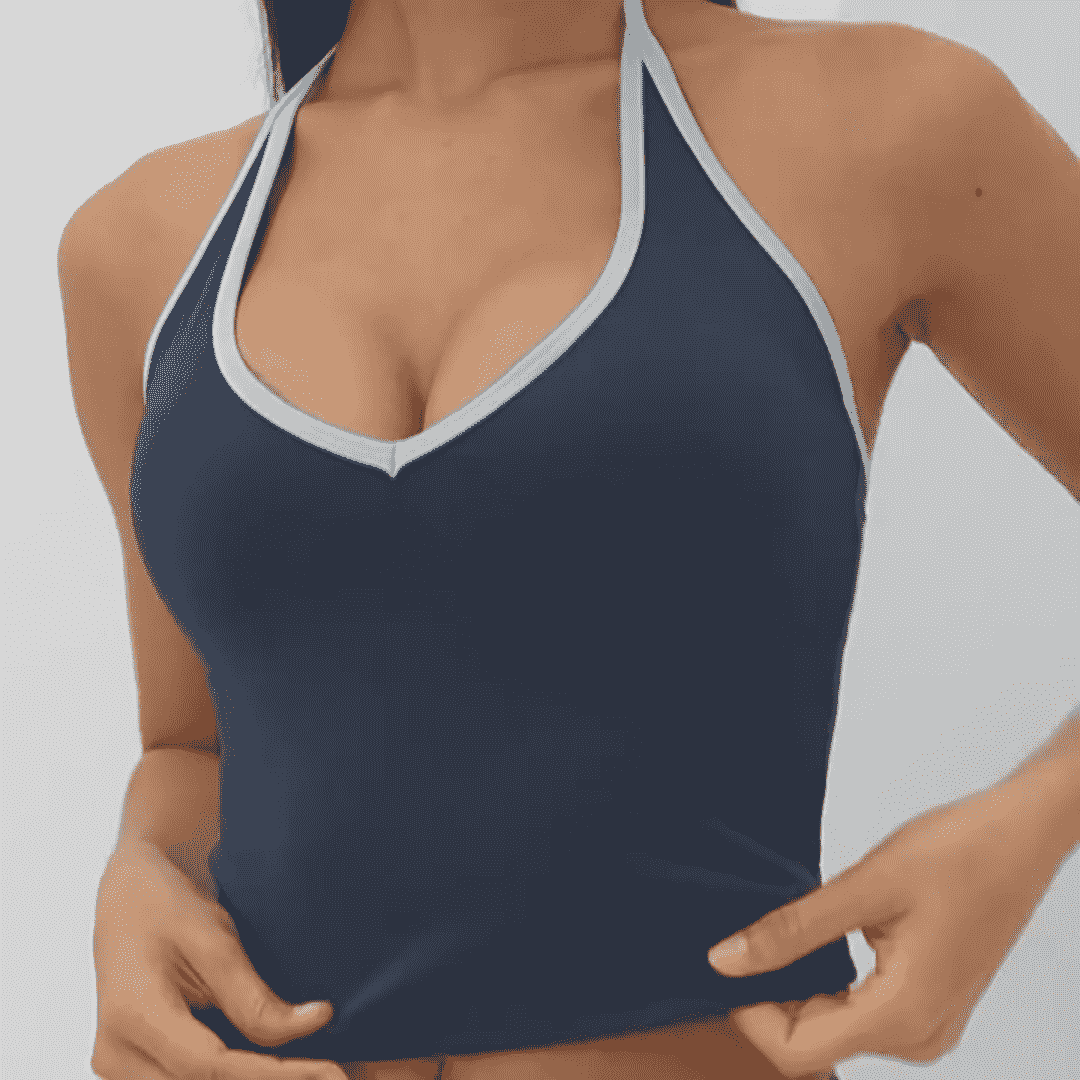
Tank Tops
Can form part of fitness, yoga and multi-product programs with product-specific fit, material and branding requirements.
View Tops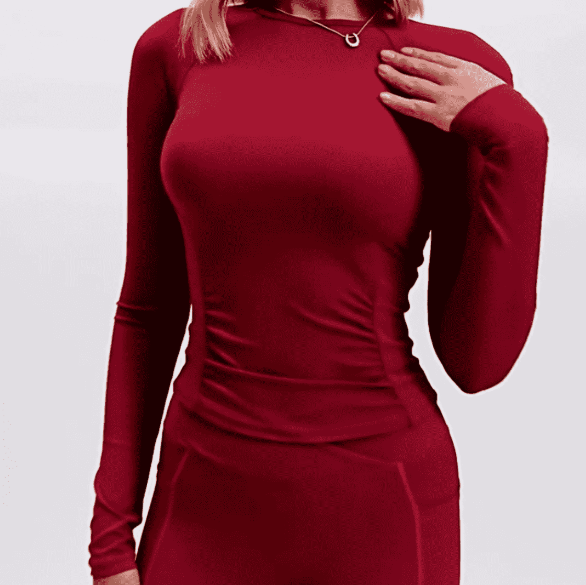
Long-Sleeve Tops
Adds layering and seasonal range while remaining separately developed and approved as its own SKU.
Review Program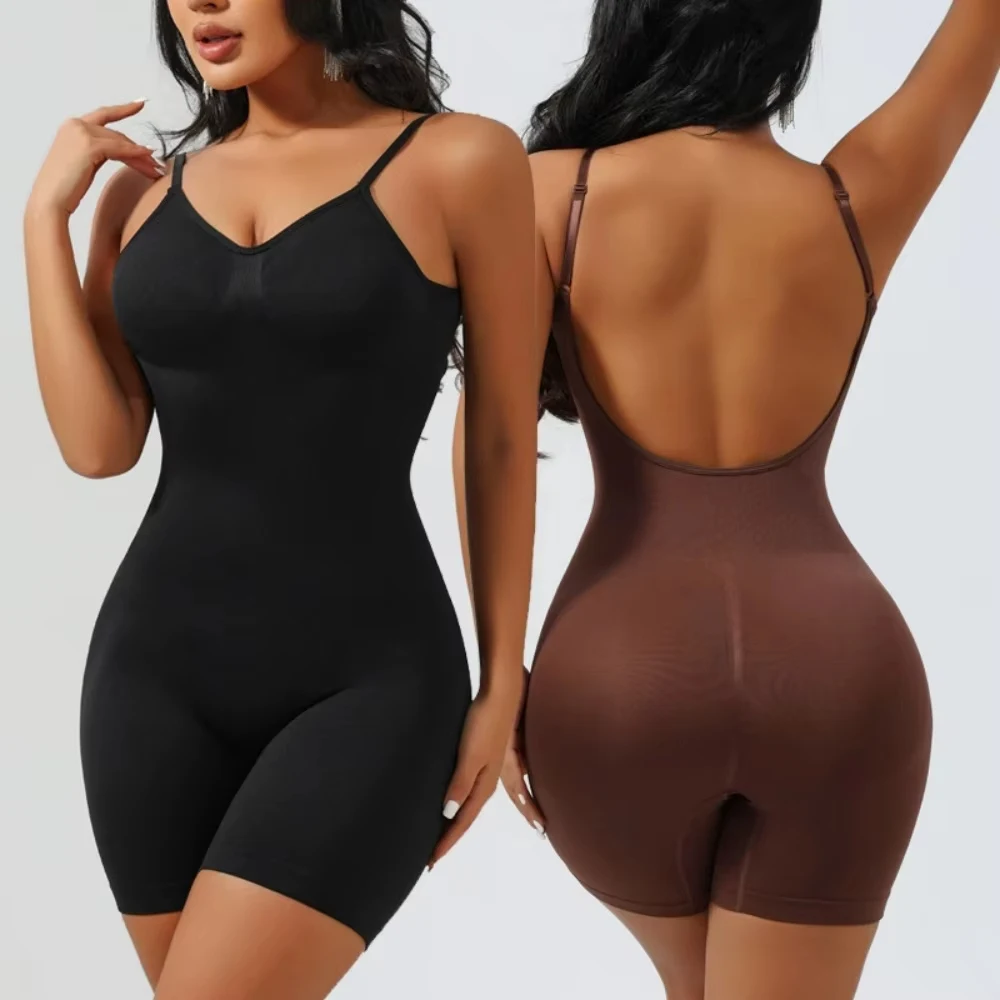
Bodysuits
Can be included where design, fit, material and size requirements are sufficiently defined for development.
Discuss Product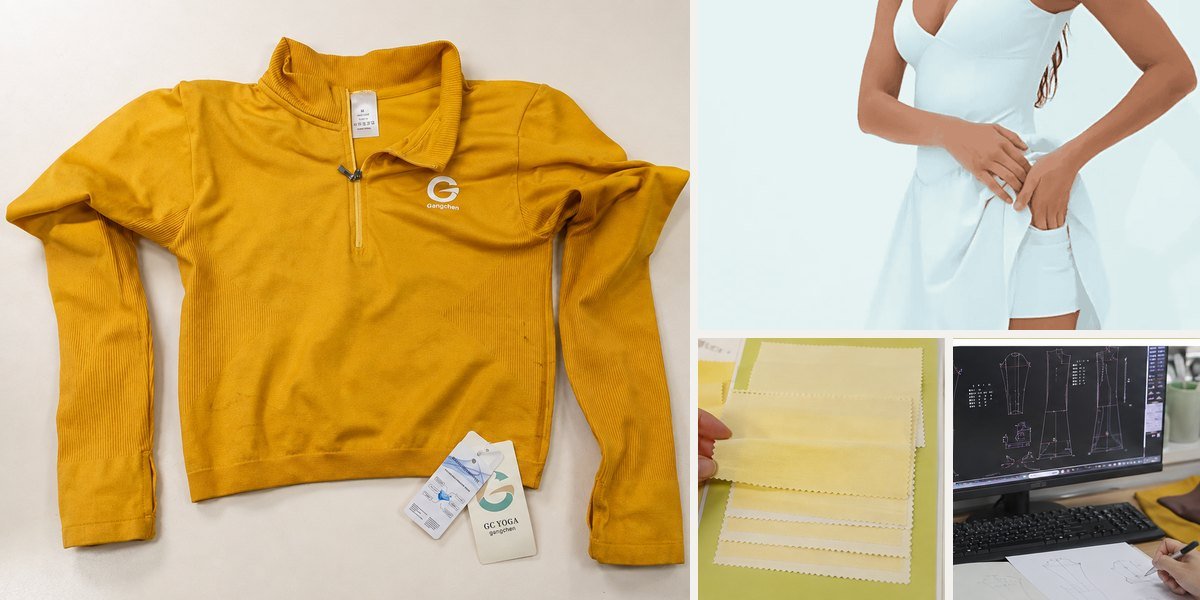
Activewear Layers
Selected layering products may be handled through the manufacturing route and controlled production resources appropriate to actual construction.
Review Construction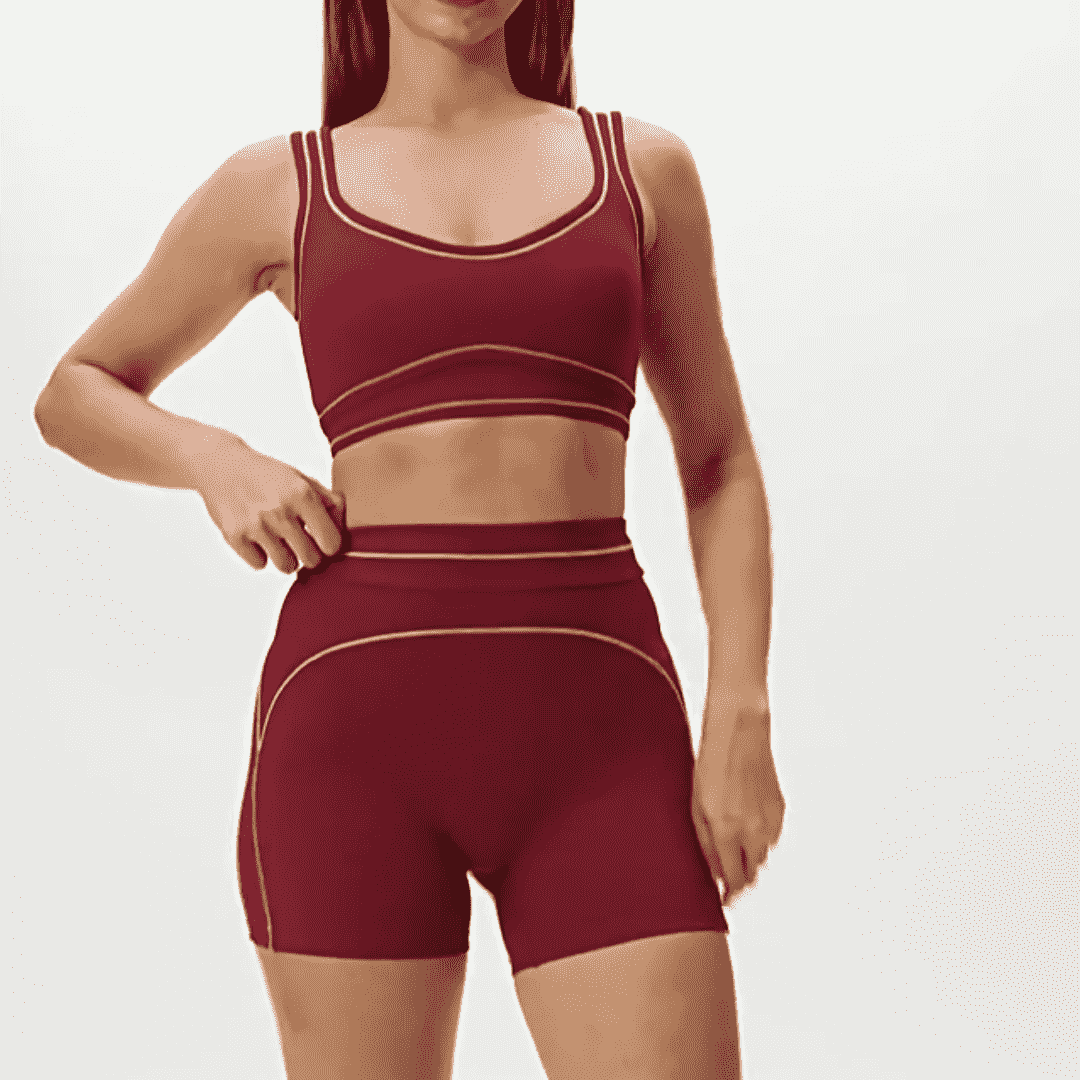
Coordinated Sets
Bras, leggings, shorts and tops can be organized as coordinated programs while each garment keeps its own sample, approval, SKU and quality requirements.
View SetsDevelop Multiple SKUs Without Losing Control
A multi-SKU activewear program becomes easier to manage when product development is divided into clear approval stages. Related garments can move within one collection while their specifications, revisions and approval status remain independently visible.
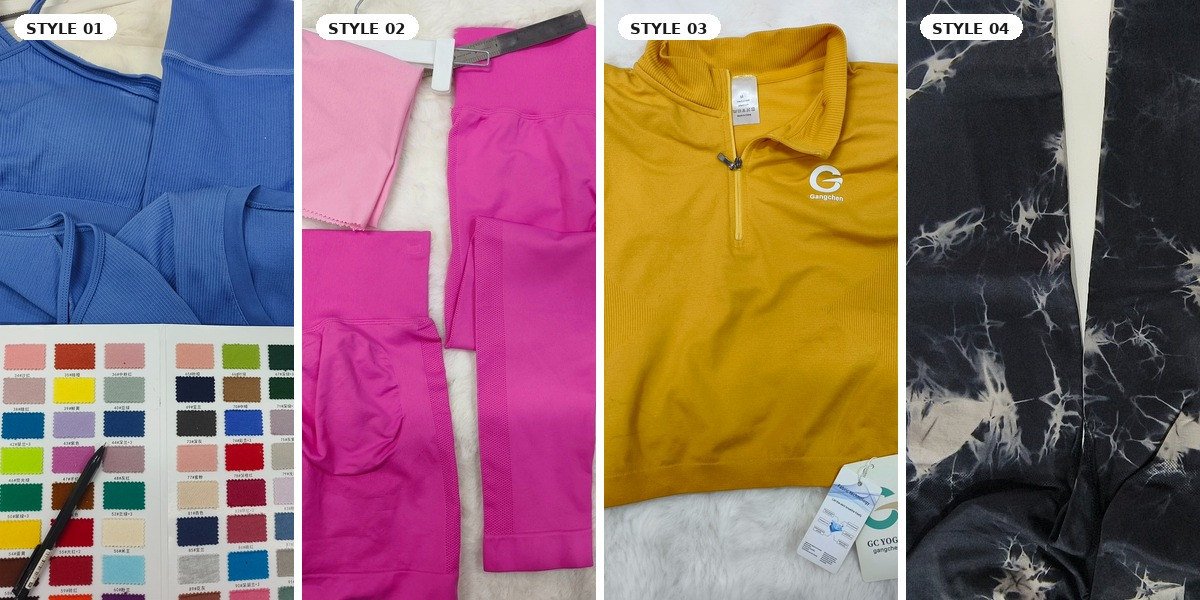
SKU Map
Identify styles, colors, sizes, manufacturing routes and customization requirements included in the planned collection.
Development Wave
Prioritize products according to buyer requirements, technical readiness and material availability.
Physical Approval
Each garment moves through physical sampling and buyer feedback based on its own fit, measurements, construction and material requirements.
Color Extension
Additional colors are reviewed against the applicable material and physical product rather than a digital reference alone.
Repeat Program
Approved styles can form the basis for repeat production after quantity, material, capacity and timing are reviewed for the new order.
The collection can share a commercial direction while individual products progress at different technical speeds. This separation helps buyers add or repeat SKUs without losing visibility over which product, sample, color or specification has actually been approved.
Manufacturing Facts Behind the Activewear Collection
MOVEVOX combines an owned manufacturing core in Yiwu with product development, quality control and managed external capacity. These figures describe the current operating structure rather than theoretical maximum production claims.
Approximate actual production space used by the MOVEVOX owned manufacturing base in Yiwu.
Italian Santoni Seamless knitting machines in the owned manufacturing system.
Principal sewing and garment-production machines in the owned system.
Across design, pattern and sample-development functions.
Supporting applicable production inspection, measurement and shipment-release activities.
Normal sample development after necessary development information is confirmed.
Figures describe the current MOVEVOX operating structure and should be reviewed against each project’s actual requirements.
Choose Manufacturing Routes by Individual SKU
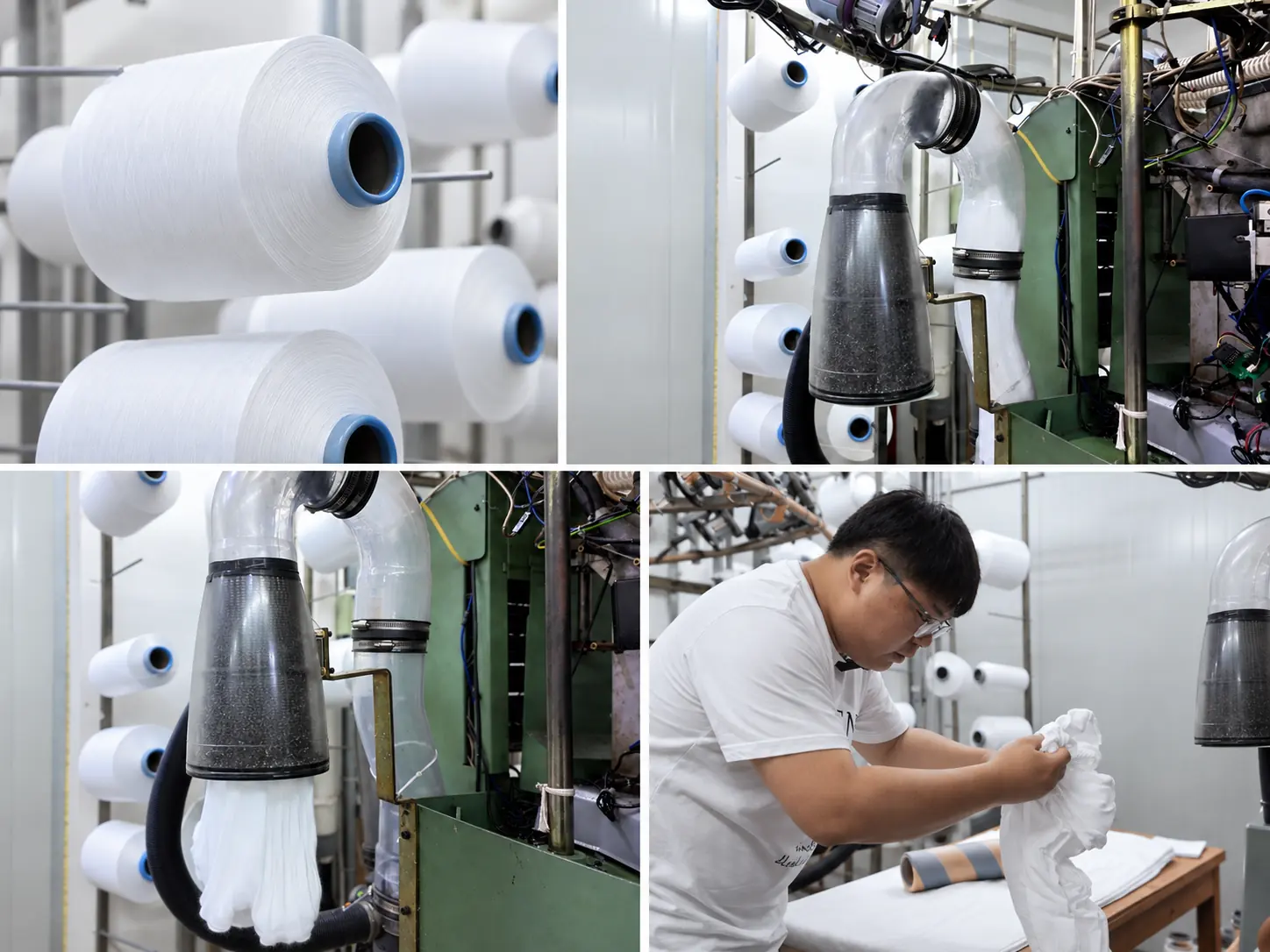
An activewear collection does not need one manufacturing route for every garment. MOVEVOX can support both Seamless and Cut & Sew production, allowing the route to follow the product rather than forcing the collection into one process.

| Parameter | Seamless | Cut & Sew |
|---|---|---|
| Core Method | Santoni knitted garment structures | Fabric panels cut and sewn |
| MOVEVOX Core Equipment | 28 Italian Santoni machines | Approximately 24 principal garment machines |
| Product Development | Structure developed around knitted construction | Pattern and garment construction driven |
| Design Direction | Suitable where seamless structures are required | Suitable for conventional panel construction |
| Material Route | Yarn and knitted structure dependent | Fabric sourcing and cutting dependent |
| Customization | Product-specific knitted structures and branding | Product-specific fabric, cut, details and branding |
| MOQ Reference | Approximately 100 pieces per style | Approximately 150 pieces per style |
| Final Choice | Based on actual product requirement | Based on actual product requirement |
The correct route should be chosen garment by garment. A coordinated collection may include a Seamless legging or sports bra alongside a Cut & Sew top, short or layer while the commercial collection remains unified.
Choose the Right Cooperation Model
MOVEVOX supports OEM, ODM and Private Label activewear projects. The practical difference depends on how much product information the buyer already controls and how much development support is required before physical approval and bulk production.
| Dimension | OEM | ODM | Private Label |
|---|---|---|---|
| Starting Point | Defined buyer design or technical requirements | Buyer direction requiring further development | Branded products under an agreed product platform |
| Buyer Input | Tech Pack, sample, measurements or specifications | Images, sketches, references or product concept | Brand assets, product requirements and customization direction |
| MOVEVOX Role | Execute against defined buyer requirements | Support development before buyer approval | Coordinate product, branding, labels and packaging |
| Physical Sampling | Against supplied technical direction | Convert concept into reviewable physical product | Confirm product and brand execution |
| Buyer Approval | Required before applicable bulk production | Required after development and revisions | Required for product and customized brand elements |
| MOQ Effect | Depends on product, material and customization | Depends on development and material requirements | Can increase with logo, labels, color or packaging |
| Best Fit | Buyers with controlled technical specifications | Buyers needing more development support | Brands building customized branded programs |
The cooperation label should follow the actual project rather than become a marketing claim. In every model, the final product standard should be established through clear specifications, physical samples and buyer approvals before bulk execution.
What MOVEVOX Needs Before Development Starts
MOVEVOX can begin from different levels of buyer information, but clearer inputs reduce avoidable sample revisions. Requirements become more detailed as the project moves toward physical approval and bulk production.
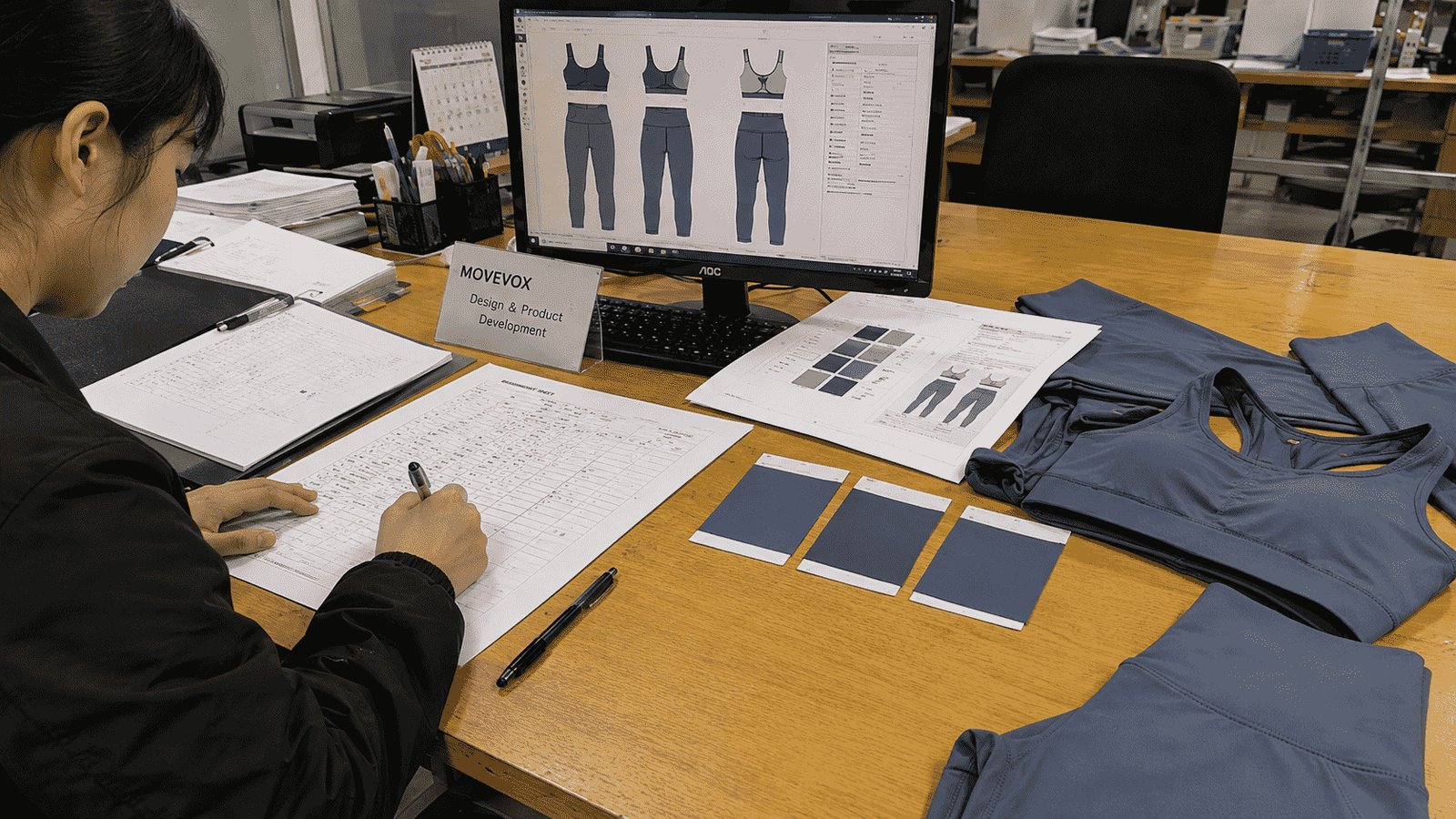
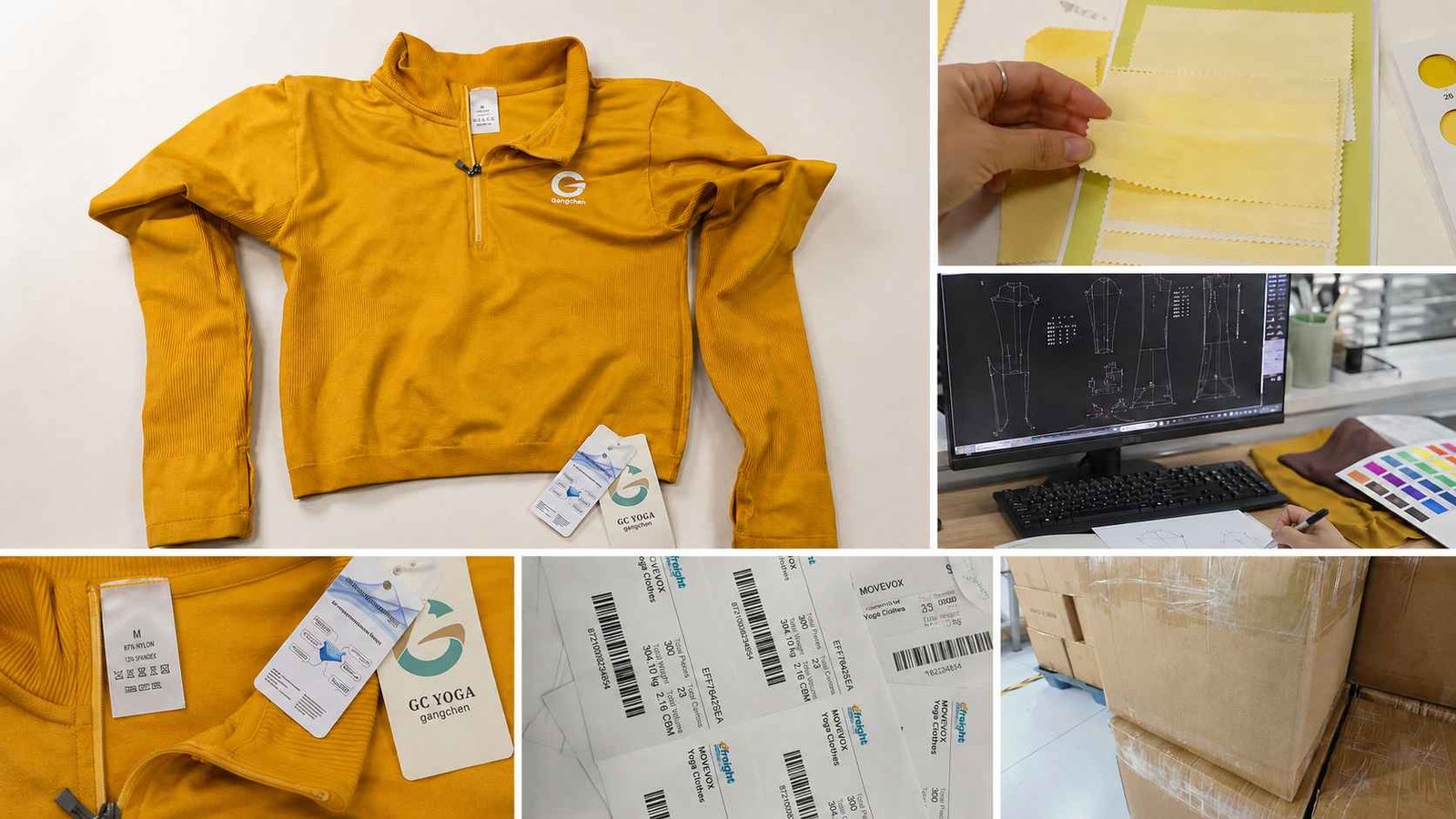
Product Direction
A Tech Pack is the clearest starting point, but MOVEVOX can also review authorized physical samples, product images, sketches or sufficiently clear concepts.
- Tech Pack with construction and design details
- Authorized reference sample with identified changes
- Product images or sketches with written requirements
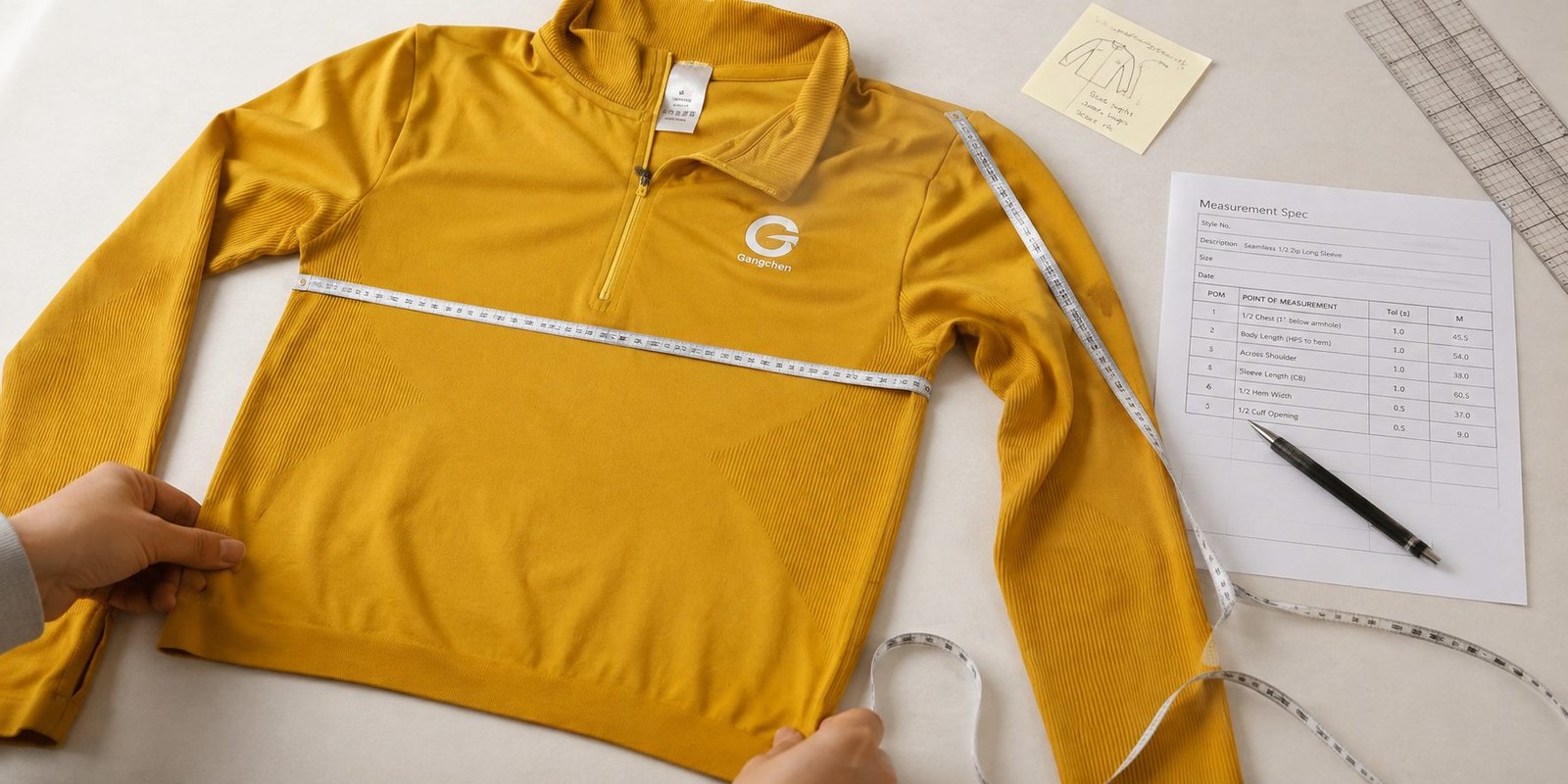
Fit and Measurements
Where measurements are controlled by the buyer, provide the applicable size chart, POM definitions and tolerances. Where the project begins from a reference product, physical sampling becomes especially important.
- Buyer size chart and measurement definitions
- Reference garment for development comparison
- Target customer and intended fit direction
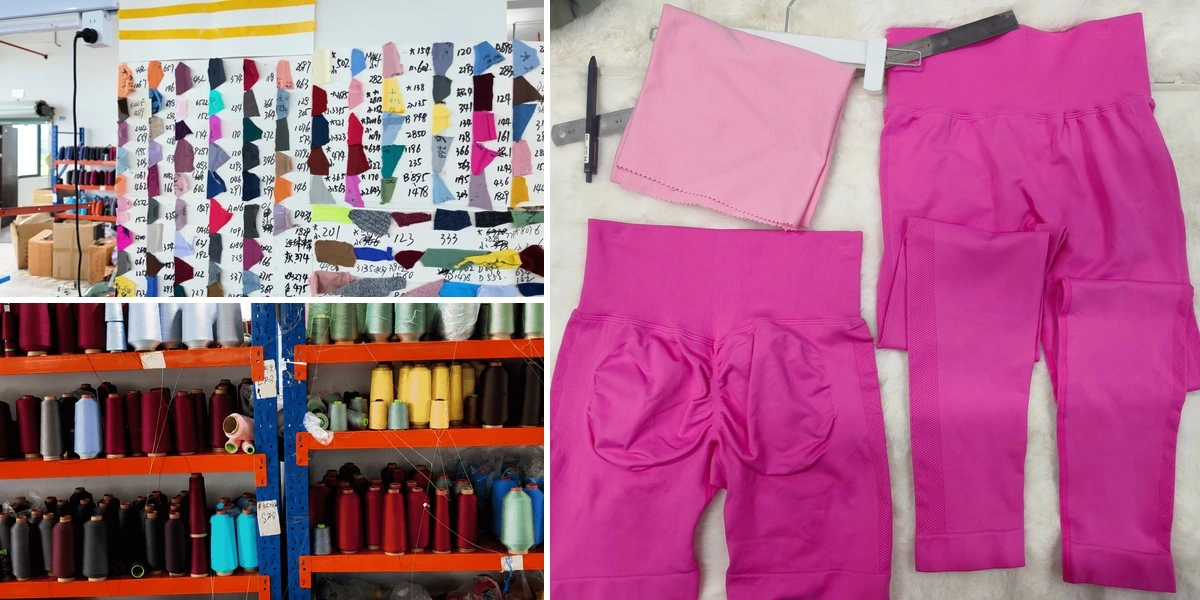
Material and Color
Provide known composition, hand-feel, performance or physical material references where available. Color references may begin digitally, but actual material and finished-product results should be physically reviewed.
- Material composition or physical reference
- Pantone or other agreed color reference
- Required hand feel or performance direction
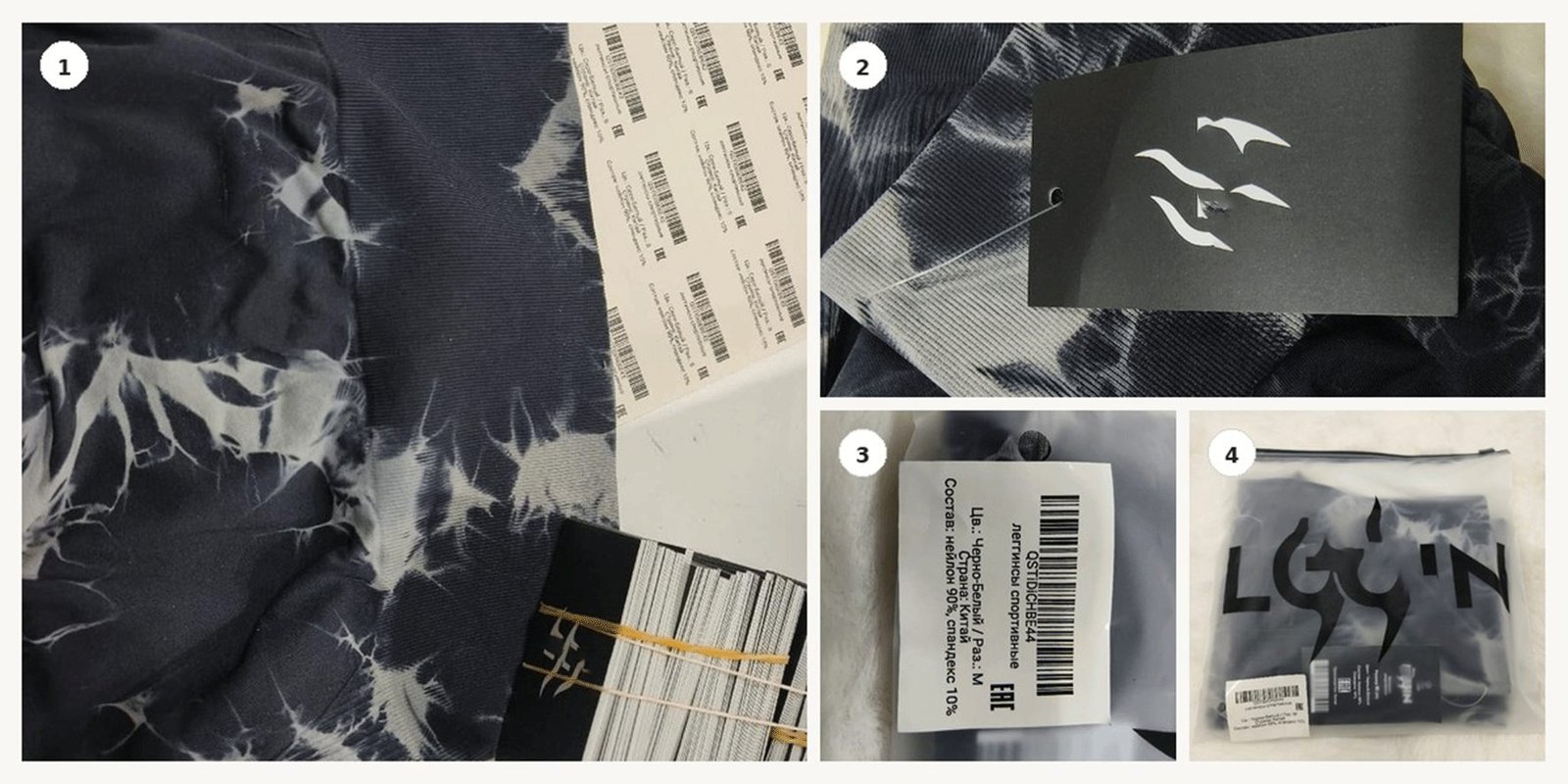
Branding and Packing
Logo, care label, size label, hangtag, barcode, QR and packaging requirements should be supplied before the relevant production stage.
- Approved logo files and intended position
- Label, hangtag or barcode information
- Packaging artwork and packing instructions
Commercial Requirements
Expected quantity, color and size structure, target launch timing and intended order scale affect material preparation, MOQ and production planning.
- Estimated quantity by style or collection
- Intended colors and size breakdown
- Target launch or shipment timing
Select Materials by Product Performance Goals
Material selection should begin from the intended garment and use requirement rather than one universal “best activewear fabric.” MOVEVOX reviews material direction against construction, feel, support, opacity, season and buyer-defined requirements.
What activity is intended?
What hand feel is required?
How much support is needed?
Is opacity critical?
Is cold-weather use planned?
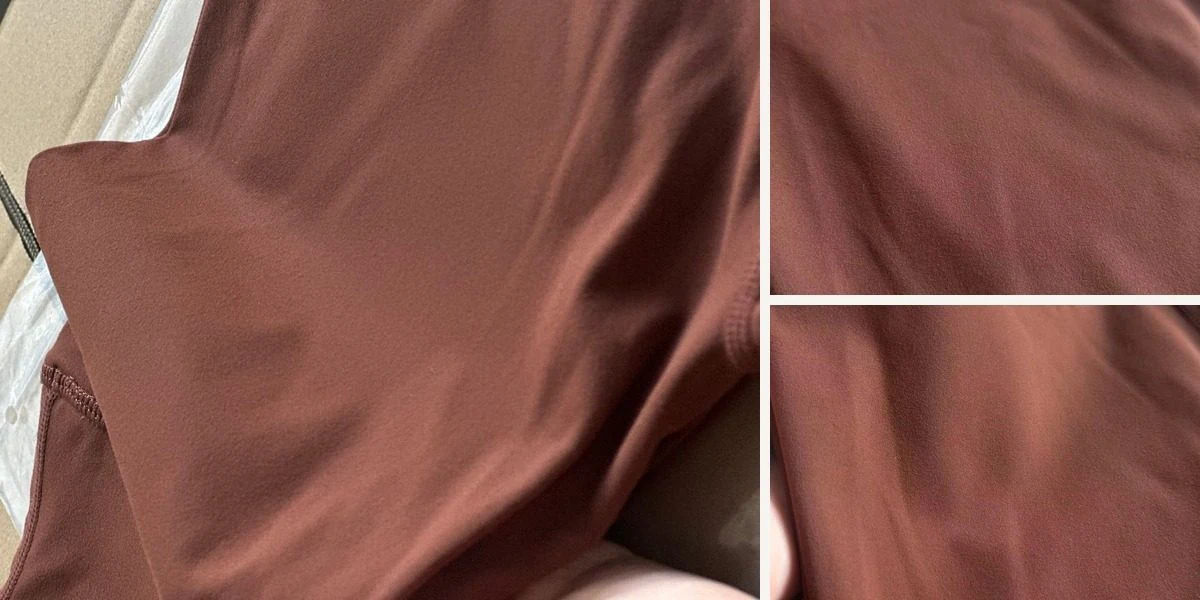
Soft Stretch Direction
Suitable when the buyer prioritizes soft hand feel and comfortable stretch for close-to-body activewear. Final composition, weight and recovery should be confirmed against the actual garment.
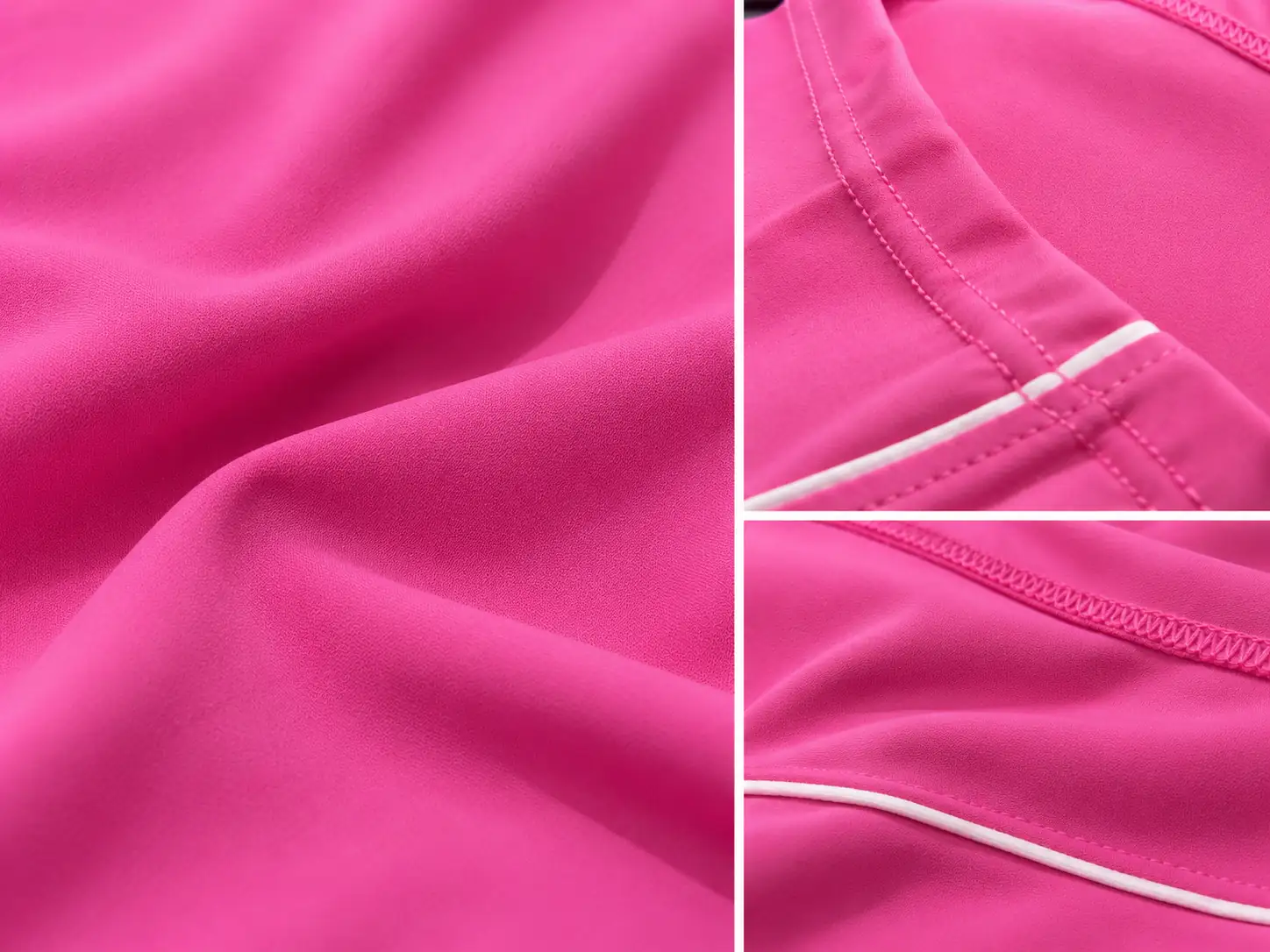
Supportive Knit Direction
For products requiring greater support or a more structured feel, material selection should be reviewed together with garment construction and fit. Support should be confirmed through physical sampling.
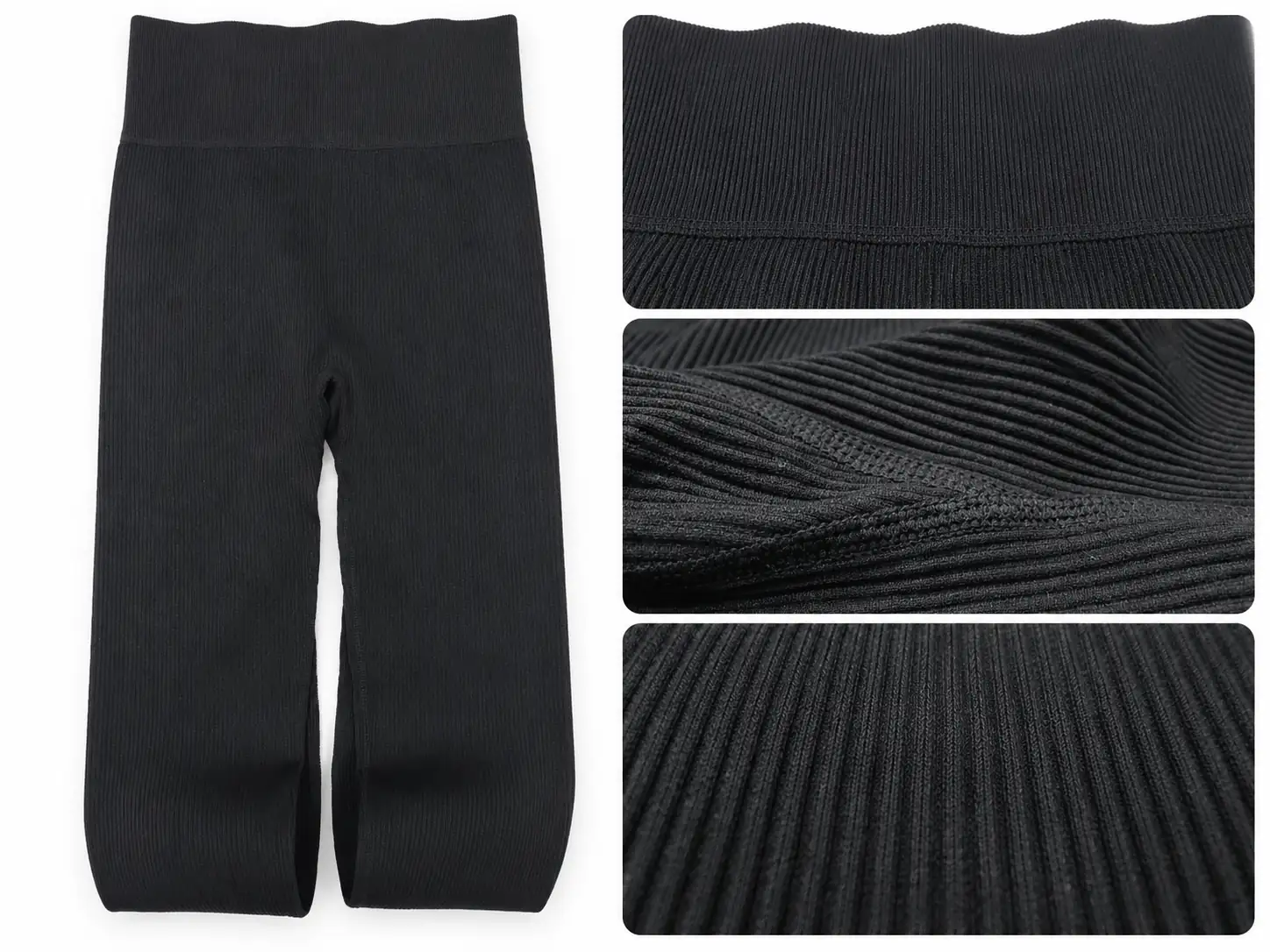
Seamless Yarn Direction
Seamless products depend on yarn and knitted structure developed on the applicable Santoni route. Structure should reflect the garment’s fit, stretch and design requirements.
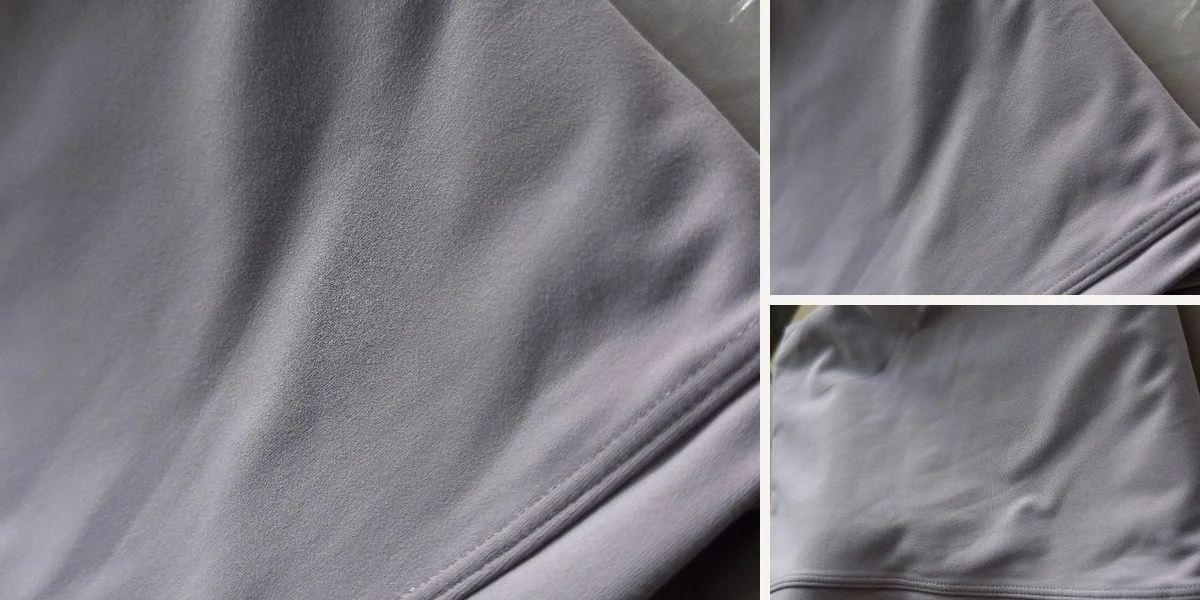
Cold-Weather Direction
The documented U.S. customer case included softer materials and winter fleece-lined options. Comparable requirements should be reviewed project by project.
Keep Material Consistency Across the Collection
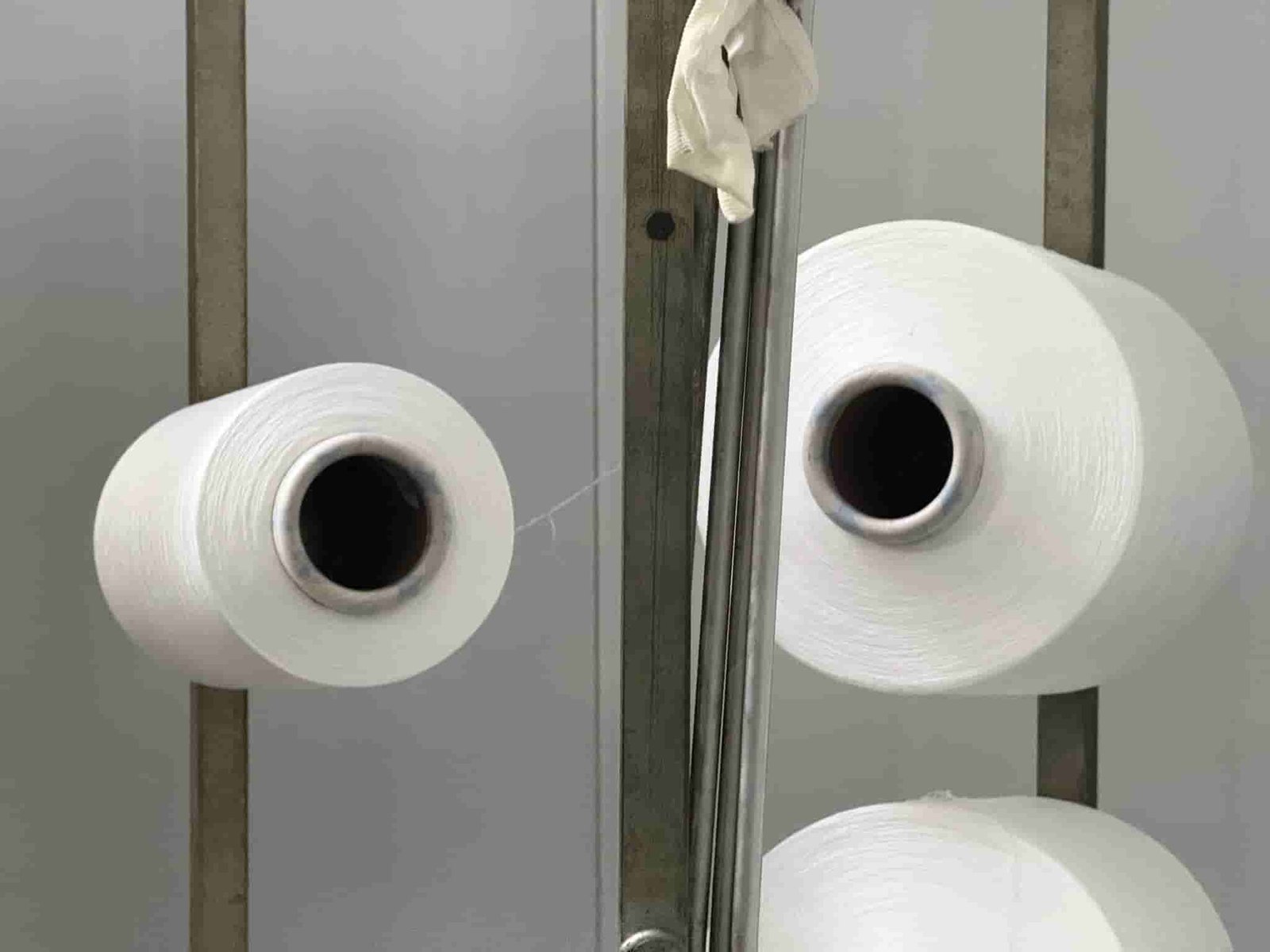
Material consistency affects more than appearance. Changes in fabric or yarn can affect hand feel, stretch, fit and color perception, making material control especially important when several garments are sold as one coordinated collection.
Uncontrolled Material Change
A replacement material may appear similar but create a different physical result.
Product feel or fit may move away from the product the buyer physically approved.
Keep material requirements connected to the approved product and review substitutions before production.
Different SKU Materials
Related garments may legitimately require different fabrics, yarns or constructions.
Buyers may expect identical feel even when technical requirements differ.
Define which properties are shared across the collection and which stay SKU-specific.
Repeat Lot Variation
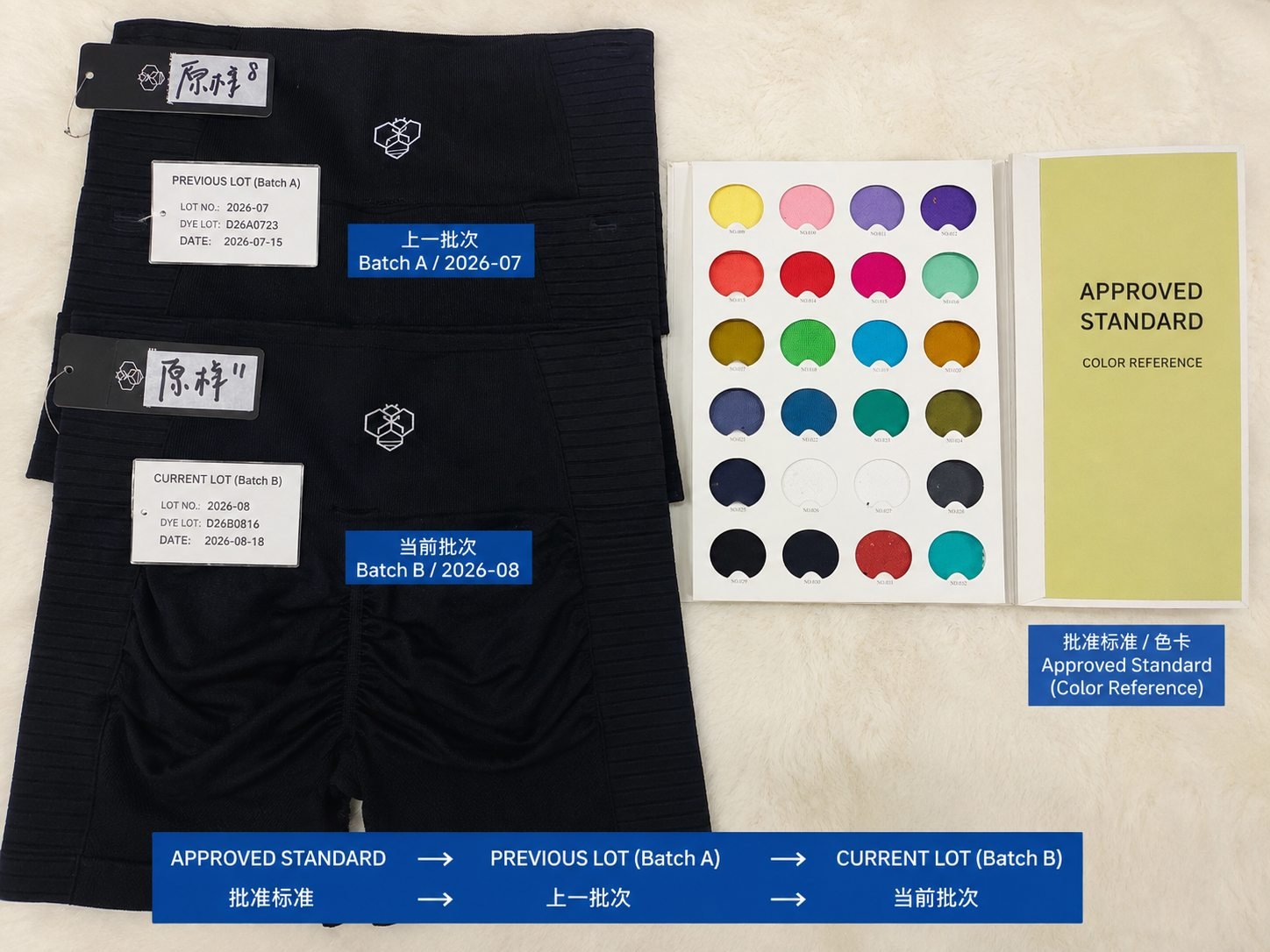
New orders may require new material lots or preparation.
Repeat products can drift if new material is not compared with the established standard.
Review the material and physical product standard again when repeat conditions change.
Color Material Interaction
The same color reference can appear different on different surfaces or structures.
Tops and bottoms may look mismatched despite the same nominal reference.
Review color on the actual material and product rather than digital reference alone.
Coordinate Color Across Garments and Materials
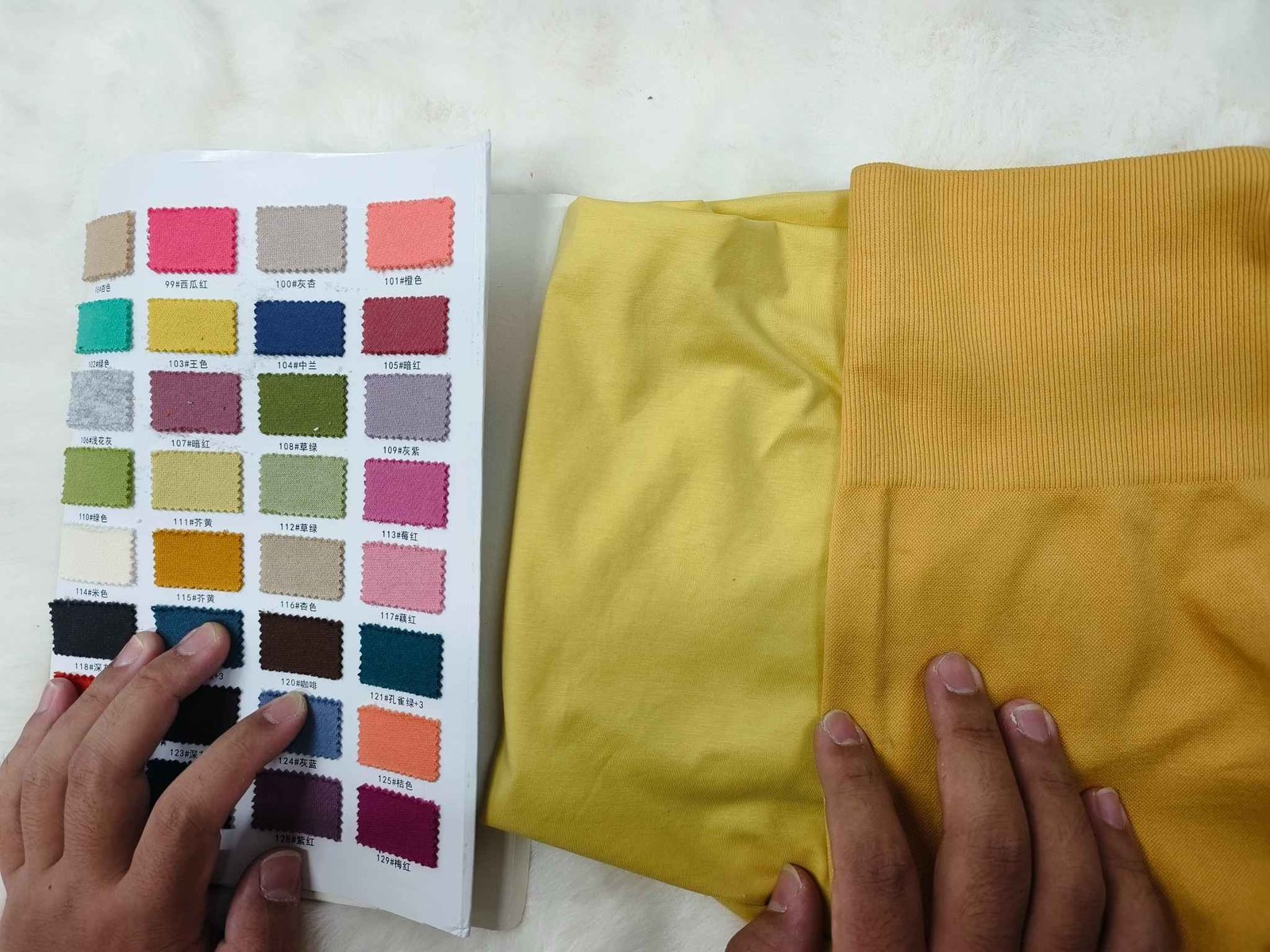
A shared Pantone or digital reference does not guarantee an identical finished result across different yarns, fabrics and garment constructions. Collection color should therefore be managed through physical review at relevant development stages.
Color Reference
The buyer establishes the intended color direction using an agreed reference such as Pantone or an approved physical material.
Material Review
The color direction is considered on the yarn or material actually intended for the product because different surfaces can change appearance.
Lab Dip
Where the material process requires a lab dip or comparable development step, the physical result should be reviewed before moving forward.
Physical Review
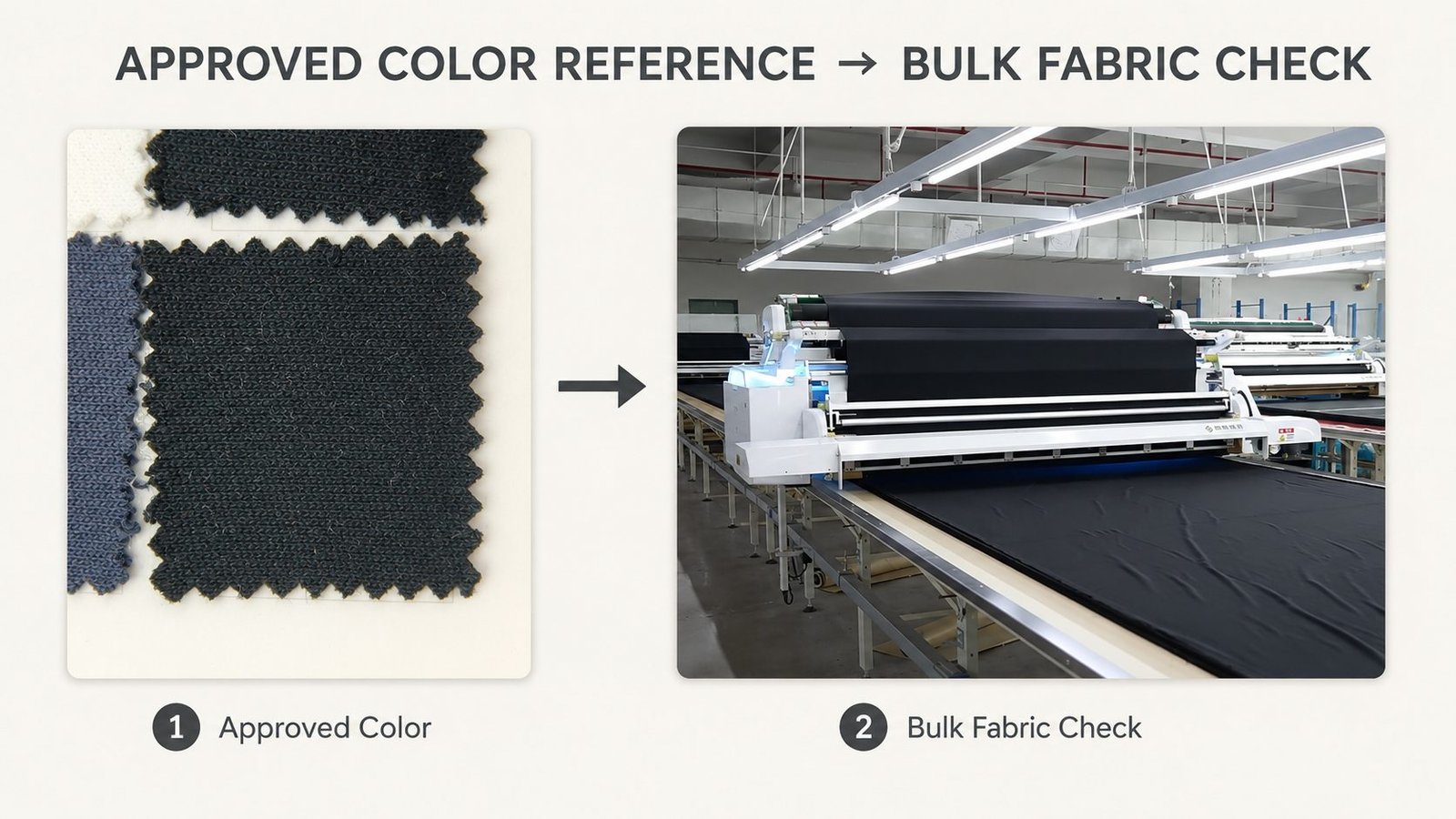
Color is evaluated against the actual material and applicable approved physical reference rather than confirmed only from a screen.
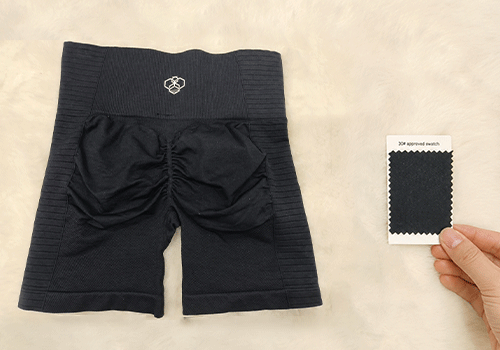
Buyer Approval
The relevant physical color direction is confirmed before the agreed product moves into applicable bulk preparation.
Bulk Comparison
Bulk color is reviewed against the applicable approved reference and production lot information, with records retained where applicable.
Lighting, material structure and production batch can influence perceived color. Collection-level color control should therefore use agreed physical references and clearly identified product standards rather than assuming absolute visual identity across different materials.
Fit Each Garment to Its Activity
A coordinated collection can share a brand and sizing direction without forcing every product into the same fit logic. Intended activity, body area, garment construction and material should guide each product’s development and approval.
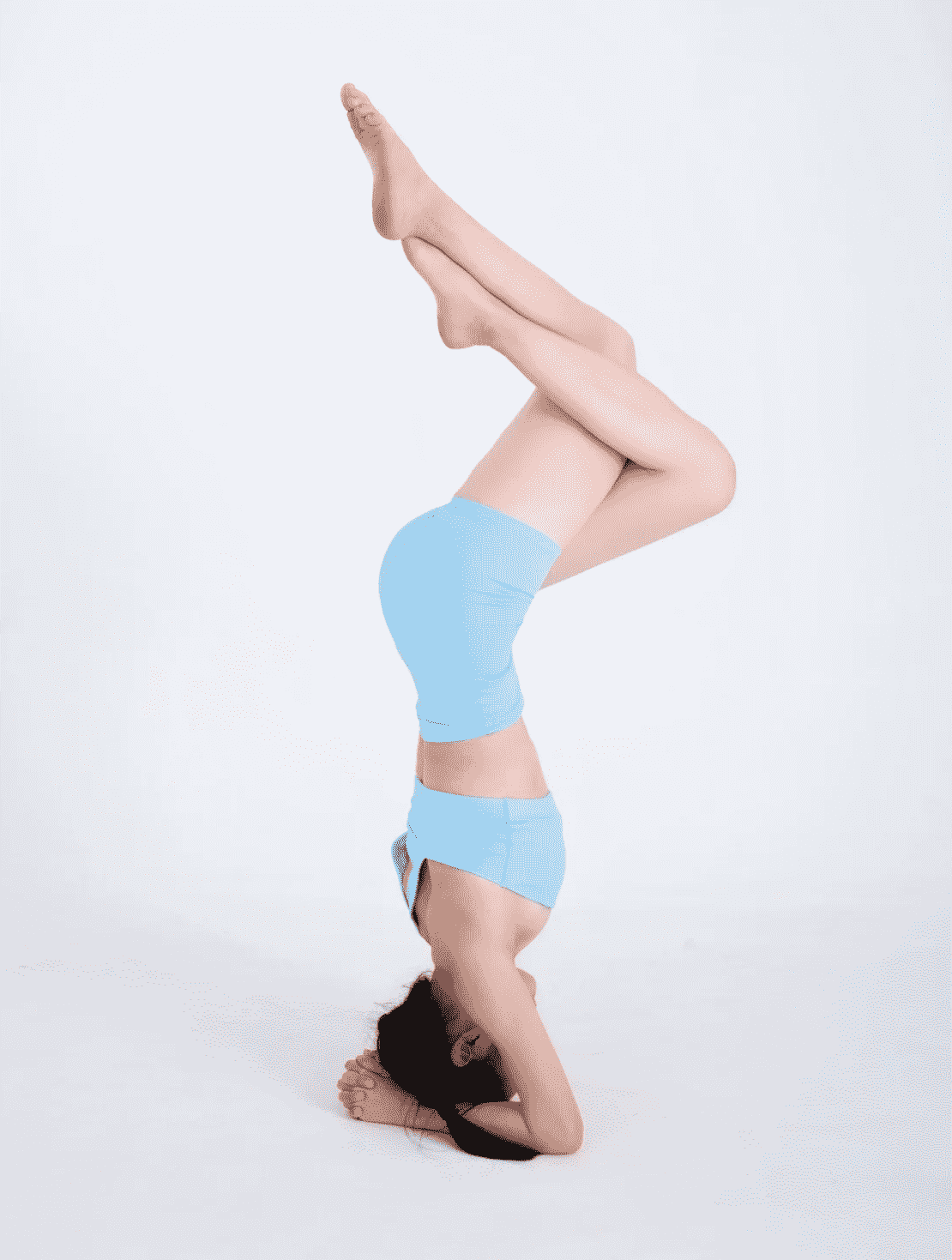
Yoga and Pilates
Yoga-oriented products typically require the buyer to consider comfort, stretch, coverage and movement through close-to-body positions. Leggings, bras and tops should still be developed independently because waistband behavior, upper-body support and torso fit involve different measurement and construction requirements.
- Comfortable stretch through the intended range of movement
- Coverage and opacity reviewed on the physical garment
- Product-specific measurements rather than one shared fit assumption

Fitness Training
Training programs may combine sports bras, leggings, shorts and tops with different support and fit expectations. The buyer defines intended use while MOVEVOX controls the applicable sample, measurement, material and construction requirements for each SKU.
- Support direction appropriate to the individual garment
- Stable fit reviewed through physical sample development
- Correct size and product identification through production
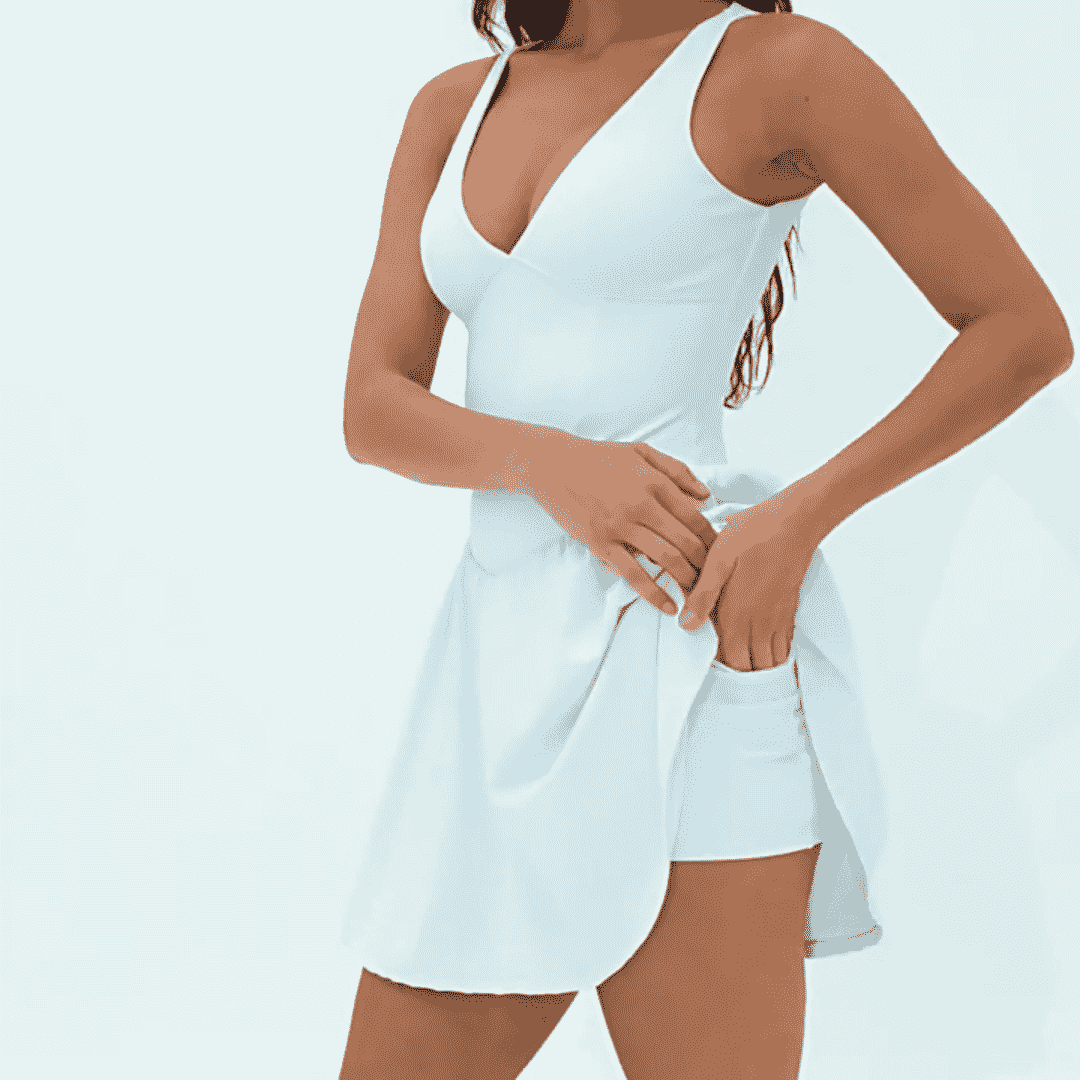
Athleisure Collections
Athleisure may place more emphasis on hand feel, styling and everyday wearability while still using activewear materials and construction. A collection can share a common aesthetic while individual tops, bottoms and layers follow their own technical and fitting requirements.
- Coordinated color and brand direction across garments
- Material choice aligned with intended wearing experience
- Individual garment specifications maintained through approval
Seasonal Activewear
Seasonal programs can introduce warmer materials, layers or new product combinations. In the documented U.S. customer case, winter requirements included fleece-lined options, showing why material and construction should be reviewed against intended season rather than assumed from prior styles.
- Seasonal material direction confirmed before production
- New product constructions physically sampled and reviewed
- Existing collection standards reused only where technically applicable
Maintain Size Consistency Through Repeat Production
Size consistency depends on controlled measurement standards, physical approvals and inspection—not simply using the same size name. Relevant measurement requirements must stay connected to the correct SKU from development through repeat production.
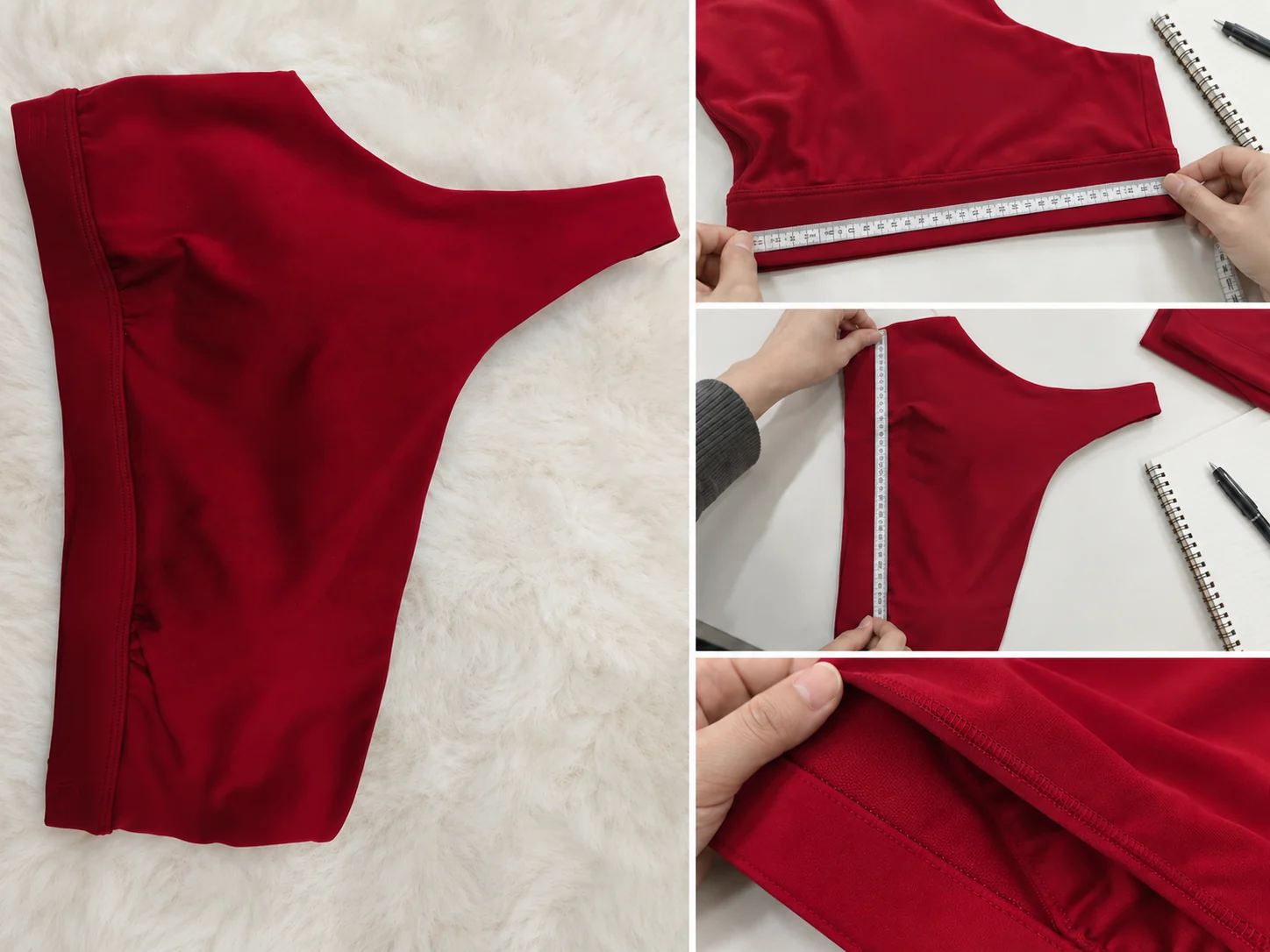
| Defect | Likely Cause | Prevention | Inspection Point | Corrective Action |
|---|---|---|---|---|
| Overall Size Drift | Production measurement moves away from approved specification. | Keep measurement requirements and approved product available to production and QC. | Compare measurements during first-article, inline and finished-product inspection. | Isolate affected output and confirm correction before release. |
| Waist Variation | Waist measurement or construction differs from approved product. | Confirm waistband construction and applicable measurements before production. | Measure defined waist points against approved requirement. | Review affected units and correct production before continuation. |
| Length Variation | Garment length or inseam moves outside agreed requirement. | Keep the correct POM definition connected to style and size. | Measure applicable lengths during production and finished-garment review. | Separate nonconforming output and reconfirm the specification. |
| SKU Size Mismatch | Product, size label or packing identification is connected to wrong garment. | Maintain style, size, label and packaging information under the correct SKU. | Check product identity with size labels and packing requirements. | Correct identification or packing error before shipment release. |
| Measurement Point Error | Teams interpret a measurement differently because POM is unclear. | Use defined measurement locations and buyer-controlled specifications where supplied. | Confirm measurement method before judging physical result. | Clarify the standard and reinspect affected products. |
| Repeat Order Drift | Repeat program begins without checking current standard. | Connect repeat production to prior approval and current order information. | Compare repeat output with relevant approved reference. | Hold affected production until repeat standard is reconfirmed. |
Connect Product Branding SKU and Packaging
Private Label execution becomes more complex as product count grows. The garment, logo, labels, barcode or QR information and packaging must remain connected to the correct style, color and size through production and final packing.
Product Identity
Define the correct style, color and size combination before brand and packing information is assigned.
SKU RecordApproved Sample
Maintain the relevant approved physical product or sample status as the production reference.
Sample ApprovalLogo Application
Connect approved logo type, position and execution requirement to the correct style.
Logo FileLabels
Care labels, size labels and brand labels remain associated with the correct garment information.
Label ApprovalSKU and Code
Barcode, QR or other identification information is checked against the correct style, color and size.
SKU MatrixPacking Instruction
Individual packing requirements and applicable label information must match the product being packed.
Packing GuideShipment Release
Finished product and packing requirements are checked before the applicable order is released.
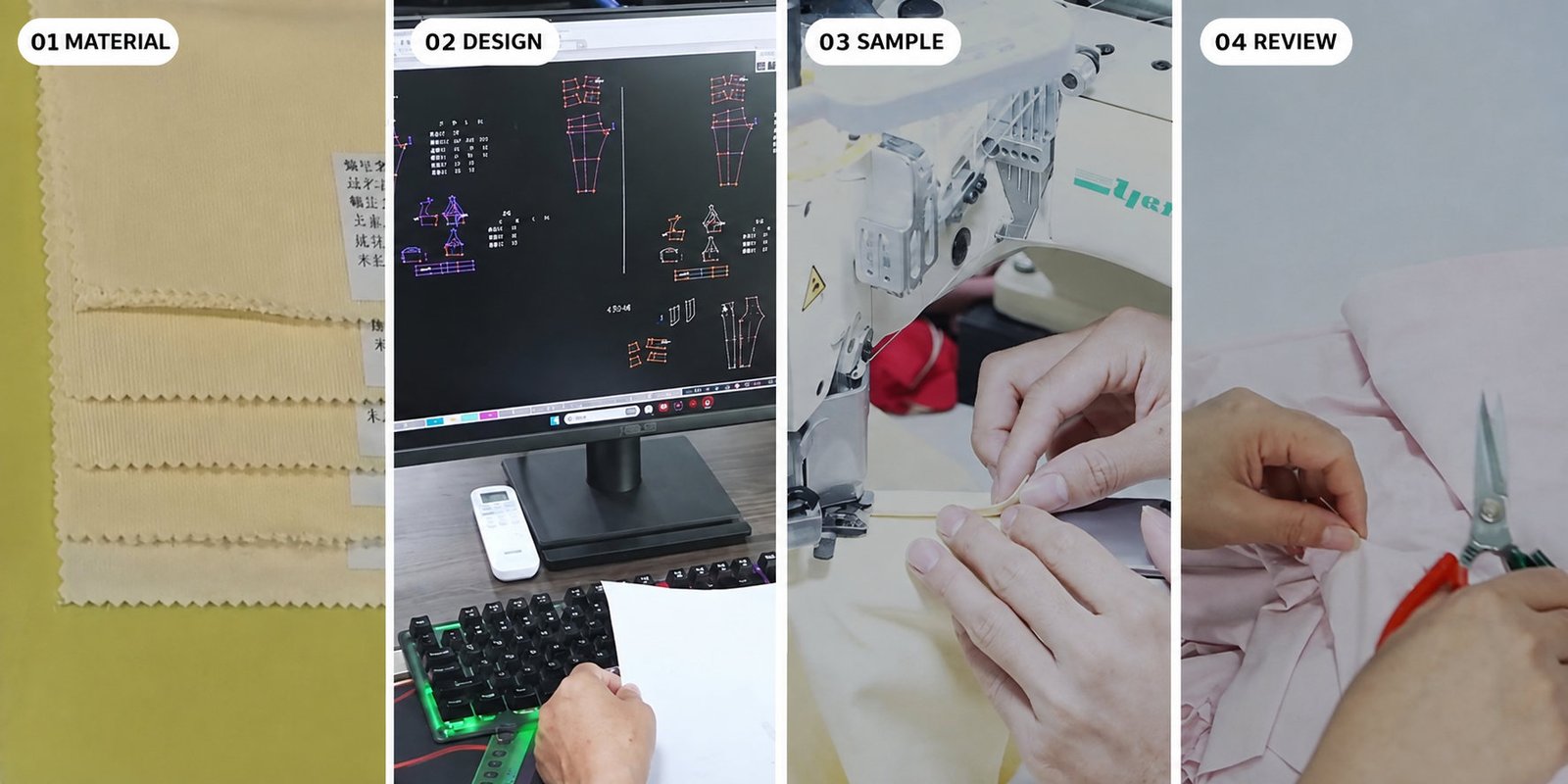
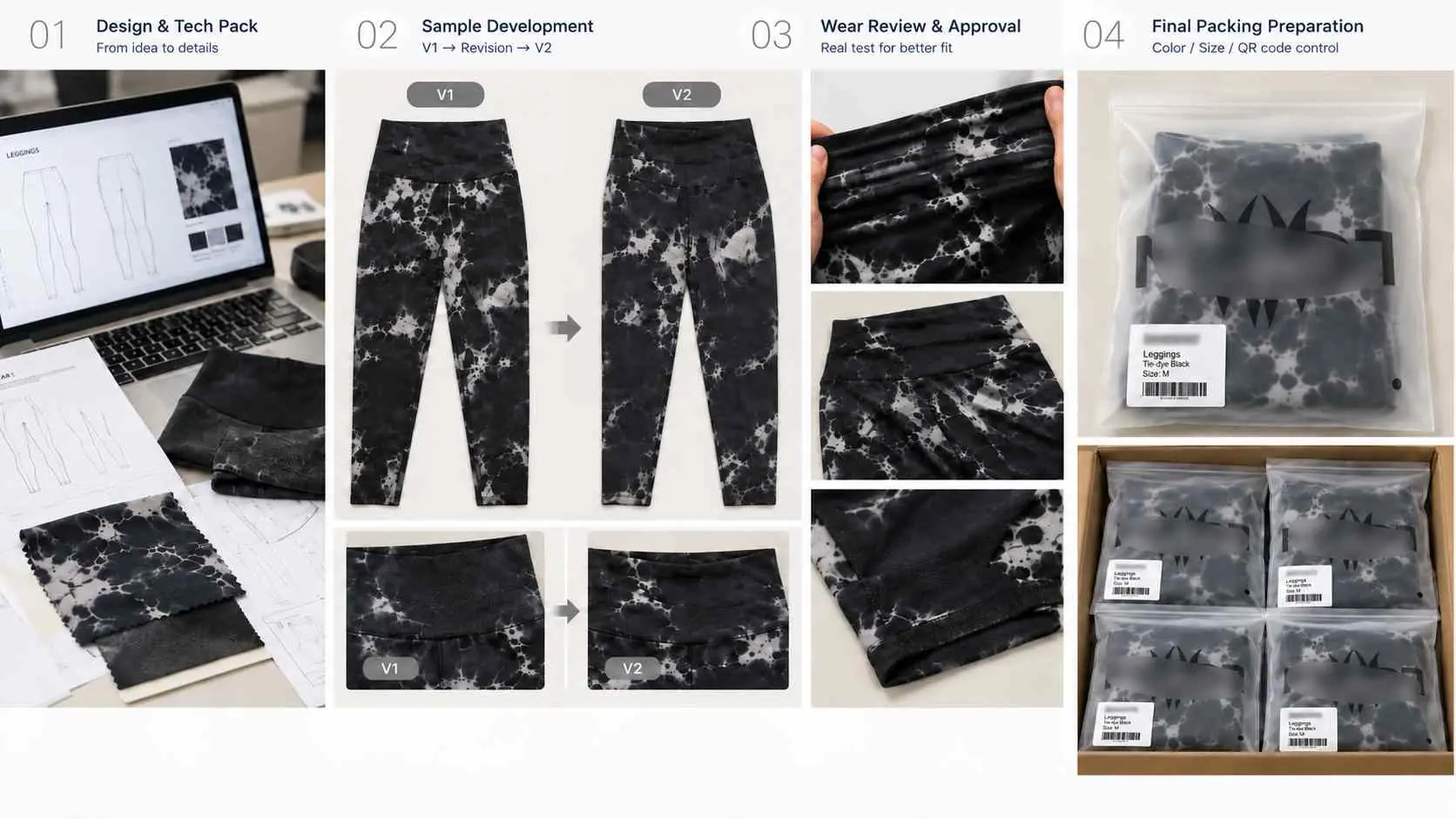
Inspection RecordControl Every Activewear Sample Version Carefully
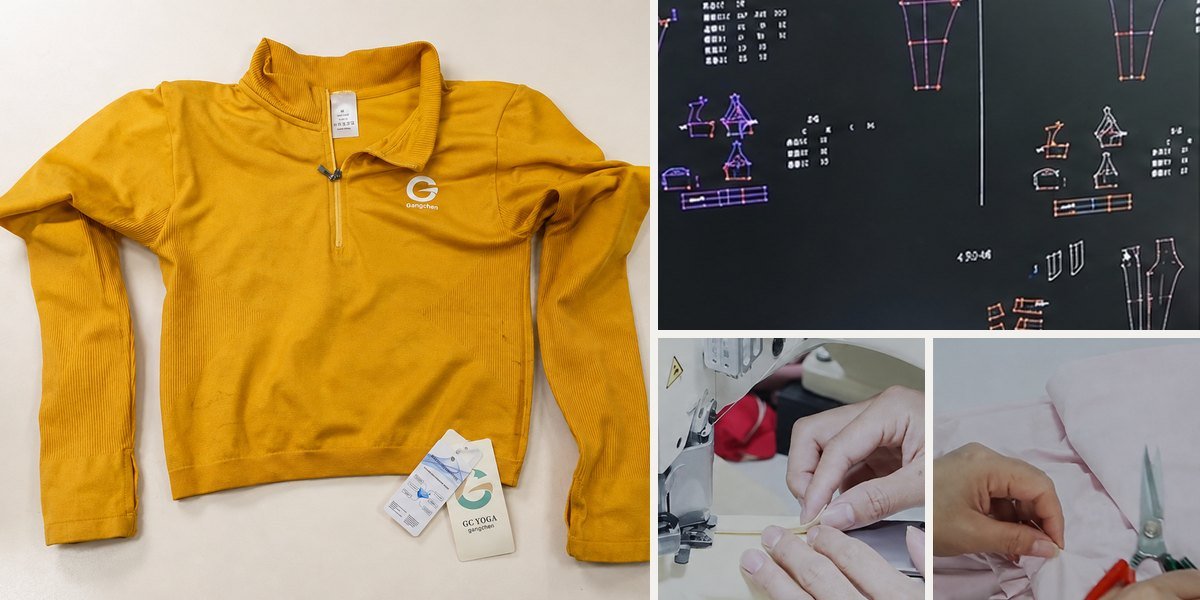
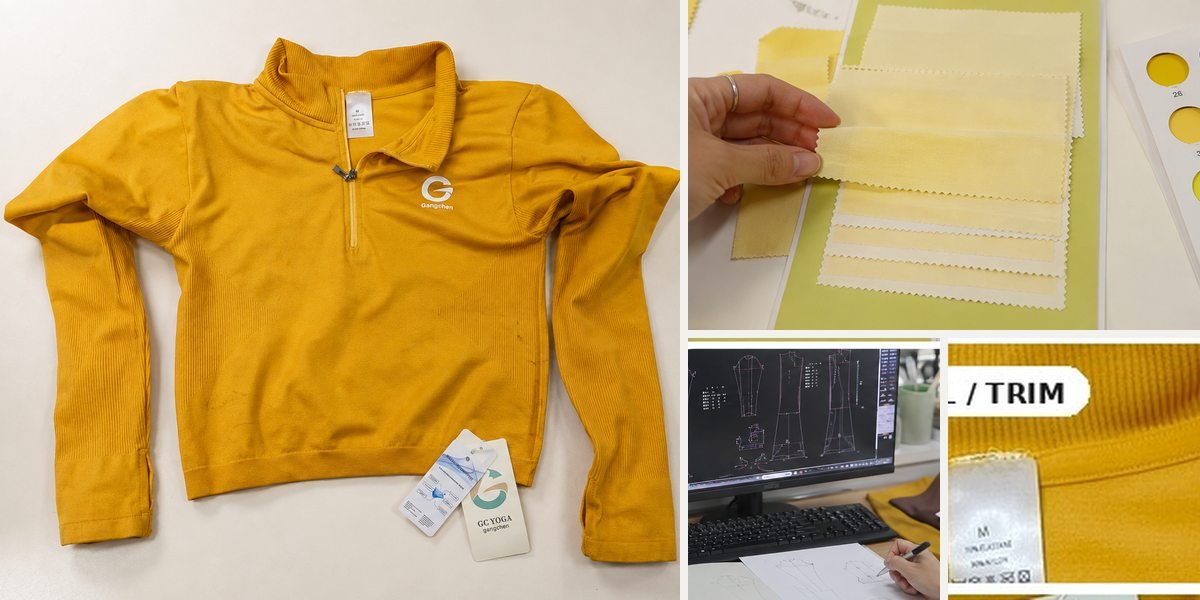
A sample is useful only when the buyer and factory know exactly which version it represents. MOVEVOX uses physical development and buyer feedback to move products toward an agreed standard before applicable bulk production.
Input Review
Confirm available Tech Pack, reference product, images, measurements, material direction and customization requirements. Missing information is identified before unnecessary development work begins.
Buyer Inputs: Tech Pack or authorized reference; known measurements and customization requirements.
MOVEVOX Outputs: Development feasibility review; initial sample requirements.
Pass Standard: Enough confirmed information exists to begin the intended physical sample.
First Sample
The first physical sample turns buyer information into a garment that can be reviewed for fit, construction, material, color and branding direction.
Buyer Inputs: Confirmed starting requirements and agreed development direction.
MOVEVOX Outputs: Physical first sample and identified development questions.
Pass Standard: The buyer can physically assess the product and provide actionable comments.
Buyer Comments
Buyer feedback should identify the specific sample version and required changes involving fit, measurements, material, color, construction, logo or other details.
Buyer Inputs: Consolidated revision comments and updated technical information.
MOVEVOX Outputs: Revision list and clarification of requested changes.
Pass Standard: Both parties understand exactly what must change.
Revised Sample
The revised sample incorporates agreed changes and gives the buyer another physical point of comparison. Multiple revision rounds may be necessary depending on the actual product.
Buyer Inputs: Confirmed revision requirements and updated brand or technical information.
MOVEVOX Outputs: Revised physical sample and updated development status.
Pass Standard: The product meets requirements closely enough to move toward final approval.
Pre-Production Approval
Before applicable bulk production, the approved product, technical information, material, branding and packing requirements should be sufficiently clear to guide production and quality control.
Buyer Inputs: Final approval and confirmed commercial order information.
MOVEVOX Outputs: Production-ready reference and applicable production information.
Pass Standard: The approved standard is clear enough to guide bulk execution.
Move Approved Activewear Into Bulk Production
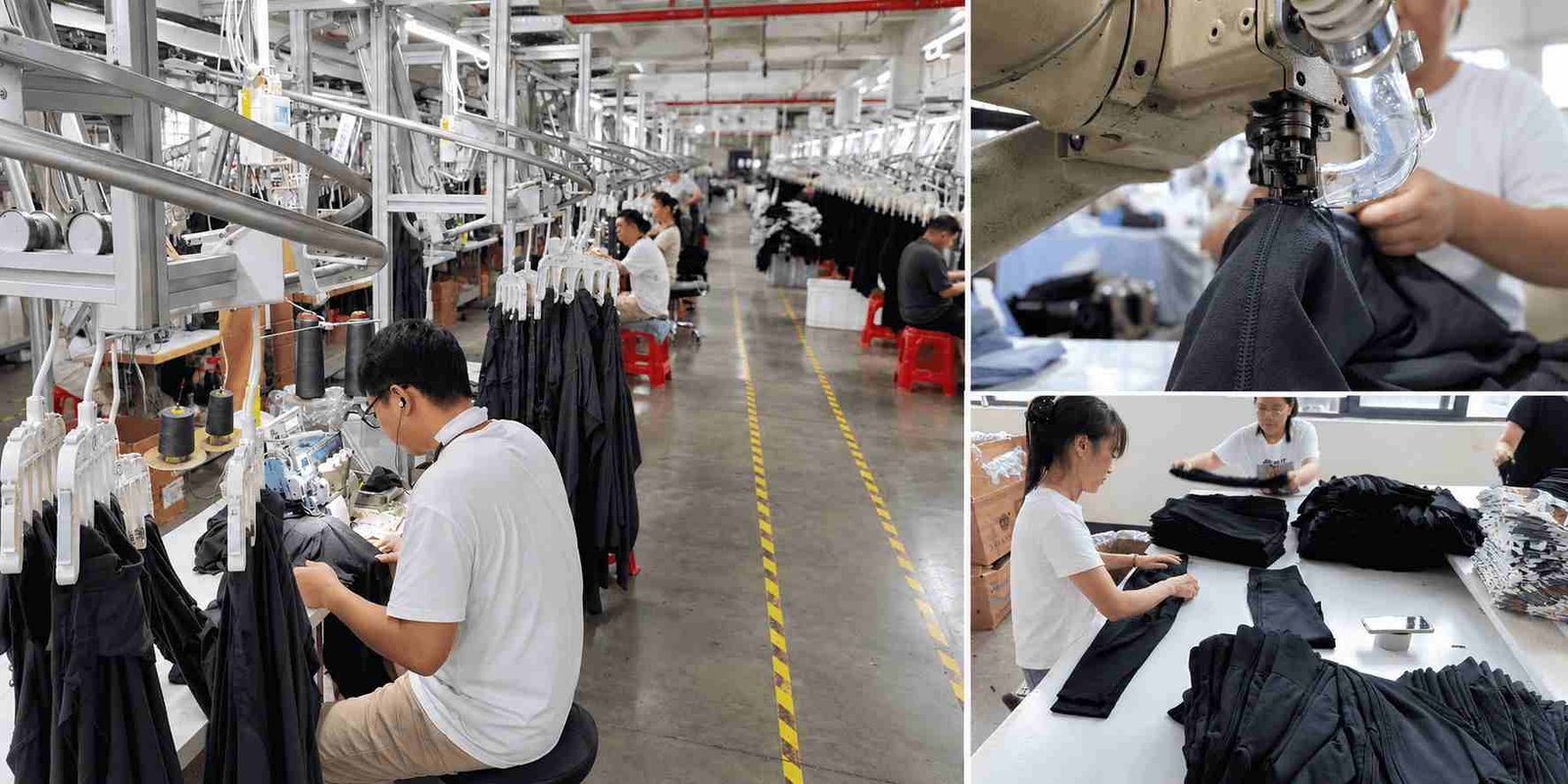
The transition from an approved sample to commercial production is a critical control point. Bulk production should remain connected to the product, material, measurement, branding and packing requirements the buyer actually reviewed.
Approved Sample
Physical reference connecting the buyer-approved product, measurements, material direction, construction and applicable branding requirements.
Bulk Production
Commercial production should follow the applicable approved product standard rather than an outdated sample version or unapproved material change.
Color
Bulk products should be compared with the applicable approved color direction and actual material conditions.
Measurements
Applicable garment measurements should remain within the buyer-agreed specification or tolerance.
Material Direction
Production material should remain connected to the applicable approved product requirement.
Logo Position
Logo type, position and execution should correspond with the approved requirement for the relevant SKU.
Construction
Production construction should follow the applicable approved product and technical requirements.
Packaging
Correct labels, SKU information and packing instructions should remain linked to each finished product.
MOVEVOX uses the applicable approved sample, technical information and production checks to connect development with bulk execution. First-article, inline, measurement and finished-product checks can be used according to the project. If an approved condition changes, the affected requirement should be reconfirmed rather than silently transferred into bulk.
Optimize MOQ Across the Activewear Collection
MOQ should be evaluated at collection level rather than by one headline number. Practical minimums can change with manufacturing route, material, custom color, logo, labels, packaging and the number of style-color-size combinations.
Base Entry Review
For normal customized projects, the current base reference is approximately 100 pieces per style for Seamless and approximately 150 pieces per style for Cut & Sew. These are starting references, not unconditional commitments.
Quantity: Applicable base MOQ subject to project review
Split Logic: Review colors, sizes and material minimums by actual SKU.
Cost Factors: Materials, color, logo, labels and packaging.
Check Base MOQMulti-SKU Program
When several tops and bottoms are developed together, commercial feasibility should be reviewed across each style, color and size combination. Sharing one collection direction does not automatically combine the MOQ of technically different products.
Quantity: Confirm after SKU and customization review
Split Logic: Rationalize shared materials, colors and brand components where practical.
Cost Factors: SKU count, color count, supplier minimums and process setup.
Review SKU PlanScale Program
Larger repeat or seasonal programs should be reviewed against material preparation, actual production route, delivery timing and managed capacity. Individual orders commonly range from approximately 300 to 50,000 pieces.
Quantity: 50,000+ pieces require separate capacity review
Split Logic: Plan capacity by SKU, route, material and delivery window.
Cost Factors: Production allocation, material preparation and logistics.
Review Scale PlanDedicated custom dyeing or material requirements can introduce minimums equivalent to approximately 400–600 garments depending on the project and supplier conditions.
Plan Lead Time Across Development and Production
Activewear lead time is a sequence rather than one universal number. Product readiness, sample revisions, material preparation, buyer approval, order structure and quality requirements all affect when a collection can move into production and shipment.
| Stage | Timing Reference | Prerequisite | Buyer Gate |
|---|---|---|---|
| Input Review | Project-specific | Sufficient product information | Confirm development direction |
| Sampling | Approx. 5–10 working days | Necessary details confirmed | Review physical sample |
| Revision | Depends on changes | Consolidated buyer comments | Approve revised product |
| Material Readiness | Project-specific | Materials, colors and supplier minimums confirmed | Applicable material/color approval |
| Bulk Production | Normally approx. 20–35 days | Production-ready requirements and order confirmation | Agreed production standard |
| QC & Release | Order-specific | Finished production available for inspection | Shipment release where required |
The 5–10 working-day sample reference and 20–35 day normal bulk-production reference should not be added together as a guaranteed total project lead time. Custom materials, sample revisions, buyer approval time, packaging and shipping arrangements can change the complete calendar.
Ready to Review Your Activewear Collection?
Send the product information you already control. MOVEVOX can review your collection against the relevant development route, Seamless or Cut & Sew requirements, MOQ structure, customization needs, sampling status, production capacity and target timing.
Tech Packs, product references, SKU lists and existing project files can be reviewed before quotation.
Scale Approved Styles Into Repeat Programs
Scaling is not simply adding quantity to the first order. MOVEVOX reviews production route, order structure, material readiness, timing and available managed capacity before larger or repeat activewear programs are committed.
Approximate normal managed monthly delivery capacity in quality-released pieces across the combined MOVEVOX production network.
Long-term factories supplementing the owned manufacturing core.
Six long-term satellite factories located in Yiwu.
Two long-term satellite factories located in Guangzhou.
Individual orders commonly fall within this approximate range.
Separate capacity review required before allocation and timing are confirmed.
Capacity includes the managed production network and is not a guaranteed allocation to one buyer or one product category.
Build Quality Into Every Production Gate
MOVEVOX treats quality as a sequence of production controls rather than one final check. The exact inspection plan depends on the garment and buyer requirement, but product standards should remain visible throughout applicable production stages.
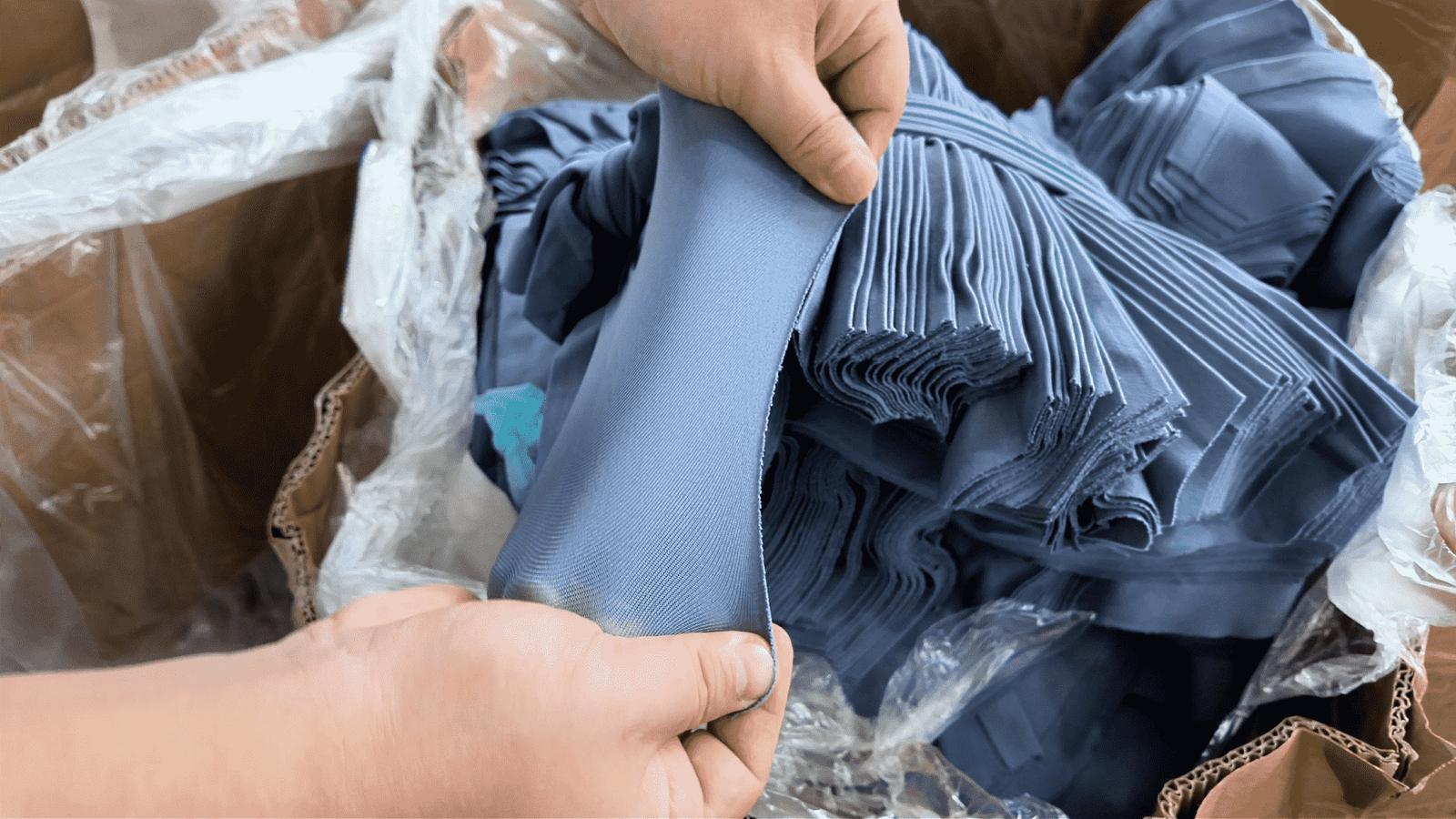
Material Check
Incoming or prepared materials are checked against applicable project requirements before release into production.
- Correct material for approved product
- Applicable color and material reference
- Required project information available
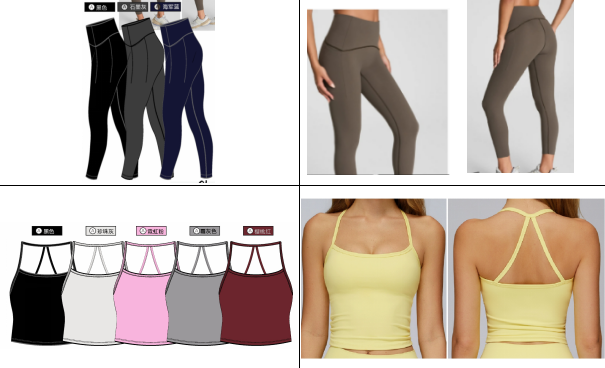
Pre-Production Review
Relevant product, sample, technical, material, logo and packing information should be sufficiently clear before bulk work begins.
- Current approved product information
- Correct branding and packing requirements
- Production route confirmed
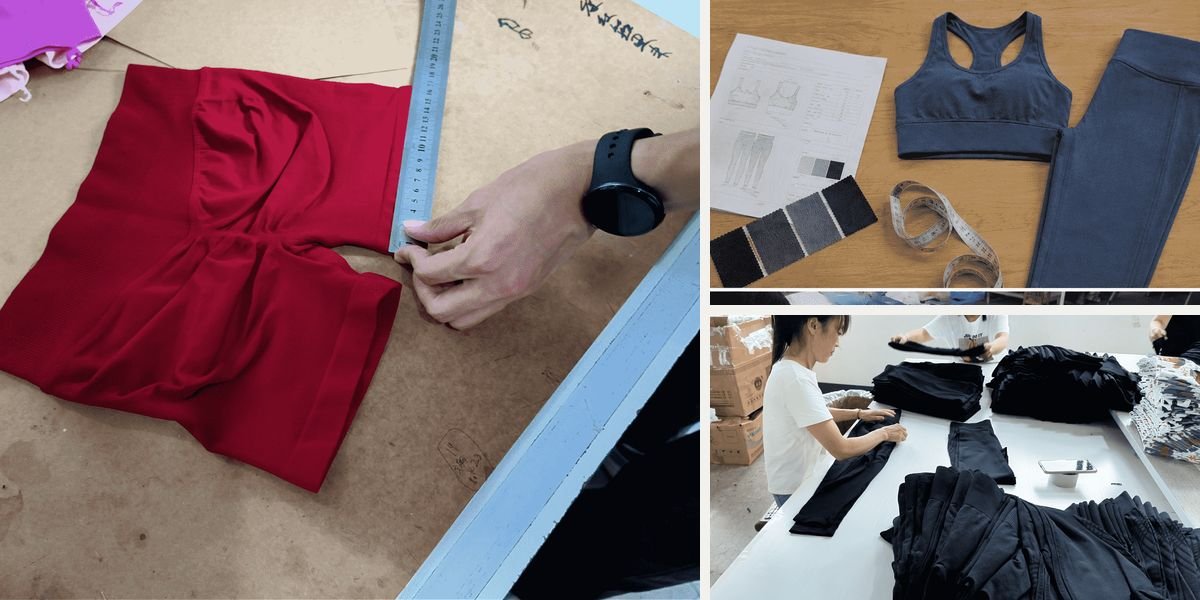
First Article
An initial production result can be checked before larger quantities continue, helping identify problems earlier.
- Product against approved reference
- Applicable measurements checked
- Construction execution reviewed
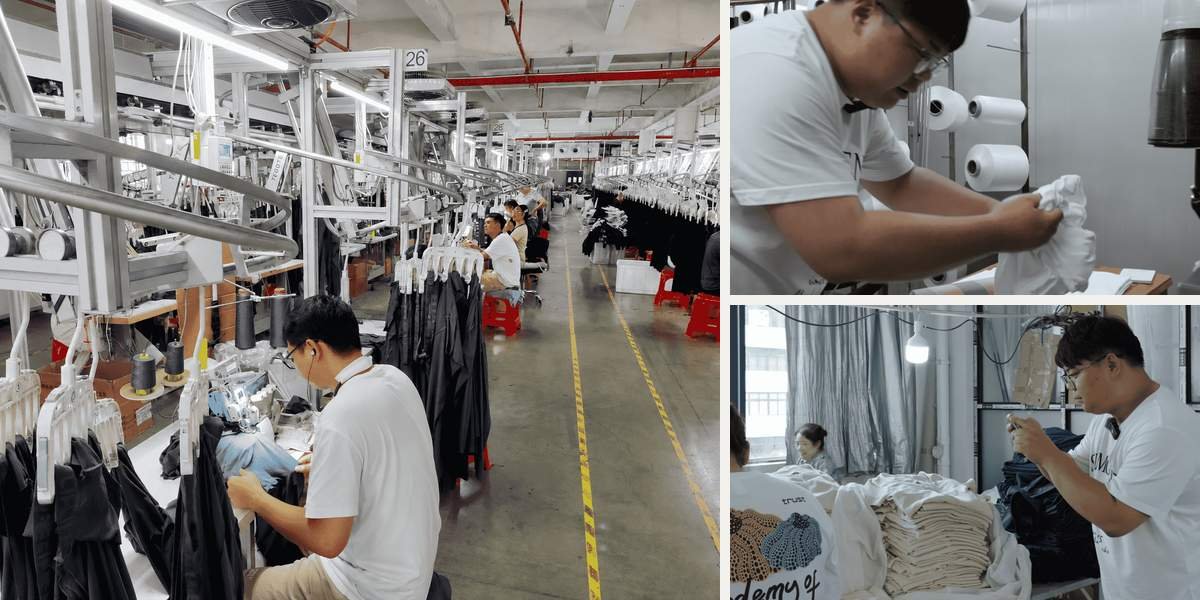
Inline Inspection
Production is inspected while the order is still running, allowing identified problems to be addressed before final finishing.
- Workmanship during production
- Measurements where applicable
- Product identification remains correct
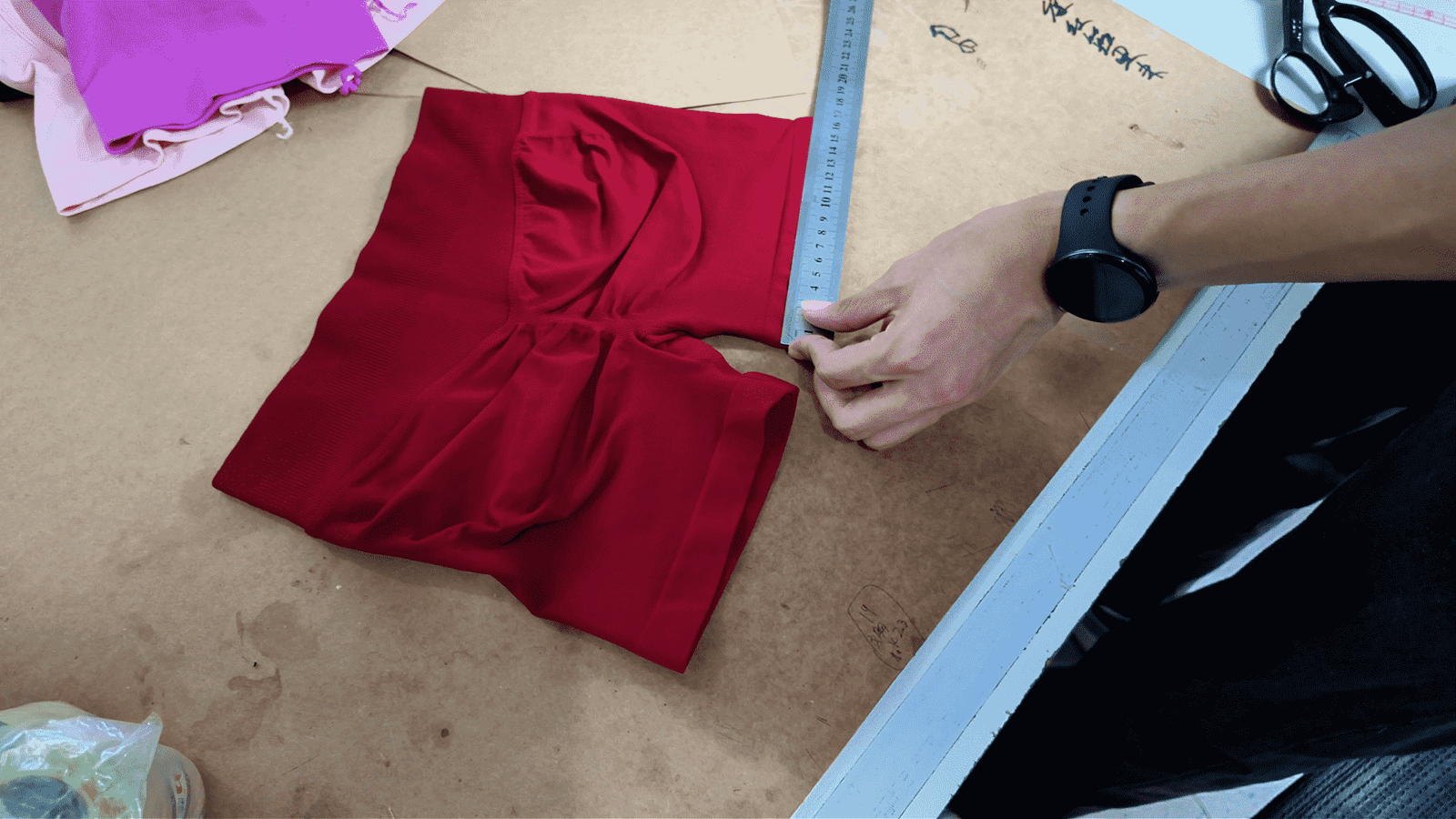
Measurement Check
Garments are measured against applicable product requirements using the defined measurement points and tolerances.
- Correct size being measured
- Correct measurement point used
- Result compared with requirement
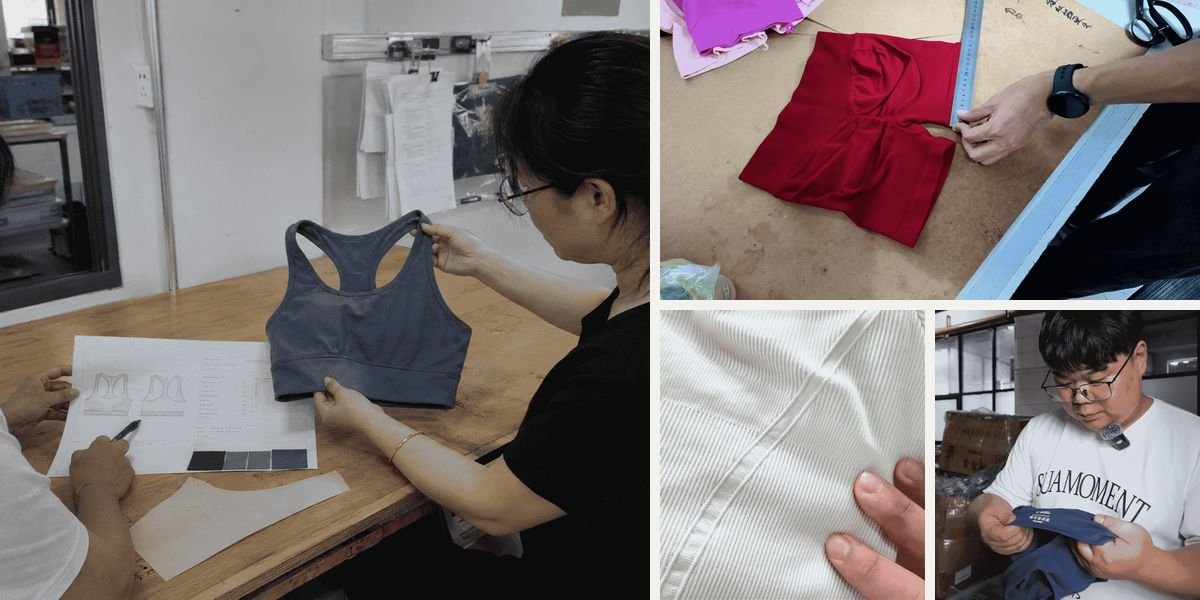
Finished Inspection
Finished products are reviewed for applicable product, workmanship, appearance and identification requirements before packing release.
- Finished garment condition
- Branding and product identity
- Applicable quality requirements
Packing Release
Packing confirms that the correct garment, size, label, barcode or QR information and packaging requirement are applied.
- Correct SKU and size
- Correct individual packaging
- Correct packing identification
When a nonconforming result is identified, affected output should be isolated or reviewed, the cause and required correction confirmed, corrective work completed where applicable, and the affected requirement checked again before release.
Review Final Inspection Before Set Release
Final inspection should connect product quality with the commercial order. For activewear collections, the finished garment may be correct while the wrong size label, QR code or packing assignment still creates a shipment problem.
Product Identification
Confirm that the inspected garment corresponds to the intended style, color and size rather than relying only on visual similarity.
Measurement Review
Applicable finished-garment measurements can be compared with the buyer-agreed specification and defined tolerance.
Workmanship Review
Finished workmanship and visible construction are checked against the applicable approved product and quality requirements.
Brand Execution
Logo, labels and related brand elements are reviewed against the requirement assigned to the relevant SKU.
Packing Accuracy
Individual packaging, barcode, QR, size or other identification information should match the actual garment being packed.
Release Decision
The applicable inspection result and outstanding corrective actions are reviewed before the order is treated as ready for shipment release.
Use anonymized order-specific inspection evidence where publishable. Customer names, style numbers and commercially sensitive information should remain protected.
Understand Testing Evidence Within Its Scope
MOVEVOX can provide existing product-specific testing evidence where relevant, but test reports should be read according to the exact sample, material, test method and regulatory scope stated in the document. One report does not automatically certify every MOVEVOX garment.
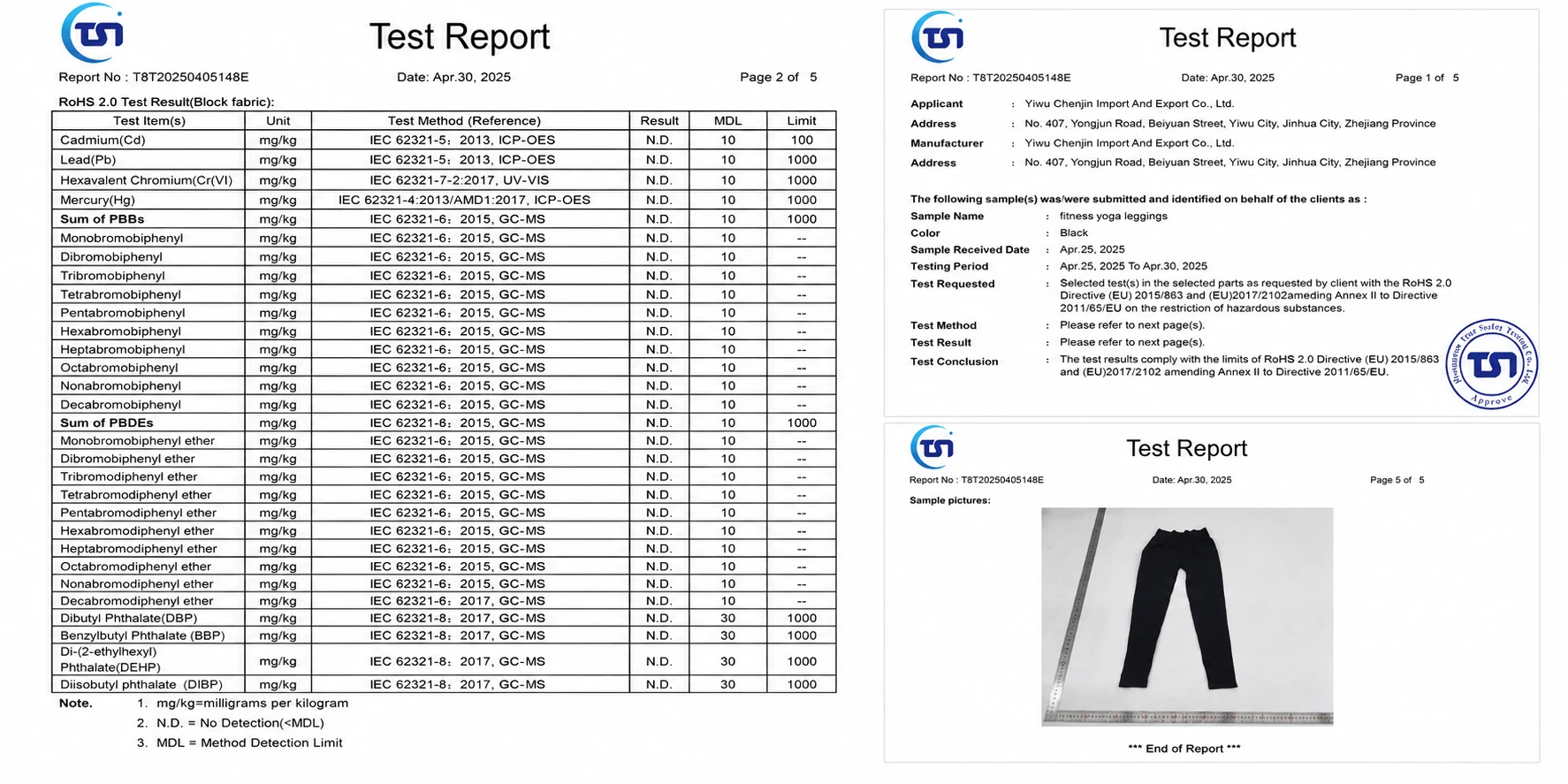
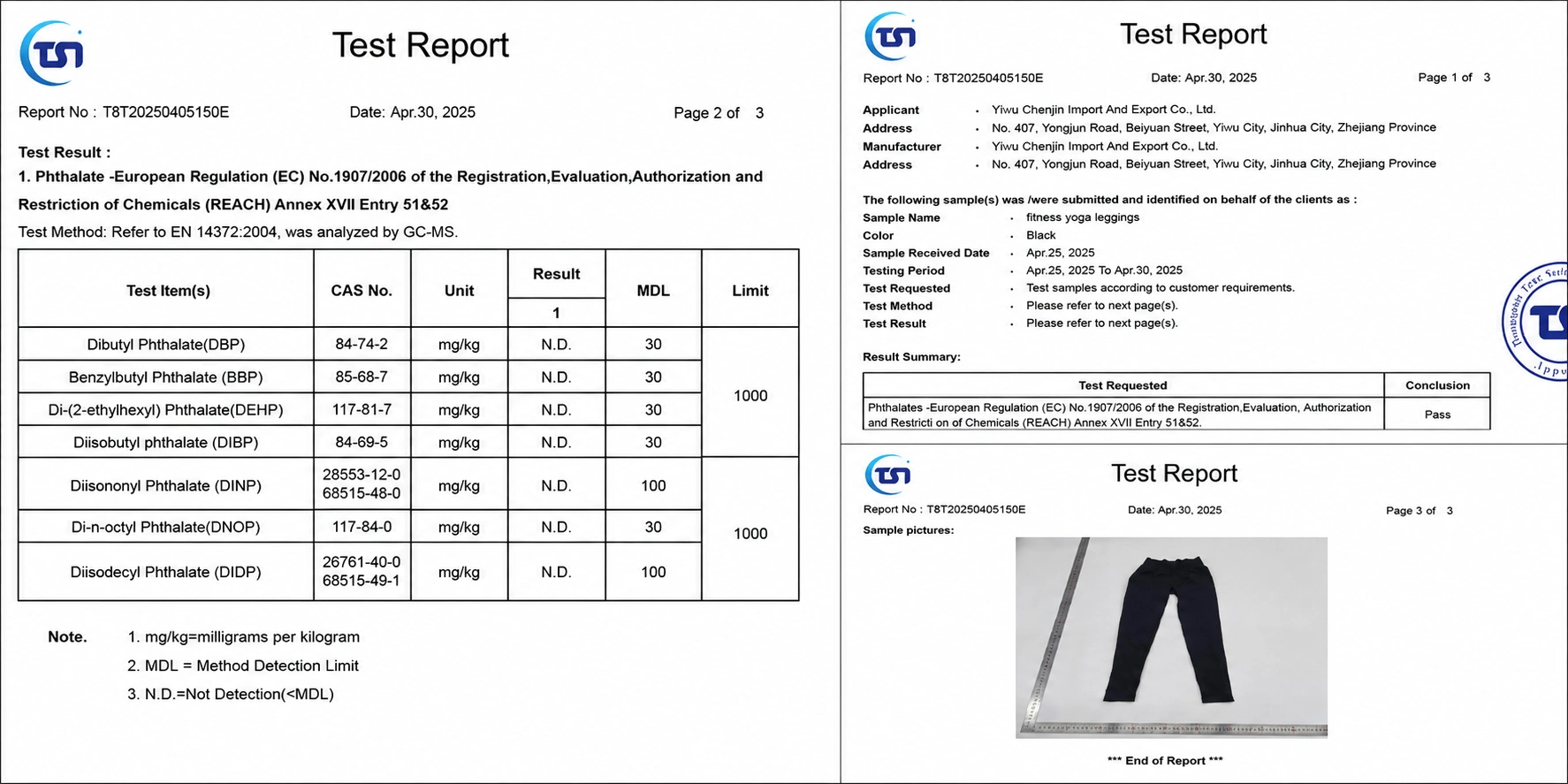
RoHS 2.0 Evidence
Certificate No. TST20250405148EC and Report No. TST20250405148E were issued on April 30, 2025 for a black fitness/yoga legging sample associated with Yiwu Chenjin Import And Export Co., Ltd. The report uses the applicable IEC 62321 series and concludes that the tested sample complies with the stated RoHS 2.0 requirements.
Applicable Scope: The tested sample and test items described in the report.
MOVEVOX Response: Use the report as sample-specific evidence and arrange project-specific testing when a buyer or market requires different scope.
REACH Phthalates Evidence
Report No. TST20250405150E, dated April 30, 2025, covers black fabric from the fitness/yoga legging sample. Testing referenced Regulation (EC) No. 1907/2006 REACH Annex XVII Entries 51 and 52 for the applicable phthalates, with the reported result stated as Pass.
Applicable Scope: The submitted black fabric sample and stated phthalate scope.
MOVEVOX Response: Do not extend this result to unrelated products, colors or materials without appropriate supporting evidence.
Scope Matters
A test report describes what was tested, not every product a supplier can manufacture. Different fabrics, trims, colors or customer requirements may require additional documentation or testing depending on the product and target market.
Applicable Scope: Product, material and market requirements for the actual buyer project.
MOVEVOX Response: Confirm the relevant evidence requirement before bulk production rather than presenting one historical report as universal certification.
Buyer Qualification
Large brands may have their own restricted substance, testing, social compliance or vendor-approval requirements beyond MOVEVOX’s existing sample-specific reports. Those requirements need to be reviewed against the actual production program.
Applicable Scope: Buyer-specific requirements according to actual product, production site and requested documentation.
MOVEVOX Response: Support document review, factory visits, video verification and applicable buyer or third-party qualification processes.
How MOVEVOX Organizes Controlled Production Capacity
MOVEVOX operates an owned manufacturing core and supplements it with long-term satellite factories and approved specialist resources. MOVEVOX keeps control of applicable technical information, materials, PMC, quality standards and final delivery responsibility.

Material Supply
Material, yarn and accessory requirements are coordinated according to the actual product and approved commercial program.
Yiwu Satellites
Six long-term satellite factories provide controlled supplementary capacity for applicable order structures.
MOVEVOX Core
The Yiwu owned facility remains the manufacturing, technical-development and quality-control core.
Guangzhou Satellites
Two long-term satellite factories support applicable categories or production requirements.
Special Processes
Approved specialist partners may support specific processes not performed entirely inside the owned core.
PMC and QC
MOVEVOX coordinates order information, technical standards, WIP, quality requirements and final delivery responsibility.
Satellite factories do not independently define customer standards or change approved materials or processes. MOVEVOX uses unified order information, approved samples, technical documents, PMC and QC to manage the network.
Qualify MOVEVOX Through Your Vendor Process
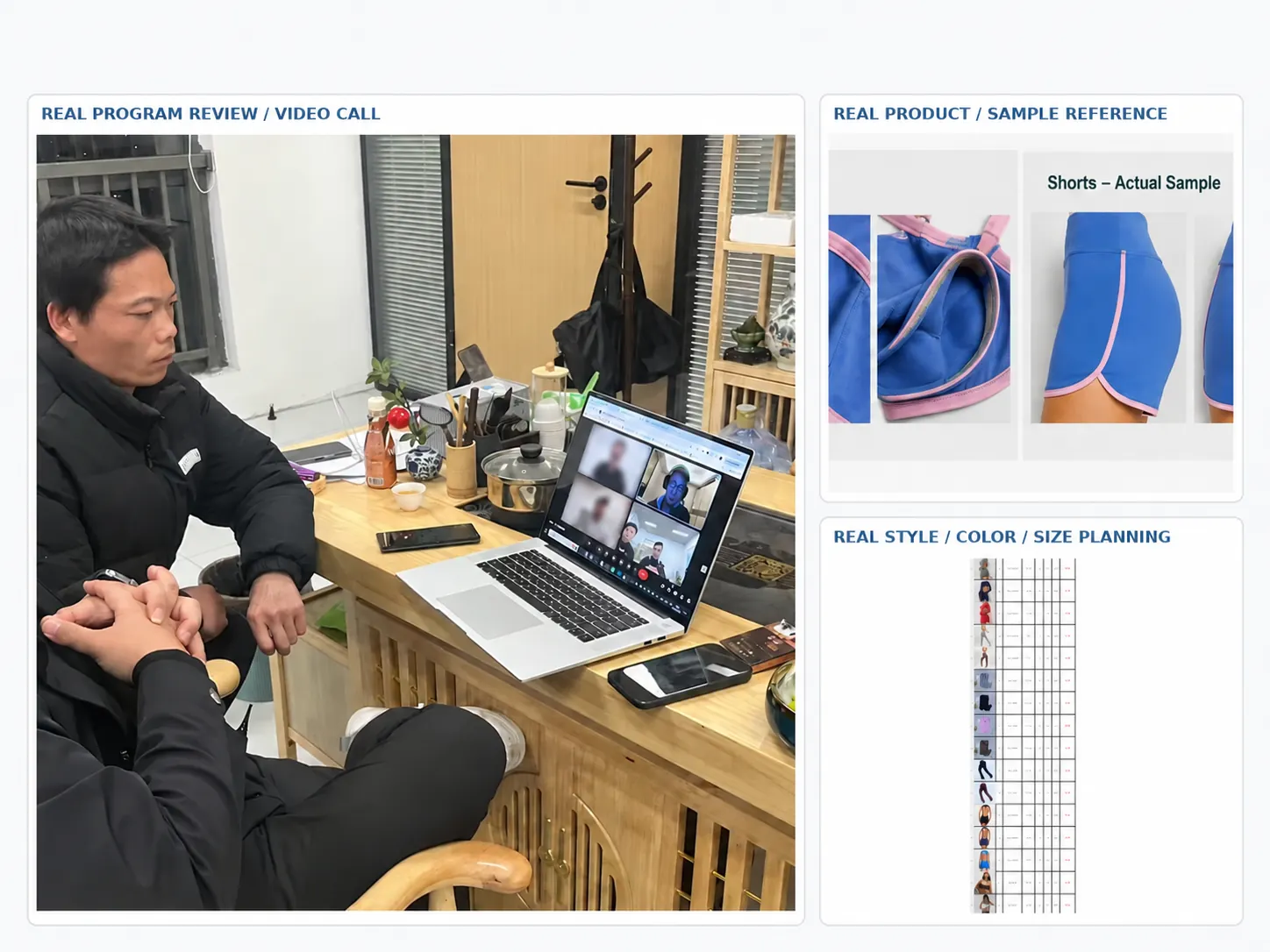
Large buyers should verify suppliers against their own qualification standards. MOVEVOX can support document review, video meetings, real-time factory video, scheduled factory visits and applicable buyer or third-party inspection activities.
Tech Pack review, sample-version control, Seamless/Cut & Sew development and measurement retention.
Owned manufacturing location, Santoni resources, Cut & Sew capability, satellite disclosure and capacity review.
First-article, inline, measurement, finished-garment, packing and third-party inspection readiness.
Legal entity, MOQ assumptions, test-report scope, production origin and responsibility transparency.
Use the checklist to identify what still requires evidence, documentation, factory review or project-specific confirmation. For larger programs, product complexity, material requirements, actual production site, capacity and buyer compliance rules should be evaluated before supplier approval.
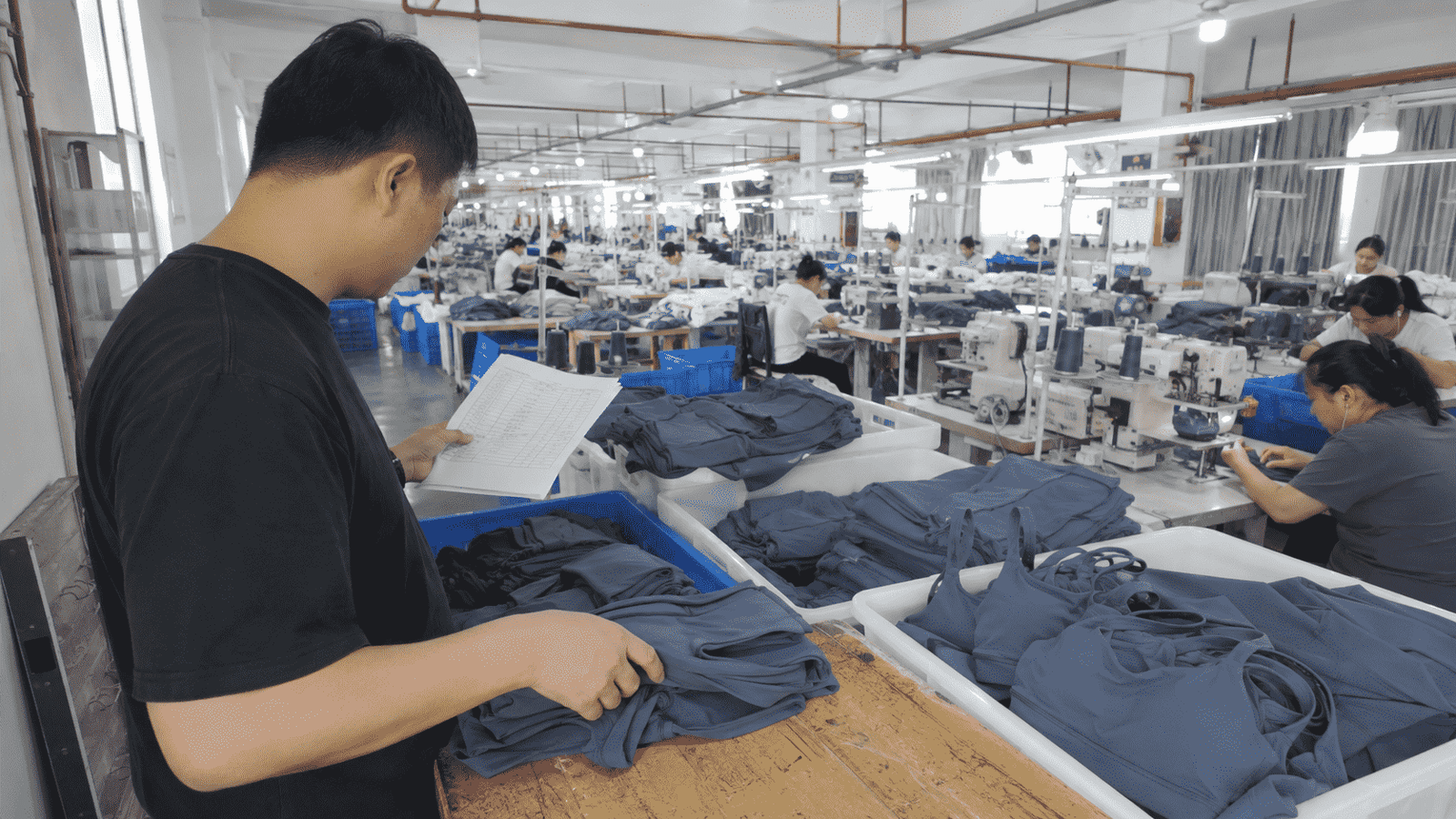
Inside the MOVEVOX Activewear Manufacturing Environment
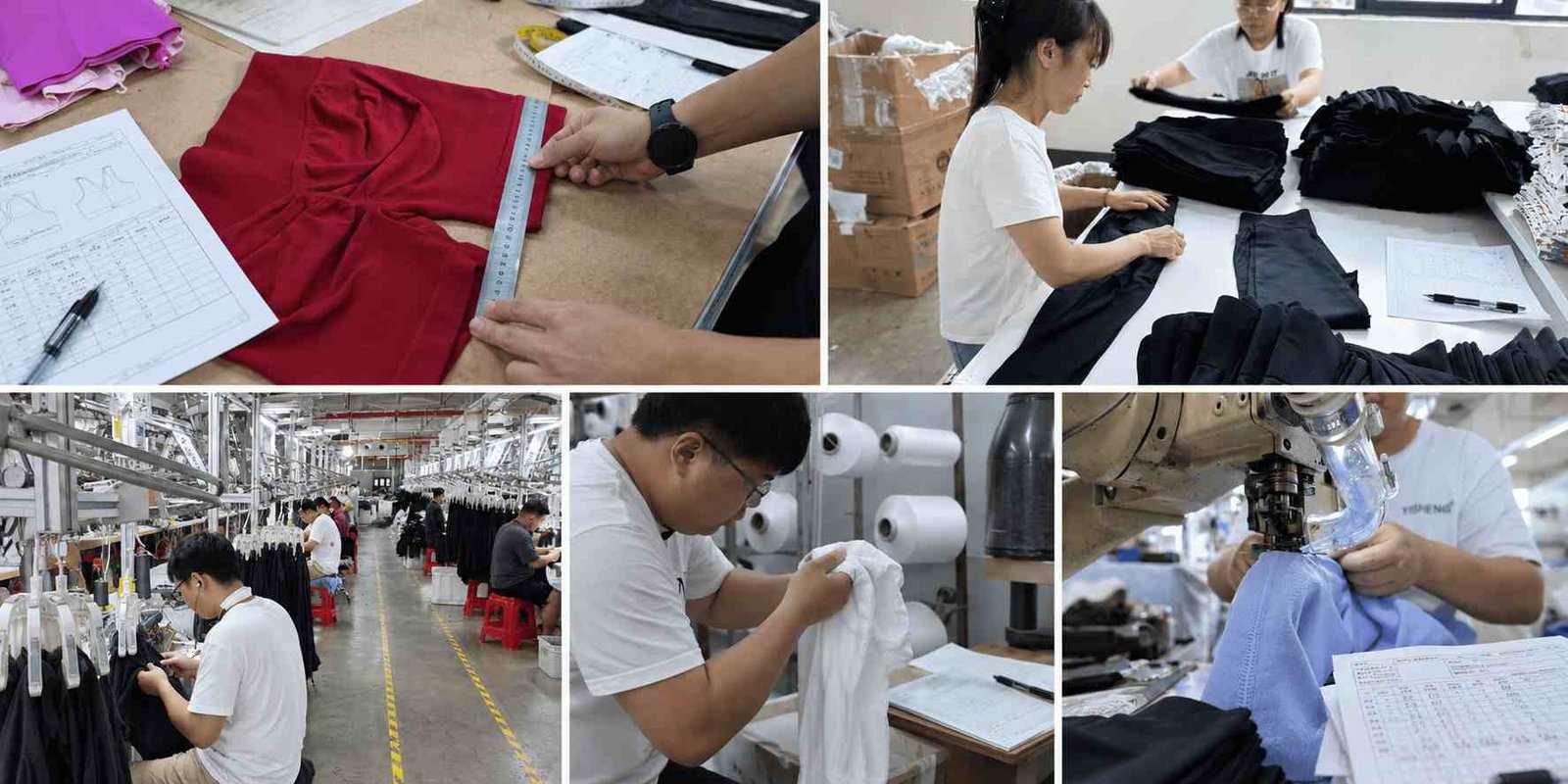
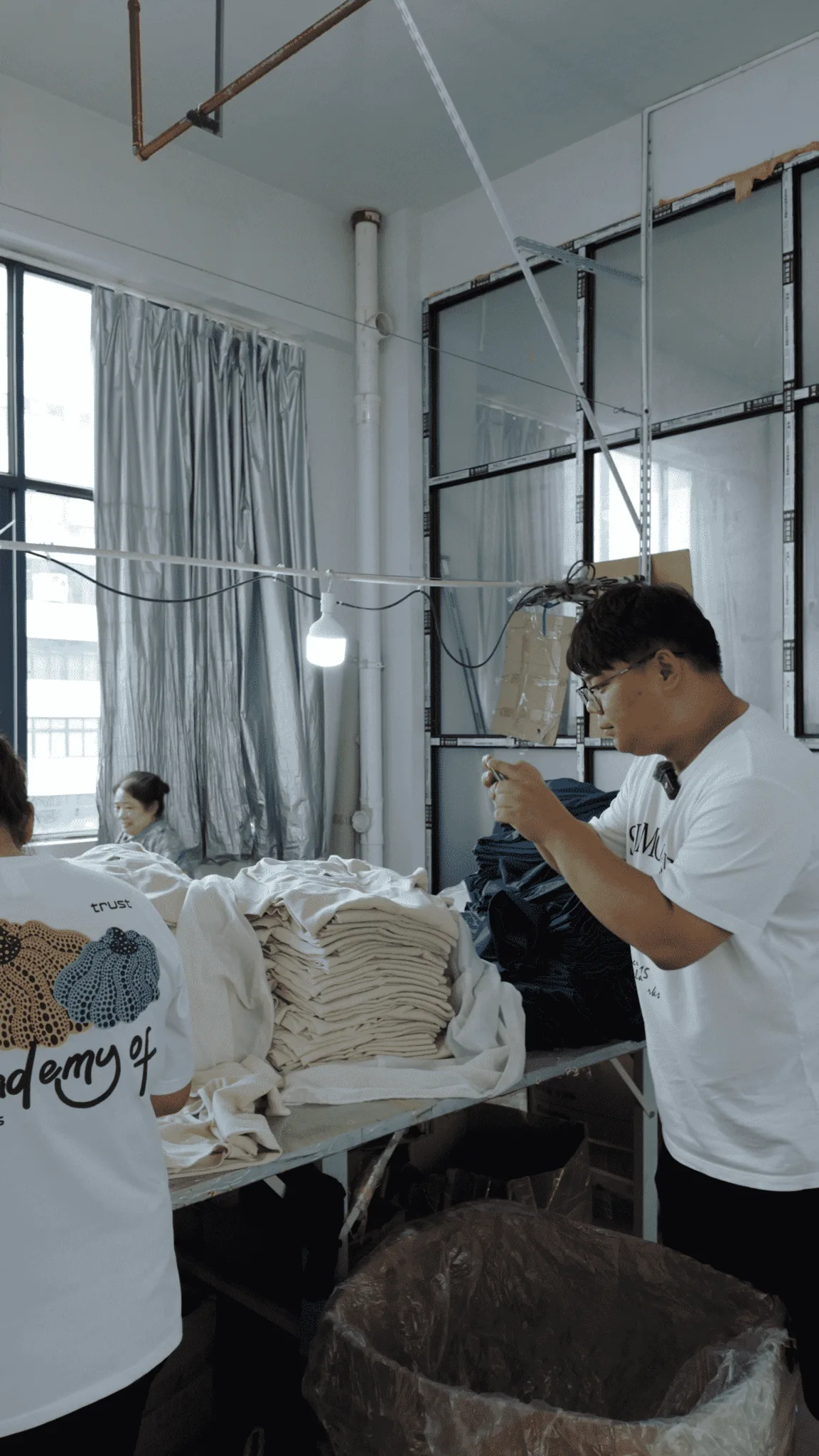
A supplier page should show where development and production actually happen. The following factory-tour structure uses real MOVEVOX manufacturing evidence and distinguishes the owned Yiwu manufacturing core from satellite or specialist production resources.
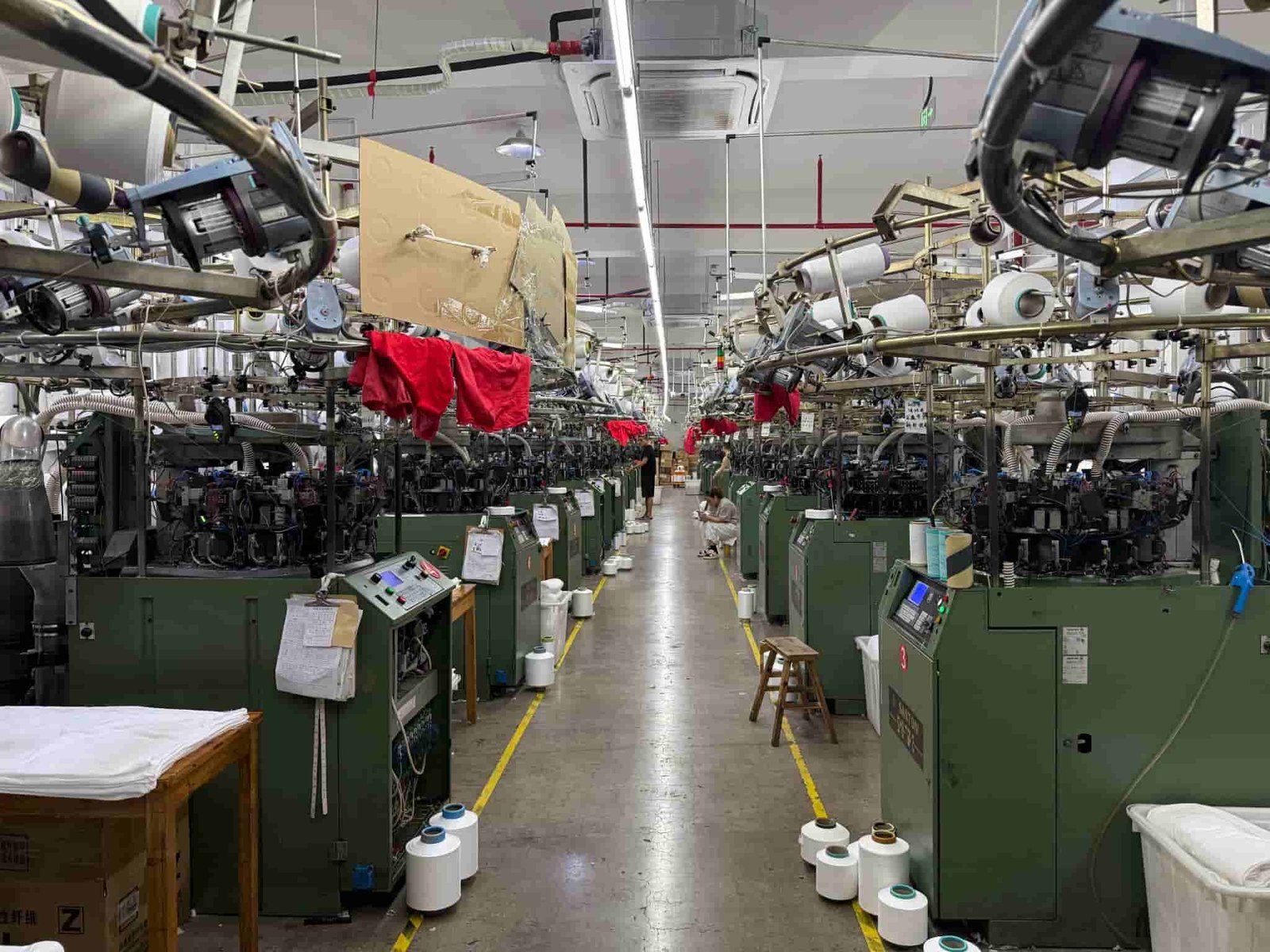
Yiwu Manufacturing Base
MOVEVOX’s owned manufacturing core is located in Fotang Town, Yiwu, Zhejiang, China. The currently used production space is approximately 6,000 m². This site acts as the core for manufacturing, technical development, production control and quality responsibility.
Evidence: real Yiwu manufacturing environment and activewear production floor.
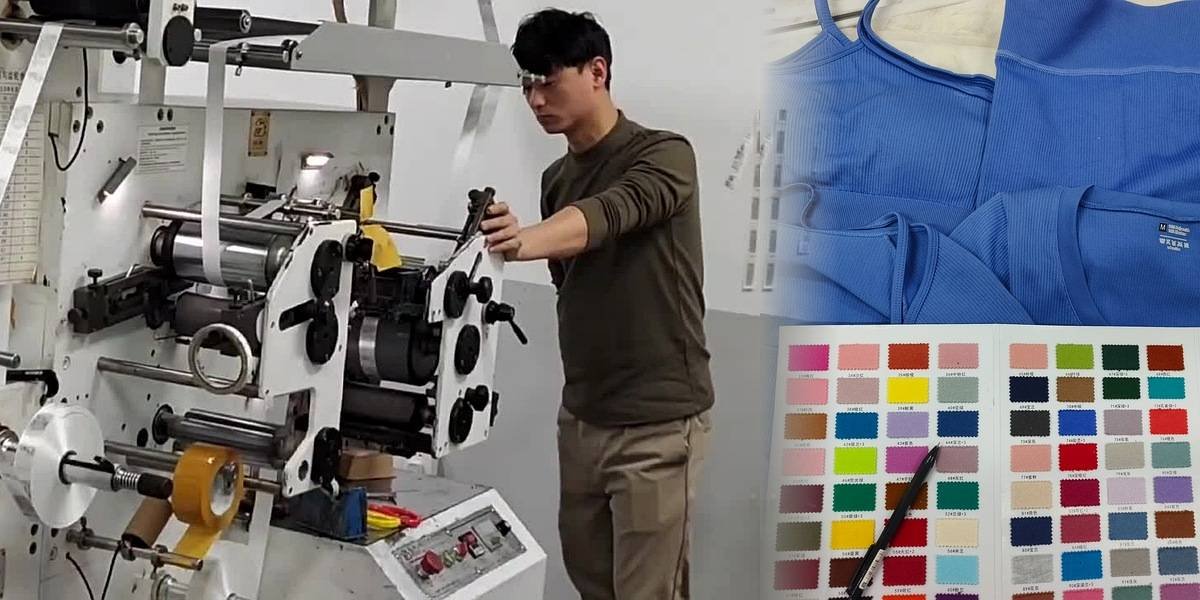
Santoni Seamless Area
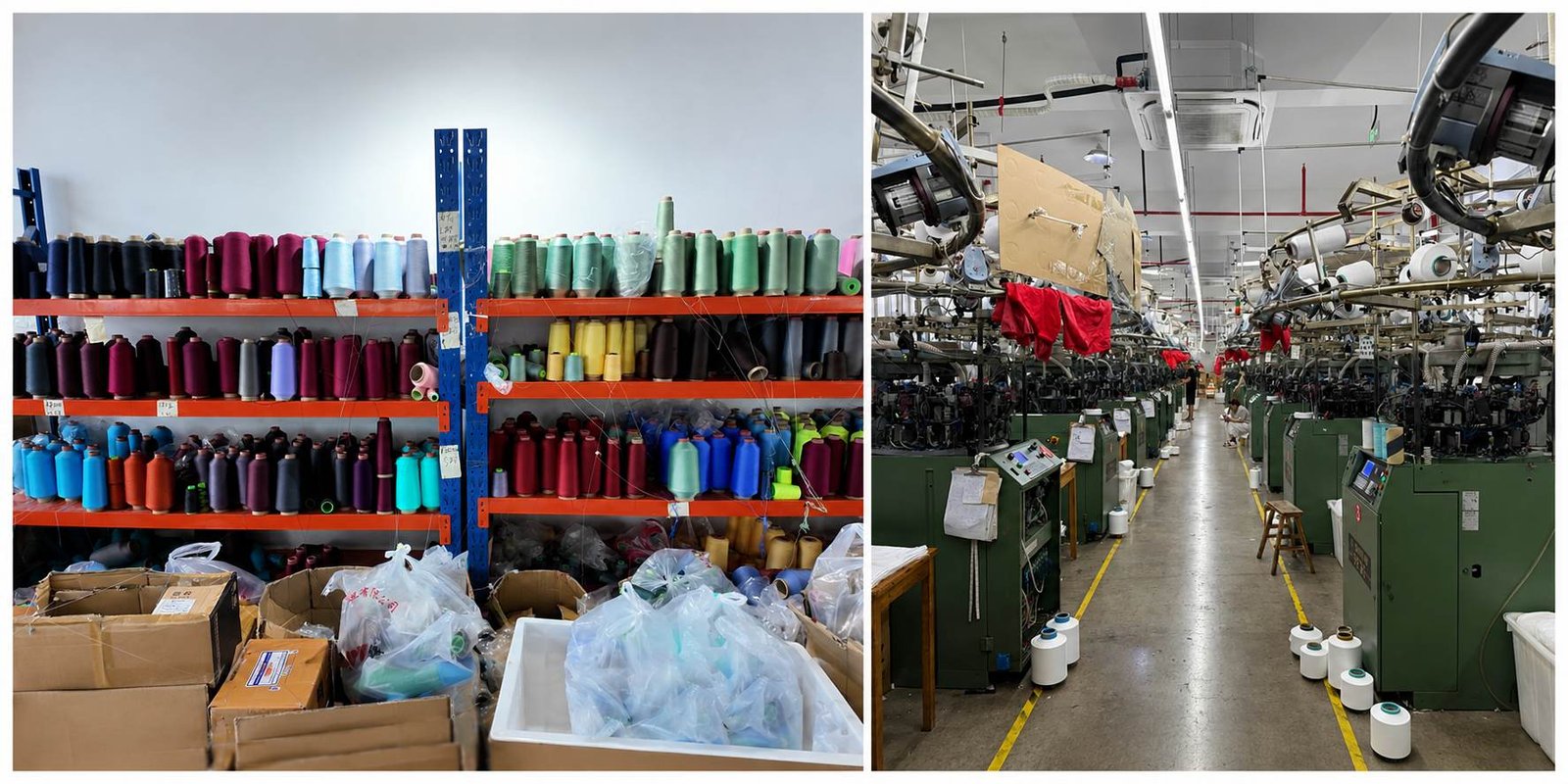
The owned system includes 28 Italian Santoni Seamless knitting machines. This area supports applicable knitted Seamless activewear development and production where the product is suitable for that manufacturing route.
Evidence: real Santoni equipment and production area inside the owned system.
Cut and Sew
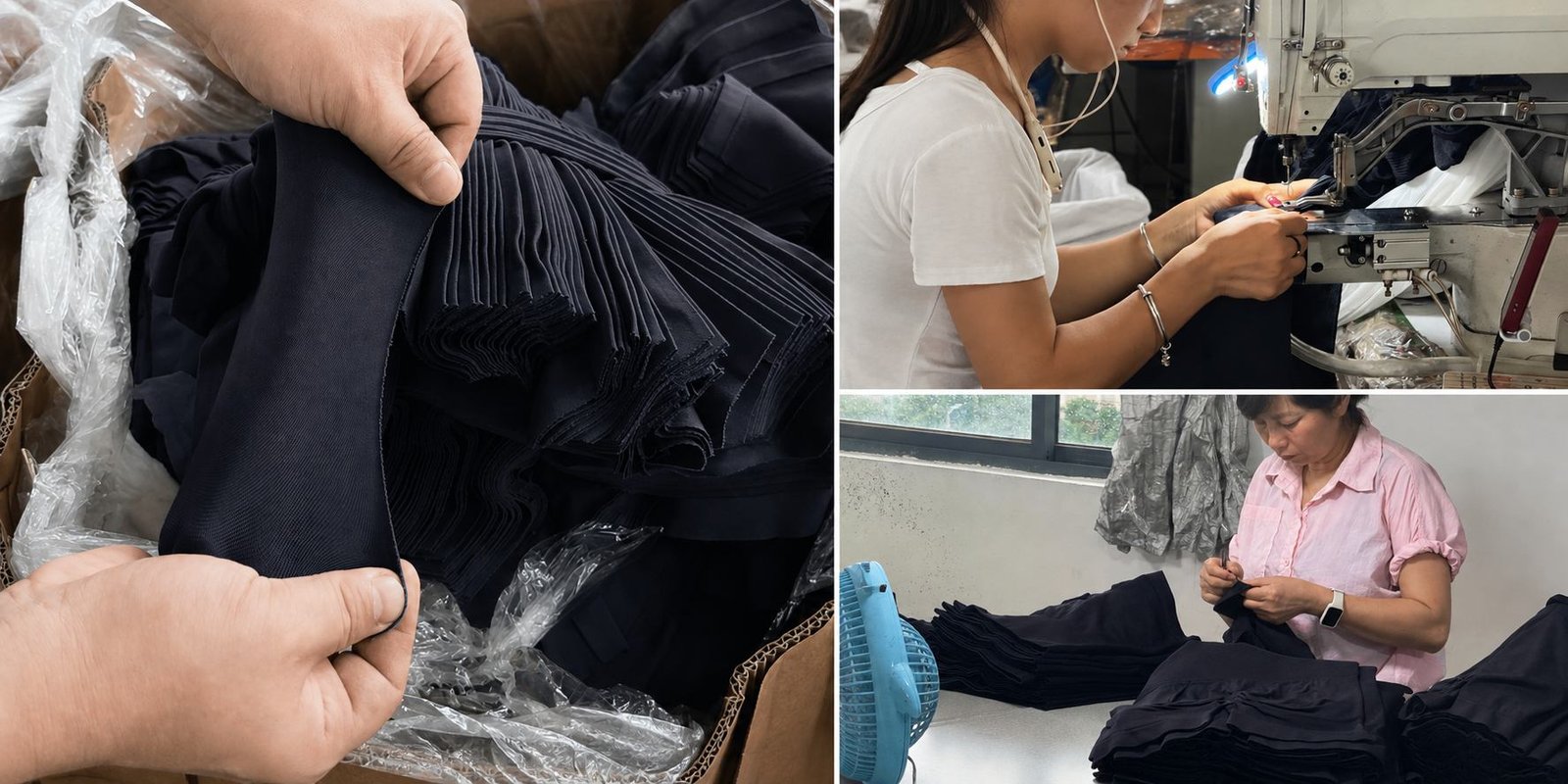
MOVEVOX also maintains Cut & Sew garment-production capability with approximately 24 principal sewing and garment machines in the owned system, supplemented by controlled satellite capacity where applicable.
Evidence: actual sewing production rather than a generic factory illustration.
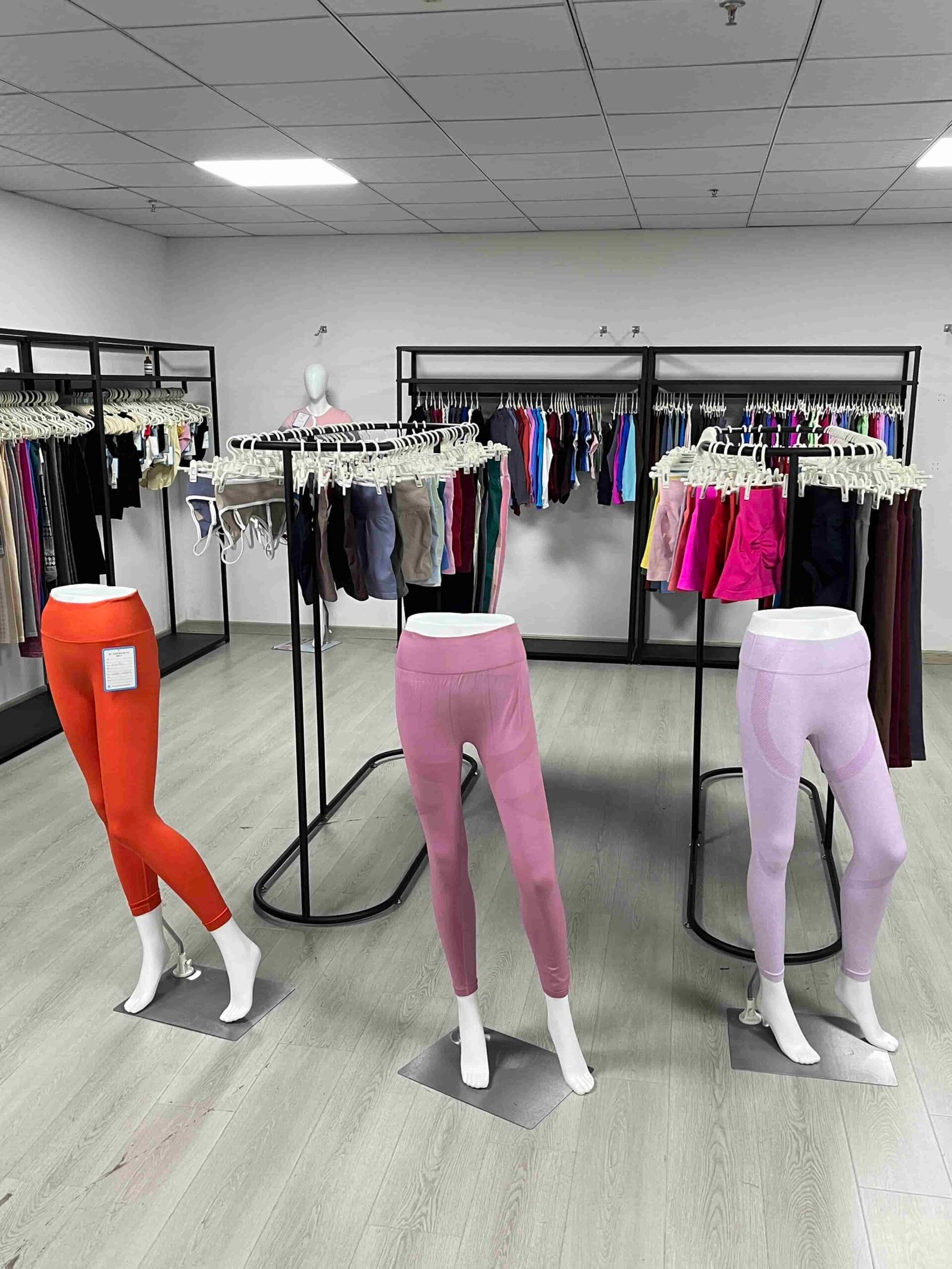
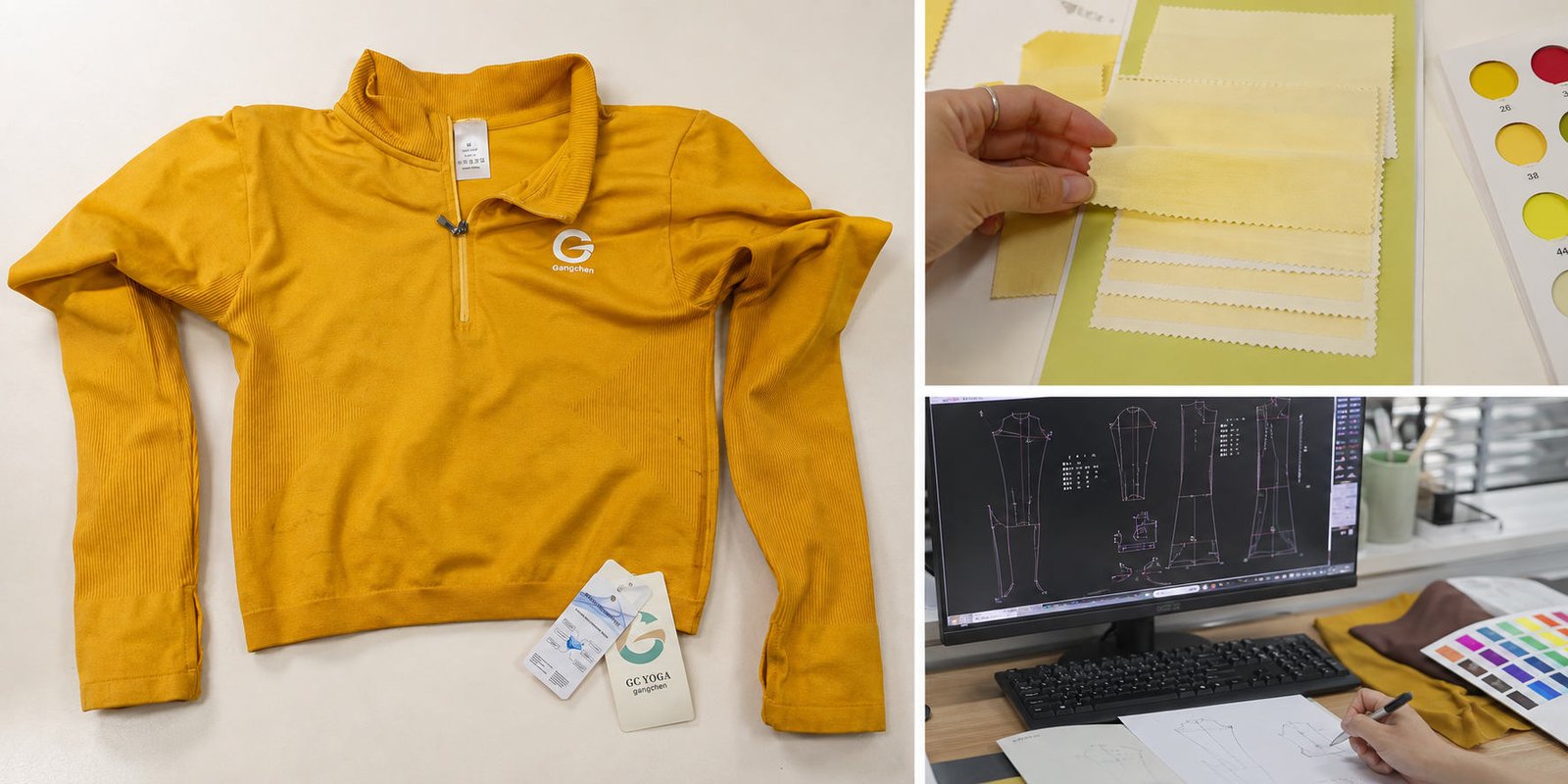
Sample Development
The product-development structure includes approximately eight people across design, pattern and sample-development roles. Physical sampling translates buyer requirements into reviewable products before bulk production.
Evidence: sample-development environment with real garment-development work.
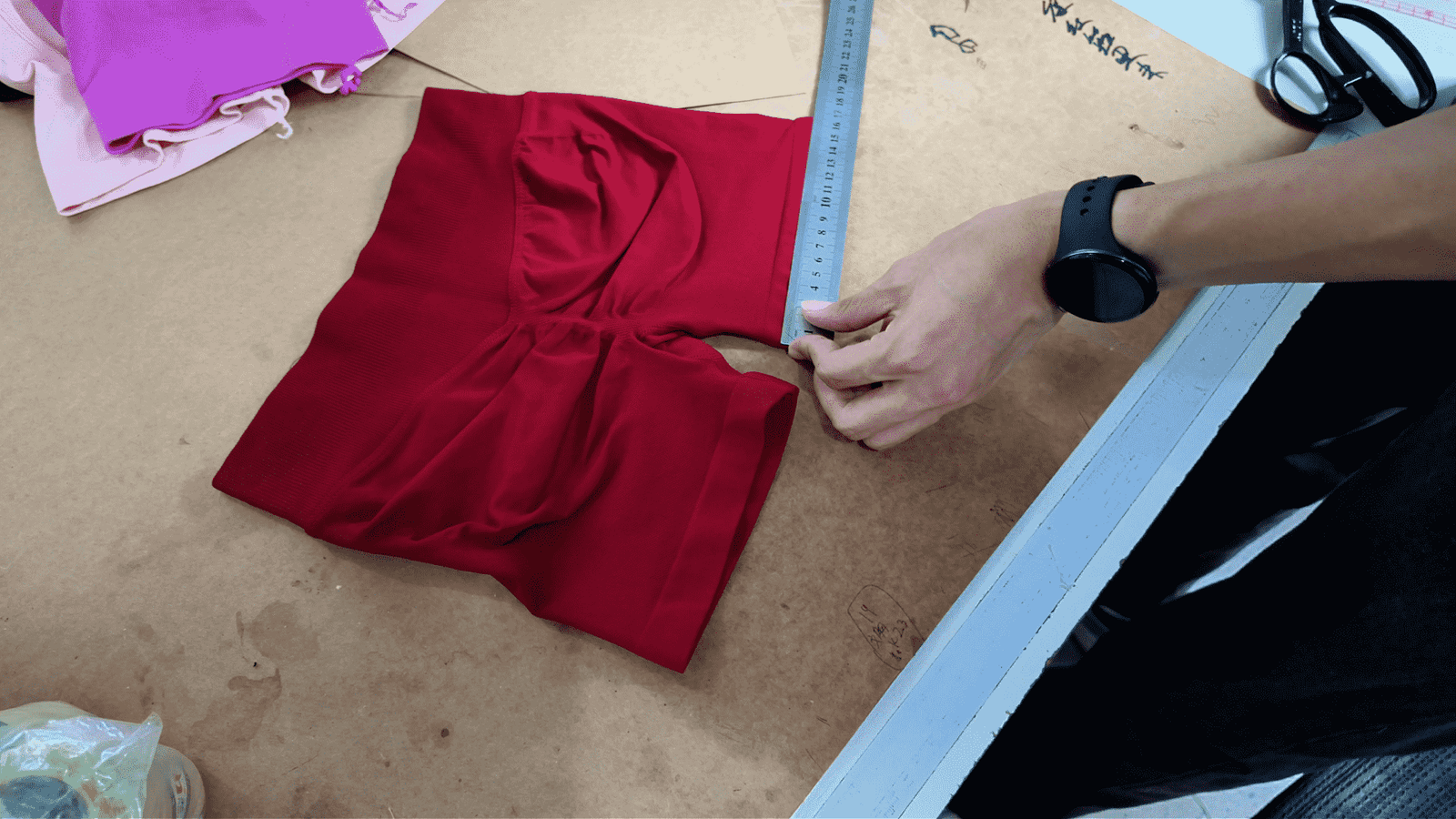
Quality Control
Five QC personnel support applicable inspection work. Quality activities can include first-article, inline, measurement, finished-product and packing checks according to the actual order and buyer requirements.
Evidence: garment measurement and inspection rather than a generic QC claim.
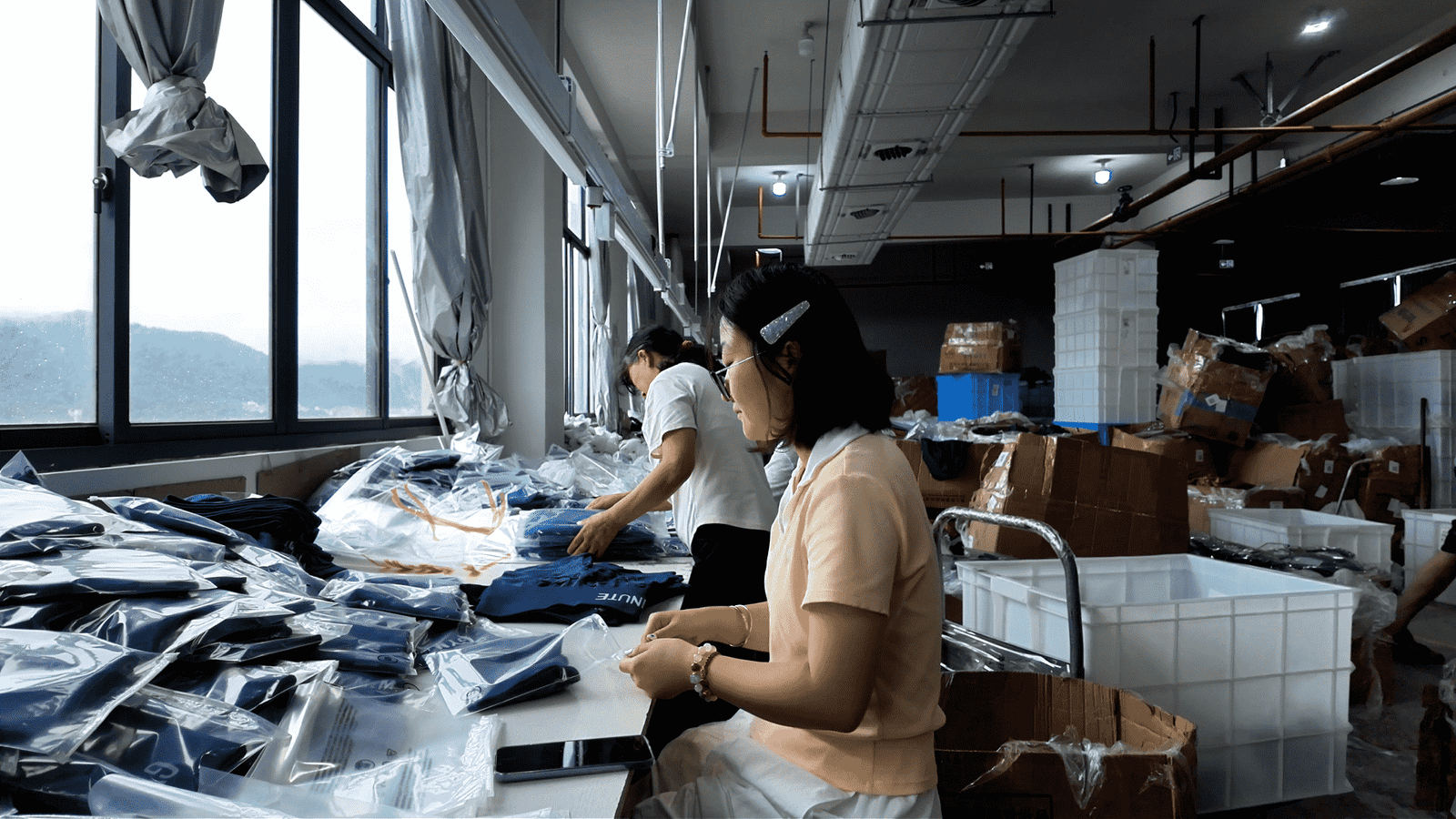
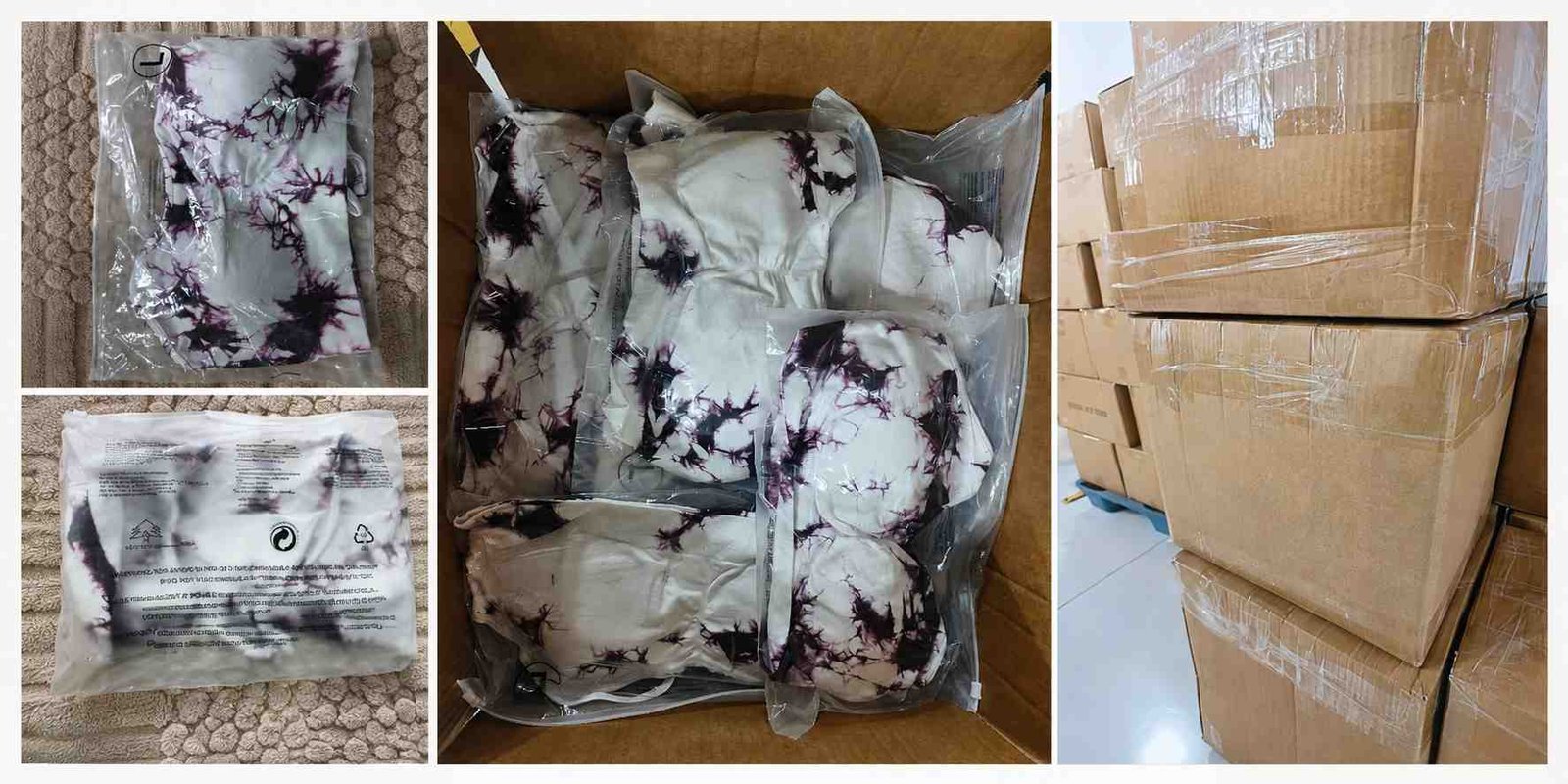
Packing and Release
Finished products move through applicable packing and shipment-release requirements after production and quality review. SKU, size, branding and packaging accuracy are particularly important in multi-product programs.
Evidence: actual packing-line activity with product and packaging handling.
Review QC Evidence Before Supplier Approval
Quality claims become more useful when buyers can see the records and physical inspection activities behind them. Public examples should be anonymized, but they should still show what was checked and where the evidence sits in production.
Measurement Check
Evidence Type: Measurement Sheet. Actual garment measurement against the applicable size or product requirement.
First Article
Evidence Type: First Article Record. Initial production garment reviewed before wider production continues.
Inline Inspection
Evidence Type: Inline QC Record. Production inspection performed while corrective action remains possible.
Finished Garment
Evidence Type: Finished Inspection Sheet. Finished activewear reviewed before packing release.
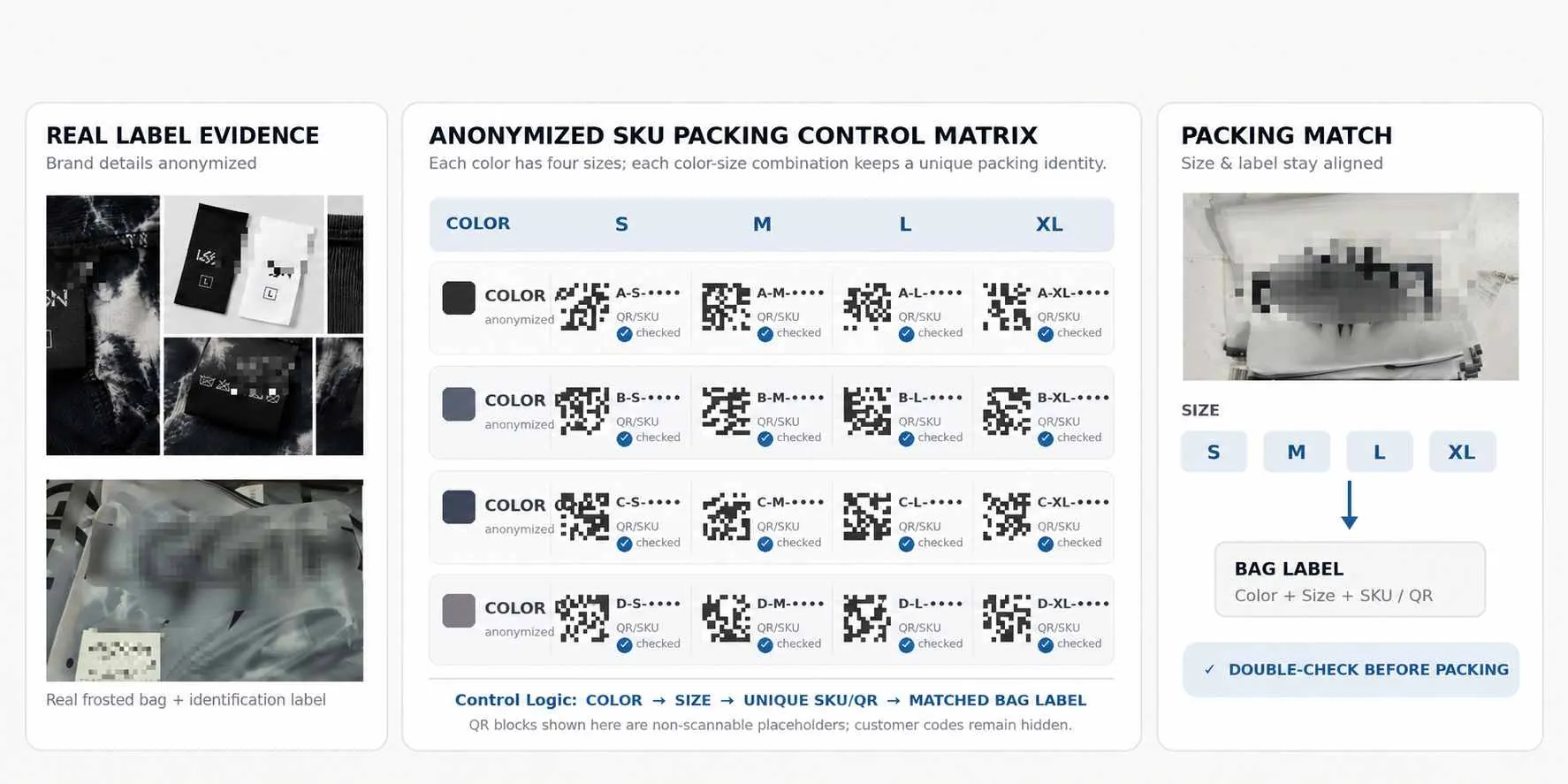
SKU Verification
Evidence Type: SKU Control Sheet. Product, style, color and size identification reviewed before final packing.
Packing Check
Evidence Type: Packing Checklist. Packing requirements reviewed against the correct activewear SKU.
QC Record
Evidence Type: QC Record Set. Anonymized product measurement and inspection information from an actual project.
Corrective Review
Evidence Type: CAPA / Reinspection. Evidence of a nonconforming result being reviewed or rechecked before final release.
U.S. Multi-Product Activewear Program Case Study
The customer name is not disclosed. The following information describes an actual U.S. customer program and should not be interpreted as a universal production specification.
Client Profile
The customer is a U.S.-based female fitness creator with more than 30,000 Instagram followers. Her business focuses on fitness and yoga apparel, including products for curvier and plus-size users, with recurring requirements across multiple activewear categories.
Challenge
The program included bodysuits, activewear sets, leggings, shorts, sports bras and tank tops. Product requirements emphasized elasticity, support, opacity, soft hand feel and selected winter fleece-lined options. The customer also required frequent new styles and strict QR-related packing accuracy.
Solution
MOVEVOX supported recurring product development and production across the multi-category program. Common material compositions in this specific project included 88% nylon / 12% spandex, 75% nylon / 25% spandex and 78% nylon / 22% spandex. Samples were provided for customer fitness testing, while packing controls addressed strict SKU and QR matching requirements.
- Multiple activewear categories managed within one recurring customer relationship
- Product development included physical samples and customer fitness testing
- Approximately 200 pieces per size and color in typical orders
- Strict QR and product-identification matching during packing
- QC and packing handling required approximately twice the normal time in this case
Customer identity and commercially sensitive project information remain undisclosed.
From Initial Order to Repeat Supply
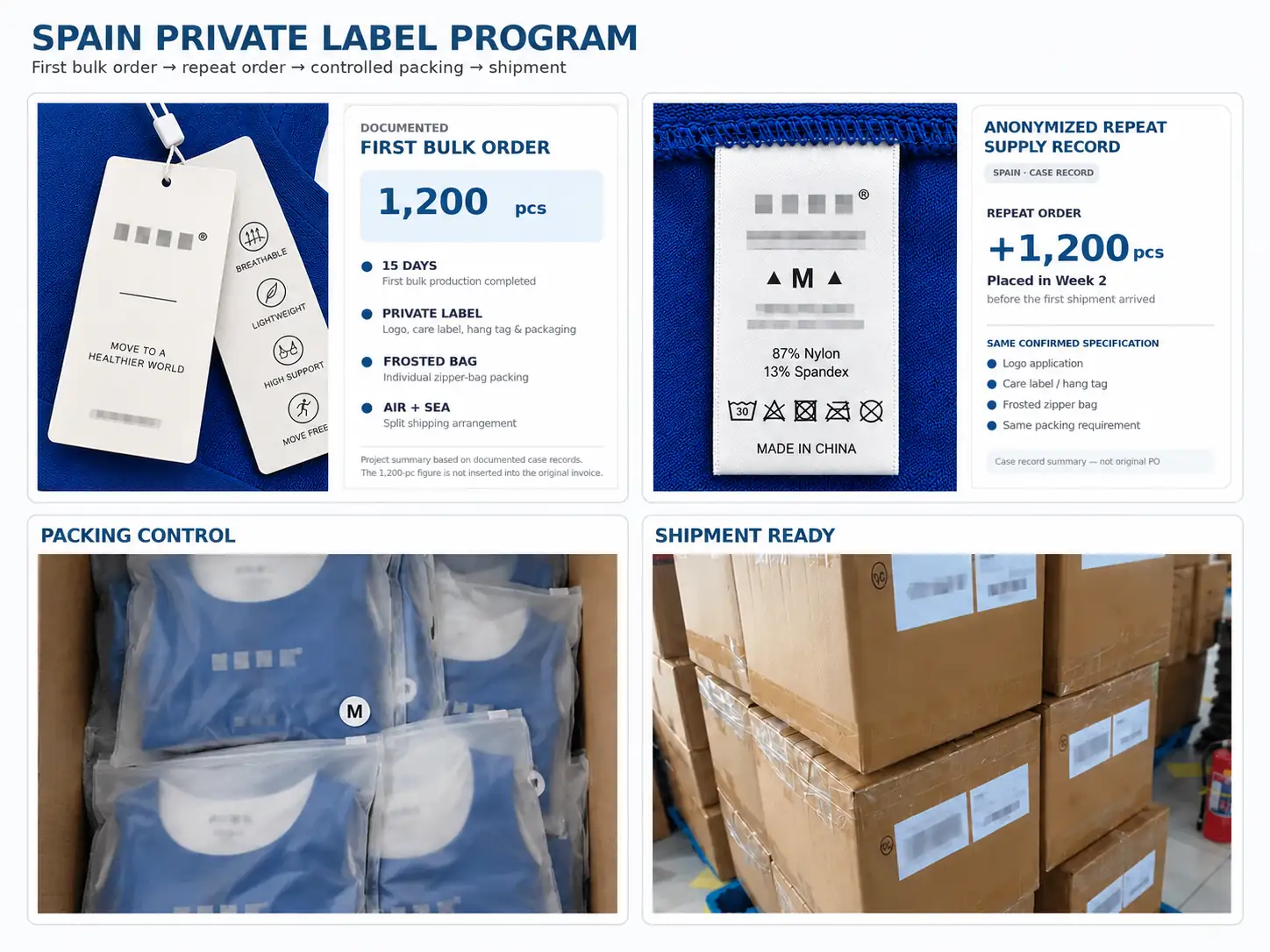
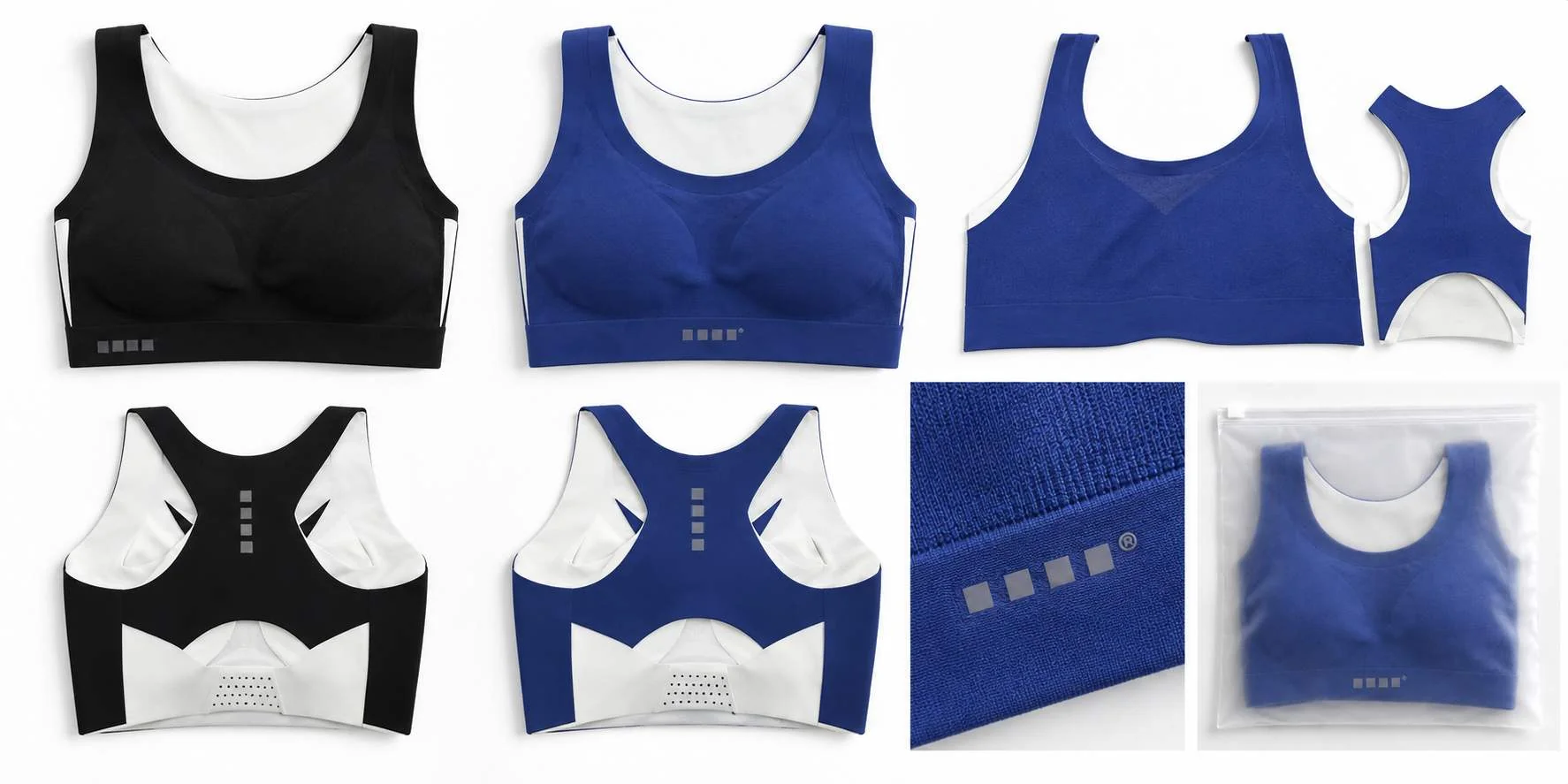
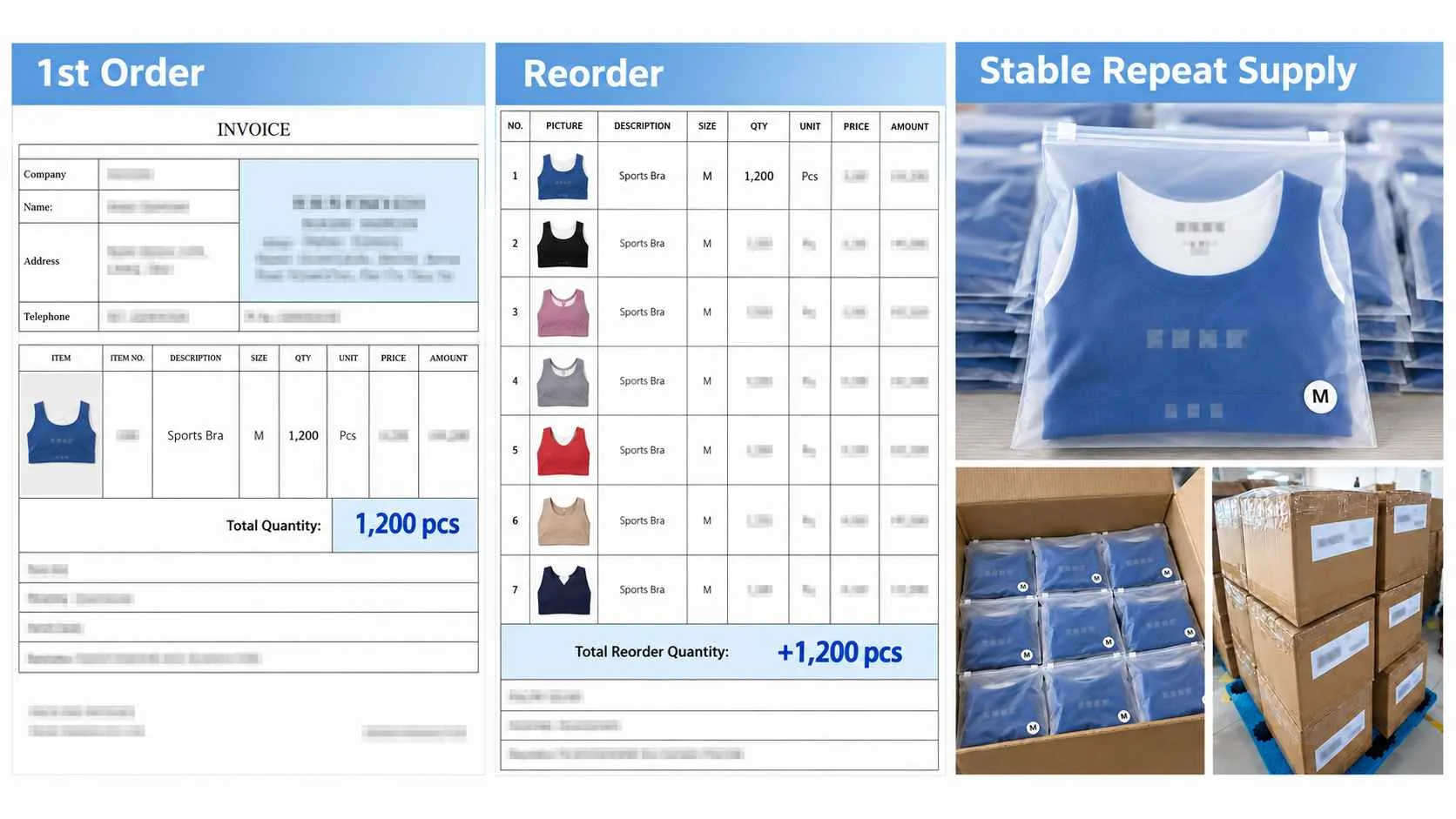
A Spanish customer found MOVEVOX through the website, evaluated ready-stock samples, then moved into customized logo, care-label, tag and packaging execution before placing the first commercial order.
Project Execution
The customer first reviewed ready-stock samples delivered by DHL in approximately five to seven days. After confirming quality, material, workmanship and product details, the buyer requested customized care labels, tags, packaging and logo application. MOVEVOX recommended a silicone logo and matte zipper bag for the project.
After the first order, the customer reordered before physically receiving the first shipment. As the relationship developed, selected styles were held at approximately 1,500 pieces per color in inventory for that specific customer program to support faster replenishment. A later May order reached approximately three times normal volume and required additional production-line capacity.
All quantities, timing, inventory and reorder figures belong only to this Spanish customer case and are not standard commitments for other buyers.
Compare Activewear Supplier Models More Objectively
Different supplier models can be suitable for different procurement tasks. The useful question is not which model is universally “best,” but which structure matches product complexity, customization depth, required scale and need for technical visibility.
| Dimension | MOVEVOX | Trading Company | Small Factory | Single-Process Factory | Large Industrial Group |
|---|---|---|---|---|---|
| Development | Internal development plus managed supply coordination | Depends on supplier network | Often close factory communication | Strong within own process | Usually formalized and specialized |
| Seamless + Cut & Sew | Both routes supported | Depends on sourced factories | Often limited by equipment | Usually focused on one route | May support through multiple divisions |
| Production Ownership | Owned core plus disclosed satellites | Production may be externally sourced | Direct owned production | Direct specialist production | Large owned or group network |
| MOQ Flexibility | Base custom references with project review | Depends on upstream factory | Can suit selected smaller programs | Process-specific minimums | Often favors larger commercial programs |
| Capacity | Owned core plus eight satellites | Dependent on supplier portfolio | Limited by own factory | Strong within specialist process | High-volume industrial capacity |
| Quality Control | MOVEVOX-managed QC and production responsibility | Depends on trading-company system | Direct but resource-dependent | Strong process-specific control | Formal enterprise-level systems |
| Multi-SKU Coordination | One managed program across applicable routes | Possible through multiple vendors | Limited by category capability | May require another supplier | Strong where program fits account structure |
| Transparency | Owned and satellite roles can be disclosed | Requires origin verification | Usually easy to verify locally | Clear specialist identity | Usually formal vendor onboarding |
A small factory can be appropriate for a narrow product scope, while a large industrial group may suit very high-volume programs. MOVEVOX is positioned between these models: an owned manufacturing core combined with controlled external capacity and centralized development, PMC and QC responsibility.
Activewear Sets Key Takeaways
- MOVEVOX supports both Seamless and Cut & Sew, allowing each activewear SKU to follow the manufacturing route appropriate to the garment.
- The owned Yiwu manufacturing core uses approximately 6,000 m² and includes 28 Italian Santoni machines plus applicable Cut & Sew resources.
- Multi-SKU collections can share material, color, branding and packaging direction while each garment retains independent sample, measurement, approval and QC requirements.
- Standard sample development is approximately 5–10 working days after necessary details are confirmed; normal bulk production is approximately 20–35 days.
- Base customized MOQ references are approximately 100 pieces per style for Seamless and 150 pieces per style for Cut & Sew, subject to project conditions.
- The managed production network combines the owned core with eight long-term satellite factories and normal managed monthly delivery capacity of approximately 150,000–200,000 quality-released pieces.
Activewear Sets Manufacturer Frequently Asked Questions
These answers cover common sourcing questions for activewear sets and multi-SKU collections. Final MOQ, timing, production route, material requirements and capacity still need to be reviewed against the actual products and commercial program.
Development & Products
What activewear products can MOVEVOX develop together?
MOVEVOX can support multi-product programs that may include leggings, sports bras, shorts, tank tops, long-sleeve tops, bodysuits and other applicable activewear products. A collection can share color, material or branding direction, but each garment remains its own technical product.
Can different garments use different manufacturing routes?
Yes. MOVEVOX supports both Seamless and Cut & Sew manufacturing. The route should be selected according to the actual garment construction and development requirements.
Can MOVEVOX develop from a Tech Pack?
Yes. MOVEVOX can also review authorized physical samples, product images, sketches or sufficiently clear concepts. The development process depends on how much technical information the buyer already controls.
Does MOVEVOX support OEM, ODM and Private Label?
Yes. The practical cooperation model depends on the buyer’s starting information and how much development or brand-execution support is required.
MOQ & Timing
What is the Seamless MOQ?
The normal custom Seamless base reference is approximately 100 pieces per style. Custom yarn, dedicated color development, logos, labels, packaging and color-size combinations can increase the effective minimum.
What is the Cut and Sew MOQ?
The normal customized Cut & Sew base reference is approximately 150 pieces per style. Effective MOQ depends on material supplier, color requirements, garment construction, branding, labels, packaging and order structure.
How long does sample development take?
Standard sample development is approximately five to ten working days after necessary development details have been confirmed. Additional revisions, custom materials or buyer feedback can extend the development timeline.
How long does bulk production take?
Normal bulk production is approximately 20–35 days. Actual timing depends on products, quantity, material readiness, customization, production route and current capacity.
Collection Control
Can tops and bottoms share the same color?
They can share the same intended color direction, but identical digital or Pantone references do not automatically create identical physical appearance across different yarns or fabrics. Relevant colors should be physically reviewed on the actual materials involved.
Can customers use different top and bottom sizes?
Yes, where the commercial SKU and packing structure is designed accordingly. Each garment, size, barcode or QR code and packing instruction must remain correctly identified throughout production and final packing.
How is sample-to-bulk consistency controlled?
The applicable approved sample, technical information, material, measurements, branding and packing requirements provide the reference for bulk execution. First-article, inline, measurement, finished-product and packing checks can be used according to the project.
Can one collection use different materials?
Yes. Different garments can require different materials even when they belong to the same collection. Define which characteristics require commercial consistency and which technical requirements remain product-specific.
Quality Capacity & Qualification
What quality-control resources does MOVEVOX have?
MOVEVOX currently has five QC personnel supporting applicable production inspection and shipment-release activities. Quality control can include material review, first-article checking, inline inspection, garment measurement, finished-product inspection and packing verification.
What production capacity can MOVEVOX support?
Normal combined managed delivery capacity is approximately 150,000–200,000 quality-released pieces per month across the owned production core and controlled satellite network. This is not a guaranteed monthly allocation to one customer.
Does MOVEVOX use satellite factories?
Yes. MOVEVOX currently works with eight long-term satellite factories, including six in Yiwu and two in Guangzhou. MOVEVOX retains responsibility for applicable order information, technical requirements, PMC, quality standards and final delivery.
Can buyers audit or visit MOVEVOX?
Yes. MOVEVOX supports scheduled factory visits, real-time video factory reviews, online meetings and applicable buyer or third-party inspection activities, subject to production schedules and confidentiality requirements.