OEM manufacturing · buyer-controlled technical specifications
Activewear OEM Manufacturer for Buyer-Approved Specifications and Controlled Bulk Production
MOVEVOX supports established activewear brands that own their product specifications and need a manufacturing partner to execute approved designs. Our seamless and cut-and-sew resources support technical feasibility reviews, sample preparation, production planning, and quality control. The objective is to translate buyer-controlled materials, measurements, construction requirements, and acceptance criteria into manufacturing instructions that can be checked throughout bulk production.

What Buyers Face
- Approved Tech Packs may contain conflicting measurements, material references, or construction details.
- Sample approvals can lose meaning when production teams use outdated technical versions.
- Functional activewear requires consistent stretch, fit, construction, and batch-specific inspection.
How We Respond
- Review buyer specifications against available materials, manufacturing routes, and technical requirements.
- Link approved samples and current production documents to the applicable manufacturing instructions.
- Apply defined material, first-article, in-process, and finished-garment quality-control checkpoints.
MOVEVOX combines an established product development organization with seamless knitting, cut-and-sew manufacturing, and coordinated supply-chain execution. Individual OEM commitments remain subject to technical review, approved specifications, material availability, and order confirmation.
Is MOVEVOX Suitable for Your OEM Procurement Stage?
The appropriate starting point depends on which product specifications have been approved and which manufacturing decisions remain open. Select the project stage that describes your current sourcing task to understand the documents, technical review, and next approval step.
Tech Pack Ready
Your technical team has prepared garment drawings, measurements, fabric requirements, construction details, and applicable branding specifications. The principal task is to evaluate whether a manufacturer can execute these requirements without introducing unapproved design changes. MOVEVOX can review the available Tech Pack against its relevant development, seamless, and cut-and-sew capabilities. Any incomplete information, conflicting instructions, or material limitations should be identified before the buyer commits to sampling or bulk pricing. A technically complete file is a starting point for production qualification, not automatic evidence of manufacturing feasibility.
Buyer Inputs
- Current Tech Pack with identifiable style and revision information.
- Approved material specifications and critical measurement requirements for each garment.
- Preliminary order quantities, size distribution, and expected delivery requirements.
MOVEVOX Review Outputs
- Technical feasibility comments identifying unresolved manufacturing and material conditions.
- Sample requirements aligned with the current buyer-controlled garment specification.
- Commercial assumptions requiring approval before a formal manufacturing commitment.
Approved Sample
Your team already holds an approved garment and needs another manufacturing supplier to reproduce it against the relevant technical documents. The physical sample must be considered alongside measurements, fabric specifications, construction instructions, and permitted production tolerances. MOVEVOX can assess suitable manufacturing routes and identify differences between the reference garment and the available technical information. A production-equivalent sample should be evaluated before bulk release. No manufacturer should assume that possession of an existing sample automatically authorizes use of protected designs or guarantees identical results without material and process verification.
Buyer Inputs
- Authorized reference sample with the accompanying current production specification.
- Approved material, color, measurement, and workmanship acceptance requirements.
- Planned order volume and any existing supplier-transfer restrictions or obligations.
MOVEVOX Review Outputs
- Comparison of reference requirements against feasible manufacturing and sourcing routes.
- Proposed sample and production approval checkpoints for buyer technical review.
- Identification of missing documentation and commercially significant production risks.
Supplier Replacement
You are evaluating an alternative manufacturing partner because of capacity limitations, quality variation, commercial conditions, or sourcing concentration. Replacing a supplier requires a controlled review of existing technical documents and product references, even when the design itself remains unchanged. Critical fit, materials, branding, and performance characteristics must be understood before production allocation. MOVEVOX’s manufacturing capabilities can be considered through an initial feasibility assessment. The buyer should also verify intellectual-property permissions, approved production locations, sample equivalence, and the evidence required before a supplier change is authorized.
Buyer Inputs
- Released specifications and authorized samples from the existing production program.
- Critical quality issues, non-negotiable standards, and supplier qualification criteria.
- Transfer quantities, transition milestones, and current inventory or delivery constraints.
MOVEVOX Review Outputs
- Preliminary manufacturing fit assessment and unresolved transfer requirements list.
- Proposed comparison checkpoints for materials, sizing, construction, and appearance.
- Conditional capacity and commercial questions for subsequent supplier qualification.
Repeat Production
Your brand has a previously approved product and needs reliable execution for additional orders. Replenishment should begin with confirmation that the approved specifications, material sources, size breakdown, artwork, and packaging information remain current. Production settings and supplier availability may have changed since the preceding order. MOVEVOX can review repeat manufacturing requirements through its existing production and quality organization. Before accepting a new purchase order, the parties should confirm current material availability, production capacity, relevant changes, and whether the previous approval reference remains valid.
Buyer Inputs
- Latest approved sample, technical revision, and corresponding SKU specifications.
- Updated purchase order quantities, color splits, and packaging instructions.
- Historical quality concerns and any newly imposed brand acceptance requirements.
MOVEVOX Review Outputs
- Review of current technical references and changes requiring renewed approval.
- Material and manufacturing readiness assessment based on actual order conditions.
- Proposed production and inspection checkpoints for the confirmed repeat order.
Multi-SKU Program
Your sourcing team manages several activewear products with different materials, manufacturing routes, and shipment requirements. Individual styles may share colors or branding while requiring separate patterns, knitting instructions, dimensions, and quality standards. MOVEVOX combines seamless and cut-and-sew manufacturing with coordinated project and production resources. A program-level review can identify dependencies without treating the collection as one uniform manufacturing task. The buyer should provide style-level technical documents, quantities, required delivery windows, and critical approval conditions before accepting any aggregated production or capacity commitment.
Buyer Inputs
- SKU matrix identifying garment category, color, size, and quantity.
- Individual Tech Packs and shared material or branding specifications where applicable.
- Planned order waves, required shipment dates, and quality approval responsibilities.
MOVEVOX Review Outputs
- Style-by-style manufacturing route and technical readiness review.
- Identification of shared material dependencies and individual production risks.
- Conditional production allocation inputs for buyer sourcing and planning decisions.

What Does OEM Activewear Manufacturing Require From a Supplier?
OEM activewear manufacturing is a production arrangement in which the buyer defines the garment design and technical requirements, while the manufacturer reviews feasibility, develops approval samples where necessary, and executes production against the agreed specification. Materials, fit, measurements, construction, branding, and quality acceptance criteria should remain under documented control throughout manufacturing.
Buyer-Controlled Specifications
The brand supplies or authorizes the applicable design, Tech Pack, measurement chart, material requirements, and product standards. The manufacturer should not substitute its own design preferences for these instructions without buyer approval.
Manufacturer Technical Review
A manufacturing supplier should identify unclear specifications, process limitations, unsuitable materials, and conflicting requirements before production. Technical review supports accurate execution; it does not automatically transfer design authority from the buyer.
Approved Production Reference
A sample, material specification, and released technical documents provide the references against which bulk production can be assessed. Their approval status, applicable sizes, revisions, and limitations should be recorded.
Controlled Manufacturing Execution
Production quality depends on material consistency, approved construction, first-article verification, relevant inspections, and the handling of nonconforming output. A satisfactory development sample alone does not prove bulk consistency.
Why It Matters Established brands need manufacturers that protect their existing product standards while identifying practical production risks before materials, capacity, or shipment commitments become difficult to change.
Seven Risks That Can Undermine Approved OEM Specifications
OEM production problems frequently begin with unclear technical responsibilities or uncontrolled changes, not only with visible sewing defects. Brand buyers should verify how a potential supplier interprets specifications, establishes production references, and manages deviations before authorizing manufacturing.
Incorrect Tech Pack Version
When sampling, purchasing, and production teams use different document revisions, garments may be manufactured against superseded measurements, material requirements, or artwork. The resulting discrepancies can affect fit, appearance, commercial approval, and the buyer’s ability to determine which version is contractually valid.
Verification: Ask how current revisions are identified, released, distributed, and withdrawn before sampling or production begins.
Unapproved Material Changes
A nominally equivalent fabric may differ in knit density, stretch recovery, surface treatment, opacity, or dimensional behavior. A substitution based only on composition or color can invalidate fit and performance decisions that were approved using the original material.
Verification: Require material-reference comparison and written authorization before replacements become part of the production specification.
Inconsistent Measurement Methods
Different garment relaxation conditions, measuring positions, or interpretations of tolerance can produce conflicting inspection results. An apparent dimensional disagreement may reflect measurement practice, actual production variation, or both, making root-cause assessment difficult without an agreed method.
Verification: Confirm measurement diagrams, garment condition, critical POM, tolerance rules, and inspection responsibilities before approving sizes.
Sample-to-Bulk Specification Drift
A sample may be manufactured using a particular material, pattern, or knitting structure while bulk production follows incomplete or outdated instructions. Even small unapproved differences can affect the garment’s intended fit, stretch behavior, seam placement, or visible appearance.
Verification: Compare the approved sample with released production documents and verify that any subsequent changes require authorization.
Unauthorized Construction Adjustments
Simplifying a seam, changing elastic, modifying a gusset, or altering a logo application may appear operationally convenient but can change product function or aesthetics. The supplier should not treat a manufacturing preference as permission to change buyer-owned product requirements.
Verification: Request a documented technical query and change-approval process for material or construction deviations.
Missing First-Article Approval
A production line can begin manufacturing with incorrect settings, materials, dimensions, or branding. If the initial output is not assessed against approved references, the same deviation may continue across a larger quantity before it becomes visible during finished-garment inspection.
Verification: Establish first-article checkpoints, escalation responsibilities, and authority to hold production when critical requirements differ.
Unclear Production Accountability
Unconfirmed manufacturing locations, partner responsibilities, delivery dependencies, or inspection ownership can complicate communication when deviations occur. A buyer needs to know which organization executes the work and who is accountable for resolving technical, quality, or shipment issues.
Verification: Confirm production allocation, approved partner involvement, QC responsibility, communication ownership, and delivery assumptions before PO release.

Verify the Critical Specifications of Every Activewear Category
Different garments create different manufacturing and inspection risks. OEM qualification should examine the technical requirements of the buyer’s actual product range, rather than treating every stretch garment as interchangeable or applying one generic inspection checklist.
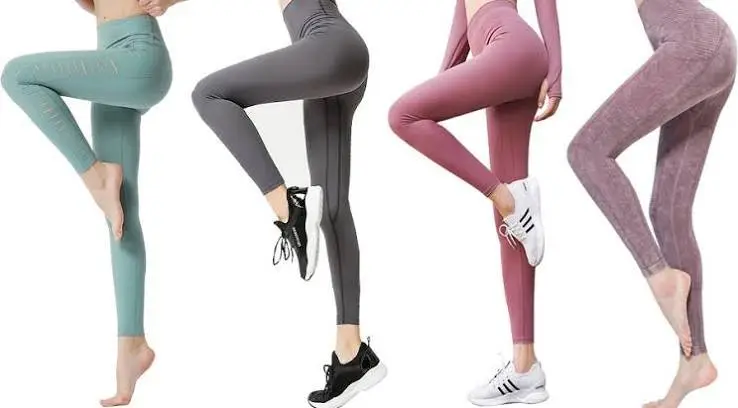
Leggings and Training Tights
Leggings require coordinated review of front and back rise, waistband dimensions, gusset construction, inseam placement, fabric extension, and opacity. Approved POM should distinguish relaxed garment measurements from fit behavior. Materials and stitch or knitting structures must correspond to the approved sample. Bulk inspection should focus on measurable dimensional and workmanship requirements while relevant movement or coverage claims require separate validation.
- Verify waistband height and circumference using the approved measurement method.
- Confirm gusset geometry and critical seam placement against the reference sample.
- Evaluate fabric recovery and coverage under relevant agreed conditions.
Related Product: OEM Leggings Manufacturing
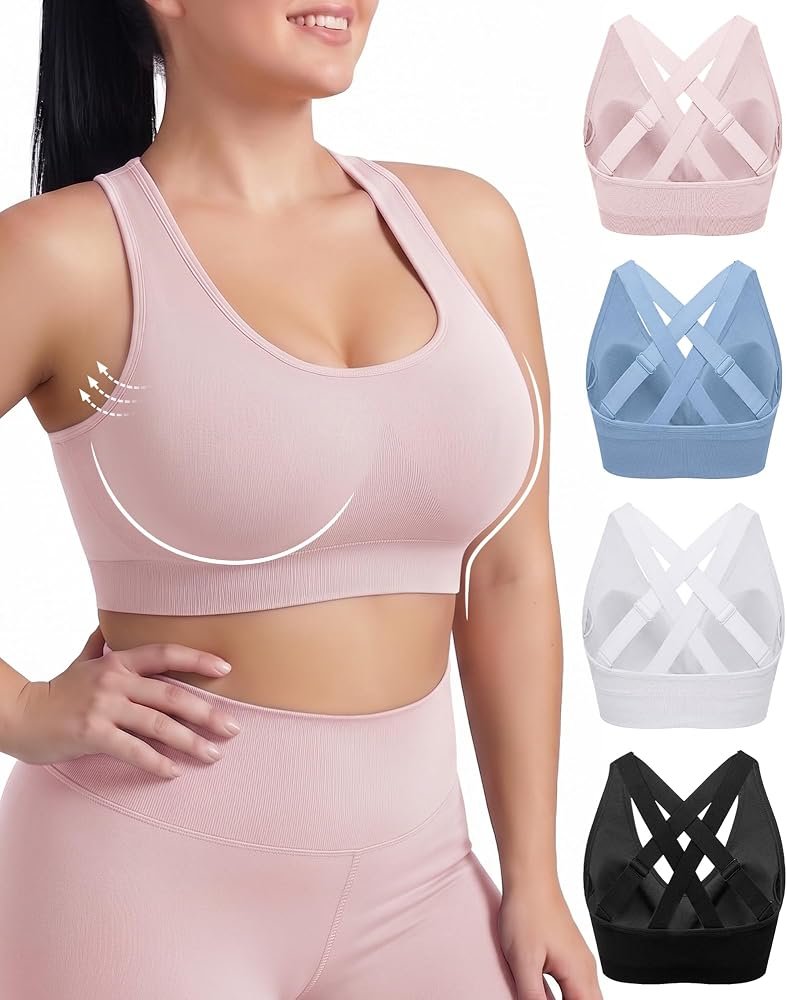
Sports Bras and Support Tops
Sports bra execution requires attention to underband circumference, strap dimensions, elastic behavior, cup or pad positioning, and support-related fit. Changes in material recovery can alter wearing tension even if flat measurements remain within tolerance. A buyer-approved support direction should be linked to appropriate fit or performance evidence. Sample and production checks must not substitute subjective marketing terms for documented acceptance standards.
- Confirm underband, strap and armhole measurements across approved representative sizes.
- Check pad-pocket construction and pad position where the design requires them.
- Separate verified support requirements from untested descriptions of compression.
Related Product: OEM Sports Bra Manufacturing
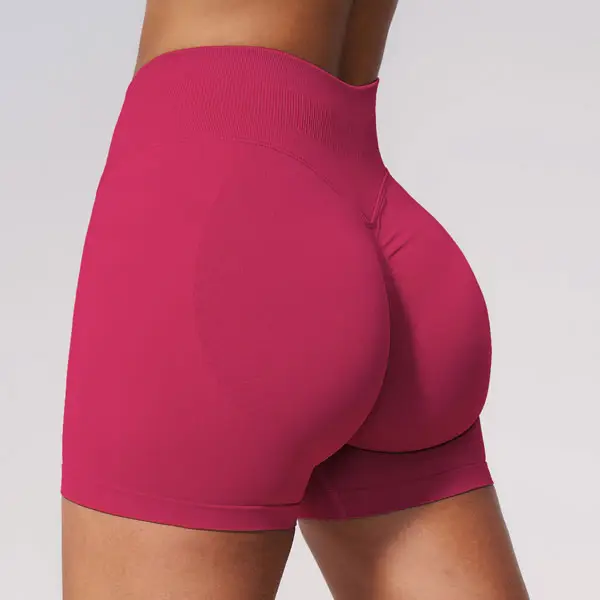
Yoga Shorts and Biker Shorts
Shorts require review of rise, inseam, gusset construction, leg opening, hem tension, and fabric coverage. Products with different inseam lengths can behave differently during movement despite sharing the same material or waistband. Pockets, flat seams, or edge finishes introduce additional inspection points. The final production specification should identify which fit and construction characteristics are essential to the buyer.
- Check inseam and leg-opening specifications against each intended size.
- Verify approved pocket, gusset and waistband construction where applicable.
- Assess riding-up and movement-related fit through defined wear evaluations.
Related Product: OEM Yoga and Biker Shorts
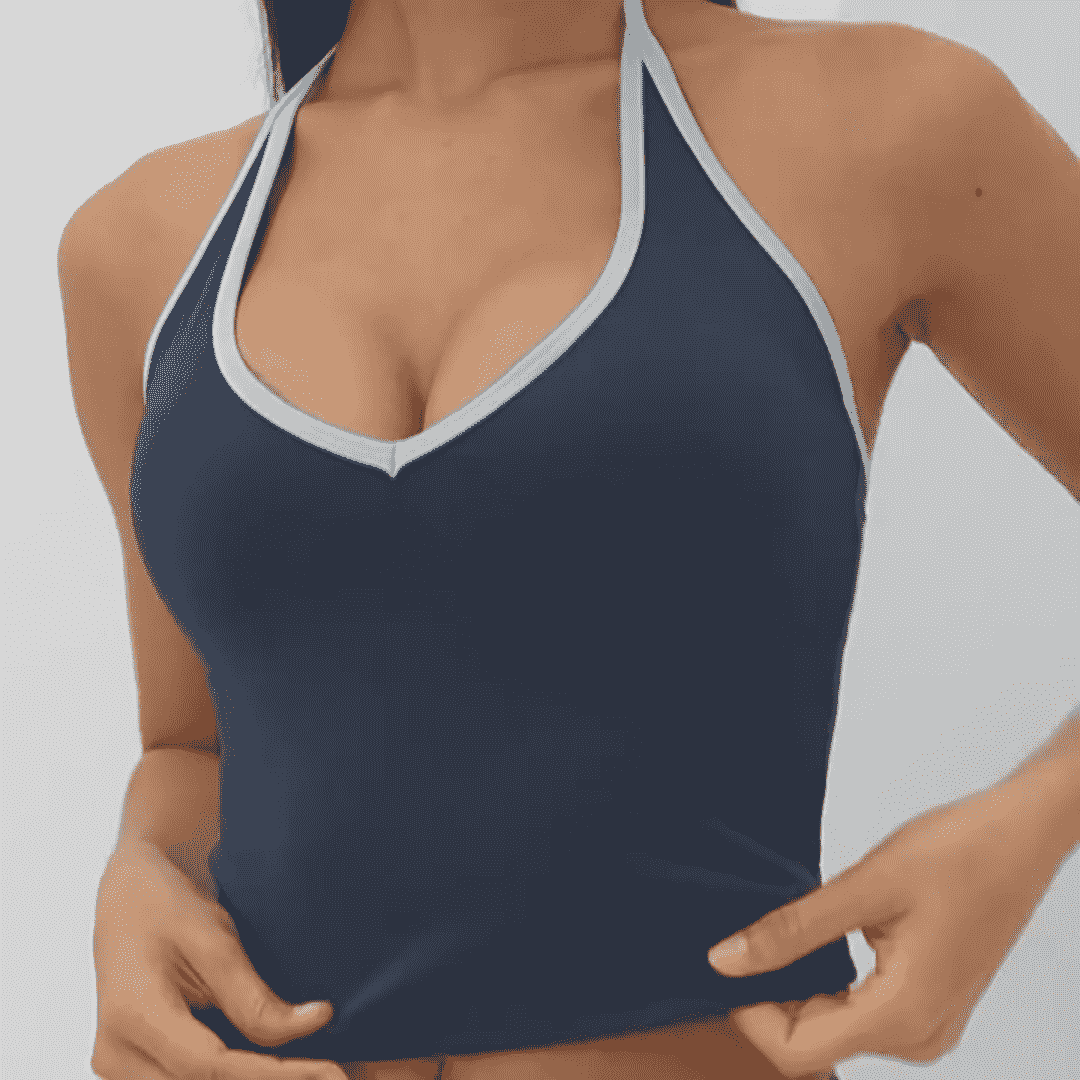
Tops and Training Tanks
Tops and tanks can require controlled necklines, armholes, body lengths, hems, and seams that accommodate movement. Sleeved styles also introduce sleeve length, shoulder position, and range-of-motion considerations. Different fabric weights or recovery characteristics may affect neckline stability and finished dimensions. Production references should make the intended silhouette and key construction details measurable for consistent execution.
- Confirm neckline, armhole and body-length measurement references before bulk release.
- Evaluate seam extension where movement places repeated stress on construction.
- Verify material, finishing and garment appearance against the approved sample.
Related Product: OEM Activewear Tops
Coordinated Activewear Sets
Coordinated sets can share colors, materials, and branding while retaining different technical requirements for each garment. A leggings-and-bra set should not be evaluated against one combined measurement standard. Separate approvals may be needed for material behavior, size grading, construction, and support. Color consistency should be judged against approved physical references, particularly when fabric constructions differ.
- Maintain individual Tech Packs and approval records for each garment style.
- Confirm coordinated colors using actual approved materials and viewing conditions.
- Link each SKU to its correct sizing, branding and packing specification.
Related Product: OEM Activewear Sets

Confirm Garment Measurements, Grade Rules and Fit Tolerances
A finished-garment measurement chart must specify what to measure, how to measure it, and under which garment conditions. OEM production should follow buyer-approved size definitions and grading rather than adjusting fit requirements to suit an unapproved factory interpretation.
| Size | Bust POM | Waist POM | Hip POM | Inseam POM | Fit Approval |
|---|---|---|---|---|---|
| XS | Buyer Spec | Buyer Spec | Buyer Spec | Buyer Spec | Review required |
| S | Buyer Spec | Buyer Spec | Buyer Spec | Buyer Spec | Review required |
| M | Buyer Spec | Buyer Spec | Buyer Spec | Buyer Spec | Reference if approved |
| L | Buyer Spec | Buyer Spec | Buyer Spec | Buyer Spec | Review required |
| XL | Buyer Spec | Buyer Spec | Buyer Spec | Buyer Spec | Review required |
| XXL | Buyer Spec | Buyer Spec | Buyer Spec | Buyer Spec | Review required |
The matrix is an example of document structure, not a MOVEVOX size chart. Actual values must come from approved garment specifications. Flat garment measurements, body measurements, and measurements under extension are not equivalent. The buyer should define the measuring method, reference size, grade rules, and acceptable deviations. Seamless knitting and cut-and-sew garments may require different practical measurement considerations. Passing a dimensional check does not independently establish comfortable fit or validated functional performance.
Reference Conditions
Establish garment relaxation, positioning and measuring method before comparing samples or batches.
Grade Consistency
Verify that relevant design features remain correctly positioned across the approved size range.
Critical Tolerances
Apply the buyer’s approved requirements to functional points such as waistbands and bra underbands.
Verify Stretch and Recovery Against Approved Product Requirements
Fabric composition alone does not determine how an activewear garment stretches, recovers, or fits after repeated movement. OEM execution should compare actual material and construction with buyer-approved requirements, using suitable validation conditions before and during production.
Fabric Extension
Claim to Verify: The selected fabric provides the required extension for the intended garment fit.
Extension depends on knit structure, elastane content, fabric direction, load and finishing. Two fabrics with the same composition can behave differently under the same force. The relevant production material should be compared with the approved reference using the buyer’s defined conditions rather than subjective stretching by hand alone.
Verification Evidence
Evidence Basis: Material specification, agreed extension method, approved swatch and relevant lot documentation.
Elastic Recovery
Claim to Verify: The garment material recovers sufficiently after repeated extension.
Recovery affects waistband retention, garment shape and fit after repeated use. Evaluation should distinguish initial extensibility from residual deformation after release. If recovery is specified, test method, loading, cycle conditions and acceptance limit should be identified before results approve the material.
Verification Evidence
Evidence Basis: Approved recovery criteria, test results where available and comparable material references.
Waistband Retention
Claim to Verify: The waistband maintains its intended position during relevant movement.
Waistband stability depends on circumference, elastic properties, material recovery, garment rise and construction. A waistband can measure correctly in a relaxed condition yet feel too loose, restrictive or unstable when worn. Fit reviews should assess the approved size and movement conditions before production construction is frozen.
Verification Evidence
Evidence Basis: Waistband POM, construction details, material references and documented fit assessment.
Dimensional Stability
Claim to Verify: Garment dimensions remain within agreed standard after applicable treatment.
Washing, relaxation, heat and finishing can influence activewear measurements. The buyer should distinguish as-manufactured tolerances from post-laundering requirements. Where dimensional stability is critical, the relevant method and accepted change should be established before performance claims.
Verification Evidence
Evidence Basis: Approved care conditions, relevant test documentation and measurement records.
Production Material Matching
Claim to Verify: Bulk material matches the properties of the approved reference.
Matching color and fiber composition do not guarantee identical stretch, recovery or surface finish. Yarn or fabric lot changes can affect wearing behavior. Incoming material review should identify characteristics relevant to the approved garment, with substitutions or significant differences presented for buyer authorization.
Verification Evidence
Evidence Basis: Supplier material documents, approved sample references and incoming inspection records.
Garment-Level Performance
Claim to Verify: The finished product satisfies the buyer’s actual wearing requirements.
Fabric performance and garment performance are related but not identical. Pattern dimensions, seam construction, knitting zones and size grading influence the finished wearing experience. Where functional requirements matter, relevant garment sizes and intended use should be represented in a defined approval procedure.
Verification Evidence
Evidence Basis: Approved garment specification, fit feedback and appropriate product-level validation evidence.
Prevent Unapproved Material Changes in OEM Activewear Production
Material substitution is a significant OEM sourcing risk because similar-looking fabrics may perform differently. Material availability should be checked against the buyer’s approved specification before purchasing, sampling or production changes are authorized.
Fiber Composition
Two fabrics may declare the same percentages yet differ in yarn, knit structure, surface finish or wearing behavior. Composition alone may not establish equivalence.
MOVEVOX Response: Compare material documents and physical references through sourcing and development functions. Alternatives should be buyer-approved.
Evidence: project-specific material reference required
GSM Variation
Fabric weight can affect opacity, drape, handfeel, consumption and garment appearance, even with matching fiber composition.
MOVEVOX Response: Evaluate actual samples and specifications against approved ranges; assess additional fit or performance confirmation where necessary.
Evidence: project-specific material reference required
Stretch Difference
Different stretch characteristics can change fit even when finished garment measurements are nominally correct.
MOVEVOX Response: Compare behavior under agreed conditions; review affected garments and sizes before authorizing substitution.
Evidence: project-specific material reference required
Recovery Difference
Similar initial extension may conceal differences in residual deformation after repeated wear.
MOVEVOX Response: Review appropriate recovery evidence where specified and assess approved fit/function requirements.
Evidence: project-specific material reference required
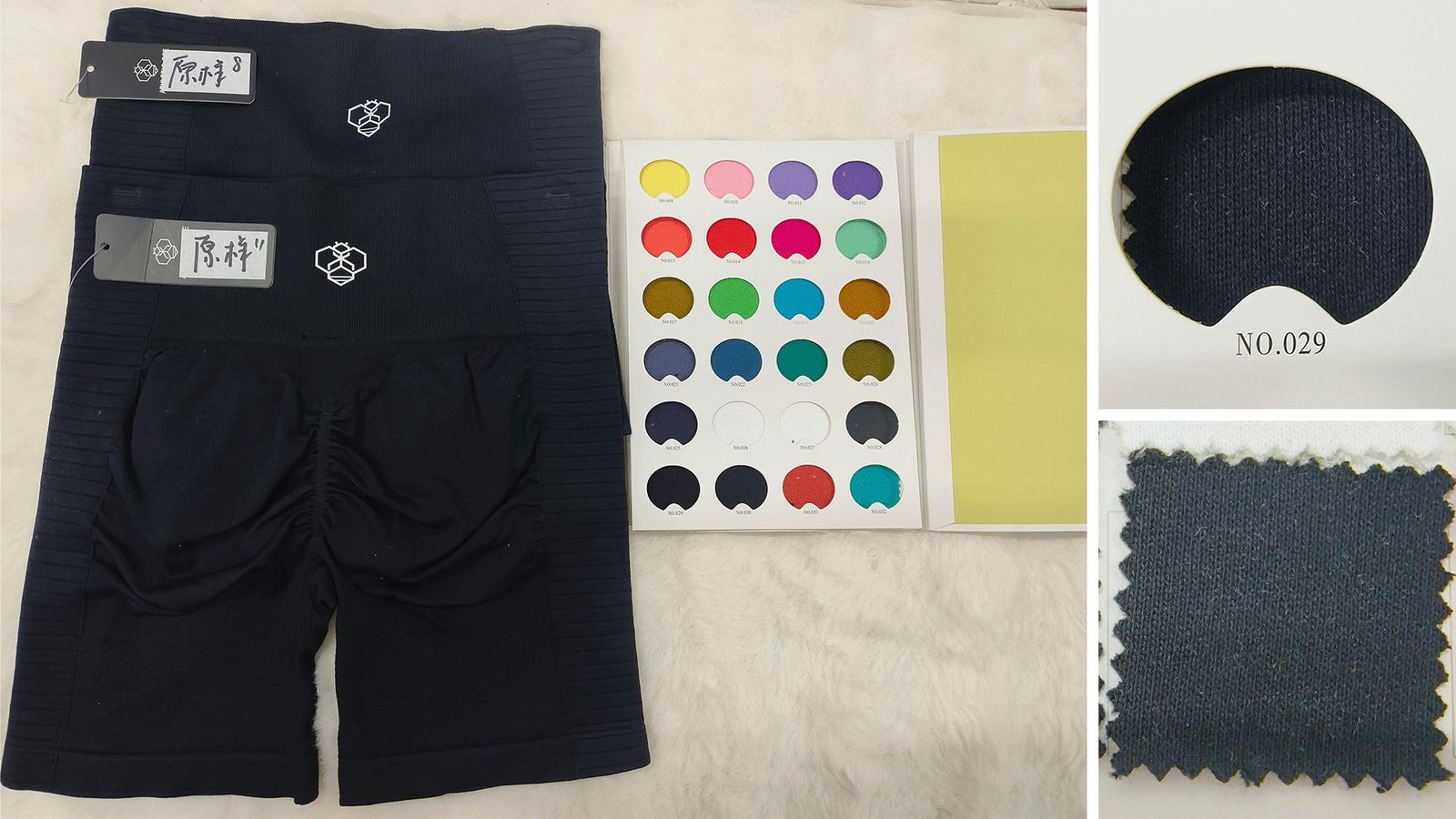
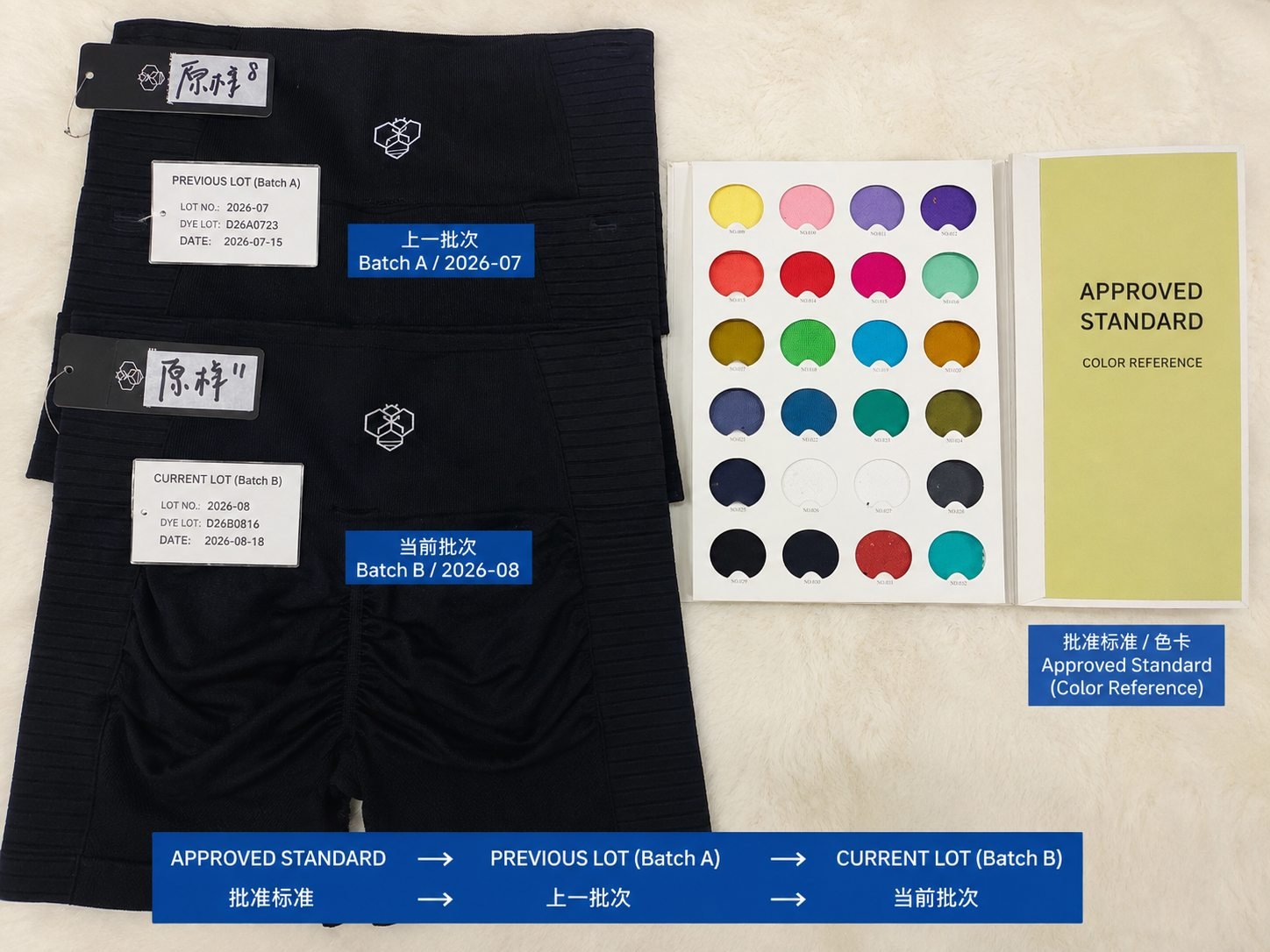
Color and Dye Lot
Dyeing and finish differences may create shade variation between lots or garments in sets; screen references are insufficient.
MOVEVOX Response: Use approved physical color references and buyer-defined viewing criteria for lot or material changes.
Evidence: project-specific material reference required
Surface Finish
Brushing, coating, texture or finish changes can alter feel, appearance and performance after use or laundering.
MOVEVOX Response: Compare finish against approved physical sample, record any consequential change and obtain authorization.
Evidence: project-specific material reference required
An exact material match, a buyer-approved alternative and an unauthorized replacement are three different sourcing conditions. A manufacturer should not treat them as interchangeable.
Qualify the Manufacturing Route Against Your Approved Garment Design
OEM route selection should begin with the buyer’s construction and performance requirements. MOVEVOX has both seamless and cut-and-sew manufacturing resources, but an individual style must be technically reviewed before either route is confirmed.
| Qualification Factor | Seamless Manufacturing | Cut-and-Sew Manufacturing | Buyer Approval Requirement |
|---|---|---|---|
| Primary Technical Input | Yarn specifications, garment dimensions, knitting structures and zone placement. | Fabric specifications, patterns, POM, seams and assembly. | Confirm controlling technical references. |
| Garment Structure | Integrated knitting zones and compatible seamless construction. | Defined panels, shaped seams, gussets and assembled components. | Preserve approved silhouette and function. |
| Material Matching | Yarn and knitting compatibility affect route feasibility. | Fabric width, stretch direction and seam compatibility affect execution. | Verify actual materials. |
| Fit Reproduction | Knitted dimensions, recovery, relaxation and finishing. | Pattern geometry, fabric recovery, stitching and grading. | Confirm method and fit approval scope. |
| Revision Impact | Program/structure changes may affect sizes and sampling. | Pattern/assembly changes affect samples and material usage. | Authorize changes before release. |
| Inspection Focus | Knitting appearance, zones, dimensions and finishing. | Cutting, seam integrity, dimensions and finishing. | Set route-specific CTQ. |
| Commercial Fit | Yarn, program and order quantity influence feasibility. | Fabric/trims, assembly complexity and quantity influence feasibility. | Approve MOQ and lead time. |
| Bulk Reproducibility | Approved yarn, structure and production inputs guide repeat execution. | Approved fabric, pattern and assembly guide repeat execution. | Match output to approved reference. |
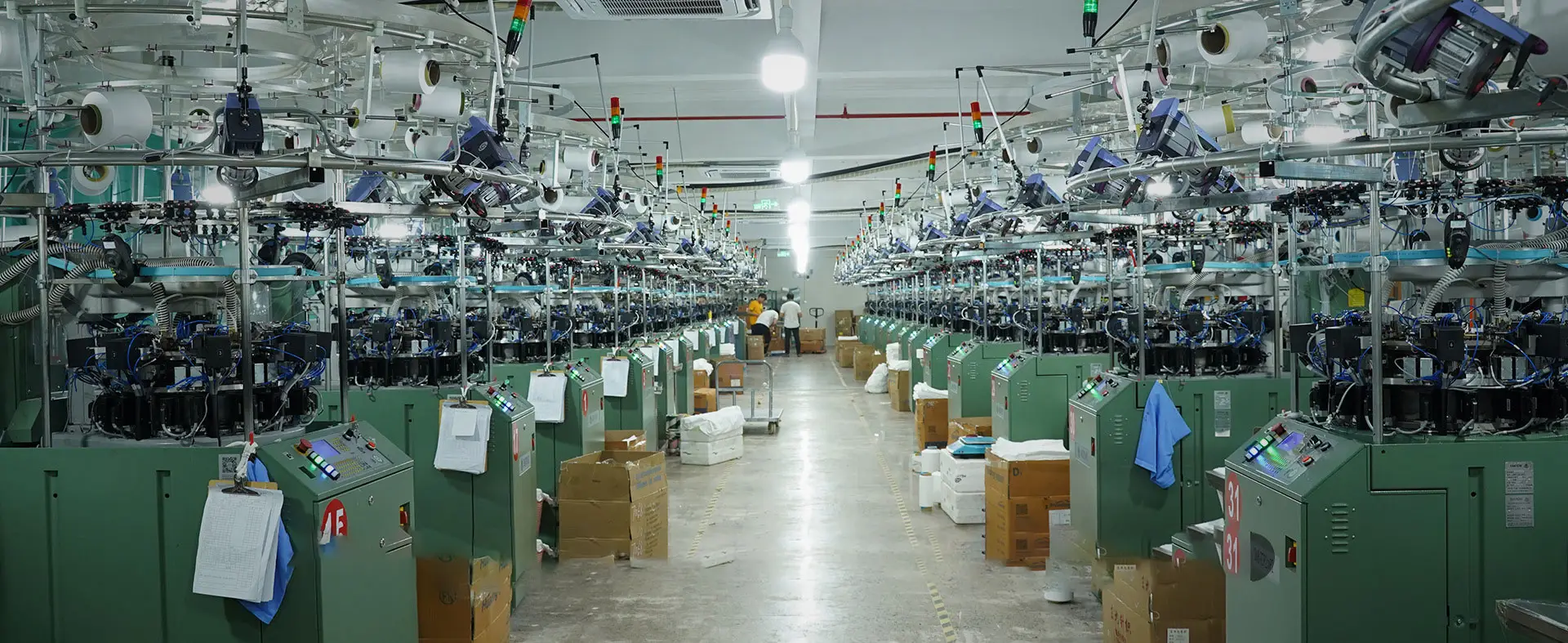
The correct OEM manufacturing route can meet the buyer’s approved design, material, quantity and quality conditions. MOVEVOX’s 28 Santoni seamless machines and existing cut-and-sew resources provide two production foundations, not an unconditional guarantee that every proposed style is feasible.
Seven Myths About OEM Activewear Measurement and Fit Control
Measurement tolerance, material behavior and actual garment fit are related but distinct. These Myth/Fact explanations help technical and quality teams avoid common errors when defining size specifications and evaluating bulk production deviations.
Myth — Any Variation Within Tolerance Is Acceptable
Myth: A stated tolerance automatically permits every difference in garment appearance.
Fact: Measurement tolerance applies to specified dimensions under defined conditions. It does not authorize incorrect construction, inconsistent features or failure of separate performance requirements. Critical dimensions may need different tolerances.
Qualification: The customer specification determines acceptable dimensions, methods and deviations.
Myth — One Approved Size Validates All Sizes
Myth: A passing base-size sample proves that every graded size will fit correctly.
Fact: Grading changes geometry and the relationship between body proportions, extension and construction. Representative size-set review can be needed for critical support and fit requirements.
Qualification: Required size coverage and fit trials must be agreed for the garment.
Myth — Composition Determines Finished Measurements
Myth: Two fabrics with identical percentages produce identical garment dimensions.
Fact: Fiber composition does not fully describe yarn, knit structure, finish, recovery or relaxation; a substitute may need validation.
Qualification: Material equivalence depends on actual approved properties.
Myth — Seamless and Sewn Garments Behave Identically
Myth: One tolerance rule always works for seamless and cut-and-sew products.
Fact: Manufacturing routes create different variation sources, including knitting/finishing and cutting/seaming. Methods should reflect construction and accepted requirements.
Qualification: Product-specific buyer tolerances govern both routes.
Myth — A Passing Sample Guarantees Bulk Consistency
Myth: One approved garment proves the entire order will match perfectly.
Fact: A sample is a reference within its defined scope; materials, settings, processes and inspection require continued control.
Qualification: Sample approval does not replace production inspection.
Myth — Flat Measurements Prove Wearing Fit
Myth: Correct flat measurements guarantee intended wearing fit.
Fact: Fit also depends on extension, recovery, pattern shape, proportions and construction; support and retention cannot be proven by relaxed dimensions alone.
Qualification: Fit and function require suitable product-level validation.
Myth — Correct Dimensions Prove Product Performance
Myth: A garment within size tolerance automatically meets all performance claims.
Fact: Dimensions do not establish opacity, recovery, colorfastness, seam strength or support. Each requirement needs a suitable verification method.
Qualification: Measurement reports are not substitutes for unrelated tests.
Establish Clear Approval Gates Before OEM Bulk Production
A pre-production sample should represent the product the manufacturer is authorized to make. Approval requires alignment between physical garment, documents, materials, measurements, construction, branding and buyer acceptance requirements.
Approval Gate 01
Confirm Technical Files
Identify correct Tech Pack revision, drawings, BOM, POM, grading and construction. Resolve contradictions instead of leaving undocumented production assumptions.
Buyer Inputs
- Current released Tech Pack with revision identification.
- Approved garment measurements and applicable construction requirements.
MOVEVOX Outputs
- Technical review comments identifying conflicting/missing requirements.
- Sample preparation information reflecting current buyer specs.
Acceptance Gate: Buyer acknowledges controlling documents and resolves critical conflicts.
Approval Gate 02
Approve Materials and Components
Confirm proposed fabric, yarn, elastic, trims and branding components match the intended product. Evaluate changes in fit, appearance, performance or cost.
Buyer Inputs
- Approved material standards, color and component requirements.
- Written decisions on material or accessory alternatives.
MOVEVOX Outputs
- Material availability review and supplier dependencies.
- Sample references aligned with confirmed sourcing.
Acceptance Gate: Sample materials are accepted or substitutions remain on hold.
Approval Gate 03
Verify Fit and Construction
Assess garment structure, POM, seam/knit details and function under appropriate category-specific approval criteria.
Buyer Inputs
- Fit-review comments and representative size requirements.
- Appearance, measurement and relevant performance acceptance criteria.
MOVEVOX Outputs
- Sample measurement findings and proposed corrections.
- Updated construction or pattern after authorized changes.
Acceptance Gate: Required fit/construction standards confirmed and outstanding validation identified.
Approval Gate 04
Approve PP Sample
Confirm production-equivalent sample materials, construction, branding and appearance with the current documentation.
Buyer Inputs
- Written approval authority and sample acceptance standard.
- Confirmation of restricted changes or conditions.
MOVEVOX Outputs
- Identifiable PP sample and approved technical reference.
- Remaining production constraints and sign-off conditions.
Acceptance Gate: Authorized buyer approves the defined PP sample scope.
Approval Gate 05
Release Bulk Production
Use only approved version, material and manufacturing location; confirm first article and QC before large-scale work.
Buyer Inputs
- Confirmed order, specifications and quality requirements.
- Authorization for deviations or production conditions.
MOVEVOX Outputs
- Current production preparation references.
- First-article and process-inspection checkpoints.
Acceptance Gate: Bulk proceeds against authorized references; later changes need review.
Release the Correct Technical Version to Every Production Function
A specification freeze is effective only when the approved requirements are identifiable and available to purchasing, manufacturing and inspection. This control chain links an OEM style’s authorized documents before production begins.
01
Approved Tech Pack
The current document identifies controlling design, construction and revision. Superseded files should not be used during sampling, sourcing or production.
Tech Pack
02
Bill of Materials
Approved BOM connects each component with applicable supplier/material reference. Authorized alternatives must be explicit.
Final BOM
03
Material Standards
Fabric, yarn, color and relevant performance standards correspond to accepted references. Changes need review.
Material Approval
04
Pattern / Program
The applicable pattern or knitting structure reflects approved garment geometry. Earlier revisions cannot be substituted.
Engineering File
05
POM and Grading
Measurement chart defines sizes, POM, grade rules and tolerances; QC uses the same approved method.
Size Specification
06
Approved PP Sample
An identifiable physical sample represents agreed appearance, construction and materials within its approval scope.
PP Approval
07
Production Instructions
Operators receive applicable processes, material references and construction requirements; later questions need authorized resolution.
Work Instructions
08
Quality Standard
QC reference connects buyer criteria with inspection methods, defect classification and release requirements.
Inspection Standard
Verify Initial Production Garments Against Approved OEM Standards
First-article inspection provides an opportunity to identify discrepancies before the same production setup is used for larger quantities. The review uses the buyer’s authorized product references and focuses on fit, function, appearance and order accuracy.
Fabric / Yarn
Check production material against approved composition, identity, color, structure and performance references. Unapproved substitutes need review.
- Material reference matches BOM and approvals.
- Differences affecting critical properties are escalated.
Color Standard
Compare production material with physical color reference under suitable conditions, considering surface and lot differences.
- Current physical standard is identified.
- Unaccepted shade differences remain on hold.
POM and Fit
Measure critical dimensions using specified garment condition and tolerances, especially waistbands, bras and inseams.
- Measurement method follows current specification.
- Critical deviations are reviewed before release.
Construction Accuracy
Inspect seam, panel, gusset and elastic placement against approved reference; factory convenience is not change authority.
- Construction matches drawings and sample.
- Unauthorized differences are documented/escalated.
Stitch / Knit Integrity
Inspect stitching/knitting for defects, distortion and relevant integrity in the intended use and stress areas.
- Applicable seam/knit requirements are met.
- Critical defects trigger correction and review.
Logo and Labels
Verify artwork, size, placement, labeling and application; any performance claim depends on evidence.
- Correct authorized files are used for SKU.
- Position and workmanship conform to requirements.
Garment Appearance
Assess symmetry, surface quality and finish against approved references and permitted variation.
- Visual characteristics match approval scope.
- Nonconforming appearance held for review.
Packing Information
Check size identification, SKU labels, packaging and carton information early to avoid repeated finishing errors.
- SKU identity matches PO and packing.
- Incorrect details corrected before release.
MOVEVOX’s established QC framework includes first-article and process checks. Significant first-article differences should be documented, investigated and corrected before affected production proceeds. Changes to approved specifications need authorization; reinspection should verify the corrected output against actual requirements.

Follow a Controlled OEM Process From PO to Shipment
Bulk manufacturing should proceed through confirmed commercial, technical and quality-control stages. The following process connects the buyer’s released specifications with material readiness, production allocation, first-article review, in-process checks and final shipment requirements.
Step 01
PO Review
Confirm style, quantity, color-size split, commercial terms, delivery date and applicable technical revision. Resolve open questions before order authorization.
Responsible: Order Team
QC Gate: Specification Match
Step 02
Material Readiness
Verify fabrics, yarns, trims and components under accepted conditions. Escalate unapproved substitutions or unresolved lots before release.
Responsible: Sourcing Team
QC Gate: Material Approval
Step 03
Production Allocation
Confirm suitable seamless or cut-and-sew route and resources, assessing complexity, material readiness and current commitments.
Responsible: Production Team
QC Gate: Route Confirmed
Step 04
Pre-Production Review
Align teams on current documents, approved samples, operations, inspection points and buyer-specific conditions, including partner resources.
Responsible: Technical Team
QC Gate: Documents Released
Step 05
First-Article Check
Evaluate initial output against current approved reference and resolve significant deviations before wide manufacturing.
Responsible: QC Team
QC Gate: First-Article Review
Step 06
Bulk Manufacturing
Execute released construction, material and operating requirements through the relevant production route.
Responsible: Production Team
QC Gate: Process Compliance
Step 07
In-Line Inspection
Examine relevant products and operations for dimensional, workmanship and appearance deviations while correction is practical.
Responsible: QC Team
QC Gate: Inline Inspection
Step 08
Finishing
Complete specified garment trimming, pressing or related finishing without unapproved appearance or dimensional changes.
Responsible: Finishing Team
QC Gate: Finished Appearance
Step 09
Final Inspection
Assess completed garments against buyer requirements; do not treat unresolved defective output as accepted.
Responsible: QC Team
QC Gate: Final Release
Step 10
Packing / Shipment
Verify SKU, size/color, labels, packing and shipping documentation against confirmed PO and release requirements.
Responsible: Logistics Team
QC Gate: Shipment Match
Verify Manufacturing Capacity Before Releasing a Purchase Order
Supplier capacity should be evaluated against the actual product, manufacturing route, material conditions and current production load. MOVEVOX’s documented manufacturing resources support qualification, but total managed capacity must not be confused with immediately available capacity for every order.
Santoni Seamless Machines
28
MOVEVOX’s seamless resources support suitable OEM knitting. Allocation depends on yarn, structure, sizing, machine suitability and current commitments.
Principal Sewing / Garment Machines
Approximately 24
Existing cut-and-sew resources support suitable panel-based manufacturing. Actual output depends on operations, complexity and staffing.
Core Production Base
Approximately 6,000 m²
The documented facility footprint provides context but is not a direct formula for product output or available capacity.
Quality-Control Personnel
5
A defined inspection resource exists; available inspection workload depends on active orders, risk and customer requirements.
Pieces / Month · Managed Capacity
150,000–200,000
The documented stable monthly delivery-management range covers managed manufacturing and coordinated partners, not the peak of individual machines.
Days · Regular Bulk Reference
20–35
This indicative bulk range depends on confirmed specs, material, production scheduling and buyer approvals; it is not guaranteed.
A practical capacity review considers style complexity, route, number of sizes, quantity, current commitments, material readiness, inspection workload and required delivery window. An individual PO requires assessment and commercial confirmation. The 150,000–200,000 pieces/month figure includes coordinated resources and is not unallocated capacity.
Prevent Activewear Defects Against Buyer-Approved Production Standards
Quality-control planning should identify the specific failure modes of the approved garment. This matrix links common activewear risks with likely causes, preventive controls, inspection opportunities and corrective responses during OEM manufacturing.
| Defect | Likely Cause | Prevention | Inspection Point | Corrective Action |
|---|---|---|---|---|
| Measurement Variation | Relaxation, incorrect pattern, knitting changes, inconsistent method or assembly. | Confirm POM, measuring condition, pattern/knit settings and current approved sizes. | Sample, first-article, in-process and finished garment measurement checks. | Identify affected sizes/batches, correct root cause and reinspect. |
| Stretch / Recovery Drift | Material substitution, yarn lot or finishing changes may alter recovery. | Review approved properties and lot changes before material release. | Incoming documents and agreed property checks when specified. | Hold affected material, obtain authorization and revalidate. |
| Opacity Inconsistency | Fabric structure, weight, color or actual garment extension changes coverage. | Confirm material, fit and buyer-defined coverage criteria. | Appropriate opacity evaluation under agreed extension and movement. | Review material/fit; authorize and verify required changes. |
| Seam Failure | Unsuitable stitches, thread, allowance or fabric handling. | Confirm construction, thread and process settings at stress points. | First-article and in-line seam/workmanship inspection. | Correct settings/construction and reinspect affected garments. |
| Waistband Deviation | Recovery, geometry, elastic choice or assembly inconsistencies. | Keep approved waistband material, dimensions and assembly instructions. | Component, measurement and workmanship checks; wear evaluation if required. | Investigate, obtain buyer permission for changes and revalidate. |
| Bra Component Position | Pattern variation, assembly misalignment, elastic or component change. | Define pad/strap/underband positions and appropriate size references. | Bra component symmetry, measurement and construction checks. | Correct operation, segregate units and reinspect. |
| Color Variation | Different dye lots, materials, finish or viewing conditions. | Use approved physical color reference and material standards. | Incoming and finished product comparisons under agreed conditions. | Segregate questionable lots and seek disposition. |
| Logo / Label Error | Superseded artwork, wrong components or assortment. | Release current artwork, labels and SKU matrix. | Initial application, production and packing verification. | Contain, correct and reinspect affected SKUs. |
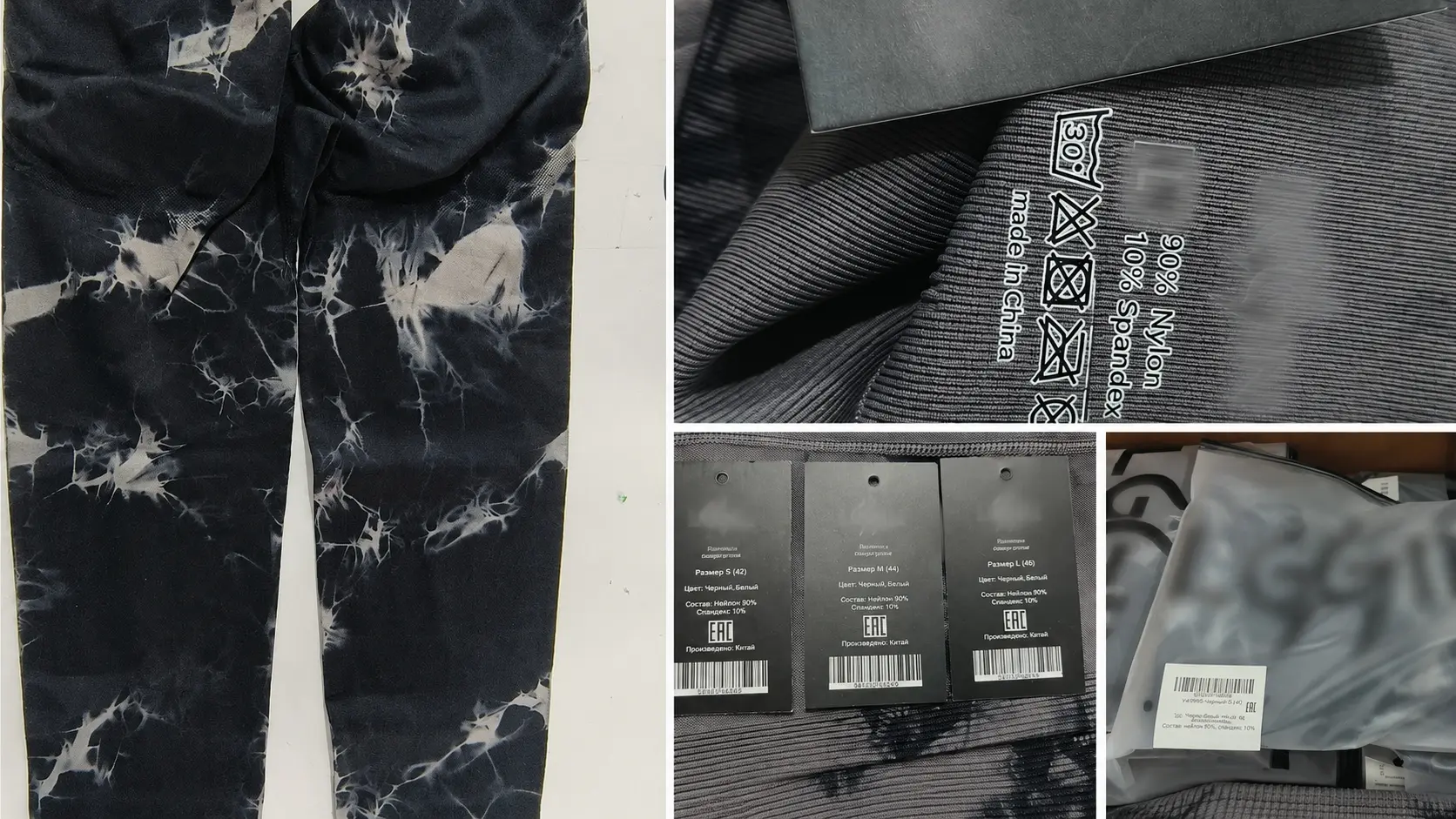
Manage Nonconforming OEM Output Through Defined Corrective Decisions
When manufactured products differ from approved requirements, the supplier should identify affected material or garments, assess the cause, determine an authorized disposition and verify corrective work. An inspection failure should not be resolved by quietly changing the acceptance standard.
Material Nonconformity
Fabric or yarn may fail a property, differ from reference or lack documentation. Uncontrolled use can affect multiple manufacturing stages.
Response: Identify affected material, restrict use, compare approved requirements and decide replacement, further verification or authorized deviation. Record disposition.
Incoming Inspection
Measurement Deviation
Garments may exceed approved POM due to pattern, knitting, sewing or measurement-related causes. Changing measuring practice can conceal the discrepancy.
Response: Confirm approved POM method, inspect affected production, correct process and remeasure under the buyer standard.
Measurement Record
Sewing or Knitting Defect
Incorrect stitches, damaged seams, knitting distortion or inconsistent construction can affect appearance/function; unsupported repair can introduce further damage.
Response: Identify defect and affected scope, approve suitable repair/process correction, reinspect against garment standard.
Process Inspection
Incorrect Logo / Label
Wrong logos, care labels, size or artwork can make otherwise acceptable garments unsuitable for shipment across multiple SKUs.
Response: Verify current files and SKU matrix, segregate affected products, fix components/process and recheck.
Branding Check
Unauthorized Technical Change
Changes to fabric, construction, patterns or knitting structure invalidate previously approved requirements.
Response: Record proposed change, assess impact and obtain buyer authorization before changing the reference.
Change Approval
Repeated Batch Issue
Repeated deviations suggest unresolved material or process variation; reinspection alone does not address cause.
Response: Review defect patterns, investigate root causes, take corrective action and verify effectiveness before closing.
CAPA Record
Connect Approved Product Specifications With Actual Shipment Records
OEM traceability should connect a finished garment or affected production group with the applicable order, technical version, material information, inspection results and shipment records. The required detail depends on buyer contract and product risk.
| Traceability Reference | Information to Record | Procurement or Quality Purpose |
|---|---|---|
| Customer PO | Purchase order, styles, quantities and commercial release. | Identify authorized order and requirements. |
| Style and Revision | SKU, Tech Pack revision, approved sample and changes. | Determine production version. |
| Material Lot | Fabric/yarn/component batch and supplier references. | Assess material changes and affected groups. |
| Production Allocation | Actual manufacturing location and relevant records. | Clarify where work occurred and responsibility. |
| PP Sample | Approved sample ID and linked technical files. | Identify actual manufacturing reference. |
| Inspection Records | Incoming, first-article, in-process, final and release findings. | Connect deviations with relevant order/product group. |
| Packing / SKU | Garment size, color, labels, assortment and pack detail. | Match delivered products with PO. |
| Shipment Documents | Packing list, cartons, shipment ID and commercial documents. | Connect output with shipment release. |
A supplier should not claim complete digital or item-level traceability without demonstrating necessary systems and records. MOVEVOX’s existing order, manufacturing, QC and logistics coordination can support a review; specific batch identifiers, material records and retrieval requirements need to be confirmed for each program.
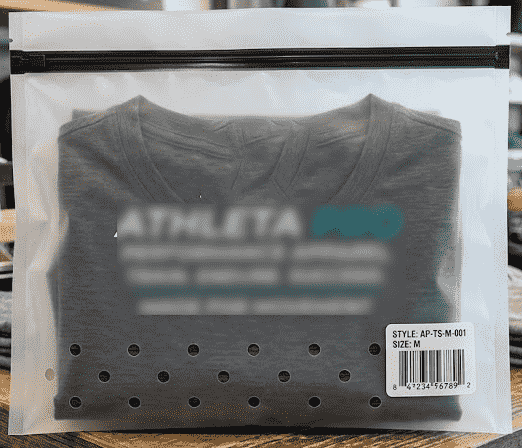
Verify the Manufacturing Resources Behind OEM Supplier Claims
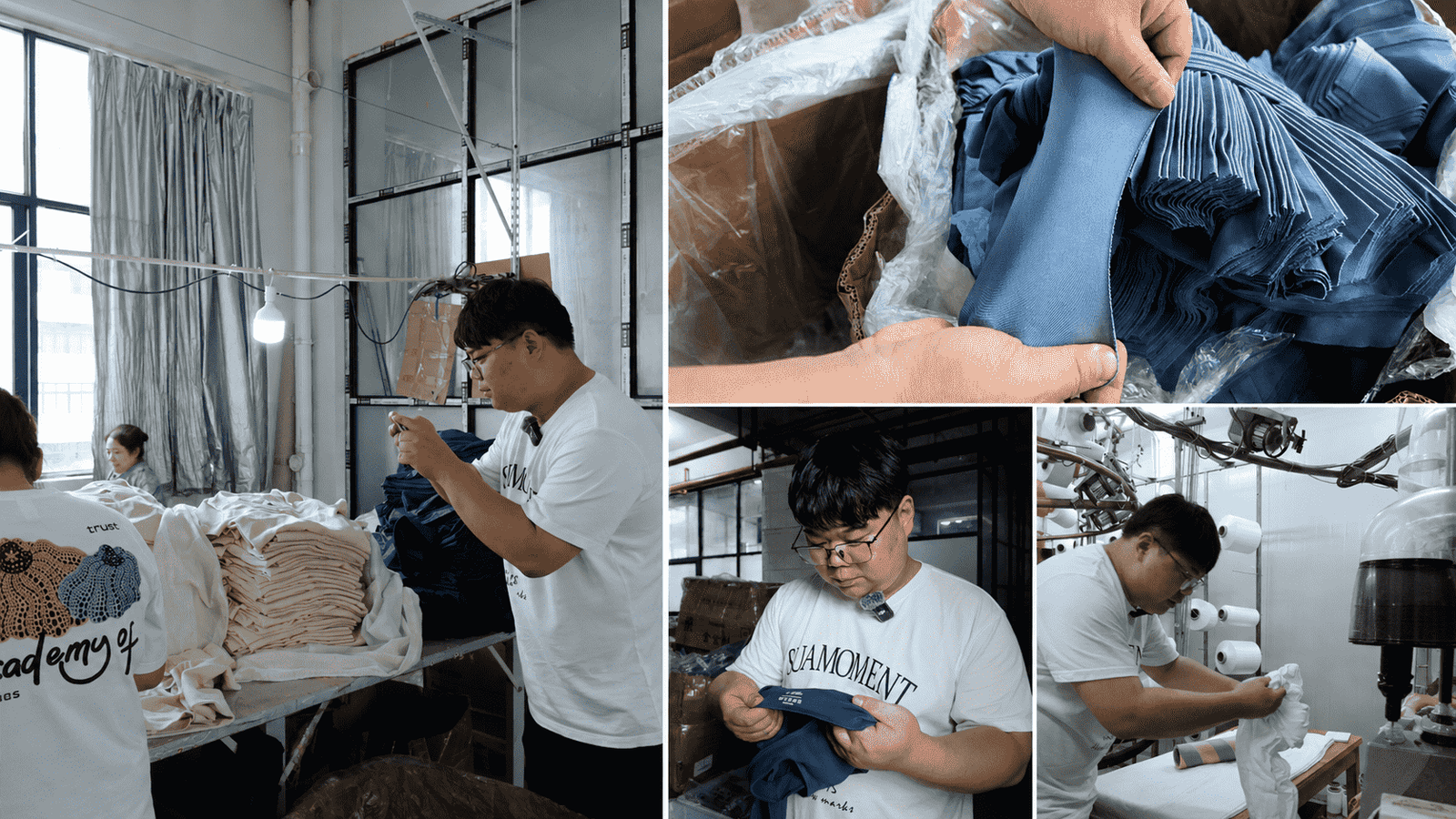
An OEM audit should examine whether stated manufacturing capabilities correspond to real resources and controlled working processes. For activewear, attention should focus on technical documents, garment construction, approved materials, samples and inspection evidence.
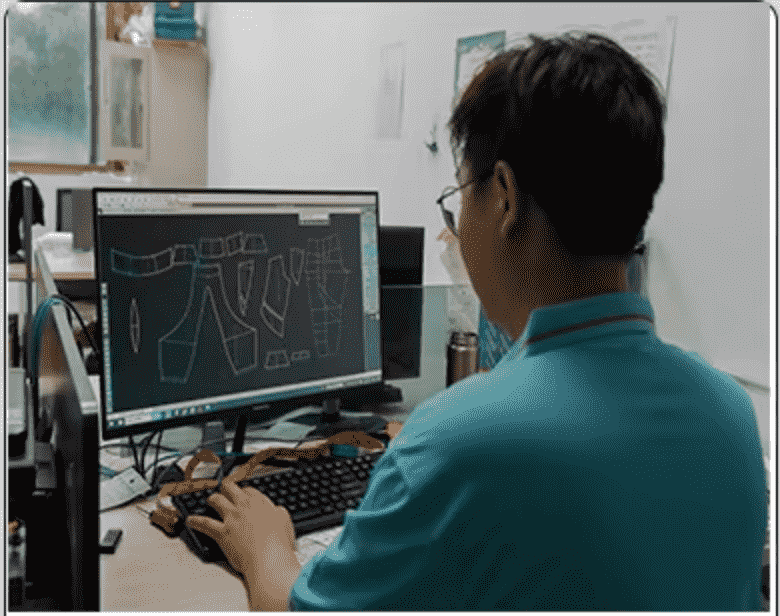
Technical Review and Patternmaking
MOVEVOX’s development organization has design and patternmaking functions. A buyer audit should examine whether correct technical versions reach them, how questions are recorded and whether OEM execution protects the buyer’s established design.
Photo Caption: Real MOVEVOX technical review work with confidential documents protected.
Sample Preparation and Measurement
Samples establish a garment reference. Audit how measurement charts, material and fit comments reach the sampling functions, and how approved samples are distinguished from superseded revisions. Actual customer records require permission.
Photo Caption: Genuine sample-room construction and garment measurement.
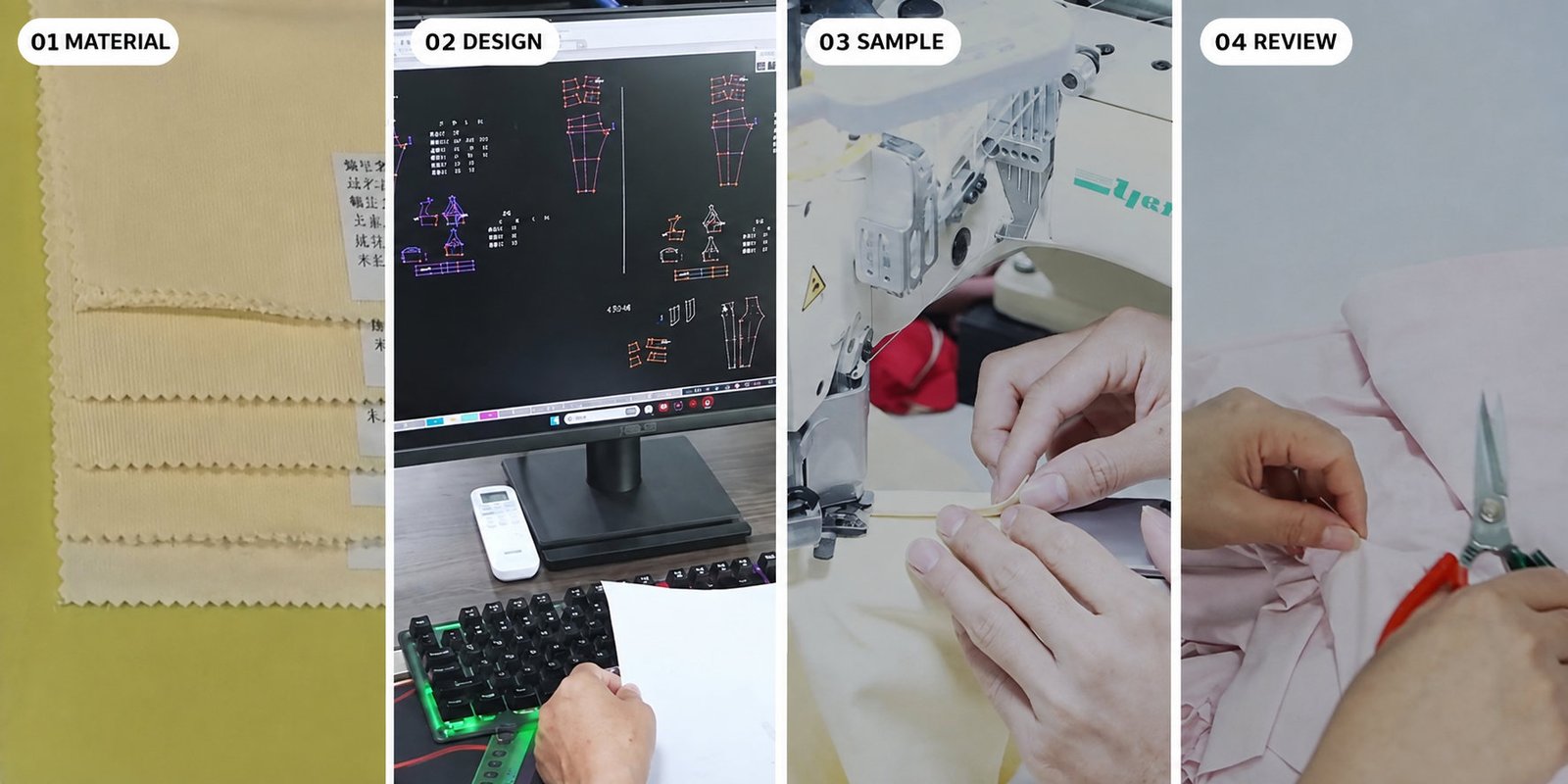
Santoni Seamless Knitting
The core manufacturing resources include 28 Santoni machines. Verify the actual knitting environment, suitable garment structures, yarn and dimensional requirements, and connection between approved sample and production. Machine ownership does not prove every possible knit function.
Photo Caption: Verified Santoni equipment at actual MOVEVOX facility.

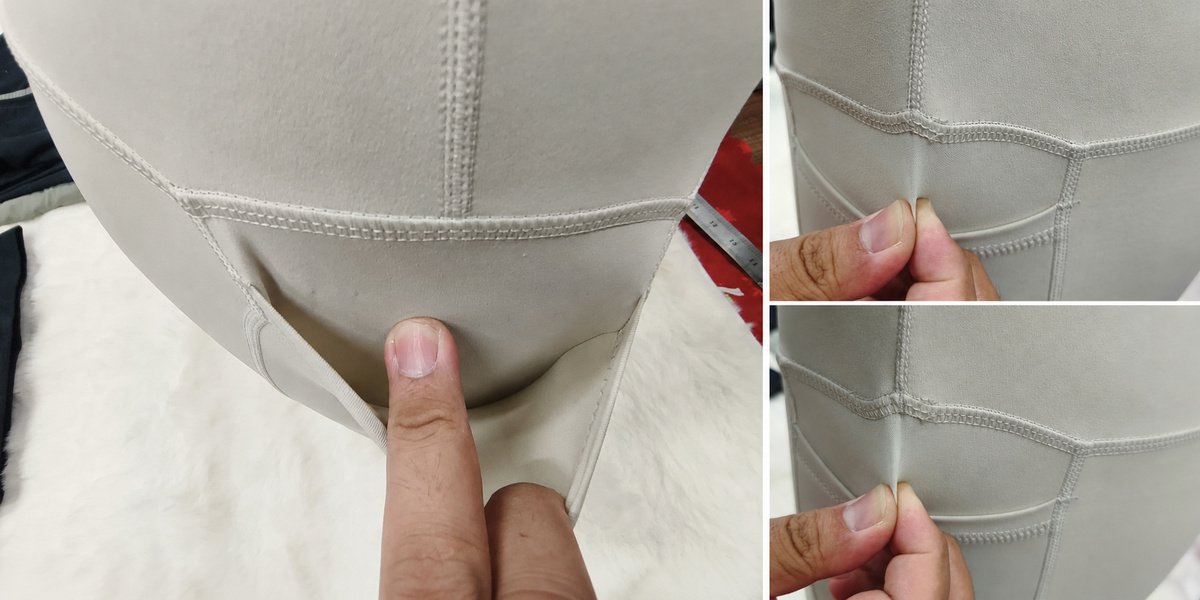
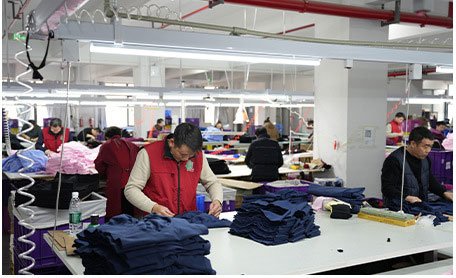
Cut-and-Sew Manufacturing
Approximately 24 principal sewing and garment-production machines are documented. Check how approved patterns, fabric and sewing instructions reach the actual line; clarify specialist partner work if necessary.
Photo Caption: Authentic cut-and-sew operations and matching garment details.

Approved Material Handling
Material traceability is important because changes in yarn, fabric or trims can affect fit and finish. Buyers should ask for material controls relevant to their own PO rather than assume an undocumented digital tracking system.
Photo Caption: Real material inspection and appropriately identified material source.
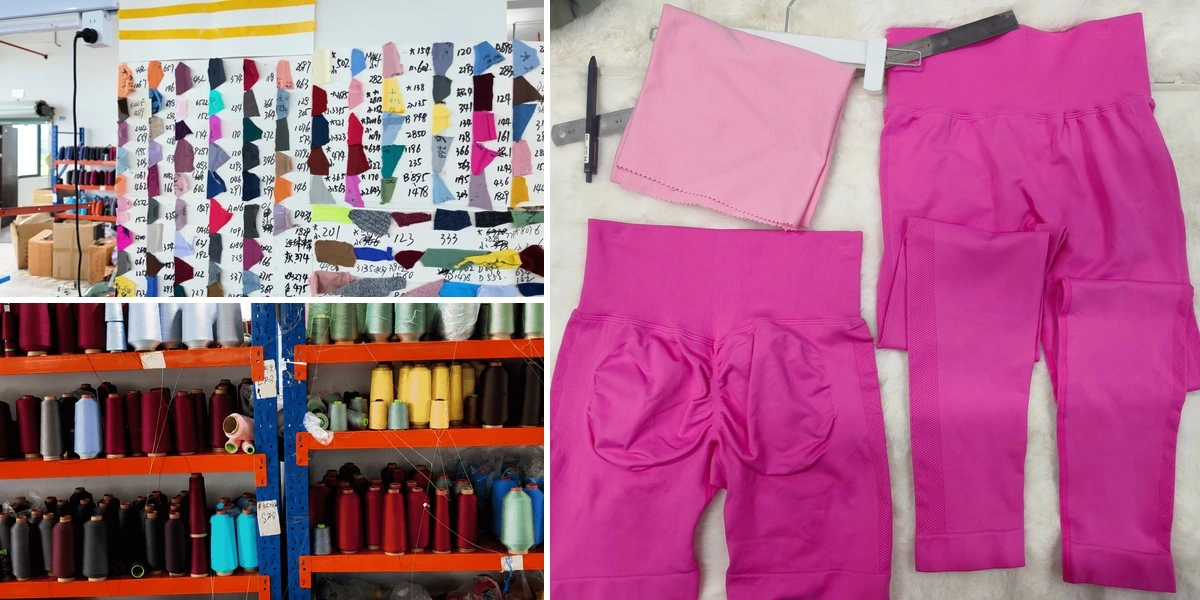
First-Article and In-Line QC
MOVEVOX’s quality organization conducts first-article and process checks. A technical audit should inspect actual current criteria, critical POM, defect escalation and available order records, not merely confirm the presence of QC staff.
Photo Caption: Genuine in-line inspection and approved sample comparison.
Finished Garment Inspection
Completed garments should be checked for applicable dimensions, workmanship, appearance, brand execution and quality acceptance requirements. Buyers should verify how deviations are classified and dispositioned.
Photo Caption: Authentic finished garment inspection record.
Packing and Shipment Preparation
Verify labels, SKU identity, color-size assortments, cartons and shipment documentation against confirmed PO. Packaging correctness matters for multi-style programs even when garment manufacturing is successful.
Photo Caption: Real garment SKU packing and shipment release.

A Documented Buyer-Specified Activewear Production Case
An existing United States fitness apparel customer worked with MOVEVOX using buyer-provided technical specifications. The documented cooperation included sample preparation, customer-requested revisions, additional sample evaluation, recurring apparel orders and coordinated branding and product identification requirements.
Customer Background
The customer operated a fitness-focused business selling activewear to its audience. The documented assortment included leggings, sports bras, yoga shorts, tops, sets and other fitness apparel. The customer supplied its own Tech Pack before the relevant manufacturing work; identity remains anonymous without publication authorization.
Manufacturing and Procurement Challenge
The customer needed garments matching specific design, fit and functional expectations. The first sample did not fully satisfy intended use and another round of development was required. Multiple categories and size-color combinations added execution complexity. Branding, packaging and individual product information had to match the applicable style, color and size.
MOVEVOX’s Documented Contribution
According to the supplied case narrative, MOVEVOX received the buyer’s technical information, prepared a first sample, received comments on requirements not fully met, and developed a revised sample. The buyer requested further samples for practical evaluation. Later order execution included styles, logo treatment, labels, packaging and correct product identification. This supports buyer-specified execution, not an independently originated MOVEVOX design or a proven zero-defect result.
Execution Stages
Tech Pack Review
Buyer supplied technical requirements; MOVEVOX assessed them as the basis for initial sampling.
First Sample
An initial garment was submitted; customer feedback identified elements needing changes.
Revised Sample
A subsequent version responded to buyer feedback toward an agreed product reference.
Additional Evaluation
Customer requested further sample units for user-focused evaluation before subsequent production.
Production Execution
Recurring activewear orders required several styles and coordinated labels, packaging and product identifiers.
Documented Case Facts
- The narrative documents initial and revised sample versions.
- Approximately 5–10 additional samples were requested for evaluation.
- Individual order scale described is around 2,000 garments.
- The referenced period describes about two purchasing cycles per month.
- The relationship was described as approximately three years at the time of documentation.
No authorized verbatim customer testimonial is available. Customer identity, order-specific records and testimonial require verification and permission before public use. This same source also informs the ODM page, but here it proves buyer-specified sampling, correction and SKU execution; it does not prove quantified bulk consistency or laboratory performance.