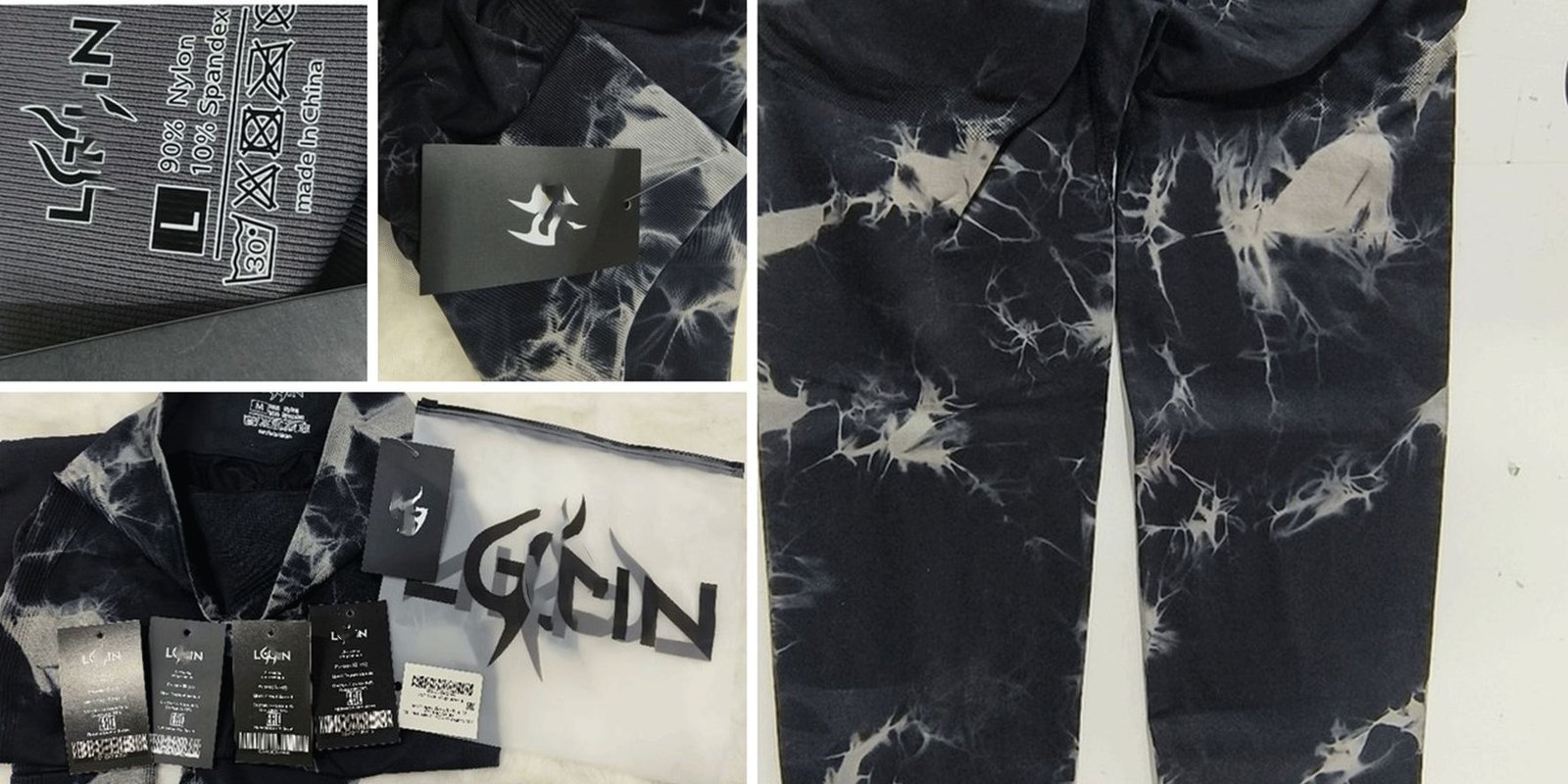
Private Label Workout Clothes Manufacturer for Brand-Ready Collection Execution
MOVEVOX helps established workout and activewear brands turn approved products or defined concepts into private-label collections with coordinated product standards, branding, SKU data, packaging and repeat-order controls.
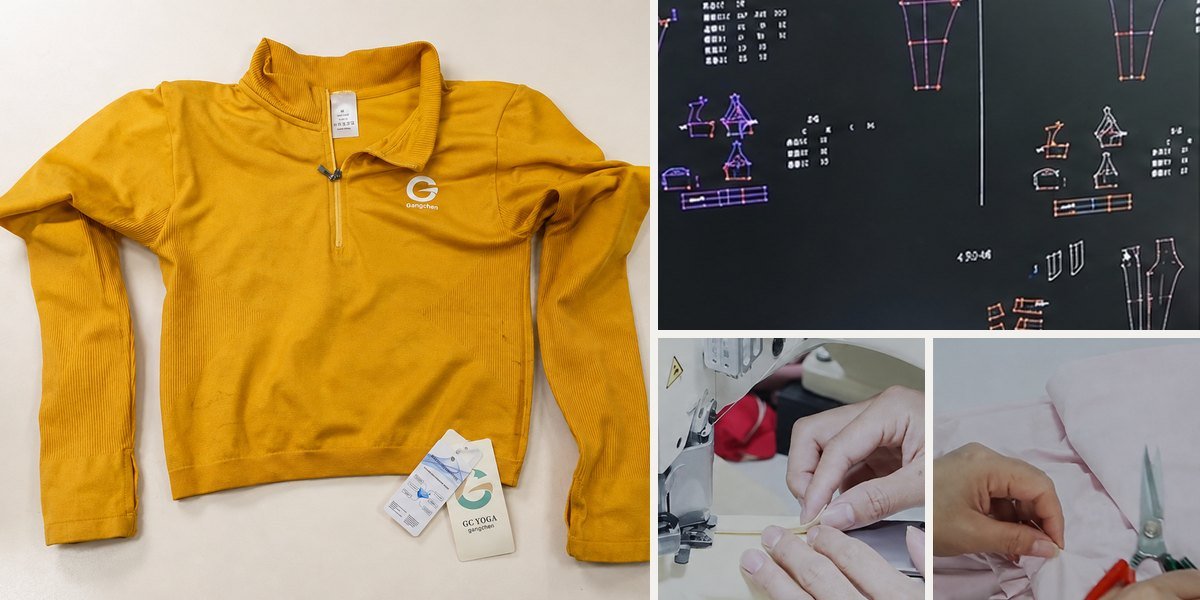
Based in Yiwu, China, MOVEVOX can work from a Tech Pack, legal reference sample, sketch, image or sufficiently defined product concept and connect product approval with logo, labels, retail identification, packaging and bulk execution through one supplier interface.
- Product-to-commercial-SKU execution
- Logo, labels, retail data and packaging
- Collection launch and repeat-order control
- Seamless + Cut & Sew under one supplier interface
Private Label Manufacturing for Brands Building Sellable Workout Collections
Built for Branded Collection Launches
MOVEVOX is most relevant where the buyer needs to turn several workout products into a coordinated commercial assortment. The challenge is not only developing garments; it is keeping product approval, colorways, sizes, branding, SKU data, packaging and launch quantities aligned.
Typical situations include a first branded collection, extension from a hero SKU into matching products, supplier transfer, seasonal color expansion and repeat-order preparation.
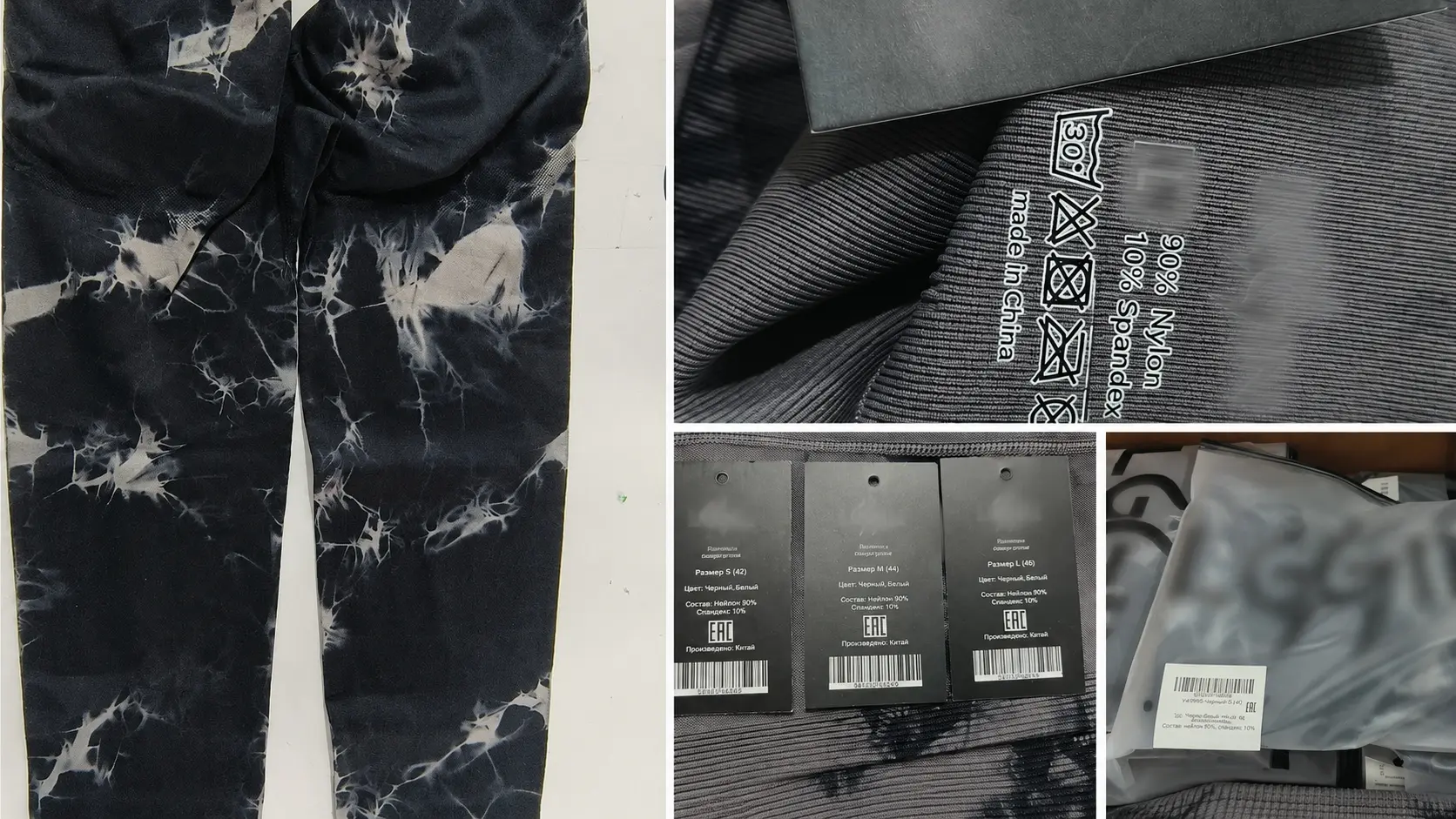
Different Starting Points Can Enter One Commercialization Workflow
Approved Tech Pack
Use defined product information as the technical baseline, then add the brand, SKU and packaging information required for commercial release.
Legal Product Reference
Use a lawful existing product to establish the physical product baseline before private-label and SKU requirements are added.
Product Concept
Use visual direction to identify the development work required before the product can become a controlled branded SKU.
Existing Commercial SKU
Transfer an existing style by reviewing its current product standard, branding, retail data and repeat-order requirements.
A Private Label Workout Product Is Not Commercially Ready Until Product and Brand Data Match
Product Standard
The approved fit, measurements, construction and workmanship define which physical product the brand is actually selling.
Material & Color Release
The released fabric or yarn direction and color need to remain linked to the correct style and commercial colorway.
Brand Artwork
Logo artwork, application method, size, placement and label versions need to match the approved product and brand release.
SKU / Size / Color Mapping
Every style-color-size combination should map to the correct SKU, barcode or QR information before packing.
Packaging & Retail Data
Hangtags, individual packaging and carton information need to follow the applicable SKU and buyer-approved retail data.
Reorder Baseline
Repeat orders should reference the current commercial SKU package: product standard, color, branding, retail identification and packaging.
A garment can pass physical inspection and still be commercially unusable if the wrong label, barcode, color-size identity, packaging or artwork version is attached.
Support Different Stages of Private Label Workout Collection Growth
First Branded Collection
Build an initial assortment with defined hero products, supporting SKUs, coordinated colorways, size ranges, brand components and launch quantities.
Expand Beyond a Hero SKU
Extend a validated product into matching bras, shorts, tops or sets while keeping product, color and brand standards coordinated.
Transfer an Existing Commercial SKU
Use a legal reference sample, Tech Pack or current approved standard to review product equivalence together with labels, packaging, SKU identity and repeat-order requirements.
Repeat Orders and Seasonal Refreshes
Use the approved commercial SKU as the baseline for replenishment, new colorways or seasonal updates, with every change reconfirmed before release.
Build the Workout Collection Around Assortment, SKU and Brand Logic
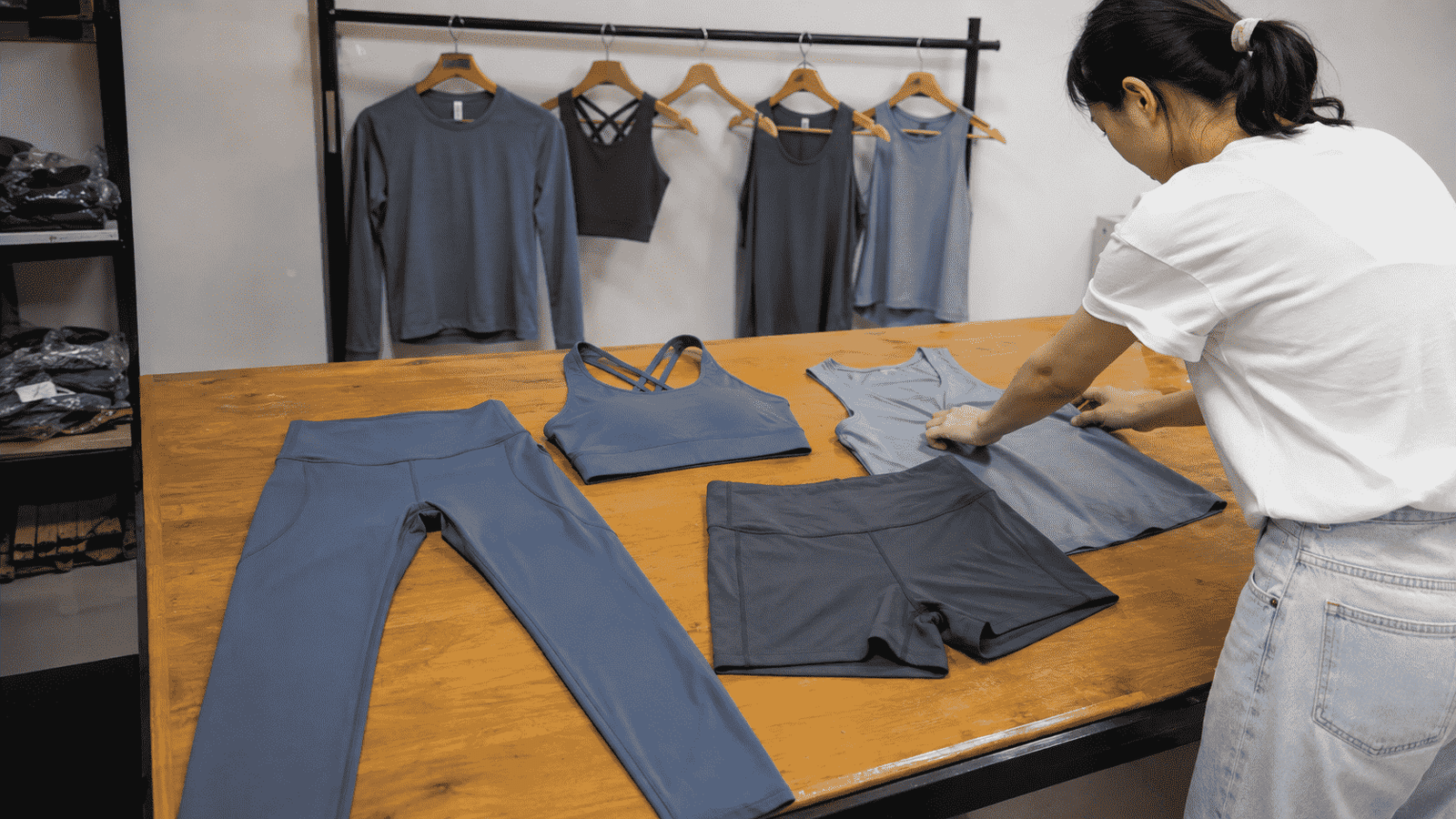
Assortment Architecture
Define which products are hero SKUs, supporting styles, coordinated sets or category extensions, then map the required colors, sizes and launch quantities for each one.
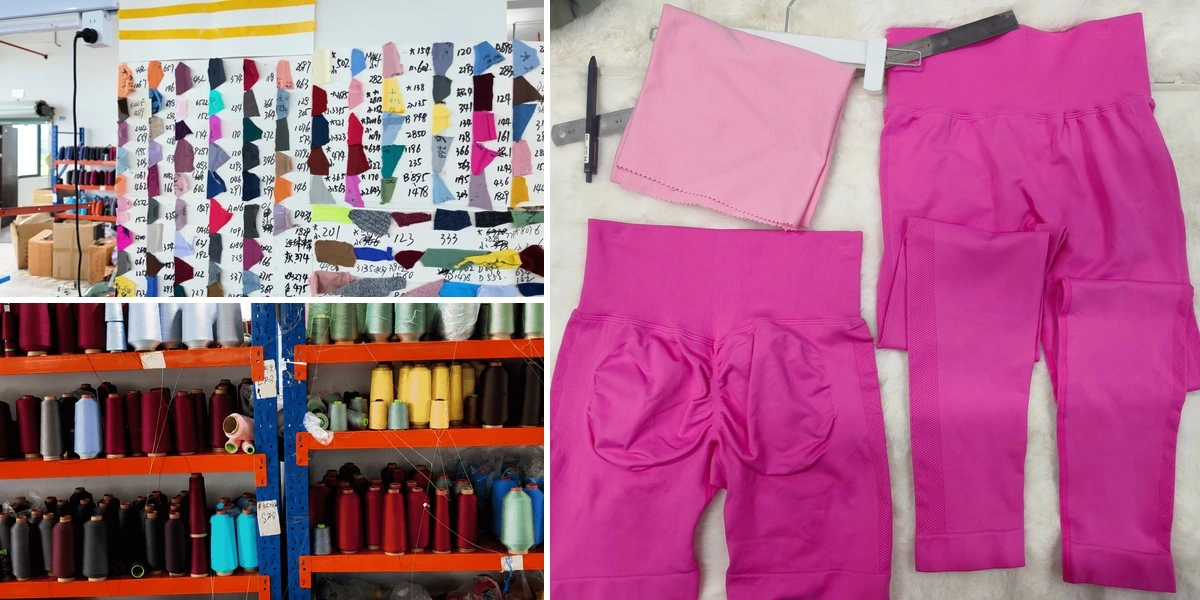
Material Family Plan
Related SKUs can share material families where technically appropriate, creating a more coherent collection while each product still receives its own suitability approval.
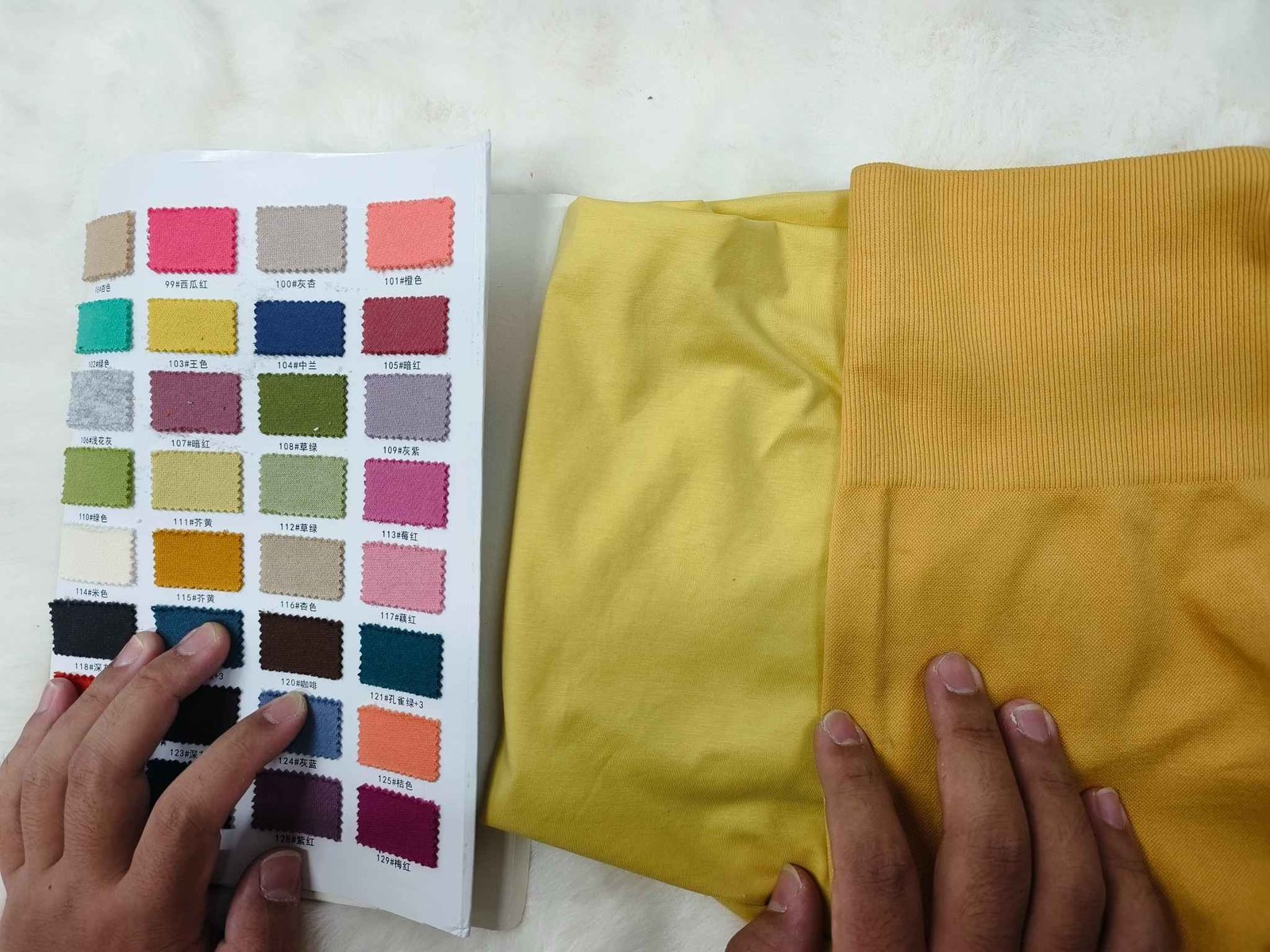
Colorway Plan
Separate core carryover colors, seasonal colors and SKU-specific colorways, then approve them against the actual fabric or yarn system used by each product.
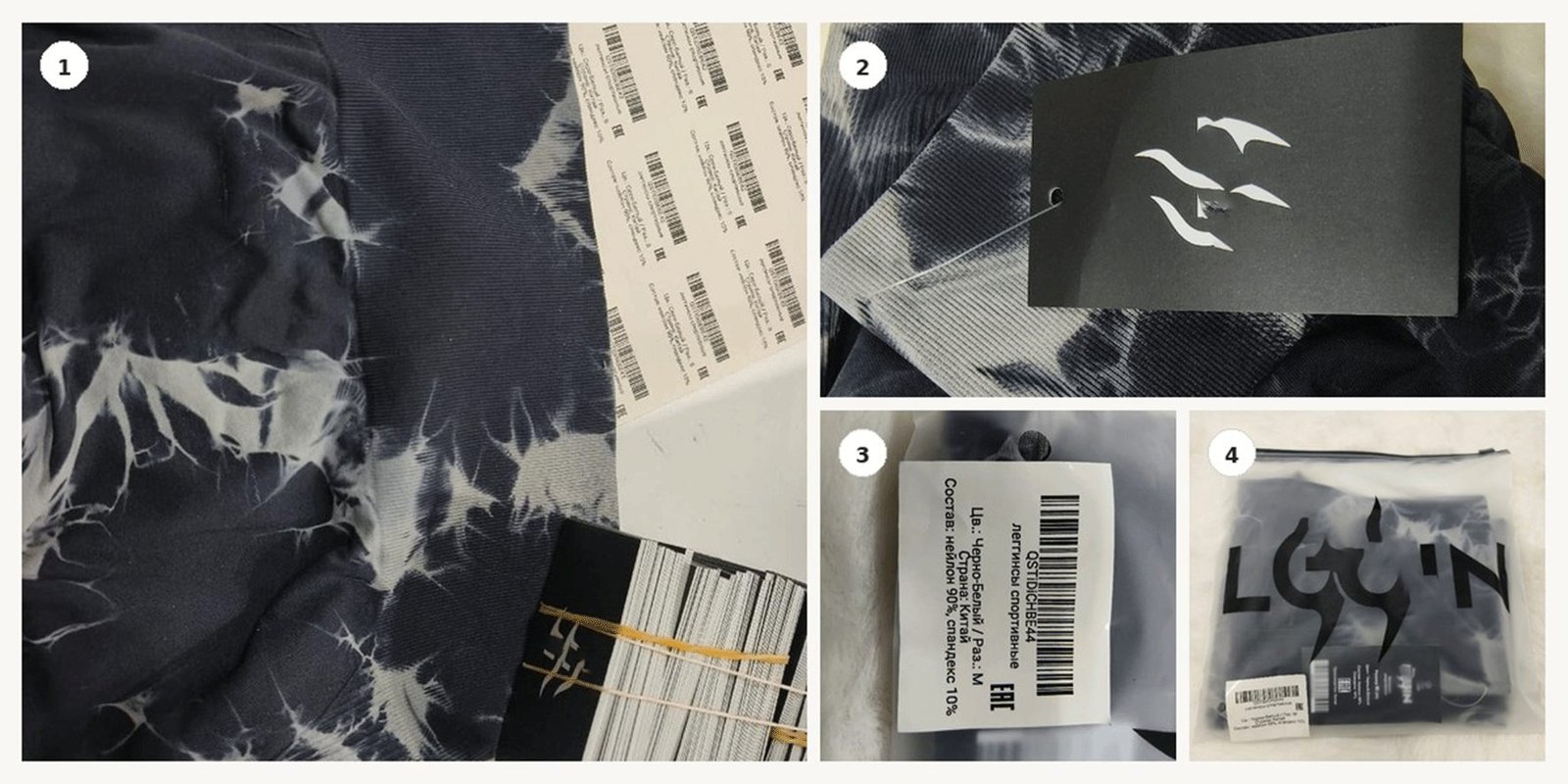
Brand & Retail Data System
Use one brand system for logo, labels, hangtags and packaging while keeping SKU, barcode or QR data matched to the correct style-color-size combination.
Give Each Workout Clothing Category a Clear Role in the Private Label Assortment
MOVEVOX supports the core product categories brands use to build workout collections. The commercial role of each SKU—hero product, matching item, seasonal extension or capsule style—should be planned alongside its manufacturing requirements.

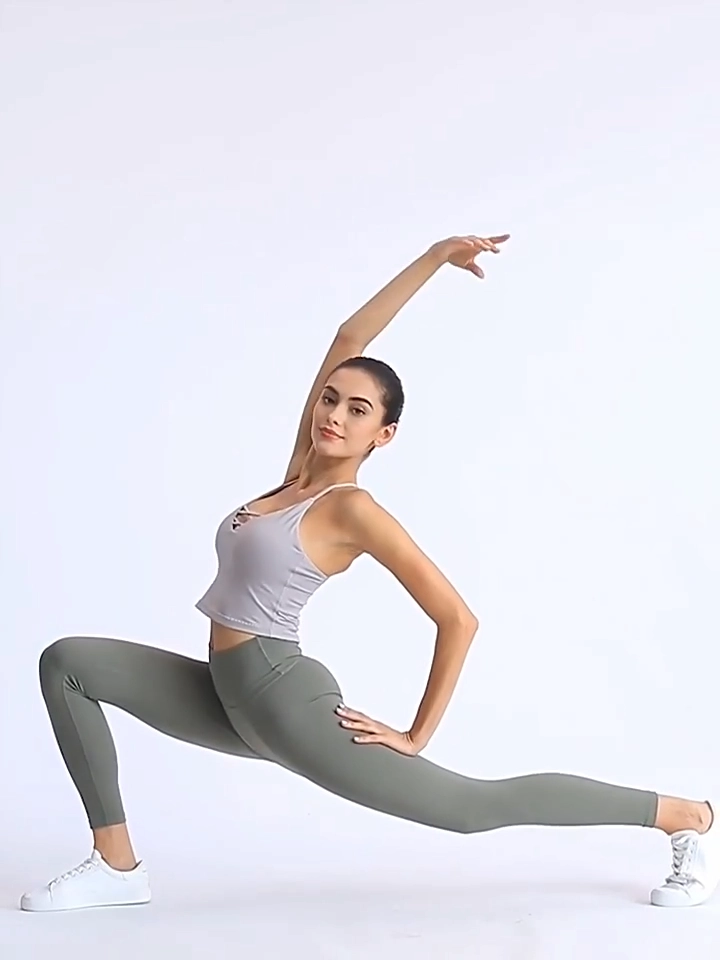
Workout Leggings
Often used as a hero or carryover SKU. Plan the approved product together with size-color mapping, branding, retail identification and packaging.
View Leggings →
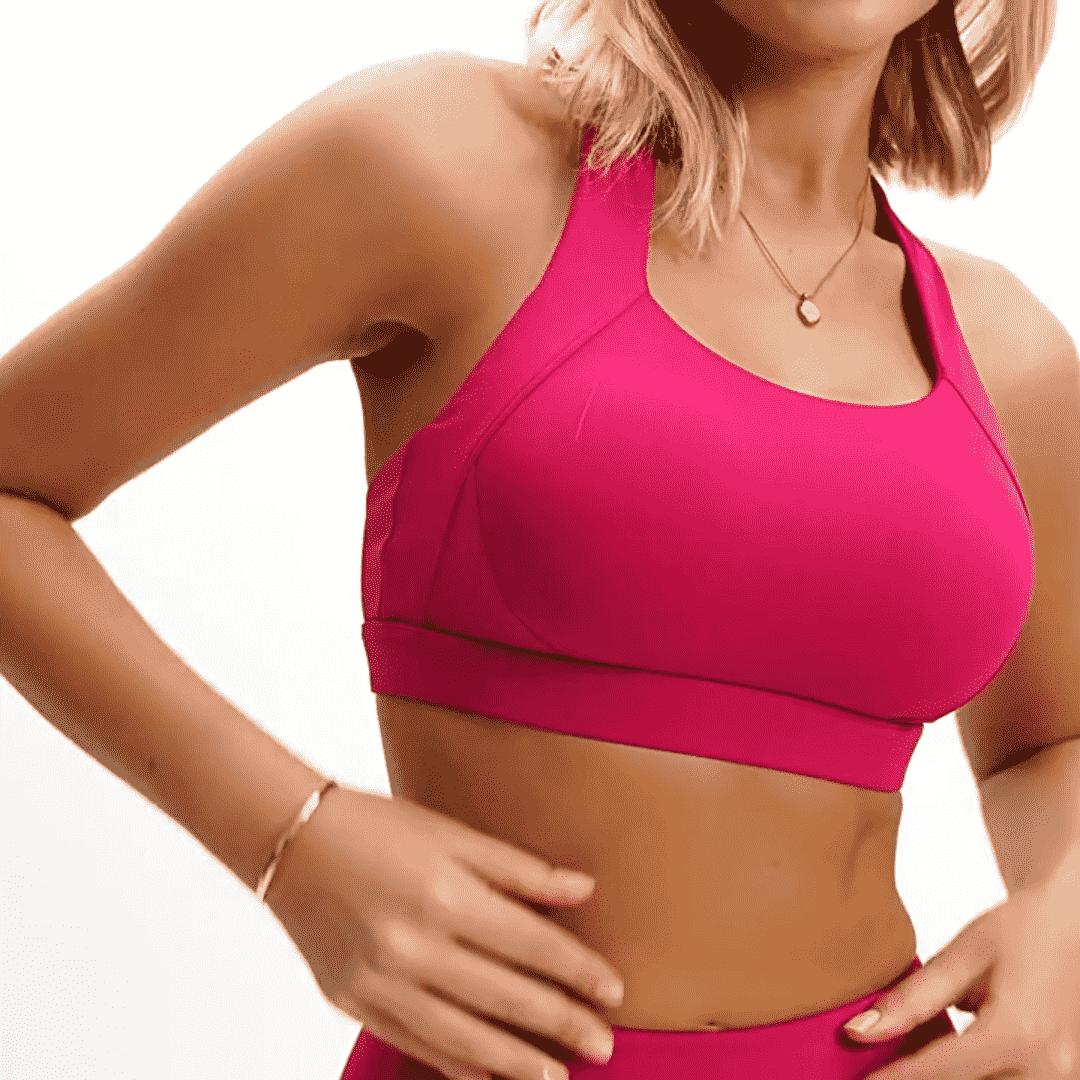
Sports Bras
Can function as a matching upper-body SKU or a standalone core product, with its own size structure, brand placement and retail data.
View Sports Bras →
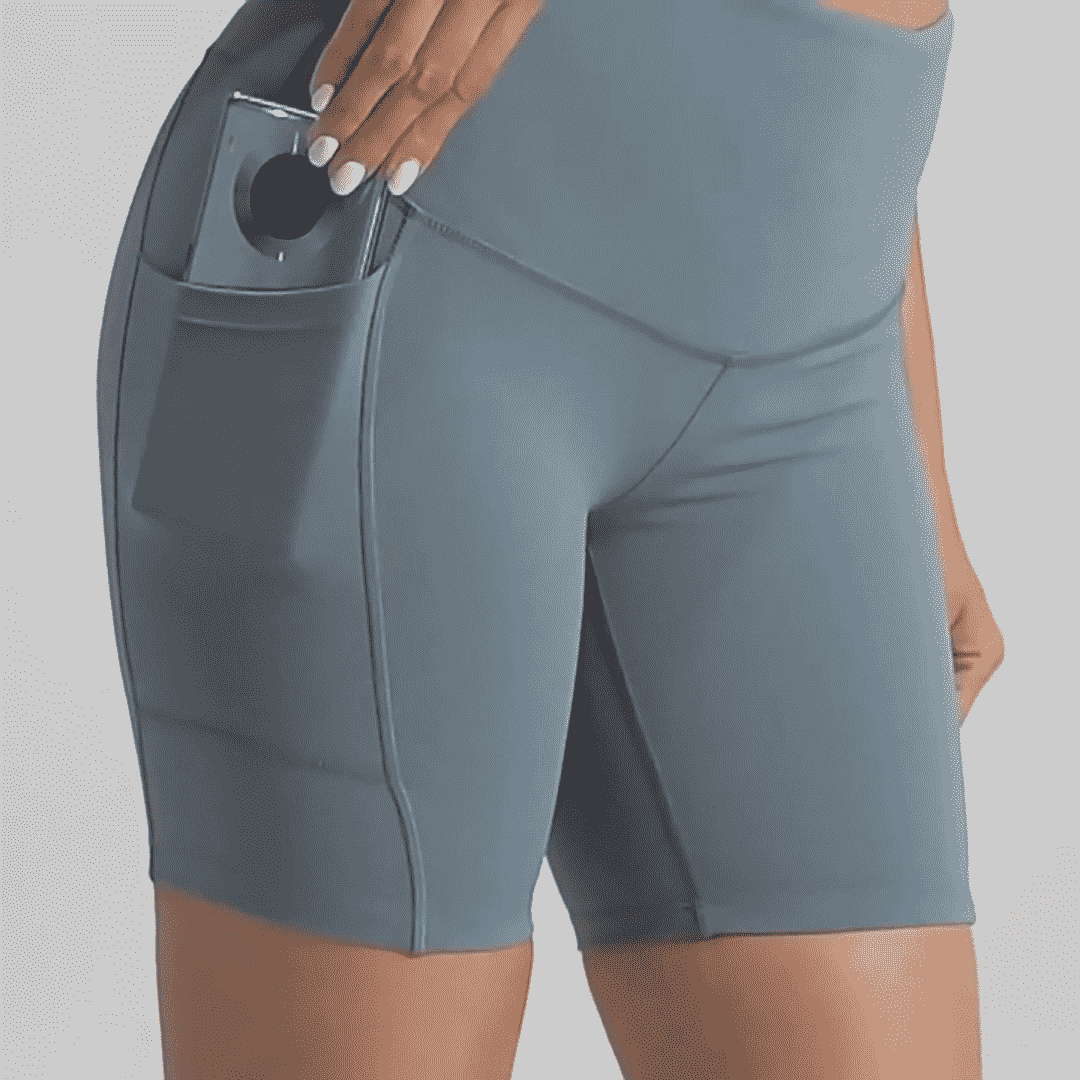
Biker Shorts
A natural companion to leggings for warm-weather or shorter-length assortments; keep colors, sizes, labels and packaging aligned with the wider collection.
View Shorts →
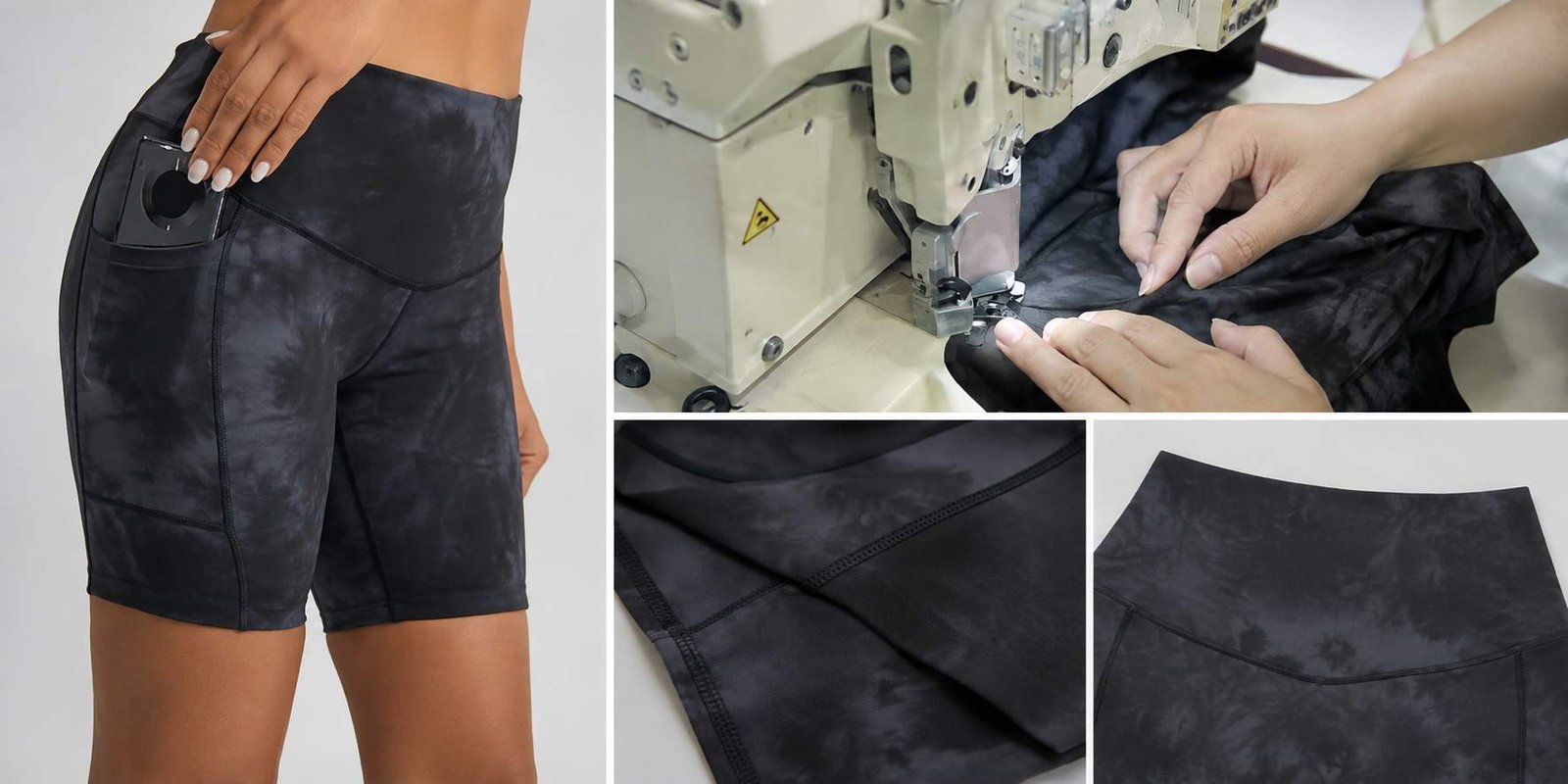
Training Shorts
Useful as an alternate silhouette or category extension where a brand wants a looser or more utility-led workout option.
View Shorts →
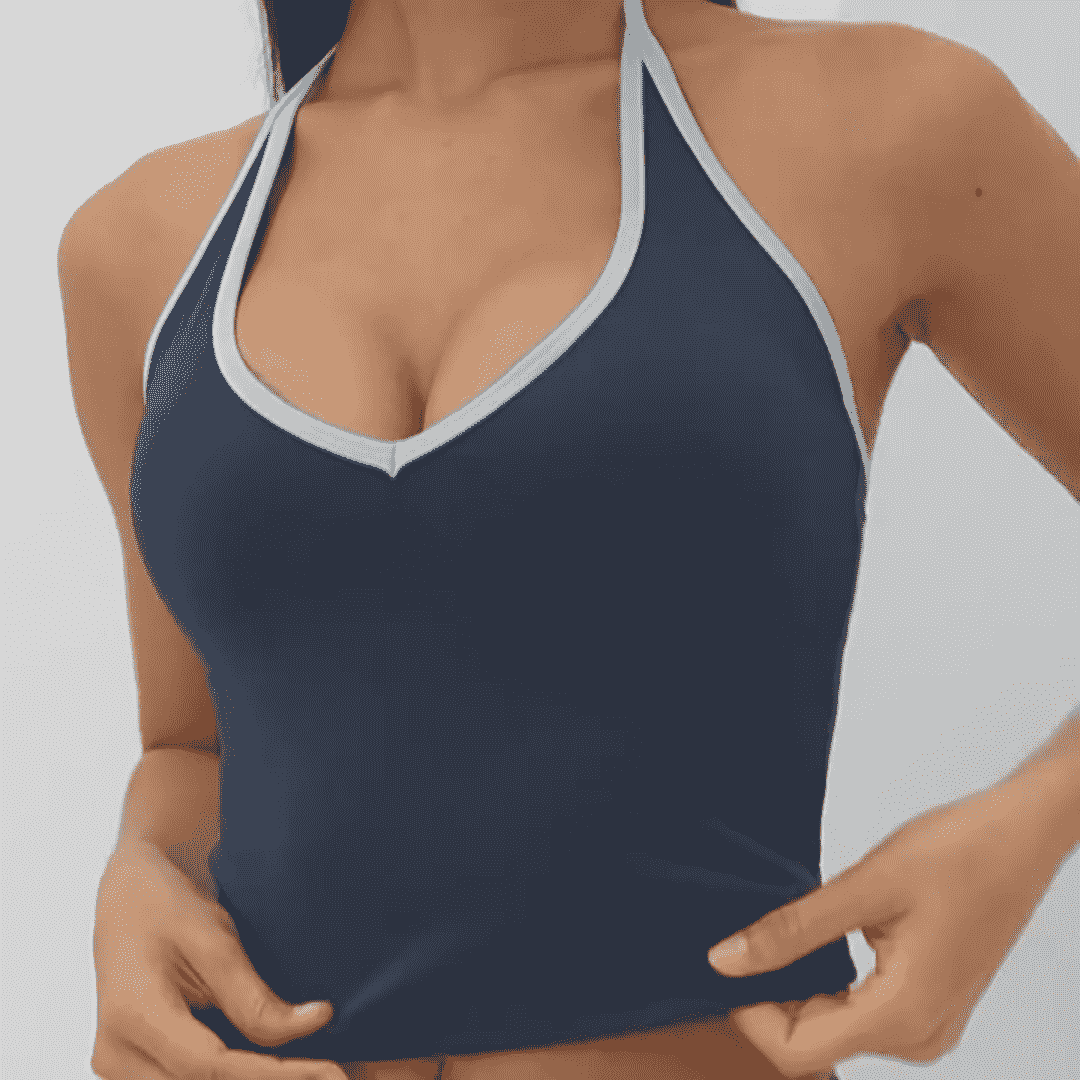
Tank Tops
Useful as a layering or coordinated top SKU, with logo placement, size identification and packaging aligned to the collection.
View Tops →
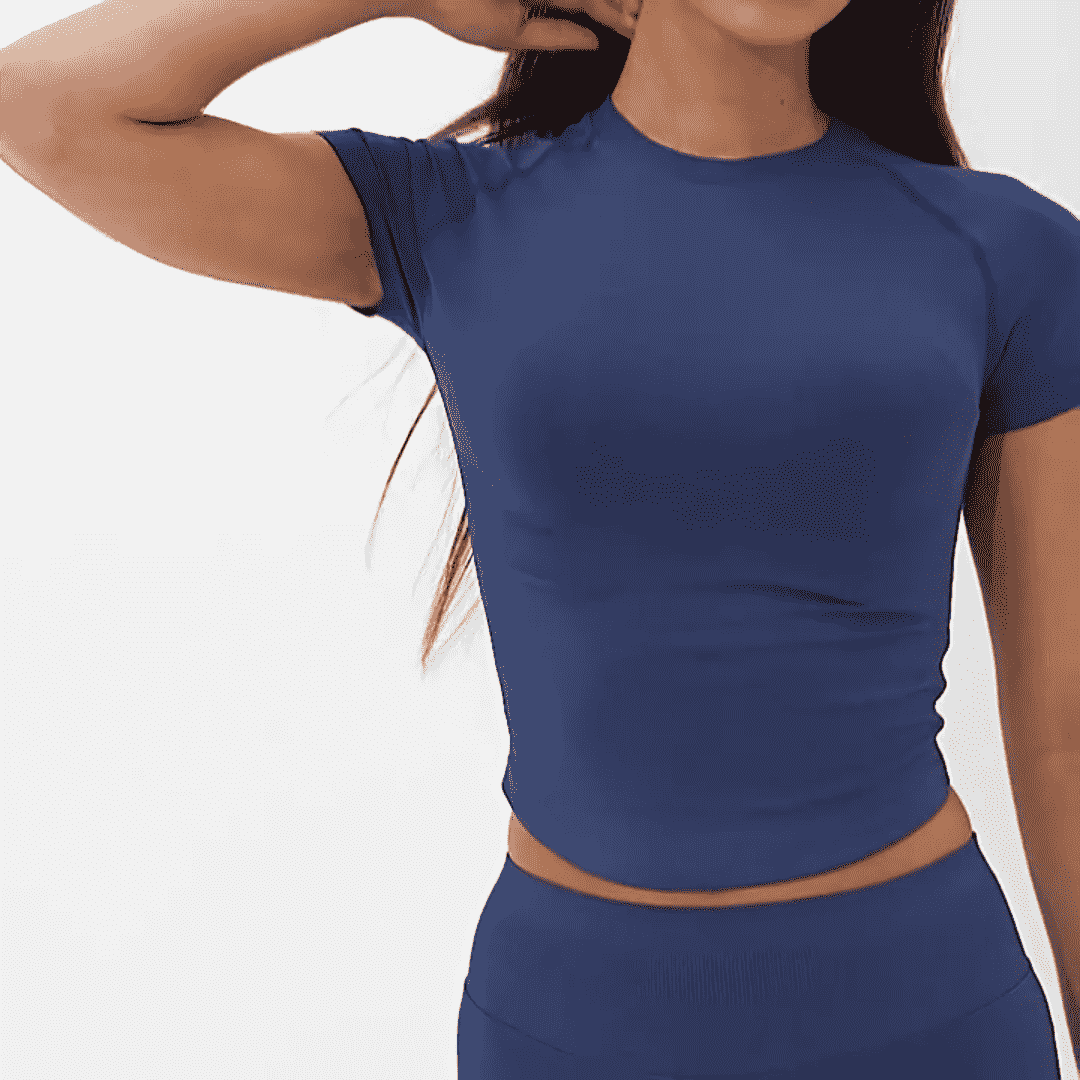
Training T-Shirts
Can broaden the assortment beyond fitted products and provide an additional branded top category for launch or replenishment.
View Tops →
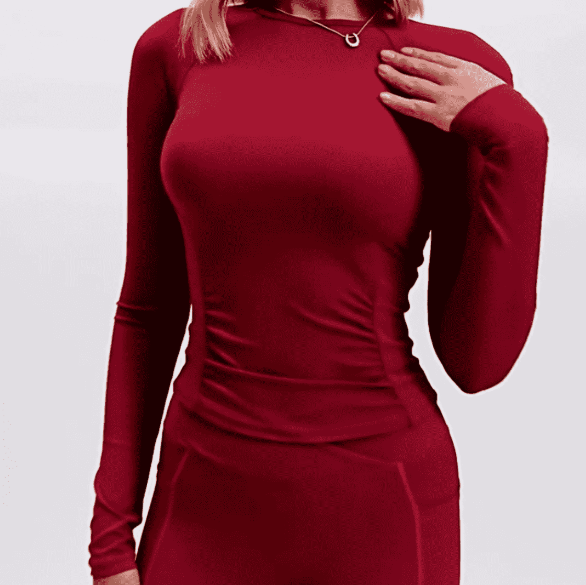
Long Sleeve Tops
Useful for seasonal or layering extensions while maintaining the same brand, color and retail-data system.
View Tops →
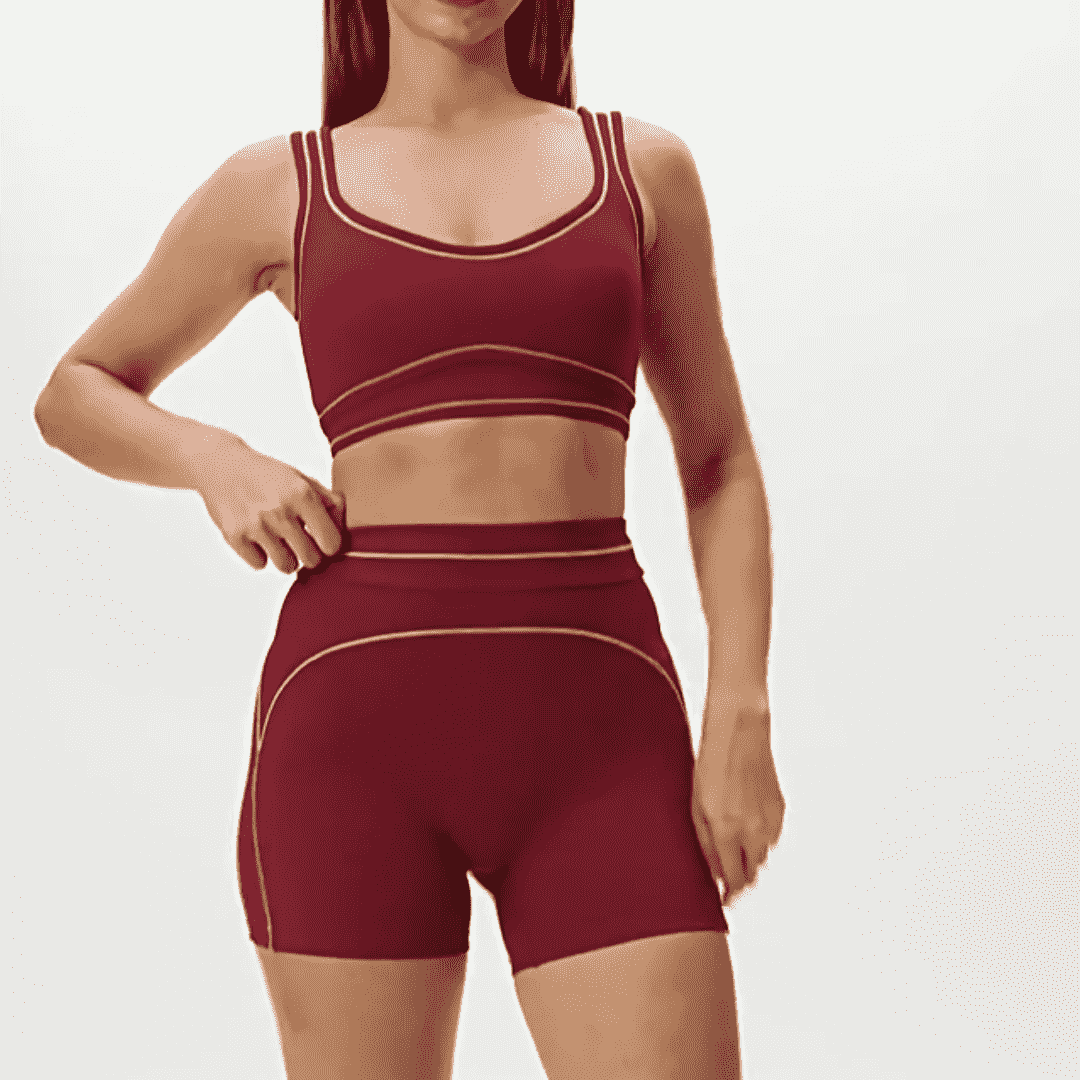
Workout Sets
Coordinate multiple approved products as a sellable outfit while retaining separate SKU, size, barcode and packaging control for every item.
View Sets →
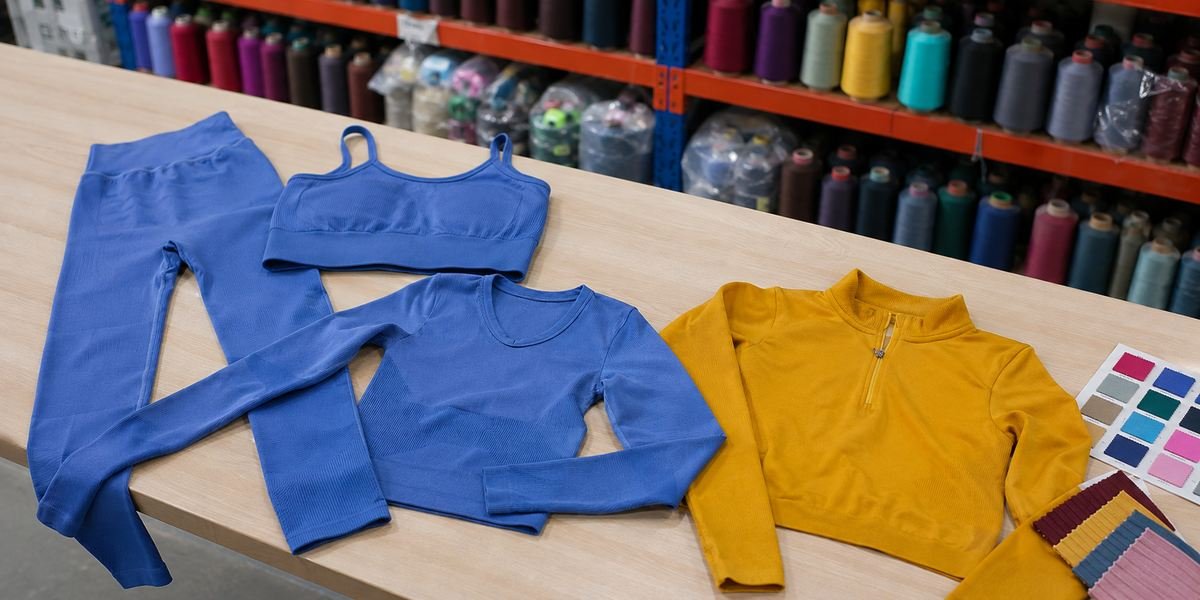
Seamless Activewear
Seamless products can form a distinct capsule or core line while still entering the same private-label system for labels, SKU identity, packaging and repeat orders.
Explore Seamless Activewear →Choose the Route Based on How Much of the Product Is Already Owned and Approved
Production Transfer
Where the product standard is already defined, MOVEVOX can review manufacturability and build the commercial release around branding, SKU data, packaging and bulk execution.
Explore OEM Activewear →Development Before Brand Release
Where the product is not yet fully approved, development should be completed first so the later private-label release is tied to a stable physical product.
Explore ODM Activewear →Commercial SKU Build
Once the product baseline is approved, logo, labels, hangtags, SKU/barcode information and packaging can be assembled into one controlled commercial SKU.
Explore Private Label Activewear →Collection-Specific Development
Custom material, color, pattern, measurements or construction can be developed where the collection requires differentiation before commercial release.
Explore Custom Fabric →OEM, ODM and private label can overlap within one collection. What matters is which product decisions are already owned by the buyer, what still requires development, and when the product is stable enough for brand and SKU release.
Connect the Approved Garment to Every Customer-Facing Private Label Component
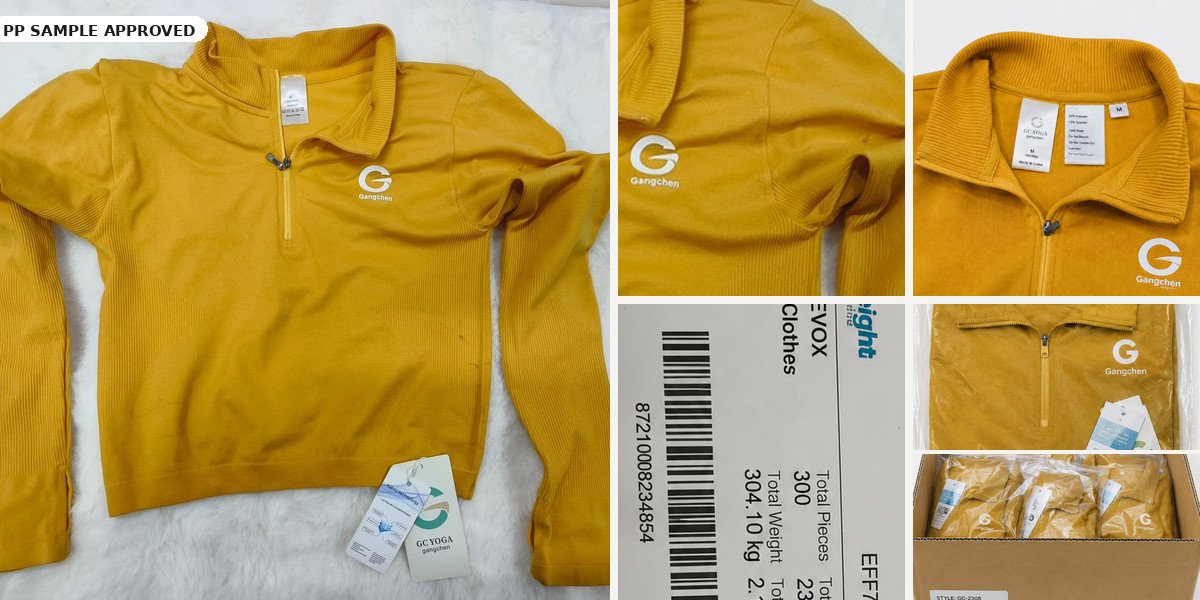
Approved Garment
Fit, measurements, construction and workmanship establish which physical garment the private-label SKU will represent.
Released Material & Color
The approved fabric or yarn direction and colorway need to remain connected to the correct product and commercial SKU.
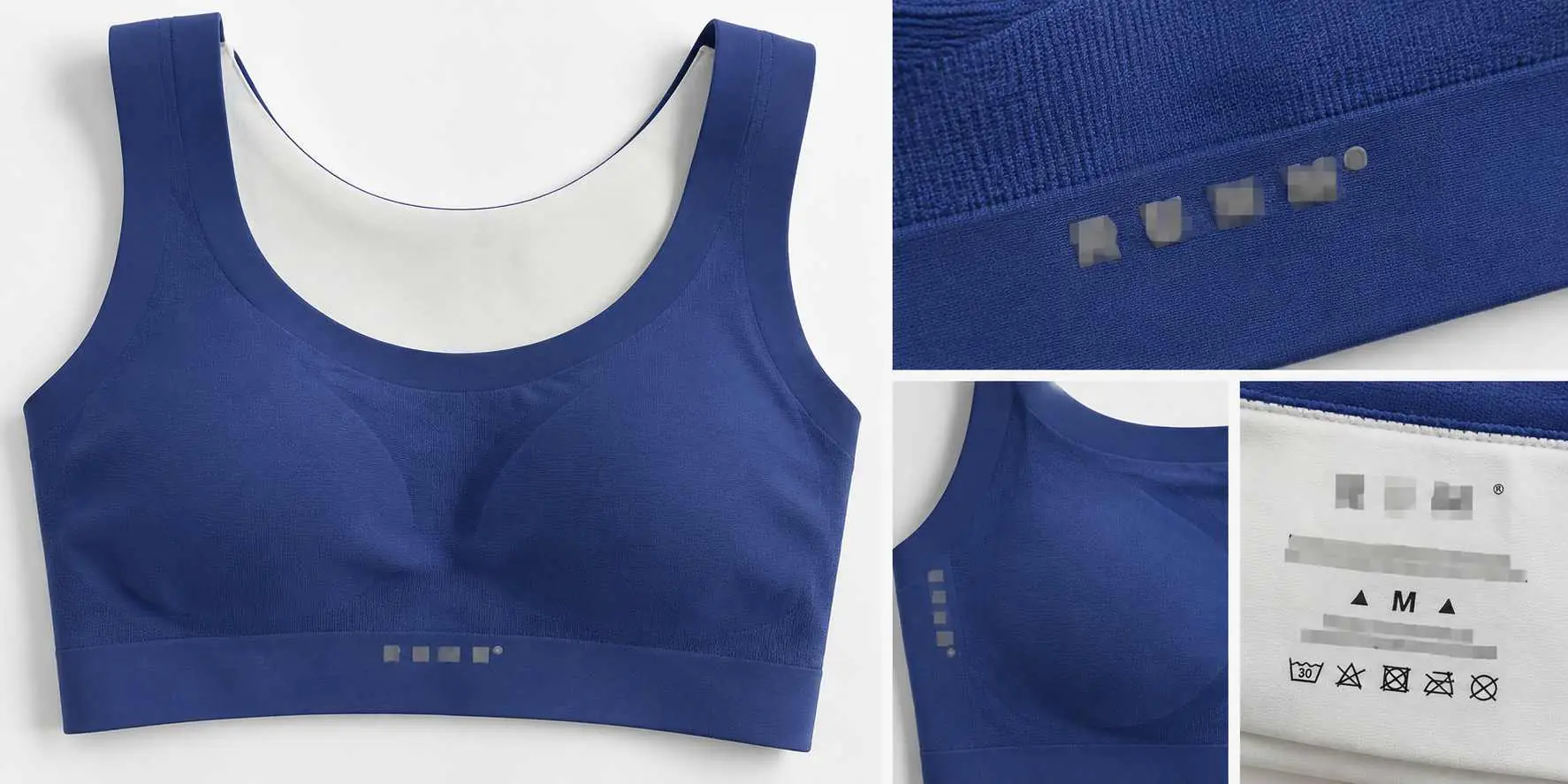
Logo Artwork
Approved artwork, application method, size and placement should remain tied to the correct garment version.
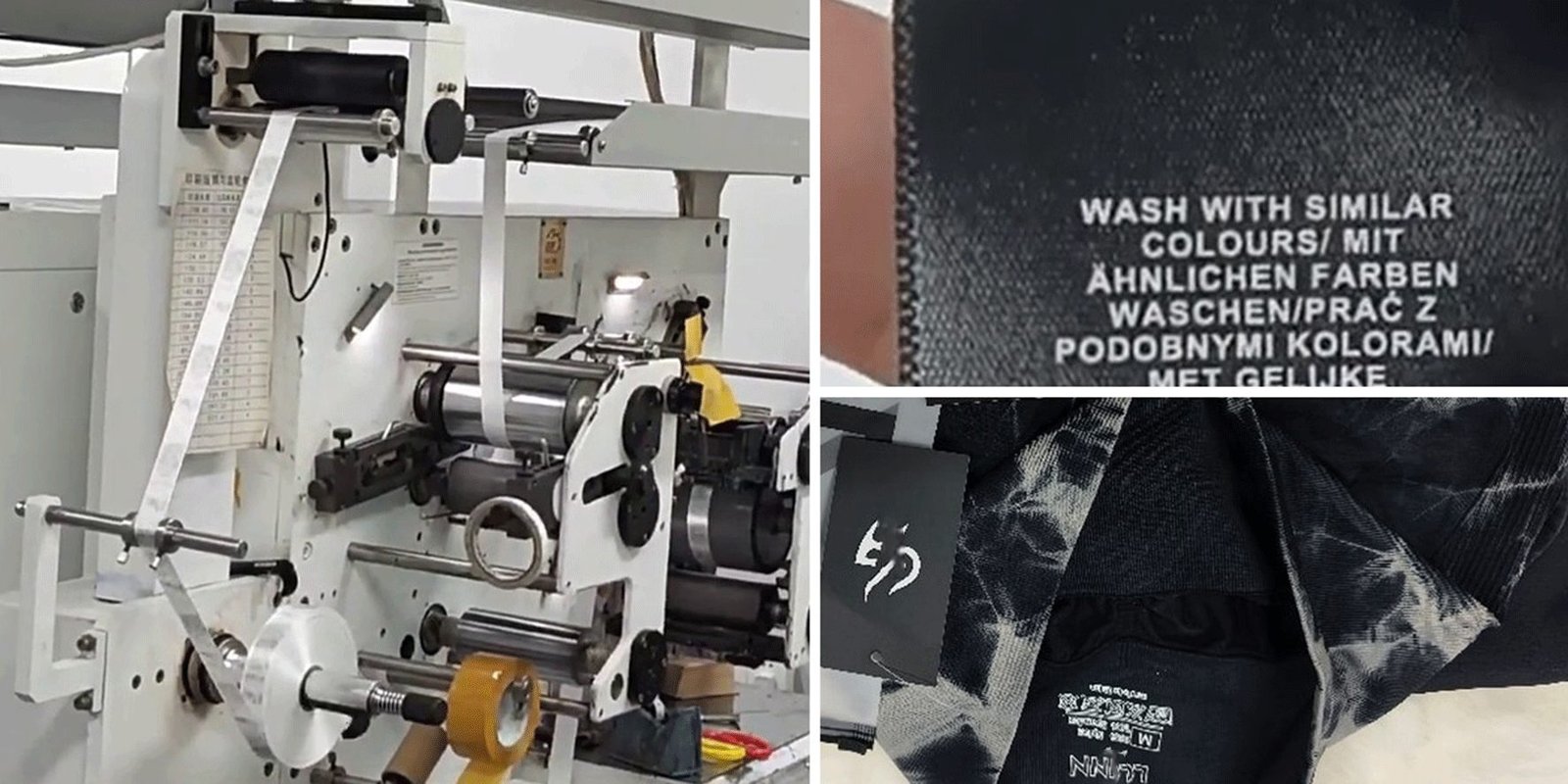
Main / Care / Size Labels
Label artwork and buyer-approved information need to match the correct product, market, size and current brand version.
Hangtag & Brand Insert
Artwork, attachment method and version need to stay aligned with the released commercial SKU.
SKU / Barcode / QR
Style, color, size and buyer-supplied barcode or QR data should correspond to the correct physical garment.
Individual Retail Packaging
Approved polybag, zipper bag or other packaging should be assigned to the correct product and commercial SKU.
Carton / Shipping Information
Carton quantity, assortment and applicable buyer-supplied marks should follow the confirmed order requirements.
Artwork & Data Version
Logo, label, barcode, packaging and related data changes need to be released against the correct commercial version.
Final SKU Reconciliation
Product, color, size, branding, retail data and packaging should be reconciled before the SKU is released for packing.
Use Material Families to Support a Coherent Private Label Workout Collection
Shared Stretch Fabric Family
Can support related leggings, bras or shorts where one approved fabric family is technically suitable across several SKUs.
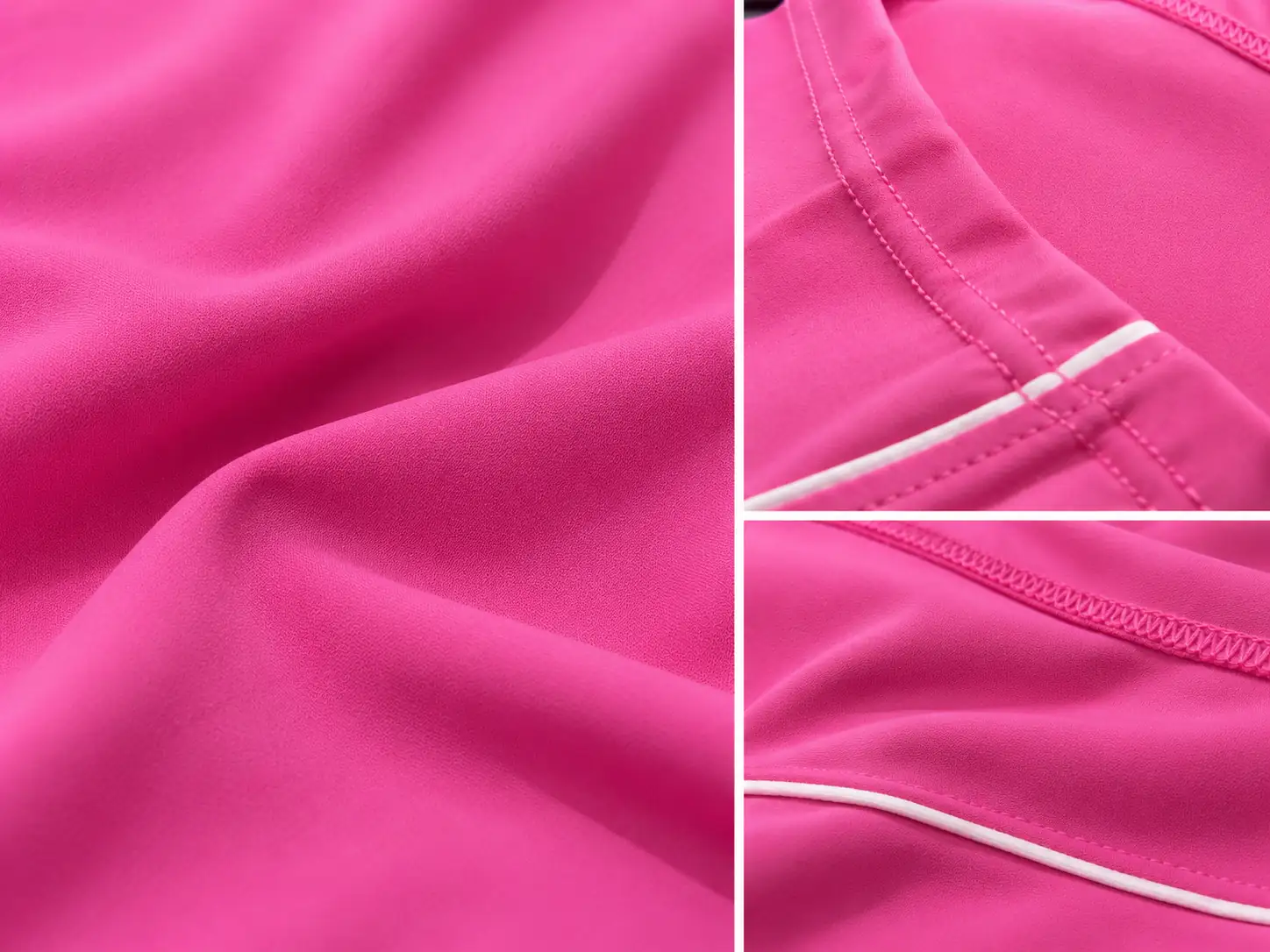
Alternative Product Family
Can provide a distinct handfeel, surface or commercial option for selected tops, shorts or collection extensions.
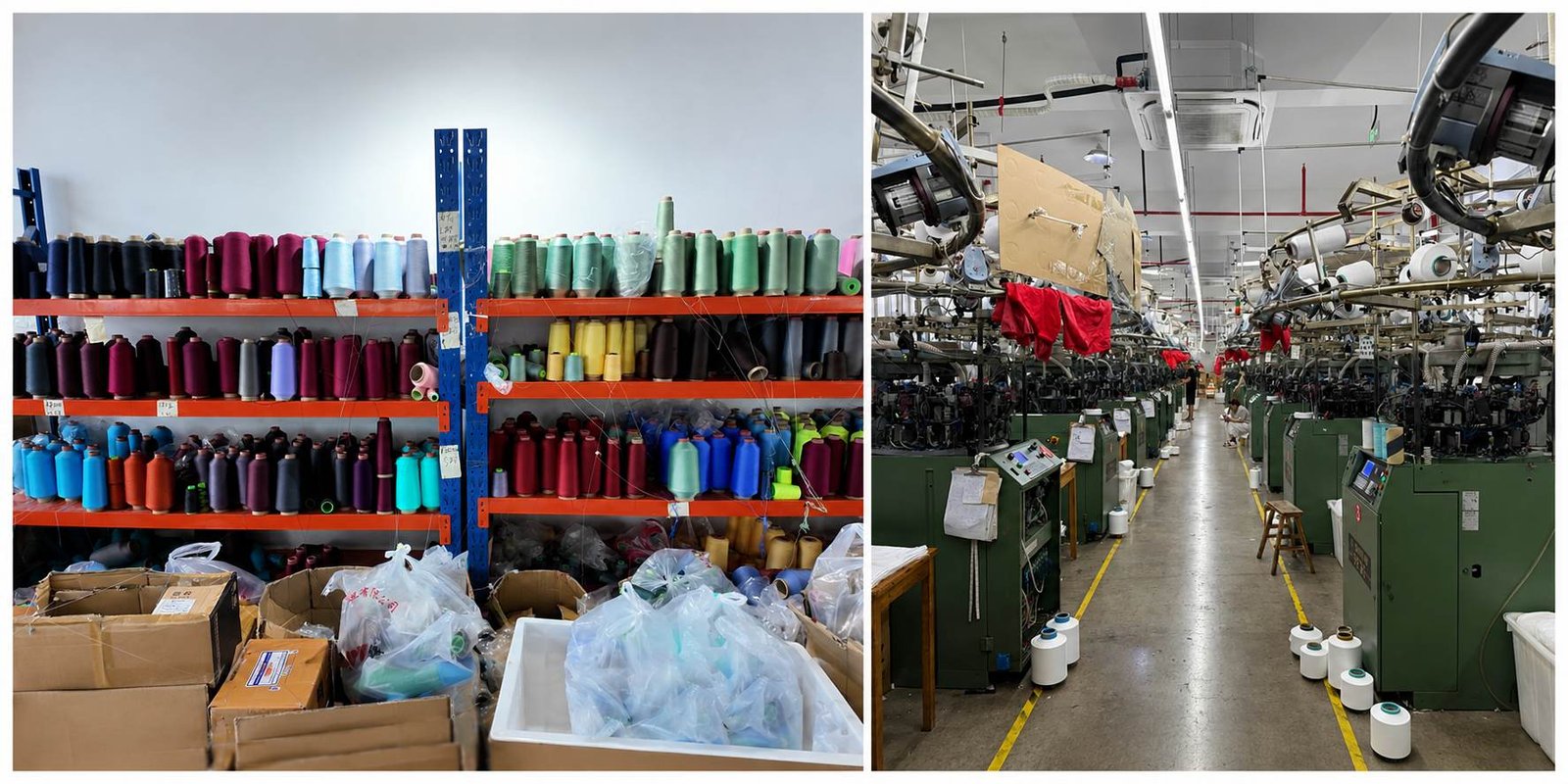
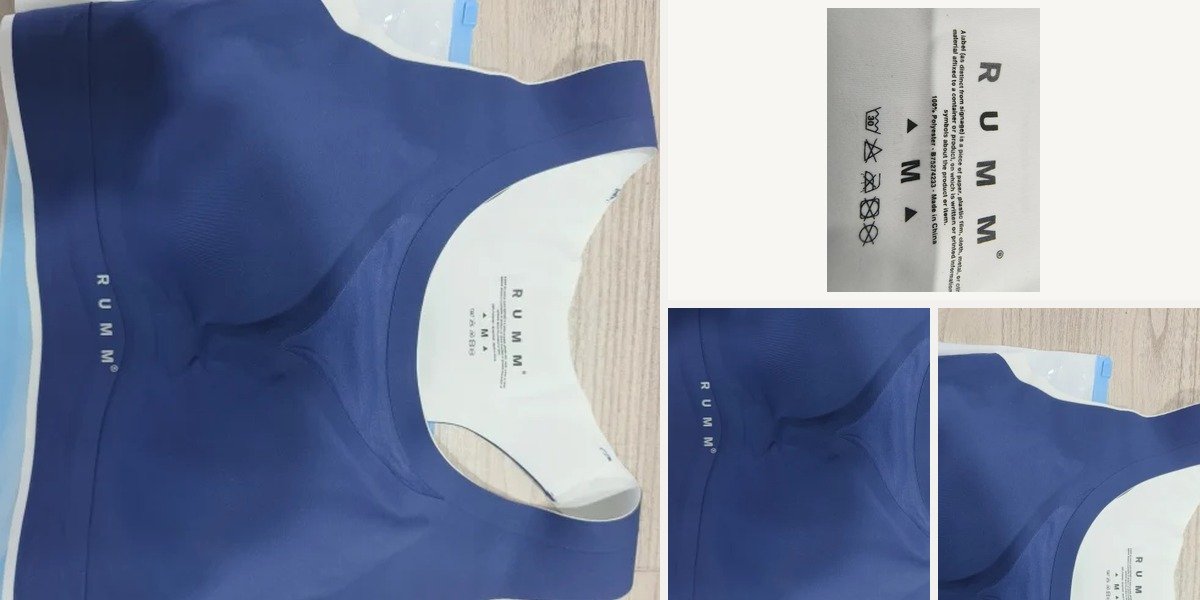
Seamless Yarn Family
Seamless SKUs require their own yarn, color and knitting-program control even when they share the same brand and collection color direction.
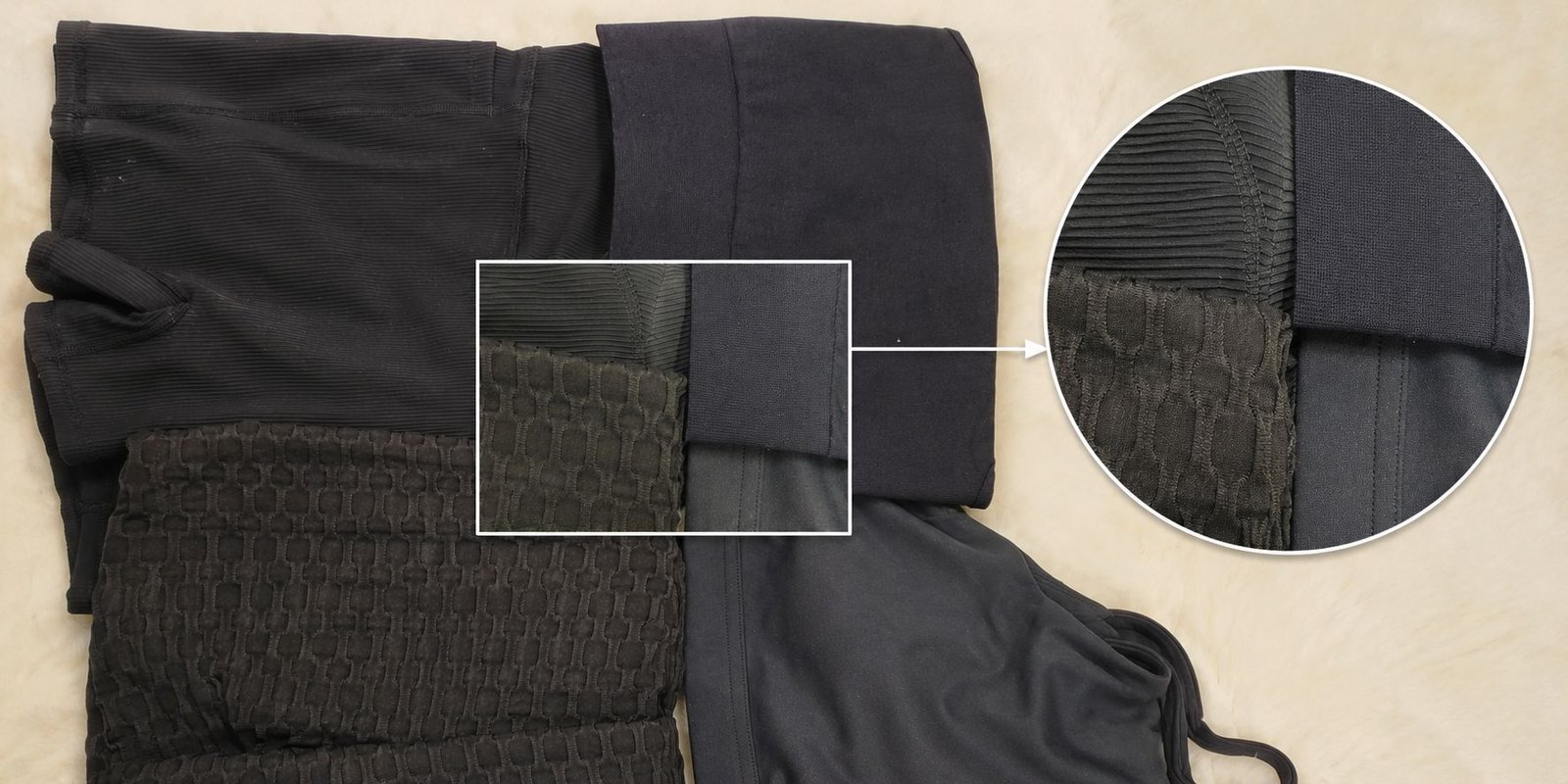
Capsule / Texture Direction
Ribbed or textured materials can define a capsule or selected product group without forcing the same surface across the full assortment.
A collection material plan should balance technical suitability with color consistency, branding compatibility, MOQ, availability and repeat-order continuity. Shared material families can simplify sourcing, but each SKU still needs physical approval.
Plan Workout Clothing SKUs by Commercial Role, Not Training Label Alone
A private-label collection becomes easier to launch and replenish when each SKU has a clear commercial role instead of every product being treated as an unrelated development project.
Hero Product
The main traffic or sales-driving product should receive the clearest size-color architecture, branding standard, launch quantity and reorder baseline.
Matching / Coordinated Product
Bras, shorts or tops can extend a hero product into coordinated outfits while sharing brand and color direction but keeping their own SKU control.
Seasonal Colorway
New colorways can refresh an approved product without restarting the entire collection, provided color, labels, SKU data and packaging are released correctly.
New Category Extension
A validated collection can expand into additional tops, shorts, long sleeves or sets while preserving the existing brand system and repeat-order discipline.
Different Manufacturing Routes Still Need the Same Commercial Release Discipline
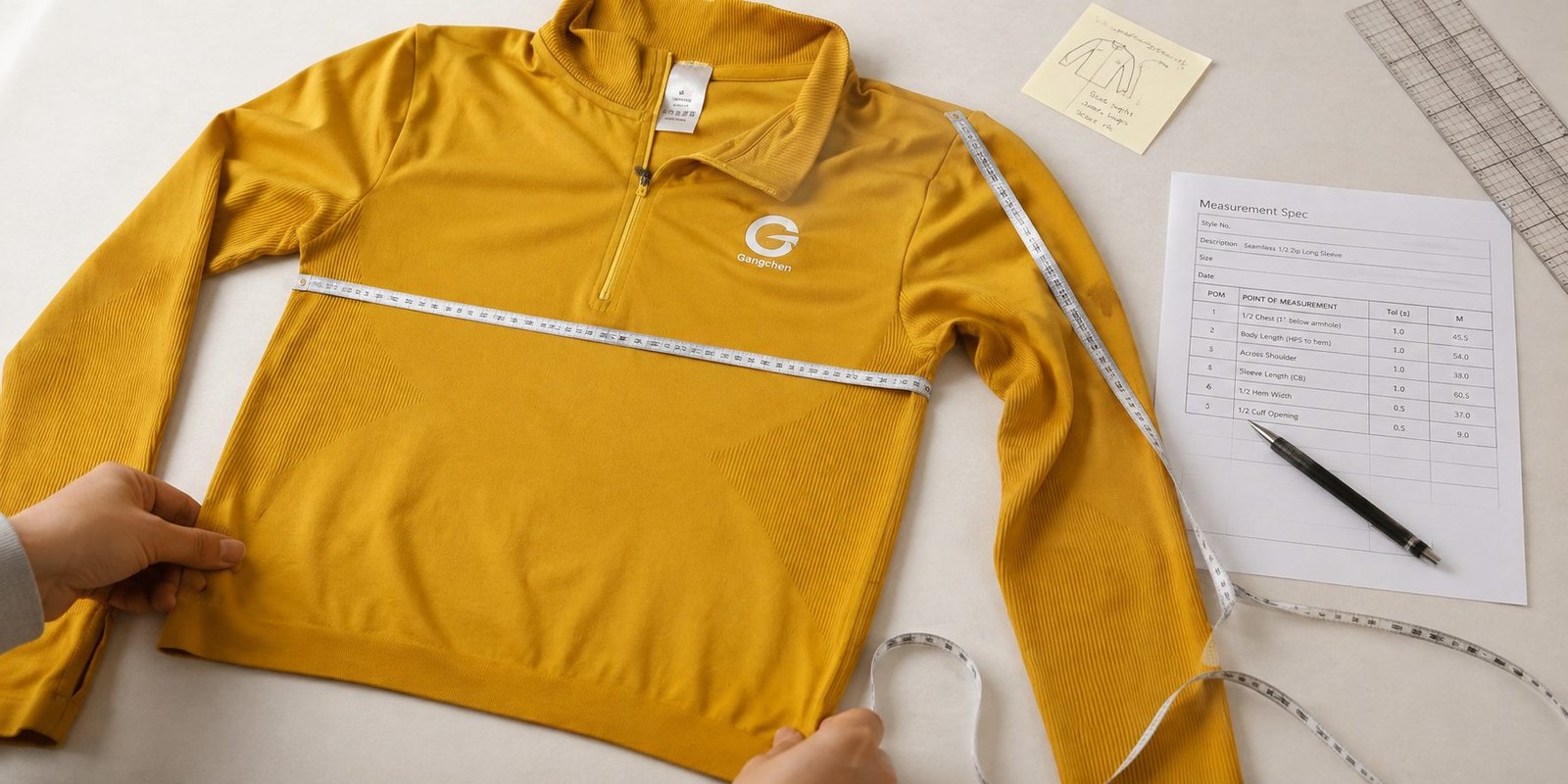
Cut & Sew Release Package
A Cut & Sew SKU should reach private-label release with a current pattern or measurement standard, approved sample, material/color reference and clearly assigned brand components.
Before bulk, the commercial package should also identify the correct logo, labels, style-color-size mapping, barcode or QR data and packaging for that approved product.
Seamless Release Package
A Seamless SKU reaches the same commercial release point through a different technical route: current yarn direction, knitting program, dimensions, finishing and approved physical sample.
For both routes, the final step is the same: connect the approved garment to the correct brand, SKU and packaging information before bulk release.
MOVEVOX has two professional pattern-making roles, with core technical personnel having approximately 8–10 years of pattern experience, supporting product-standard definition before commercial release.
Translate Each Workout Product Into a Complete Commercial SKU
| Product | Commercialization Focus |
|---|---|
| Workout Leggings | Approved product and measurements, color-size matrix, label placement, SKU/barcode mapping and packaging for each legging variant. |
| Sports Bras | Approved construction and size structure, brand placement, care/size labels, color-SKU mapping and individual packaging. |
| Biker Shorts | Approved fit and length, coordinated colorway, size identification, barcode/QR assignment and packaging. |
| Training Shorts | Approved product details, style identity, size-color structure, branding placement and packing requirements. |
| Tanks and Tops | Approved silhouette and measurements, brand placement, size/color data, labels and retail packaging. |
| Training T-Shirts | Approved garment standard, artwork placement, label set, SKU mapping and packaging for each commercial variant. |
| Seamless Products | Current knitting version, yarn/color reference, size logic, branding method, SKU identity and packaging for the released Seamless product. |
Control Errors That Can Make a Correct Garment Commercially Unusable
Wrong Label Version
The garment may be correct while the main, care or size label uses the wrong artwork or information.
Control DirectionMaintain released label artwork, approved content and version references by SKU.
SKU / Barcode Mismatch
The correct garment can be packed with data intended for another style, color or size.
Control DirectionConnect style-color-size data to barcode/QR and packing verification.
Logo Method or Placement Risk
Logo application needs to remain compatible with the selected material, construction and area of use.
Control DirectionApprove the method, artwork, placement and physical result against the released product.
Color Drift
Material base, yarn, dye route or production lot can influence finished color.
Control DirectionUse the applicable approved material/color reference and record changes before bulk or repeat orders.
Sample-to-Bulk Drift
An approved garment is insufficient if brand, SKU and packaging information are not transferred into the commercial release.
Control DirectionConnect the approved product and commercial SKU package with first-article, in-line and final checks.
Packaging Error
A correct garment can still enter the wrong individual bag or carton configuration.
Control DirectionReconcile garment, labels, SKU identity and packaging before final release.
Keep Retail Information and Product Claims Tied to Approved Evidence
| Retail / Claim Area | Control Basis |
|---|---|
| Performance Wording | Use product-specific validation or agreed testing before market-facing claims such as opacity or “squat proof” are approved. |
| Material / Fiber Information | Use supplier documentation and buyer-approved product information for fiber or material statements; do not infer performance from composition alone. |
| Care & Size Information | Release buyer-approved care and size information against the correct product, market and label version before production. |
| SKU / Barcode Data | Map style, color and size to the correct buyer-supplied SKU, barcode or QR data and verify it during packing. |
| Compliance Evidence | Use the actual report, tested sample and defined scope rather than extending sample-specific evidence into blanket product or factory claims. |
MOVEVOX has sample-specific test evidence including a RoHS certificate/report dated April 30, 2025 for a tested black fitness yoga leggings sample and a separate REACH Annex XVII Entry 51 & 52 phthalates report for black fabric from the tested leggings.
These reports apply to the tested samples and should not be interpreted as blanket factory certification or automatic compliance for every future product. Market-specific label wording and commercial claims should remain buyer-approved and evidence-based.
Six Capabilities Needed to Turn Approved Workout Products Into Sellable Private-Label Styles
Product Standard Freeze
An approximately eight-person development team includes two design, two pattern and four sampling or sample-garment roles that help convert buyer input into a stable product reference before labels, retail data and bulk release are finalized.
Seamless Style Execution
The Yiwu core manufacturing base operates 28 Italian Santoni seamless knitting machines for applicable knitted styles, with each approved style then linked to its color, size, labeling and packing requirements.
Cut & Sew Style Execution
Approximately 24 core sewing and garment machines support pattern-based activewear styles after product requirements are approved and before the finished item is reconciled with labeling and packing data.
Brand Asset Integration
Fabric or yarn direction and color can be connected with logo artwork, labels, item identity and packaging so the finished style is released as one controlled private-label product.
Product-to-Pack Reconciliation
Five QC personnel support relevant garment, identification, label and packing checks so a correct product is not released with the wrong customer-facing information.
Reorder Baseline Control
MOVEVOX combines its owned core factory with controlled production resources while keeping the current product reference, artwork, label data, packing requirements, planning and final accountability connected for later orders.
Verify Where the Product Is Made and Where Private-Label Release Is Controlled
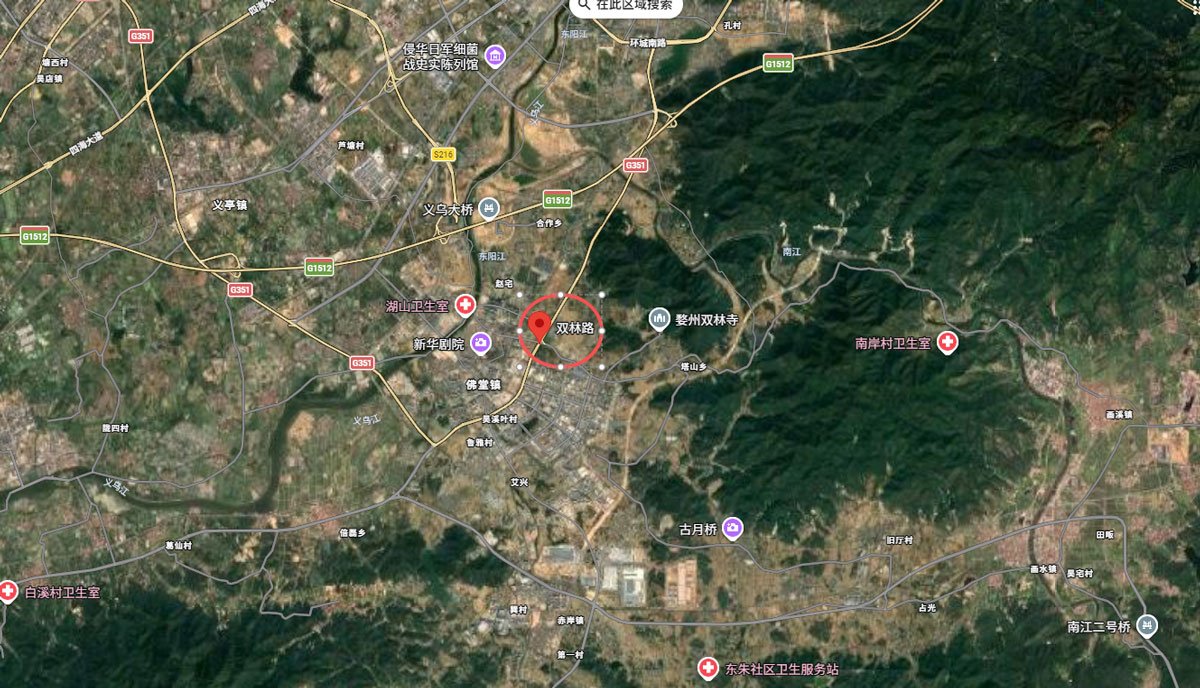
Approximately 6,000 m² Core Manufacturing Base
MOVEVOX's Yiwu core manufacturing base supports Seamless, Cut & Sew, product development and quality activities, while also providing a central control point for moving approved products into labeling, identification, packing and bulk execution.
Scheduled factory visits, remote review and agreed third-party inspection can be supported according to the project.
Seamless Manufacturing Base
28 Italian Santoni machines support applicable Seamless products before the approved garment is connected to the required color, size, label and packing information.
Cut & Sew Manufacturing Base
Core sewing and garment-production equipment supports approved Cut & Sew products before downstream private-label identification and packing are released.
Product Standard Handoff
Design, pattern and sampling roles help establish the physical product reference that downstream artwork, labels and order data must follow.
Release Verification
QC personnel support relevant garment, identification and packing checks before finished goods are released.
Item-to-Pack Reconciliation
Approved products can be matched against the applicable labels, style-color-size identity, buyer data and packaging before shipment preparation.
Keep Product, Artwork, Item Data and Packaging in One Controlled Handoff Chain
Disconnected Handoff Chain
- Seamless factory
- Cut & Sew factory
- Fabric or yarn suppliers
- Logo and label suppliers
- Packaging suppliers
- Separate QC interfaces
When product, artwork, item data and packing instructions sit with different parties, the buyer must manually reconcile which version belongs to which finished style.
Controlled Product-to-Pack Handoff
MOVEVOX combines its Yiwu core manufacturing base with controlled production resources where appropriate and keeps the release chain connected from the approved garment to the packed finished item:
- Approved product version
- Released material and color
- Order and production release
- Released artwork and label data
- Style / color / size and buyer ID data
- Garment and packing checks
- Reorder baseline
Controlled external production resources should not be represented as MOVEVOX-owned factories.
Use Sampling to Approve the Garment First, Then the Commercial SKU
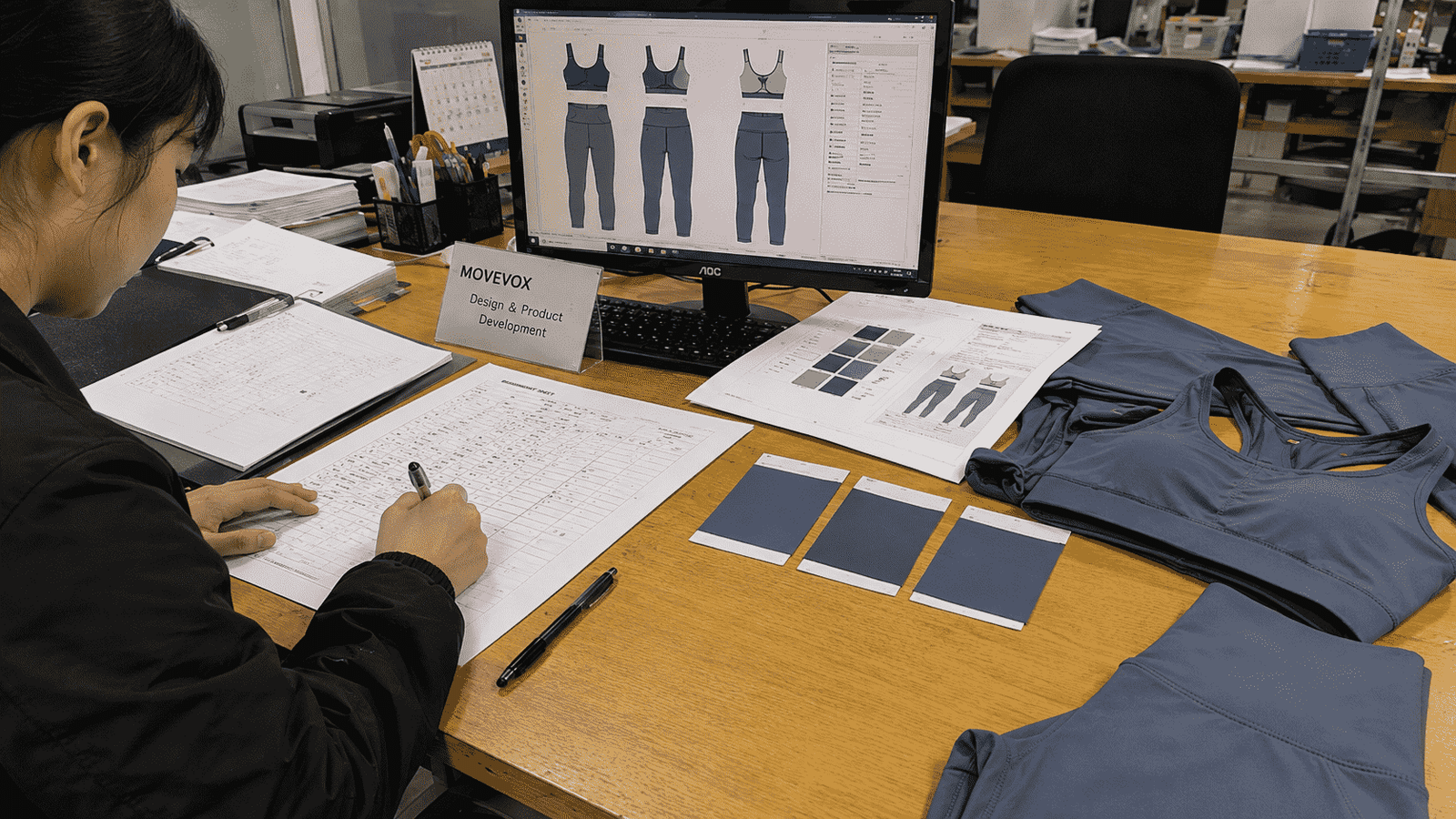
Product Input
Confirm the available specification, legal reference, target product and known brand requirements.
Product Sample V1
Produce the first physical garment so the product can be reviewed independently from final brand and packing release.
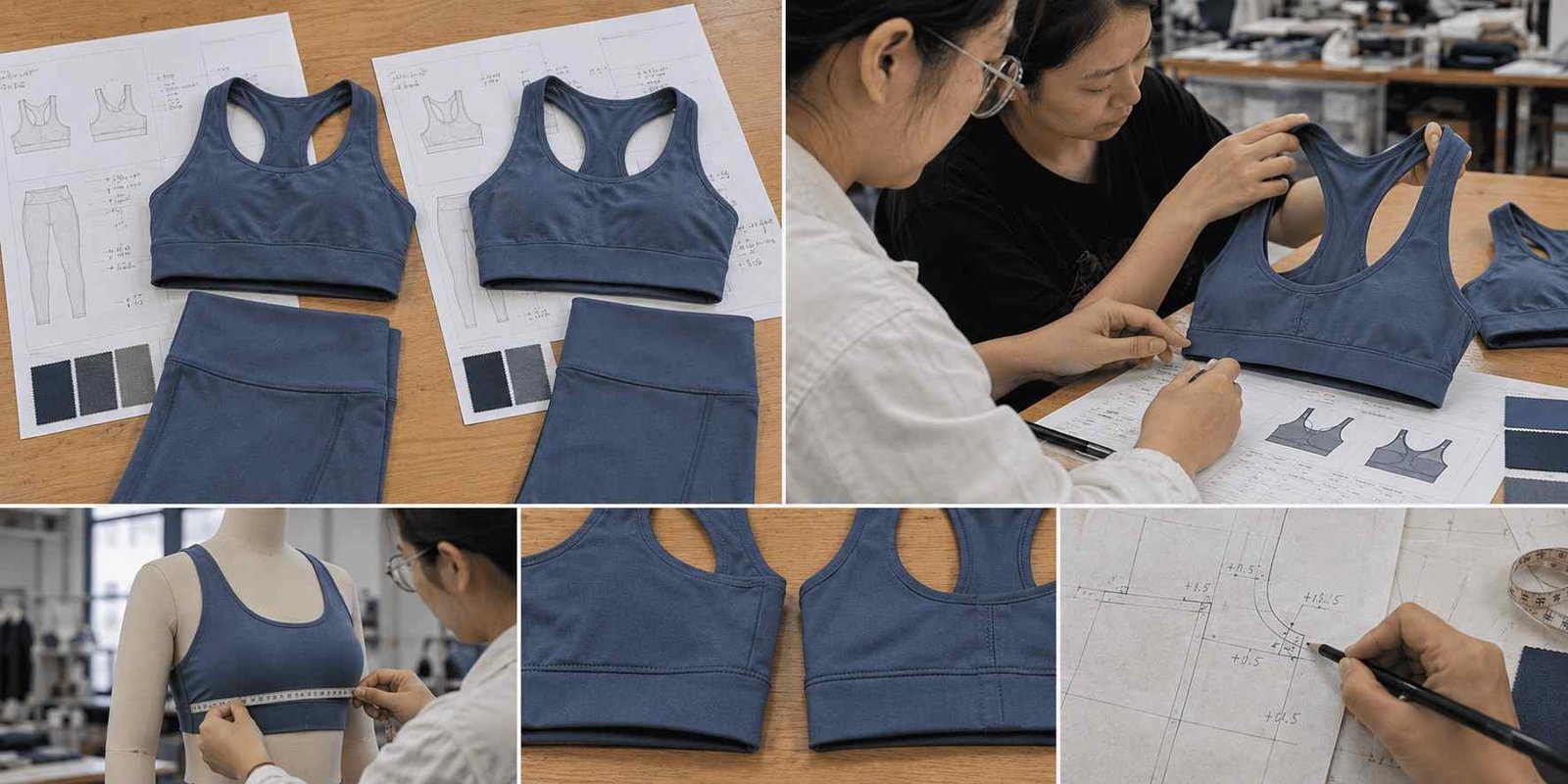
Product Standard Review
The buyer reviews measurements, fit, material, construction and workmanship to define the physical product standard.
Product Revision
Buyer comments are translated into the applicable pattern, measurement, material, construction or Seamless-program changes.
Brand Component Review
Once the product is stable, logo, labels, artwork, size/color identity, hangtag and packaging can be reviewed against it.
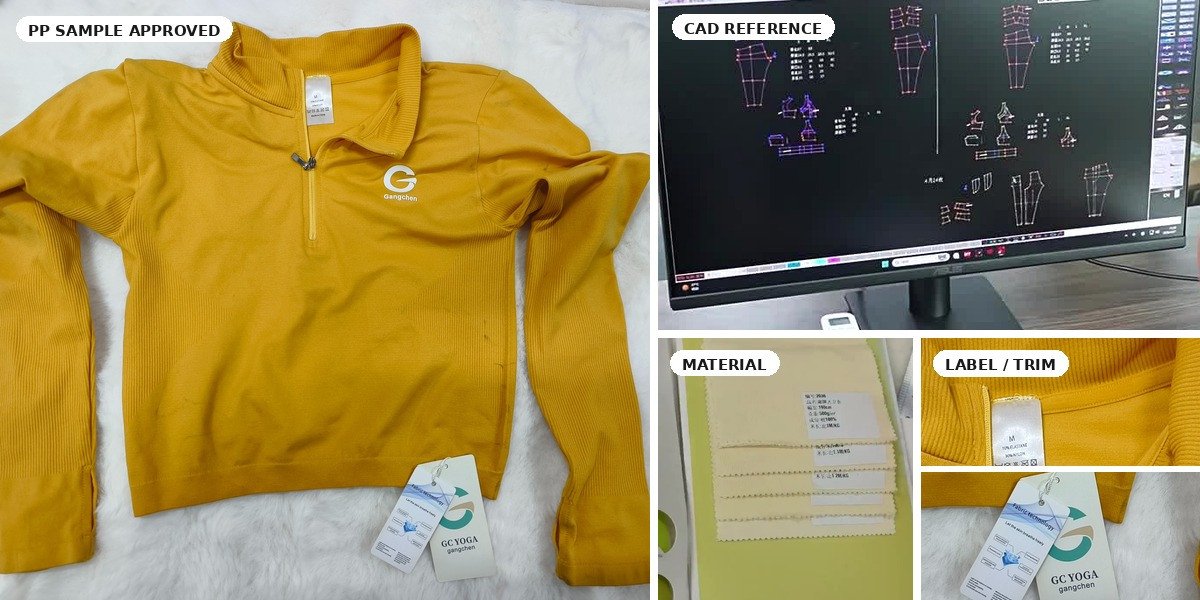
Commercial SKU Release
The approved garment plus released branding, SKU data and packaging become the commercial reference for bulk execution.
Standard product sample development is typically approximately 5–10 working days after required development details are confirmed. Brand-component sampling, revisions or packaging development can add separate timing.
What Must Be Approved Before a Workout Product Becomes a Bulk-Ready Private Label SKU?
Approved Product
Confirm the current measurements, fit, construction and workmanship that define the physical product.
Material & Color
Confirm the fabric or yarn direction, material reference and released colorway for the SKU.
Logo Artwork
Confirm artwork, application method, size and placement against the approved garment.
Labels & Buyer-Approved Data
Confirm main, care and size-label information against the correct product and buyer-approved version.
SKU / Barcode / QR
Confirm style, color and size mapping to the applicable buyer-supplied SKU, barcode or QR data.
Retail & Shipping Packaging
Confirm hangtag, individual packaging and applicable carton or shipment information.
Approved Commercial Reference
The current approved garment and released brand/SKU information should remain identifiable together before bulk production begins.
Six Gates Before Releasing a Private Label Workout Collection
The objective is to confirm that the product, commercial SKU data and supply conditions are ready to move from development into a controlled launch batch.
Product Standard Ready
Is each launch product defined well enough through an approved sample, specification or agreed technical standard?
Assortment & SKU Matrix Ready
Are styles, colors, sizes and SKU identities mapped clearly enough for production and packing?
Brand Assets Ready
Are logo artwork, labels, hangtags, barcode/QR data and packaging versions approved for the correct SKUs?
Material & Production Ready
Are material, color, manufacturing route and required purchased components ready for the confirmed launch quantity?
QC & Packing Control Ready
Are first-article, product, branding, SKU and packing checkpoints defined before bulk expands?
Commercial Release Ready
Are effective MOQ, launch quantities, delivery windows and repeat-order expectations commercially compatible?
Model Launch MOQ as a Stack Across Product, Color and Private-Label Components
| Requirement | Typical Reference | Commercial Driver |
|---|---|---|
| Seamless Garment | Approx. 100 pcs / style | Yarn, color, structure, size allocation and how many Seamless SKUs share the requirement |
| Cut & Sew Garment | Approx. 150 pcs / style | Fabric, construction, trims, color and how quantities are distributed across Cut & Sew SKUs |
| Custom Color | Often evaluated around 400–600 pcs level | Material supplier, dye-lot requirements and whether several SKUs share the same color/material |
| Logo | Project dependent | Method, artwork, tooling and whether branding components are shared across the collection |
| Labels | Project dependent | Label type, artwork, market/version count and label-supplier minimums |
| Packaging | Project dependent | Bag type, dimensions, printing, SKU variation and packaging-supplier minimums |
The real launch commitment is created by several minimums at once: garment quantity, material or dye lot, artwork method, labels, packaging and the way quantities are divided across styles, colors and sizes. A base garment MOQ alone therefore does not describe the buyer’s total private-label commitment.
Carry the Approved Commercial SKU System Into Bulk Production
SKU Release Pack
Confirm the current product standard together with color, size, branding, SKU/barcode and packaging information.
Material & Brand Components
Prepare the approved fabric or yarn, color, trims, logo components, labels, hangtags and packaging for the released SKUs.
First Commercial Article
Review initial production pieces against the approved garment and applicable brand, label and identification requirements.
Launch-Batch Manufacturing
Production follows the selected Seamless, Cut & Sew or coordinated route while maintaining the commercial SKU release.
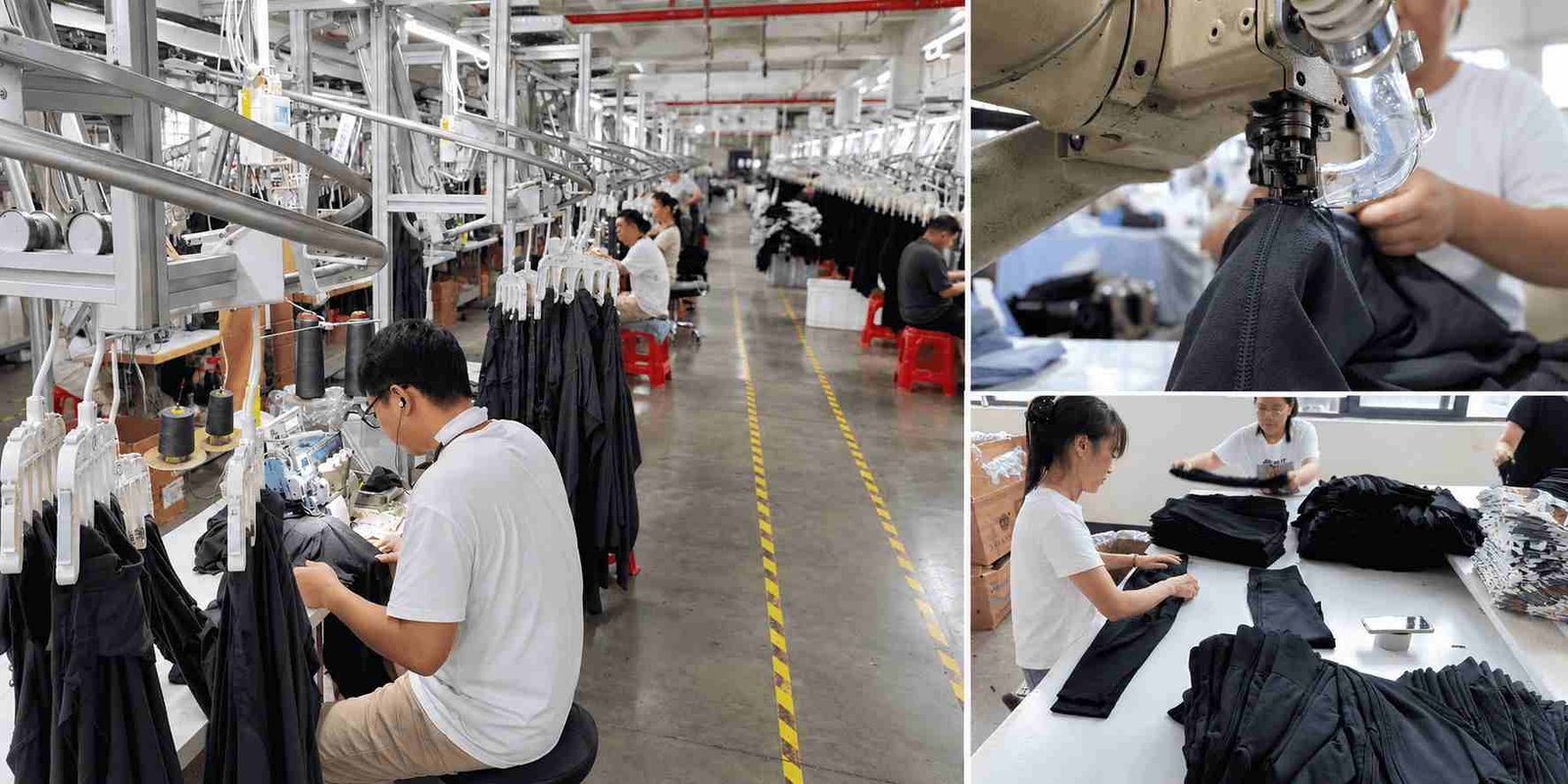
In-Line Product & Brand Control
Inspect relevant workmanship, measurements, branding and identification points while production is underway.
Final SKU Inspection
Review finished garments and the applicable commercial SKU information against the released standard.
Packing & Order Reconciliation
Reconcile garment, labels, SKU/barcode data, quantities and packaging before shipment preparation.
Release Verification Must Protect Garment, Brand Identity and Packing Accuracy
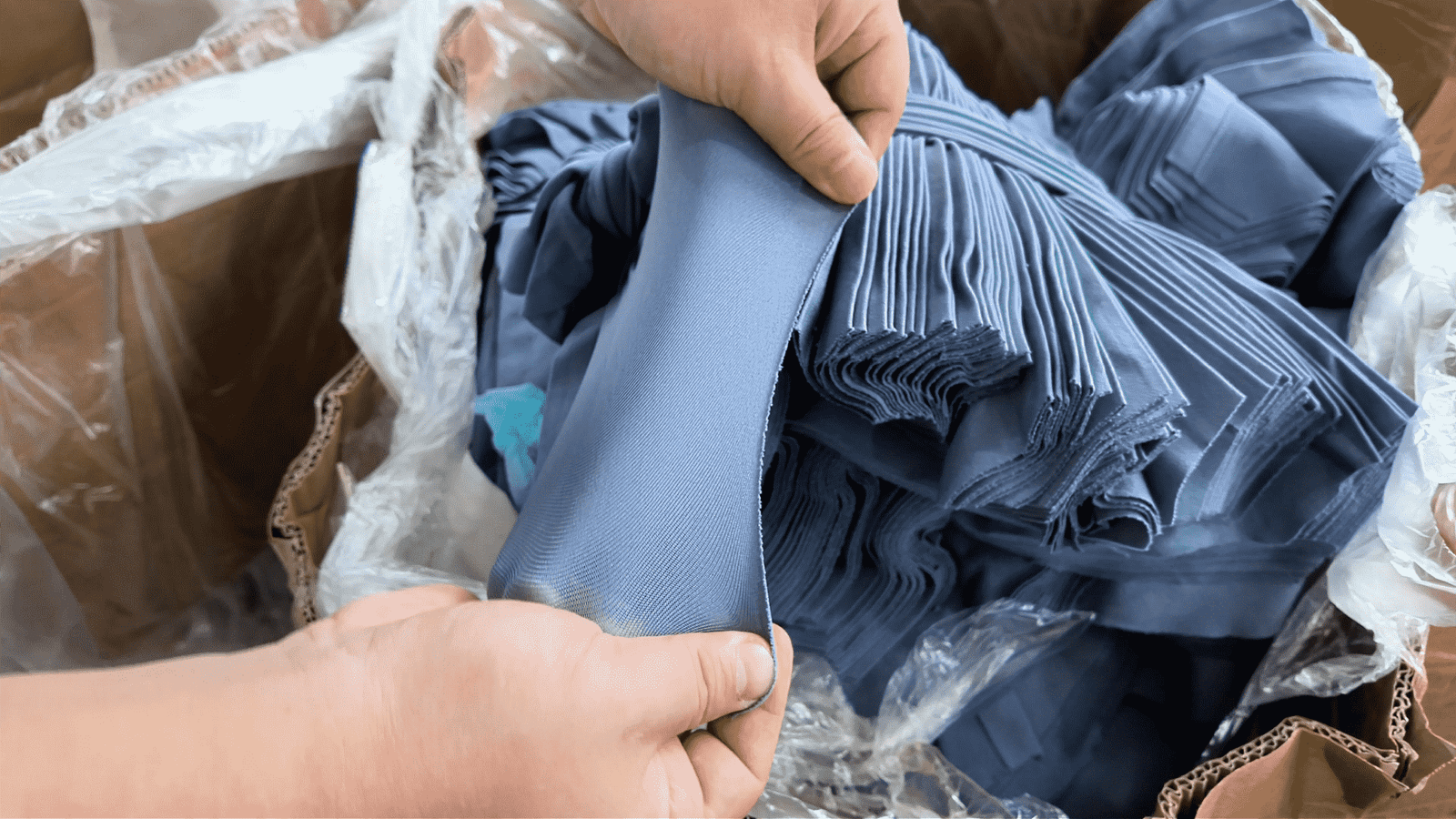
Material / Color Baseline
Review the applicable fabric or yarn and color against the released SKU requirement before use.
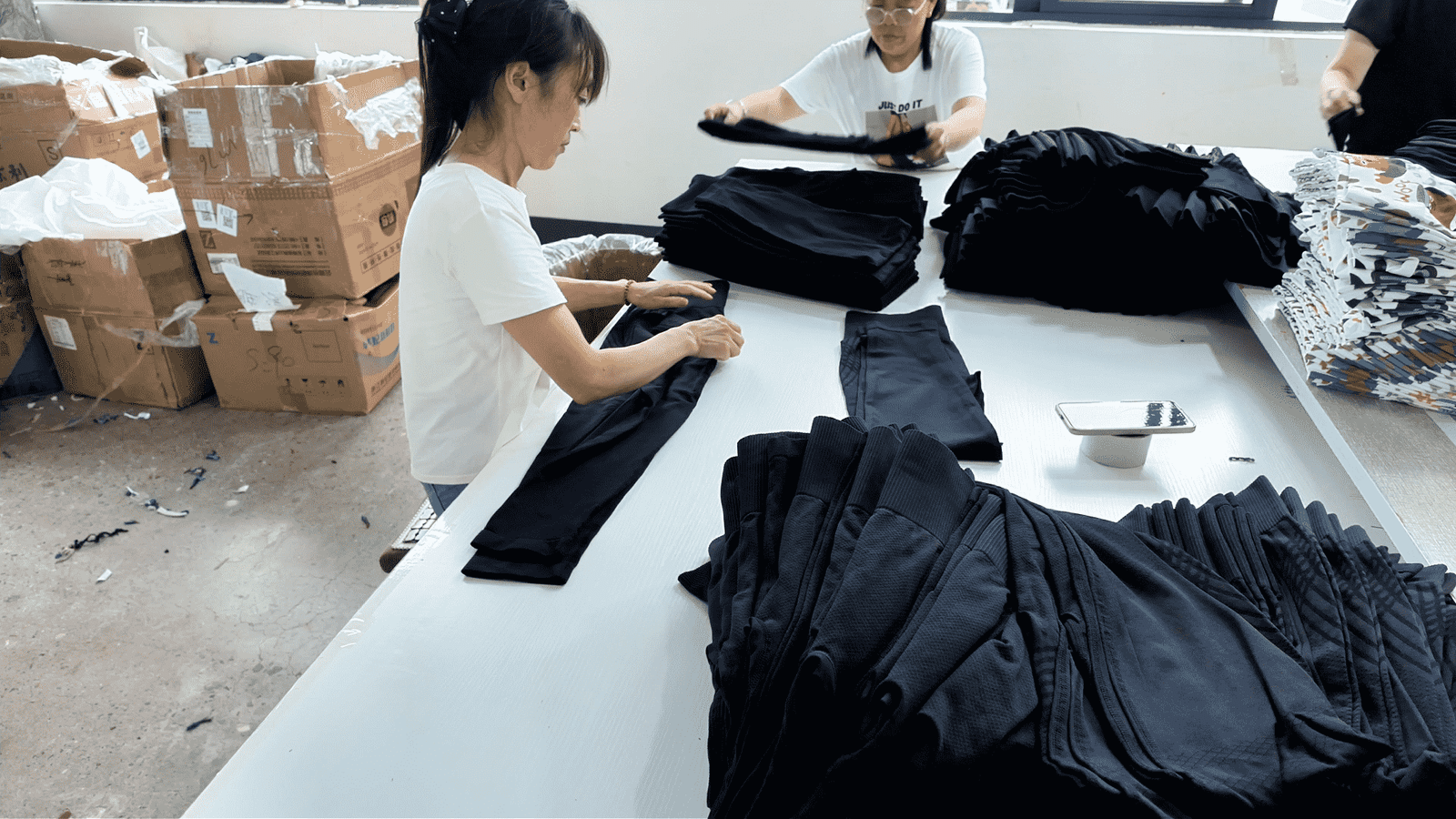
First Commercial Article
Compare early production with the approved garment plus applicable branding and identification requirements.
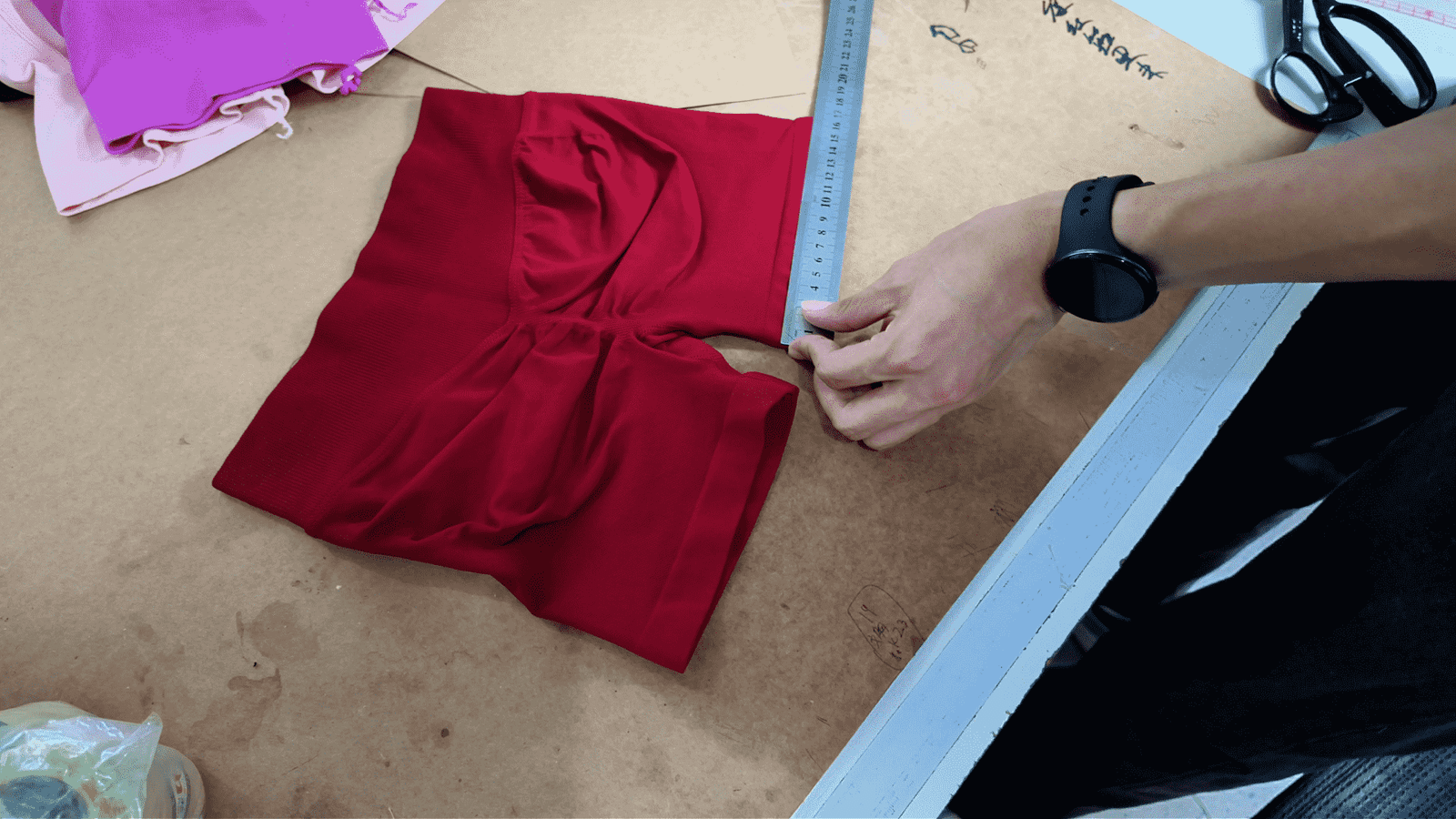
Size / Measurement Control
Check relevant POM and size identity against the applicable product and SKU specification.

Garment Workmanship
Inspect relevant seams, knit zones, construction and finishing so the physical product remains consistent.
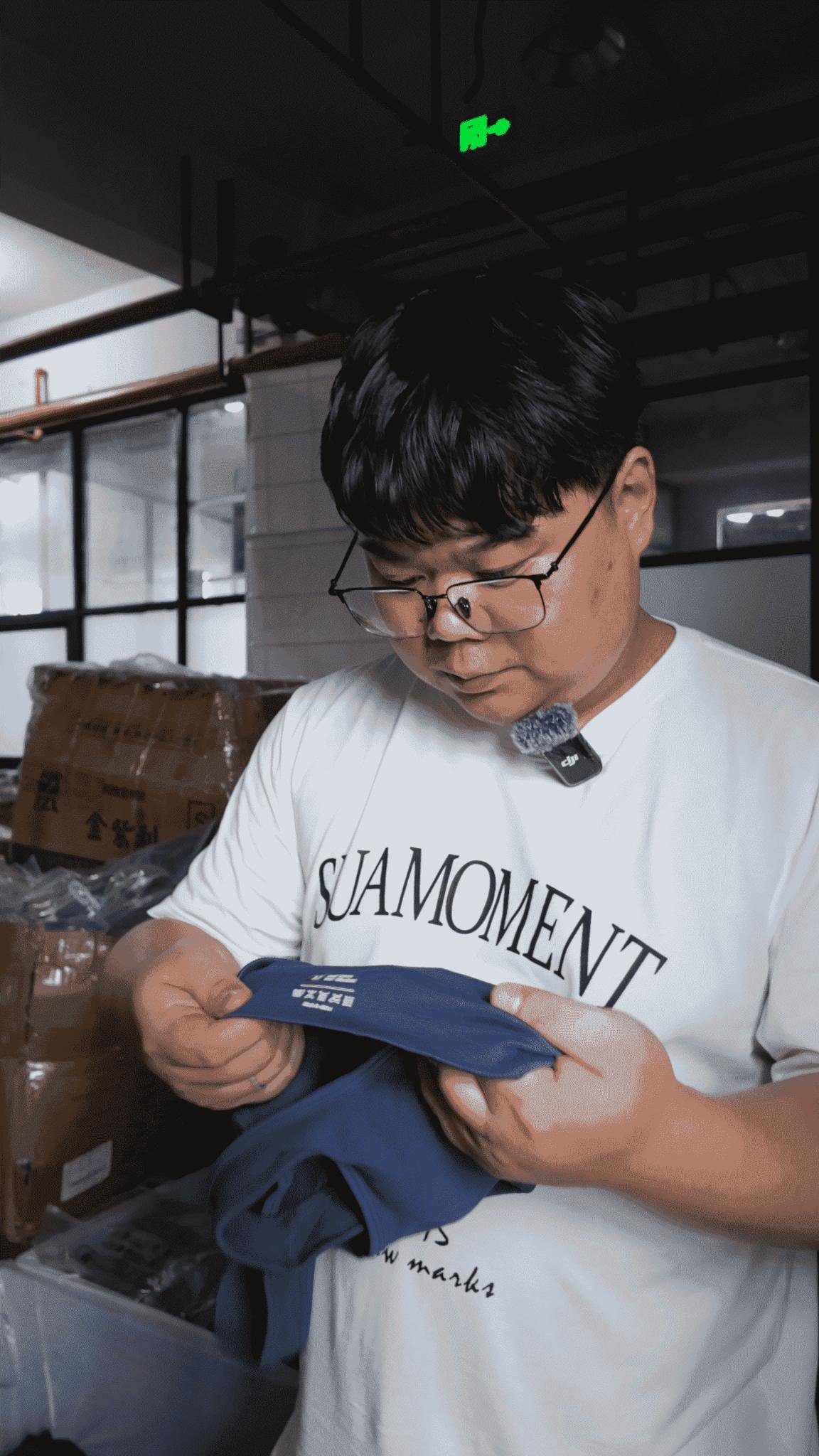
Logo / Label Version Check
Confirm artwork, method, label type, content and placement against the released commercial version.
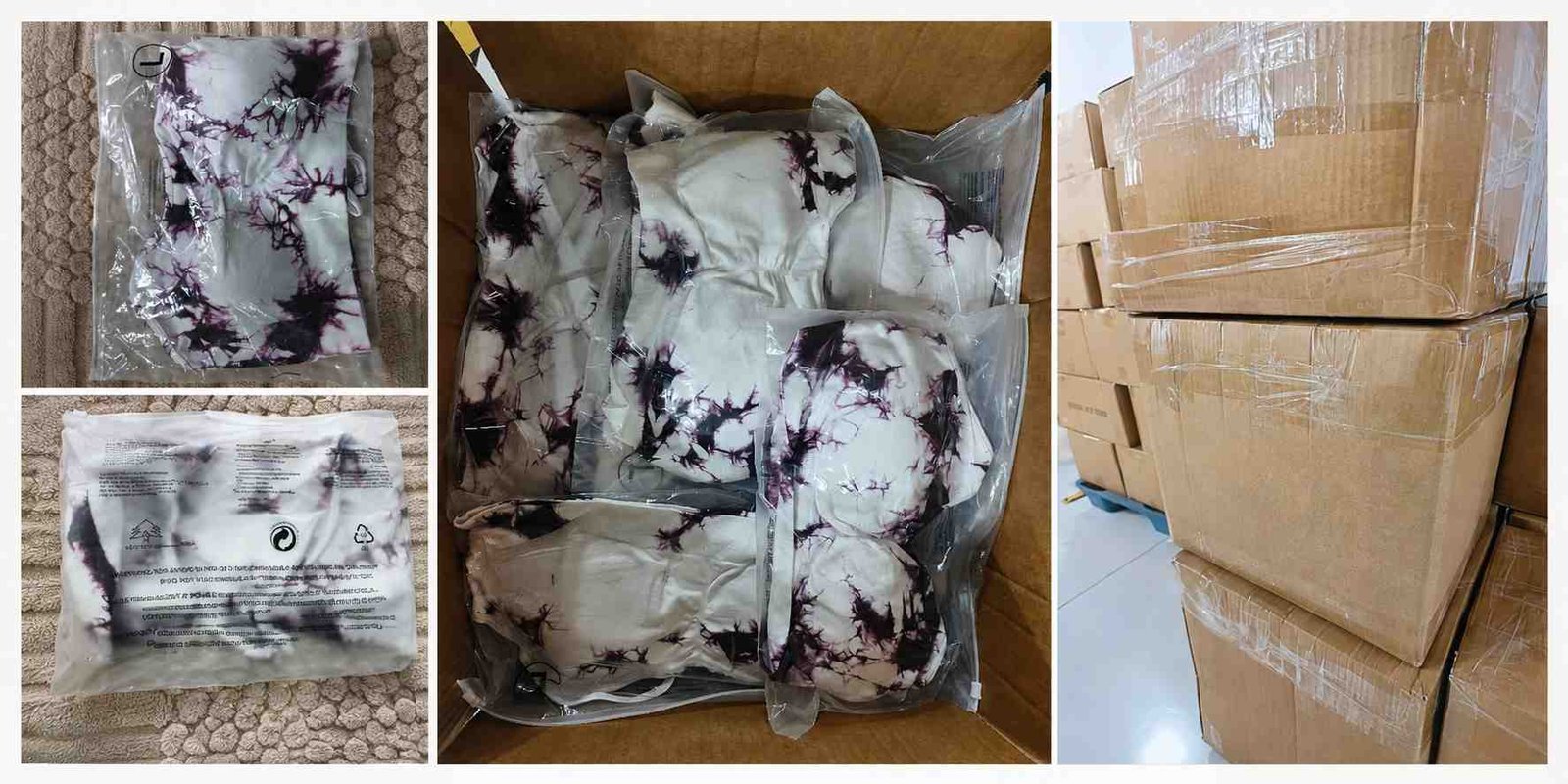
SKU / Barcode / Packing Check
Verify style-color-size identity, applicable buyer-supplied barcode/QR data and packaging before final release.
MOVEVOX has five QC personnel supporting quality activities across production, finished garments and packing. For private-label collections, checkpoints can include both garment quality and commercial SKU accuracy.
Turn Launch-Batch Records Into a Repeat-Order Baseline
Approved Commercial SKU
The applicable Tech Pack, approved sample, material/color reference, brand release, SKU data and packaging define the commercial baseline.
02Product / Measurement Record
Relevant product measurements and physical findings can be recorded against the buyer-approved standard.
03First-Article Release Record
Initial production findings can be documented before the launch batch or repeat run expands.
04Brand & SKU Check Record
Logo, label, SKU/barcode and packing checks can be recorded alongside product inspection where applicable.
05Final Reconciliation Record
Finished-garment, commercial identity and packing findings can be documented before release.
06Reorder Change Log
For later orders, approved changes to product, color, artwork, labels, SKU data or packaging should be identifiable against the previous baseline.
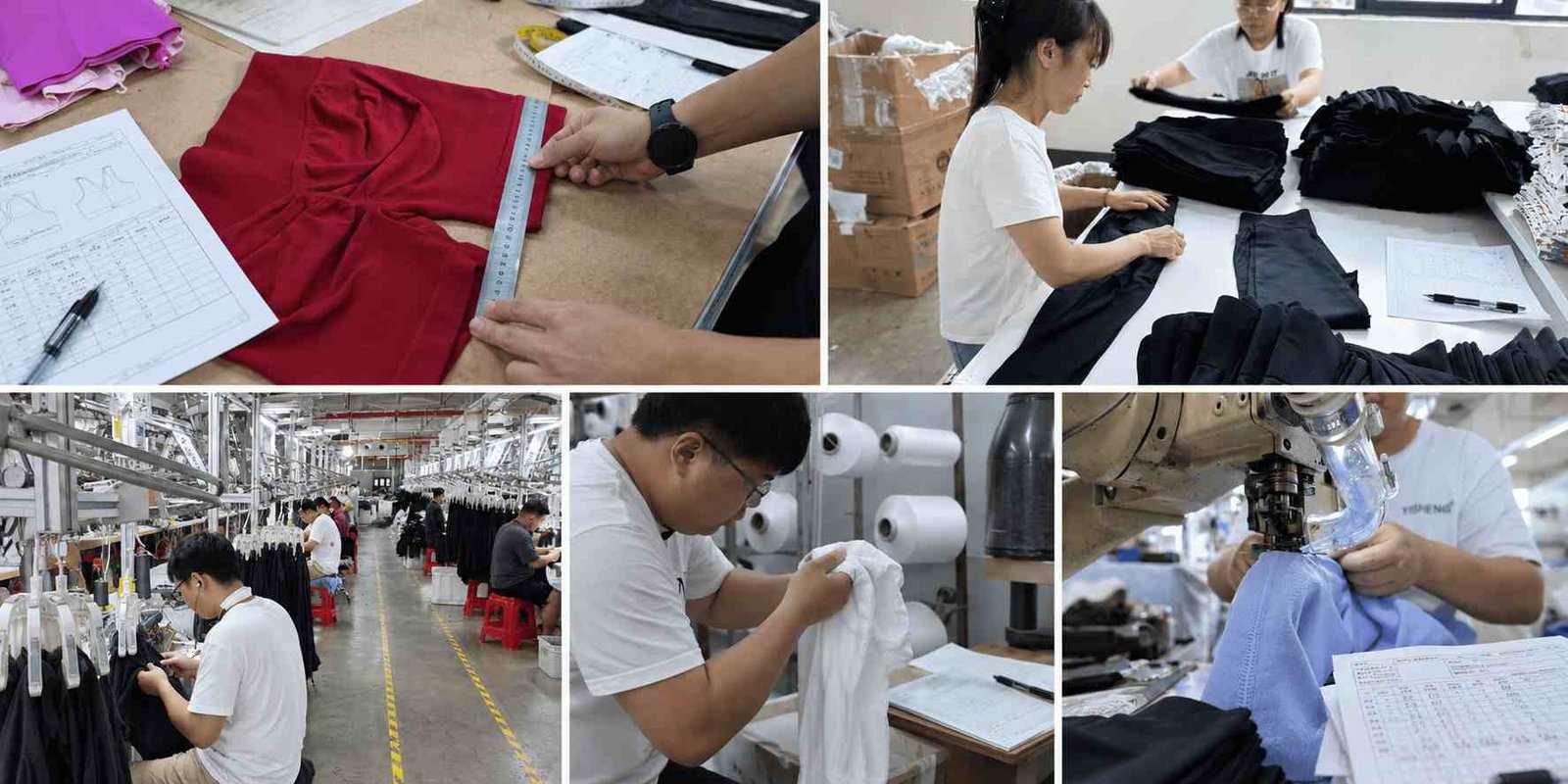
The value of these records is not paperwork alone: they provide a clearer reference for replenishment, seasonal color extensions and controlled repeat orders.
Verify the Evidence Behind Product-to-Pack Private Label Execution
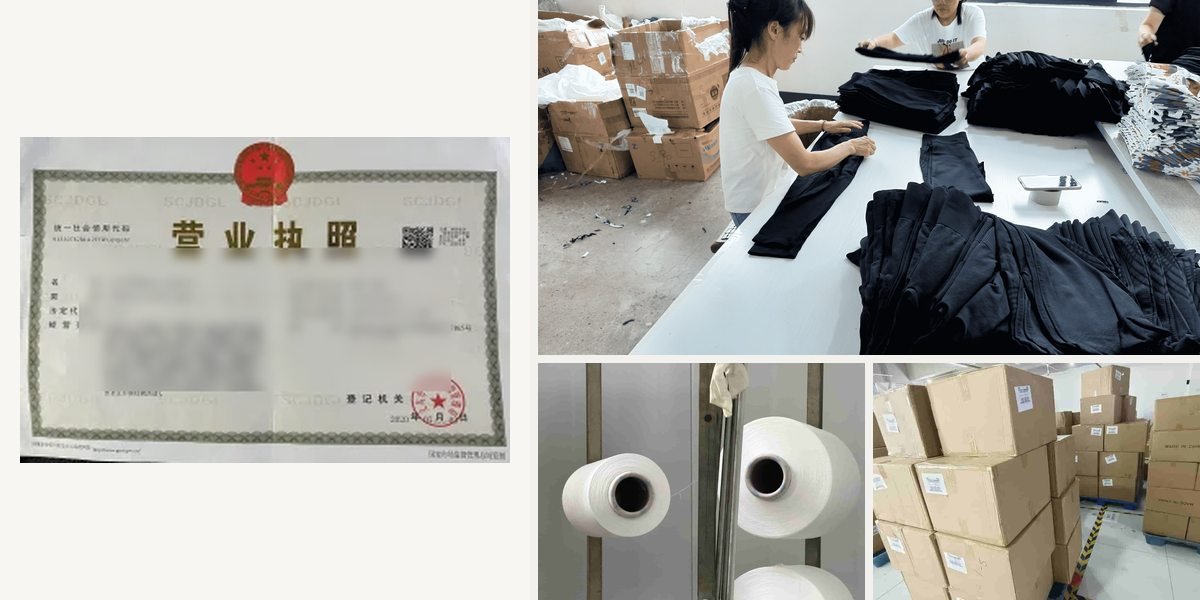
Contracting Entity
MOVEVOX is operated by Yiwu Chenjin Import And Export Co., Ltd., the commercial entity responsible for quotation, contract, payment and project execution.
Where the Product Is Made
Buyers can review the Yiwu core manufacturing base and relevant Seamless, Cut & Sew, development and QC resources behind the finished private-label products.
Product Baseline Evidence
Review the Tech Pack, approved sample, pattern or measurement references and revision evidence that define what the garment is supposed to be.
Artwork & Label Release Evidence
Review how logo artwork, labels, buyer identification data and packaging are approved, versioned and connected to the correct style, color and size.
Item & Packing Traceability
Applicable inspection, identification and packing records can show whether the correct garment was matched to the correct customer-facing information and can support later reorder review.
Buyer Verification Options
Scheduled factory visits, remote review and agreed third-party inspection can be supported according to the buyer program.
Audit support should not be interpreted as an undocumented factory certification.
From Buyer-Owned Product Standard to Released Private-Label Assortment
Buyer-Owned Product Baseline
A U.S. activewear customer began from its own Tech Packs, providing a buyer-owned technical starting point for the products.
First Physical Product Version
MOVEVOX developed an initial physical sample so the product itself could be reviewed before labels, QR data and other private-label requirements were treated as final.
Buyer Product Review
The buyer evaluated the product and provided feedback before downstream identification and packing requirements were finalized.
Revised Physical Standard
The feedback was translated into a second controlled version rather than moving an unapproved product directly into bulk.
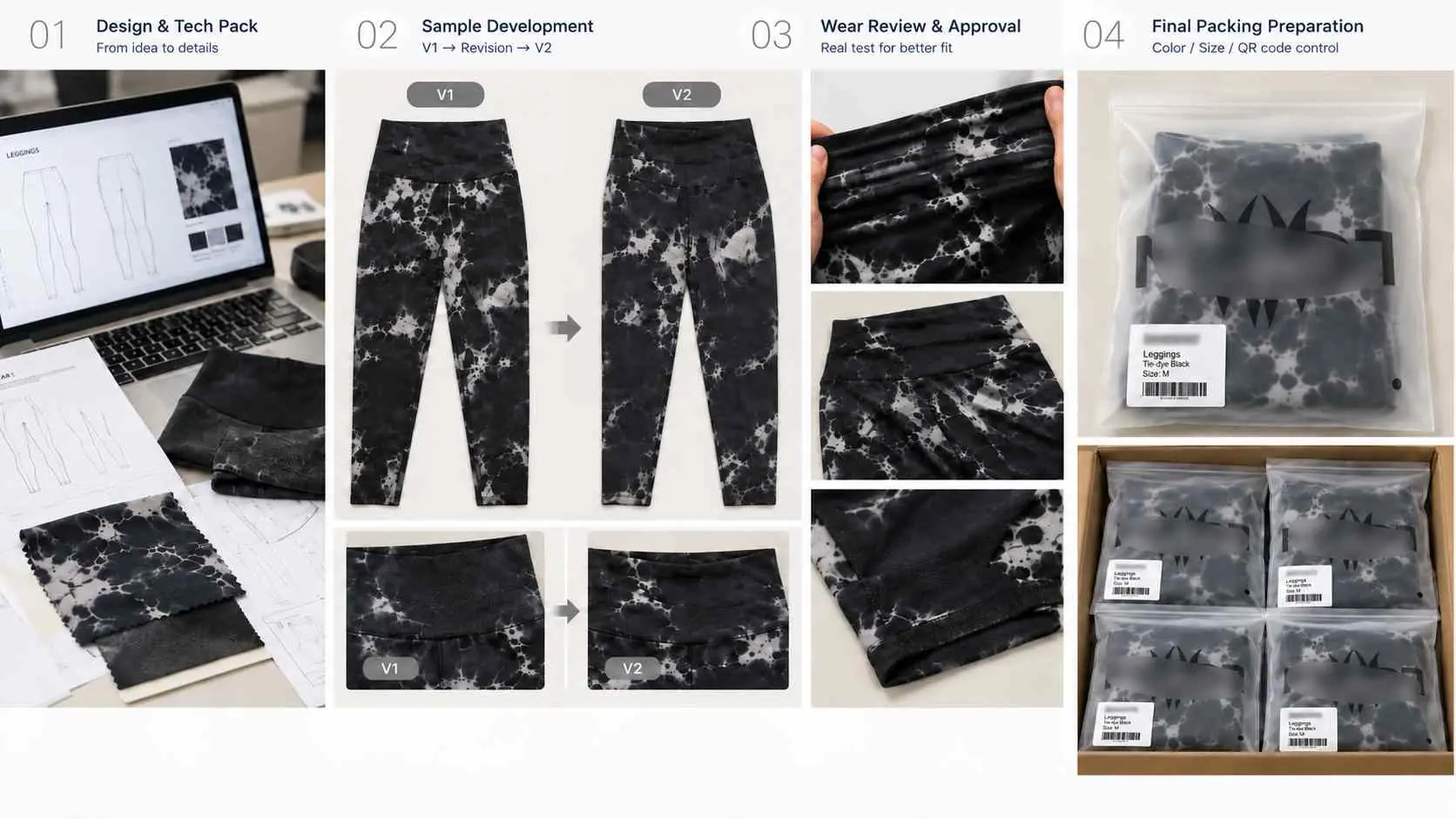
Validation Before Brand Release
Additional samples were provided for buyer-side validation before the finished product was treated as the baseline for broader private-label execution.
Assortment Expansion
The later commercial assortment included workout or yoga sets, leggings, shorts, sports bras and tank tops.
Color / Size / QR Reconciliation
QR-code labels varied by color and size, requiring the correct garment, color, size and retail identity to be reconciled during packing.
Repeat Purchase Baseline
The internal project record documents recurring repeat purchasing after the products and private-label execution were validated. Exact purchasing frequency, relationship duration and order volume should not be published unless supported by suitable anonymized evidence.
From Approved Brand Components to an Early Repeat Order
Finished-Product Requirements
A European customer required customized activewear together with logo, wash label, hangtag and packaging as one finished private-label product.
Logo, Label & Packaging Release
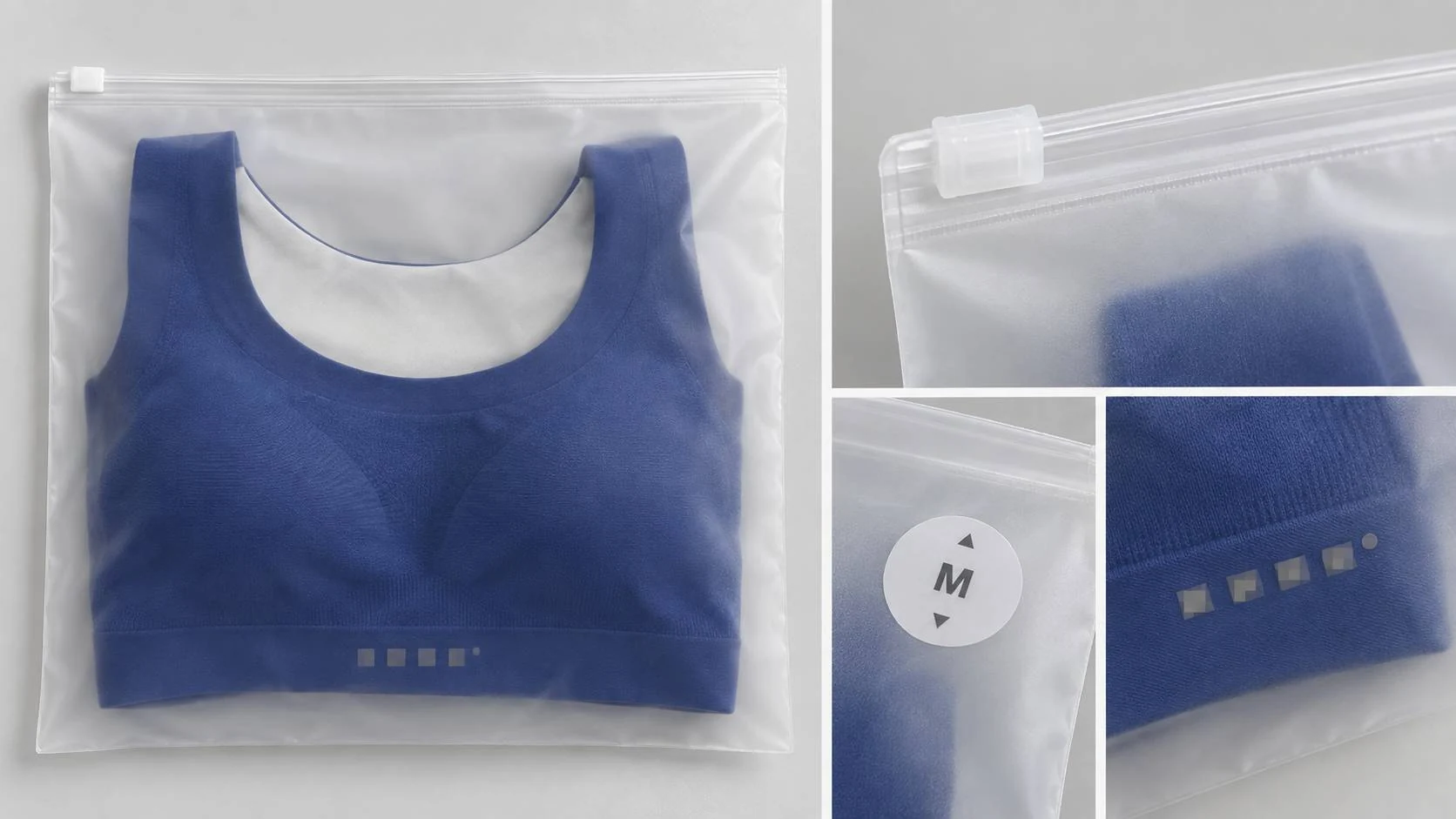
The project included a silicone-logo direction and customized packaging, including a frosted zipper-bag direction, which had to remain connected to the approved garments.
First Recorded Bulk Order
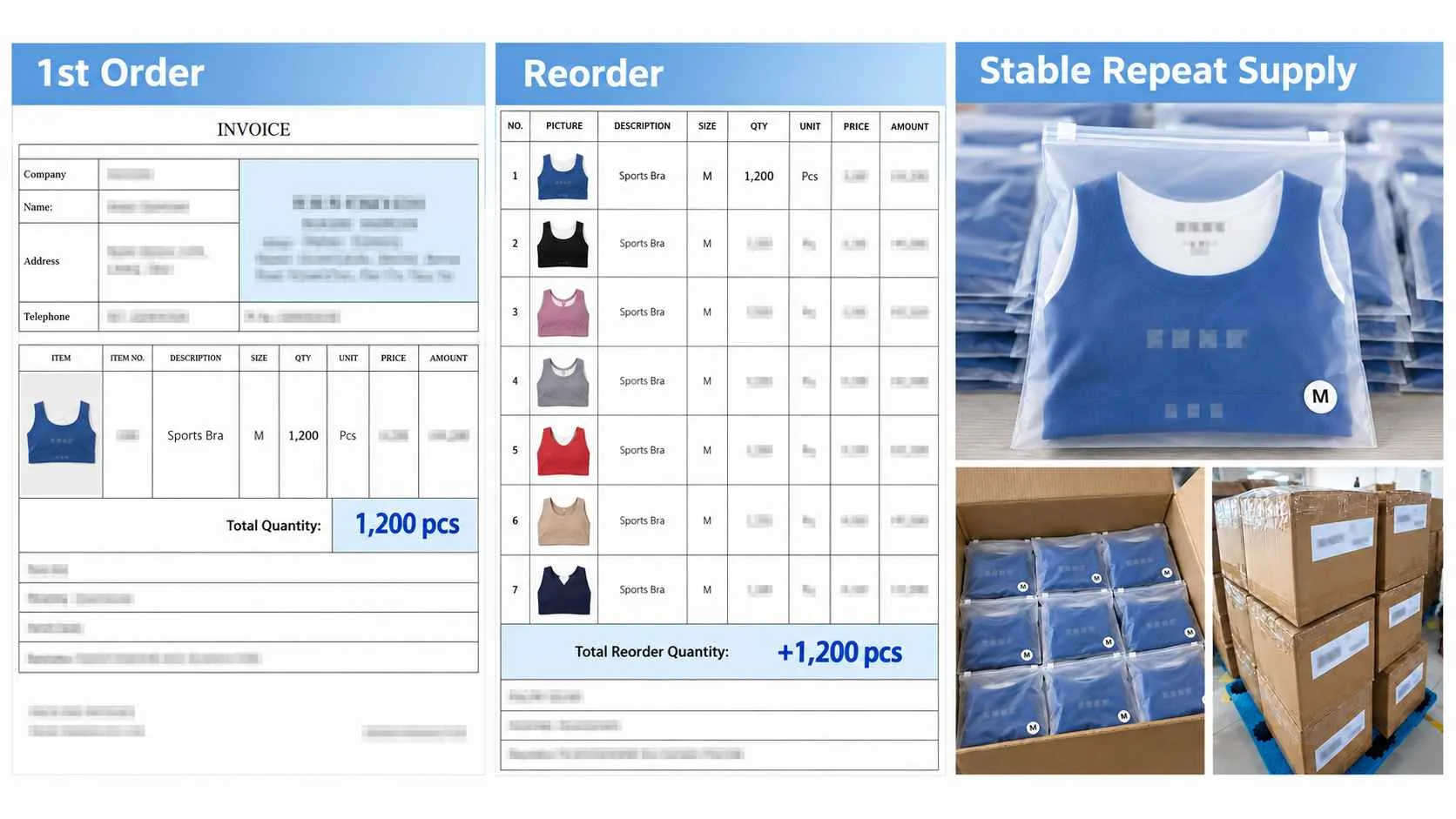
The first recorded commercial order was approximately 1,200 pieces. Production image and video updates were provided, and the internal project record states that individual inspection was completed before packing.
Shipment Structure
The first recorded order used a combination of air and sea transportation.
Repeat Order Before Receipt
Before the first shipment physically arrived, the customer placed another recorded order of approximately 1,200 pieces, creating an early repeat-demand signal.
The relationship subsequently continued with additional styles and repeat purchasing, showing how approved product and brand references can support later orders without rebuilding the private-label setup from zero.
This case illustrates one documented path from product + brand execution into repeat purchasing and should not be interpreted as a guarantee of the same outcome for another buyer.
Compare Private Label Supplier Models by What the Buyer Actually Controls
| Supplier Model | Where It Fits | Control Trade-Off |
|---|---|---|
| Ready-Stock Private Label Supplier | Fast launch using pre-existing products and basic brand application | Useful for speed, but the buyer may have less control over the underlying garment standard and product differentiation |
| Trading / Sourcing Company | Broad sourcing across products, vendors and components | Verify who controls the approved product version, artwork release, item data, packing and final quality responsibility |
| Small Cut & Sew Factory | Direct pattern-based product development | Additional coordination may be required for Seamless styles, labels, packaging or broader category coverage |
| Pure Seamless Factory | Direct knitted-product specialization | Cut & Sew categories, some labels or packaging may require separate coordination |
| Large Tier-1 Manufacturer | Large-scale production and formal systems | Development access, minimums and entry conditions may be less flexible for smaller or evolving launches |
| MOVEVOX Model | Seamless + Cut & Sew with product development, label/artwork coordination, item-data control, packing and repeat supply | Best evaluated against the buyer’s assortment, product maturity, number of private-label components, order structure and reorder needs |
No supplier model is universally better. The right choice depends on whether the buyer needs only fast logo application or a controlled chain from product approval through artwork, item identity, packing and reorder execution.
Private Label Workout Clothes Checklist From Product Approval to Packed Order
Verify the Manufacturing Base
Where is the product actually made, and who remains responsible for the finished private-label SKU?
Verify Product-Standard Control
Can the supplier work from your approved product or establish a controlled product standard before brand release?
Verify Style / Color / Size Mapping
Can every style, color and size combination be matched to the correct buyer-supplied SKU, barcode or QR information?
Review Branding Depth
Can logo artwork, placement and method be controlled against the correct approved garment?
Review Labels & Retail Data
Can main, care, size and hangtag information be versioned and matched to the correct SKU?
Review Packaging Control
Can individual packaging and carton information be coordinated with style, color, size and buyer requirements?
Separate Product and Brand Release
Is the garment itself approved before the final artwork, labels, buyer data and packaging are released against it?
Calculate the MOQ Stack
Do garment, color, branding, label or packaging minimums change the true collection commitment?
Check Product-to-Pack QC
Can the supplier verify both garment quality and the accuracy of artwork, labels, item identity and packing before release?
Check Repeat-Order Change Control
How are product, artwork, SKU data and packaging changes identified before a reorder is released?
Private Label Workout Clothes Product-to-Pack FAQs
Is MOVEVOX a manufacturer or a trading company?
MOVEVOX is a Yiwu-based activewear manufacturing and supply-chain partner operated by Yiwu Chenjin Import And Export Co., Ltd. It combines an owned core manufacturing base with controlled production resources where appropriate while maintaining project coordination and final accountability.
What turns an approved workout garment into a private-label finished product?
The garment becomes a finished private-label product when the approved product version is connected to the correct logo, labels, style-color-size identity, buyer-supplied barcode or QR data, packaging and order requirements.
Can MOVEVOX coordinate several workout styles under one label and packing system?
Yes. Leggings, sports bras, shorts, tops, sets and applicable Seamless products can share brand rules while each style-color-size combination keeps its own product and identification references.
Why is private label more than logo application?
Because a sellable private-label item can require the approved garment, color, logo, labels, hangtag, style-color-size mapping, barcode or QR data and packaging to agree with one another.
What is the best starting point for an existing product?
A current Tech Pack plus an approved physical sample, where available, gives the clearest product baseline. Brand artwork, SKU data and packaging information can then be released against that product.
Can an early concept still become a private-label SKU?
Yes. A legal reference sample, sketch, image or sufficiently defined concept can begin product development, but the physical product should become stable before its final brand and retail-data package is released.
Can buyer-owned OEM products use the same private-label system?
Yes. A buyer-owned specification can move through manufacturability review, sampling and then into logo, label, SKU and packaging execution.
Can MOVEVOX support products that still require development?
Yes. MOVEVOX can support manufacturing-oriented development from a defined concept before the finished product is connected to the buyer’s brand assets and commercial SKU structure. Brand direction and final approval remain with the buyer.
Can different manufacturing routes use the same downstream label and packing controls?
Yes. Seamless and Cut & Sew follow different technical routes, but approved products from both routes can enter the same downstream artwork, identification, packing and reorder-control framework.
Can several SKUs share one material family?
Where technically appropriate, related products can share a fabric or material family. Seamless yarn systems and product-specific requirements still need their own approval.
Can a collection use coordinated custom colors?
Yes, subject to material supplier, dye-lot and commercial requirements. The same target color may require separate approval on different fabrics or yarn systems.
How should logo versions be released across several styles?
Supported directions include screen printing, heat transfer, silicone, embroidery, jacquard and woven branding, subject to the project. The released artwork, method, size and placement should remain linked to the correct approved garment version.
Can labels and hangtags be matched by style, color or size?
Yes. Main, care, size, woven labels and hangtags can be coordinated according to the approved product and buyer-provided information.
Can MOVEVOX manage SKU, barcode or QR information?
Yes. Style, color and size can be mapped to applicable buyer-supplied SKU, barcode or QR information as part of packing control.
Can different SKUs use different packaging?
Yes. Individual packaging and carton requirements can vary by SKU or collection, subject to packaging-supplier feasibility and minimums.
How long does product sampling take before brand execution?
Standard product sample development is typically approximately 5–10 working days after the necessary development details are confirmed. Brand components, packaging, revisions or additional approvals can add separate timing.
How should we calculate MOQ for a multi-SKU private-label collection?
Base references are approximately 100 pieces per style for Seamless and 150 pieces per style for Cut & Sew under normal conditions, but materials, colors, labels, logo components and packaging can create higher effective collection minimums.
Can branding or packaging have separate minimums from the garment?
Yes. Labels, specialized logo components, custom packaging and custom colors can each have independent supplier minimums. Custom color programs are often evaluated around the 400–600-piece level, subject to material and dye-lot requirements.
How is the correct buyer data matched to the correct garment during bulk?
Quality activities can include first-article, in-line, measurement and finished-garment checks together with logo, label, buyer-ID and packing verification according to the project.
Can buyers verify the factory behind the private-label program?
Yes. Scheduled factory visits, remote/video review and agreed third-party inspection can be supported according to the buyer program.
What should be reconfirmed before a private-label reorder is released?
The current approved product, color, artwork, labels, buyer identification data and packaging should be reconfirmed before a reorder is released. Typical single orders are approximately 300–50,000 pieces, with larger commitments subject to actual capacity review.
What should we send for a private-label collection review?
Send the available product specification or legal reference, SKU list, colors, sizes, expected quantities, logo artwork, label requirements, barcode/QR data if available, packaging direction, target market and launch or reorder timing.
Start Your Private Label Workout Collection Review
Share the product, assortment and brand information currently available. MOVEVOX can review product readiness, commercial SKU structure, private-label components, quantity and the next practical step toward sampling, quotation or launch-batch planning.
Start With Your Current Product and Brand Information
MOVEVOX will review how far the product is already developed, what brand and retail data must be added, and how the assortment should move toward a controlled commercial release.
What We Will Review
Product category, current specification or legal reference, manufacturing route, material, measurements and approval status.
Logo, labels, hangtags, style-color-size mapping, barcode/QR information and packaging.
SKU count, colors, sizes, launch quantities, shared components and project-specific MOQ considerations.
Product clarification, sample development, commercial SKU release or quotation based on project readiness.
Where Is Your Collection Now?
Send your Tech Pack or current approved product information with estimated quantity, colors, sizes and brand requirements for commercialization review.
A legal reference sample, sketch, image or sufficiently defined concept can begin product development before the final private-label SKU is released.