Activewear Clothing Manufacturer for Scalable Multi-SKU Brand Programs
MOVEVOX supports established activewear brands with product development, Seamless and Cut & Sew manufacturing, material coordination, private-label execution, quality control, and repeat bulk production. Projects can begin from a Tech Pack, physical sample, sketch, product image, or defined product concept, then progress through technical review, sampling, approval, production planning, inspection, and controlled delivery.
- Develop Seamless and Cut & Sew products through one accountable supplier.
- Move from technical review and sampling into controlled repeat production.
- Coordinate products, materials, branding, quality, and production across multiple SKUs.
MOVEVOX Key Takeaways
A concise view of the manufacturing, development, commercial and quality resources supporting MOVEVOX activewear programs.
01 — Manufacturing Base
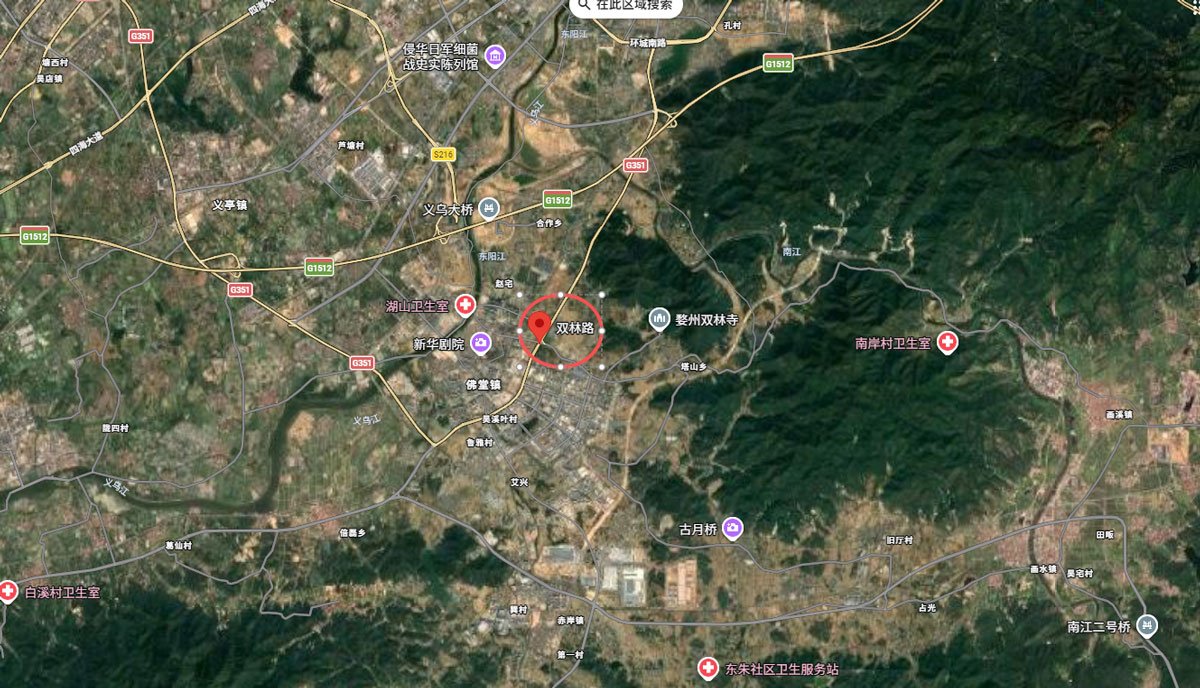
MOVEVOX operates an approximately 6,000 m² core manufacturing base in Yiwu, China, supporting development, technical control, core production, quality activities, and related manufacturing operations.
02 — Dual Manufacturing
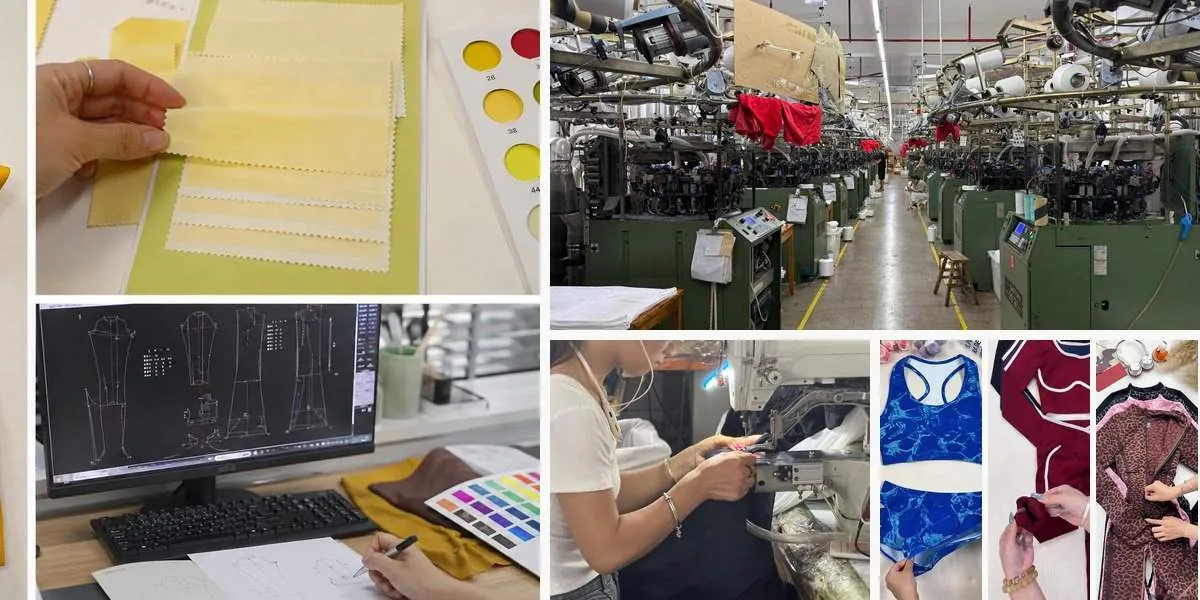
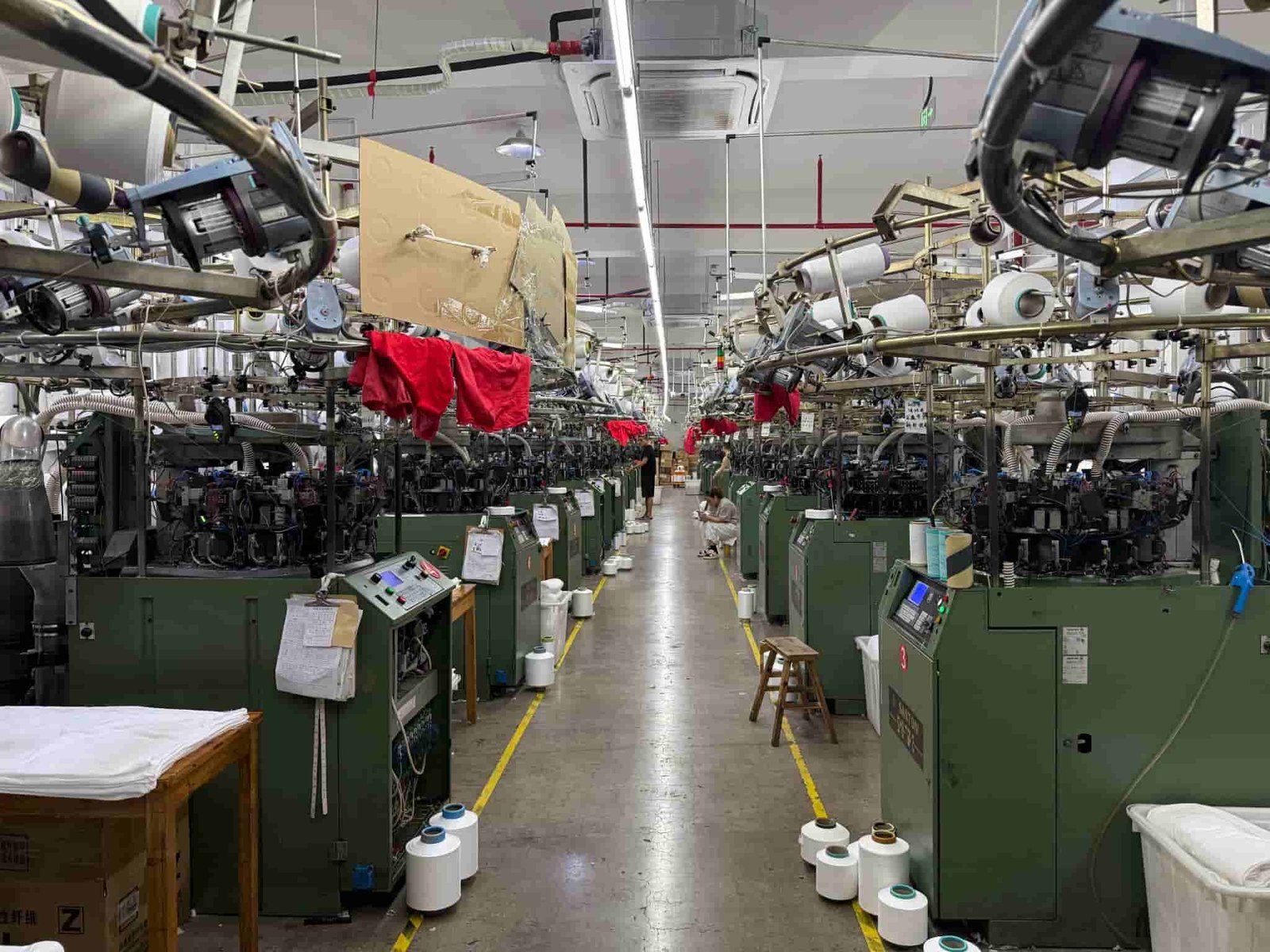
The manufacturing system combines 28 Italian Santoni seamless knitting machines with approximately 24 primary sewing and garment-production machines for Seamless and Cut & Sew activewear.
03 — Development Capability
Projects can start from a Tech Pack, physical sample, image, sketch, or clear product concept, with standard sample development normally taking approximately 5–10 working days after required information is confirmed.
04 — Commercial Entry
Current base MOQ references are approximately 100 pieces per Seamless style and 150 pieces per Cut & Sew style under normal material and production conditions.
05 — Managed Scale
Current normal combined managed delivery capacity is approximately 150,000–200,000 quality-released pieces per month, subject to actual product mix, materials, production allocation, and delivery requirements.
06 — Quality and Transparency
MOVEVOX currently has five QC personnel and uses an owned core base plus eight long-term satellite factories, with customer audits, technical audits, visits, video verification, and inspection support available.

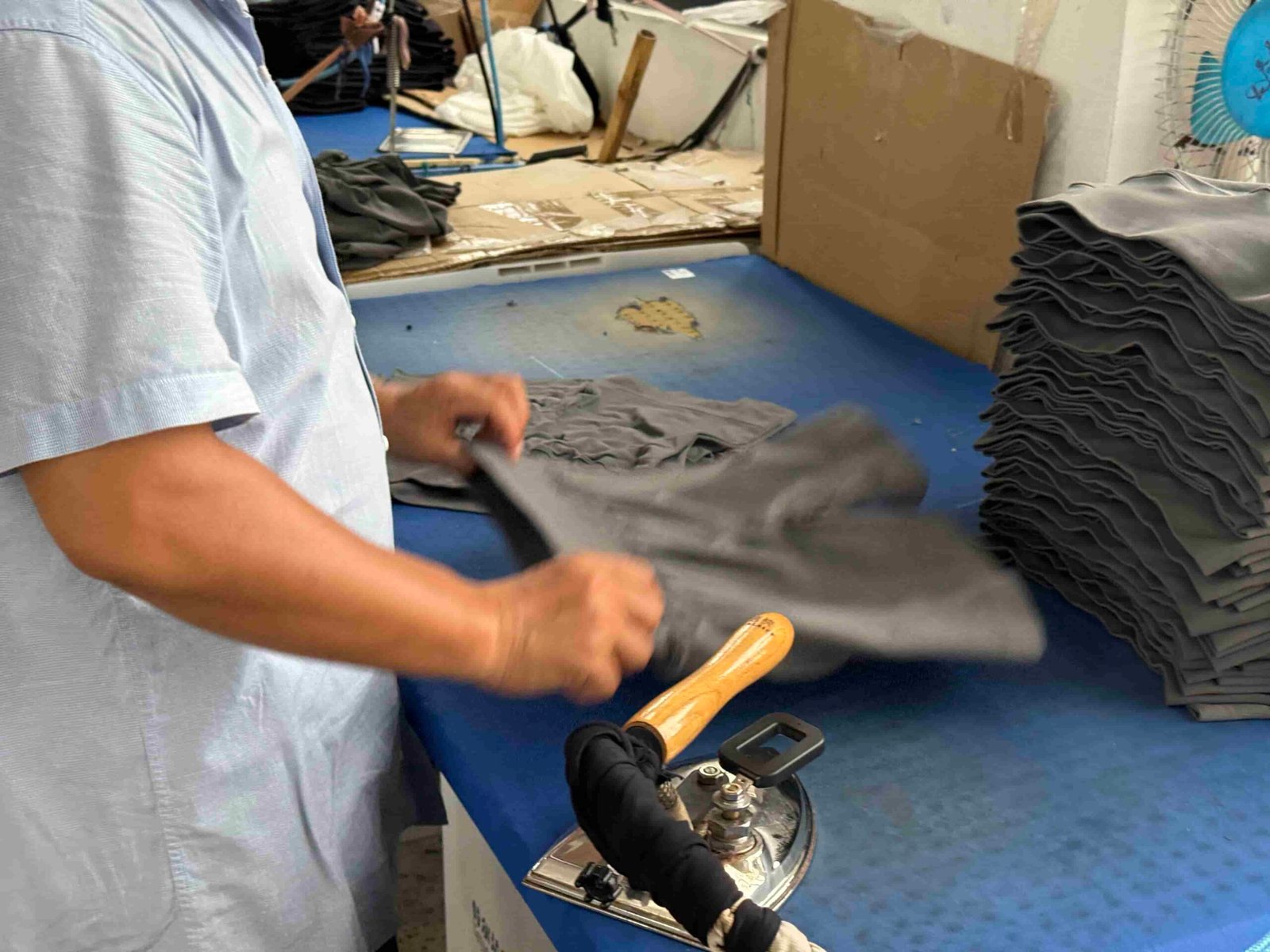
Build a Complete Women’s Activewear Product Portfolio
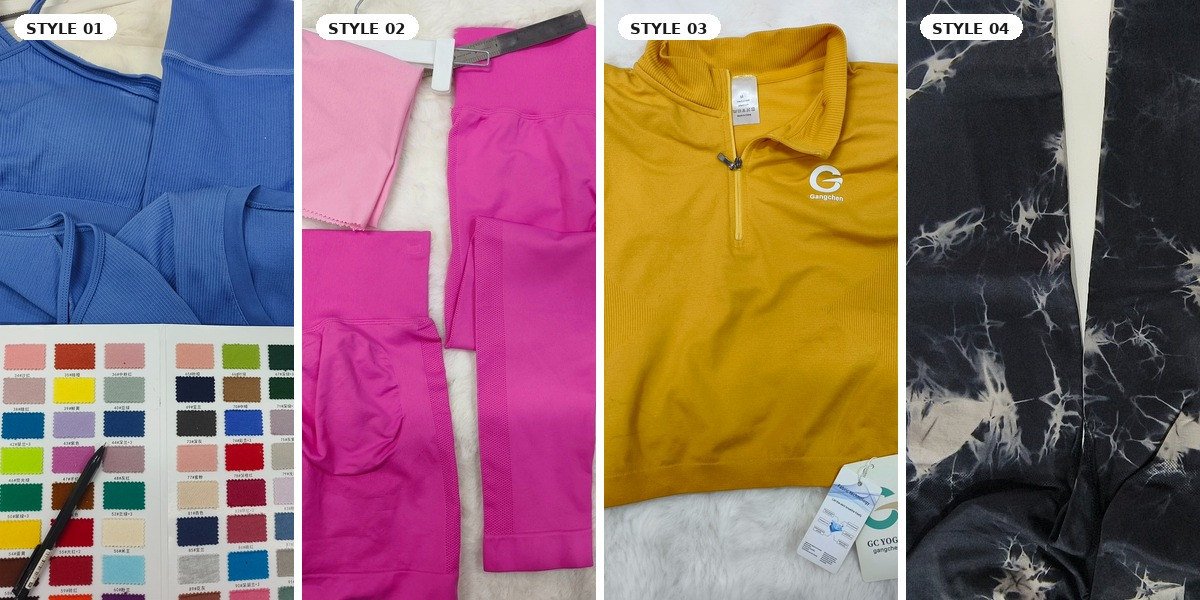
MOVEVOX’s strongest documented product range covers the core categories used in women’s yoga, fitness, gym, studio, and activewear collections, with Seamless or Cut & Sew selected according to product structure.
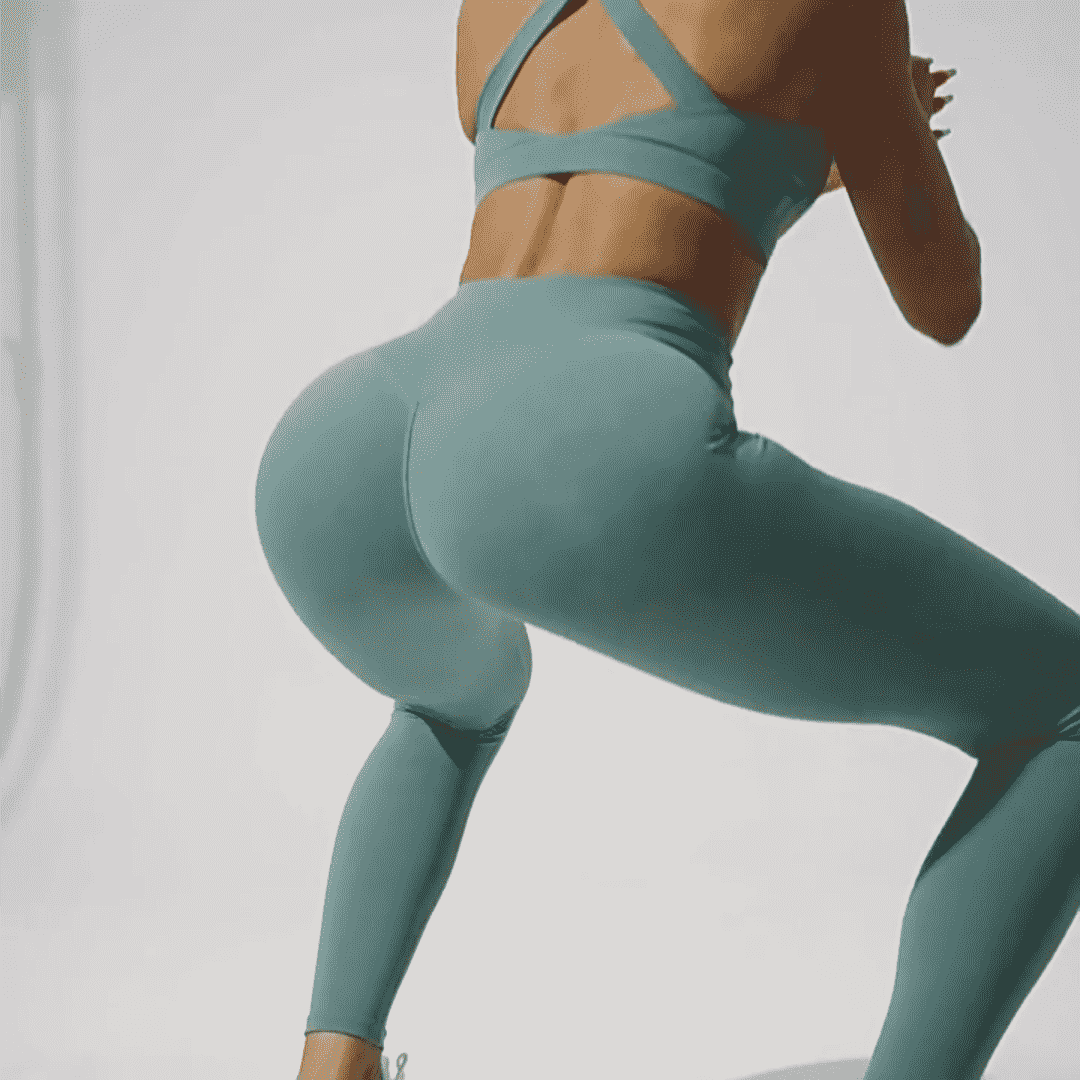
Leggings
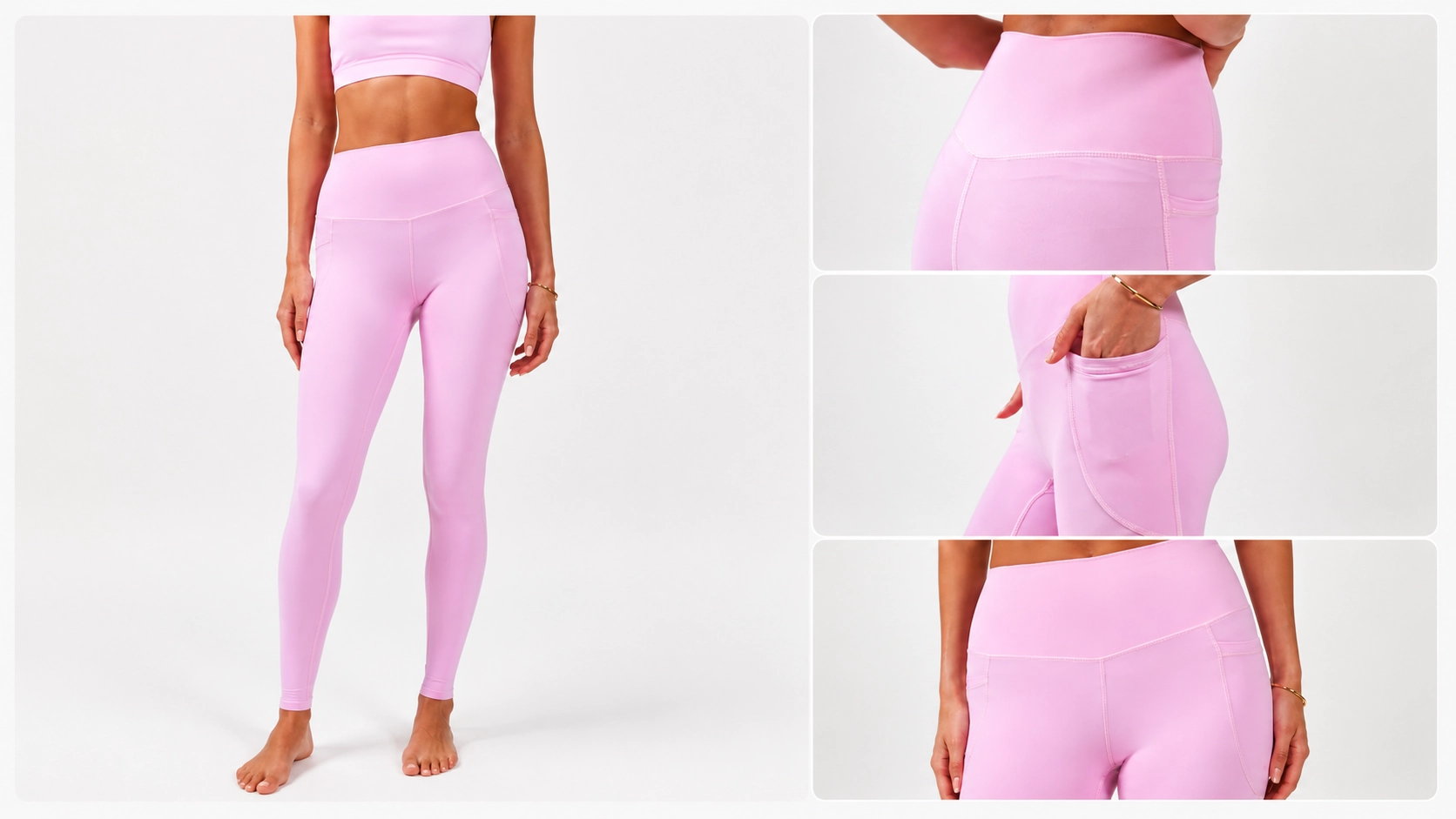
Develop waistband, fit, material, pocket, panel, Seamless, or Cut & Sew directions for branded activewear programs.
View Leggings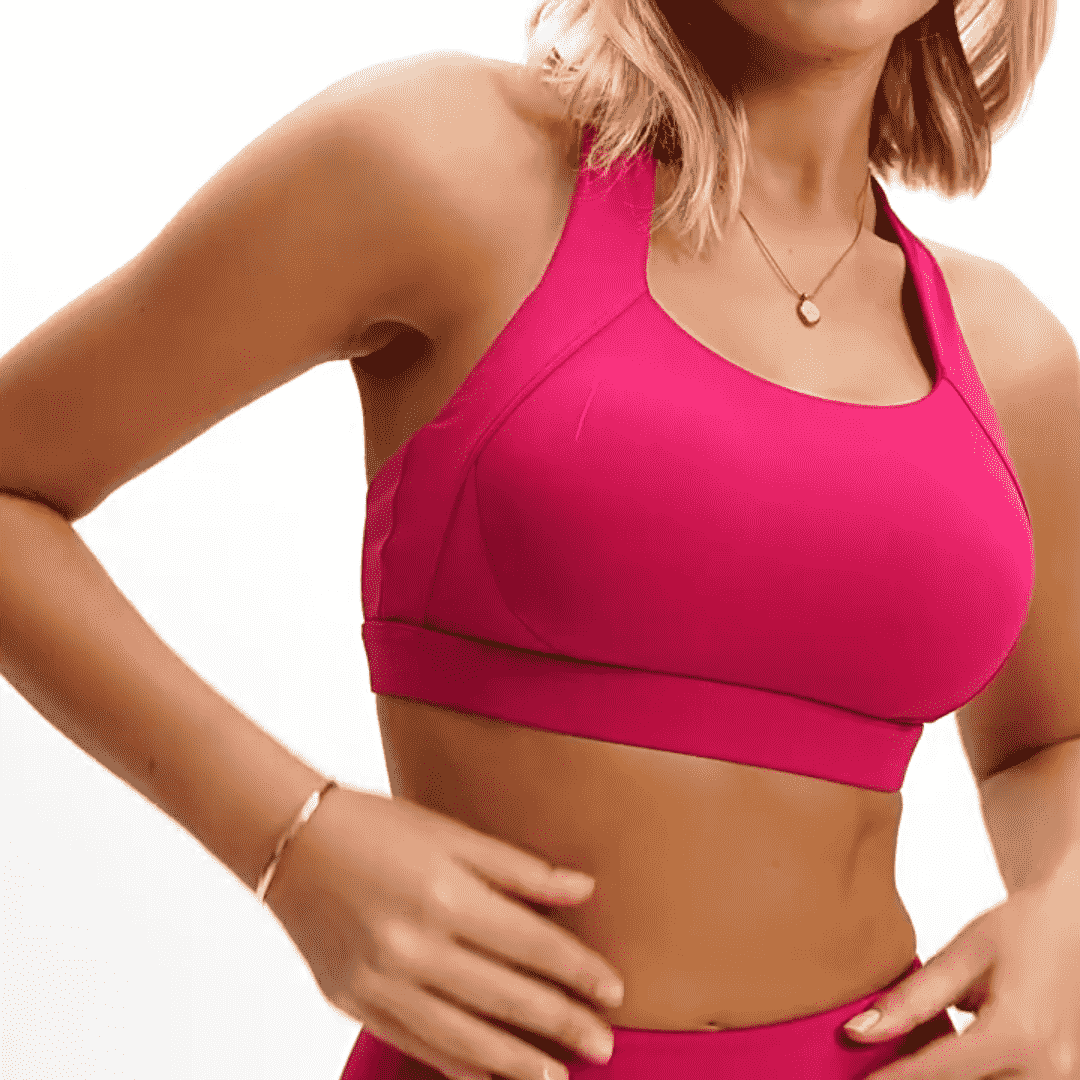
Sports Bras
Develop different straps, backs, underbands, pads, materials, lengths, and manufacturing structures around approved fit requirements.
View Sports Bras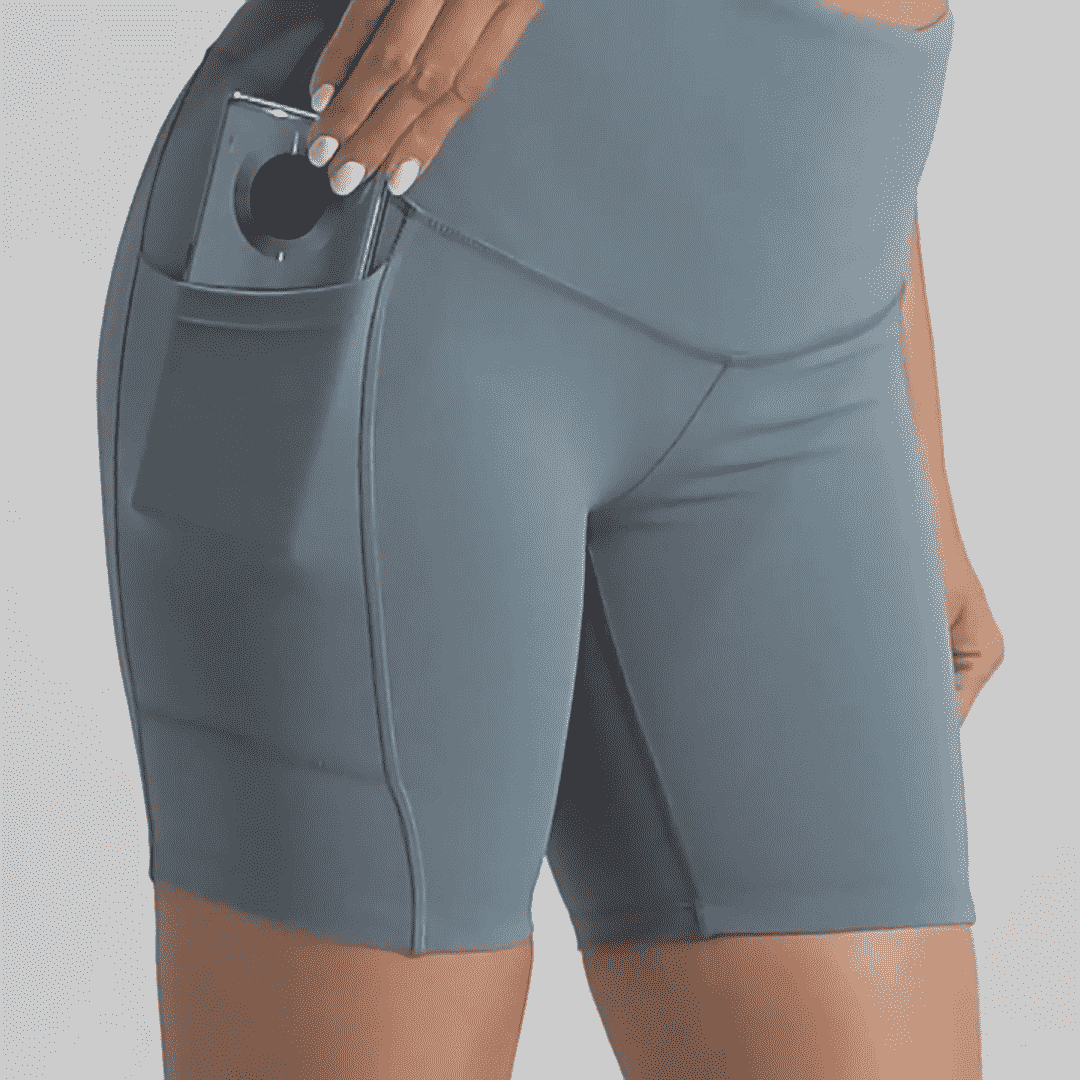
Activewear Shorts
Create biker, yoga, fitted, and training shorts with different lengths, waist structures, pockets, and surface directions.
View Shorts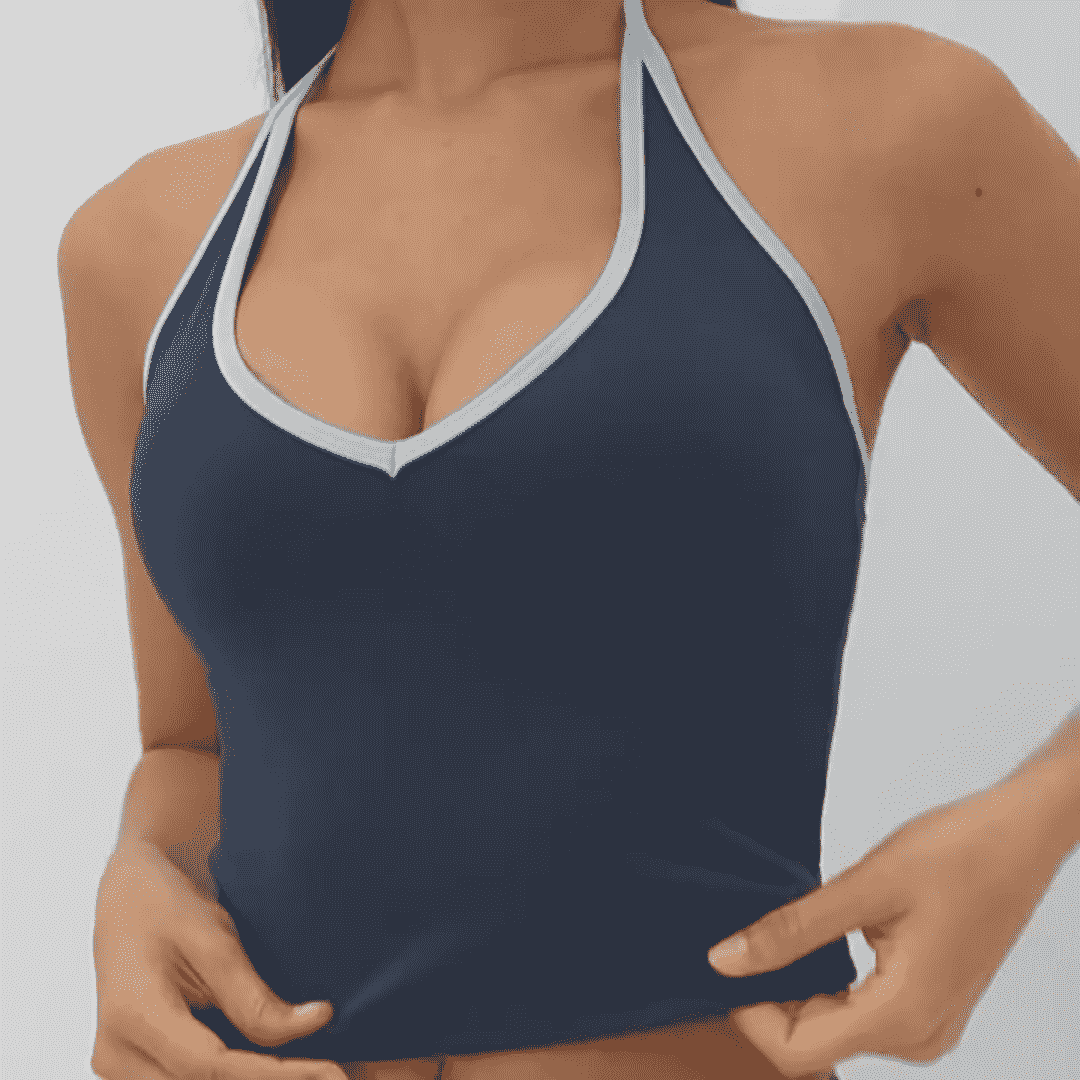
Tank Tops
Coordinate fitted or cropped activewear tanks with the materials, colors, branding, and silhouettes used across connected collections.
View Tops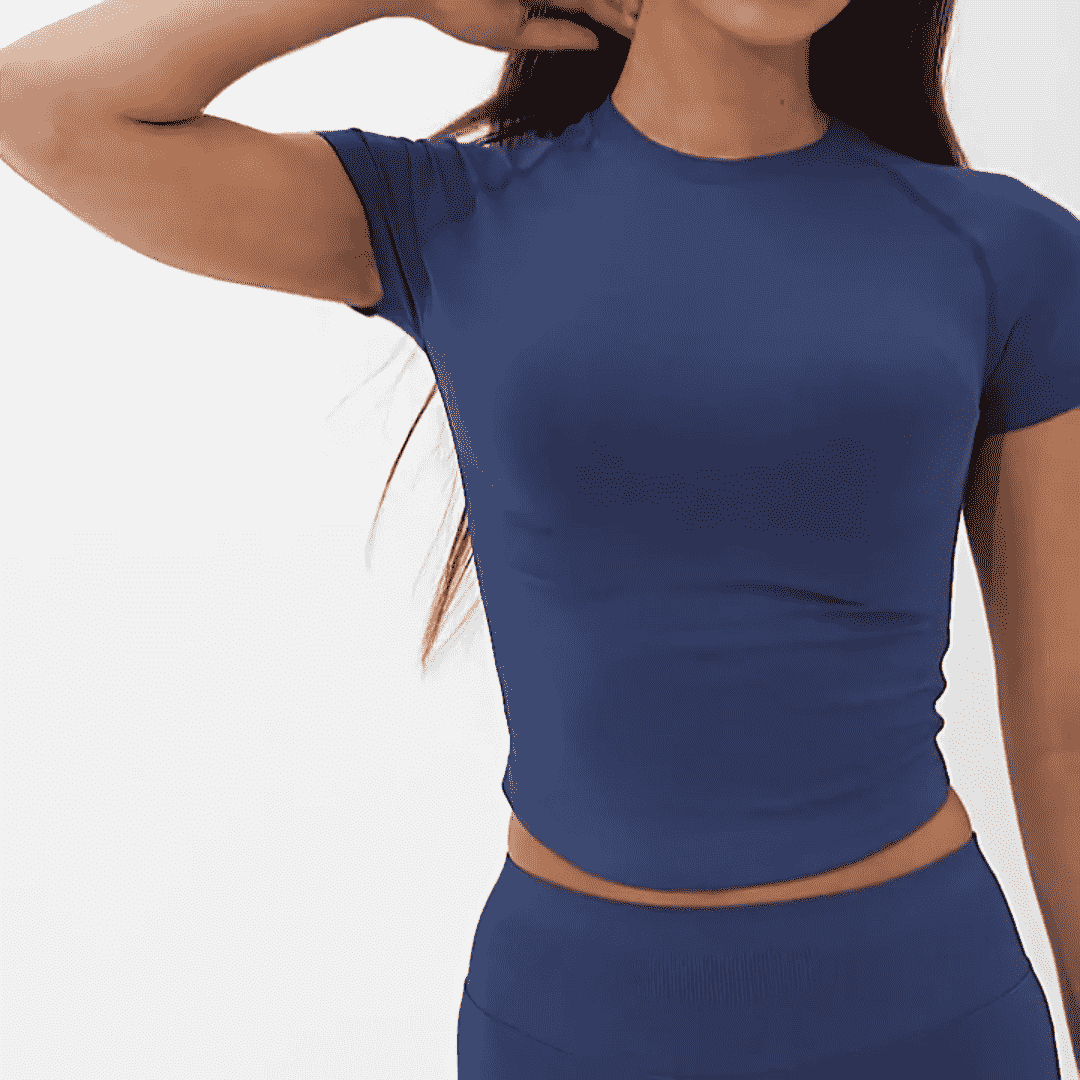
Training Tops
Develop T-shirts and performance tops around intended fit, stretch materials, construction, movement, and commercial positioning.
View Tops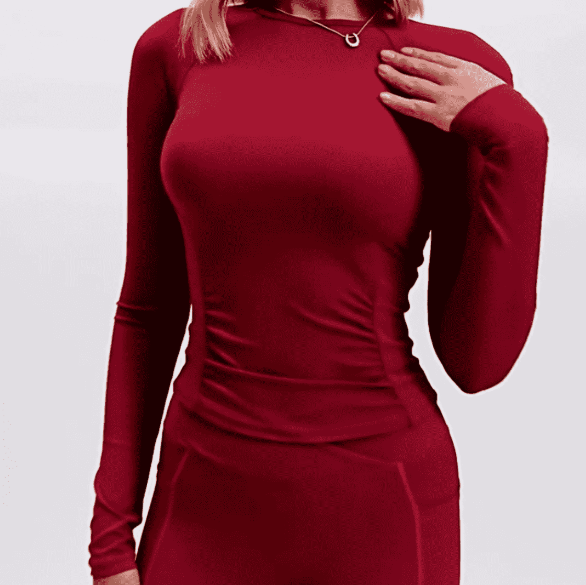
Long Sleeves
Extend activewear collections with fitted or training-oriented long sleeves using compatible material, color, and branding standards.
View Long Sleeves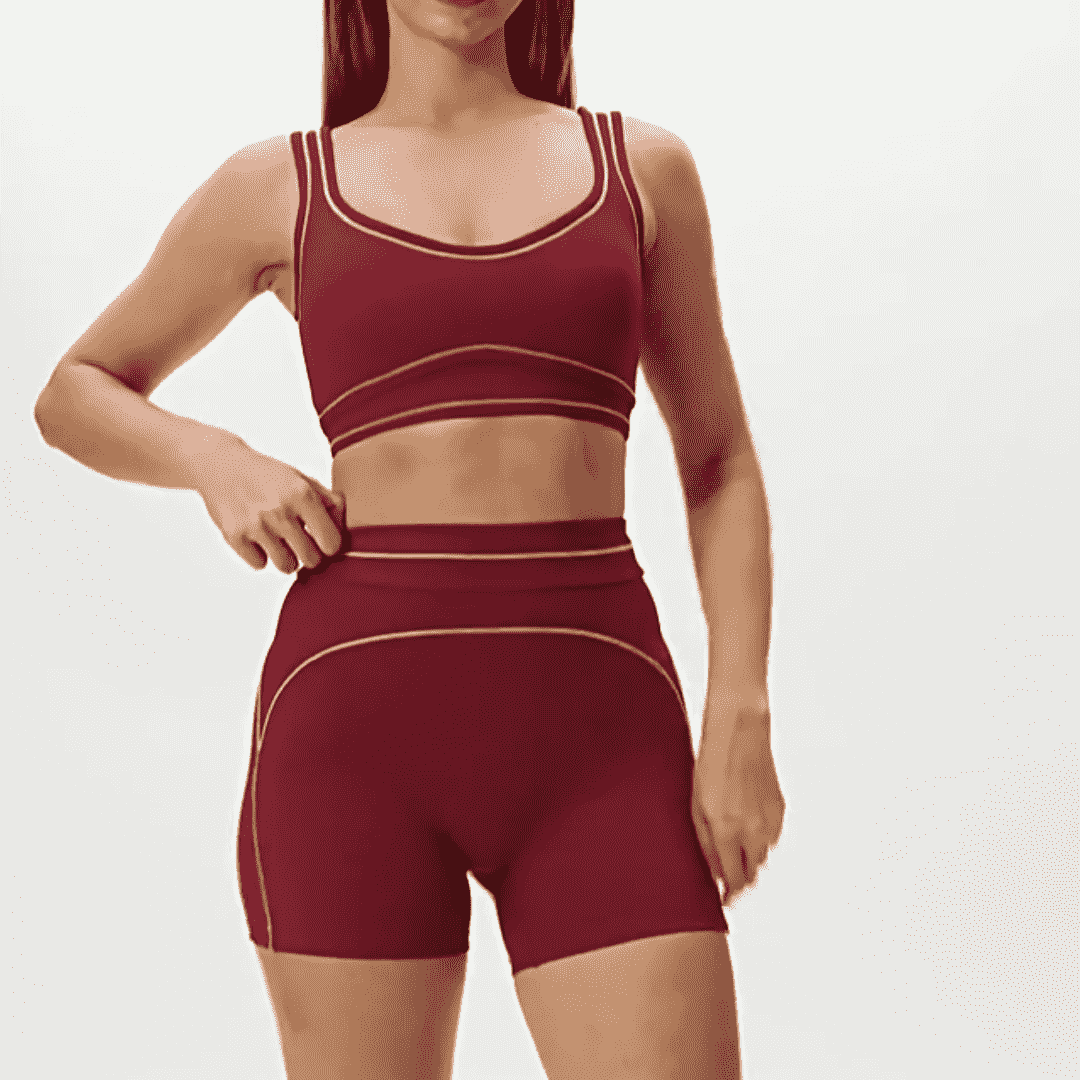
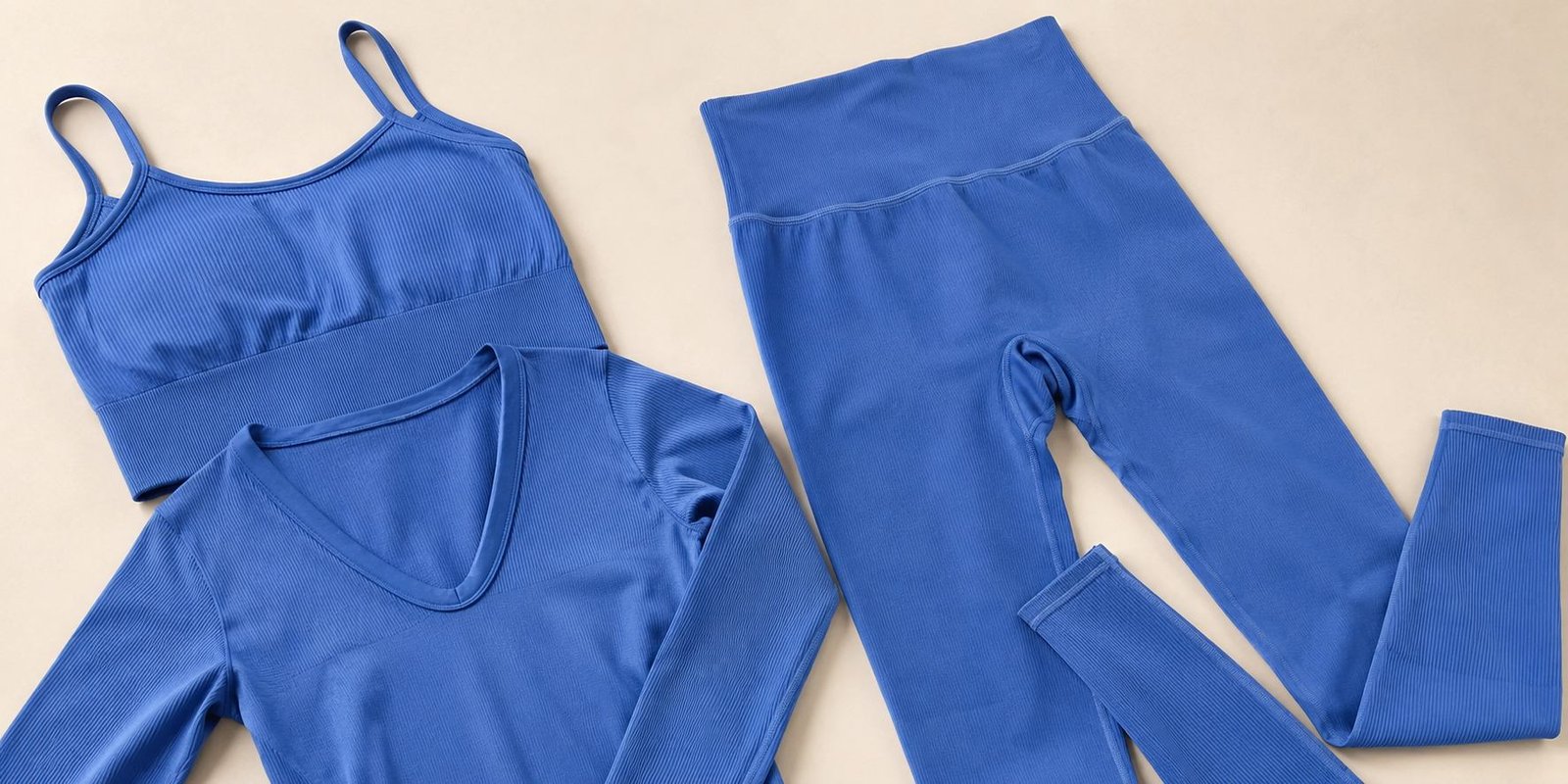
Activewear Sets
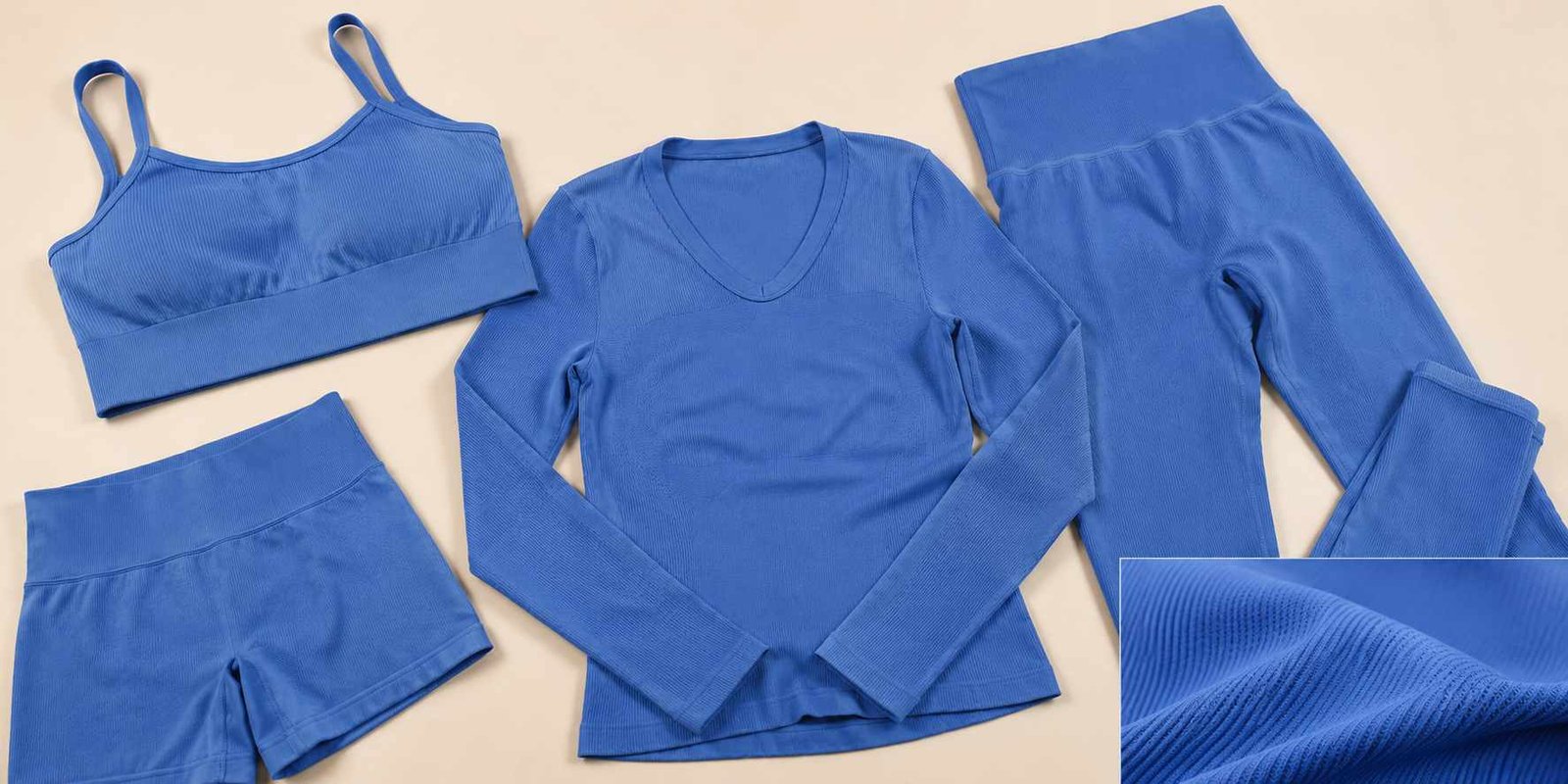
Coordinate leggings, bras, shorts, and tops through shared color, material, branding, label, and retail presentation standards.
View Sets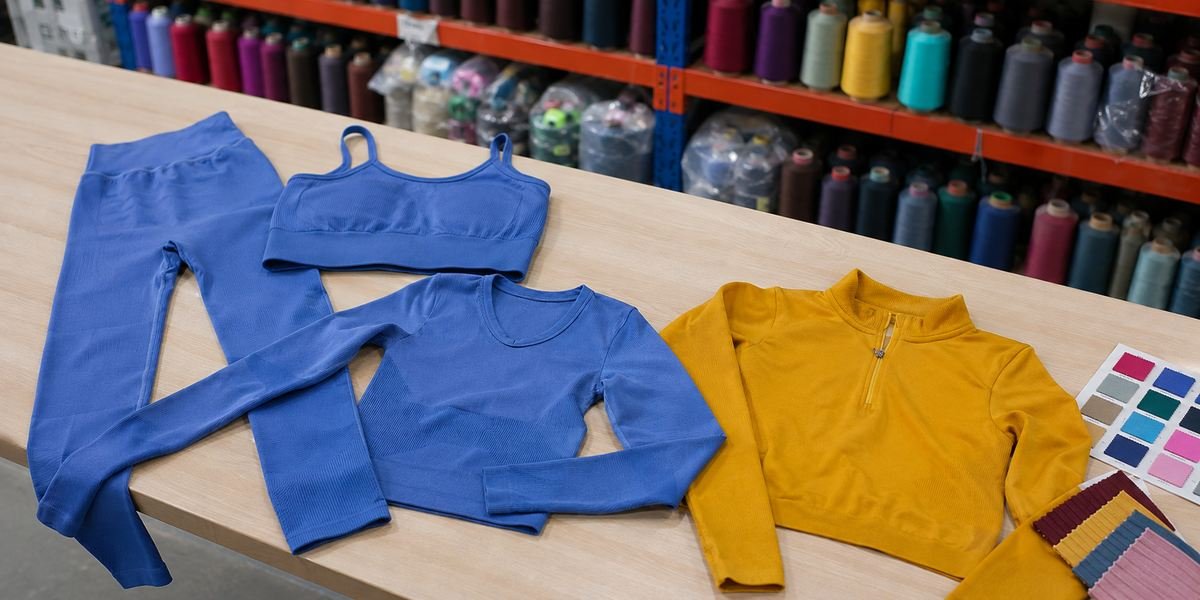
Seamless Activewear
Develop Santoni-knitted leggings, bras, shorts, and tops using engineered knit structures appropriate to the intended product design.
View SeamlessEngineer Activewear Through Santoni Seamless Knitting
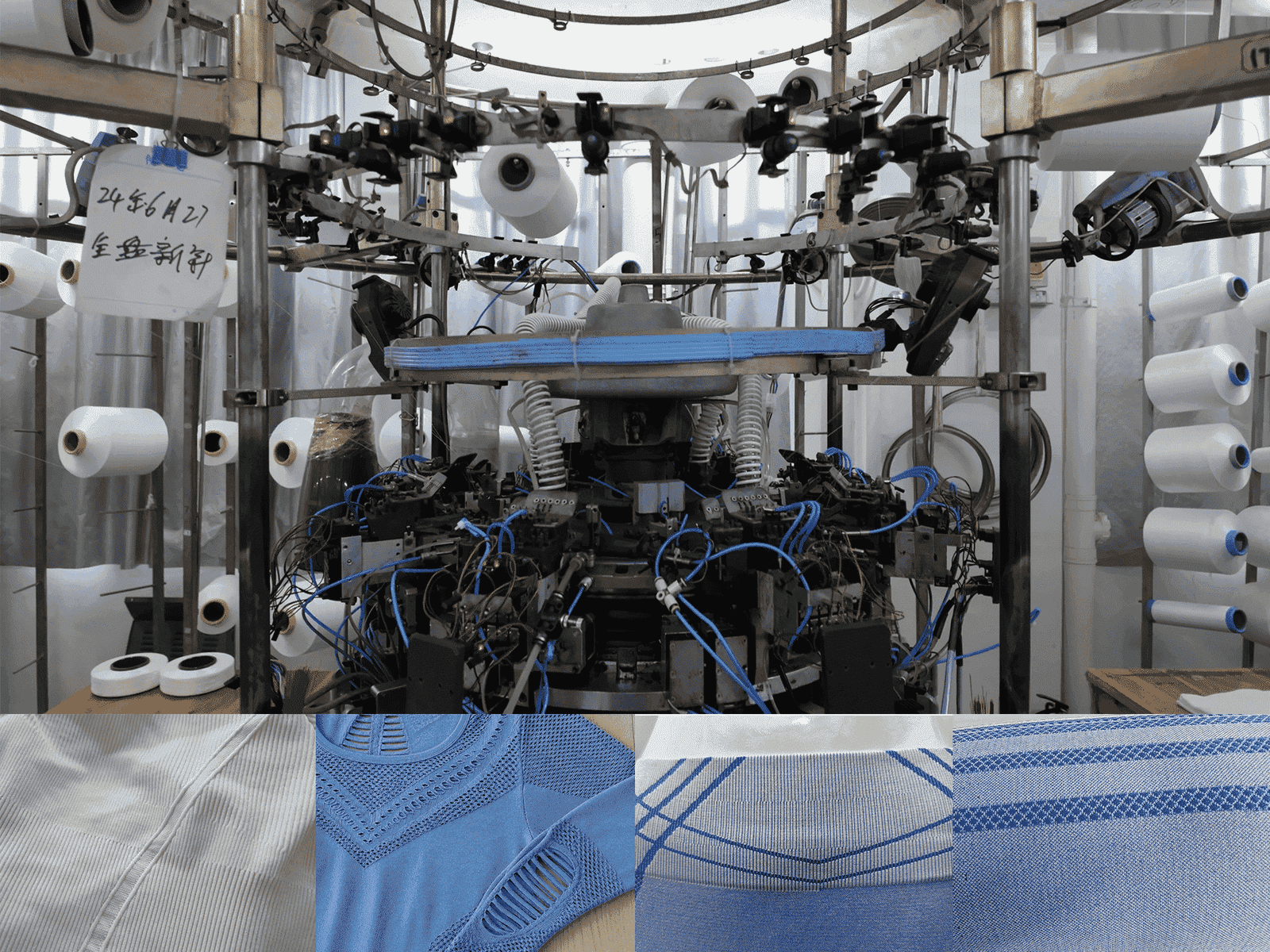
MOVEVOX operates 28 Italian Santoni seamless knitting machines. Seamless products are developed through the interaction of yarn specification, knitting programs, regional structures, machine settings, size programming, and finishing rather than conventional primary-panel cutting.
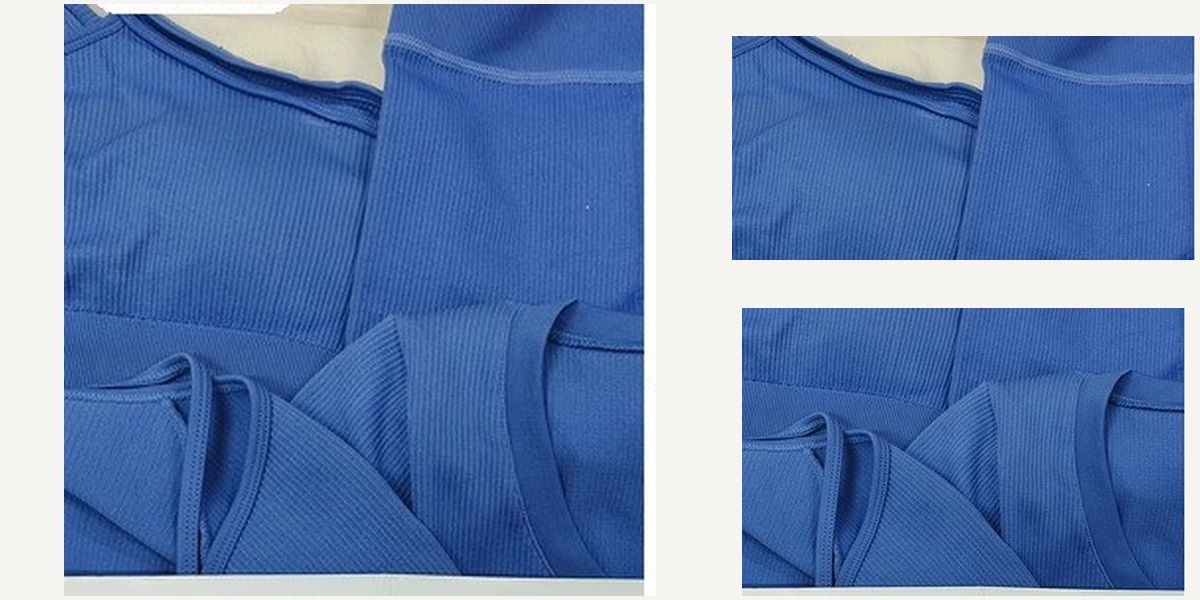
Waist Rib
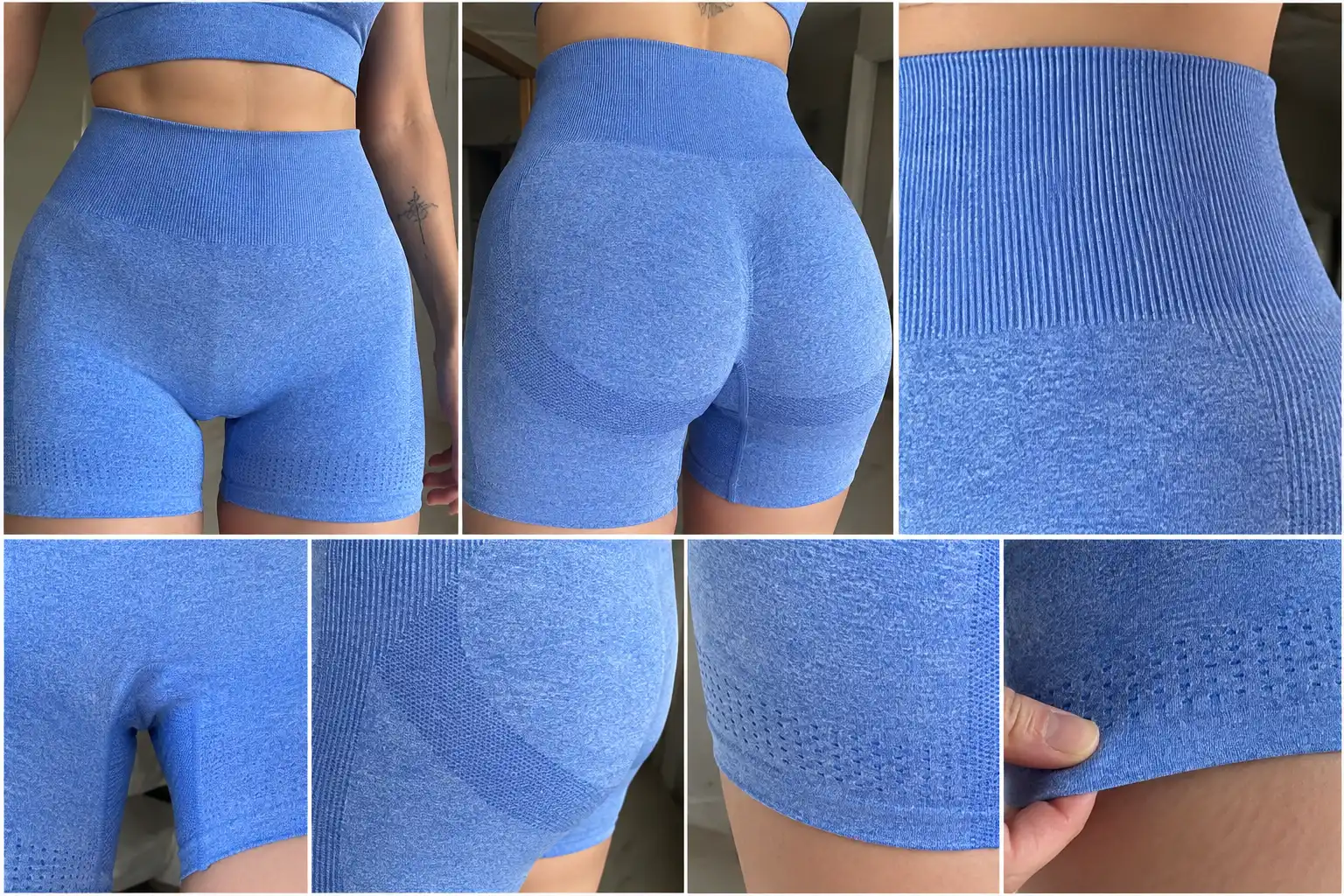
A denser ribbed waistband can create visible structure and localized garment stability. Final dimensions and feel still depend on yarn, elastane, knitting organization, size programming, and finishing.
Body Texture
Engineered knitted texture can create geometric, ribbed, or contour-related surface effects without relying only on printed decoration or separately cut fabric panels.
Mesh Zone
Programmed mesh can create localized openness where the design requires ventilation or a visual contrast, subject to transparency, snagging, support, and durability considerations.
Waist Rib
Body Texture
Mesh Zone
Density Zone
Different knitted densities can be engineered into selected product areas to change structure and garment feel.
Contour Zone
Knitting-program changes can produce visual contour lines or differentiated zones while limiting additional panel seams.
Transition Zone
Transitions between rib, mesh, texture, and denser structures require controlled programming for repeatable dimensions and appearance.
Control Activewear Through Cut and Sew Construction
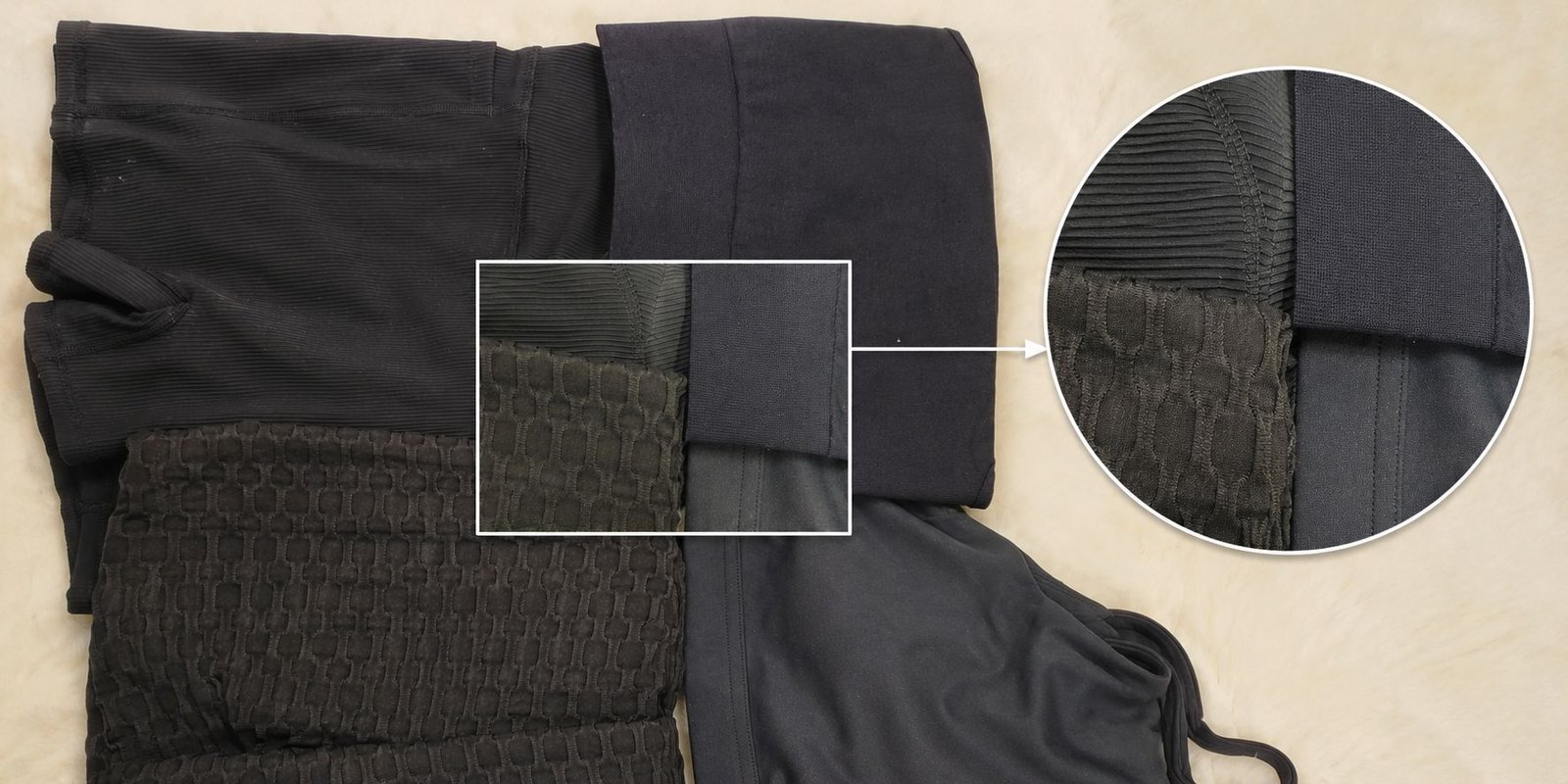
Cut & Sew provides greater freedom for shaped pattern pieces, pockets, multi-material designs, fitted panels, elastic assembly, and defined seam placement. MOVEVOX’s core garment system includes the main sewing processes used in activewear production.
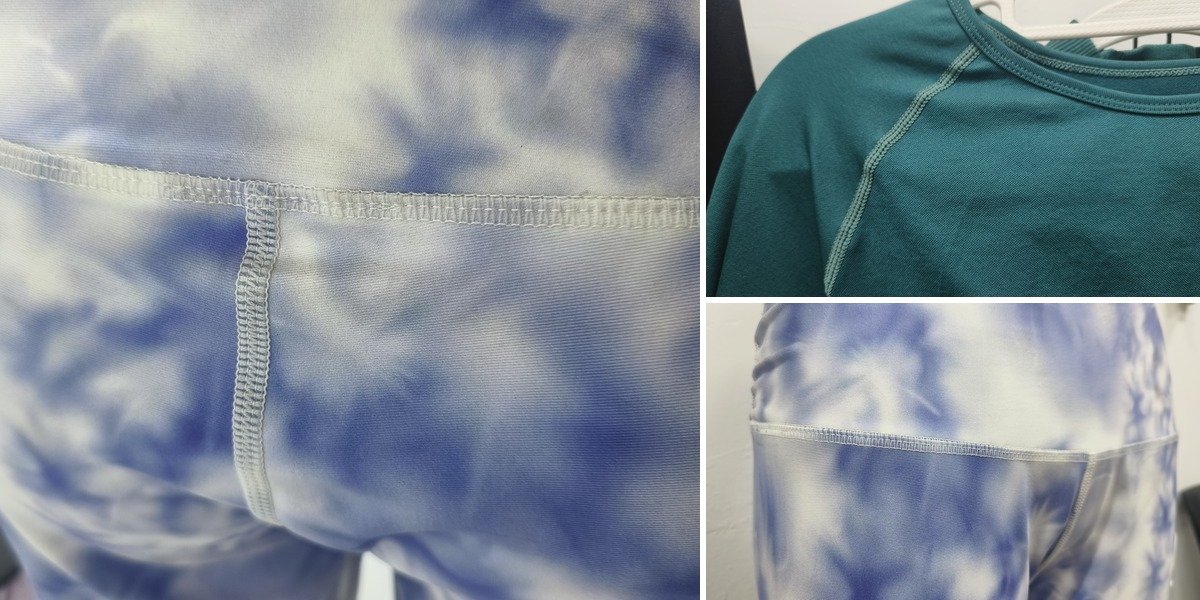
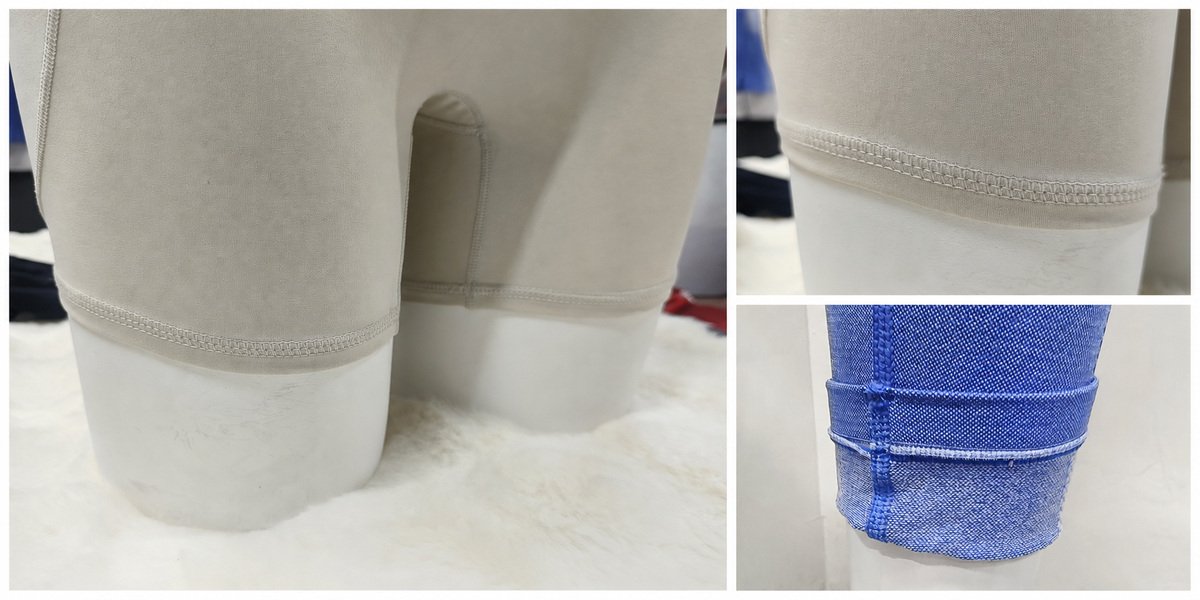
Flatlock
Flatlock construction can reduce prominent seam buildup in selected fitted activewear. Stitch configuration, thread tension, fabric stretch, seam loading, and approved appearance must be adjusted to the actual product.
Application: Leggings, sports bras, fitted tops, and selected training garments.
Control: Seam extension, thread security, surface flatness, and workmanship after stretch.
Coverstitch
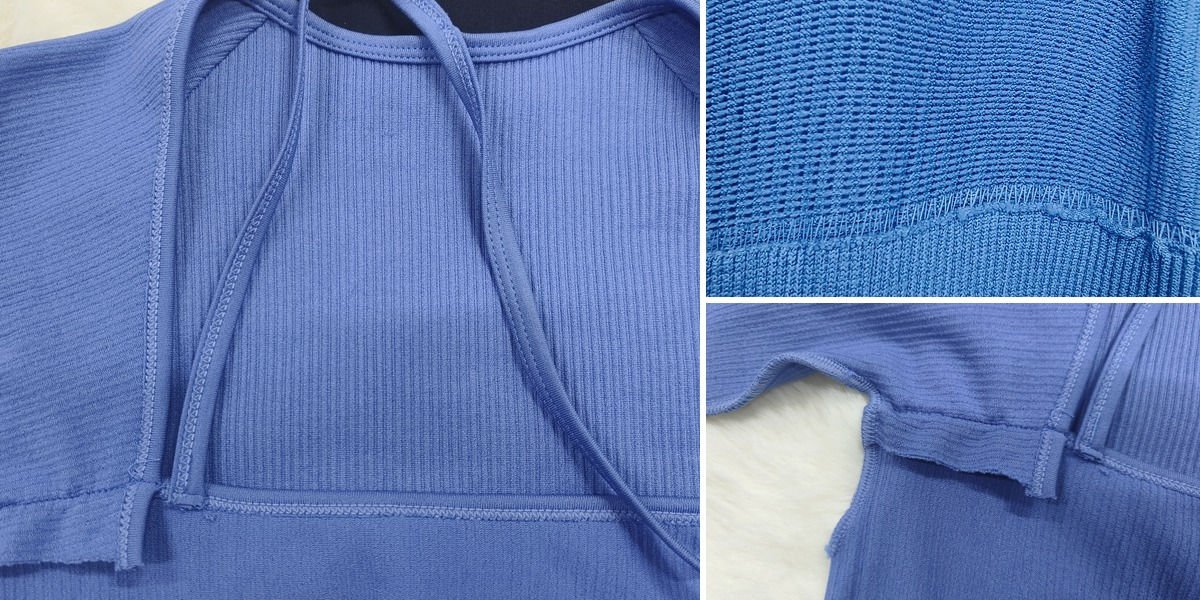
Coverstitch is used for selected hems, sleeve ends, neckline areas, waist edges, and elastic activewear finishing.
Application: Stretch hems, sleeve openings, necklines, and selected activewear edge finishes.
Control: Stitch alignment, edge coverage, extensibility, tension, and surface appearance.
Overlock
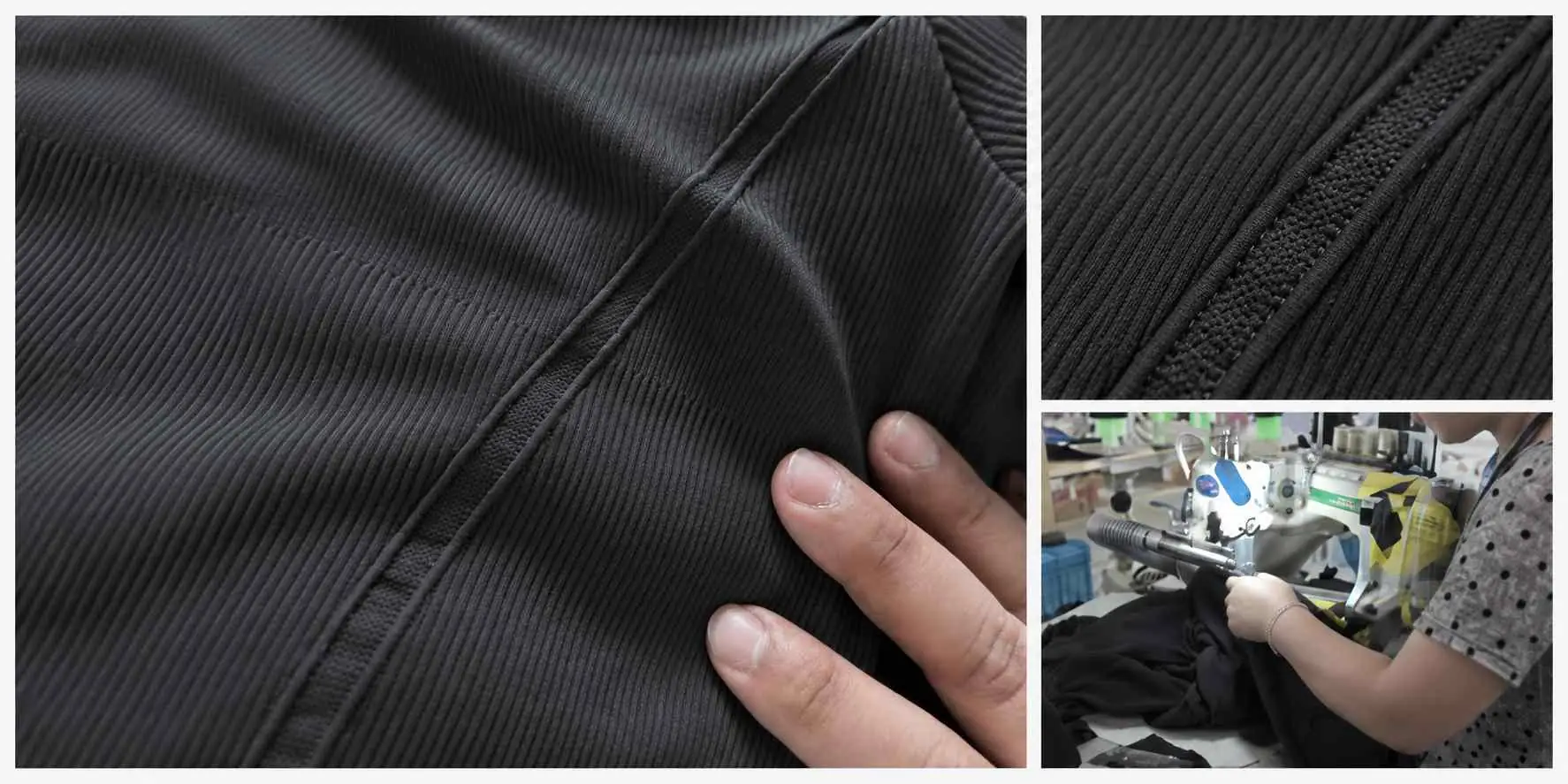
Overlock construction joins and controls the edges of stretch garment components. Stitch configuration, differential feed, thread tension, seam allowance, and fabric need to work together.
Application: Internal assembly, stretch panel joining, and edge control.
Control: Seam security, edge coverage, stretch compatibility, and thread breakage.
Single Needle
Single-needle sewing supports selected structural seams, topstitching, attachments, labels, pockets, and accurately positioned details.
Application: Structural details, attachments, labels, pockets, and selected topstitching.
Control: Positioning, stitch straightness, reinforcement, seam allowance, and consistency.
Elastic Assembly
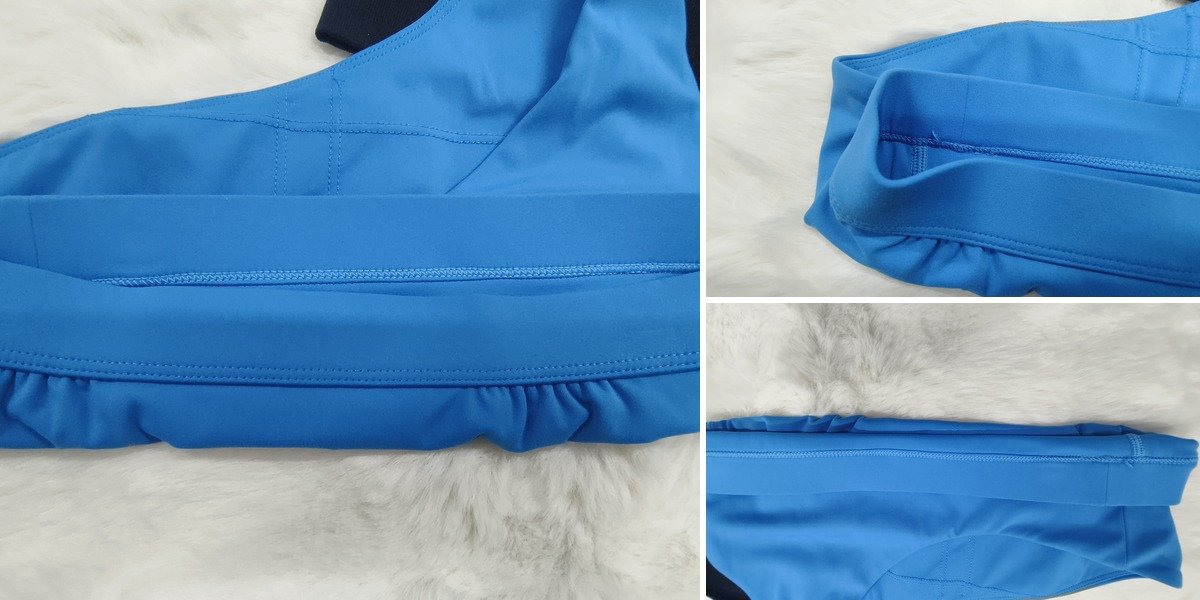
Elastic components used in waistbands, underbands, straps, or selected edges require controlled length, tension, positioning, and attachment.
Application: Bra underbands, waist structures, straps, and elastic garment openings.
Control: Elastic length, attachment position, extension, recovery, and measurements.
Pocket Assembly
Side, waistband, or other functional pockets depend on pattern accuracy, placement, reinforcement, material behavior, and clean assembly.
Application: Leggings, training shorts, running products, and performance bottoms.
Control: Opening position, symmetry, seam security, capacity, and consistency.
Manage Multiple Activewear SKUs Under One Program
A multi-SKU collection needs shared commercial standards without losing individual product control. MOVEVOX can organize related products through one program structure while retaining separate technical approvals for each style, material, size range, and manufacturing route.
| Step | Control Focus | Deliverable | Timing Reference |
|---|---|---|---|
| 01 — Program Brief | Collection scope, target market, priority categories, quantities and launch timing. | Program Brief | Project dependent |
| 02 — SKU Matrix | Style, manufacturing route, material, color, size, branding, sample status and priority. | SKU Matrix | Project dependent |
| 03 — Shared Standards | Identify suitable shared colors, fabrics, yarns, logos, labels or packaging components. | Standards Map | Project dependent |
| 04 — Technical Review | Review manufacturing route, material requirements, construction risks and open information. | Review Notes | Project dependent |
| 05 — Sample Development | Develop priority or higher-risk products first where appropriate. | Samples | Approx. 5–10 working days after confirmation |
| 06 — Approval Control | Maintain separate sample, dimension, material, color and branding approval status by SKU. | Approval Matrix | Client dependent |
| 07 — Bulk Handover | Material preparation, production allocation, QC, packing and shipment planning. | Bulk Plan | Order dependent |
Move From Product Input to Approved Sample
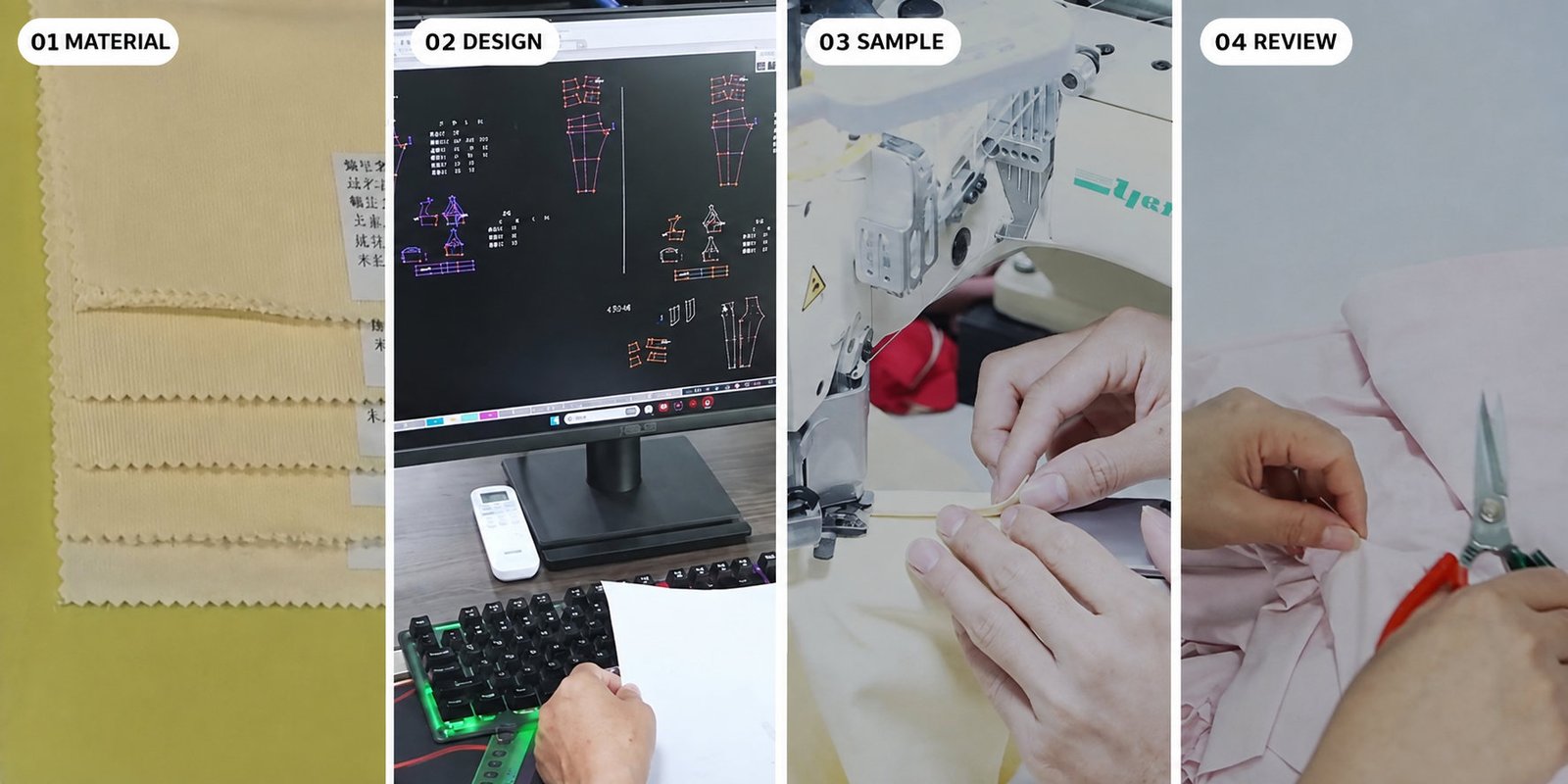
MOVEVOX can begin from different levels of product readiness. Standard sample development normally takes approximately 5–10 working days after the required information is sufficiently confirmed, while complex materials, processes, revisions, or slower approvals can extend the cycle.
01 — Input Confirmed
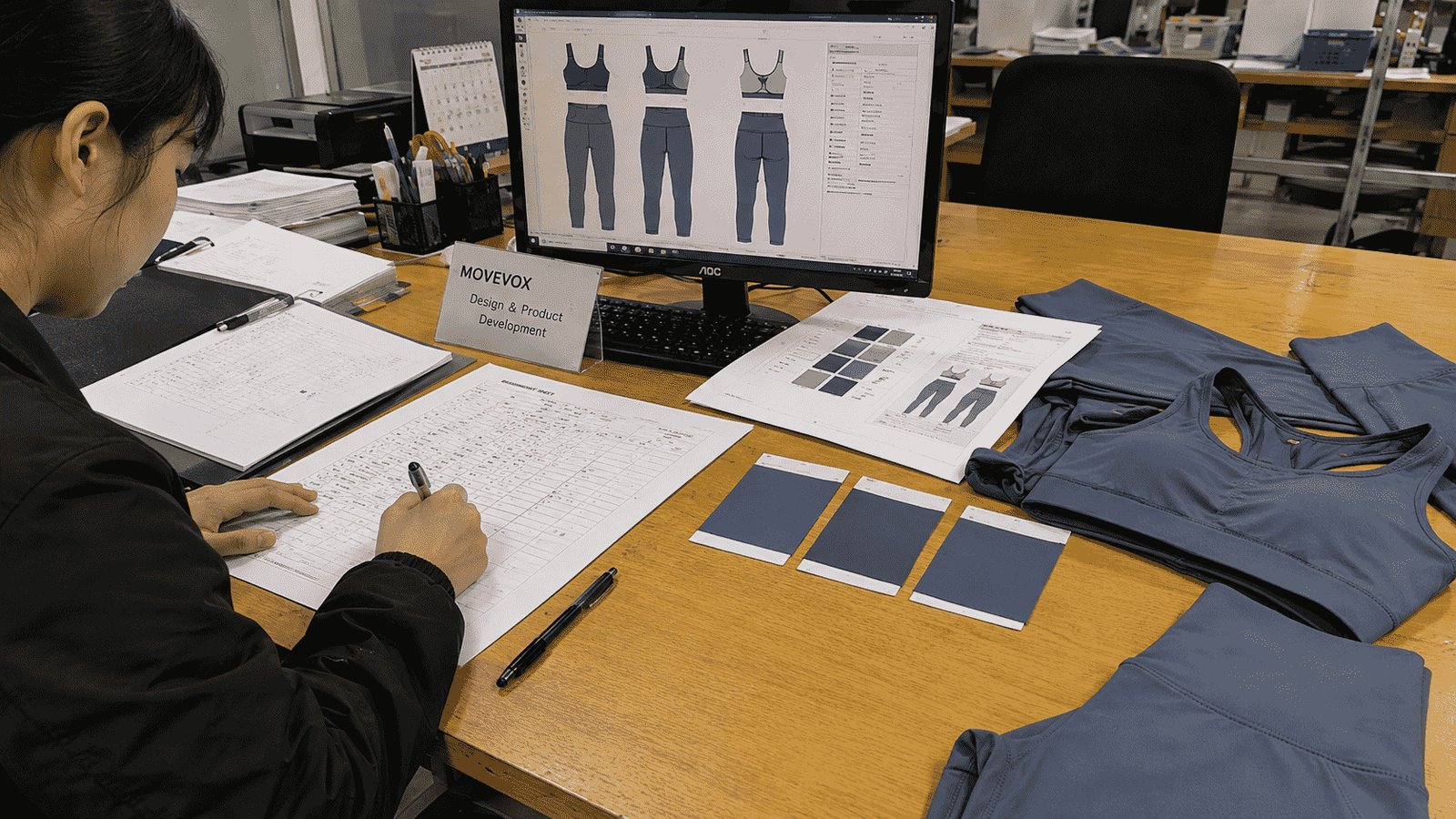
Tech Pack information, references, measurements, material direction, colors, branding, and commercial requirements are organized before development.
02 — Technical Setup
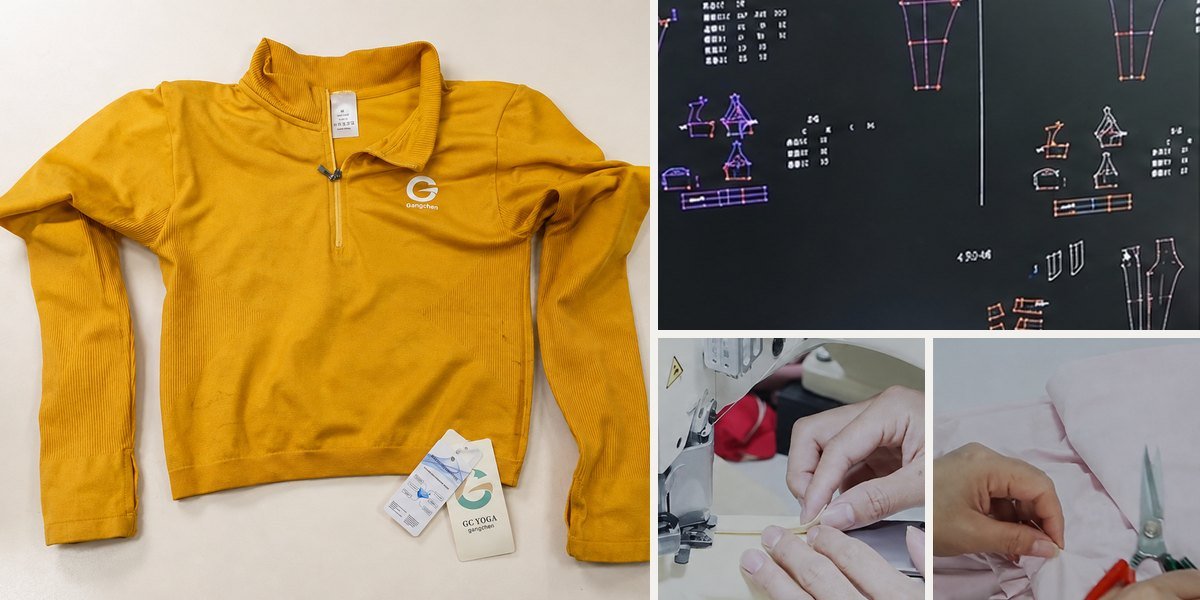
Pattern, Seamless programming, materials, construction details, and unresolved questions are prepared or clarified.
03 — Sample Build
A physical development sample is produced from the current approved development information.
04 — Client Review
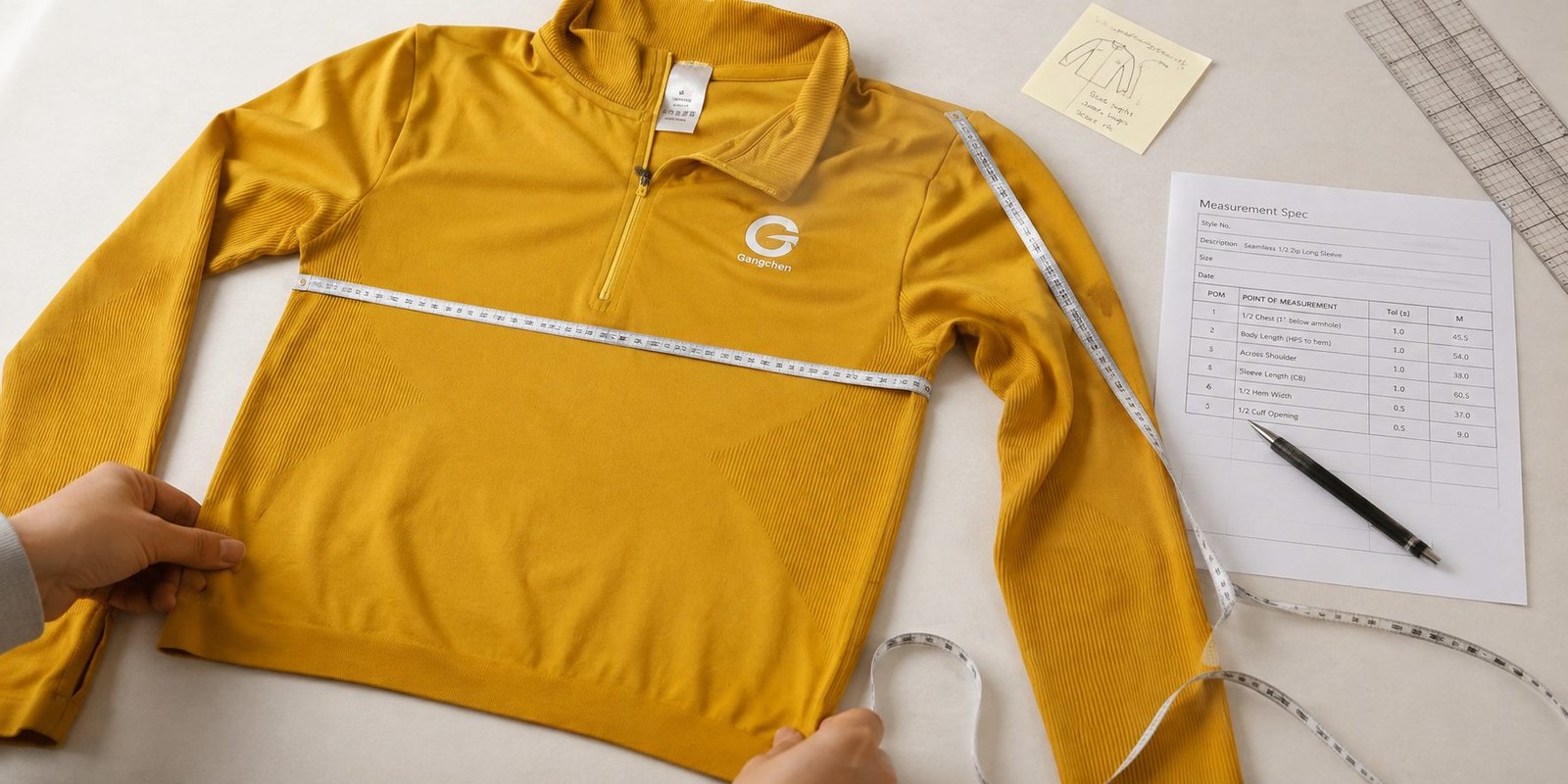
The buyer reviews fit, measurements, construction, material, color, branding, and other relevant details.
05 — Standard Locked
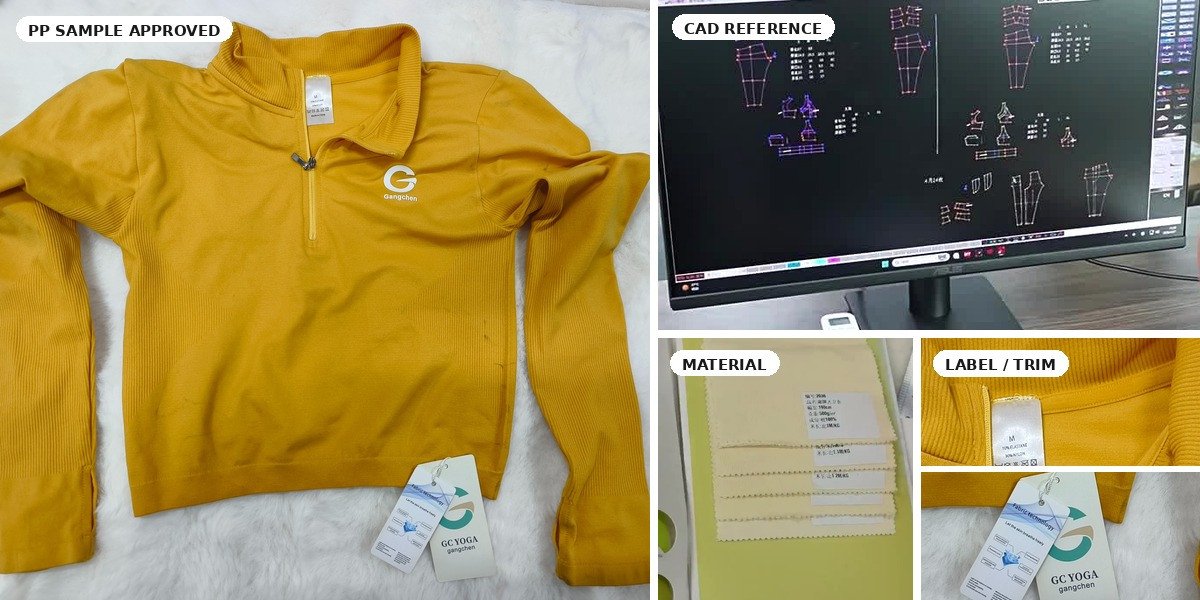
The current technical file, approved sample, materials, branding, and packing requirements become controlled references.
Prepare the Right Inputs for Activewear Development
MOVEVOX can start from a complete Tech Pack, an authorized physical sample, images, sketches, or a defined concept. The more complete the input, the fewer assumptions need to be resolved during technical review and sampling.
Flat Sketch
Front, back, and detail views help define garment structure, including panels, straps, seams, pockets, openings, and other features.
Measurement Chart
Point-of-measure definitions, base-size measurements, grading information, and applicable tolerances provide the reference for development and sample review.
Fabric Specification
Composition, GSM, stretch direction, surface, handfeel, color, supplier reference, or physical swatch should be provided where available.
Construction Details
Specify seam type, waistband construction, gusset, pocket, pad, elastic, hem, binding, zipper, or Seamless structure requirements.
Color Standard
Pantone references, physical color standards, existing approved materials, or lab-dip instructions help establish color approval.
Logo Artwork
Provide current artwork, dimensions, placement, color, process direction, and stretch-related requirements.
Label Details
Main labels, care labels, size labels, content, artwork, placement, and buyer-approved market information.
Packaging Details
Polybag, hangtag, sticker, SKU, barcode, QR code, packing ratio, carton marks, and retail requirements.
Testing Requirements
Chemical, RSL, physical, performance, wash, AQL, or third-party inspection requirements where applicable.
Technical Risks to Resolve Before Activewear Sampling
A specification can look complete while still containing contradictions that affect cost, fit, material selection, MOQ, or manufacturing feasibility. MOVEVOX uses technical review to turn these uncertainties into explicit questions before they become repeated sample revisions.
Conflicting Measurements
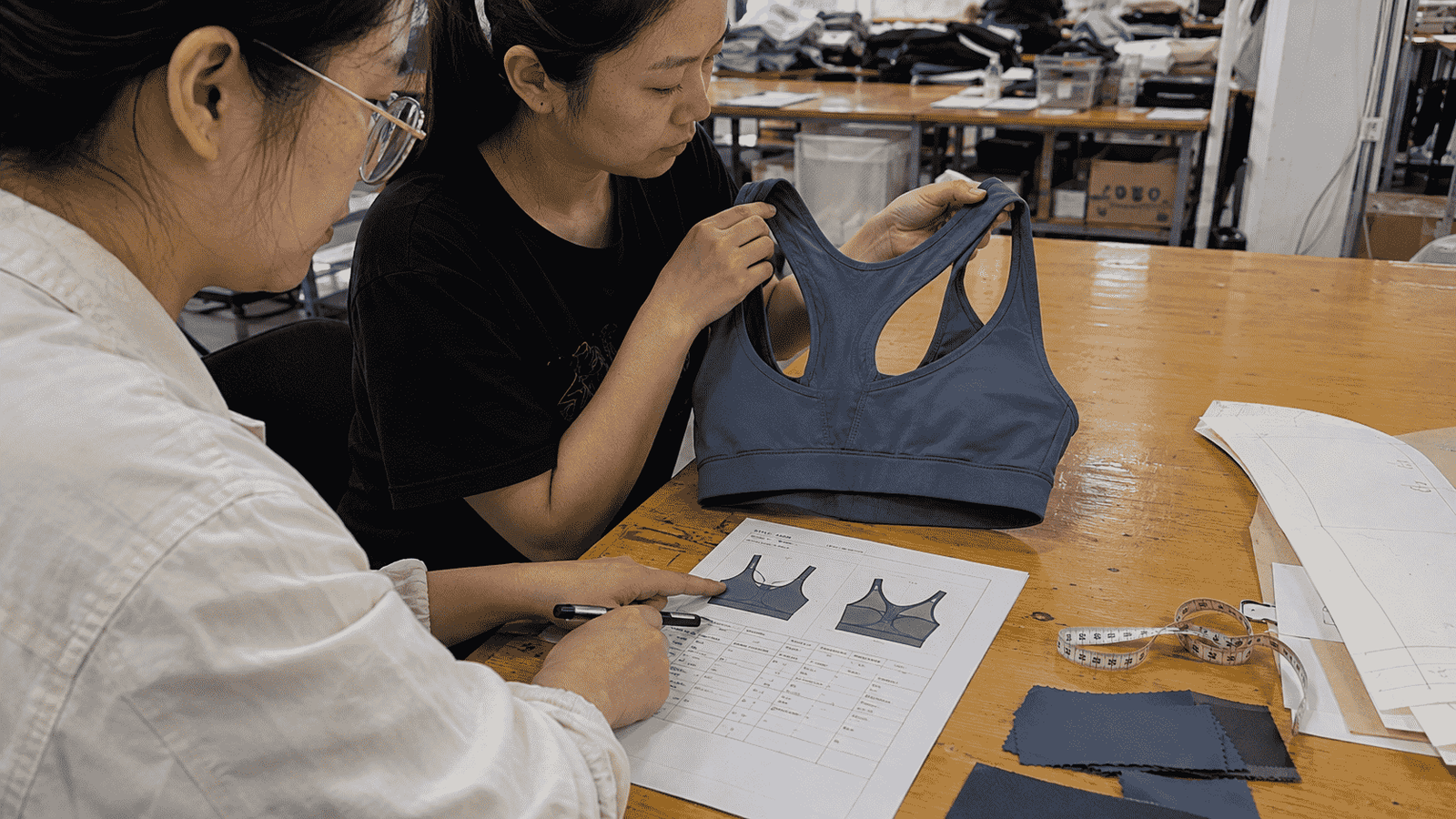
Drawings, measurement charts, grading tables, and physical samples may not describe exactly the same garment geometry.
Verify: Confirm one current measurement chart and reference before development release.
Undefined Material
Descriptions such as “soft nylon” or “high stretch” do not define composition, GSM, surface, handfeel, opacity, or recovery.
Verify: Approve a specification, swatch, or clearly identified material direction.
Process Mismatch
Seamless texture requirements may conflict with pockets, zippers, shaped panels, or multi-material structures better suited to Cut & Sew.
Verify: Confirm garment architecture before selecting the manufacturing route.
Branding Compatibility
Branding methods can behave differently on highly elastic, brushed, ribbed, or textured materials.
Verify: Validate the process on the actual material and location.
MOQ Conflict
Garment MOQ may be lower than custom fabric, dyeing, labels, trims, logo tooling, or packaging minimums.
Verify: Review material and component minimums before final quotation.
Testing Ambiguity
Claims such as squat proof, quick dry, recycled content, compression, or specific durability may require defined evidence.
Verify: Agree what must be tested and which evidence supports the claim.
Select Activewear Materials From Product Requirements
Material selection should start from the intended garment, use scenario, feel, support, coverage, surface, color, and commercial requirements rather than from a generic fiber percentage.
| Decision Question | Typical Directions |
|---|---|
| What product are you developing? | Leggings / Sports Bra / Shorts / Training Top / Activewear Set |
| What handfeel is required? | Smooth / Naked Feel / Brushed / Firm / Textured |
| What support direction is intended? | Soft / Moderate / Firm / Product Specific |
| What surface is preferred? | Matte / Smooth / Ribbed / Brushed / Textured |
| What commercial constraints apply? | Existing Color / Custom Pantone / Low MOQ / Recycled Route / Buyer Testing |
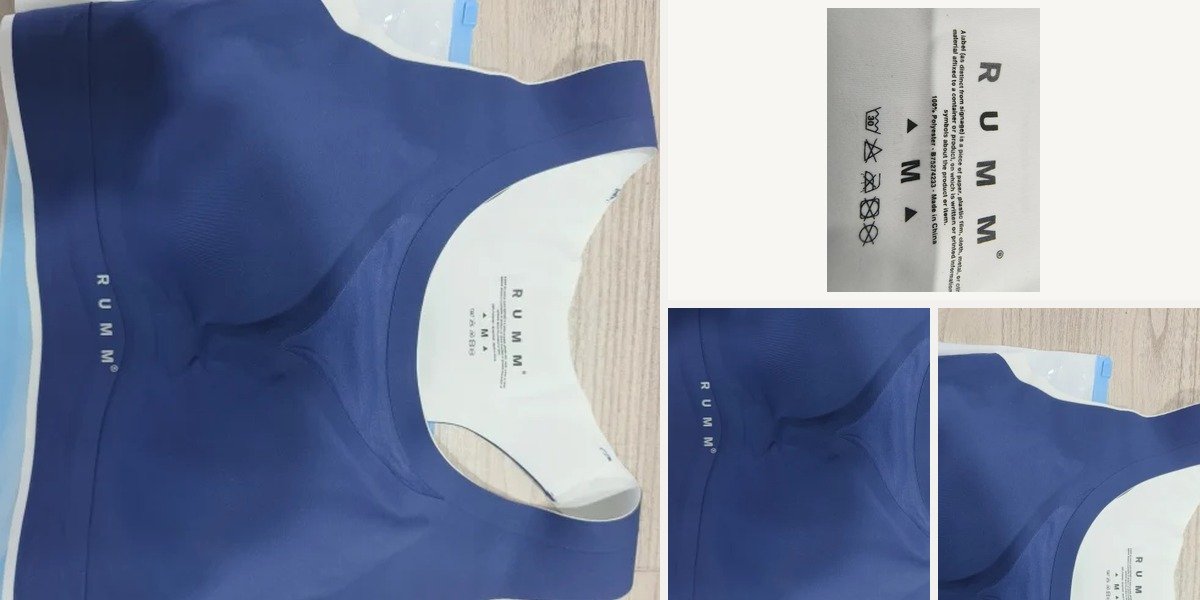
Nylon Spandex
Nylon/Polyamide + Spandex is one of MOVEVOX’s main activewear material routes. Documented development ranges are commonly around 70–82% nylon and 18–30% elastane, approximately 190–280 GSM.
190–280 GSM · Core Activewear · Stretch Material
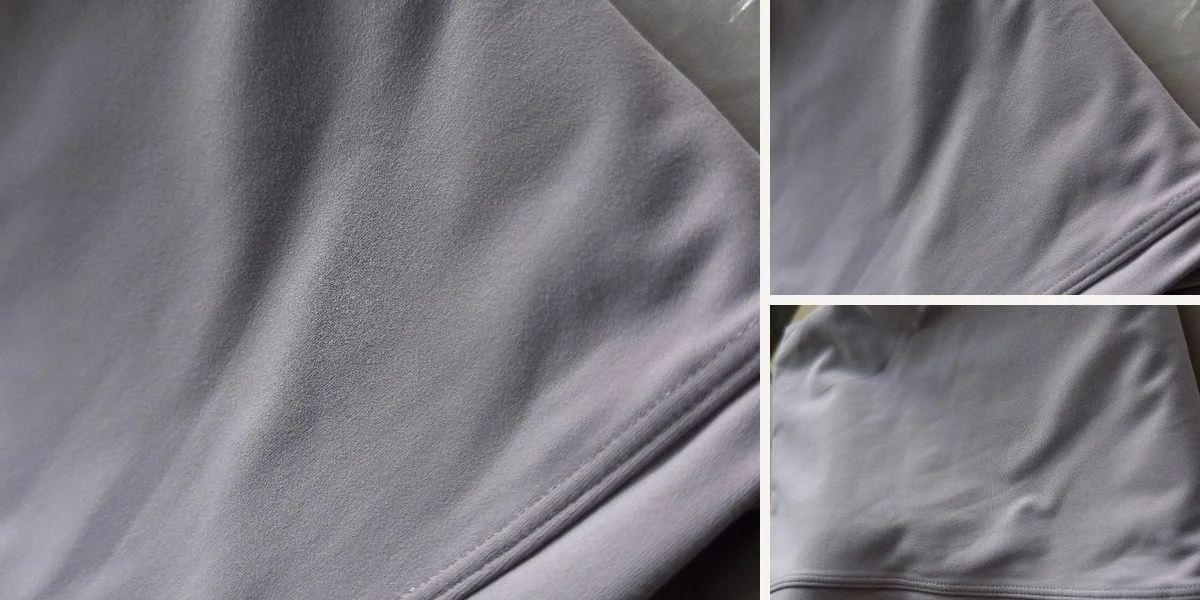
Polyester Spandex
Polyester + Spandex can support training, running, tops, shorts, and selected fitted activewear. Documented ranges are approximately 75–90% polyester and 10–25% elastane, around 160–250 GSM.
160–250 GSM · Training · Product Specific
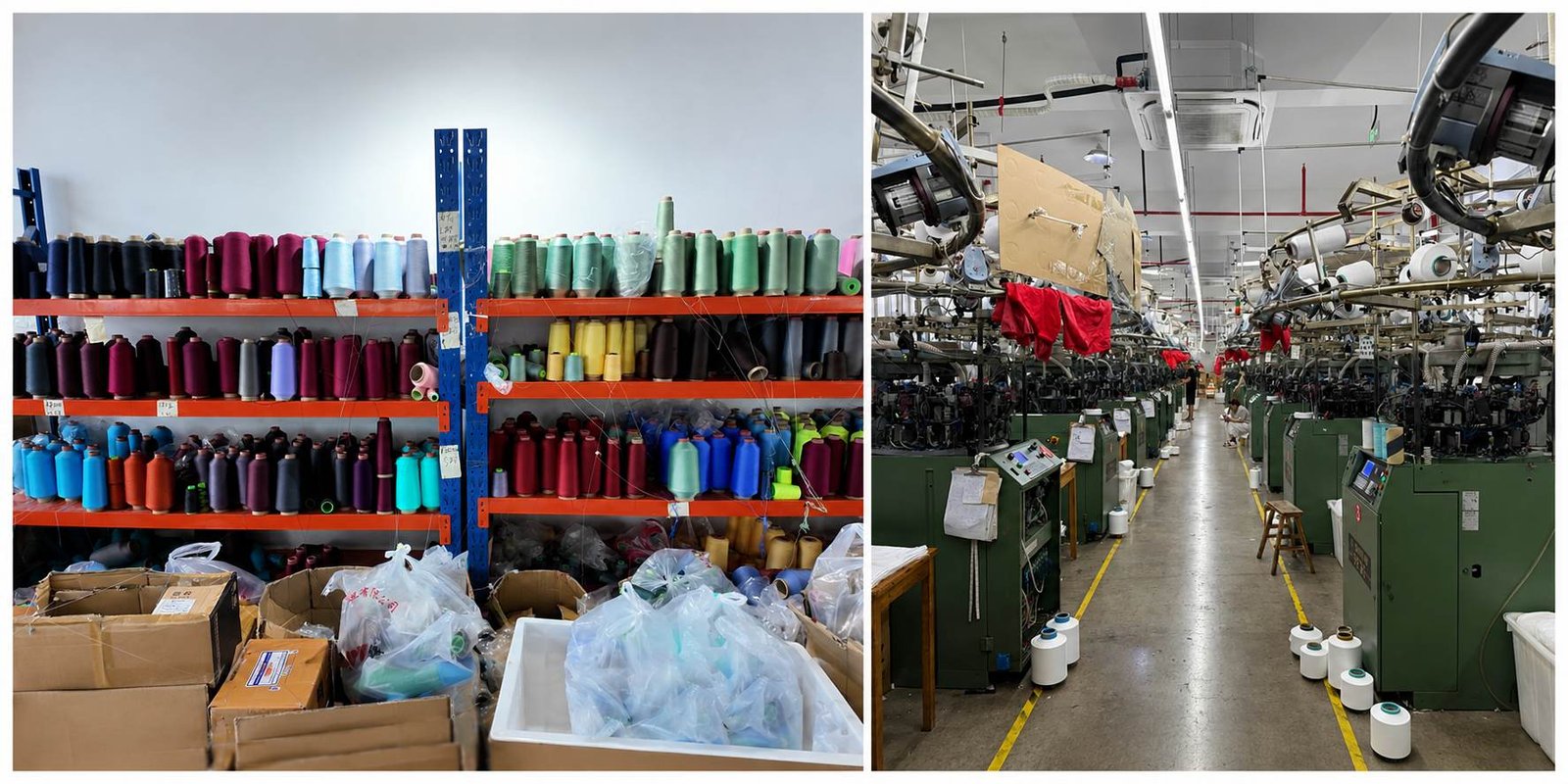
Seamless Yarn
MOVEVOX uses nylon/polyamide, polyester, elastane, and related yarn combinations for Santoni Seamless development.
Santoni · Engineered Knit · Yarn System
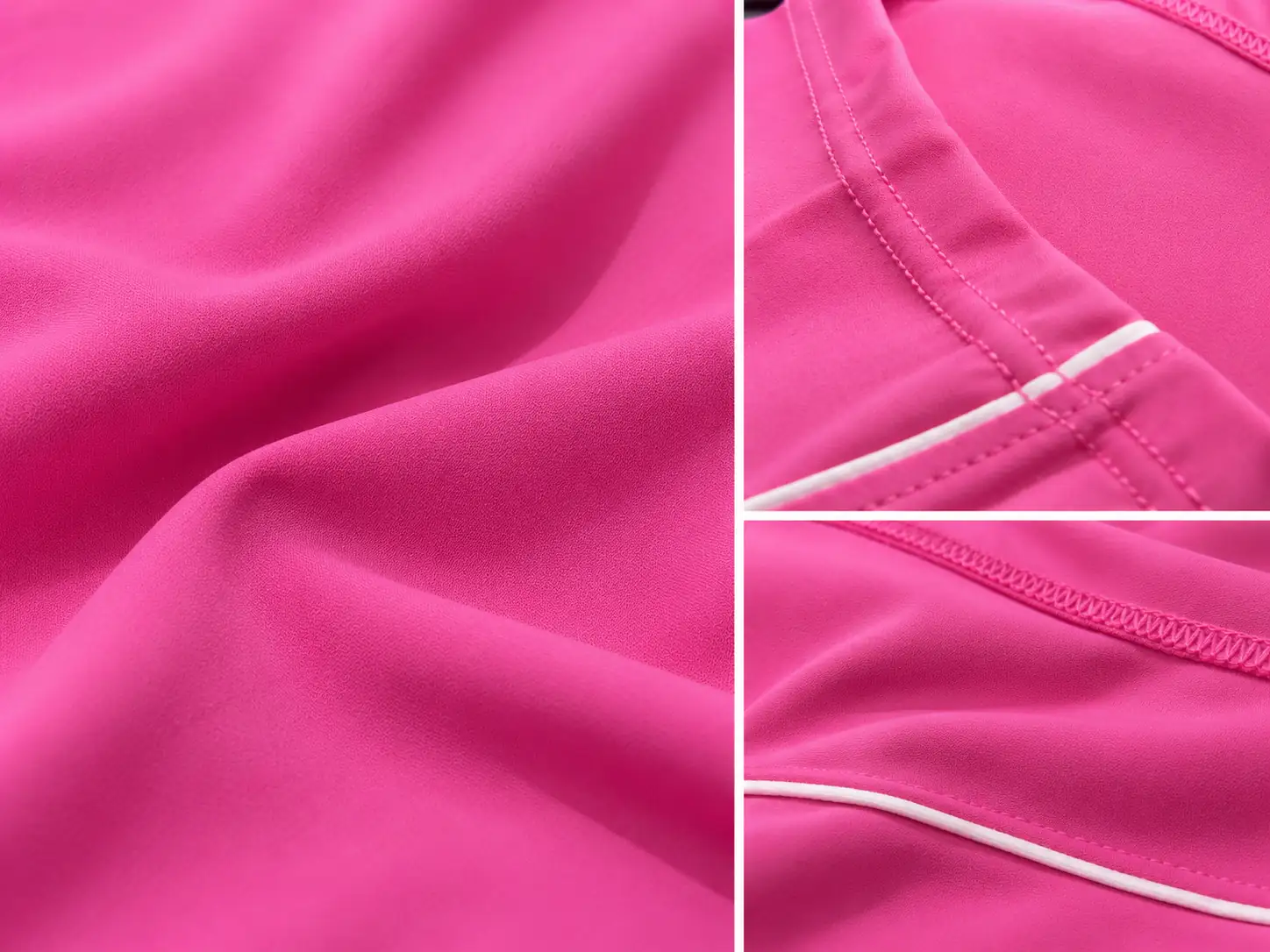
Brushed Direction
Brushed stretch materials can support leggings, bras, long sleeves, sets, and selected cooler-season activewear. Documented ranges commonly use approximately 75–82% nylon or polyester with 18–25% elastane and around 210–270 GSM.
210–270 GSM · Brushed · Seasonal
Plan Custom Color and Fabric Before Production
Material sourcing can become the critical path before garment production begins. Existing fabric, custom Pantone development, dye-lot quantity, physical color approval, supplier availability, and buyer confirmation can all affect the effective MOQ and total schedule.
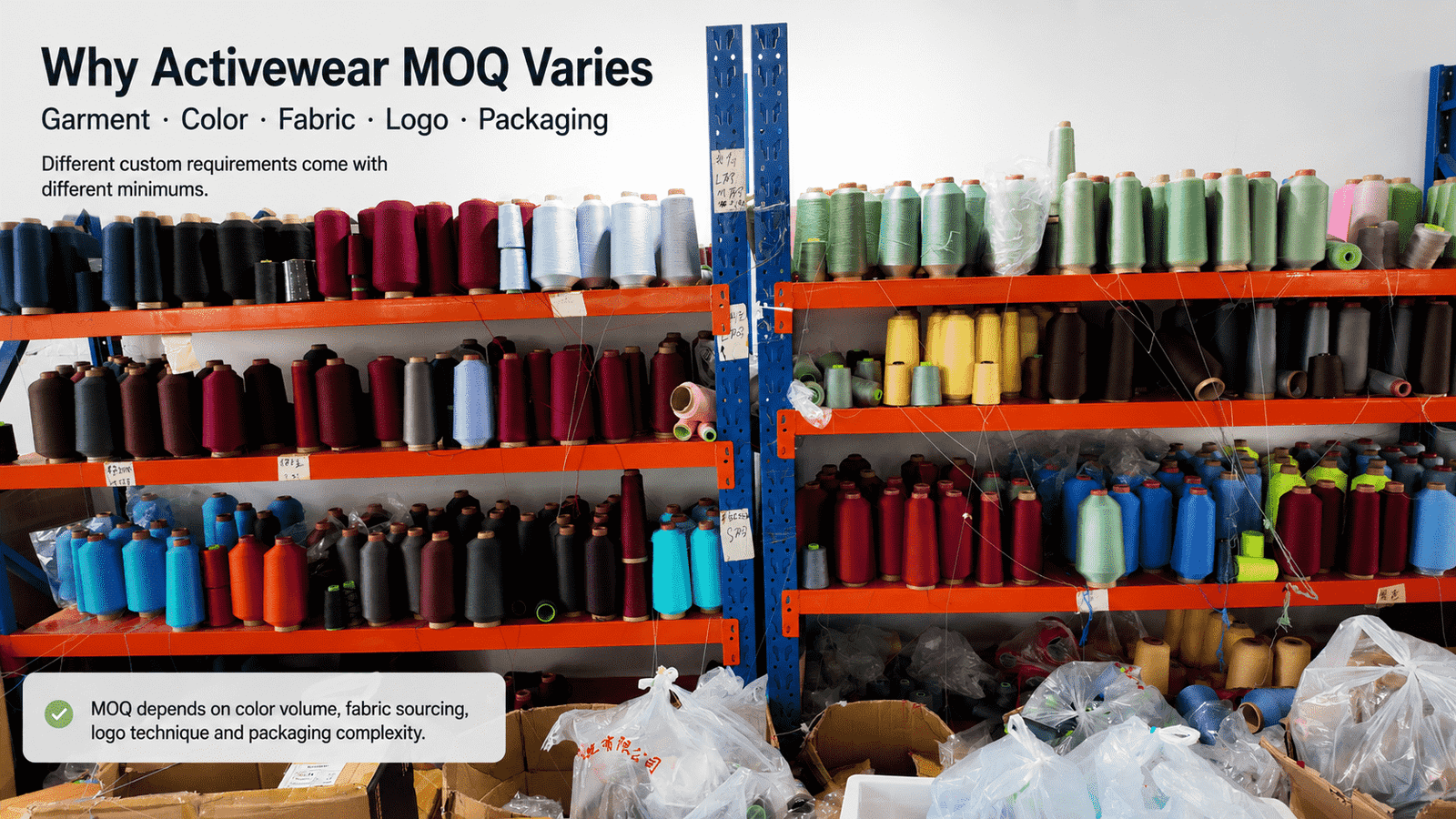
01 — Material Route
Timing: Supplier dependent
Prerequisite: Product and material direction
Available fabrics and existing colors can reduce development complexity when they meet the required product criteria.
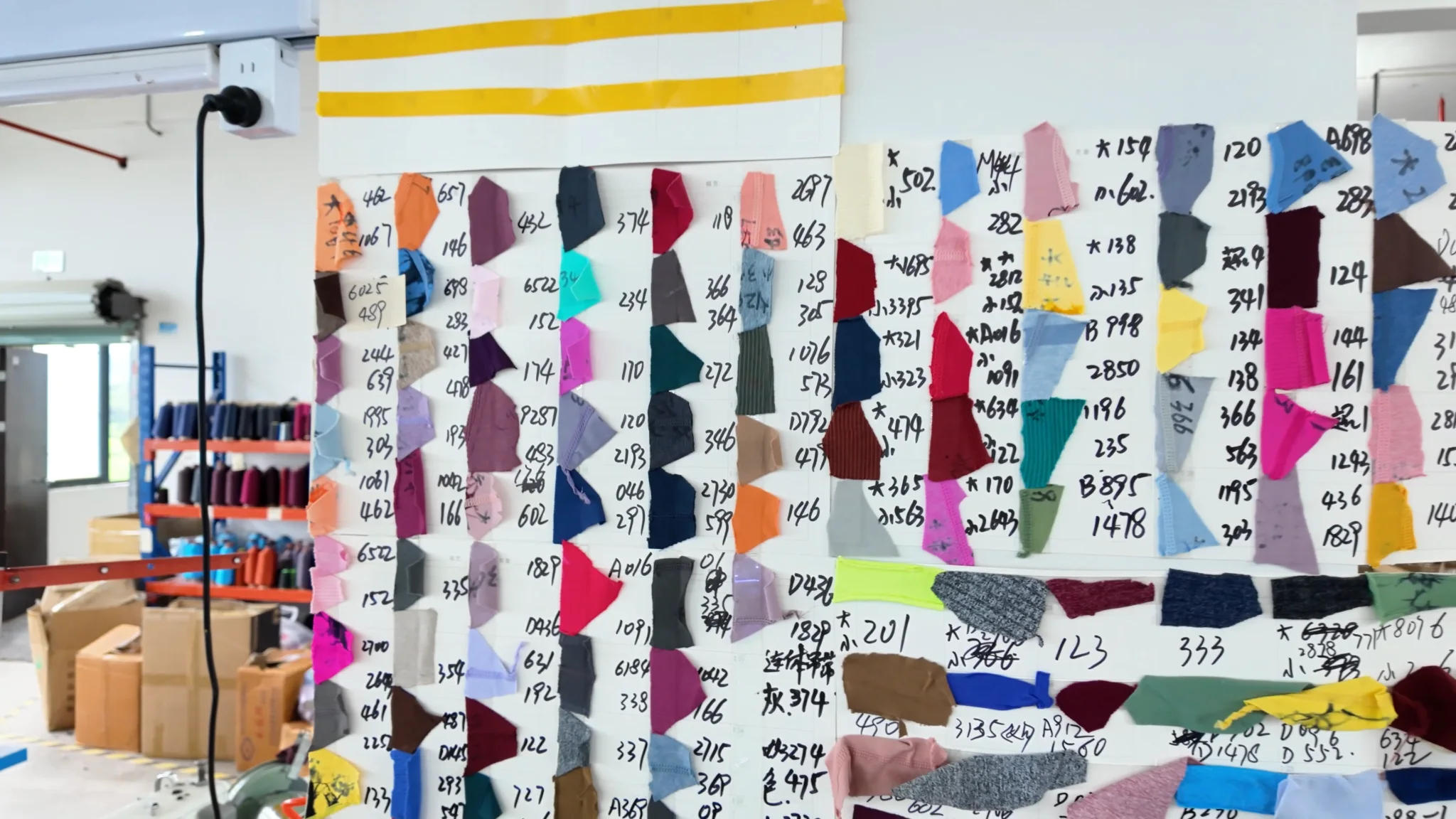
02 — Custom Color & Approval
Timing: Project / client dependent
Prerequisite: Color standard and material route
Pantone or physical references should be reviewed on the selected material, followed by physical lab-dip or material approval where required.
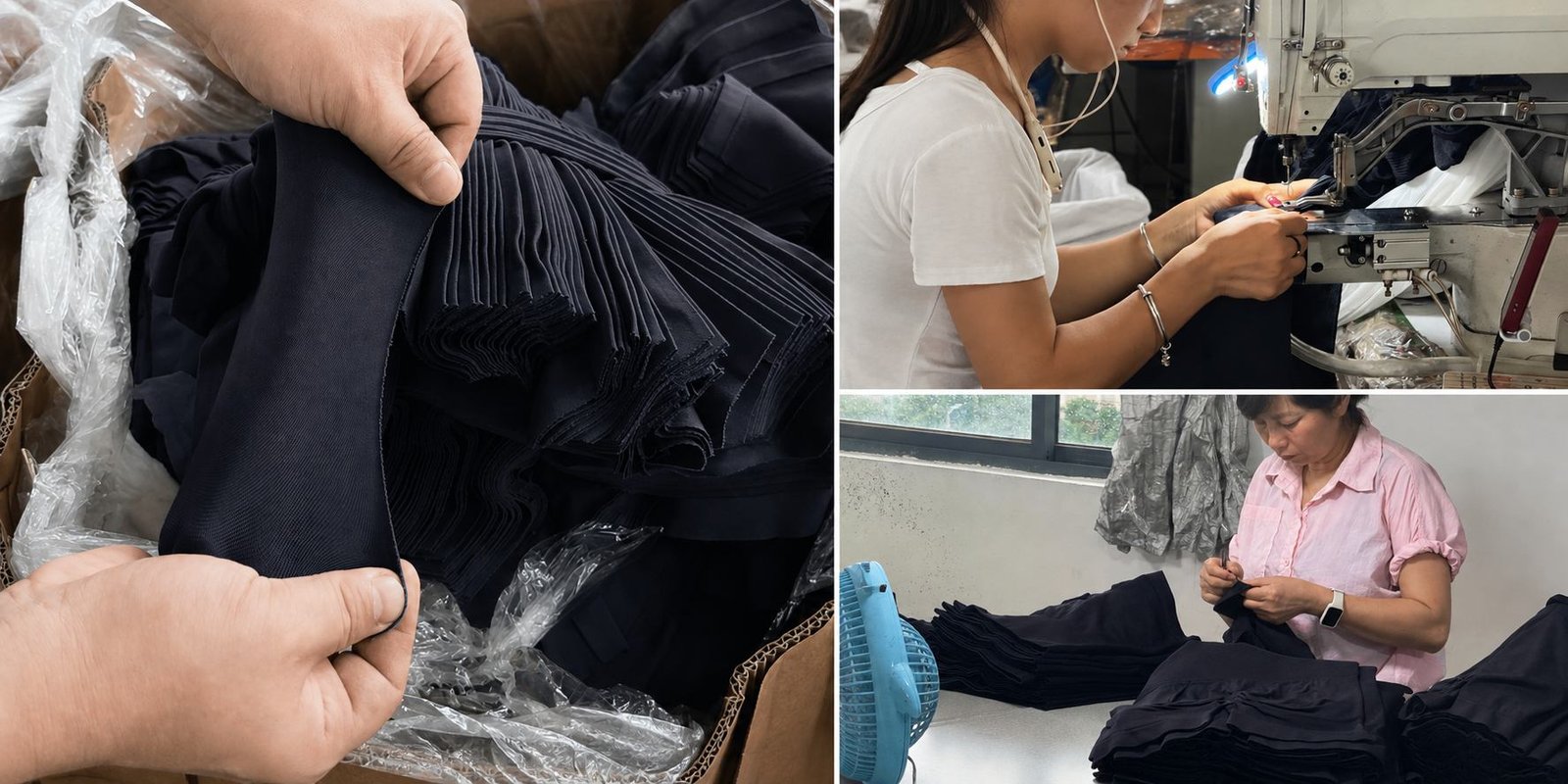
03 — Material Supply
Timing: Supplier dependent
Prerequisite: Approved material
Material lead time depends on availability, quantity, dyeing, yarn, finishing, and project-specific sourcing requirements.
| Production Stage | Reference | Prerequisite |
|---|---|---|
| Sampling | Approx. 5–10 working days | Required development inputs confirmed |
| Regular Bulk | Approx. 20–35 days | Production approval and material readiness |
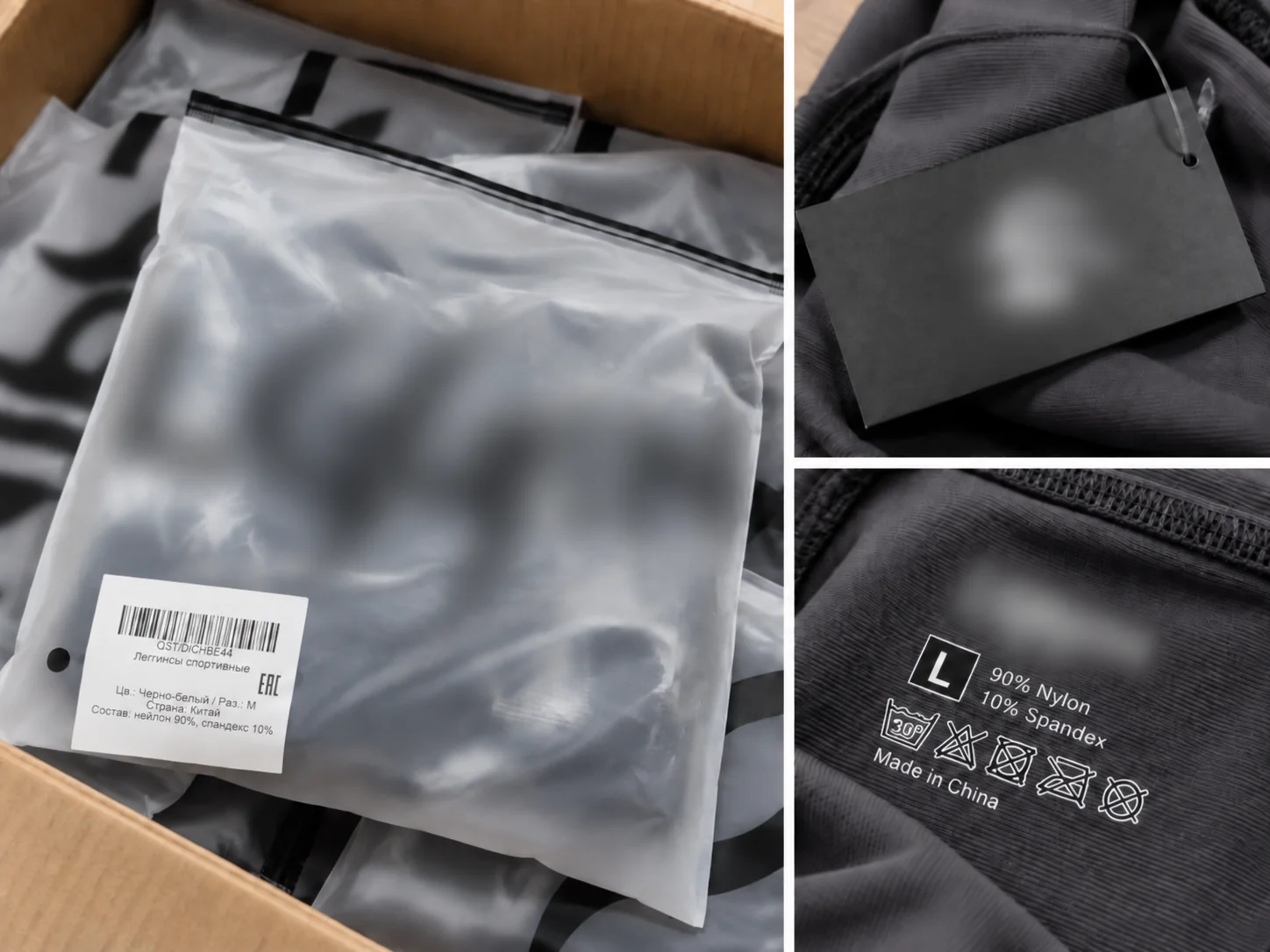
Build Retail-Ready Private Label Activewear Programs
Private Label execution connects the approved garment with brand identity, regulatory and care information, SKU identification, retail presentation, and shipment requirements. Each component should remain linked to approved artwork and the correct product version.
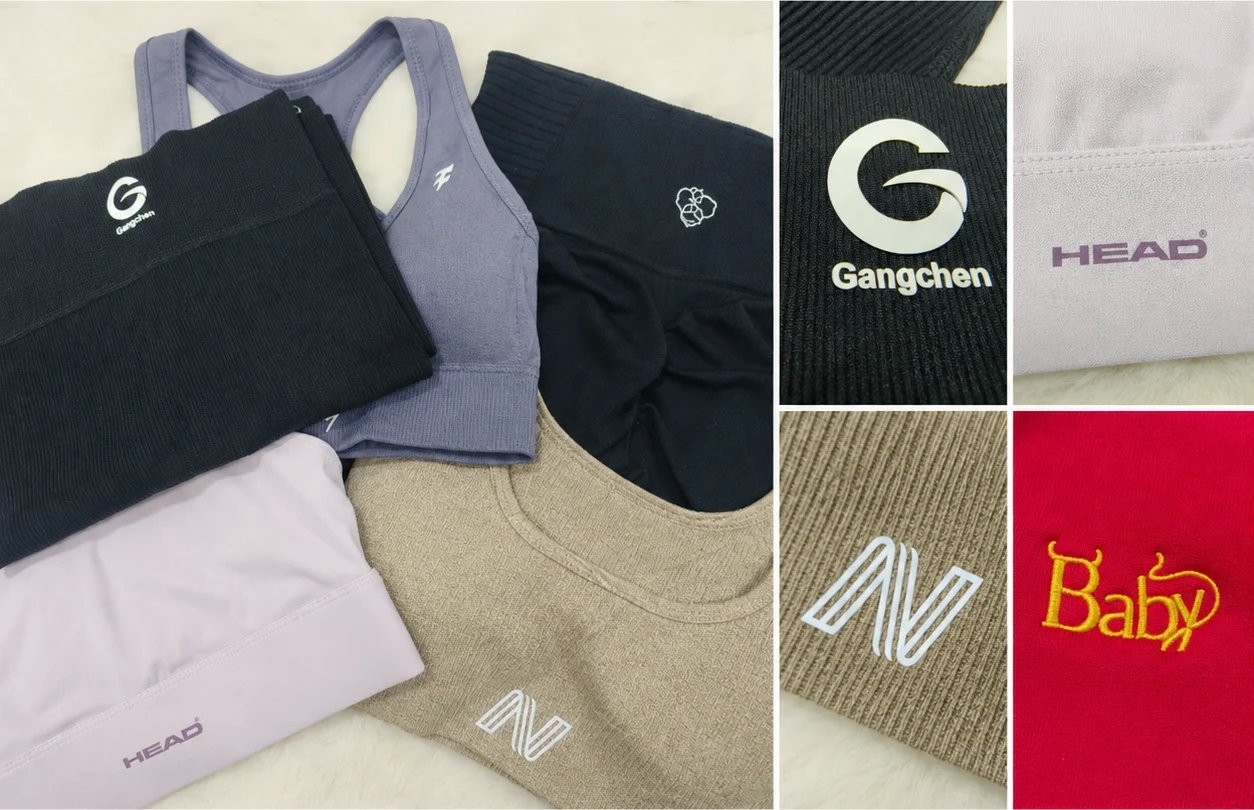
Brand Logo
Screen printing, heat transfer, silicone logos, jacquard, embroidery, woven labels, and other appropriate branding methods can be coordinated according to actual product requirements.
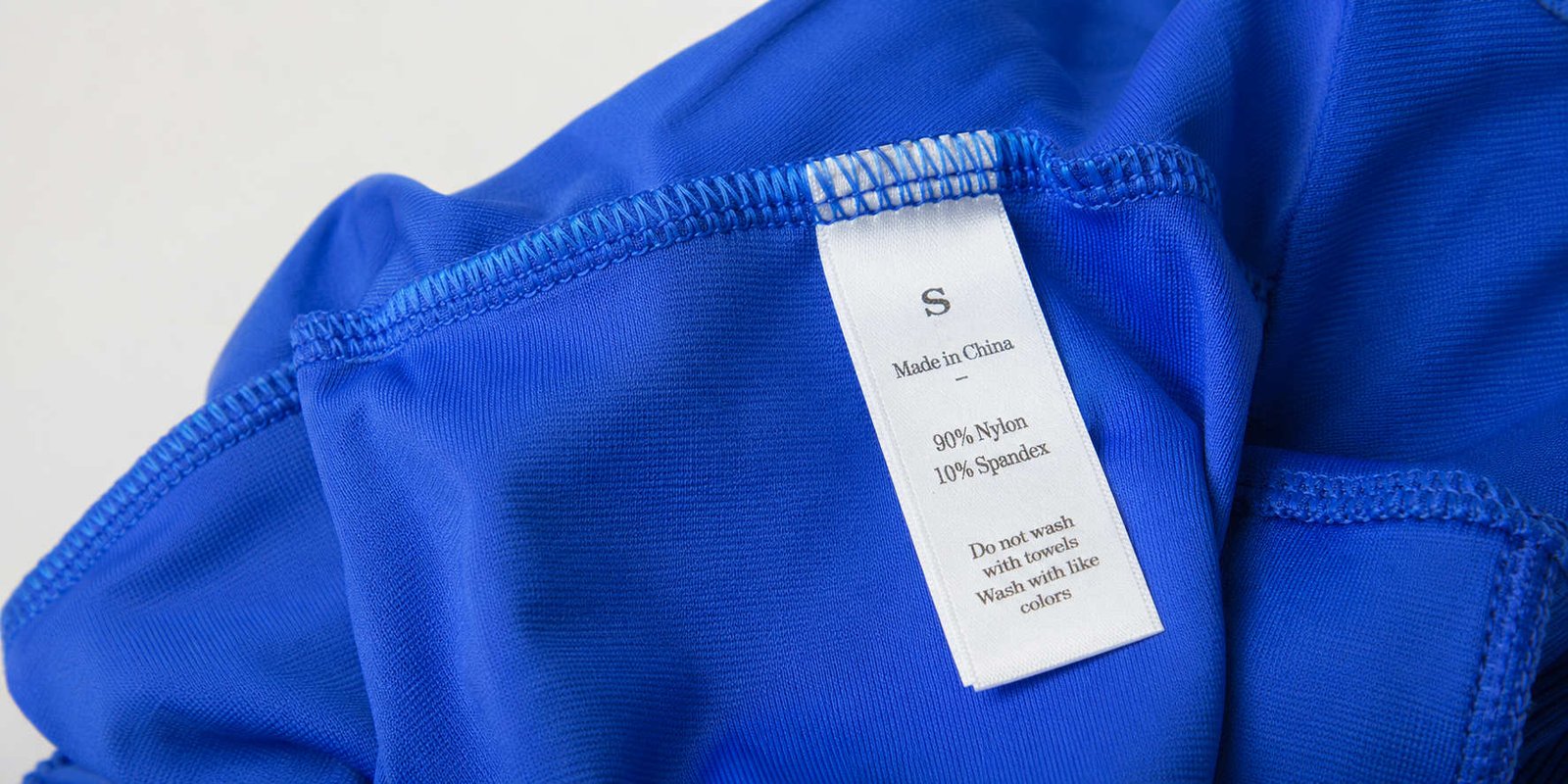
Care Label
Care labels can be produced from buyer-approved composition, care, size, language, and other target-market information.
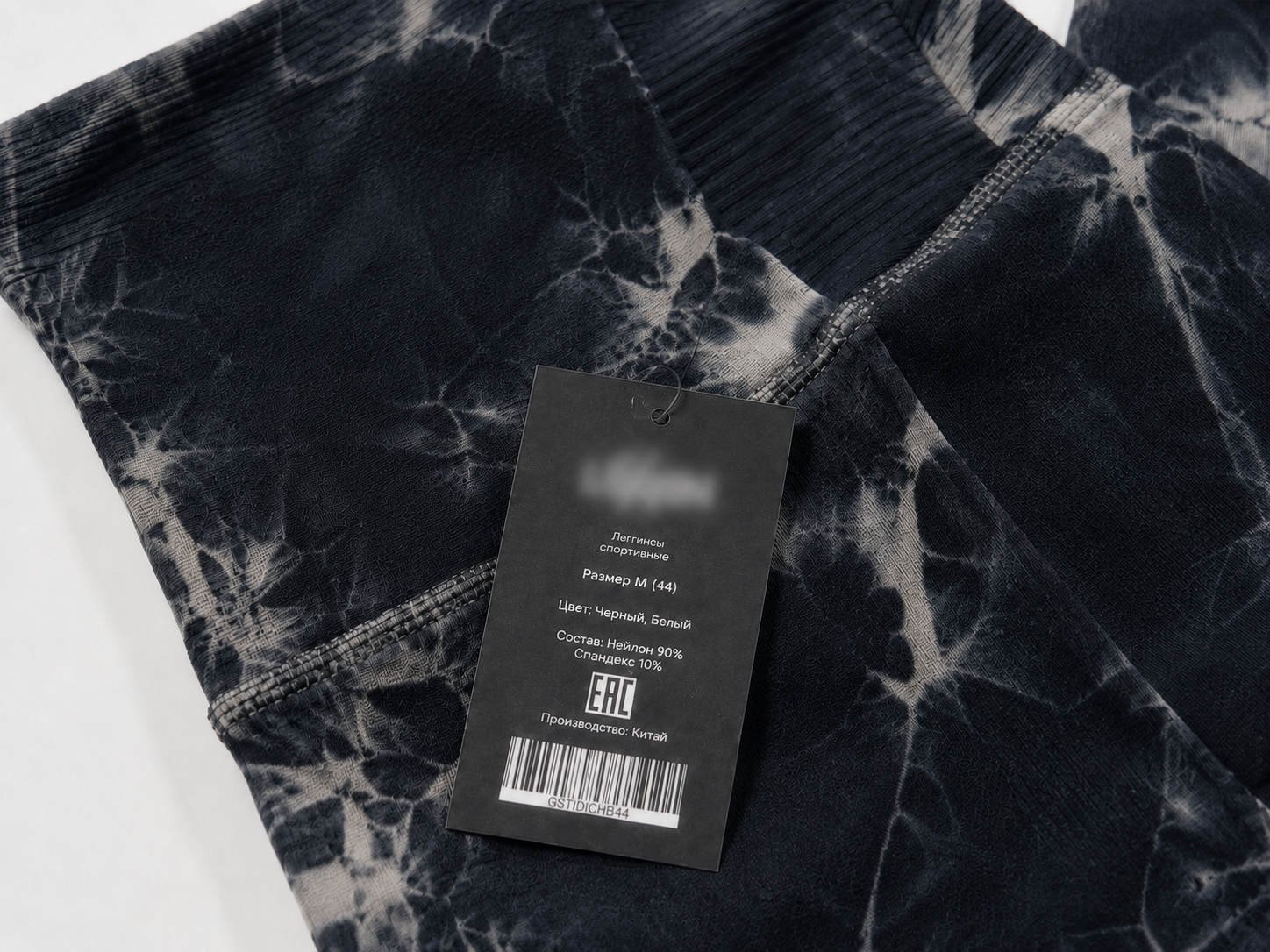
Hangtag
Custom hangtags can include approved artwork, product information, attachment method, SKU, barcode, or other commercial data.
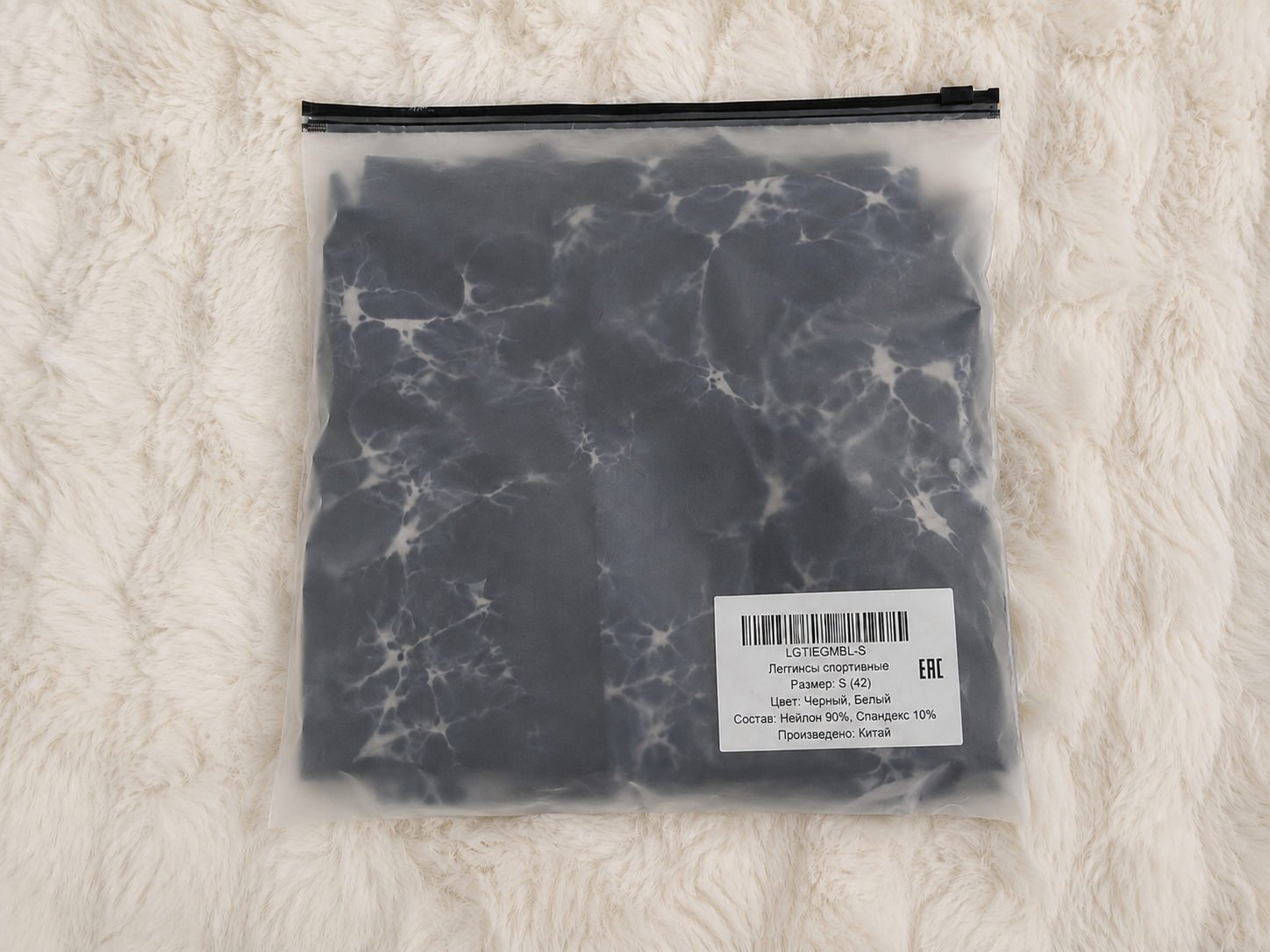
SKU Packaging
Individual bags, stickers, barcode labels, QR codes, and size/color information must correspond with the correct garment.
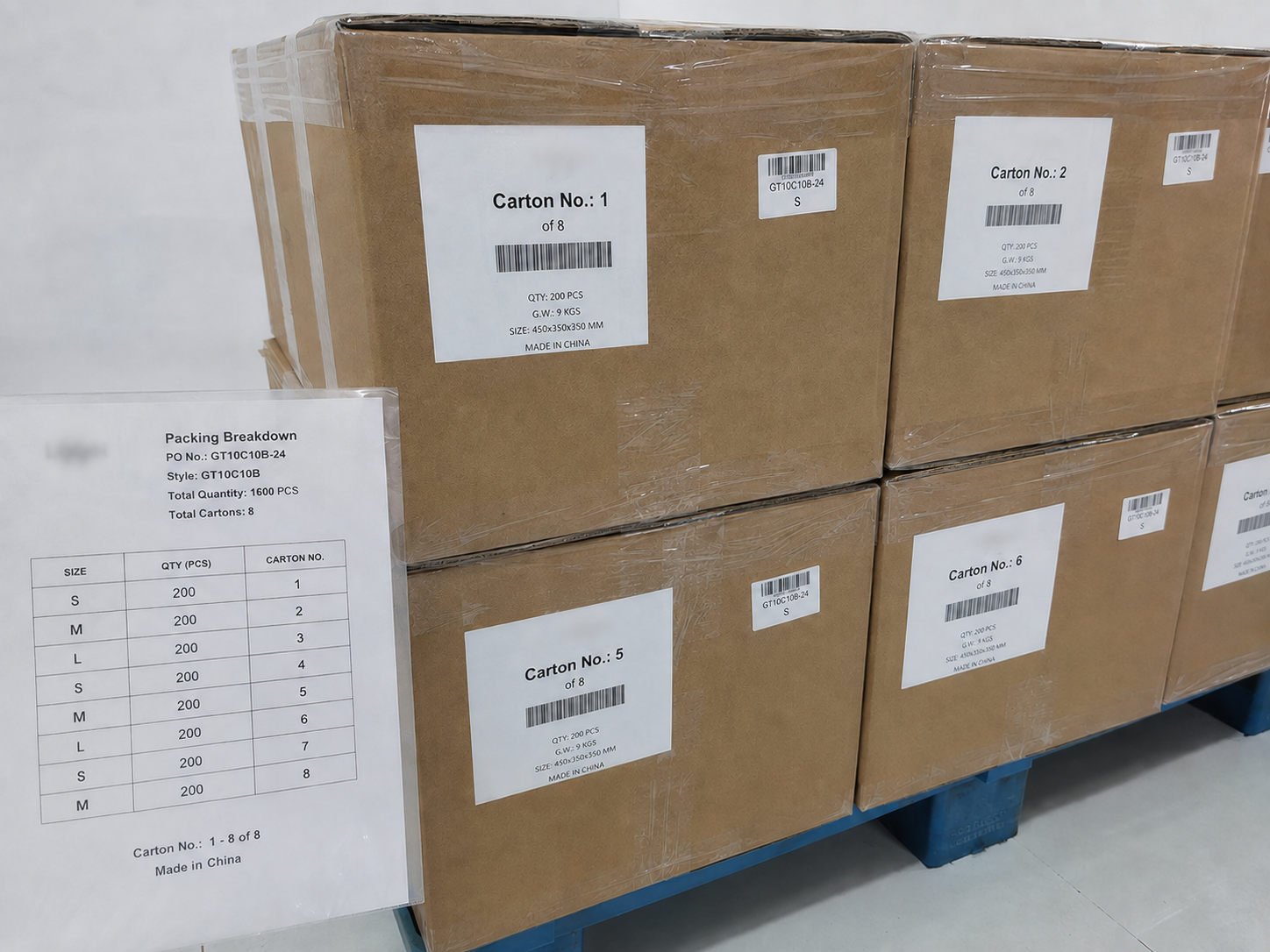
Carton Marking
Carton quantities, assortments, PO information, shipping marks, and outer-carton requirements follow approved packing instructions.
Instructions
Product inserts, instructions, or other branded materials can be coordinated according to approved content, dimensions, and packing instructions.
Capacity Planning for Larger Activewear Brand Programs
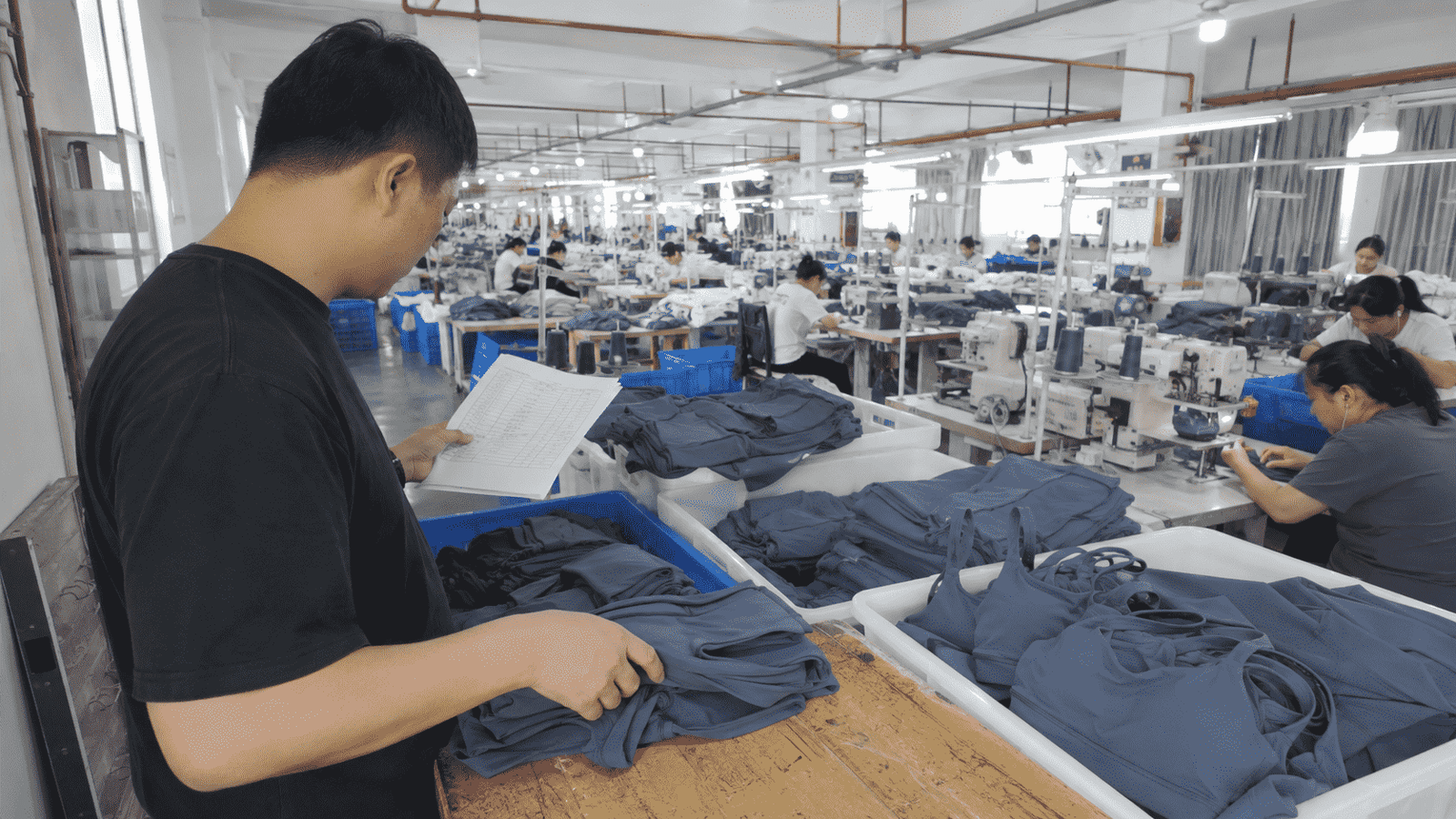
MOVEVOX defines capacity as quality-released garments that can be managed and delivered, not theoretical machine output. Final allocation depends on the actual styles, materials, SKUs, production sites, QC requirements, and requested schedule.
150K–200K
Managed Monthly Delivery
Current normal combined managed delivery capacity across the MOVEVOX production system.
50K+
Independent Capacity Review
Projects above approximately 50,000 pieces require separate capacity assessment before commitment.
28
Santoni Machines
Italian Santoni machines supporting qualified Seamless development and production.
~24
Garment Machines
Primary sewing and garment-production machines supporting core Cut & Sew operations.
8
Satellite Factories
Long-term controlled additional production resources where project conditions permit.
Equipment Supporting MOVEVOX Activewear Manufacturing Operations
MOVEVOX’s Yiwu core manufacturing base combines Santoni Seamless knitting with the main sewing processes required for activewear. Equipment should be evaluated by the product and quality functions it supports, not machine count alone.
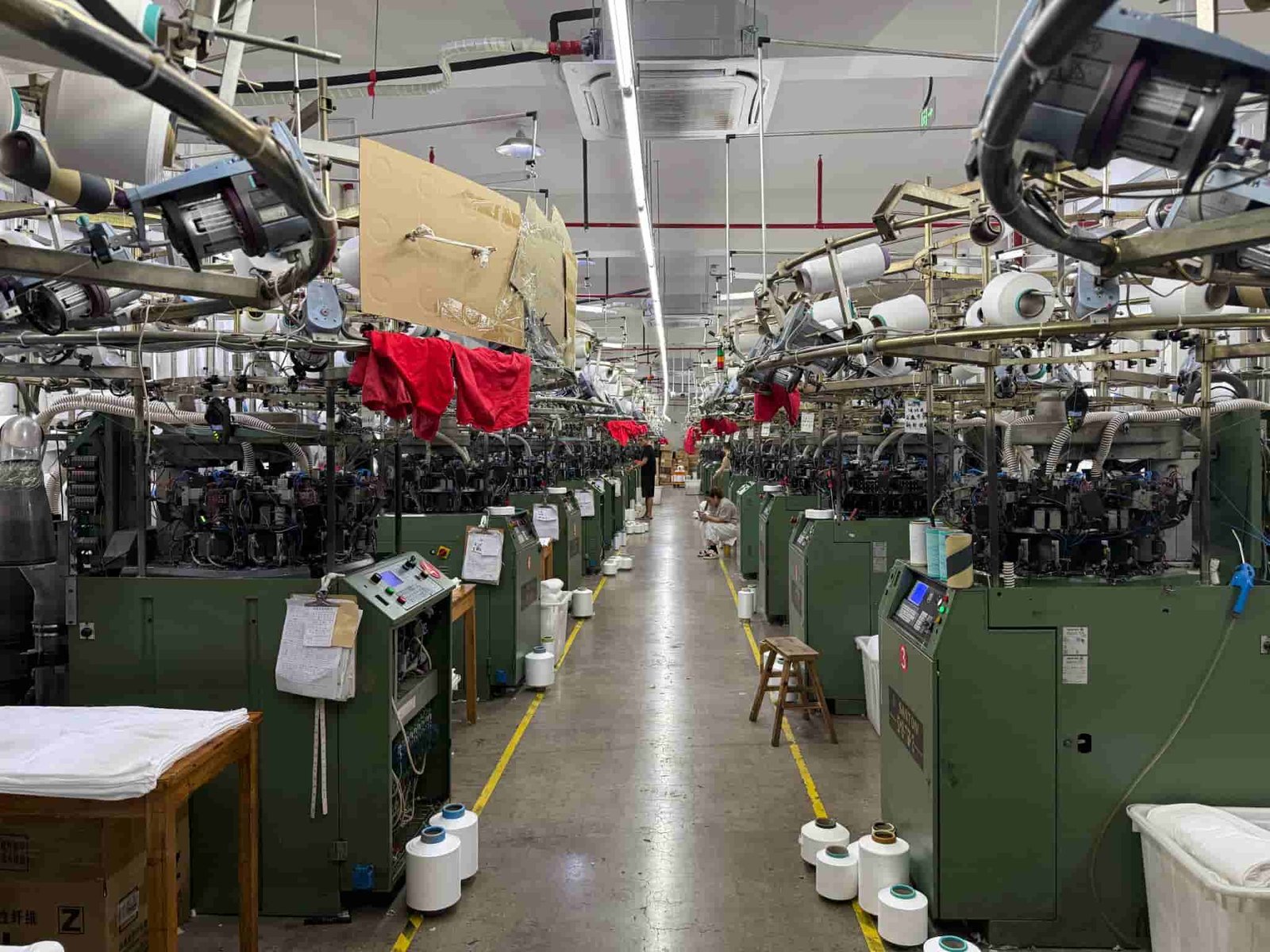
Santoni Seamless Machines
Twenty-eight Italian Santoni machines support cylindrical engineered knit products using controlled yarn, programs, regional structure, sizing, and finishing.
Equipment fact: 28 Italian Santoni machines
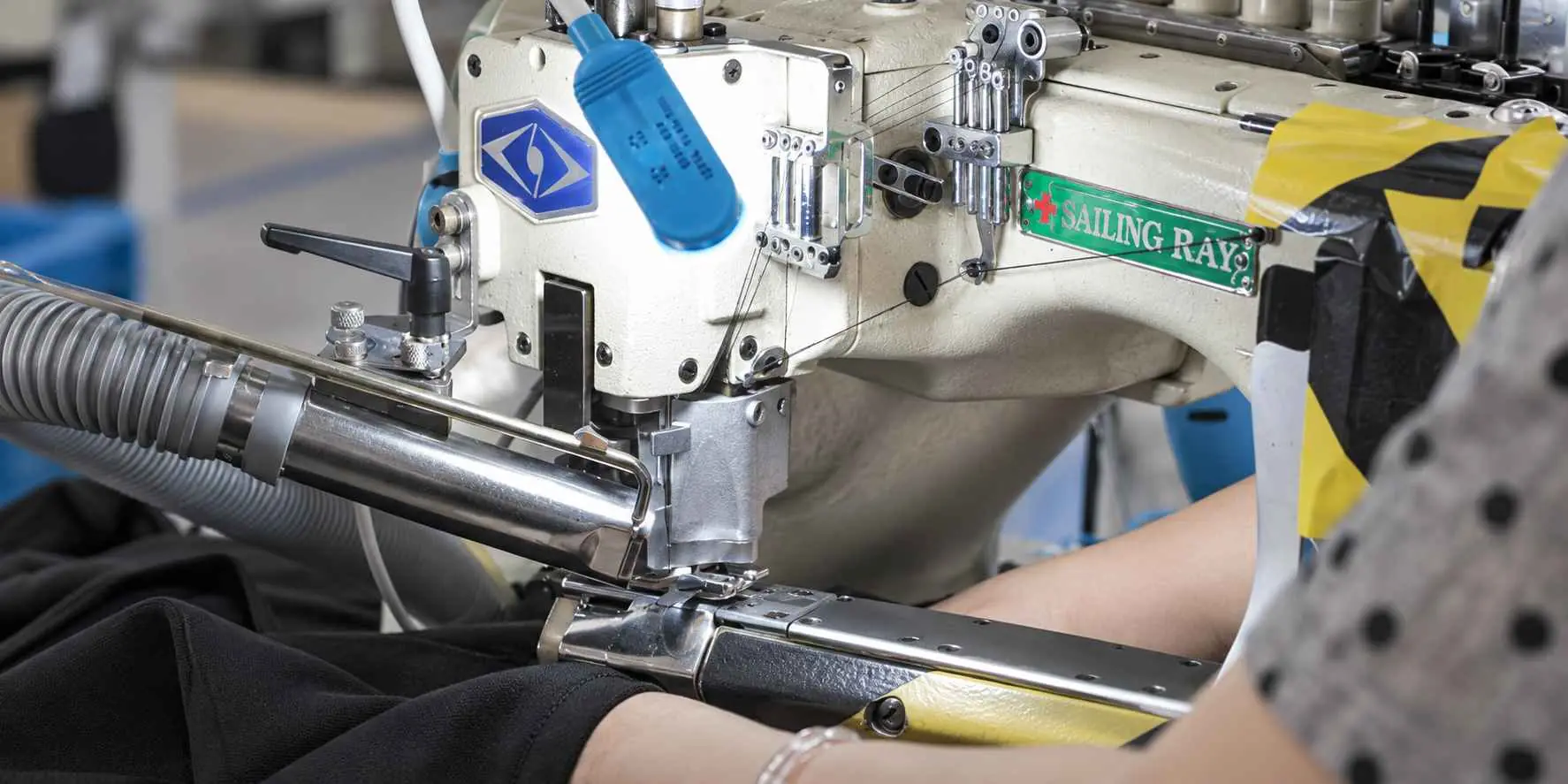
Single Needle
Industrial single-needle machines support selected straight-seam construction, attachments, labels, pockets, and structural details.
Equipment fact: Approx. 5 machines
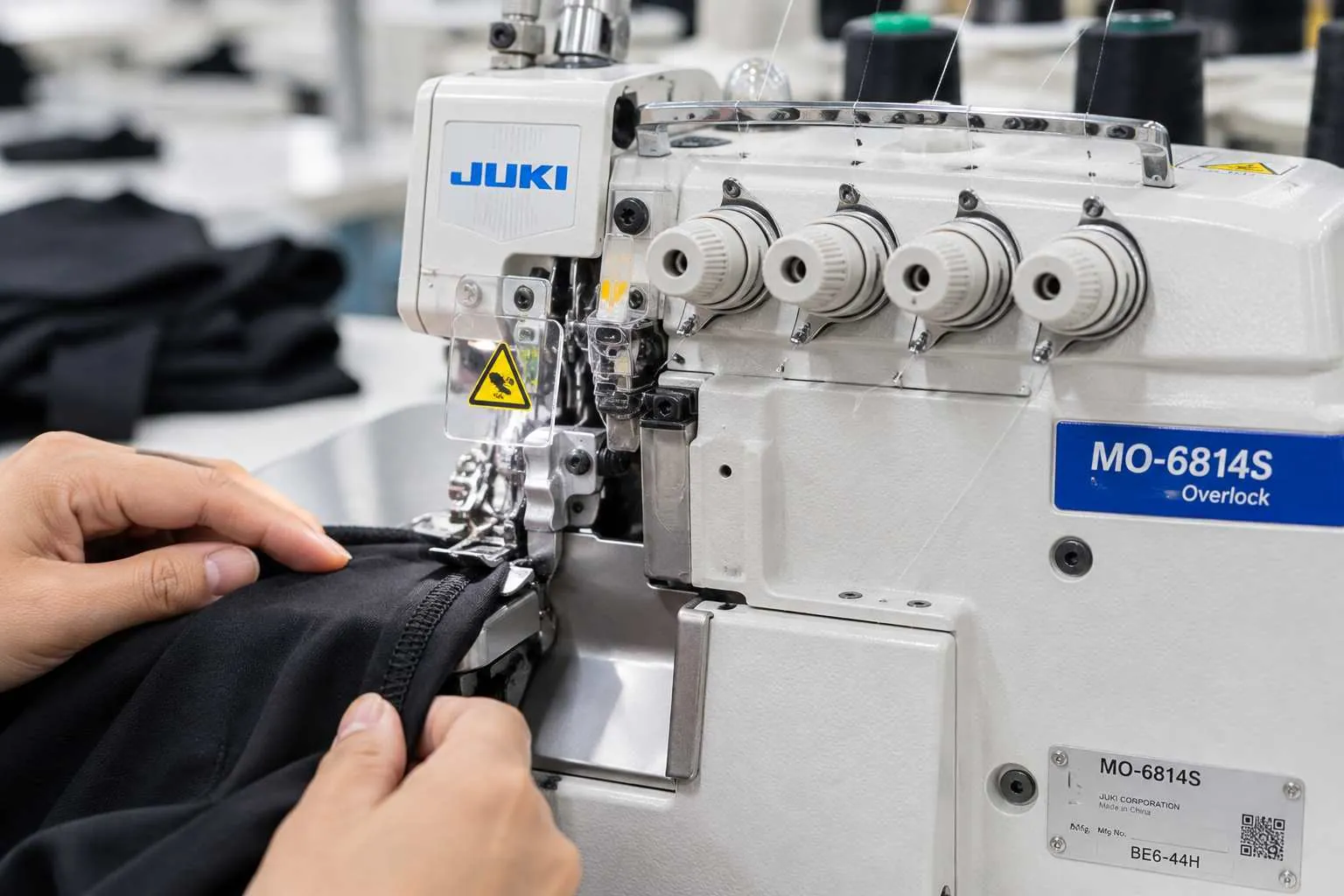
Overlock Machines
Industrial overlock machines support common stretch-garment assembly and edge control.
Equipment fact: Approx. 6 machines
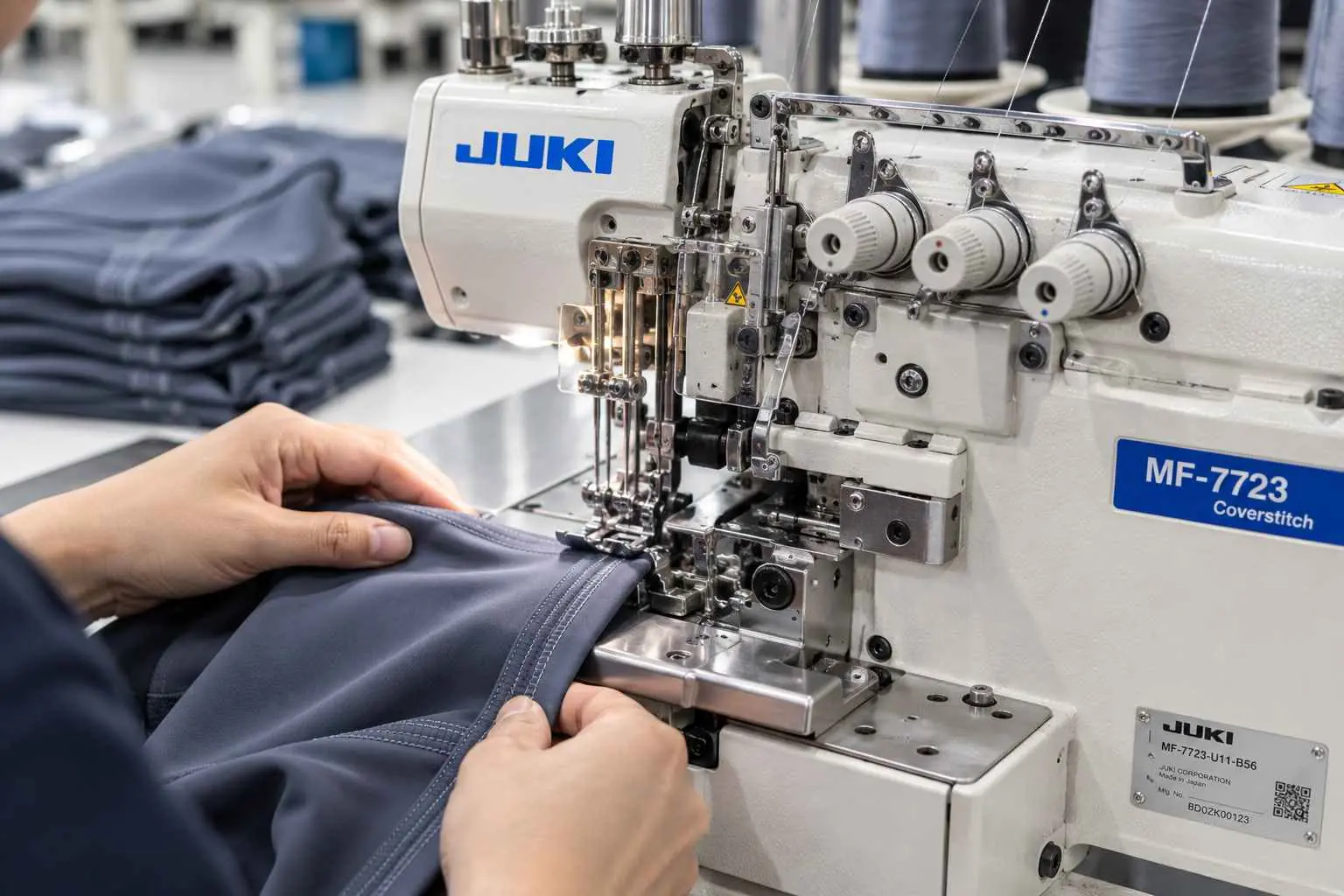
Coverstitch Machines
Coverstitch machines support hems, sleeves, neck areas, waistband-related finishing, and selected elastic edges.
Equipment fact: Approx. 5 machines
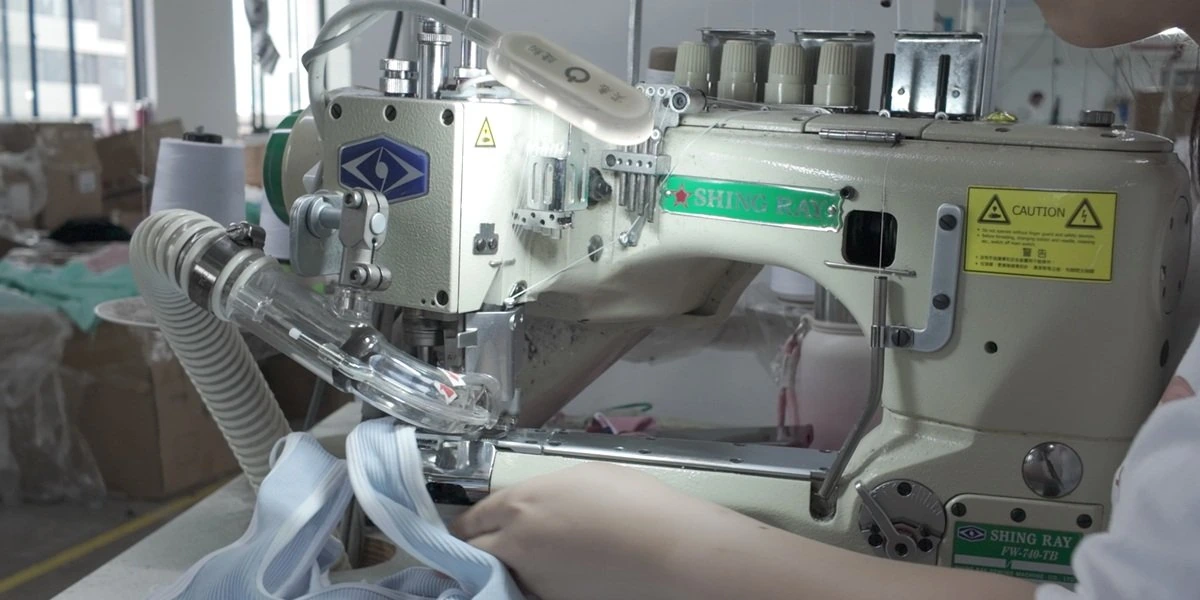
Flatlock Machines
Flatlock or flatseam machines support selected seams in leggings, sports bras, tops, and fitted activewear.
Equipment fact: Approx. 6 machines
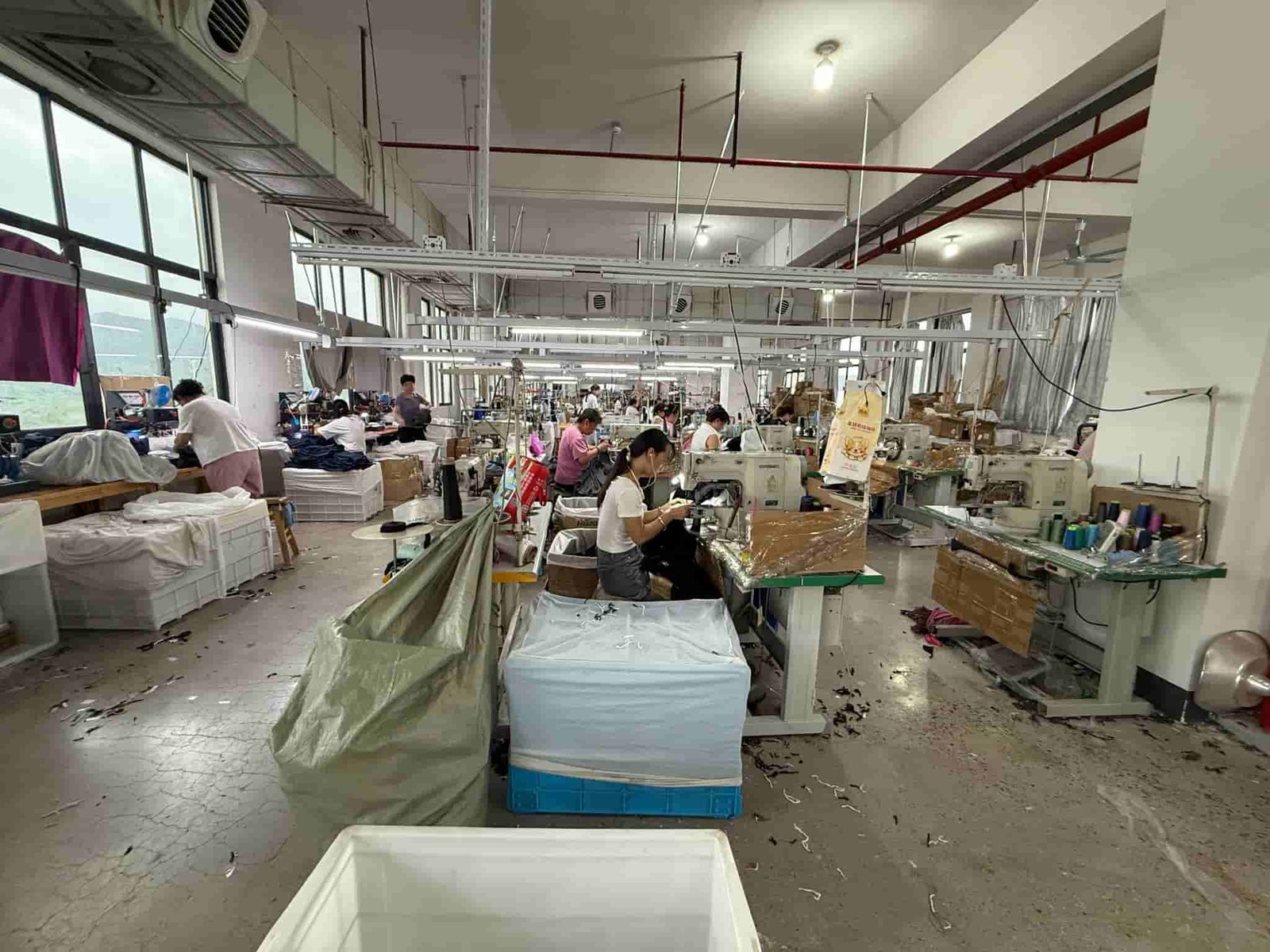
Auxiliary Equipment
Additional specialist sewing equipment completes the documented total of approximately 24 primary garment-production machines.
Equipment fact: Approx. 2 machines
Transparent Activewear Production Across a Controlled Supply Network
MOVEVOX combines an owned Yiwu core manufacturing base, eight long-term satellite factories, and selected specialist suppliers. The purpose is controlled capacity and technical coverage without presenting every external production resource as fully owned.
MOVEVOX Core Control
The Yiwu core base functions as the technical, sample, core-production, quality-control, and standard-setting center.
- Current technical requirements
- Approved physical sample
- Material standards
- Production expectations
- Quality requirements
- Packing instructions
- Buyer communication
Controlled Supply Resources
Eight long-term satellite factories can provide additional Seamless, Cut & Sew, finishing, or production capacity where appropriate. Site use should follow the buyer’s approved-factory or disclosure requirements.
- Yarn Supply: Seamless yarns, standard colors and project-specific yarn requirements.
- Fabric Supply: Activewear fabrics, custom colors, finishes and project specifications.
- Branding Resources: Heat transfer, silicone, printing, embroidery and labels.
- Packaging Supply: Hangtags, bags, stickers, cartons and related components.
- Logistics Support: Shipment preparation and coordination with agreed logistics resources.

Production-Site Transparency
MOVEVOX remains the customer-facing responsibility point for communicating current technical requirements, approved samples, materials, production standards, QC expectations, packing instructions, and delivery status.
External production or specialist resources are not authorized to independently change approved materials or technical requirements. Where a buyer requires approved-site production or disclosure of subcontracting, actual production-site allocation should follow the buyer’s written sourcing conditions and change-approval rules.
Control Activewear Quality Through Defined Production Risks
Activewear quality problems often begin with specification, material, measurement, version, branding, or packing differences. MOVEVOX links each risk to an inspection or approval point rather than relying only on final garment inspection.
Specification Drift
Approved measurements, construction, materials, branding, or packing information can be replaced by outdated versions if product changes are not clearly frozen before production.
MOVEVOX Control: Current Tech Packs, approved samples, material requirements, branding, and packing instructions are confirmed before production and used as references for subsequent quality gates.
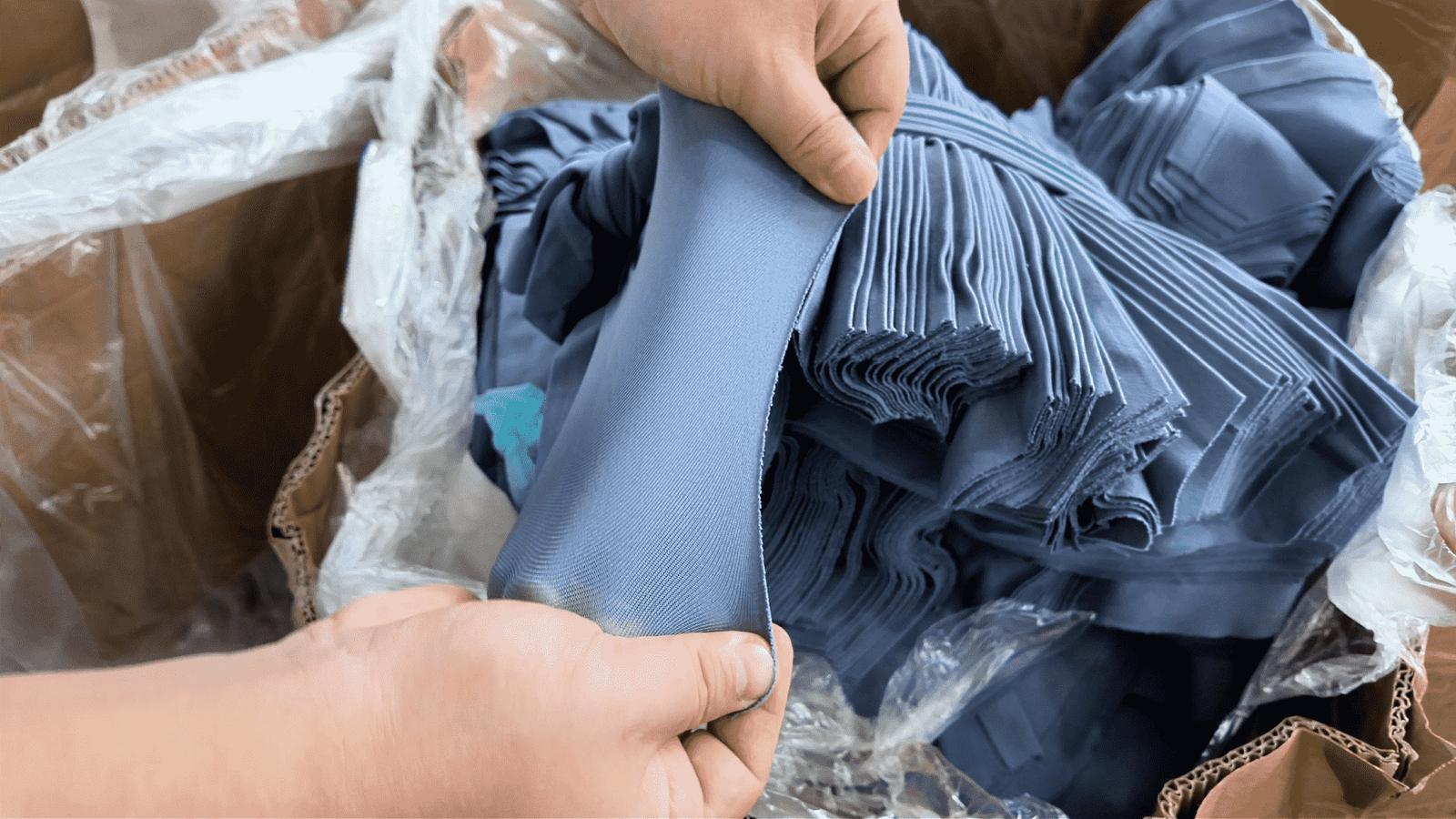
Material Variation
Different material lots may vary in color, GSM, handfeel, shrinkage, elasticity, opacity, or surface characteristics.
MOVEVOX Control: Incoming material checks can cover relevant composition, color, GSM, shrinkage, elasticity, opacity, and physical comparison before unrestricted use.
Production Deviation
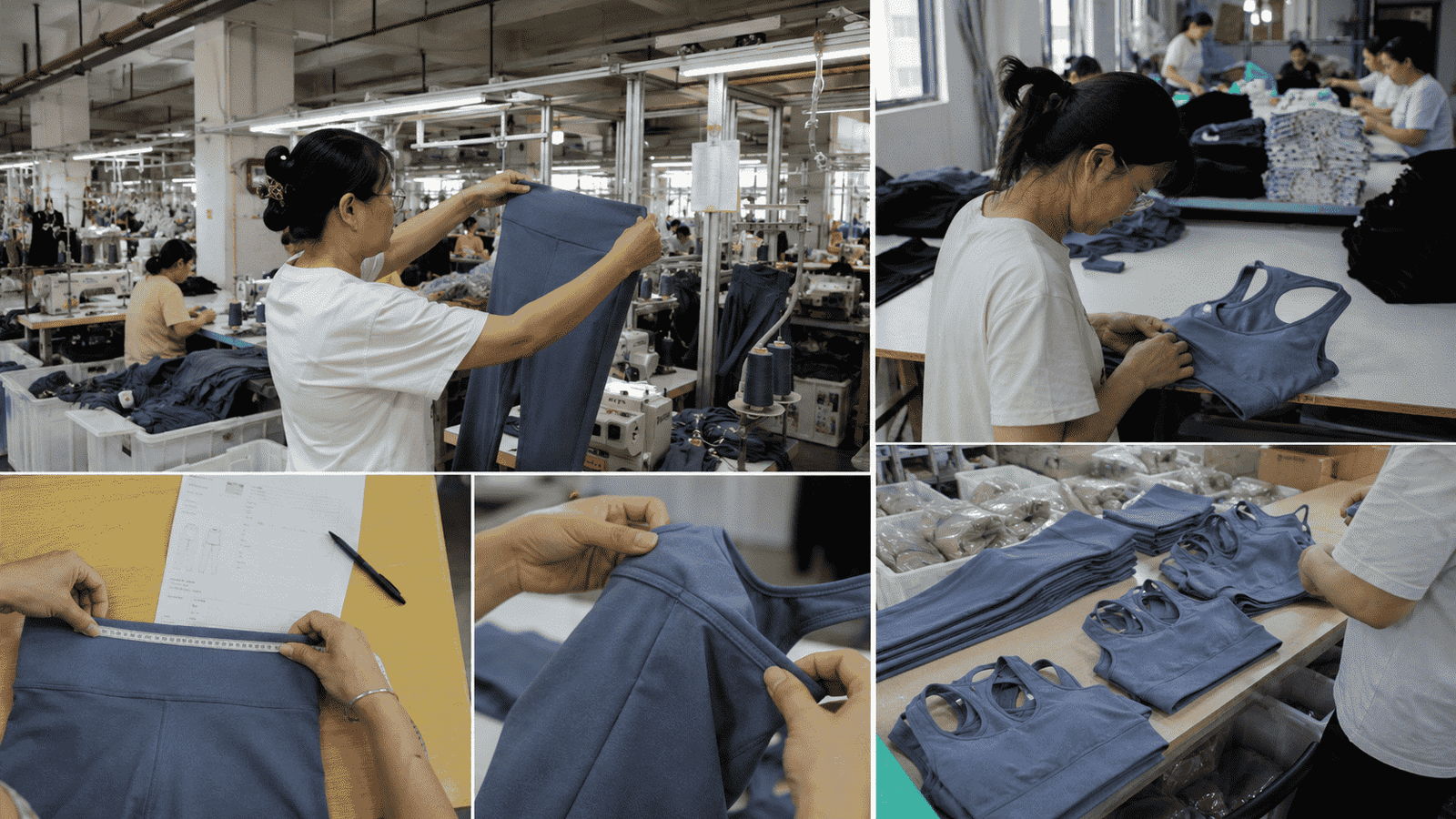
The first production output can expose stitching, measurement, construction, logo, or finishing differences that were not visible during planning.
MOVEVOX Control: Pre-production review and first-article inspection establish an early production checkpoint before normal output continues, followed by in-line inspection during manufacturing.
Measurement Variation
Stretch garments can appear visually acceptable while measurements fall outside the buyer’s specification or agreed production tolerance.
MOVEVOX Control: Finished-garment measurement uses the current specification and approved reference, with nonconforming goods held for correction, rework, remake, or re-inspection as applicable.
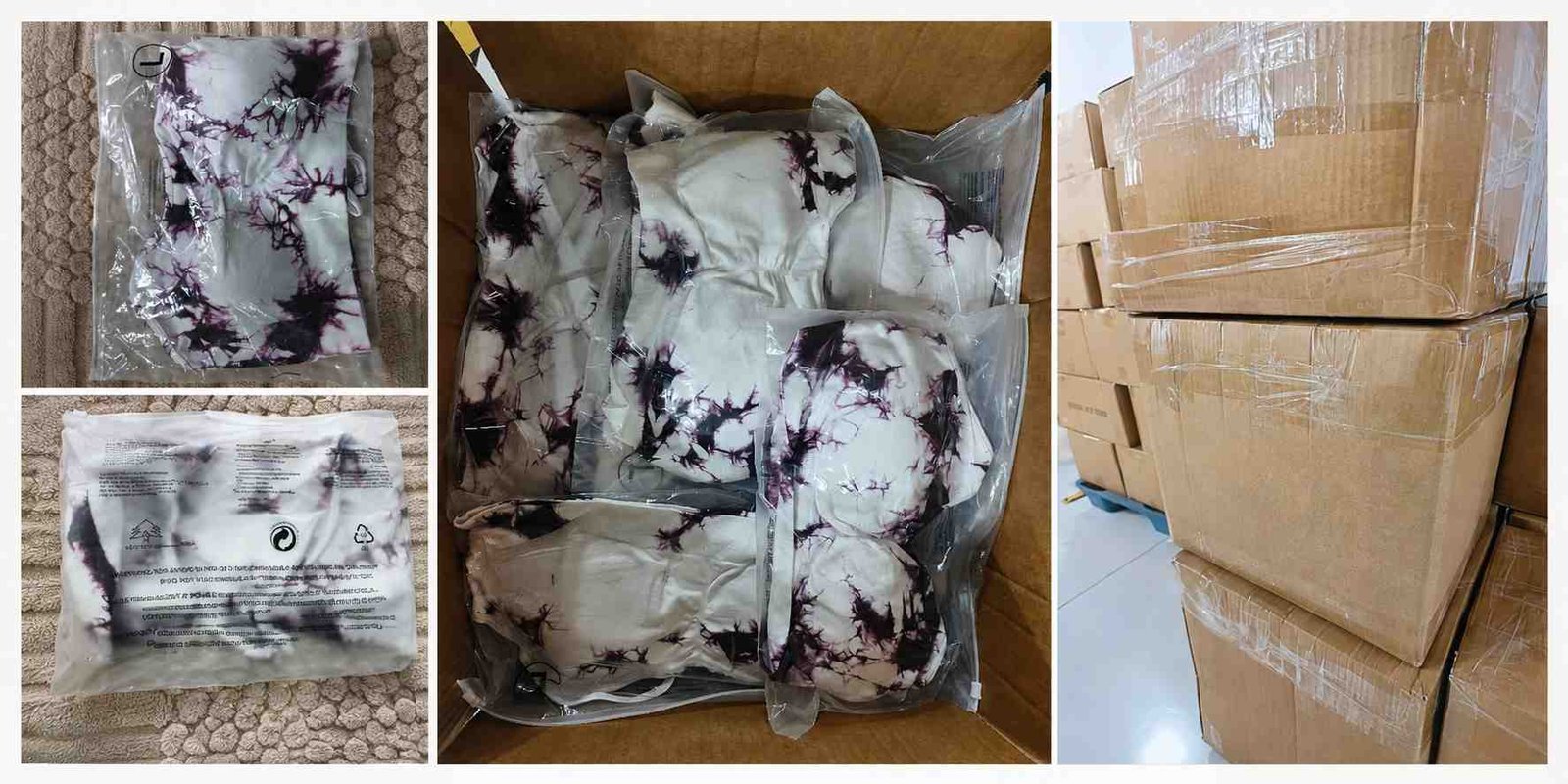
Packing Mismatch
A correct garment can still become commercially unusable when the wrong size label, barcode, SKU, QR code, bag, assortment, quantity, or carton information is applied.
MOVEVOX Control: Packing inspection verifies applicable size, color, labels, stickers, SKU or barcode information, packing ratio, carton marks, quantities, and purchase-order requirements before shipment release.
Understand Activewear Compliance Evidence Within Its Actual Scope
MOVEVOX follows a real-evidence-first approach to compliance information. A certificate, test report, supplier document, or material claim should remain connected to the actual holder, submitted sample, test method, date, production scope, and validity that the supporting evidence can verify.
RoHS Test Scope
MOVEVOX currently has 2025 RoHS documentation relating to a specific submitted sample described as black fitness yoga leggings.
Applicability: Specific tested black fitness yoga-legging sample and reported test items.
MOVEVOX Response: Present the original certificate and report with the tested sample and scope clearly identified.
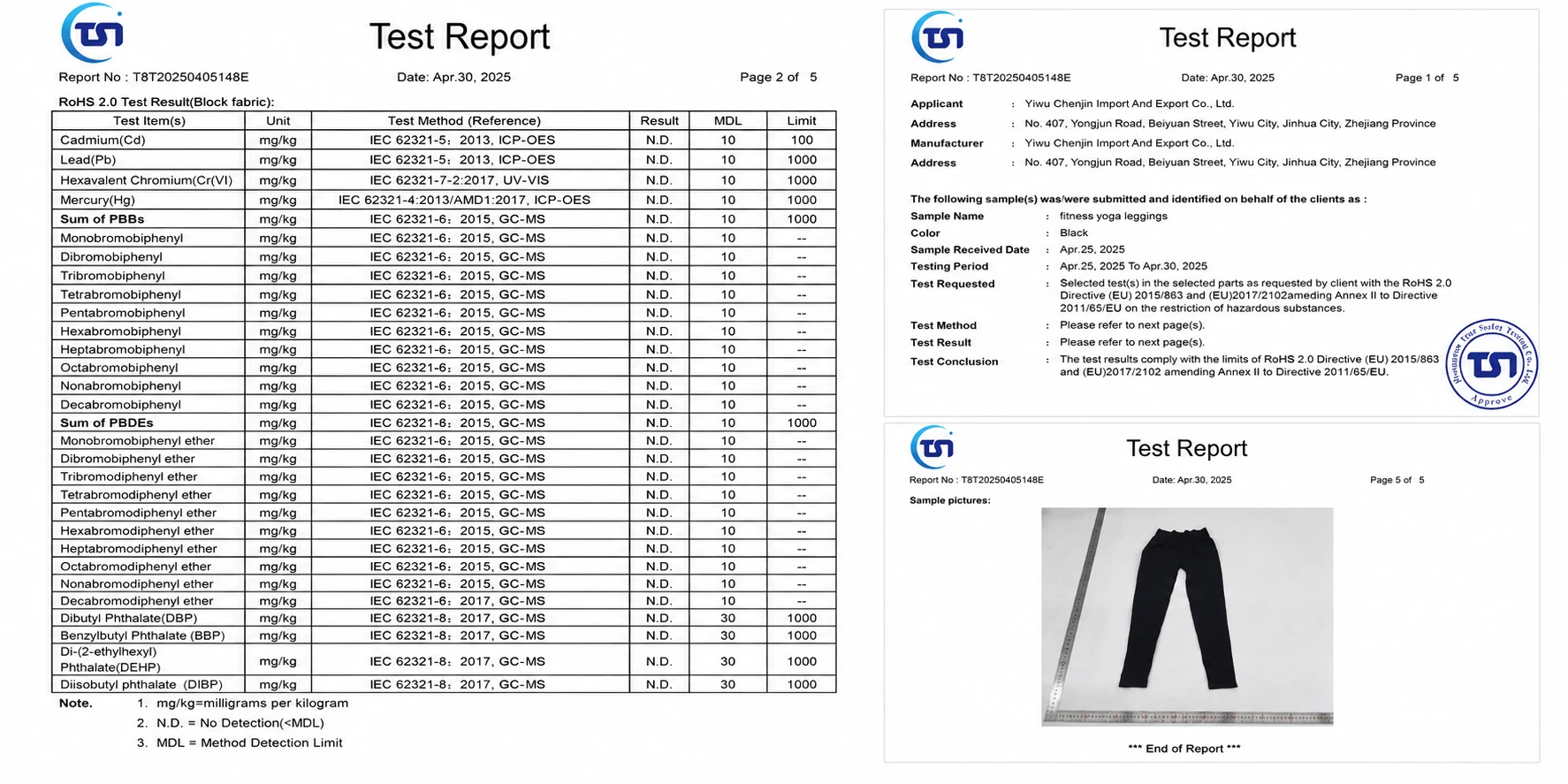
Evidence Scope Control
The available RoHS certificate and report support only the sample and test scope stated in those documents. They should not be described as permanent company-wide or all-product certification.
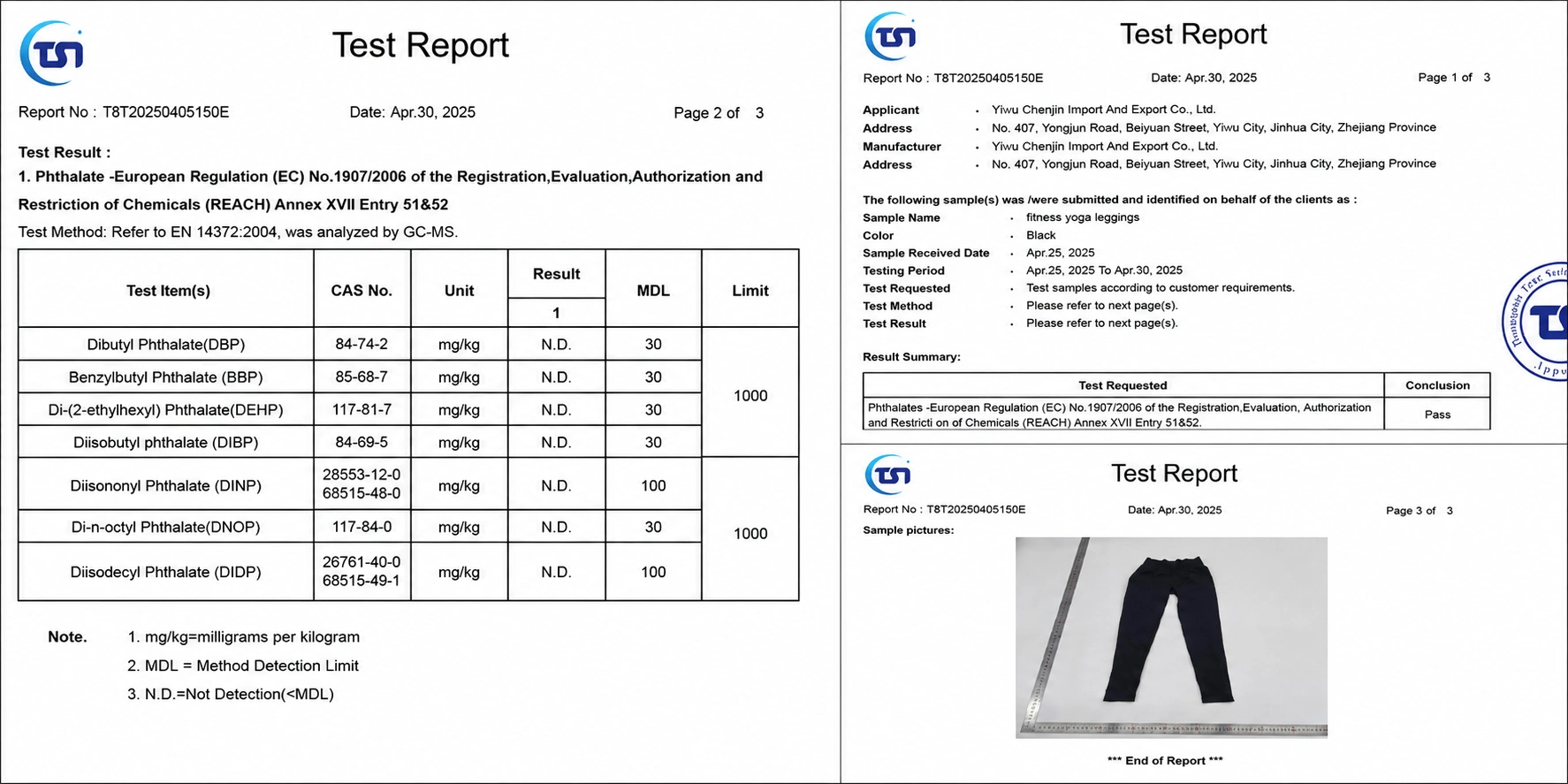
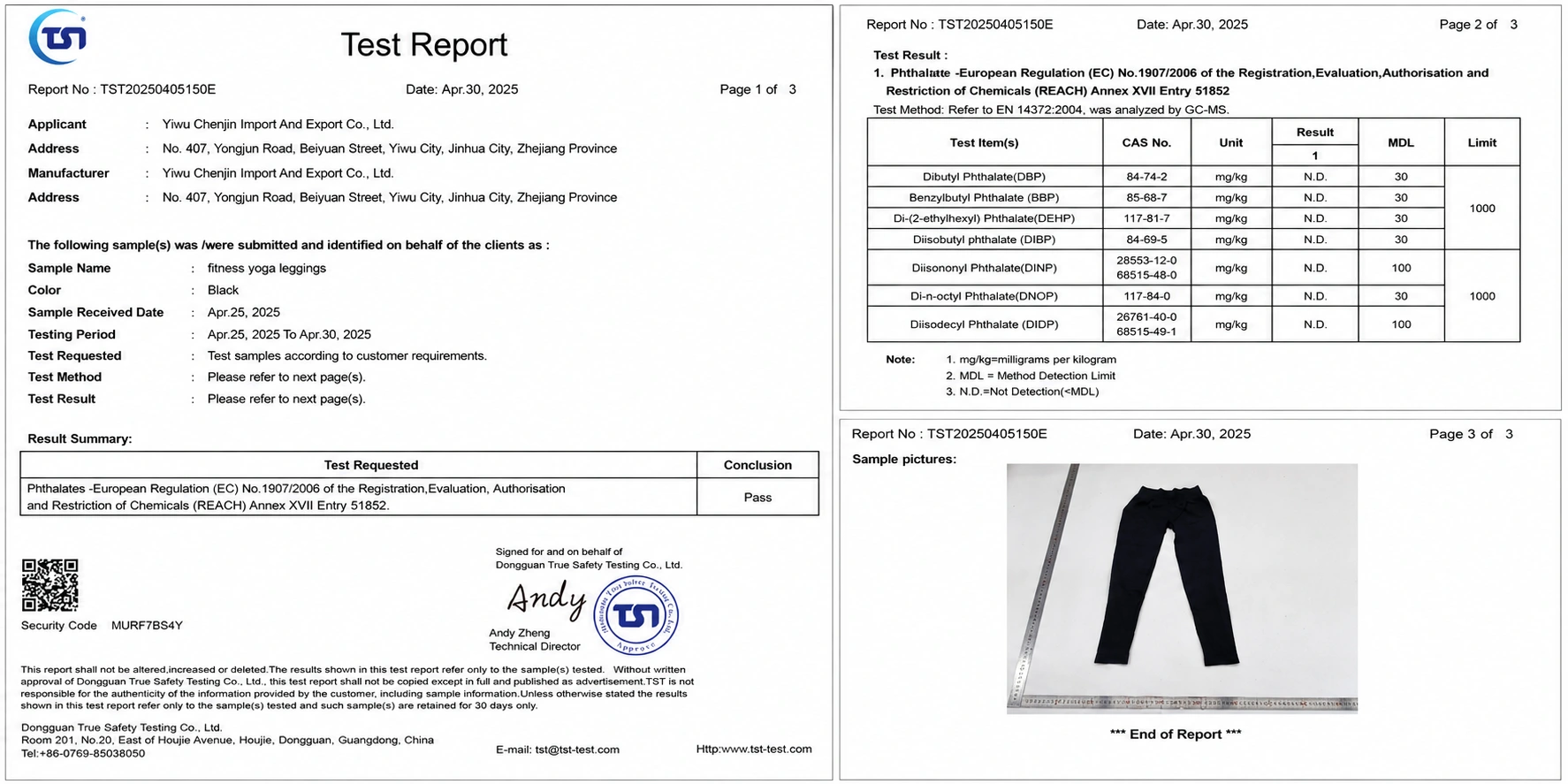
REACH Phthalates Scope
The available 2025 test report covers a submitted black fabric sample against the stated REACH Annex XVII Entry 51 and Entry 52 phthalates requirements.
Applicability: Tested black fabric sample and reported Annex XVII phthalates scope.
MOVEVOX Response: Keep the result linked to the tested material rather than expanding it into a company-wide claim.
Buyer RSL Testing
Large brands may operate their own Restricted Substances List, product-testing matrix, approved laboratory requirements, or destination-market compliance process.
MOVEVOX Response: Review required standards before production and cooperate with buyer-appointed or appropriate testing resources where agreed.
Material Certification Scope
MOVEVOX can source recycled or other certified materials where valid supplier documentation is available. A supplier certificate should not be relabeled as a MOVEVOX factory certification.
MOVEVOX Response: Validate supporting documentation before using recycled or other certification-related claims.
Prepare MOVEVOX for Your Vendor Qualification Process
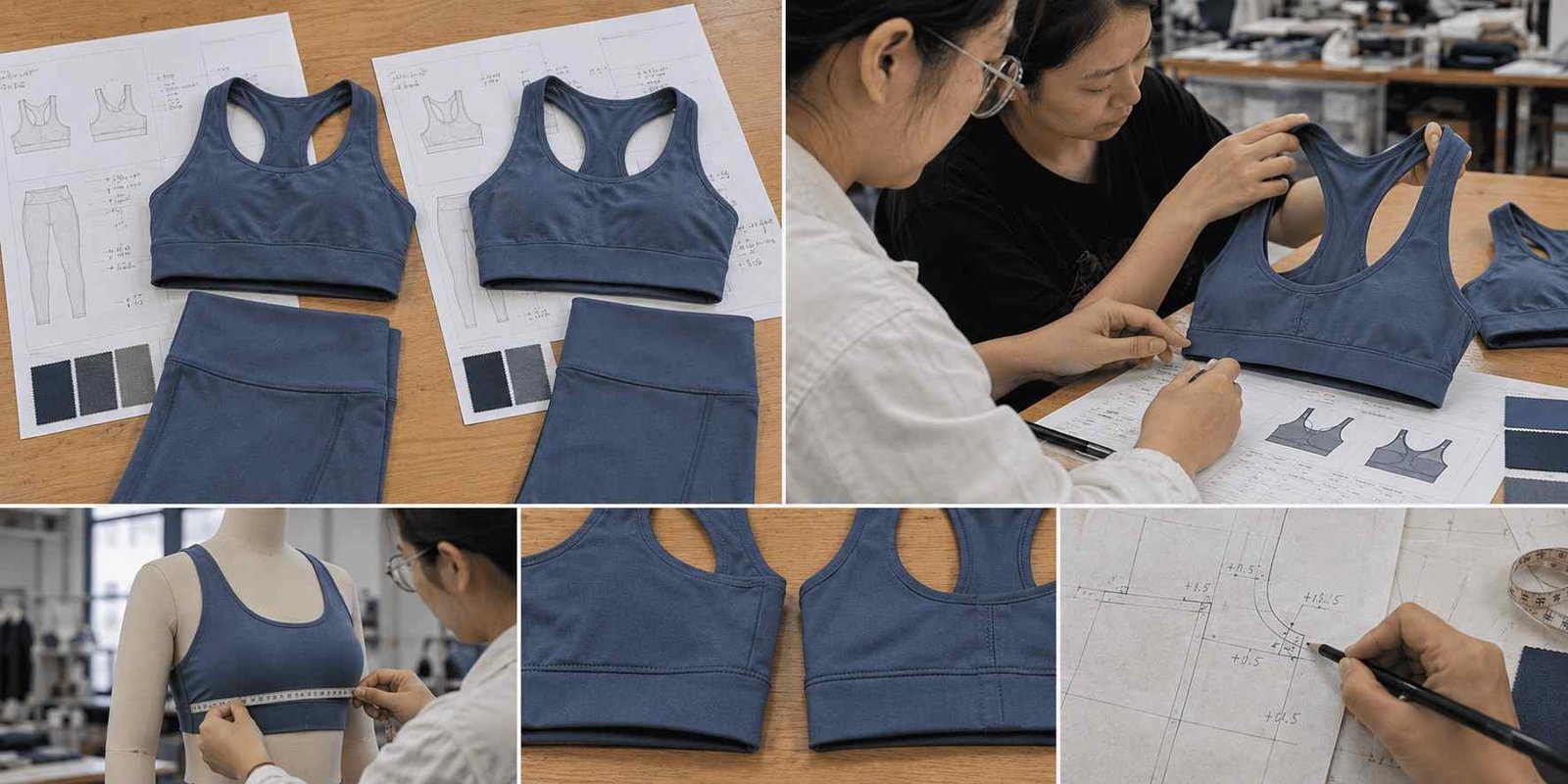
MOVEVOX supports customer factory visits, technical audits, live video verification, pre-production visits, inline inspection, and pre-shipment inspection.
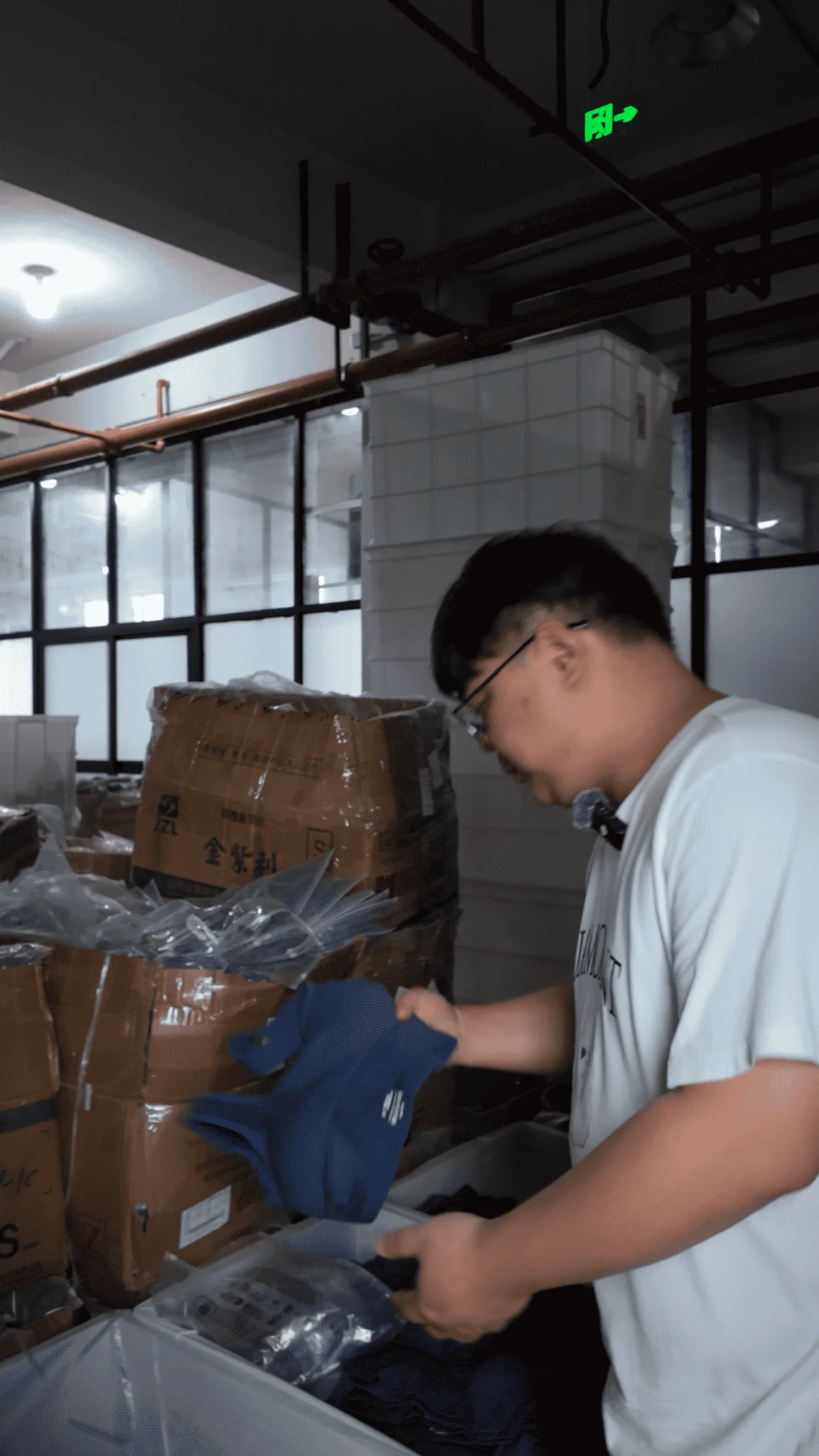
Factory Access
MOVEVOX supports scheduled customer factory visits to review relevant manufacturing equipment, production activity, sample development, quality, packing, and agreed operational areas.
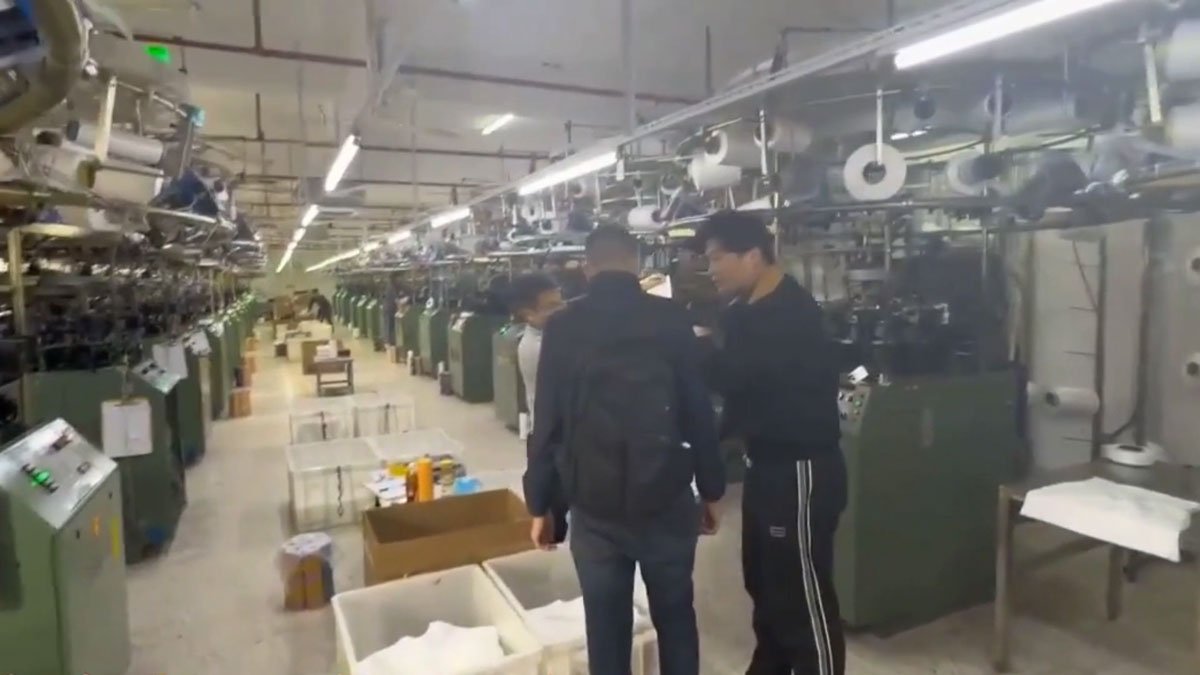
Technical Review
Buyer technical or sourcing teams can review relevant manufacturing, production-control, quality, and traceability requirements within an agreed audit or supplier-qualification scope.
Verification & Inspection
Live factory video review can provide remote visibility, and MOVEVOX can cooperate with buyer-appointed inspection providers for applicable inline, pre-shipment, or project-specific inspections.
From Product Revision to Controlled Bulk Execution
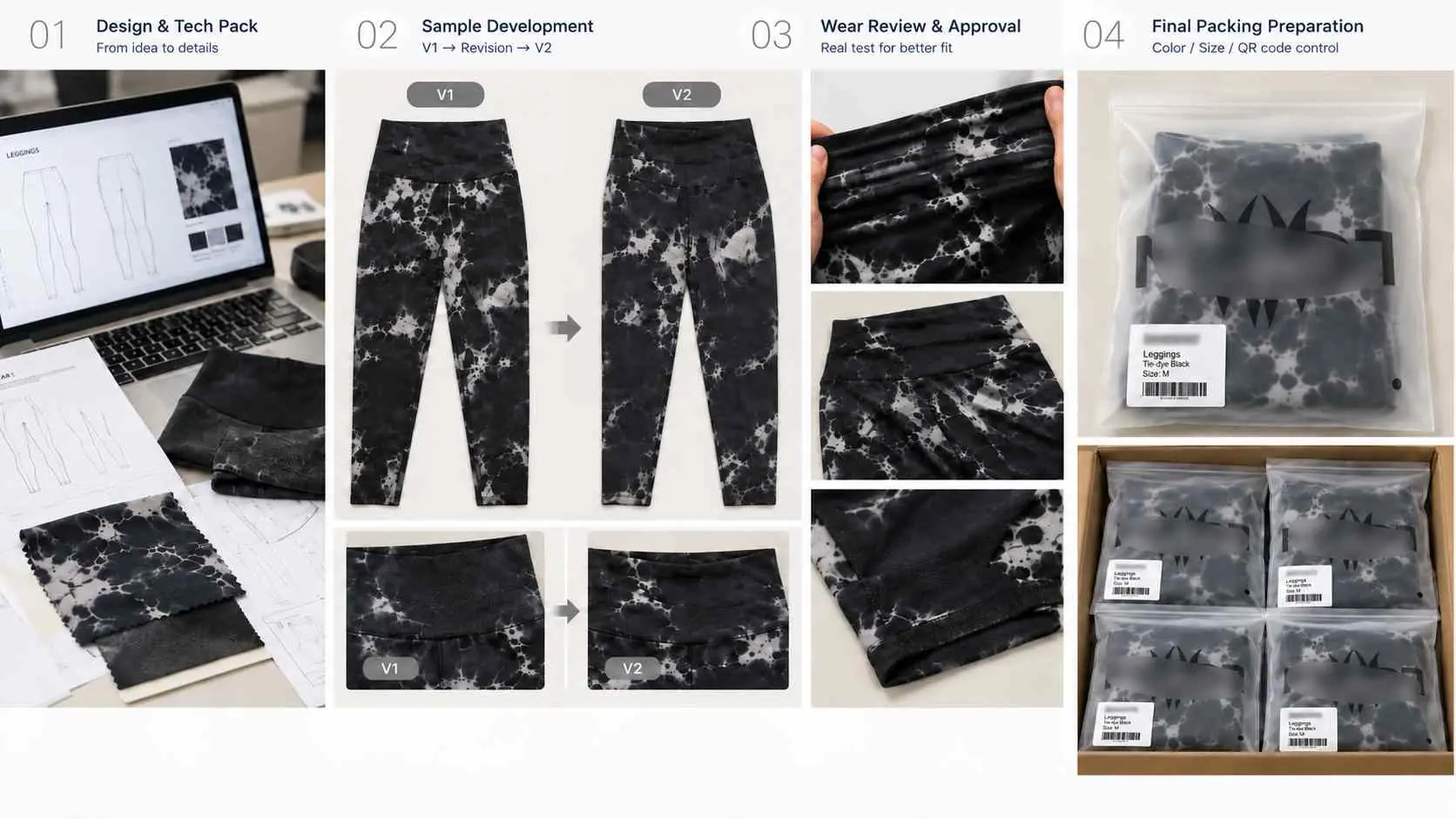
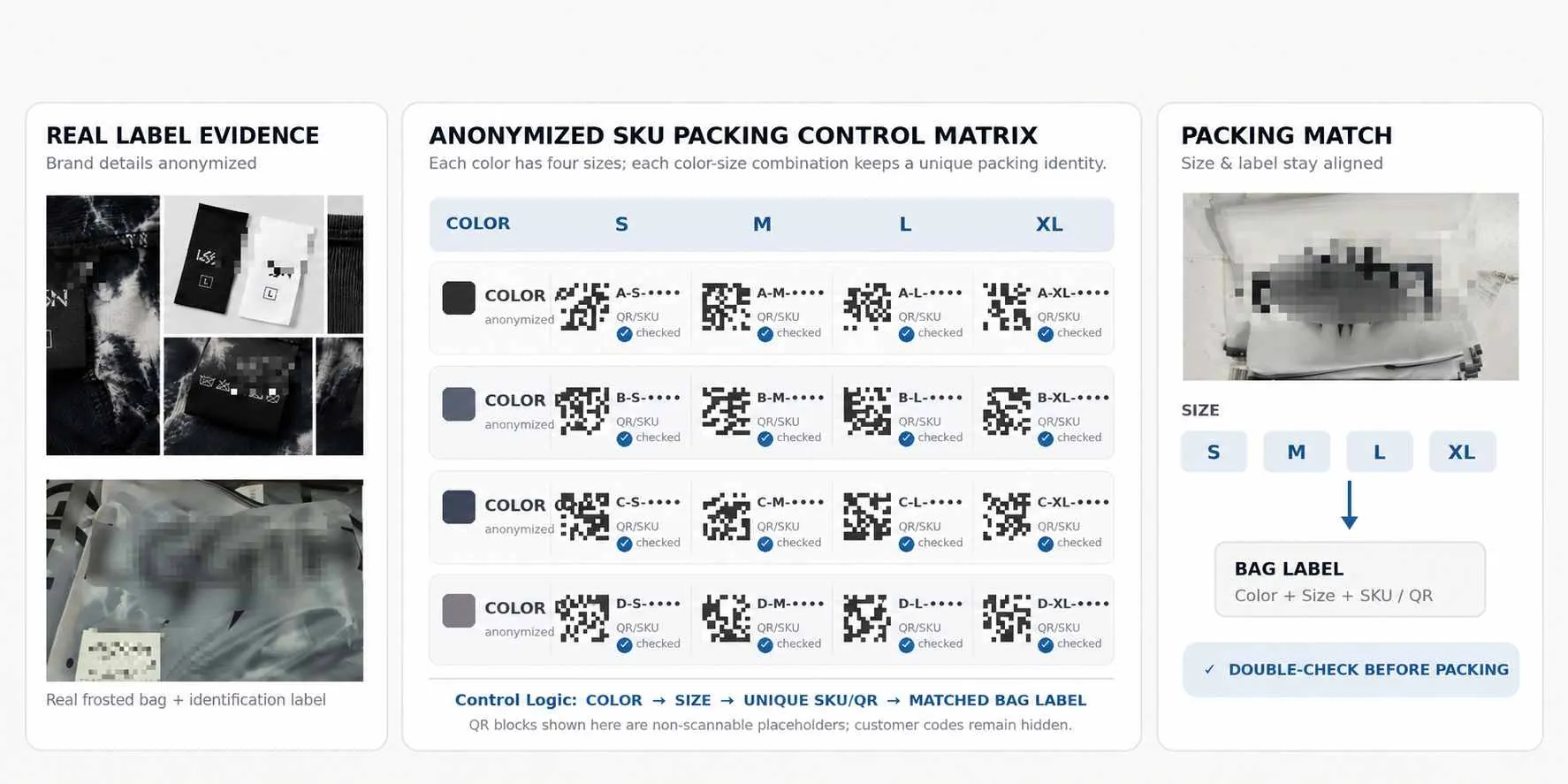
An anonymized U.S. fitness customer began with its own Tech Pack, moved through two product-development versions and additional user-testing samples, then entered a customized commercial program requiring branding, packaging, instructions, and detailed color-size QR identification.
01 — Product Direction
Before: The first physical sample revealed product-design details that did not fully satisfy the intended real-use scenario.
After: MOVEVOX revised the product and produced a second development version closer to the required direction.
02 — Product Validation
Before: One development sample was not sufficient for the customer to validate the product with its intended fitness audience.
After: Approximately 5–10 additional samples were produced for the customer’s own user testing before bulk commitment.
03 — Brand Execution
Before: Early development focused primarily on garment design, materials, fit, construction, and revisions.
After: The commercial program added logo, labels, care information, customized packaging, printed instructions, and other private-label elements.
04 — SKU Identification
Before: Different colors and four sizes per color created packing risk because each QR identification had to match the garment.
After: MOVEVOX used color-and-size-level double confirmation during QC and packing.

How One Activewear Program Expanded After Initial Validation
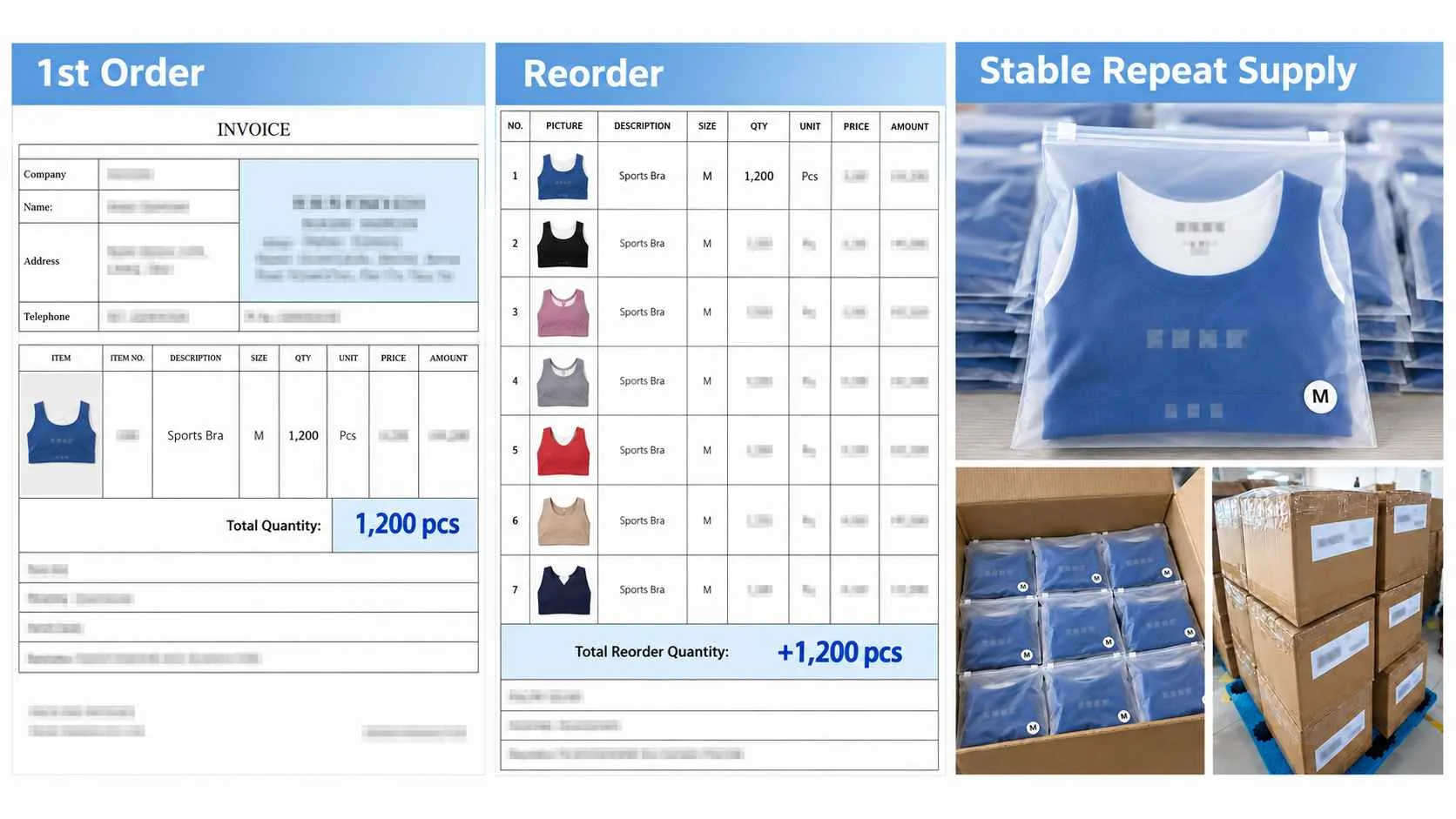
An anonymized Spanish customer moved from physical sample evaluation into customized bulk production, placed a repeat order before receiving the first shipment, developed ongoing purchasing frequency, and later required a temporary increase in production allocation.
1,200 Pieces
First customized bulk order after sample evaluation and private-label requirements were confirmed.
+1,200 Repeat
A further 1,200-piece order was placed during the following week, before the customer had received the first bulk shipment.
~2 Monthly Orders
The relationship later developed into approximately two orders per month during the ongoing cooperation period.
~3× Demand
One recorded May order required approximately three times the customer’s normal volume.
~1,500 Per Color
Selected customer products were later held at approximately 1,500 pieces per color as buffer inventory.
Project Response
The relationship began with stock-sample evaluation, followed by customization of the care label, hangtag, packaging, and logo. MOVEVOX recommended a silicone logo and matte zipper bag for the first program.
The recorded first 1,200-piece bulk order was completed within 15 days and shipped using a combination of air and sea transport. When a later demand spike increased the normal quantity by approximately three times, MOVEVOX temporarily added production-line capacity and completed the order within the required schedule.
Selected styles were later kept as buffer inventory to improve responsiveness to unusual demand.