
Private Label Sportswear Manufacturer for Brand-Owned Product Programs
MOVEVOX supports established sportswear and activewear brands with product development, Seamless and Cut & Sew manufacturing, private-label execution, structured sampling and controlled bulk production—helping buyers move from their own product and brand requirements to approved, retail-ready garments through one accountable manufacturing and supply-chain interface.
Start With Your Tech Pack
For brands with defined technical specifications, MOVEVOX can review the current Tech Pack, measurements, materials, construction, artwork and packaging requirements before sampling. Open technical or commercial points are identified before the product is released into development or bulk production.
- Customer specifications remain the primary product reference.
- Seamless and Cut & Sew routes are available.
- Standard samples typically require 5–10 working days.
Review Your Private Label System
For brands still organizing product and brand execution, MOVEVOX can review the product, fabric, fit, logo, labels, hangtags, packaging and order structure together. The objective is to establish what must be developed, approved and controlled before the first retail-ready bulk order.
- Product and brand elements are developed together.
- Base custom MOQ depends on manufacturing route.
- Packaging and branding may have separate minimums.
Build the Product and Brand as One System
Private label at MOVEVOX is not limited to adding a logo to a standard garment. Product, material, fit, branding, labels and packaging are reviewed as connected approval elements.
Product
The starting product may come from a complete or incomplete Tech Pack, a legal reference sample, a sketch, an image or a sufficiently defined product concept. MOVEVOX reviews the manufacturing route, measurements, construction and open development points before sampling. Products remain subject to actual capability and manufacturability review; “customizable” does not mean every requested construction is automatically confirmed.
Buyer Inputs: Tech Pack, reference, product brief, quantity.
Possible Impact: Development work, sampling requirement, MOQ and lead time.
Fabric & Color
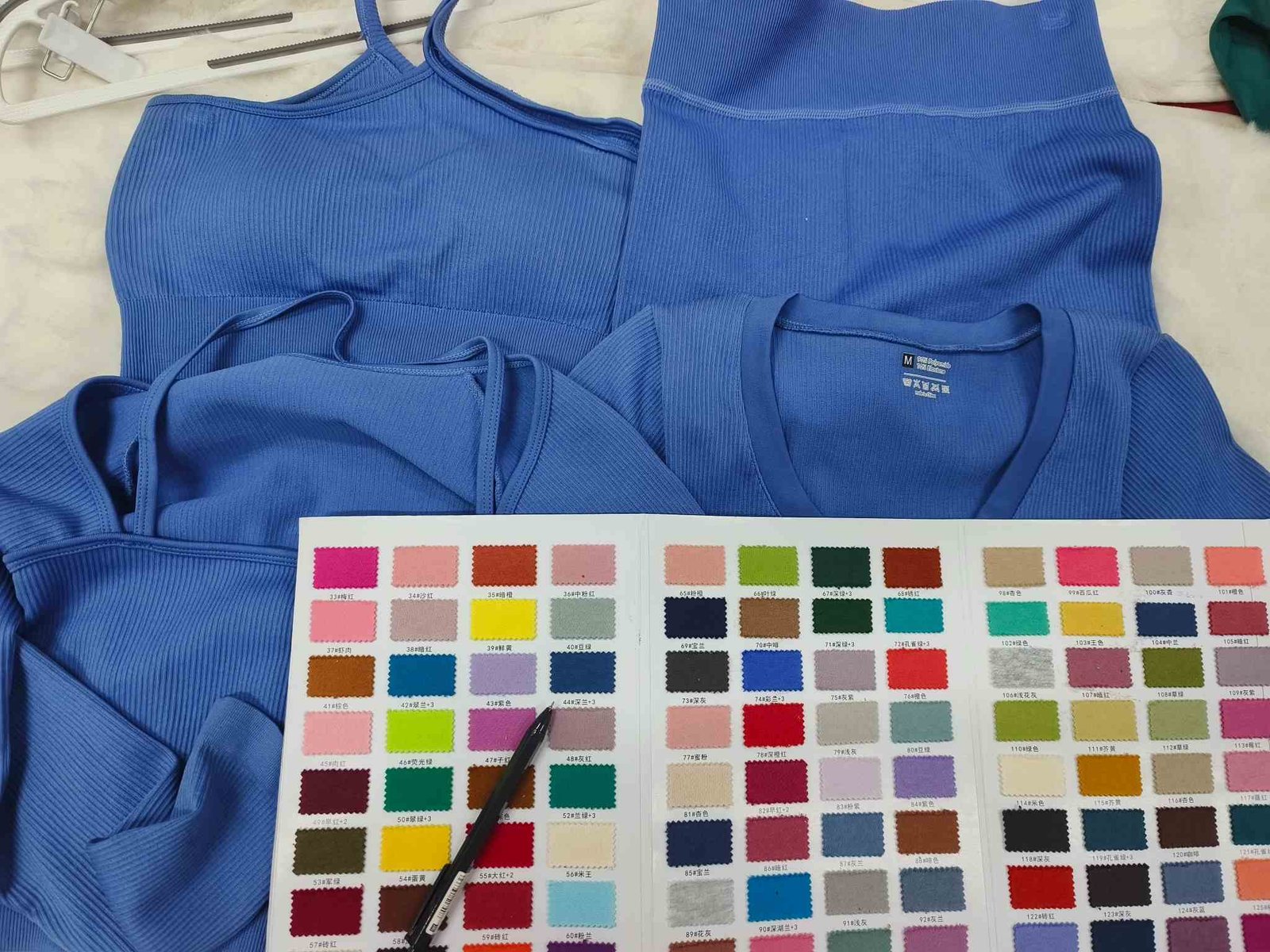
Material can be reviewed around fiber composition, GSM, hand feel, stretch, recovery, opacity, structure, finishing and the intended product. Pantone can define the color target, while Lab Dip or an approved physical reference may be needed for bulk control. Custom color requirements can create separate dye-lot minimums that are different from the garment MOQ.
Buyer Inputs: Fabric requirement, swatch, Pantone or physical standard.
Possible Impact: Material MOQ, dye lot, sample timing and bulk schedule.
Fit & Construction
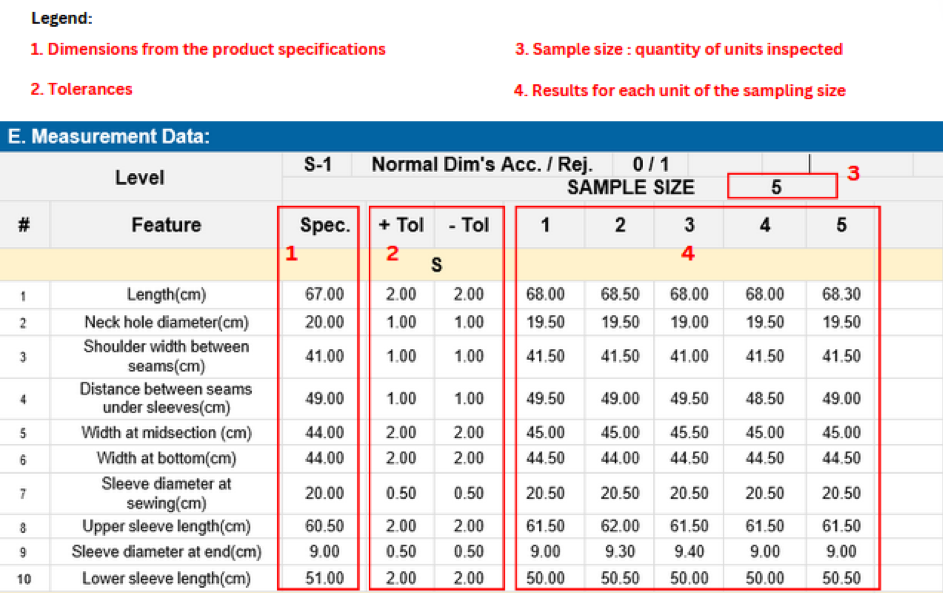
MOVEVOX can work from the buyer’s measurement chart, POM definitions, tolerance and fit requirements. Cut & Sew products may require pattern development or adjustment, while Seamless products also depend on yarn, machine diameter and programmed knitted structure. Construction must be confirmed through the relevant sample and approval process before it becomes a bulk-production standard.
Buyer Inputs: Measurements, fit comments, construction details.
Possible Impact: Revision rounds, sample type and production route.
Logo
Confirmed common branding routes include screen print, heat transfer, silicone printing and embroidery. Logo artwork, dimensions, colors, placement and garment material should be reviewed together because one application method is not equally suitable for every fabric or product structure. Durability or wash-life claims require actual project evidence rather than generic promises.
Buyer Inputs: Vector artwork, size, color, position.
Possible Impact: Sample approval, tooling or supplier MOQ where applicable.
Labels
Private-label execution can include relevant main, size, care or other garment labels according to the project. Customer-provided brand information, composition information and market-specific content must be confirmed before bulk production. MOVEVOX should not invent universal care or legal wording on behalf of the brand.
Buyer Inputs: Artwork, wording, material, dimensions, placement.
Possible Impact: Supplier MOQ, proof approval and production timing.
Hangtags
Hangtags can carry brand identity and applicable retail information. Artwork, paper or material direction, size, attachment method and any SKU, barcode or other data should be confirmed through a controlled proof before bulk. Variable information should remain connected to the correct style, color and size.
Buyer Inputs: Artwork, specifications, variable retail data.
Possible Impact: Printing MOQ, proof timing and SKU control.
Packaging
Packaging can include standard or customized individual bags and other project-specific packing requirements. Polybag dimensions, artwork, product identification, barcode or QR-code zones, inserts and carton requirements should be reviewed against the actual order. Customized packaging often has supplier minimums that are separate from the garment MOQ.
Buyer Inputs: Packaging specification and artwork.
Possible Impact: Packaging MOQ, lead time, cost and packing control.
Choose Logo Processes by Product and Artwork Requirements
Logo execution should be selected against the artwork, garment material, stretch, dimensions, position and intended appearance. MOVEVOX confirms the applicable method through physical development before bulk production.
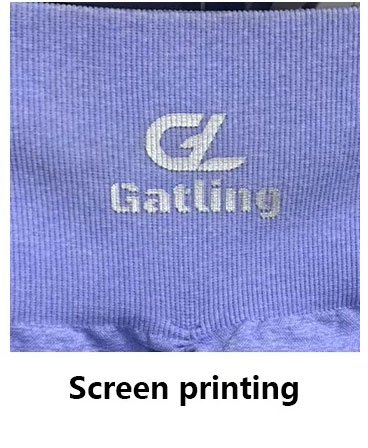
Screen Print
Screen printing can be reviewed for suitable sportswear materials, artwork and garment positions. The project should define logo dimensions, colors and placement before sample approval. The finished result must be evaluated on the actual garment rather than assumed from a digital artwork file.
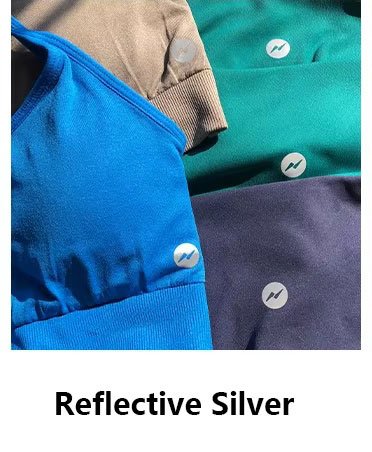
Heat Transfer
Heat transfer can support suitable activewear graphics and logos where the selected transfer material and garment substrate are compatible. Artwork, dimensions, color and placement should be physically approved before bulk. Special performance or wash-durability claims require relevant testing.
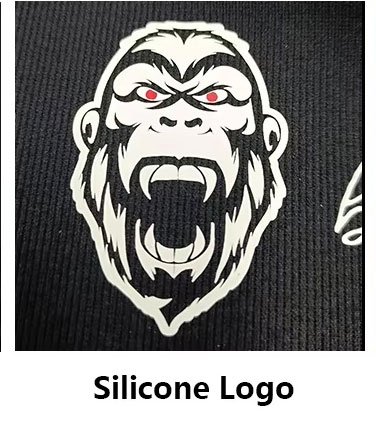
Silicone Print
Silicone printing can be considered when its appearance and raised surface fit the product and branding direction. Material compatibility, logo thickness, dimensions, color and placement should be reviewed during sampling instead of being treated as a universal application.
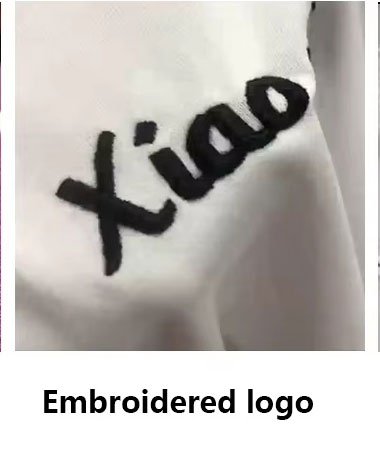
Embroidery
Embroidery is suitable for selected sportswear products where the garment structure and stretch requirements allow it. Stitch density, backing, logo dimensions, placement and the effect on the surrounding material should be checked through the actual sample.
Selection principle: Artwork + Material + Stretch + Position + Size + Required Appearance → Logo Process
Control SKU and Barcode Data Before Retail Packing
For multi-color and multi-size private-label orders, correct garments are not enough. SKU, barcode or QR data must also remain connected to the correct physical product through packing.
SKU Mapping
Create the product-data relationship first: Style → Color → Size → SKU. Each variable product combination should have a defined identifier before barcode, QR-code or other retail data is generated or supplied.
Data Input
The brand provides or approves the applicable SKU, barcode, QR-code or platform data. MOVEVOX should execute customer-controlled information rather than invent retail codes or assume that one code applies to multiple variants.
First Proof
Before bulk printing, the first label or packaging proof should be checked against the product matrix. Text, code, size, color, positioning and artwork version should be confirmed before the variable information enters normal packing production.
Scan Verification
Where scannable codes are used, representative printed codes can be checked against the approved data. A visual match alone does not confirm that a barcode or QR code contains the correct digital information.
Placement Control
The approved label, sticker or package location should be linked to the applicable packing specification. Operators need a clear reference so the correct code is attached to the correct product without informal interpretation.
Packing Reconciliation
Packing checks should compare the physical garment, size/color identification, retail label or code, individual package and carton information. This provides an additional control before the order is released for shipment.
Turn Packaging Into Controlled Retail Execution
Individual packaging protects more than the garment. For private-label programs it can also carry brand identity, product identification and warehouse data that must match the correct SKU.
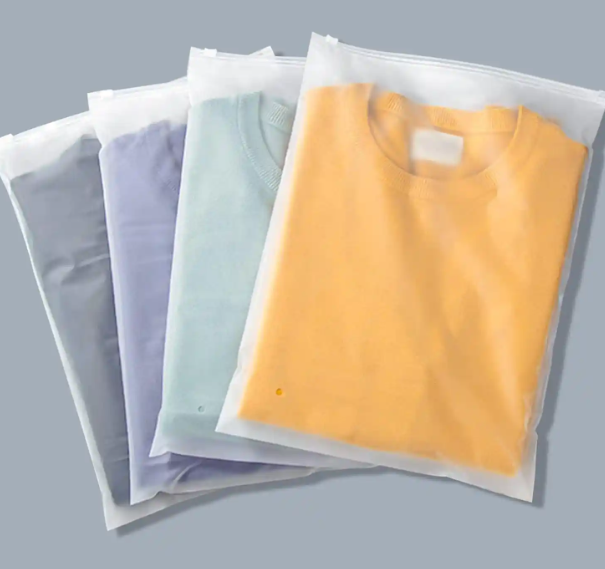
Standard Clear Bag
A standard clear individual bag can support projects where the buyer prioritizes simple product protection and identification. Bag dimensions should fit the folded garment without excessive compression, while the applicable SKU or size identification remains visible and accurate.
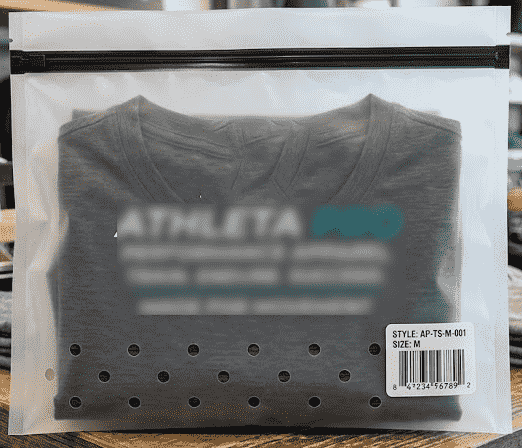
Branded Polybag
A customized printed bag can extend brand identity beyond the garment. Artwork, dimensions, print position and material specification require approval before bulk. Customized printing may create a packaging-supplier MOQ that is separate from garment quantity.
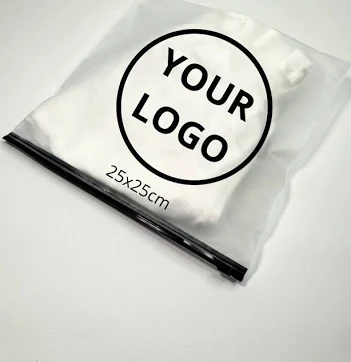
Zipper Bag
Reusable zipper-style bags can be evaluated for suitable brand programs. Material, dimensions, zipper construction, artwork and product fit should be reviewed before commitment, because these components may have different commercial and lead-time conditions from standard packaging.
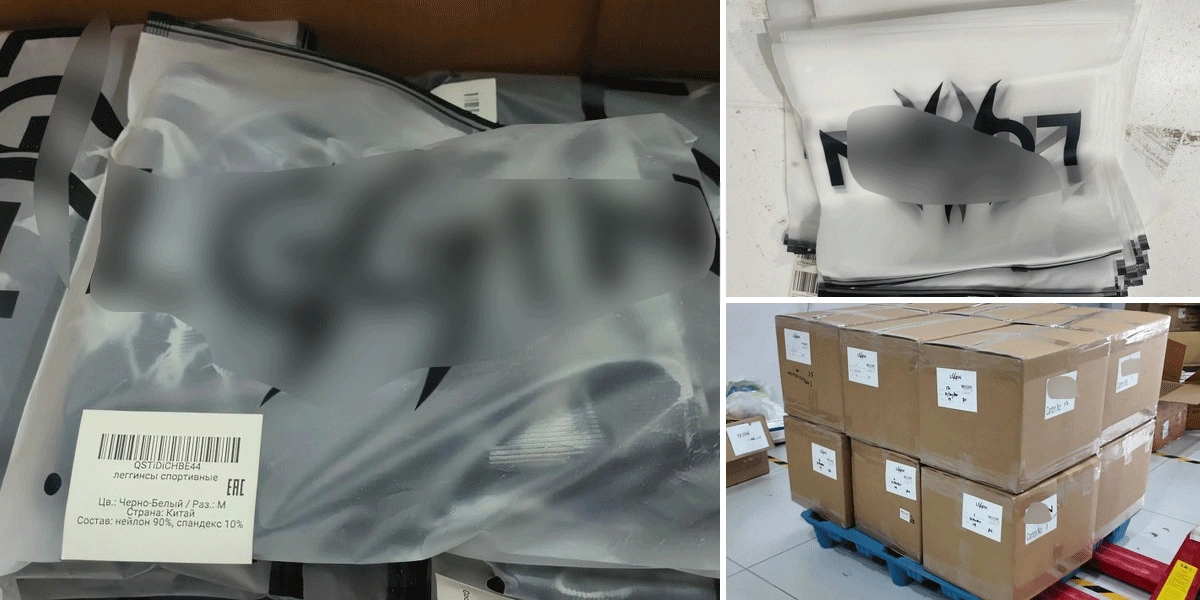
SKU / Barcode Zone
Where individual packaging carries barcode, QR, SKU or size information, the approved data should remain connected to the correct physical garment. Variable retail information requires a controlled mapping and packing-verification process.
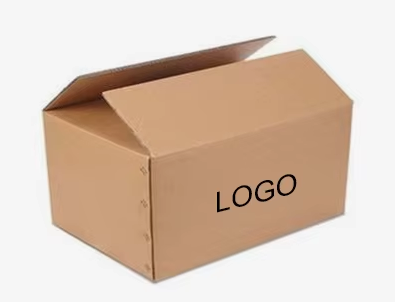
Carton Handover
Individual packages ultimately move into export cartons. Carton quantity, SKU mix, marks and packing instructions should be checked against the current order requirements so retail packing accuracy continues into shipment preparation.
How a European Private-Label Program Reached Repeat Production
This anonymized European program shows how private-label manufacturing extends beyond the first approved sample. Brand execution, packing, bulk quality and repeat-order readiness became part of the ongoing supplier relationship.
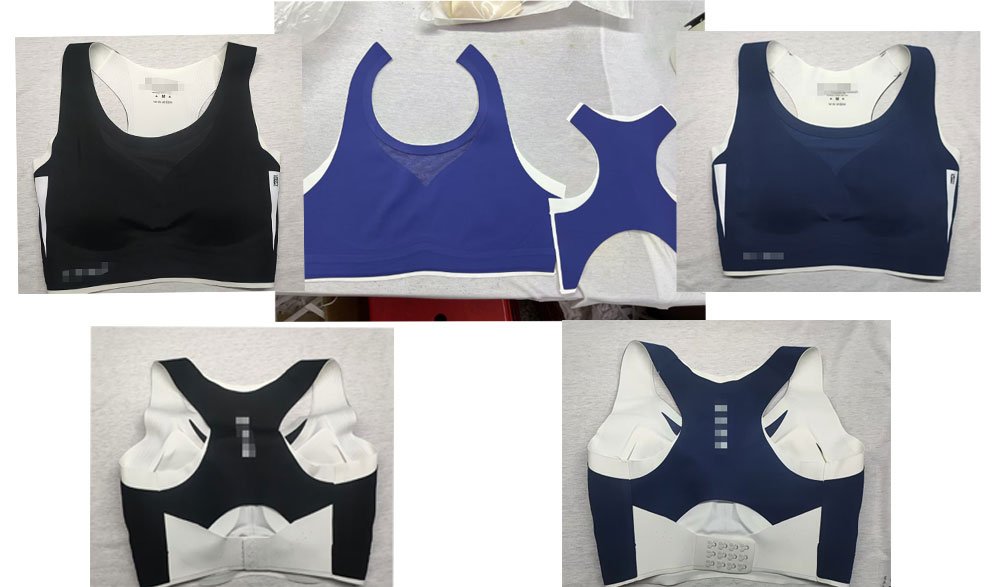
Initial Sample Validation
The project first required a physical product that aligned sufficiently with the customer’s product and brand requirements before bulk production. Sampling provided a reference for the product, private-label elements and the next commercial decision rather than functioning as a stand-alone showroom sample.
Private Label Setup
The order incorporated customer-specific branding elements including applicable logo, care-label, label and packaging requirements. These items had to be linked to the approved product and order information so the brand execution could move into bulk production together with the garment.
First Bulk Production
After the required product and brand elements were confirmed, the project entered formal bulk production. Manufacturing, QC, packing and shipment preparation were managed as connected stages rather than treating private-label components as an afterthought at the end.
Packing & Shipment
Finished garments were prepared according to the project packing requirements and moved into export shipment execution. Packing accuracy and delivery coordination remained part of MOVEVOX’s responsibility window after garment production was completed.
Repeat Order
The customer subsequently placed repeat business, allowing previously established product and branding references to support continued manufacturing. Repeat orders still require current PO, materials, quantities and any approved changes to be confirmed rather than simply copying an old order without review.
Capacity Response
When later demand increased, additional production resources could be organized within the managed manufacturing system. The purpose of scale-up was to increase output while continuing to use an established product, quality and brand-execution reference.
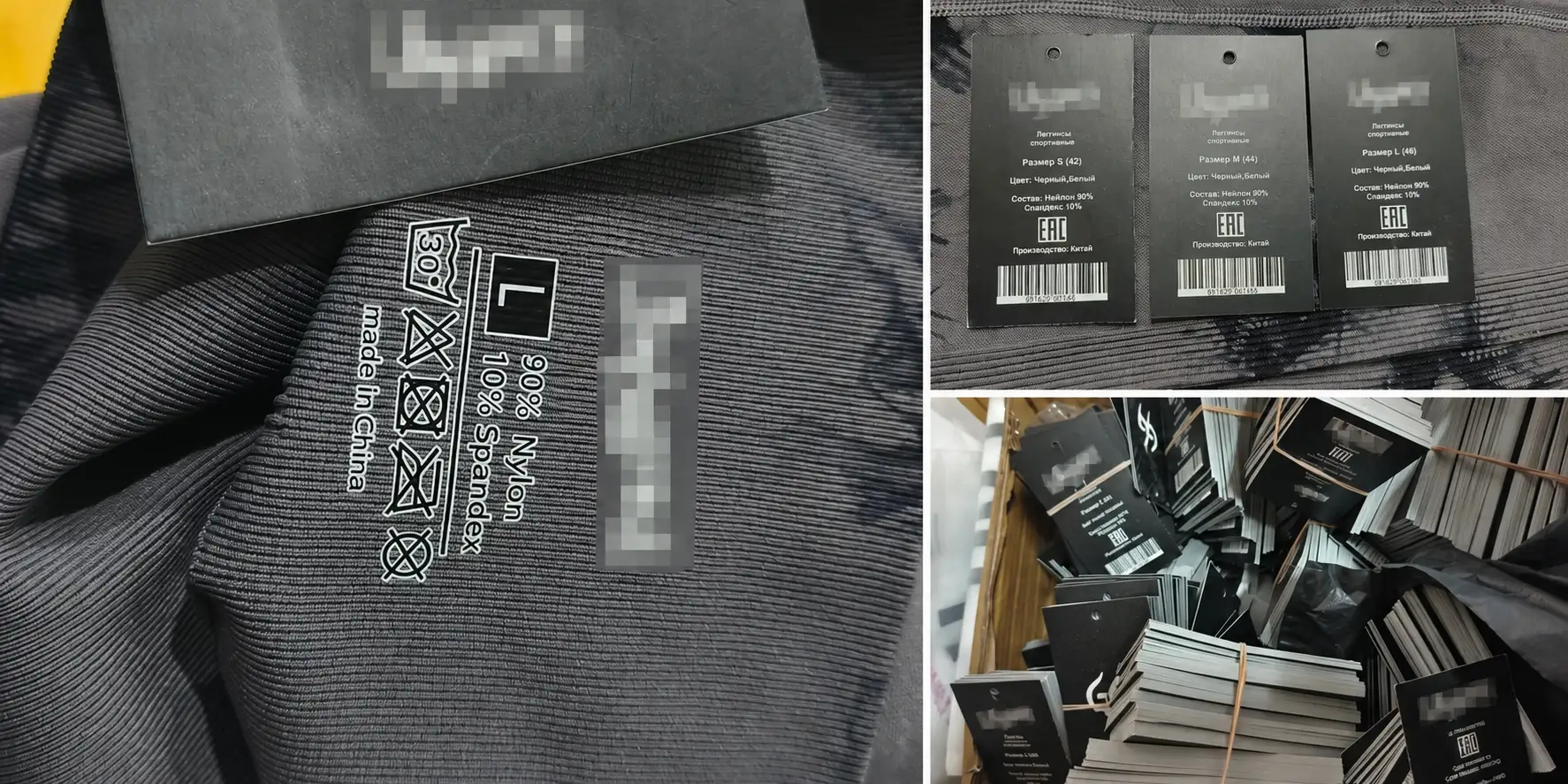
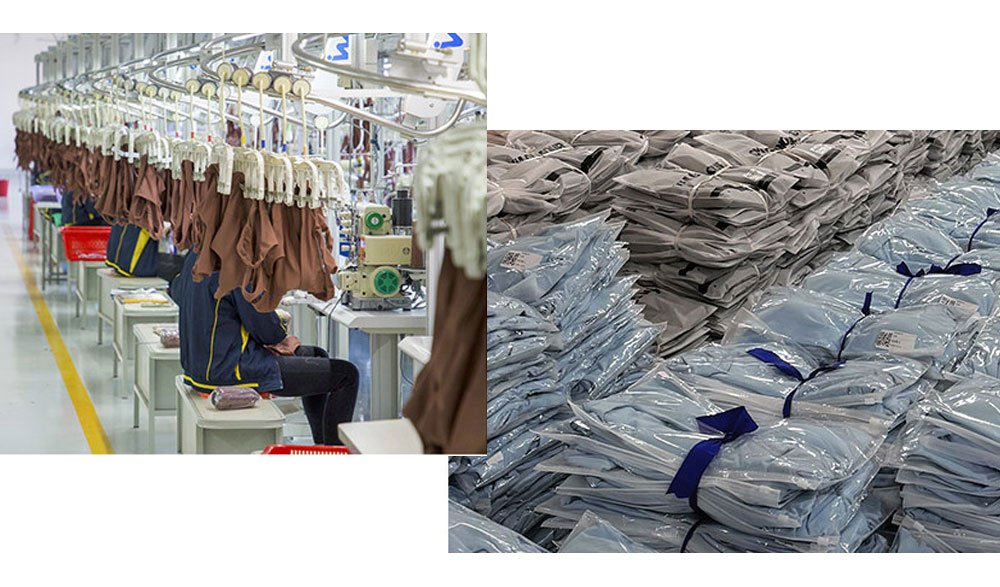
Customer name, logo, purchase value and commercially sensitive order quantities remain withheld unless the relevant publication permission and evidence are available.
See the Manufacturing Operations Behind Private Label Production
Private-label execution is credible only when product and branding controls connect to real manufacturing operations. These images should show current MOVEVOX facilities and activities rather than generic factory photography.
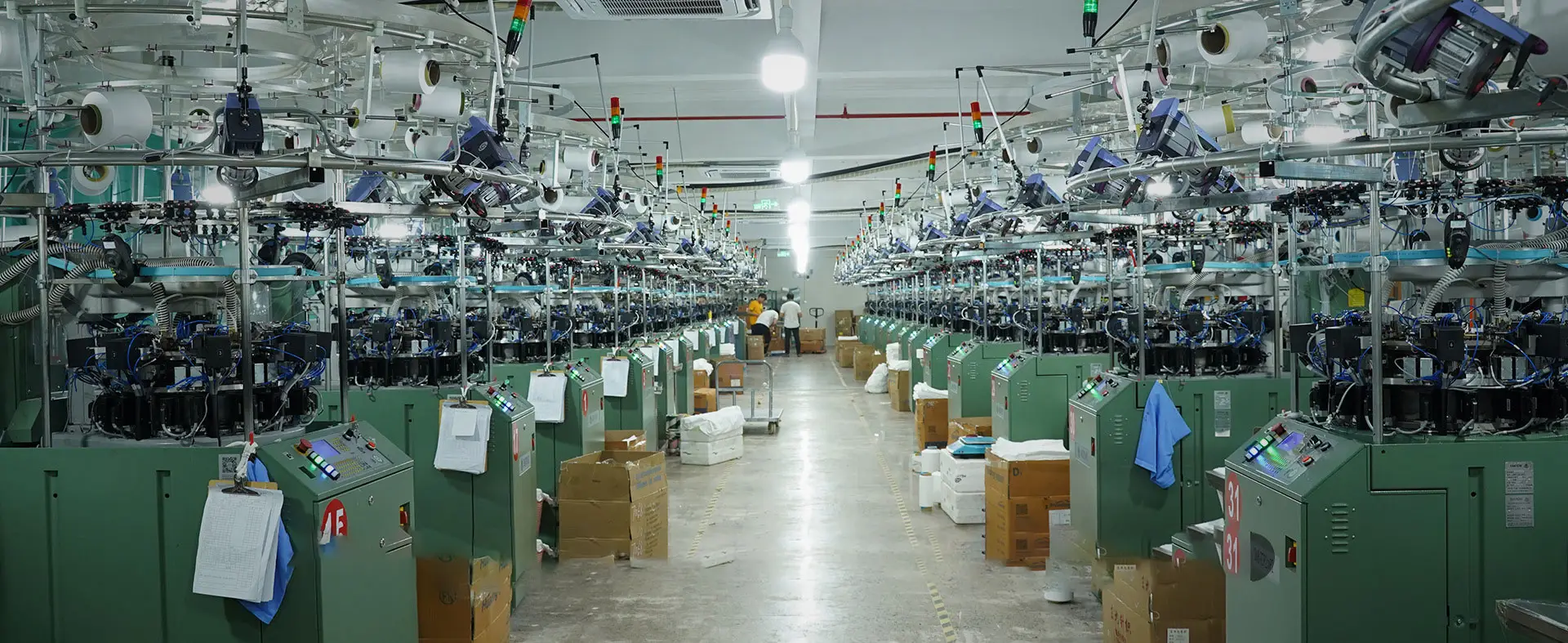
Seamless Production
MOVEVOX’s core Seamless system includes 28 Italian Santoni seamless knitting machines. A factory image should show actual knitting operations, machine environment or in-process garments that demonstrate a physical manufacturing foundation behind suitable Seamless leggings, sports bras, shorts and related products.
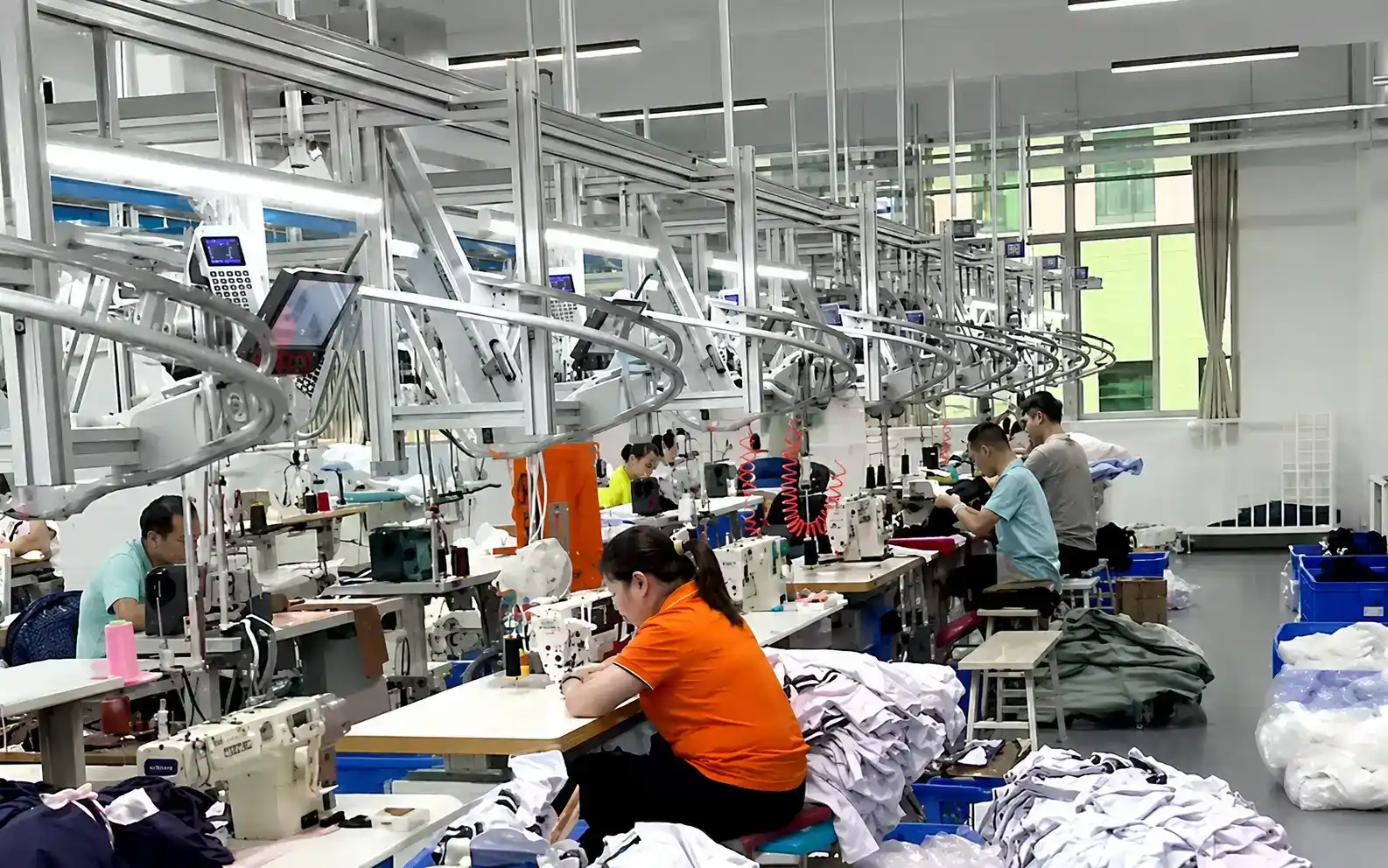
Cut & Sew
The core Cut & Sew system includes approximately 24 principal sewing and garment-production machines. Evidence should show actual cutting, sewing or finishing activity for sportswear products, making it clear that MOVEVOX supports a genuine garment-manufacturing route in addition to Seamless production.
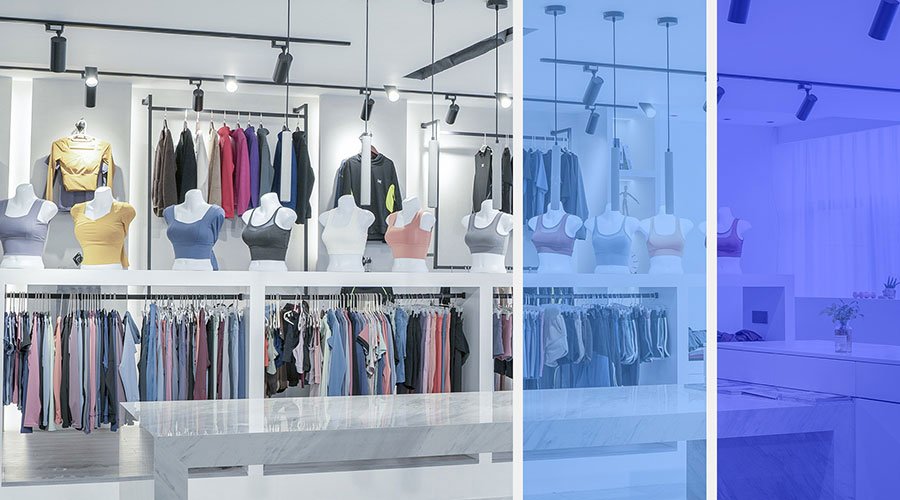
Sample Room
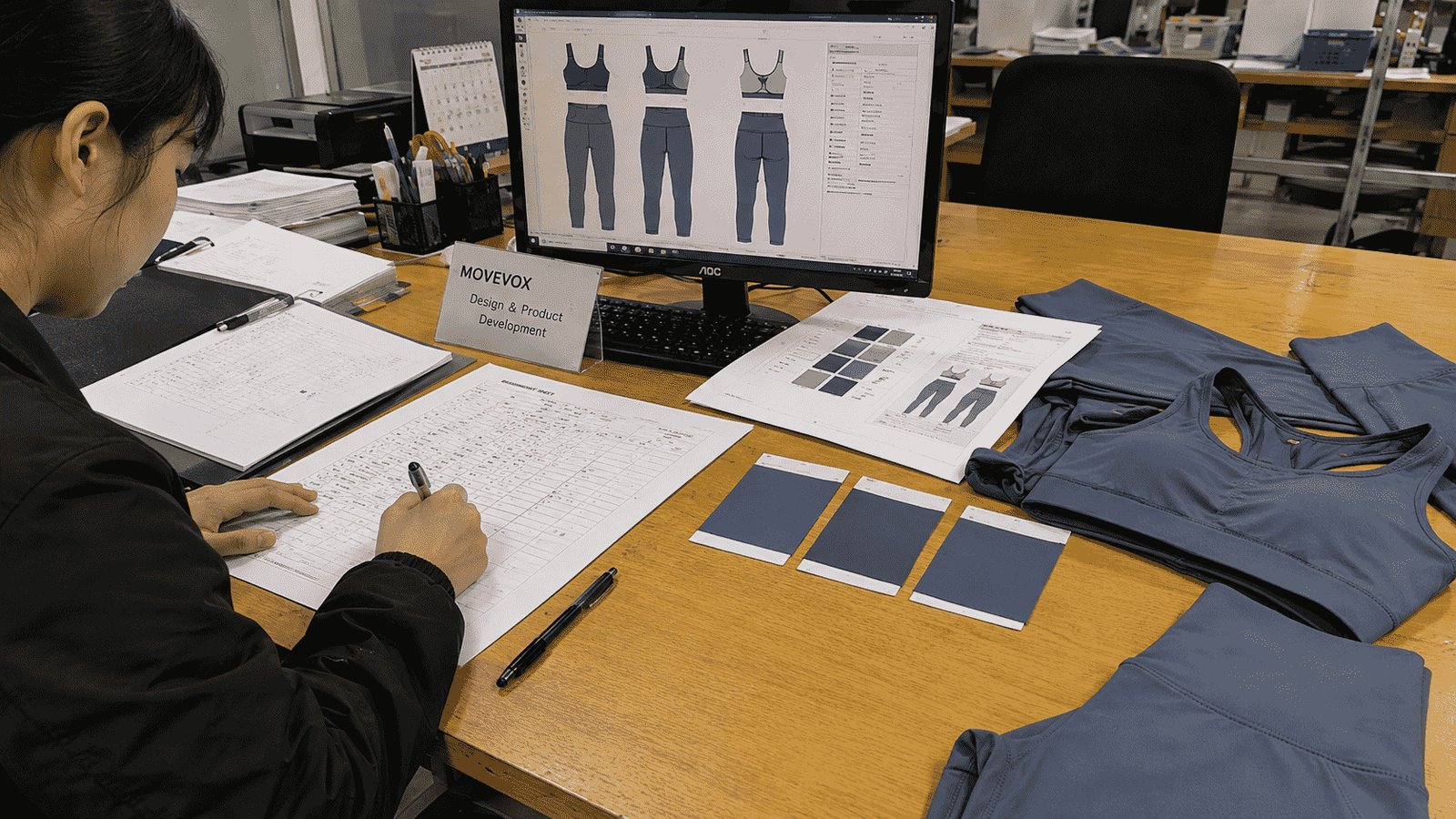
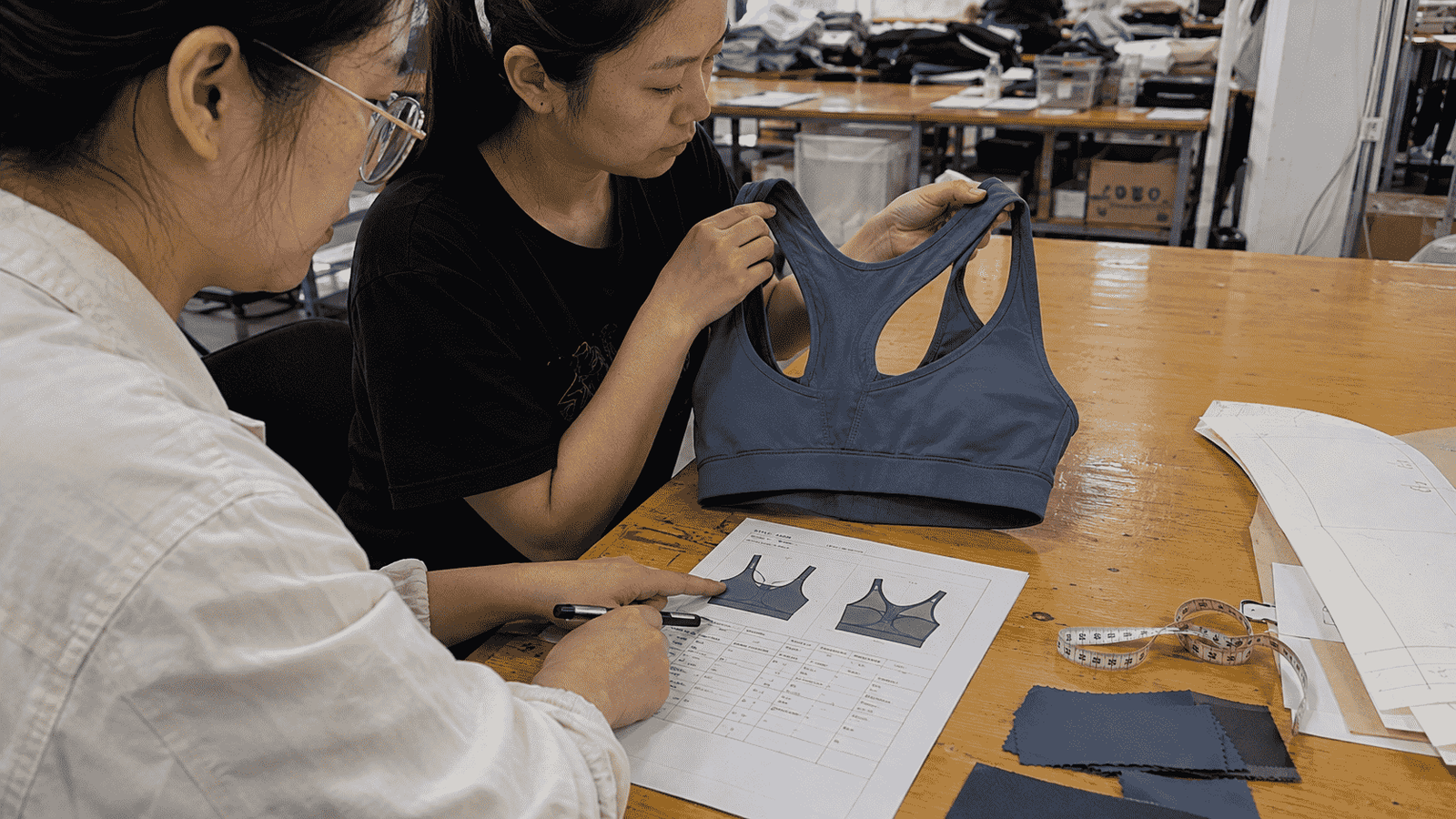
Product development should be visible as physical work, not only a sales claim. Suitable evidence includes pattern activity, sample making, technical review, measurement or approved non-confidential sample versions that demonstrate how the development team converts customer input into a manufacturable product.

Material Review
Fabric, yarn, color and other material decisions affect both product quality and repeatability. Evidence can include real swatches, approved material references, Lab Dip comparisons or material-review activity, provided supplier and customer information is cleared for publication.
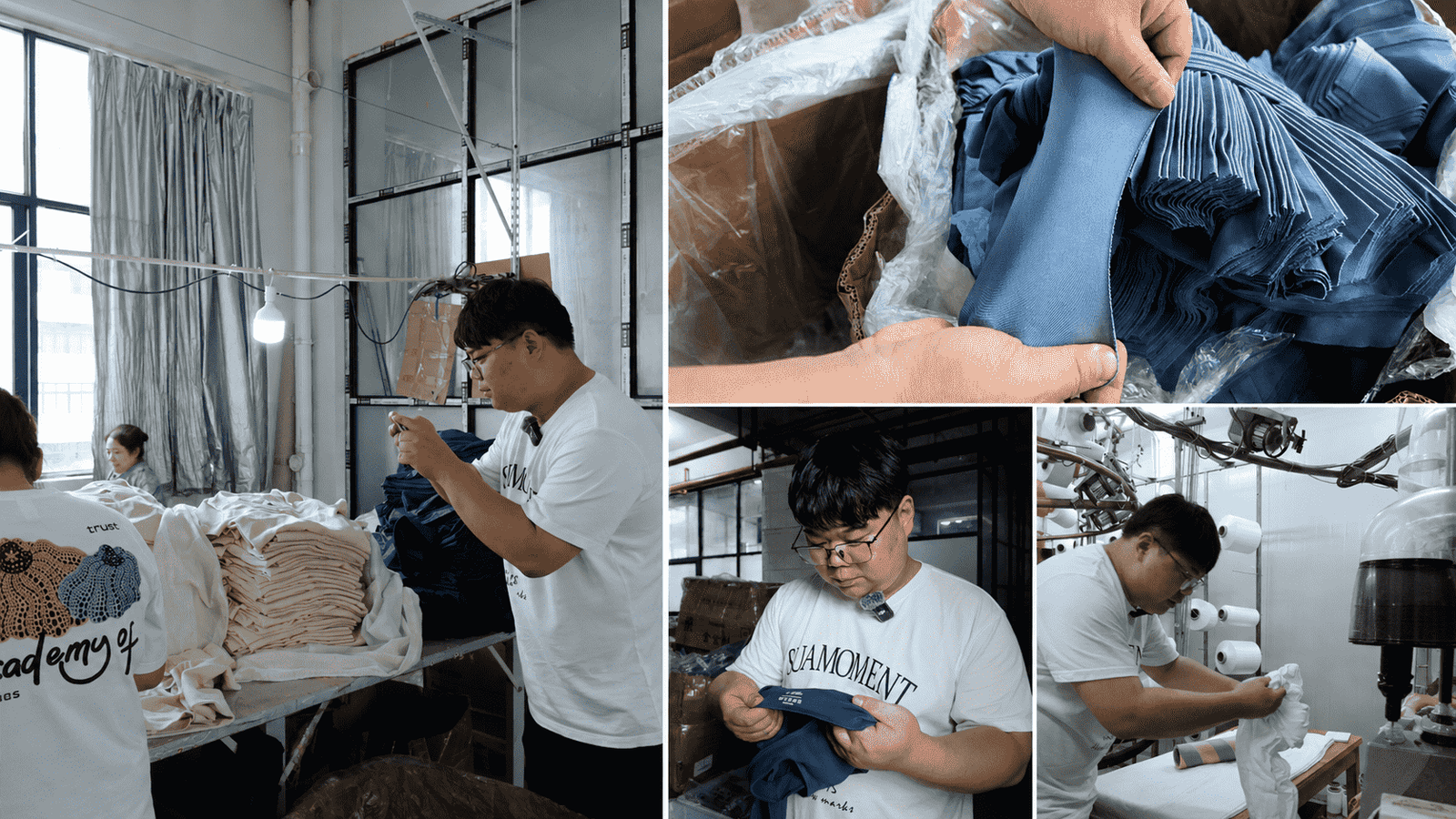
Quality Control
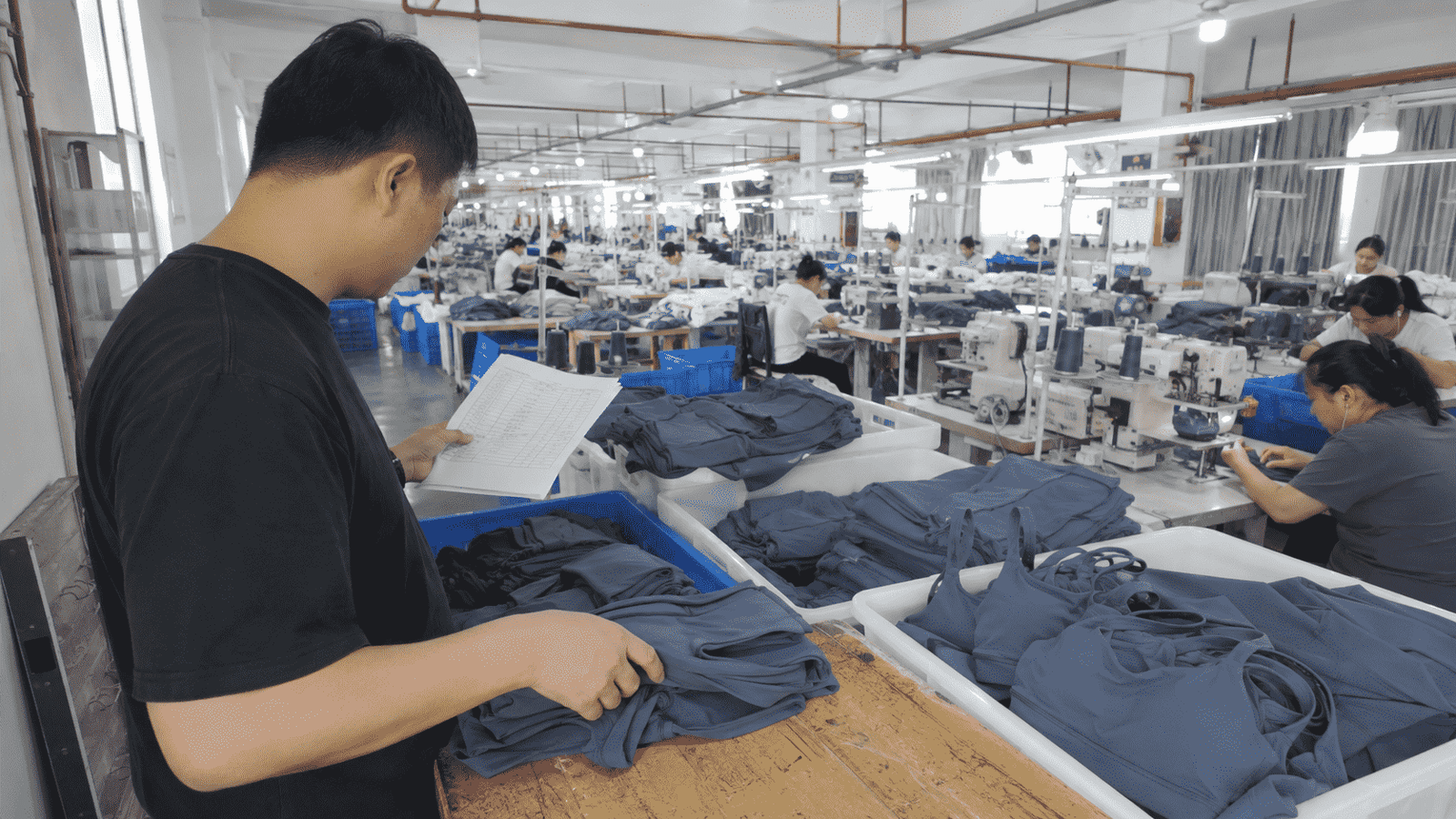
MOVEVOX has five QC personnel supporting quality activities. Useful imagery should show real measurement, workmanship, First Article, inline, logo/label or packing checks against an approved technical or physical reference rather than staged inspection photographs without context.
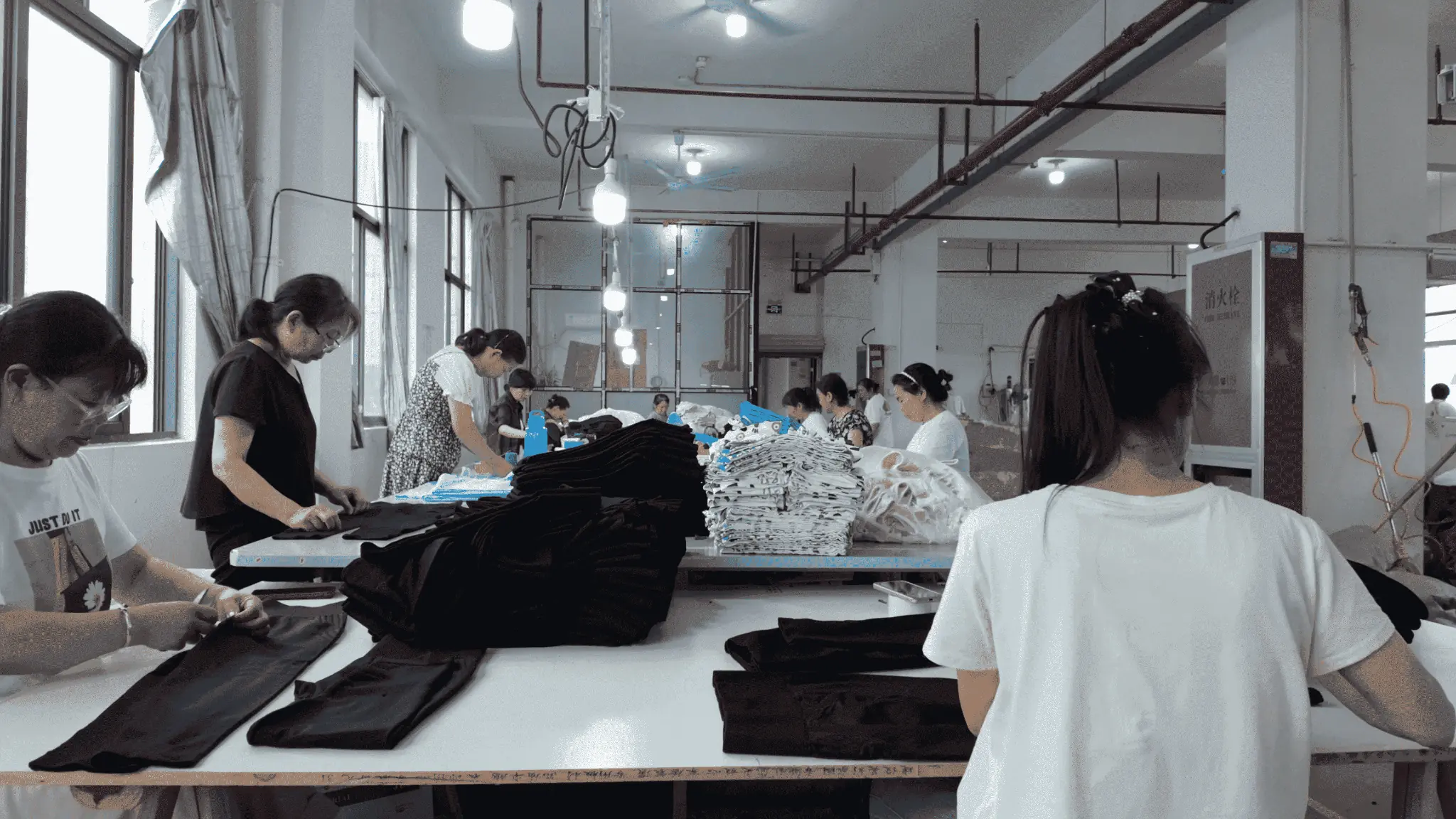
Packing & Warehouse
Private-label products remain vulnerable to errors after sewing is complete. Packing evidence should show actual garment identification, individual packing, SKU separation, cartons or shipment preparation while protecting confidential customer logos, barcodes and commercial information.
Build Private-Label Collections Around Established Activewear Categories
MOVEVOX’s most developed product base is women’s activewear. Brands can create coordinated private-label collections while selecting Seamless or Cut & Sew manufacturing according to each SKU.
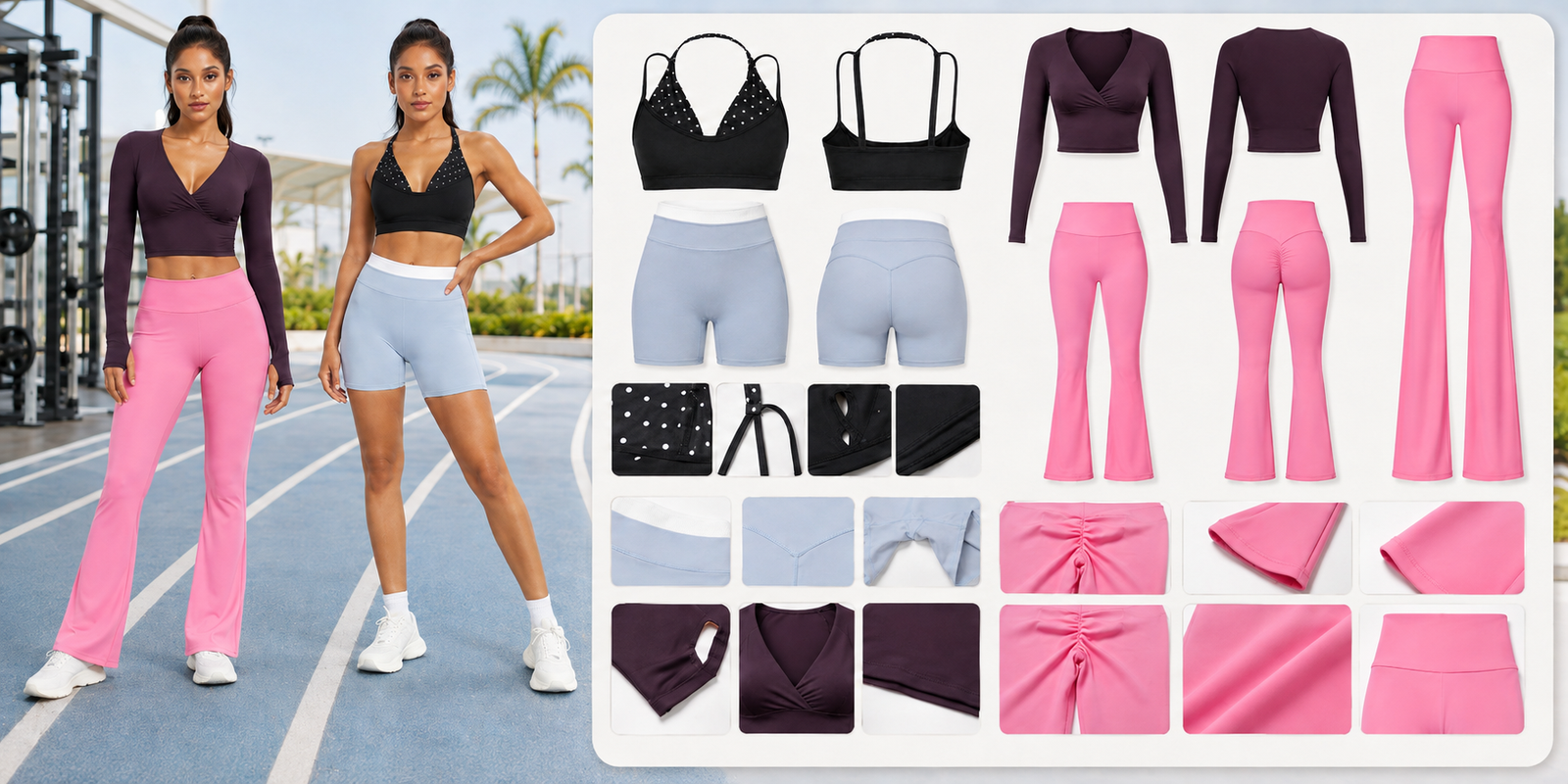
Yoga Core
Build a coordinated range around yoga leggings, sports bras, yoga shorts and biker shorts. Shared fabric directions, colors, logo rules and packaging can support a consistent brand language while every garment retains its own measurements, construction and sample approval.
- Leggings
- Sports Bras
- Yoga Shorts
- Biker Shorts
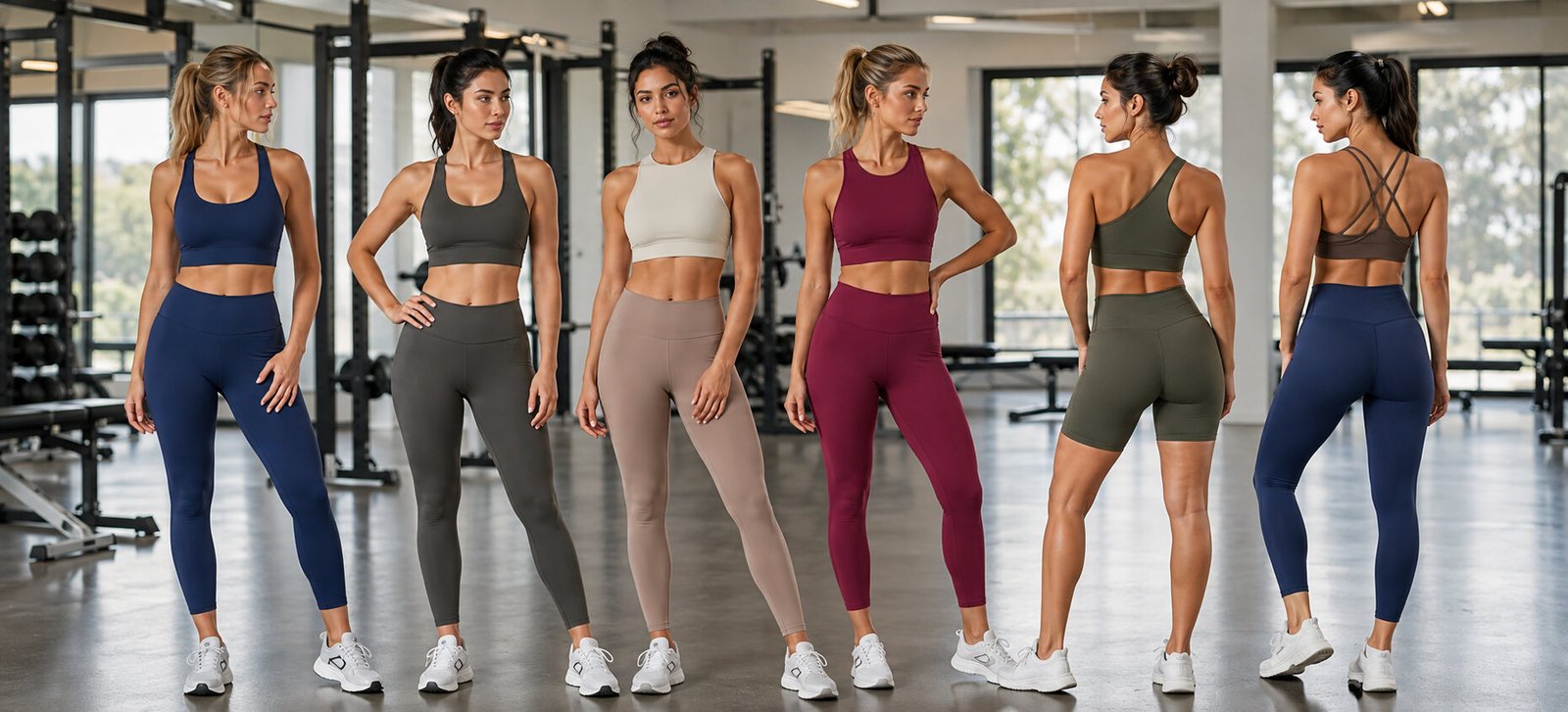
Training Collection
Combine leggings or shorts with sports bras, tanks and active T-shirts for a training-oriented program. Different garments may use different construction or fabric routes while continuing to share approved colors, branding, labels and retail-packing requirements.
- Training Bottoms
- Bras
- Tanks
- T-Shirts
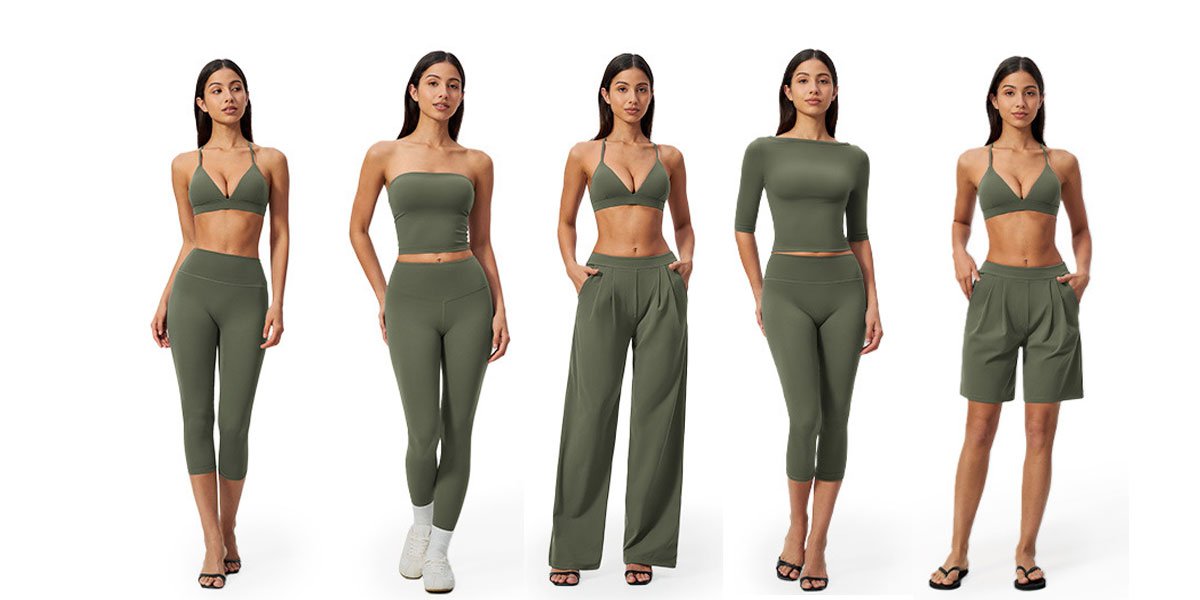
Active Essentials
Core tops, long sleeves, biker shorts and coordinated sets can support ongoing seasonal or repeat-order programs. A private-label platform can reduce unnecessary brand-component changes while preserving SKU-specific fit and construction requirements.
- Tops
- Long Sleeves
- Biker Shorts
- Sets

Seamless-Led Collection
Suitable leggings, sports bras, shorts and selected tops can use the Seamless route while Cut & Sew products are added where panel construction, trims or another garment structure is more appropriate. Both routes can remain under the same private-label project interface.
- Seamless Leggings
- Bras
- Shorts
- Selected Tops
Extended Review
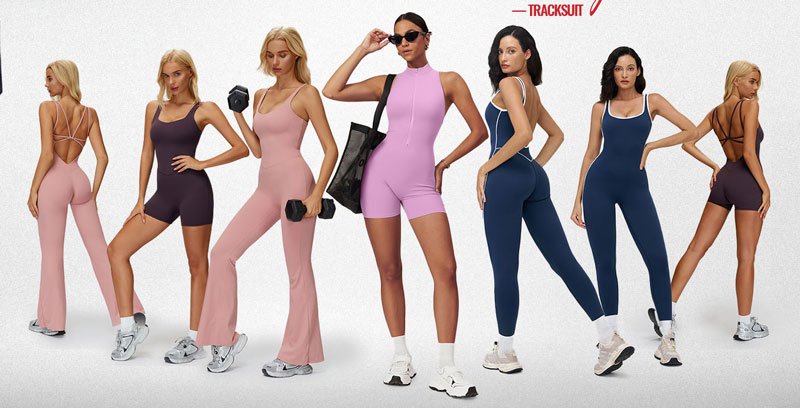
Running-oriented garments, bodysuits, light jackets or selected racket-sport styles can be reviewed when the requested construction fits actual manufacturing capability. These products should be confirmed through technical review rather than presented as guaranteed core categories.
- Running
- Bodysuits
- Light Layers
- Selected Court Styles
Choose the Manufacturing Route by Your Starting Input
OEM, development-led ODM and private label describe different levels of buyer input and supplier involvement. MOVEVOX first identifies which technical and brand decisions are already controlled by the customer.
| Decision Dimension | OEM | Development-Led ODM | Private Label |
|---|---|---|---|
| Starting Input | Complete or substantially defined Tech Pack and specifications. | Concept, references or incomplete technical information needing development support. | Product direction plus customer-owned brand requirements. |
| Product Ownership | Buyer controls product specification and approvals. | Buyer controls brand direction and approves development decisions. | Buyer owns the brand and approved product requirements. |
| MOVEVOX Role | Review manufacturability, sample and execute controlled production. | Translate product intent into manufacturable material, fit and construction decisions. | Coordinate product manufacturing with complete brand execution. |
| Fabric & Fit | Executed against buyer-defined or approved requirements. | Developed jointly through physical materials and samples. | Controlled as part of the buyer’s branded product standard. |
| Logo & Labels | Follow buyer-released files where included in specification. | Added after brand requirements become sufficiently defined. | Core part of the private-label execution system. |
| Packaging | Follow current buyer packing specification. | Developed or sourced according to approved project direction. | Linked to retail identity, SKU and order requirements. |
| Approval | Customer approves sample and released manufacturing standard. | Customer approves each development gate and final product. | Customer approves both product and brand execution. |
| Best Fit | Mature product teams with controlled technical specifications. | Brands needing manufacturing-led development support. | Brands requiring a complete own-brand manufacturing program. |
Turn Brand Requirements Into a Bulk-Ready Product Standard
Private-label execution begins with a controlled product. MOVEVOX progressively converts the buyer’s technical and commercial inputs into a physical and documentary standard that can enter production.
Project Input
Review the Tech Pack, reference, concept, quantity, target market and private-label requirements. Identify which information is already fixed and which decisions remain open before technical development begins.
Manufacturability Review
Check the likely manufacturing route, measurements, material, construction, branding and major commercial constraints. Conflicts or incomplete requirements should be raised before they become sample or bulk-production assumptions.
Material Direction
Confirm the applicable fabric, yarn, color and finishing direction against the actual product. Material selection should consider physical properties and the selected manufacturing route rather than relying on composition alone.
Pattern or Program
Translate approved requirements into the relevant Cut & Sew pattern or Seamless knitted-structure/program route. Product-specific technical boundaries are identified before the physical sample becomes the approval reference.
First Sample
Produce the first physical development sample after relevant inputs are sufficiently confirmed. Standard sampling is typically around 5–10 working days, subject to material, color, branding and product complexity.
Revision
Apply consolidated customer feedback to the controlled development version. Superseded measurements, artwork or construction information should not remain active after the revised requirements are released.
Product Approval
Confirm fit, measurements, material, construction, color and applicable brand details through the required approval sample. The customer remains the approval authority for the brand-owned product.
Bulk Handover
Transfer the current approved physical and technical references into production, PMC and QC. Only the released version should guide normal bulk manufacturing.
Build Brand Material Identity Around the Product Requirement
Private-label sportswear material should be chosen for the actual product, manufacturing route and brand target. Composition alone does not define hand feel, stretch, recovery, opacity or final fit.

Nylon / Polyamide + Spandex
This is an established activewear material direction for suitable leggings, sports bras, shorts and related products. The actual fabric still requires review of GSM, hand feel, stretch, recovery, opacity, color and finishing before approval.

Polyester + Spandex
Polyester-Spandex fabrics can be evaluated for suitable sportswear and training products. Fiber composition alone should not be used to make untested claims about moisture management, durability or other performance characteristics.

Seamless Yarn & Structure
Seamless material behavior is created through yarn choice, machine diameter, programmed knitted structure and finishing. The approved garment result therefore depends on more than a conventional finished-fabric specification.

Brushed / Soft-Hand
Brushed, peach-like or soft-hand materials can support selected yoga, studio or athleisure directions. The actual project material and finished garment should be physically approved before bulk.

Rib & Texture
Ribbed or textured structures can create differentiated surface and stretch behavior through suitable fabric or Seamless routes. Physical development should verify both appearance and fit before release.
Color control: Pantone may define the target. Lab Dip or another approved physical standard can become the more practical bulk reference for the chosen material. A screen display should not serve as the sole color-approval standard.
Build Private-Label Fit Around Your Brand Standards
A private-label garment should not inherit an uncontrolled generic fit. MOVEVOX works from customer measurements, approved physical samples and controlled revisions to establish the applicable production fit.
Brand Size Inputs
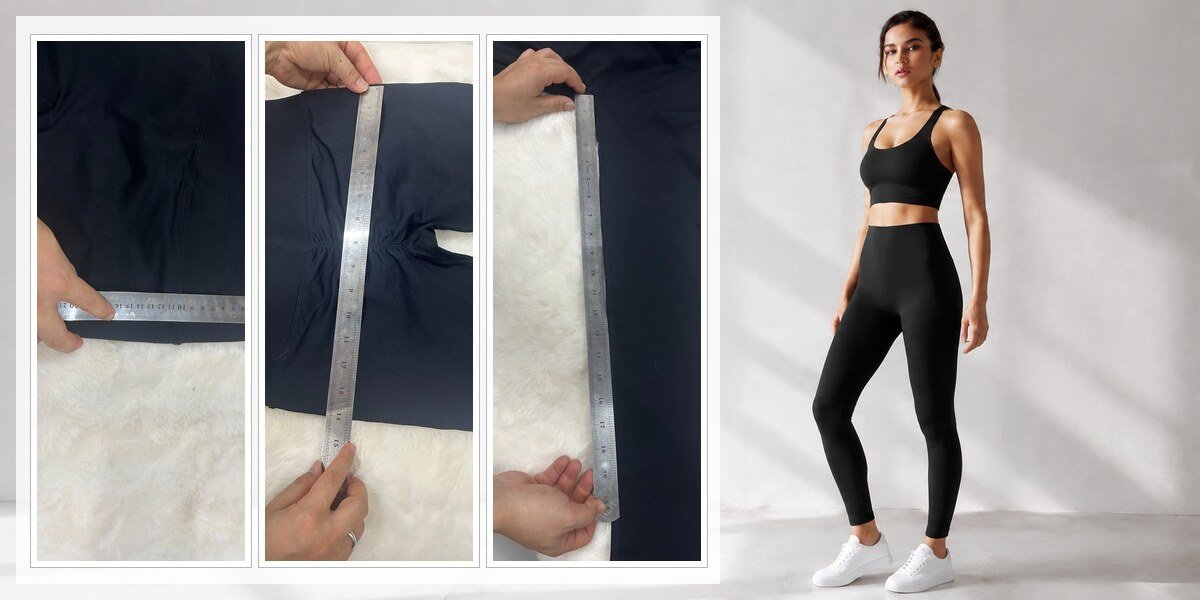
For established brands, the customer’s Measurement Chart, POM definitions, tolerance requirements and Grade Rules should remain the primary technical reference. MOVEVOX can review manufacturability and identify conflicts without replacing the brand’s existing size system without approval.
Fit Development
Where additional development is required, useful inputs include a legal reference sample, target silhouette, intended size range, fit comments and material direction. Cut & Sew fit is connected to pattern engineering, while Seamless fit also depends on machine and knitted-structure conditions.
Fit Approval
A controlled sequence may include Development Sample → Fit Review → Revised Sample → Size Set or representative size review → PP / Approved Sample. The required sequence depends on the project and buyer system.
Bulk Consistency
First Article, inline and final garment measurements can be checked against the current approved product reference. Repeat orders should continue from the released fit standard unless an approved change creates a new version.
Lock Product and Brand Elements Through Sample Approval
Sampling should progressively reduce uncertainty. Each physical version needs defined customer inputs, MOVEVOX outputs and a clear approval condition before private-label bulk production.
First Sample
Goal: Translate the confirmed product brief into the first physical garment.
Customer Inputs
- Current technical or development information
- Material and color direction
- Logo or brand requirements available at this stage
MOVEVOX Outputs
- First physical sample
- Initial measurement and construction review
- Open-point list
Pass Standard: The sample is suitable for structured buyer feedback.
Revision Sample
Goal: Apply consolidated customer comments to a controlled new version.
Customer Inputs
- Consolidated fit and product comments
- Updated measurements or artwork
- Approved change direction
MOVEVOX Outputs
- Revised sample
- Updated development record
- Applied change status
Pass Standard: Major requested changes are resolved or clearly identified as still open.
Fit Review
Goal: Close the relevant measurement, proportion and fit issues.
Customer Inputs
- Fit comments
- Measurement changes where required
MOVEVOX Outputs
- Updated pattern / Seamless direction
- Revised measurements
- Fit-review outcome
Pass Standard: Fit-critical issues align with customer requirements.
PP / Approval Sample
Goal: Confirm the production-intent product and applicable private-label elements.
Customer Inputs
- Final released technical information
- Artwork and label files
- Approved material and color
- Packing requirements
MOVEVOX Outputs
- PP / approval sample
- Production-reference information
Pass Standard: Product can serve as the physical bulk reference.
Bulk Handover
Goal: Transfer one current approved standard to production and QC.
Customer Inputs
- Final approval
- Current PO and applicable inspection requirements
MOVEVOX Outputs
- Released production package
- QC reference
Pass Standard: Production works from the same approved version.
Control Care-Label Content as a Released Product Version
Care labels combine brand, product and market information. MOVEVOX executes the buyer-approved content and version rather than applying one universal label template to every destination.
Product Information
The customer should provide or approve the applicable fiber-composition and product information. Label wording must correspond to the actual product and buyer requirement rather than being copied automatically from another style.
Market Requirement
Destination-market and buyer-specific requirements can affect required wording, symbols or layout. MOVEVOX can execute confirmed requirements but should not present one generic care-label format as universally valid across all markets.
Artwork & Version
Care-label artwork should carry a controlled file or version status. When composition, language, care instruction or other content changes, the currently approved artwork must replace the previous version before bulk printing.
Material & Size
Label material, dimensions and production method should be reviewed for the actual garment. Physical comfort, readability and construction compatibility may need to be considered during sample approval.
Placement
Label position should be defined through the technical or brand specification. Placement must be clear enough for production and QC to reproduce without individual operator interpretation.
Bulk Verification
Finished garments should be checked for the correct label, applicable version, placement and product/SKU relationship before final packing and shipment release.
Connect Hangtags to Brand and Retail Data Accuracy
Hangtags are visible brand assets, but they may also carry variable product information. Private-label control requires both design accuracy and correct SKU-level execution.
Brand Artwork
Use the current approved logo, typography, graphics and brand information. Production should work from a released artwork file rather than screenshots, chat images or an obsolete design version.
Material Choice
Paper, card, coating or other applicable hangtag materials should be confirmed against the brand direction and actual supplier availability. Special materials can create separate MOQ or lead-time requirements.
Size & Shape
Dimensions and shape should be defined before production so the supplier can quote and proof the correct item. Complex structures require separate feasibility and tooling review where applicable.
Attachment
String, cord, pin or other attachment methods should be reviewed against the garment and approved placement. The attachment method must not damage the product or conflict with the brand’s presentation requirements.

SKU Information
If the hangtag carries style, color, size or SKU information, the variable data must be mapped to the correct garment variant. One approved visual design does not remove the need for product-level data control.

Barcode / QR
Where barcode or QR information is included, representative codes should be checked against the buyer-approved data. Visual similarity cannot confirm that the encoded information is correct.
First Proof
A first physical or digital proof should be approved before normal bulk printing. Text, colors, dimensions, code content and variable data should be reviewed at this stage.

Packing QC
During final packing, the hangtag should be checked against the garment style, color, size, SKU and applicable package information before the order is released.
Turn Separate Brand Components Into One Repeatable System
A scalable private-label program needs more than independent suppliers for garments, labels and packaging. Each approved brand element must remain connected to the correct product and order version.
Manufacturing Foundation
The system begins with an approved garment: product specification, fabric or yarn, fit, construction, color and manufacturing route. Private-label components cannot correct an unstable product foundation.
Brand Assets
Logo, main label, care or size label and hangtag requirements should use the current customer-approved files. Each asset needs defined dimensions, material, position and applicable product relationship before bulk.
SKU & Packaging Control
Style, color and size must connect to the correct SKU, barcode or QR information and individual packing requirements. Customized polybags, stickers and carton information should follow the same order-data structure.
Repeatable Brand Supply
Approved product, artwork, labels, packaging and QC references become the basis for later repeat production. Any requested change should be separately reviewed, approved and released so the brand standard evolves through controlled versions.
System principle: Product Standard → Brand Assets → SKU Data → Packaging Standard → QC → Repeat Order
Have a Private-Label Sportswear Project Ready for Review?
Send the information you already control—Tech Pack, product reference, fabric direction, logo artwork, label files, packaging requirements, SKU plan and target quantity. MOVEVOX can review the manufacturing route, development status, likely MOQ constraints and key approval requirements before the project moves into sampling or formal bulk costing.
NDA-based cooperation is available for unreleased products and confidential brand information.
Understand Private-Label MOQ as Multiple Commercial Layers
Garment quantity is only one MOQ. Fabric, custom color, logo, labels and packaging can have separate supplier minimums that must be reviewed before final order confirmation.
Approx. 100 pcs/style
Suitable Seamless custom programs can generally begin around this style-level reference. The final structure still depends on yarn, color, sizes, knitted construction and branding requirements.
Best Fit: Development and controlled initial Seamless orders.
Approx. 150 pcs/style
Cut & Sew custom programs generally use this style-level base reference. Fabric availability, number of colors, size allocation, construction and private-label components can affect the final commercial requirement.
Best Fit: Custom sportswear and multi-SKU collection development.
Often approx. 400–600 pcs equivalent
The actual custom-color minimum depends on the selected material or yarn supplier and dye-lot requirement. Logo, labels, hangtags and customized packaging can also have independent supplier minimums.
Best Fit: Fully customized brand programs.
Control Multi-SKU Private-Label Collections Through Development Waves
When inputs and material routes are sufficiently clear, MOVEVOX can manage approximately 10–20 SKUs at different development stages, subject to project complexity and approval speed.
Project Setup
Establish style and SKU identifiers, development priorities, manufacturing routes, shared materials and brand components before several products begin moving through sampling at the same time.
Shared Product Platforms
Identify which SKUs can legitimately share fabrics, colors, logo rules, labels or packaging. Shared elements can reduce unnecessary duplication, but they do not remove SKU-specific technical approval.
Development Wave One
When appropriate, prioritize approximately 5–10 strategically important SKUs. Early products can resolve major fabric, fit, construction or brand-execution decisions before additional styles enter the same development queue.
Development Wave Two
Later SKUs can enter after key shared dependencies become sufficiently stable. Each product still retains its own sample version, comments and approval status.
Approval Tracking
Maintain a clear stage for every SKU, such as Development / Revision / Fit Review / PP / Approved / Production Ready. Collection-level approval should not replace SKU-level technical status.
Bulk Release
Only current approved SKUs should enter production planning, material preparation and final brand-component execution. This helps separate products that are ready for bulk from those still under development.
Scope: The actual development load depends on complexity, shared materials, quality of technical input, customer response time and launch timing. The ranges above are planning references, not universal commitments.
Know Which Approved Version Your Bulk Order Must Reproduce
An approved sample is useful only when it can be identified and connected to the final specifications, materials and brand files that production and QC are expected to follow.
Approved Sample Identity
The physical approval sample should be identifiable by style, relevant sample stage and applicable version or date so the production team does not rely on an unmarked garment from an earlier development round.
Technical Version
The approved sample should correspond to the current Tech Pack, measurements, construction and other released technical information. If technical documents change afterward, the project needs a new controlled reference.
Material & Color
Approved material, yarn and color information should be associated with the same product version. A later material substitution or new dye route should not automatically inherit the previous approval.
Brand Assets
Logo artwork, labels, hangtags and applicable retail-data files must correspond to the approved order version. Brand execution should not rely on separate uncontrolled email or chat attachments.
Packaging Reference
The applicable polybag, barcode/QR, sticker, folding and carton requirements should connect to the same released SKU and order information used by packing and QC.
Bulk Verification
First Article, inline and final inspections should compare production output against the applicable technical and physical references. If the approved sample and bulk differ, the difference must be evaluated rather than normalized informally.


Prevent Unapproved Changes From Redefining Your Brand Product
A material or component change can alter fit, hand feel, color, construction, compliance and cost. Private-label repeatability therefore depends on controlled change approval.
Approved BOM
The released material or component information establishes the current approved product input together with applicable physical references and supplier information.
Change Trigger
Availability, supplier issues, lead time, cost or technical conditions may create a proposed change. The reason should be identified rather than silently substituted during bulk or repeat production.
Technical Review
Evaluate the proposed alternative against relevant composition information, GSM, hand feel, stretch, recovery, opacity, color, construction and product requirements.
Commercial & Compliance Review
The alternative may also change MOQ, cost, lead time, testing, chemical evidence or supplier-document requirements. These effects should be reviewed before approval.
Customer Approval
Where the change affects the approved product or buyer requirement, the applicable swatch, Lab Dip, sample or documentation should be submitted to the customer for confirmation.
New Released Version
Once accepted, the approved alternative becomes part of a new current standard. The superseded material information should no longer remain active for production.
Review Capacity by Scope Before Planning Private-Label Scale
MOVEVOX uses different capacity definitions for Seamless, Cut & Sew and managed combined delivery. These figures should be reviewed separately and against the actual SKU program.
Managed Combined Normal Delivery
Approximately 150,000–200,000 garments per month represents the managed combined normal delivery range under normal operating conditions.
Seamless Stable Scope
Approximately 300,000 pieces per month describes the stable Seamless capacity scope under its specific manufacturing definition.
Cut & Sew Stable Scope
Approximately 100,000 pieces per month describes the stable Cut & Sew capacity scope under its specific manufacturing definition.
Italian Santoni Machines
The core Seamless manufacturing system includes 28 Italian Santoni machines.
Principal Garment Equipment
The core Cut & Sew system includes approximately 24 principal sewing and garment-production machines.
Typical Individual Order Range
A typical single-order reference is approximately 300–50,000 pieces, subject to product, SKU structure, material, complexity and timing.
Capacity note: The 300K Seamless and 100K Cut & Sew scopes must not be added into a public “400K total capacity” claim. Formal capacity is reviewed against the actual PO.
Protect the Buyer’s Brand Standard Through Production Quality Control
For private-label products, quality failures appear under the buyer’s brand. MOVEVOX uses released specifications and approved samples as references across incoming, production and final-release controls.
Requirement Review
Confirm the current Tech Pack, PO, approved sample, measurements, color, logo, labels, packaging and any buyer-specific QC requirements before production.
Incoming Material
Review applicable fabric, yarn, trims and other material information before normal production use. Relevant checks may include color, GSM, shrinkage, elasticity/stretch or opacity according to project requirements.
Specification Freeze
Consolidate approved product and brand decisions into the current production version so superseded measurements, artwork or sample comments are no longer active.
Pre-Production Review
Align development, production, PMC and QC around the current standards, critical risks and applicable inspection requirements.
First Article
Check initial production output against the released technical and physical reference before normal-volume production continues.
Inline Inspection
Monitor relevant measurements, workmanship, construction, branding and repeat issues while production is still in progress.
Finished Garment
Review completed garments for applicable measurement, appearance, workmanship, logo and label requirements.
Packaging Check
Verify SKU, size, hangtag, barcode/QR, polybag, carton and other applicable packing requirements before shipment release.
Final Release
Nonconforming goods can require hold, correction, rework or re-inspection before final shipment release.
Know Where Your Private-Label Products Are Actually Produced
MOVEVOX combines an own core factory with eight major long-term managed satellite factories. The model provides controlled capacity without presenting managed facilities as wholly owned factories.
Own Core Factory
The Yiwu core production base supports product development, Seamless and Cut & Sew manufacturing activities, quality control and project coordination.
Yiwu Satellite Network
Six major long-term managed satellite factories in Yiwu provide additional suitable production capacity according to product and available production windows.
Guangzhou Satellite Network
Two major long-term managed satellite factories in Guangzhou provide additional managed manufacturing resources for appropriate project requirements.
Central Material Control
Core product and brand requirements are centrally managed so individual production sites do not independently substitute or redefine approved materials and components.
Unified PMC & QC
Production allocation, timing, technical information and quality requirements remain coordinated through MOVEVOX rather than being managed independently by each facility.
Approved Factory Control
Where a buyer operates an Approved Factory Only model or requires production-site disclosure, applicable site changes require the agreed customer review and written approval.
One Responsibility Window
MOVEVOX remains the customer-facing responsibility point for development, production coordination, quality, packing and shipment execution across the managed supply model.
Trace Private-Label Products From PO to Shipment Records
Traceability connects the commercial order, physical product, private-label data and quality records so repeat orders or issues can be reviewed against the correct SKU and production history.
Purchase Order
Defines the commercial order, styles, quantities and current buyer requirements.
Style / SKU
Maps each style, color and size to the correct product identifier.
Approved Standard
Connects the technical files, measurements, approved sample, color and brand assets.
Material Lot
Links applicable material, source or production-lot information to the product.
Production Site
Identifies the applicable production location where buyer transparency requirements apply.
QC
Connects First Article, inline, measurement, branding and final inspections to the order.
Packing & Carton
Links SKU, retail data, individual packaging and carton information.
Shipment
Closes the order record for repeat production, complaint review or selective traceability.
Define Private-Label Compliance by Market, Product and Evidence
MOVEVOX uses project-specific compliance support. The applicable requirement depends on the destination market, buyer standard, product, material, label information and evidence scope.
Market
Identify the destination market and customer-specific vendor or compliance requirements before product and packaging information is finalized.
Product
Map the actual garment and BOM so applicable requirements relate to the correct style, fabric, trims, labels and packaging components.
Material & Chemical
Where customer RSL, REACH or other chemical requirements apply, define which material or product sample requires evidence or testing.
Labels
Composition, care, size and other applicable label information should follow the current customer-approved and market-relevant requirement.
Third-Party Testing
MOVEVOX can support customer-nominated or qualified third-party laboratory testing when required. Results remain limited to the sample, method, date and scope stated in the actual report.
Change & Retesting
If material, color or another relevant product input changes, previous evidence should not automatically be assumed to remain applicable. New review or testing may be required.
Compliance formula: Market + Product + Material + Chemical + Label + Evidence
Protect Brand-Owned Product and Commercial Information During Development
MOVEVOX supports NDA-based cooperation and treats customer Tech Packs, artwork, unreleased products and commercial information as project-confidential information rather than public marketing assets.
NDA
- Unreleased product information
- Customer technical information
- Relevant sourcing and commercial information
Tech Packs
- Drawings and construction
- Measurement charts
- BOM and development comments
- Revision and approval records
Brand Assets
- Logos
- Label artwork
- Hangtags
- Packaging and retail-data files
Commercial Data
- Pricing
- PO quantities
- Forecasts
- Launch dates and sourcing plans
Production Access
- Need-to-know technical information
- Authorized execution data
- Controlled project access
Marketing Restrictions
- Customer names and logos
- Unreleased products
- Confidential Tech Packs or project evidence
Managed production resources should receive only the information required for their authorized execution role. Customer names, logos, Tech Packs, unreleased products or confidential project evidence should not be published without explicit traceable authorization.
Verify MOVEVOX Through Buyer-Led Factory and Technical Audits
Qualified brands and B2B buyers can verify MOVEVOX through factory visits, technical audits, live video and applicable third-party inspection while respecting other customers’ confidentiality.
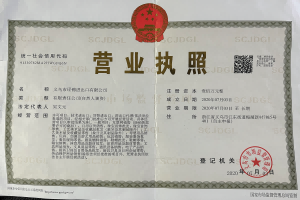
Legal Identity
Review the applicable contracting entity, factory information and business documentation required by the buyer’s vendor-qualification system.
Physical Facility
Verify the Yiwu core production base, production areas, equipment, sample-development activity, QC and packing operations.

Product Development
Review how Tech Packs, pattern or Seamless development, sampling, revisions and bulk handover are controlled.

Materials
Review material sourcing or source control, physical standards, incoming checks and applicable change-management requirements.

Production
Review Seamless, Cut & Sew, First Article, WIP and production-allocation practices against the actual project scope.

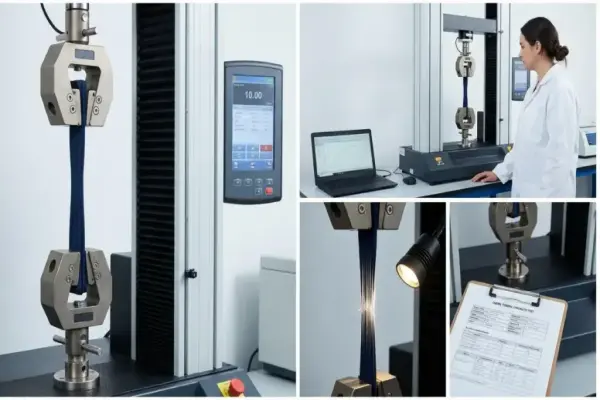
Quality
Review QA/QC responsibility, measurement, inspection, nonconformance handling, rework, re-inspection and CAPA practices.

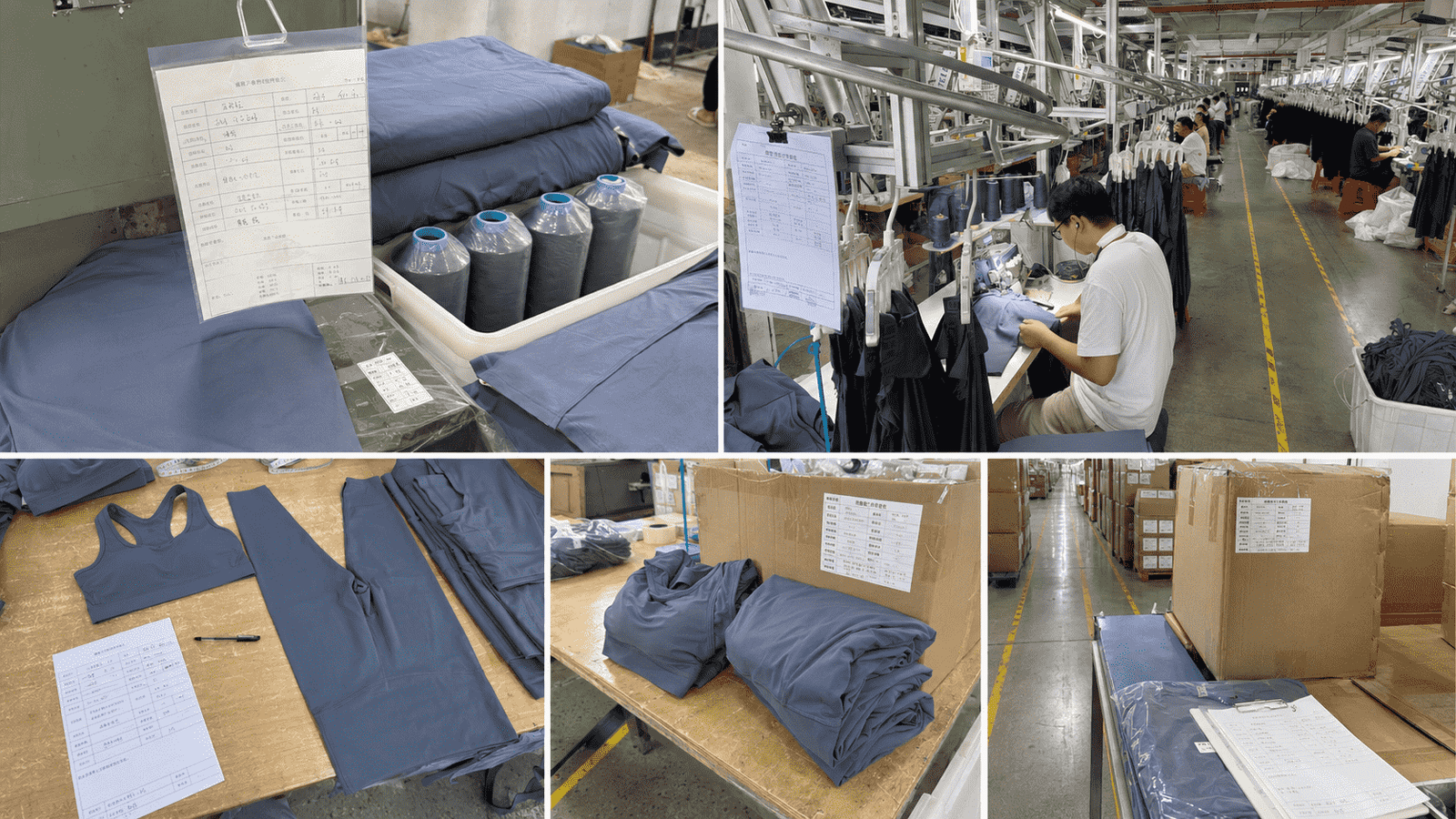
Traceability
Review how PO, SKU, material, production location, QC, packaging, cartons and shipment records can be connected.
Supply Chain
Review the boundaries of the managed satellite network and any Approved Factory or no-unauthorized-subcontracting requirement.

Findings & Closure
Where the buyer identifies a gap, the working logic should be: Finding → Owner → Corrective Action → Evidence → Closure.
Status note: Audit Ready does not mean Certified. Named audit certifications should only be published when a current verified report with matching holder, facility, scope and validity exists.
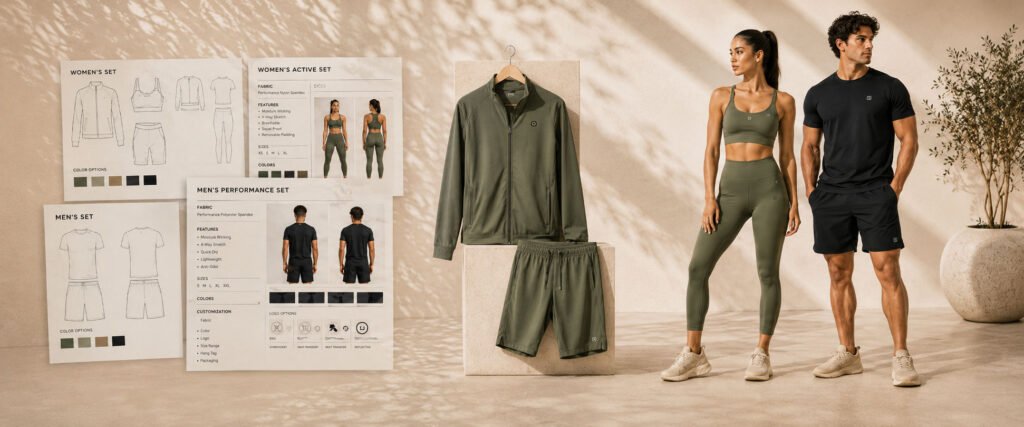
Prepare a Private-Label RFQ That Can Be Properly Reviewed
A good RFQ defines both the garment and the brand-execution requirements. Better inputs help MOVEVOX assess development work, MOQ, supplier minimums, timing and commercial feasibility with fewer assumptions.
Product
- Product category and style
- Tech Pack or legal reference
- Seamless / Cut & Sew route if known
Quantity
- Quantity by style
- Quantity by color
- Quantity by size
- Expected repeat or seasonal plan if available
Fabric & Fit
- Composition or material direction
- GSM / hand-feel target if known
- Measurement chart
- Pantone or physical color standard
Logo & Labels
- Logo artwork
- Application method if already specified
- Main / care / size label files
- Hangtag requirements
Retail Data
- SKU structure
- Barcode or QR requirements
- Variable product information
- Customer-provided data files
Packaging
- Individual bag requirements
- Inserts or stickers
- Folding
- Carton / shipping-mark requirements
Commercial Requirements
- Destination market
- Target Cargo Ready date
- Testing / inspection requirements
- Applicable buyer manual or factory rules
Why Use the Checklist?
- Reduce quotation assumptions.
- Identify separate material and packaging minimums.
- Clarify approval responsibilities earlier.
- Improve supplier comparison internally.
Replace the RFQ file URL only after the approved MOVEVOX Private Label Sportswear RFQ Checklist PDF has been uploaded.
Private Label Sportswear Manufacturer Frequently Asked Questions
These questions address the product, branding, MOQ, quality and supplier-qualification issues that sportswear brands commonly review before starting a private-label manufacturing program.
Private Label & Development
Is private label the same as adding a logo to an existing garment?
No. A MOVEVOX private-label project can involve product development, fabric, color, fit, construction, logo, labels, hangtags and packaging depending on the project. Some buyers begin with a complete Tech Pack, while others require more development support before these elements become a controlled bulk-production standard.
Can MOVEVOX work from our complete Tech Pack?
Yes. Complete Tech Packs are a high-fit project input. MOVEVOX can review the current measurements, construction, material, branding and packaging requirements before sampling. If conflicts or manufacturability issues are found, they should be raised for customer confirmation rather than silently changed.
What if we do not yet have a complete Tech Pack?
MOVEVOX can review an incomplete Tech Pack, legal reference sample, sketch, image or sufficiently defined product concept depending on project complexity. More incomplete inputs require more development decisions before the product can become ready for bulk.
MOQ & Sampling
What is the MOQ for private-label sportswear?
The base custom reference is approximately 100 pieces per style for Seamless and approximately 150 pieces per style for Cut & Sew. Custom colors, fabrics, logos, labels, hangtags and customized packaging can have separate supplier minimums.
How long does sample development usually take?
Standard sample development is typically around 5–10 working days after the relevant development details are confirmed. Material availability, custom color, complex construction or special brand components can increase the actual timing.
Branding & Retail Execution
What logo methods can MOVEVOX support?
Confirmed common options include screen print, heat transfer, silicone printing and embroidery. The suitable method depends on the garment material, stretch, artwork, dimensions, position and required appearance. Specific durability claims require actual test evidence.
Can MOVEVOX handle labels, hangtags, barcodes and packaging?
Yes, these elements can be coordinated as part of the private-label project. Customer artwork and retail data must be correctly mapped to the applicable style, color and size, while packaging and print suppliers can have separate MOQ and lead-time requirements.
Production & Supplier Qualification
How does MOVEVOX control sample-to-bulk consistency?
Production works from the applicable released specifications and approved physical references. Controls can include Specification Freeze, PP approval, First Article, inline inspection, finished-garment checks, branding verification, packing checks and final release.
Can MOVEVOX support larger repeat orders?
MOVEVOX’s managed combined normal delivery range is approximately 150,000–200,000 garments per month under normal operating conditions. Formal capacity is still reviewed against the actual product, SKU structure, materials and requested production window.
Can our team audit MOVEVOX and verify production locations?
Yes. Buyer-led factory visits, technical audits, live-video verification and applicable third-party inspections can be supported. MOVEVOX operates an own core factory with eight major long-term managed satellite factories, and production-location rules can be handled according to agreed buyer requirements.
Start Your Private Label Sportswear Project With MOVEVOX
Whether your team already has a complete Tech Pack or is still organizing the product and private-label requirements, the most useful first step is to send the information that currently exists. MOVEVOX can review a complete or incomplete Tech Pack, legal reference sample, sketch, image, defined product concept or fabric reference, depending on project complexity.
For a more accurate first review, include the product category, expected quantity by style, color and size, material direction, measurement or fit information, construction details, logo artwork, label and hangtag requirements, SKU or barcode information, packaging specification, destination market and target timing. If your company already works with a formal Quality Manual, compliance requirement or Approved Factory system, include the relevant information at the beginning of the project.
MOVEVOX will review the applicable Seamless or Cut & Sew manufacturing route, major technical questions, private-label components, likely MOQ constraints, sampling requirements and production considerations before final commercial confirmation. Standard sample development is typically around 5–10 working days after relevant details are confirmed. Base custom MOQ references are approximately 100 pieces per style for Seamless and 150 pieces per style for Cut & Sew; custom colors and private-label components can have additional minimums.
Submitting an inquiry does not automatically confirm every specification, cost, testing requirement or delivery date. These items must be reviewed against the actual project. NDA-based cooperation is available for unreleased products and confidential brand or sourcing information.