Custom Activewear Labels From Approved Artwork to Controlled Bulk Application
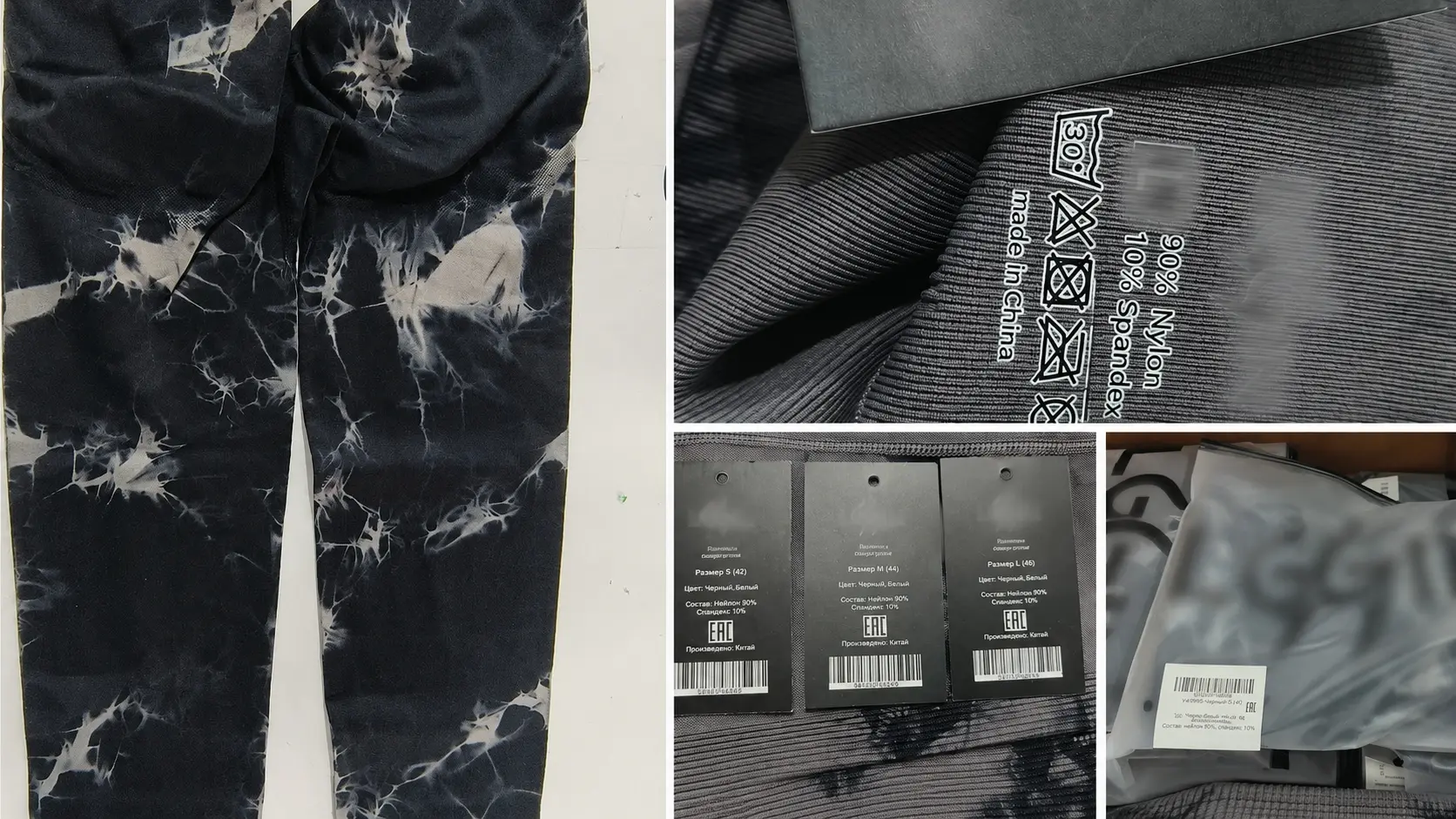
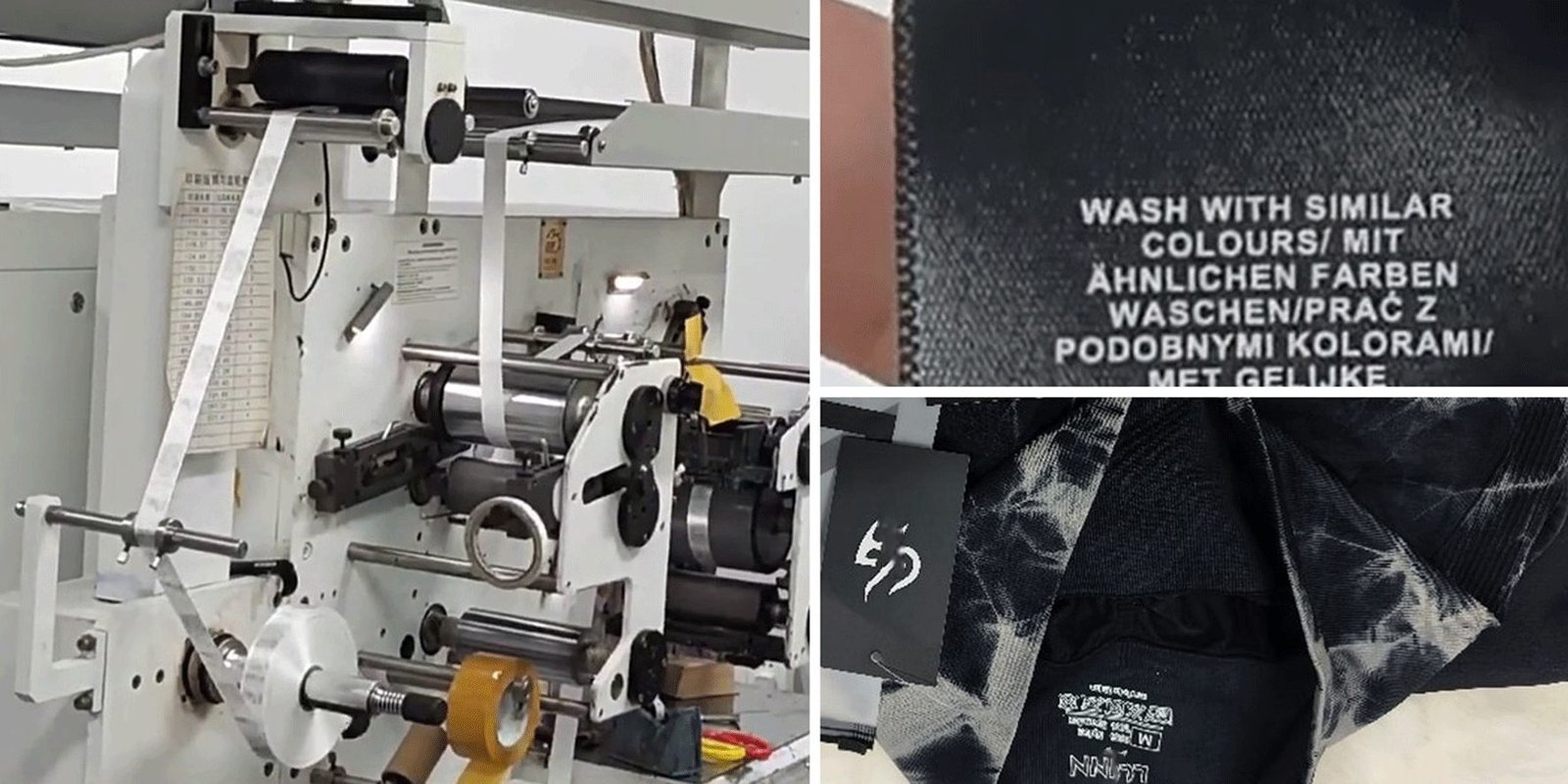
MOVEVOX supports custom label execution for activewear across both Seamless and Cut & Sew manufacturing programs. Brand projects can include main labels, care labels, size labels, woven labels, hangtags and other buyer-approved branding information required for the garment and packing process.
Label execution is managed as part of the product program rather than as an isolated accessory purchase. Artwork, content, size mapping, placement and approved versions are connected to the relevant style, SKU and production requirement before bulk application.
For multi-style or repeat-order programs, this control becomes especially important. A correct garment with the wrong label version, size or packing data can still create a serious commercial problem.
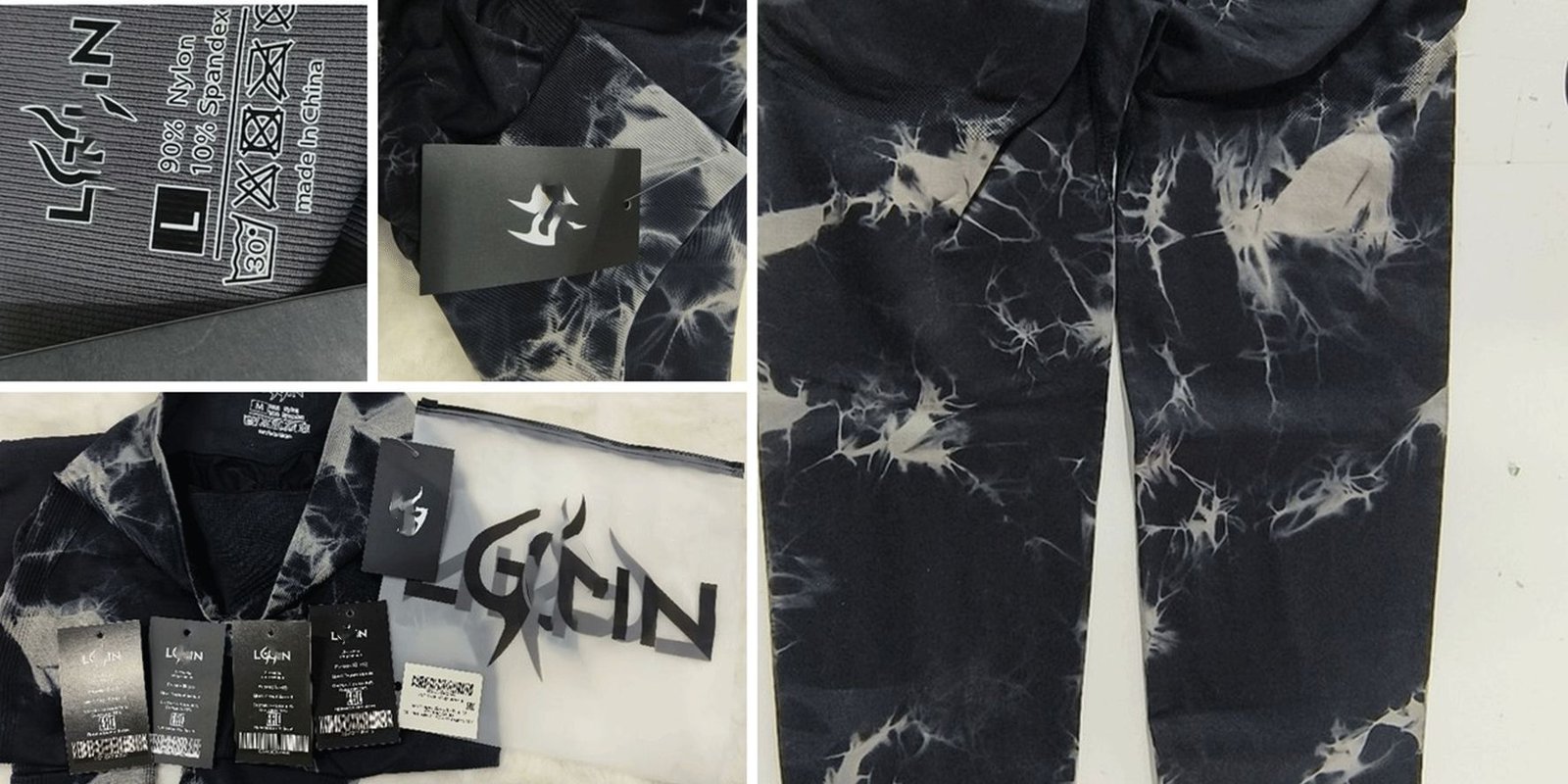
A Small Label Error Can Become a Large Production or Retail Problem
Labels are physically small components, but they can carry brand identity, care information, size data and SKU-related information. A label therefore needs to be controlled as part of the production specification rather than added as an unchecked final-stage accessory.
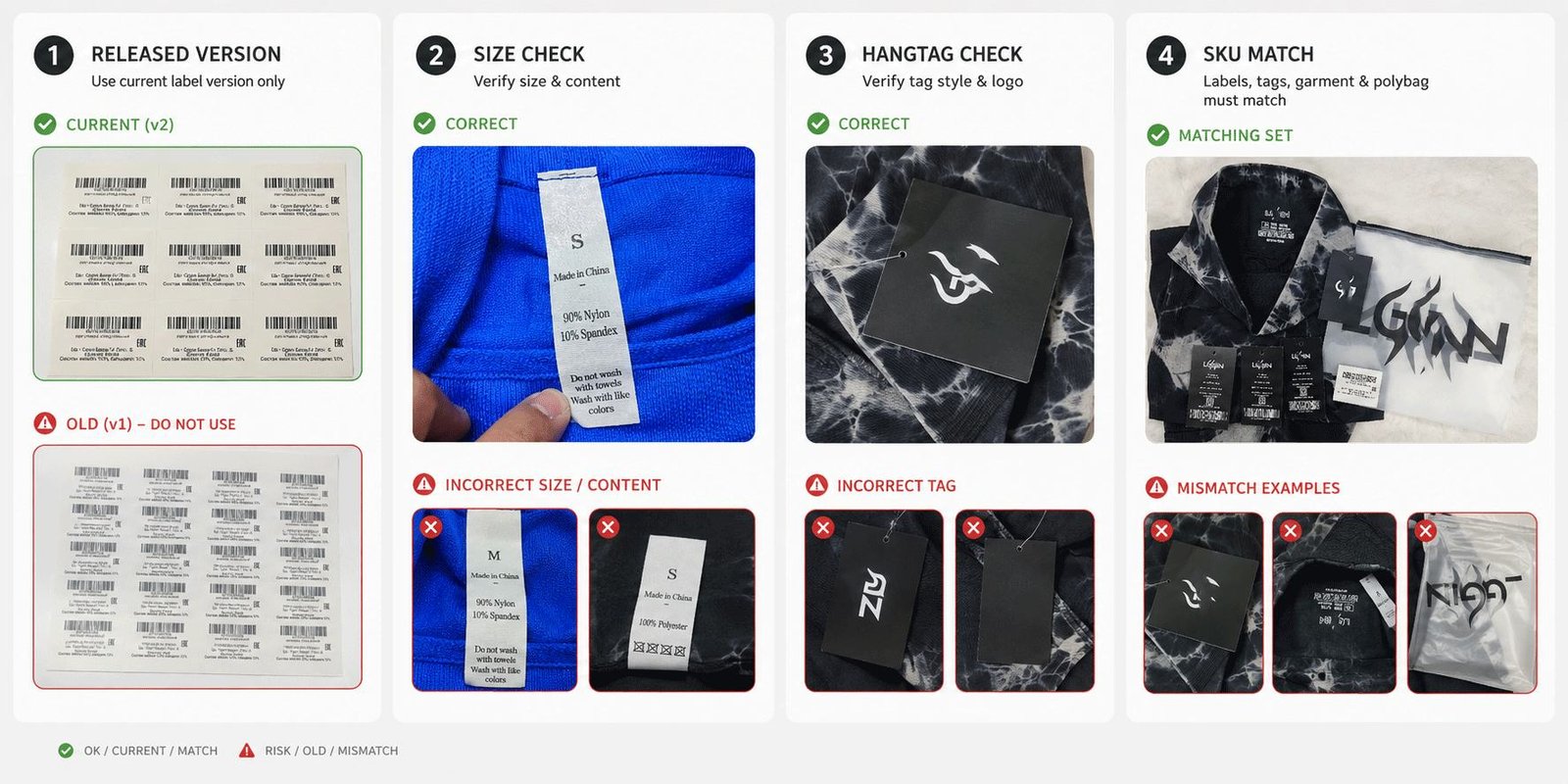
Correct Garment, Wrong Label Version
A garment may meet the approved construction and measurement requirements while still being incorrect if an obsolete or unapproved label version is applied.
Correct Label, Wrong Size
A correct main or care label does not prevent a packing error if the wrong size label is attached to the garment.
Correct Size, Wrong SKU Mapping
For multi-color and multi-size programs, the garment, size label and buyer-supplied SKU or barcode information need to remain aligned through packing.
Repeat Orders Create Version Risk
Repeat production needs a released version reference rather than relying on an old file retained from the previous order.
Manage Main, Care and Size Labels as One Brand Label Set
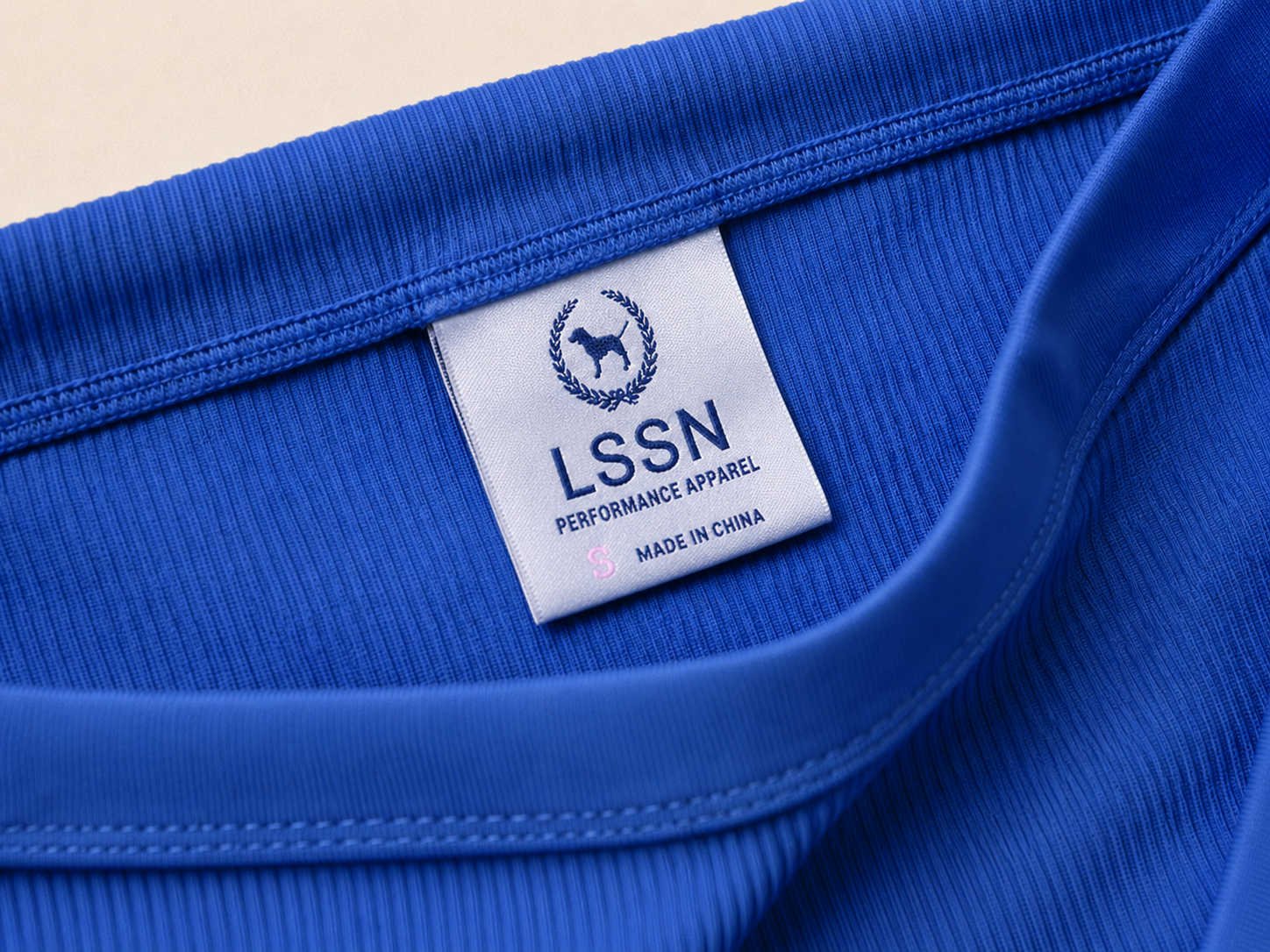
A mature activewear program normally requires more than one label. MOVEVOX can coordinate the different label elements against the same garment style and approved project information.
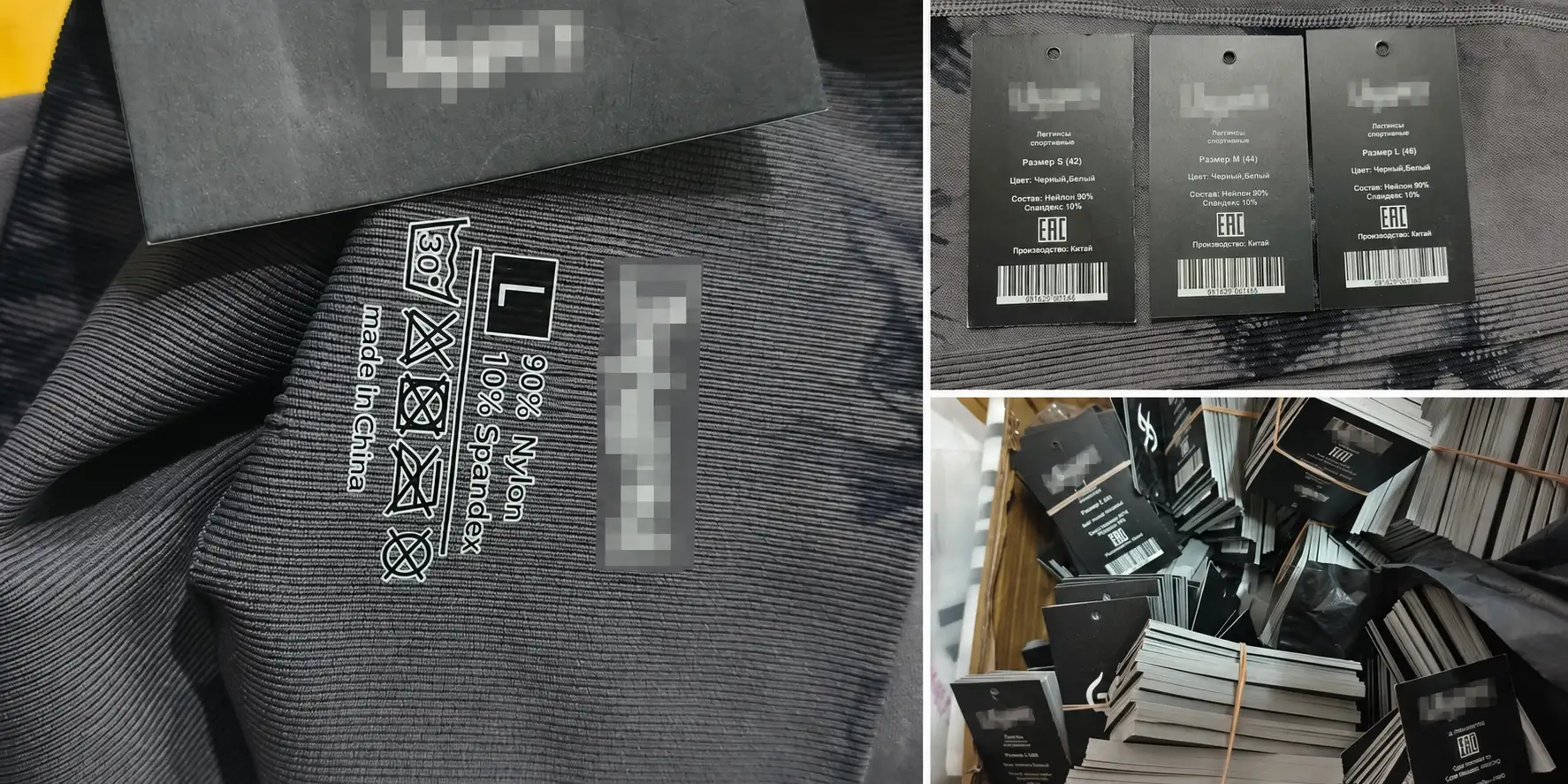
Main Label
Carries the primary brand identity and is developed against the buyer-approved artwork, finished size and garment placement.
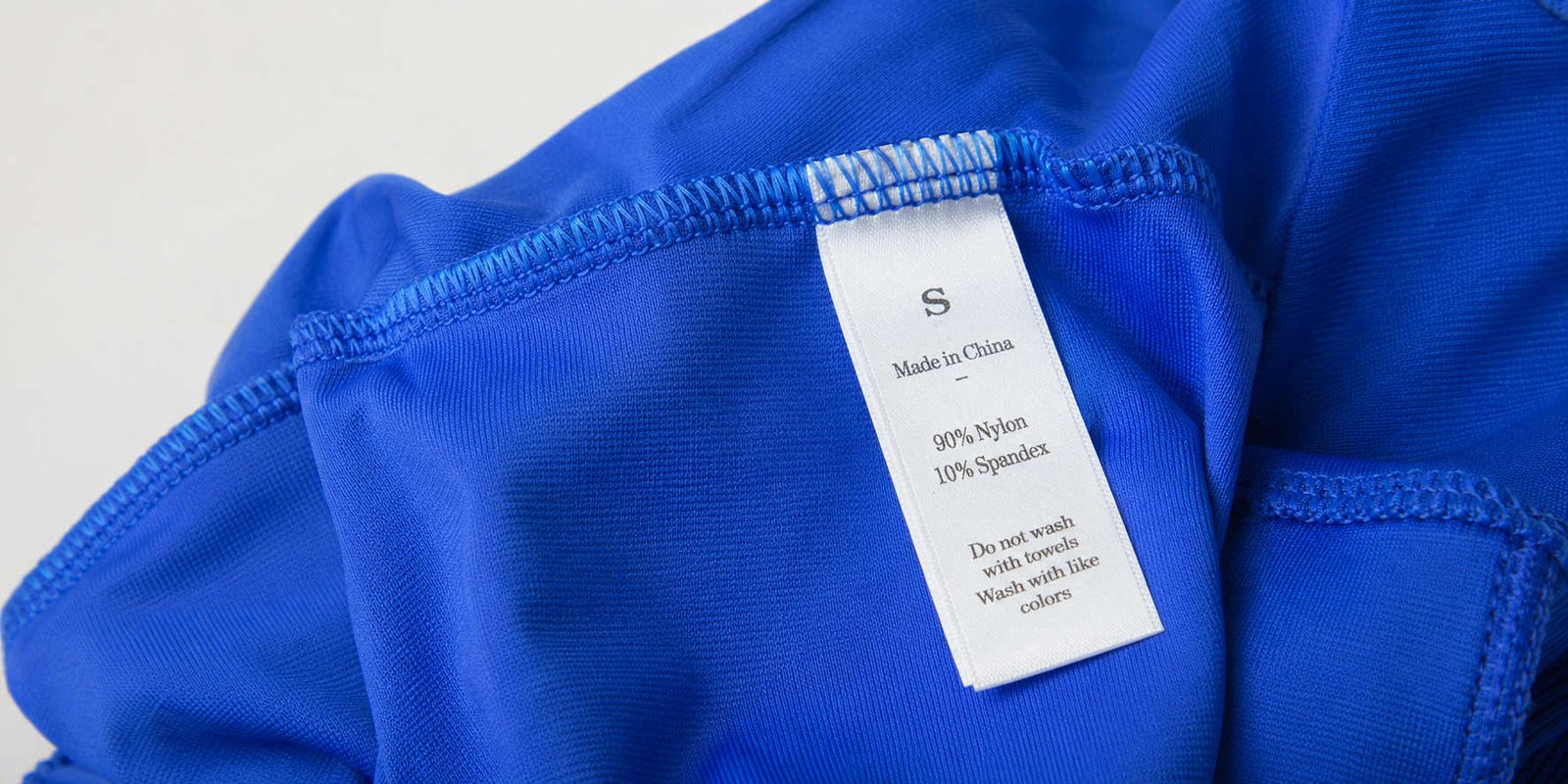
Care Label
Carries buyer-approved product information such as composition, care instructions, origin and required project content.
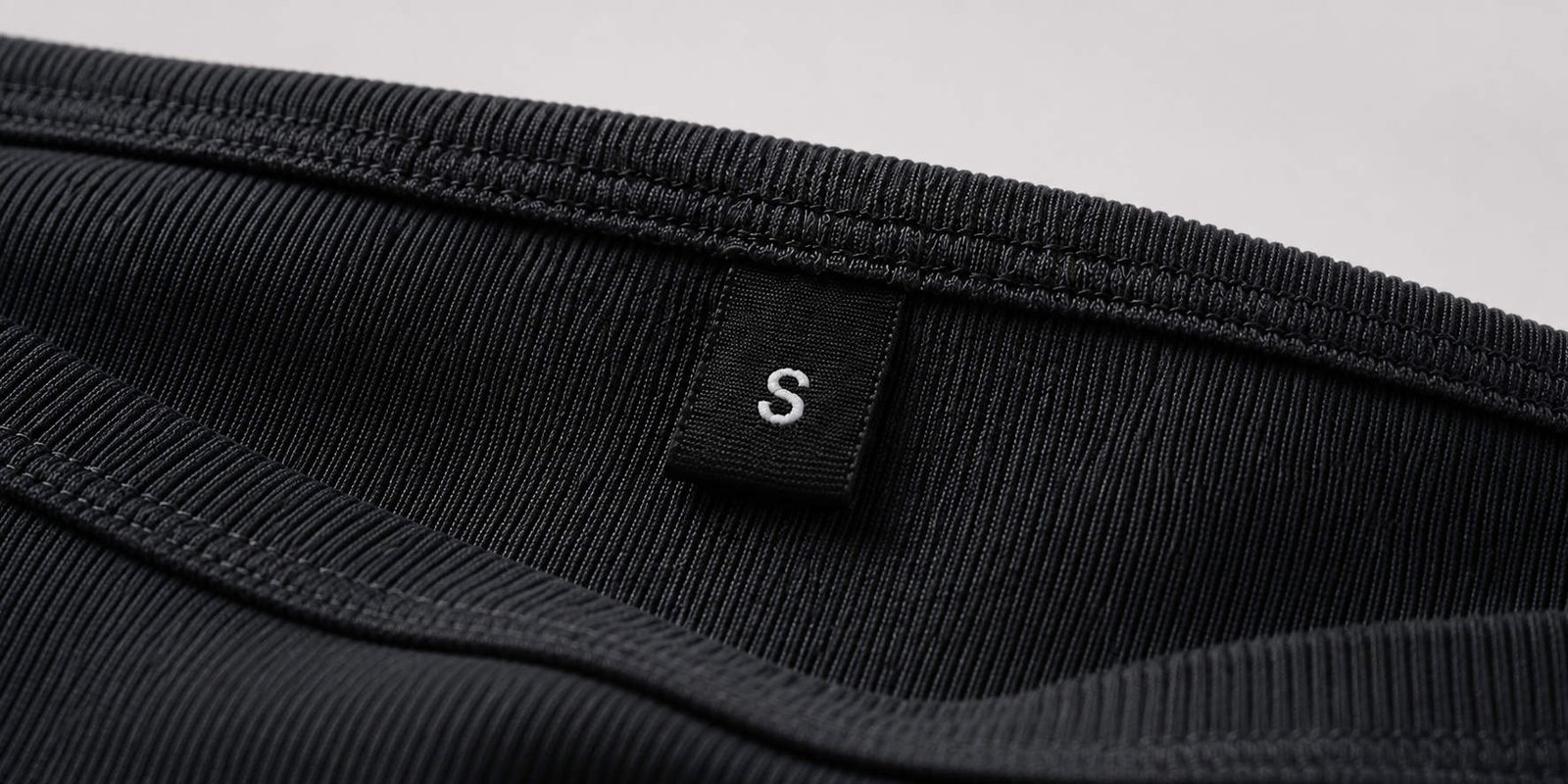
Size Label
Identifies the approved garment size and should remain consistent with the relevant style, size set and SKU structure.
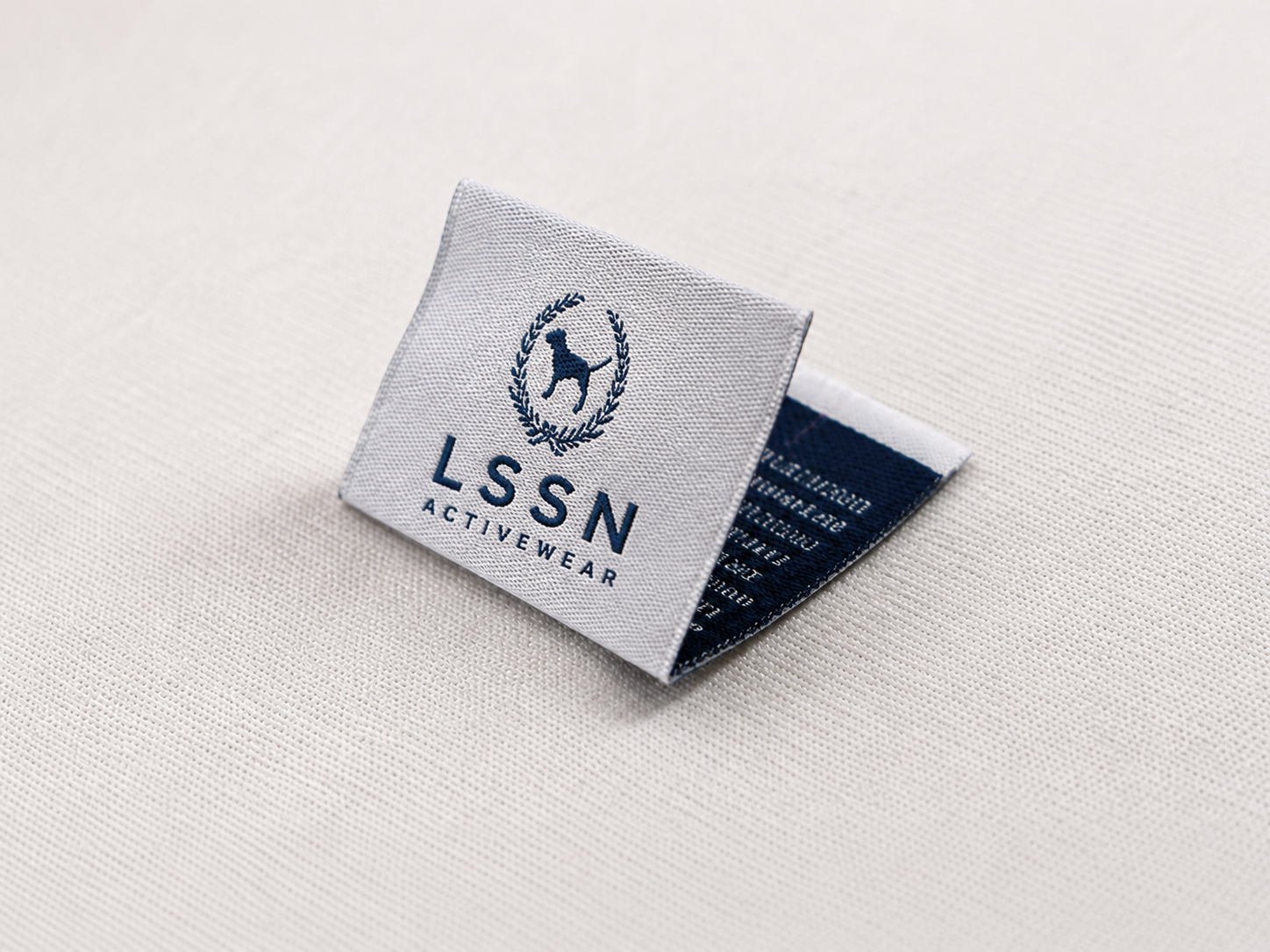
Supporting Brand Labels
Suitable side labels, hem labels and small woven brand trims can be developed where the garment construction allows.
One Approval Chain
Artwork → Label Type → Garment Style → Size / SKU → Physical Approval → Bulk Application
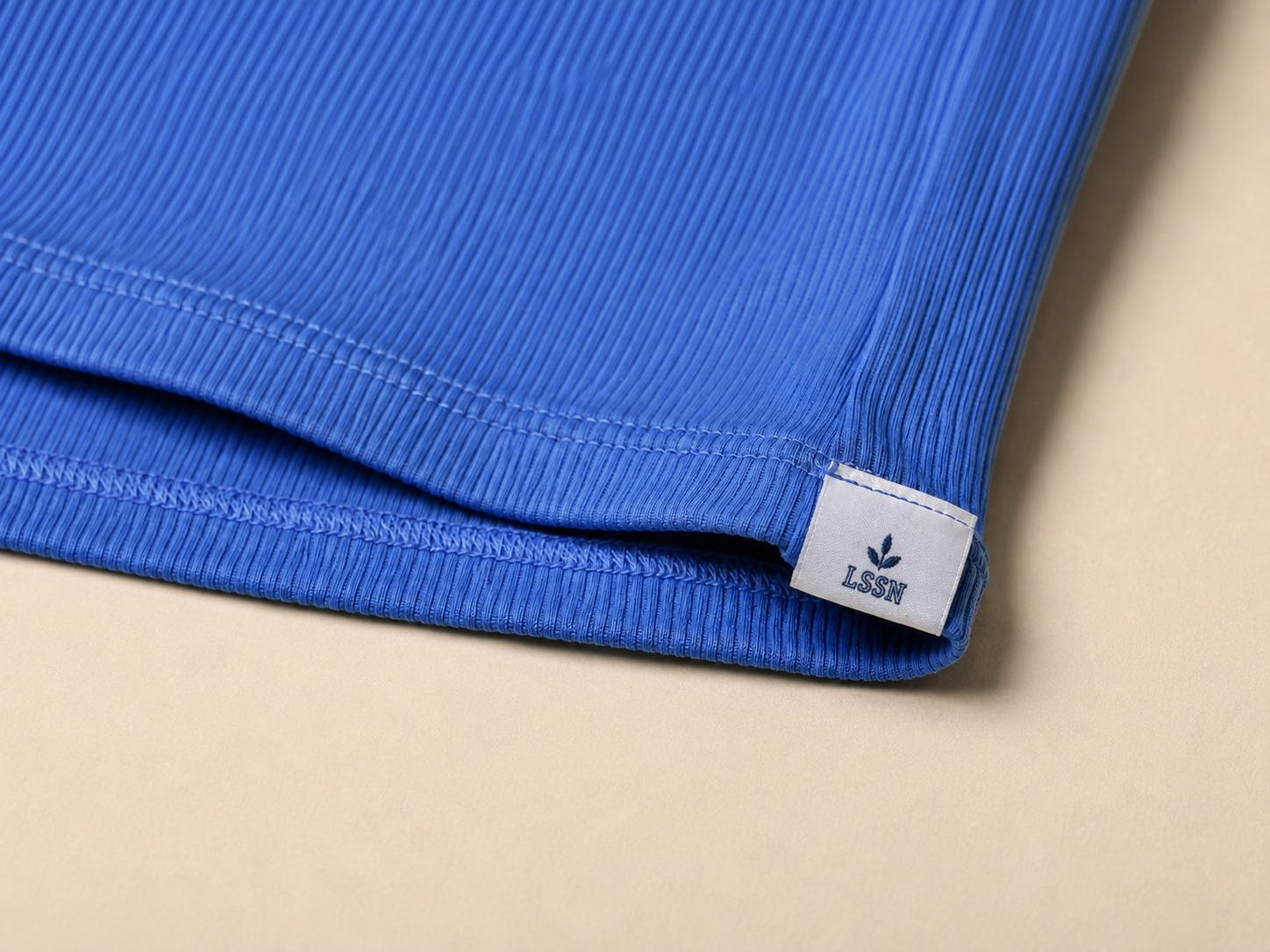
Woven Labels Need the Right Size, Fold, Handfeel and Garment Position
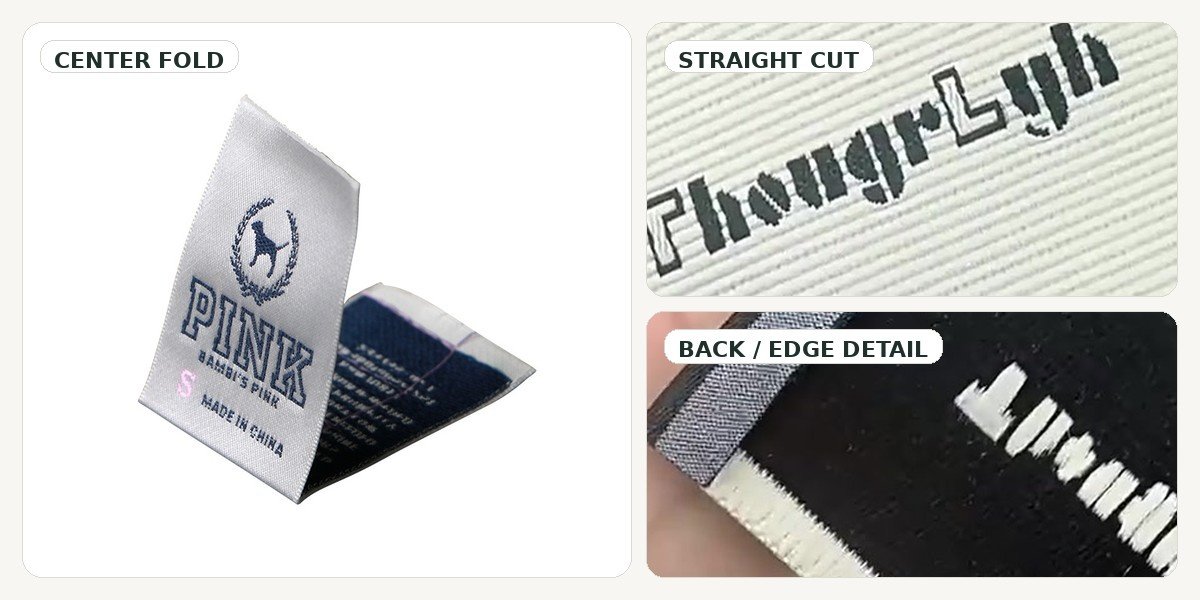
A woven label is not only a small reproduction of the brand logo. Its finished result depends on artwork detail, thread structure, label size, edge treatment, fold construction and garment application.
Finished Size Matters
Very small labels can reduce readability or make fine brand detail difficult to reproduce.
Fold Type Changes the Application
Depending on the project, label structures may include suitable straight-cut, center-fold or end-fold directions.
Skin-Contact Comfort Needs Review
For close-to-skin products, edge stiffness, fold thickness and sewing position should be considered together with branding appearance.
Approval Flow
Artwork → Thread / Color Direction → Finished Size → Fold Type → Placement → Physical Sample → Readability / Handfeel → Sewing → Approval
Execute Care Labels From Buyer-Approved Content, Not Assumptions
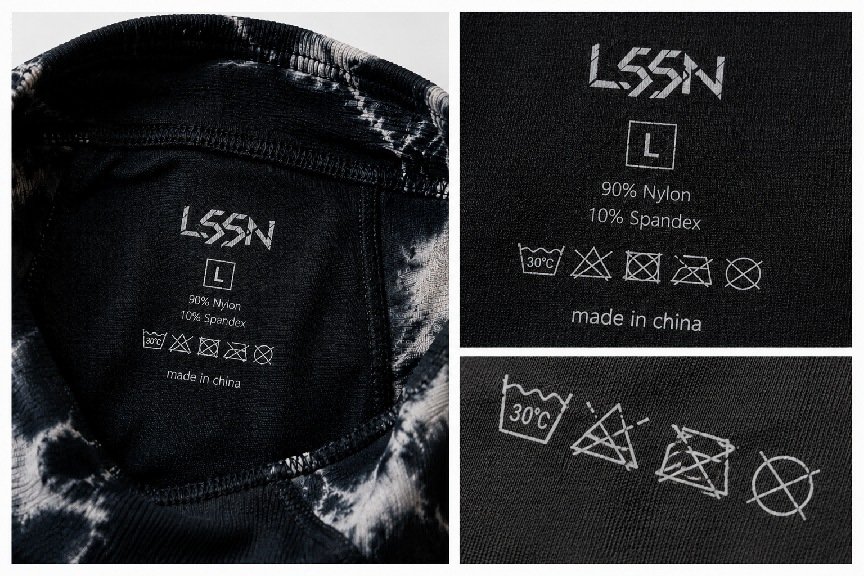
Care labels can contain product and market-specific information, so MOVEVOX treats the buyer-approved file as the controlling reference rather than independently deciding legal wording for a destination market.
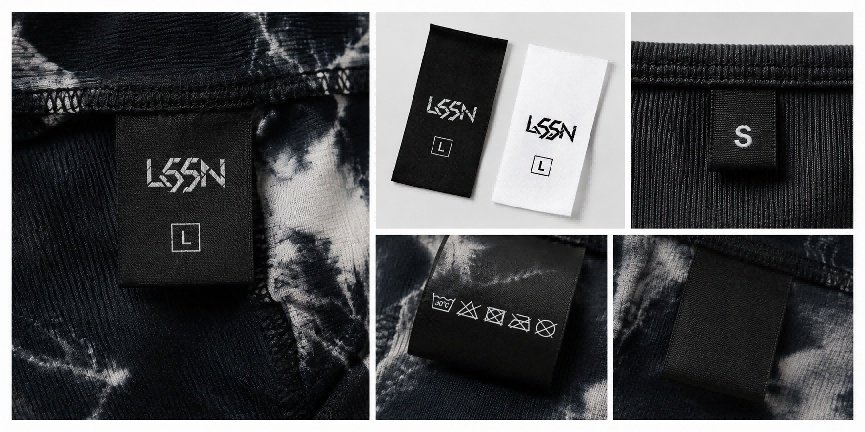
Information That May Be Included
Buyer Approval Comes Before Production
The buyer is responsible for confirming the applicable legal content, language and target-market requirements. MOVEVOX executes the approved information through the selected label route.
Version Control Is Required
Where care information changes between orders, the new released file should replace the previous production version before bulk use.
Keep the Garment Size, Size Label and SKU Mapping Connected
For a multi-size program, a Size Label is one part of a larger mapping system that needs to remain consistent from garment production through final packing.
Start from the approved buyer size system.
Apply the correct approved size identification.
Map the size to the relevant style, color and buyer SKU.
Keep Polybag or packing identification aligned with the garment.
Reconcile the size and SKU breakdown before shipment.
Start With the Buyer’s Size System
MOVEVOX can work with the size structure defined for the project, including standard size sets or buyer-defined sizing systems.
Control Garment Placement
The Size Label should be applied in the approved position and orientation for the garment.
Connect the Packing Data
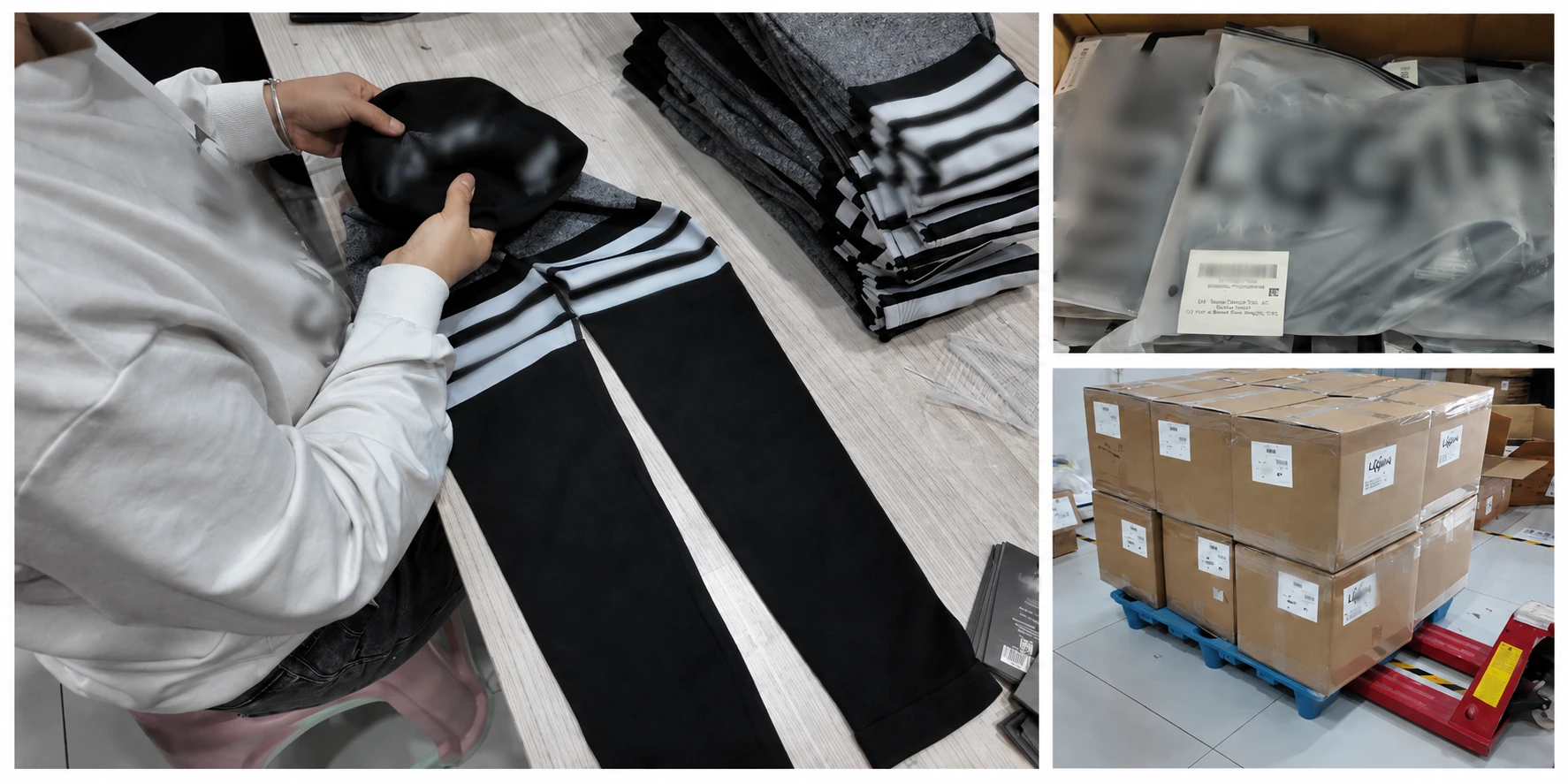
Where buyer-supplied SKU or packing labels are used, the same mapping needs to remain consistent through Polybag and Carton stages.
Treat the Hangtag as Both Brand Presentation and Retail Information
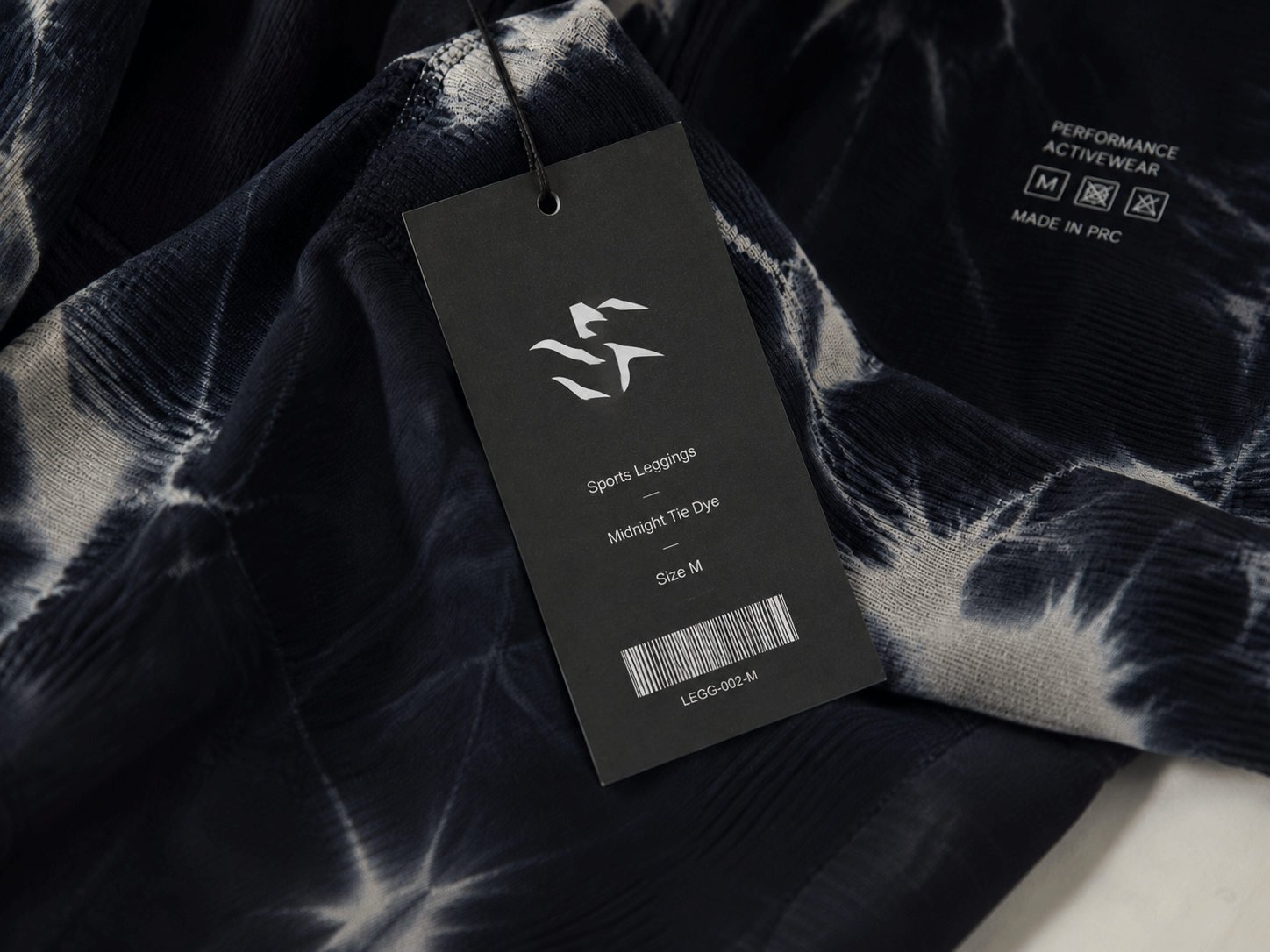
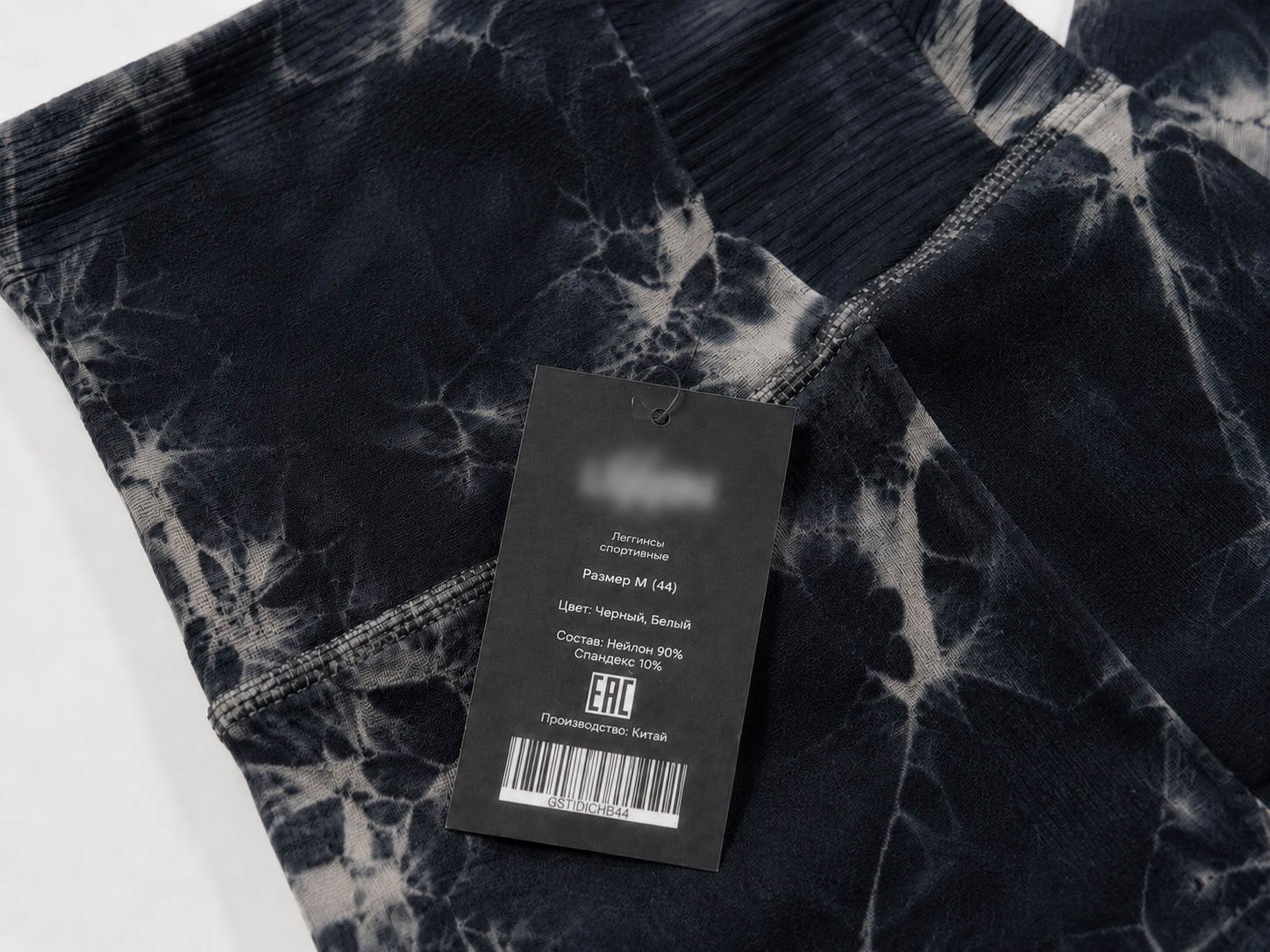
A Hangtag may carry visual branding, product information and buyer-supplied SKU or retail data. Its execution therefore needs to connect the approved design with the correct garment and packing requirement.
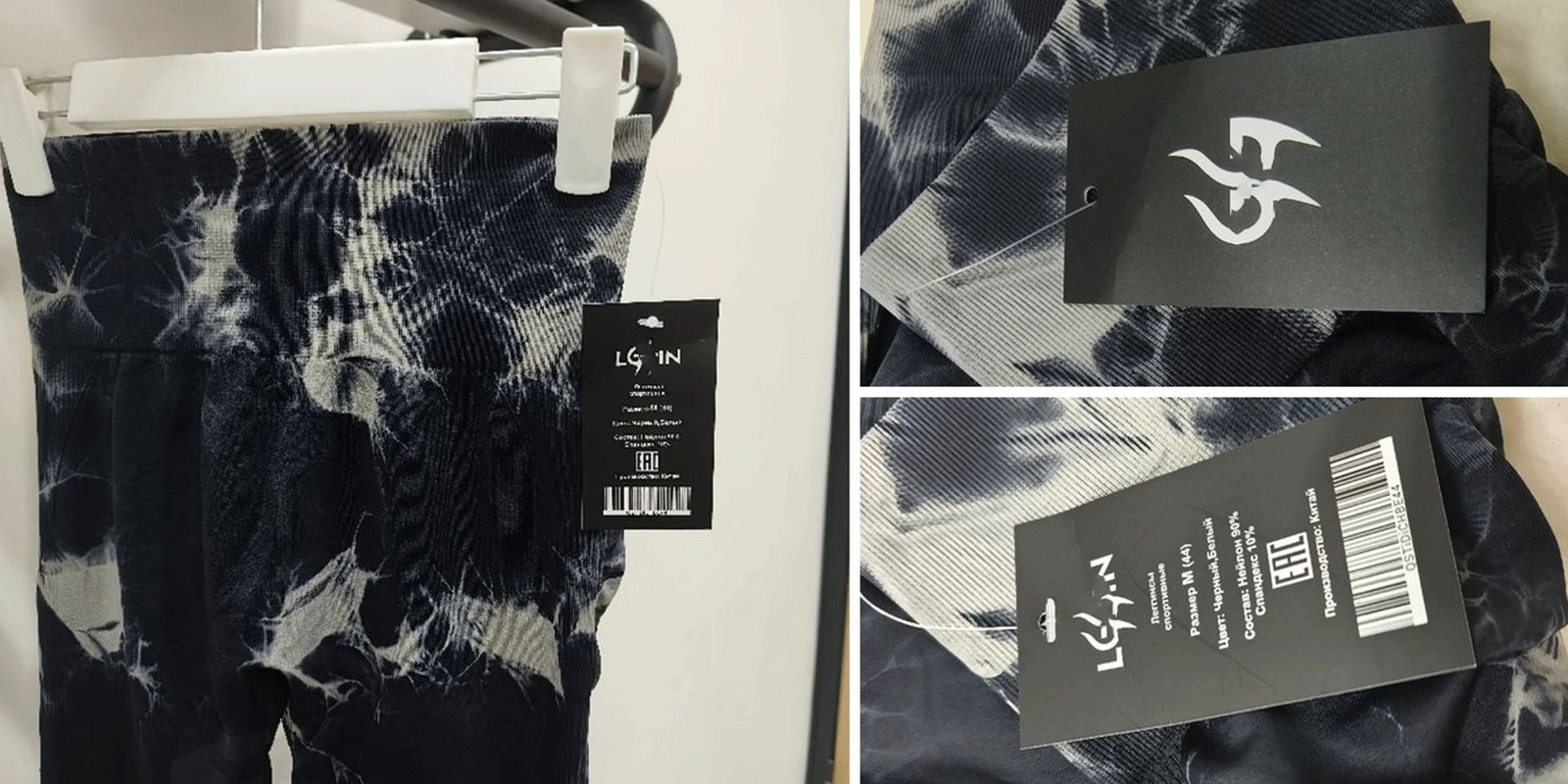
Artwork & Content
Review the buyer-approved front, back and variable information.
Physical Specification
Confirm size, paper direction, printing, hole and attachment requirements.
Variable Data
Confirm buyer-provided SKU, barcode or style information before printing.
Proof Review
Review the digital proof and physical sample where required.
Production Version
The released artwork and variable-data version become the reference.
Garment Attachment
Keep the Hangtag linked to the correct product, color, size or SKU.
Packing Verification
Check Hangtag presence, version and relevant data during packing.
Connect Buyer-Supplied SKU Data to the Correct Product and Packing Unit
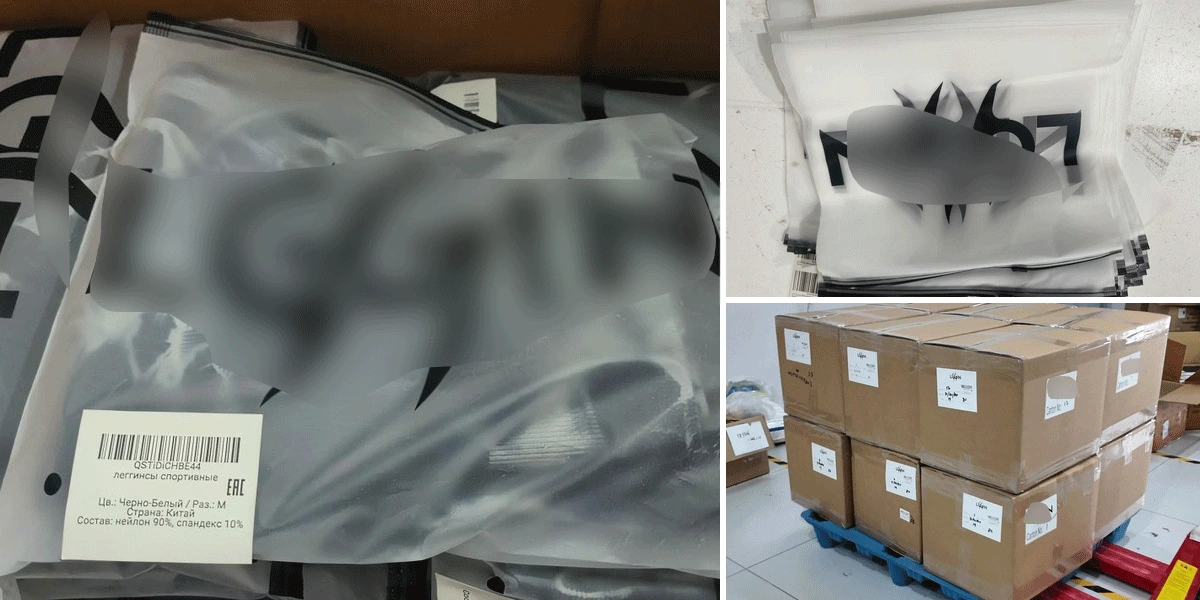
Machine-readable or SKU-related labels can create major fulfillment errors if the data is correct but mapped to the wrong style, color or size.
Product Mapping
Start from the approved Style, Color, Size and Buyer SKU.
Buyer-Approved Data
Commercial SKU or platform data should come from the buyer's confirmed system or file.
Human-Readable Information
Check visible numbers and text against the supplied source.
Readability Where Applicable
Machine-readable verification can be incorporated where relevant to the project.
Placement
Apply the approved label or sticker to the agreed garment or packing location.
Packing Reconciliation
Correct Data → Correct Style → Correct Color → Correct Size → Correct Packing Unit.
Only the Current Released Label Version Should Enter Bulk Production
Label inspection needs to confirm more than whether a label is physically present. Content, size, language, placement and released version all need to match the approved project reference.
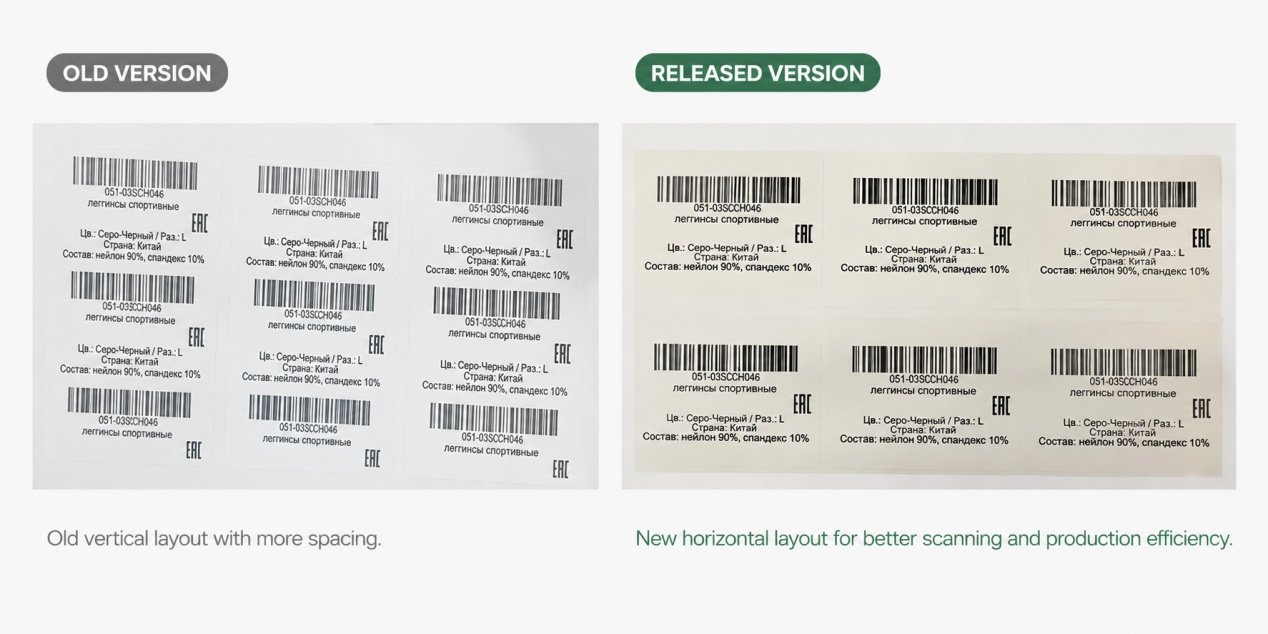
Production should use the current buyer-approved artwork, content, size and applicable revision.
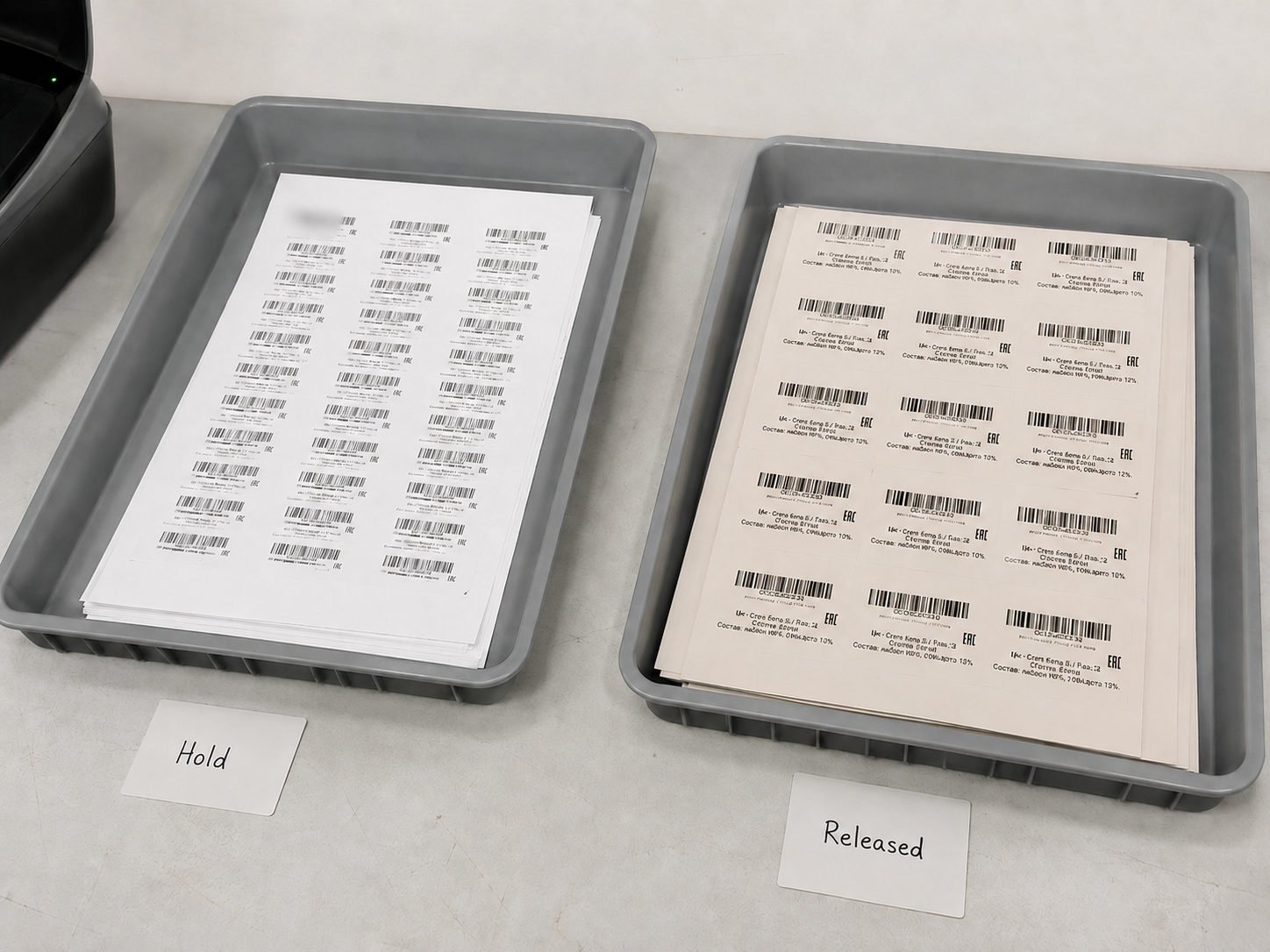
Old, incorrect or mismatched versions should be segregated for review rather than mixed into released bulk goods.
Brand & Artwork
Confirm the correct brand name and approved visual version.
Content
Check the required information against the released file.
Size / Language / Origin
Verify the relevant approved product information.
Position & Direction
Check location and orientation against the garment reference.
Sewing / Attachment
Review attachment workmanship and visible distortion.
Released Version
Confirm the production floor is using the current approved version.
Buyer-approved files, QC manuals, Tech Packs and project-specific requirements take priority where provided.
Reconcile the Label, SKU and Packing Information Before Shipment
A garment can have the correct sewn-in labels and still create a fulfillment problem if the Hangtag, Polybag sticker or Carton information is mapped incorrectly.
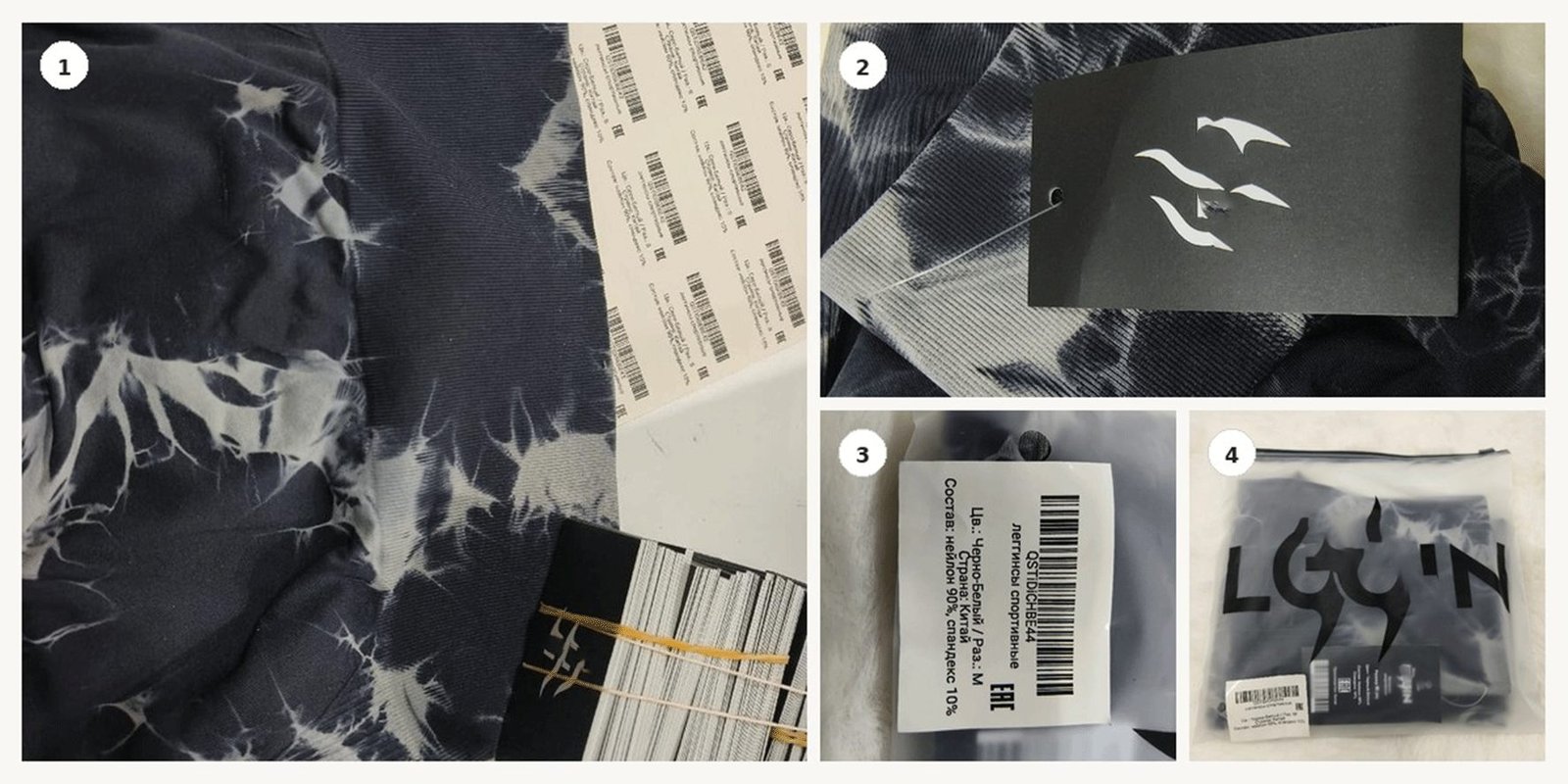 01 — GARMENT
Confirm Style, Color and Size.
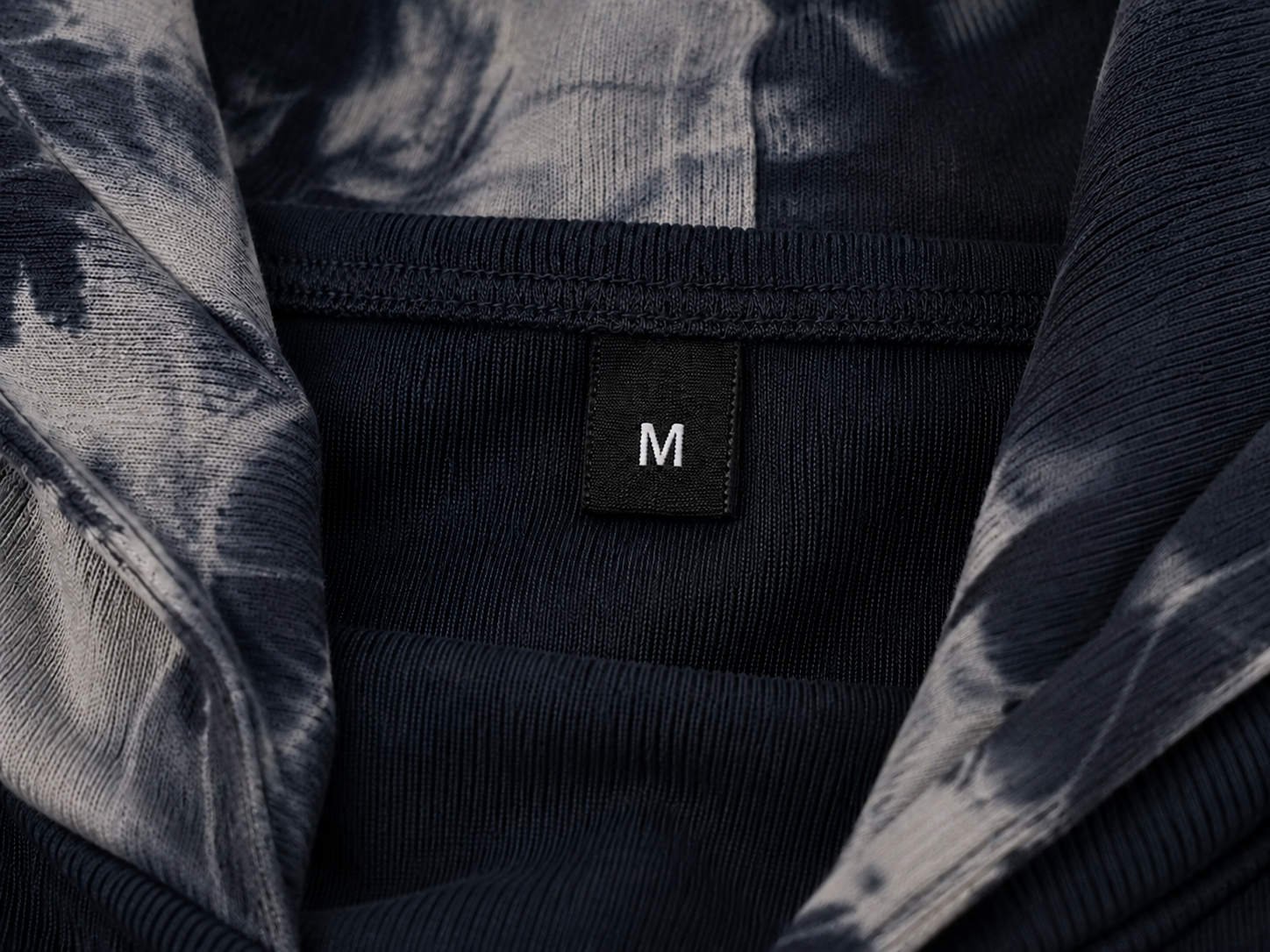 02 — SIZE LABEL
Confirm the correct garment size reference.
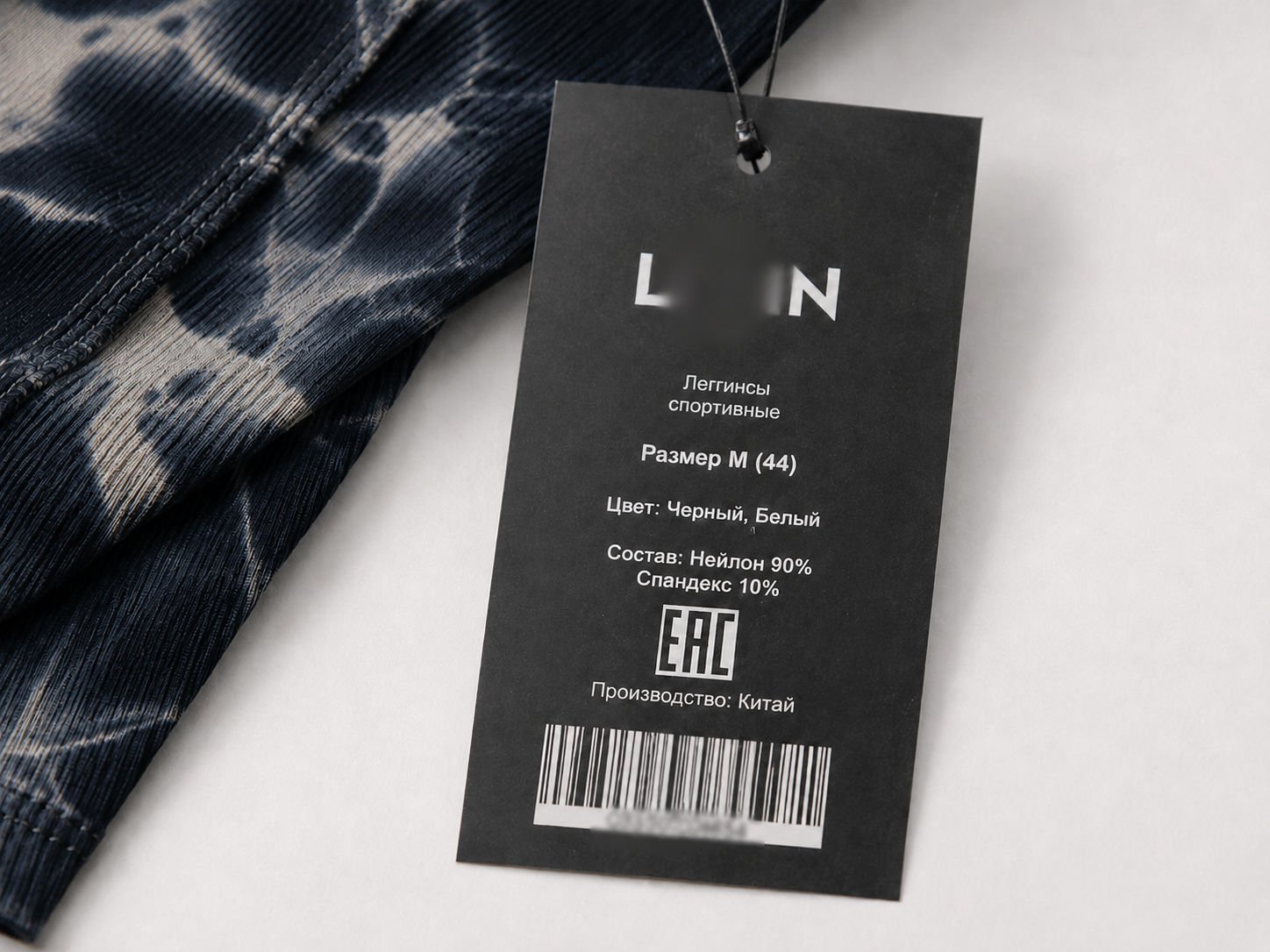 03 — HANGTAG
Confirm the approved product version.
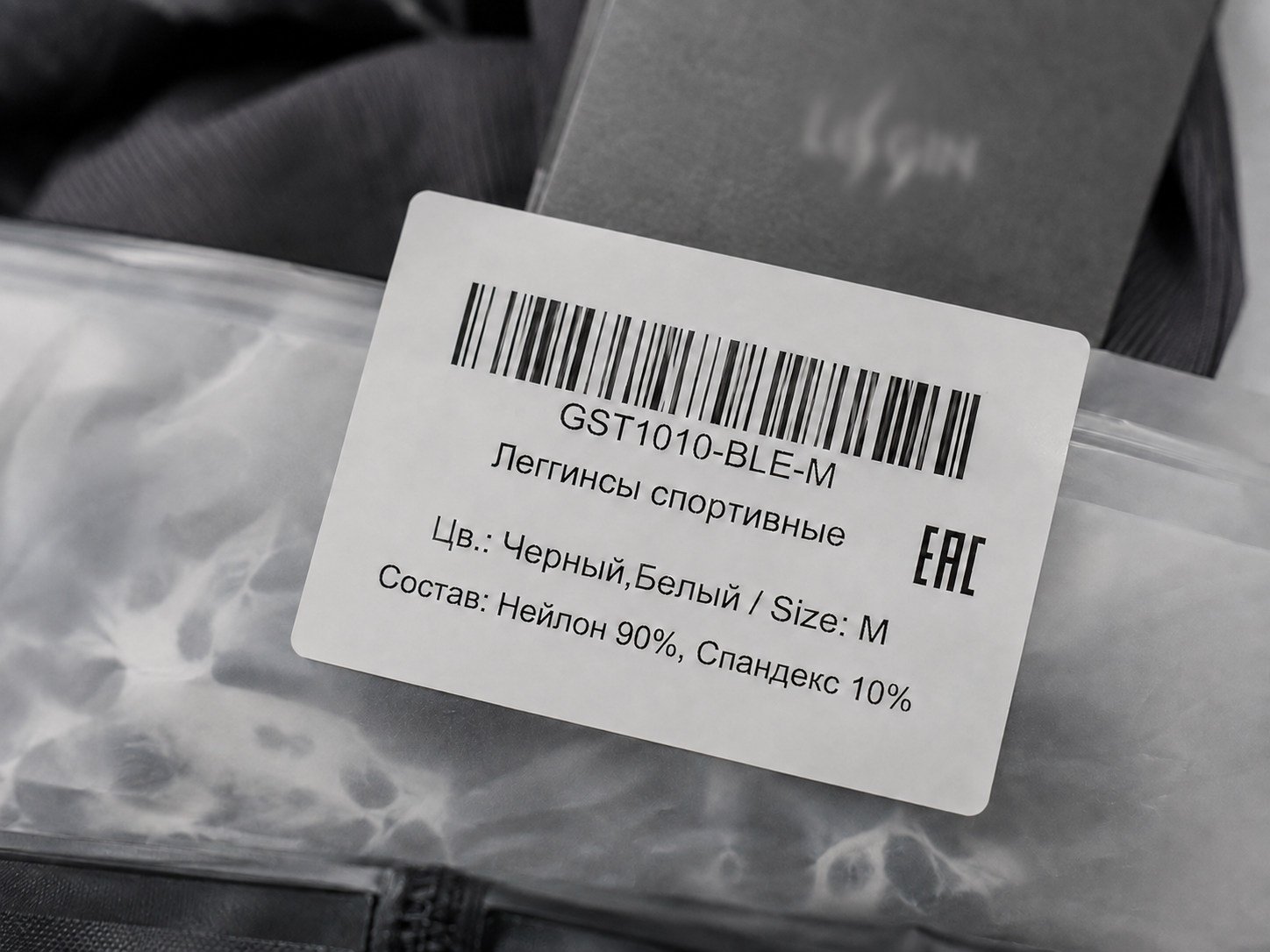 04 — SKU / BARCODE
Verify buyer-supplied data.
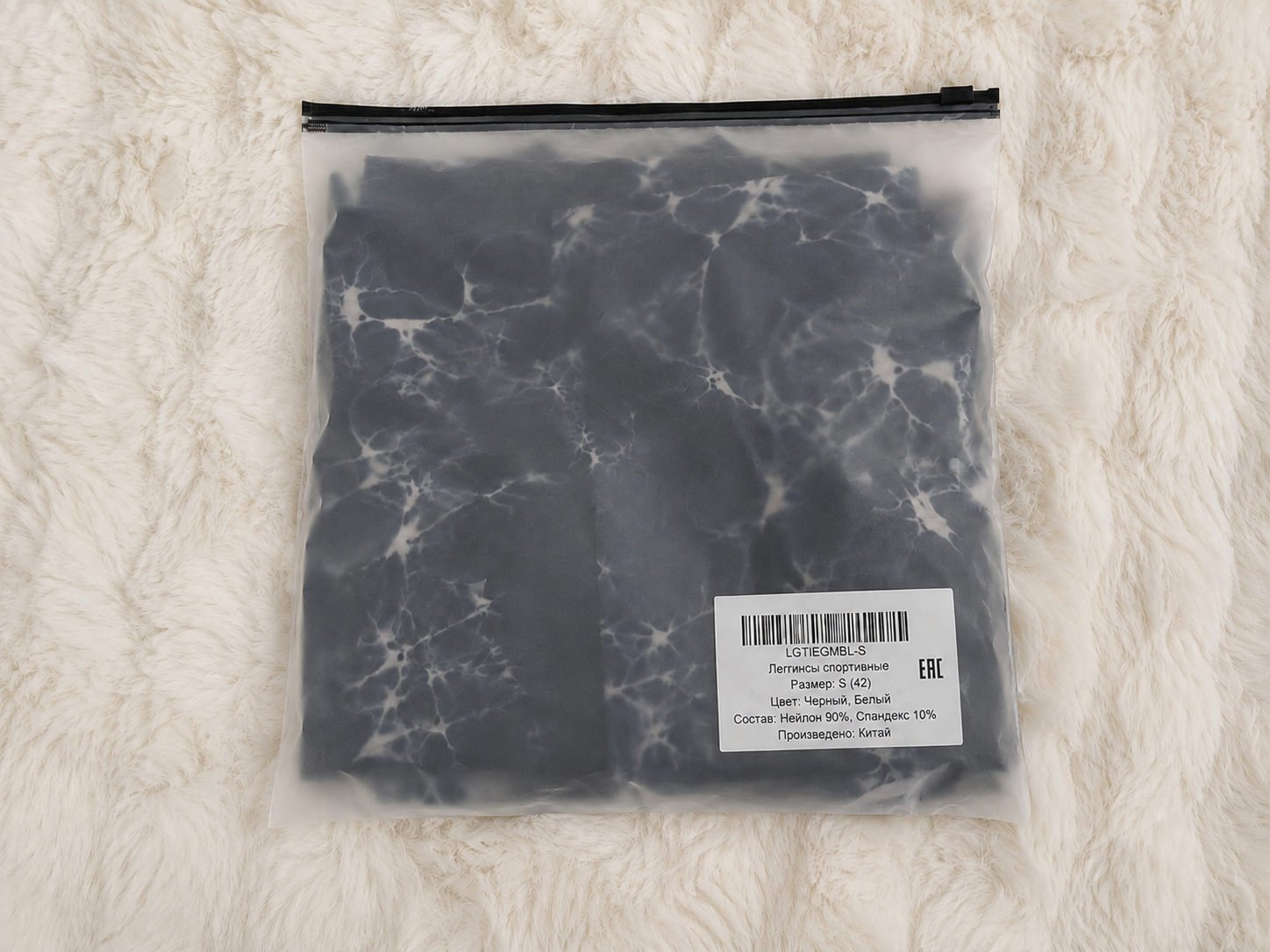 05 — POLYBAG
Match the packing identification to the garment.
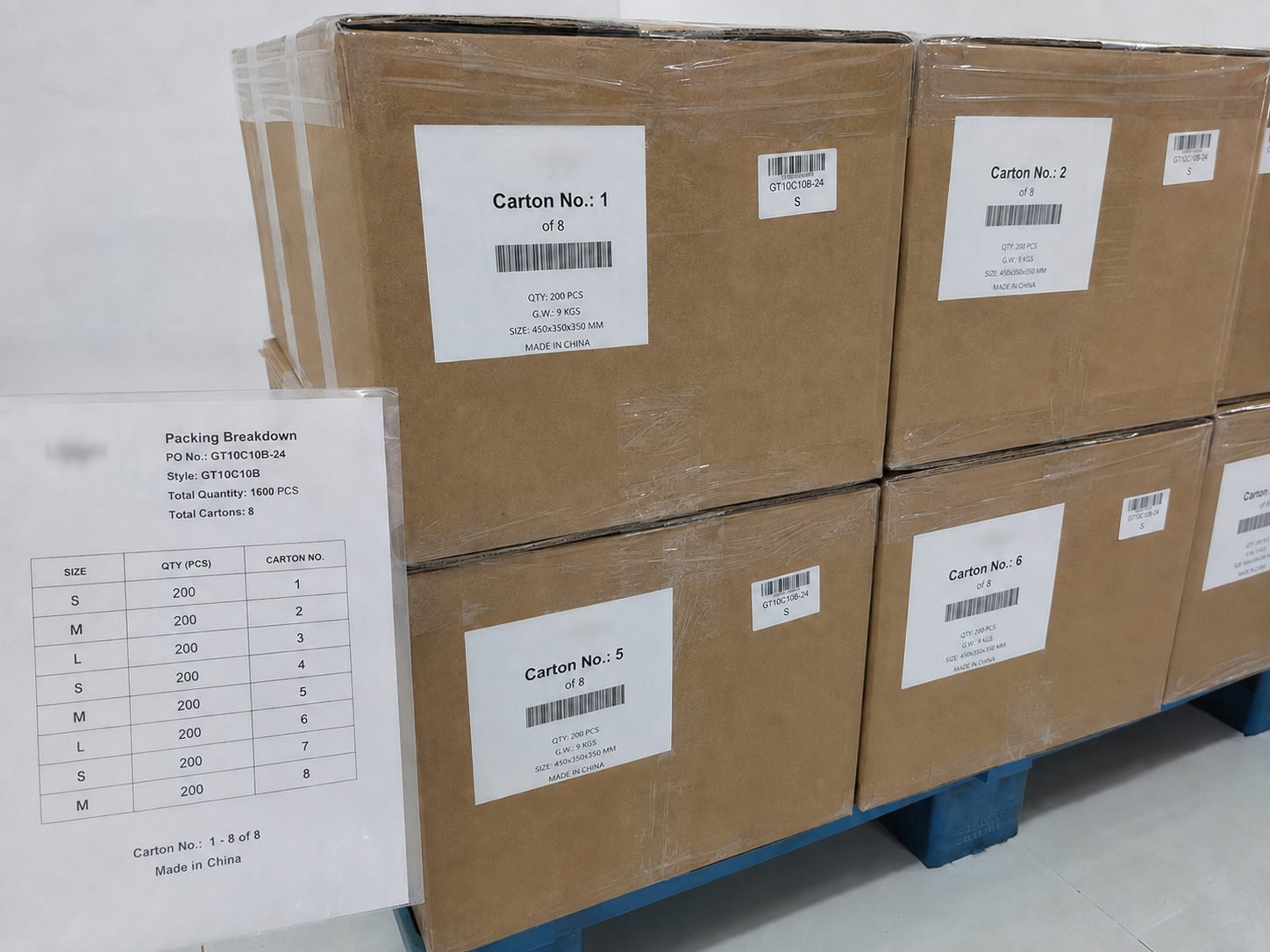 06 — CARTON
Verify quantity and size / SKU breakdown.
The objective is not simply that each component is individually correct, but that they all refer to the same product.
Connect Labels With the Rest of the Brand Execution Program
Custom Labels are only one part of a complete branded activewear program. When the project also includes color, Logo execution, SKU information and packaging, these elements need to remain connected to the same approved style and production reference.
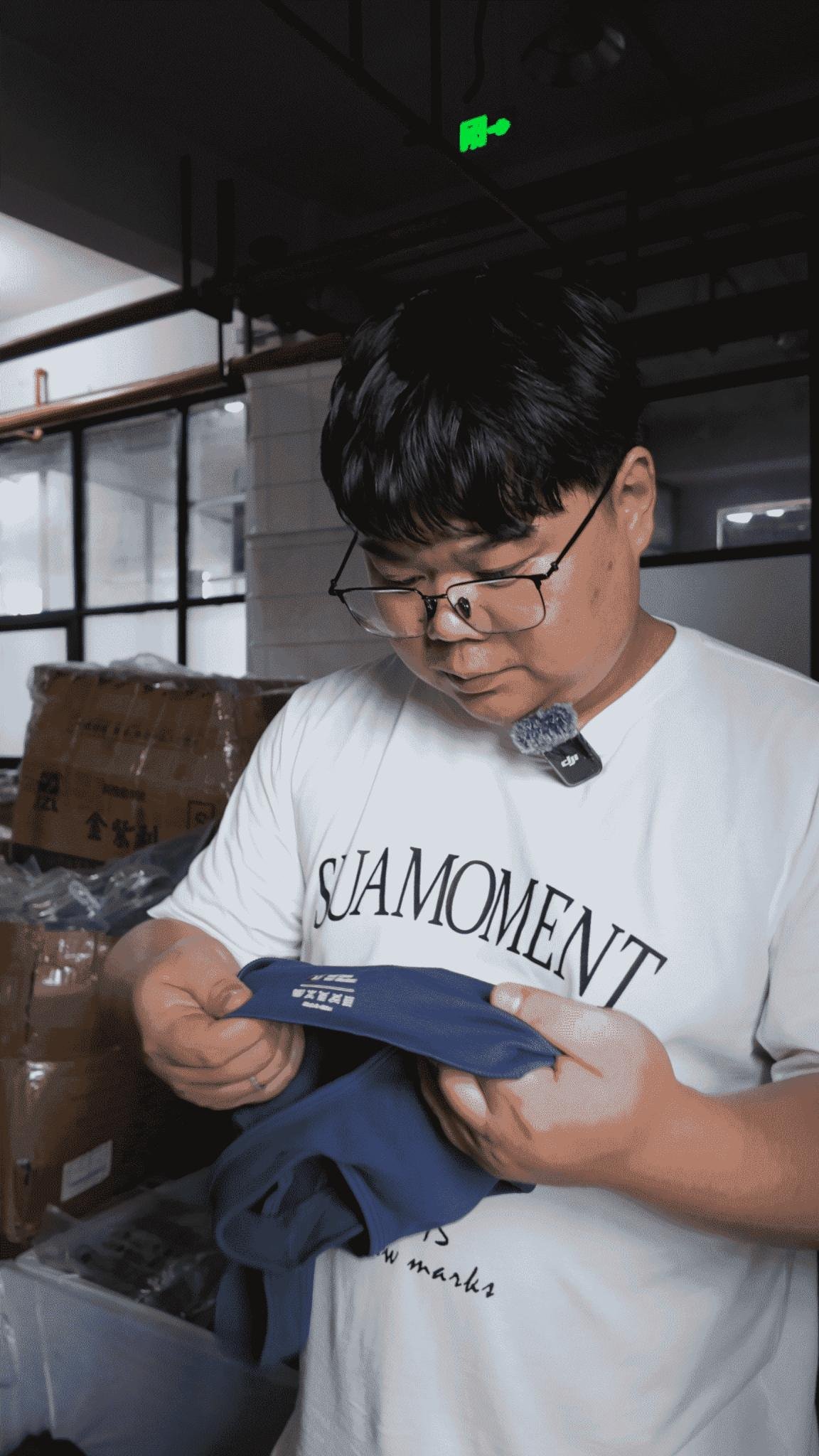
Style, construction and size set.
Approved fabric, yarn and color.
Method, size, placement and color.
Main, Care, Size and supporting labels.
Buyer-supplied product identification.
Polybag and Carton execution.
Final reconciliation and release.
Why MOVEVOX for Custom Activewear Labels
Label execution is easier to control when the product, branding information, garment manufacturing and QC process remain within one managed project structure.
Product → Labels → SKU → QC → Packing
Main, Care, Size and related branding information are managed against the relevant product and approved project reference rather than treated only as separate purchasing items.
Where specialist label, Hangtag or packaging suppliers are involved, MOVEVOX manages the relevant approved specification, purchasing coordination, incoming review and garment / packing execution within the agreed scope.
This does not mean every label or printing process is produced entirely inside the MOVEVOX core factory.