Custom Activewear Manufacturing From Product Brief to Controlled Bulk
MOVEVOX supports activewear brands with product development, private-label customization, sampling and bulk manufacturing through both Seamless and Cut & Sew production. Start with an existing Tech Pack or approved reference, or begin with a defined product concept that requires development review before sampling and production.
Start a Custom Project
If you already have a Tech Pack, reference sample, product brief or defined development requirement, MOVEVOX can review the project inputs, identify open technical points and establish the appropriate route toward sampling and bulk production.
- Submit your available product development files
- Review material, fit and construction requirements
- Define sampling and production requirements early
Explore Manufacturing Capabilities
If you are still qualifying suppliers, review how MOVEVOX combines Seamless and Cut & Sew manufacturing, product development, private-label execution, quality control and managed production resources for activewear programs.
- Seamless and Cut & Sew capabilities
- Private-label customization under one project interface
- Controlled sample-to-bulk manufacturing process
Start From the Development Stage You Have
Different projects enter manufacturing at different levels of readiness. MOVEVOX can review the information already available, identify what remains open and define the next development output before commercial commitments move forward.
Concept
A product concept does not need to begin as a fully completed Tech Pack. Depending on the project, MOVEVOX can review a sketch, image, legal reference sample, fabric swatch or clearly defined product requirement. The first objective is to clarify product category, intended structure, material direction, fit expectations, branding requirements and commercial parameters before physical development begins.
Customer Provides
- Product concept with useful visual or physical reference
- Intended product category and target use scenario
- Initial quantity, market and launch requirements
MOVEVOX Delivers
- Initial manufacturability and development route review
- Open-point list requiring customer confirmation
- Proposed next step toward physical sample development
Sampling
Once the development direction is sufficiently defined, the project moves into physical sampling. MOVEVOX translates the confirmed requirements into the appropriate pattern, construction or seamless programming route, develops the sample, performs internal checks and returns the physical result for customer review. Standard sample development is typically about 5–10 working days after relevant development details are confirmed.
Customer Provides
- Confirmed development brief and current technical references
- Fabric, color and branding requirements where available
- Measurement, fit or sizing information where applicable
MOVEVOX Delivers
- Physical development sample for structured review
- Measurement and construction observations where applicable
- Documented open points for the next revision
Pilot Order
A smaller commercial entry can be useful after the product standard is sufficiently approved, but feasibility still depends on manufacturing route, style, color allocation, material MOQ and branding requirements. MOVEVOX reviews the actual order structure rather than treating total quantity as the only decision factor, helping both sides confirm whether the proposed pilot can be manufactured under workable commercial conditions.
Customer Provides
- Final style and approved sample reference
- Quantity by color and size allocation
- Branding, packaging and delivery requirements
MOVEVOX Delivers
- Commercial feasibility and MOQ review
- Production requirements based on approved standard
- Confirmed conditions before order release
Bulk Production
Bulk production begins from the released technical and commercial standard rather than from memory or an early development sample. MOVEVOX aligns the applicable Tech Pack, approved sample, material information, color standard, logo artwork, packaging requirements and PO information before production, then uses pre-production review, first-article control, inline inspection and final release to manage execution.
Customer Provides
- Approved product and commercial requirements
- Final PO and quantity allocation
- Applicable quality or testing requirements
MOVEVOX Delivers
- Controlled production release information
- Production and inspection execution against approved references
- Final quality and packaging release before shipment
Reorder
A repeat order should reproduce an approved product standard while also considering material lots, color consistency, approved changes and current commercial requirements. MOVEVOX reviews the previous approved references and the new PO rather than assuming every historical input remains automatically valid, particularly when material, color, construction, artwork or packaging specifications have changed between production cycles.
Customer Provides
- Reorder PO and updated quantity structure
- Any requested product or packaging changes
- Current delivery and market requirements
MOVEVOX Delivers
- Previous-versus-current specification review
- Required reconfirmations before production
- Repeat-order execution under controlled references
Choose the Right Custom Manufacturing Route
OEM, development-led ODM and Private Label projects require different inputs and different responsibilities. MOVEVOX first clarifies what the customer already controls and what still needs manufacturing translation before development begins.
| Decision Area | OEM | Development-Led ODM | Private Label |
|---|---|---|---|
| Starting Input | Customer provides defined technical product requirements and approved specifications for execution. | Customer provides product direction, references or partial specifications requiring development review. | Customer selects a product direction and defines the required brand execution. |
| Development Role | MOVEVOX focuses on technical clarification, sampling and manufacturing against customer-controlled requirements. | MOVEVOX helps translate product intent into material, fit, construction and sample decisions. | MOVEVOX combines product development with logo, labels, hangtags and packaging execution. |
| Product Definition | Product direction is substantially defined by the customer's technical information. | Product definition is progressively confirmed through development and sample approval. | Product and branding elements are confirmed together before bulk release. |
| Technical Review | Open points are identified before sampling or production release. | Manufacturability and development choices require earlier supplier involvement. | Product, branding and commercial requirements are reviewed as one system. |
| Customer Approval | Customer approves technical execution, samples and final production standard. | Customer approves each material, fit, construction and sample decision. | Customer approves product specifications and all private-label elements before production. |
| MOQ | Depends on manufacturing route, material, color, customization and order structure. | Depends on the developed product and required material or component routes. | Garment, color, logo, label and packaging MOQs may differ. |
| Best Fit | Brands with defined Tech Packs and established product specifications. | Brands needing structured translation from concept or incomplete development input. | Brands building products and brand presentation under one coordinated project. |
| Ownership / Confidentiality | Customer-specific files and commercial information are handled under project confidentiality requirements. | Design input and unreleased information remain subject to agreed confidentiality controls. | Customer brand, artwork and commercial materials are used only for the authorized project. |
Build the Product and Brand as One System
Private-label manufacturing involves more than adding a logo. MOVEVOX coordinates the product standard and approved brand elements so material, color, fit, construction, labels and packaging remain linked to the correct style and version.
Fabric
Fabric selection begins with the product requirement rather than a generic swatch catalog. Depending on the project, MOVEVOX can review Nylon/Polyamide–Spandex, Polyester–Spandex, seamless knit structures, brushed or soft-hand materials, ribbed or textured directions. Selection may consider hand feel, GSM, stretch, recovery, opacity, construction route and the customer's intended performance requirement. Any specific performance claim should be supported by the agreed testing method and evidence.
- Nylon or Polyamide blended with Spandex
- Polyester blended with Spandex for suitable products
- Seamless knitted structures and yarn combinations
- Brushed, ribbed or textured material directions
Color
Color development should use a defined physical approval system. A Pantone reference can establish the target, while Lab Dip or another approved physical reference may be required depending on material and project. Screen display alone should not be treated as the final production standard. Differences in fiber, knit structure and finishing may influence visual appearance, so approval is tied to the actual material route being used.
- Pantone target with physical confirmation
- Lab Dip approval for relevant material
- Approved physical color as bulk reference
- Multi-light comparison when required
Fit
Fit development links measurements, proportions, stretch behavior and intended product use. For Cut & Sew products, this can involve pattern and garment measurements; Seamless products may also depend on machine diameter, yarn behavior, knit structure and finishing. The objective is not simply to match one number, but to establish an approved physical and documented reference that can be transferred into bulk production.
- Customer size chart and measurement requirements
- Reference sample fit for legal development use
- Pattern or seamless-program adjustment by project
- Fit review before final bulk approval
Construction
Construction choices depend on the product structure and manufacturing route. MOVEVOX can combine Seamless knitting with Cut & Sew capabilities across a brand's activewear range. Cut & Sew execution may include cutting, overlock, Flatlock, Coverstitch, reinforcement, elastic, zipper, drawcord or bra-pad construction, while selected bonding requirements are reviewed on a project basis rather than treated as a universal process.
- Seamless knitted product construction
- Cut-and-sew panel and seam construction
- Flatlock, Coverstitch and overlock execution
- Project-based reinforcement or bonding evaluation
Logo
Logo execution is reviewed against artwork, material, position, dimensions, quantity and visual objective before quotation or production. Confirmed common options include screen print, heat transfer, silicone print and embroidery. A chosen technique should not automatically be described as having a specific wash life unless the relevant sample or project has been tested under an agreed method.
- Screen print for suitable artwork and materials
- Heat transfer based on artwork requirements
- Silicone print subject to project specification
- Embroidery for suitable garment constructions
Labels
Private-label execution can include main labels, care labels, size labels and woven or printed label solutions depending on the project. The approved wording, size, placement and SKU mapping should correspond to the correct product version. Label requirements may also be influenced by customer instructions or destination-market requirements, so final release should follow approved information rather than generic template content.
- Main label based on approved specification
- Care and composition label information
- Size labels mapped to the correct SKU
- Woven, printed or heat-transfer label formats
Packaging
Packaging is part of the commercial product specification, not an unlimited inclusion in the garment price. Standard brand orders can use individual polybags, required labels and standard export cartons, while custom packaging, retail presentation, barcodes, SKU stickers, carton marks or special inserts are reviewed according to the approved specification, supplier MOQ and actual project cost.
- Individual polybag with required identification
- Hangtag and barcode or SKU sticker
- Custom packaging subject to supplier MOQ
- Approved carton and shipping-mark requirements
Testing
Testing requirements depend on destination market, product, material, customer standards and the evidence required for the project. MOVEVOX can support project-specific testing through customer-nominated or qualified third-party laboratories. Testing support does not mean every MOVEVOX product carries a permanent certification, and any report should be interpreted only within its stated sample, method, date and scope.
- Customer RSL or chemical requirement review
- Project-specific material or garment testing
- Customer-nominated third-party laboratory submission
- Retesting when relevant inputs materially change
Activewear Product Directions Available for Custom Development
MOVEVOX's strongest range is women's activewear. The following categories represent product directions that can be developed or manufactured according to project requirements; they should not be interpreted as guaranteed ready-stock inventory.
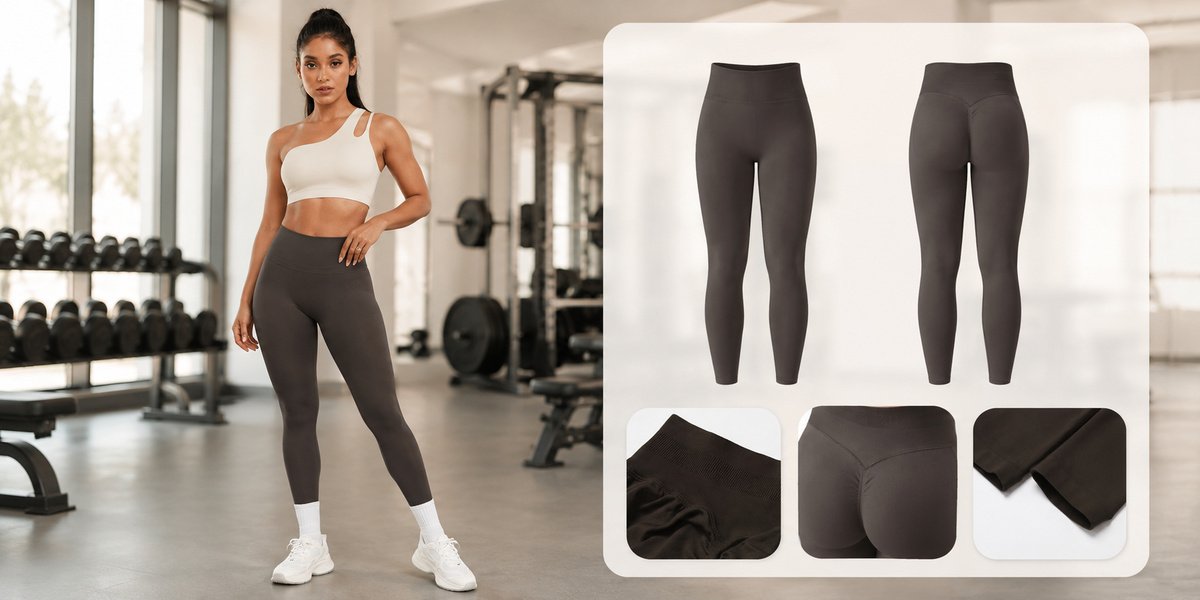
Yoga Leggings
Develop Seamless or Cut & Sew leggings around the required material, waistband, fit, opacity direction, construction, logo and color standard.
Leggings / Seamless / Cut & Sew

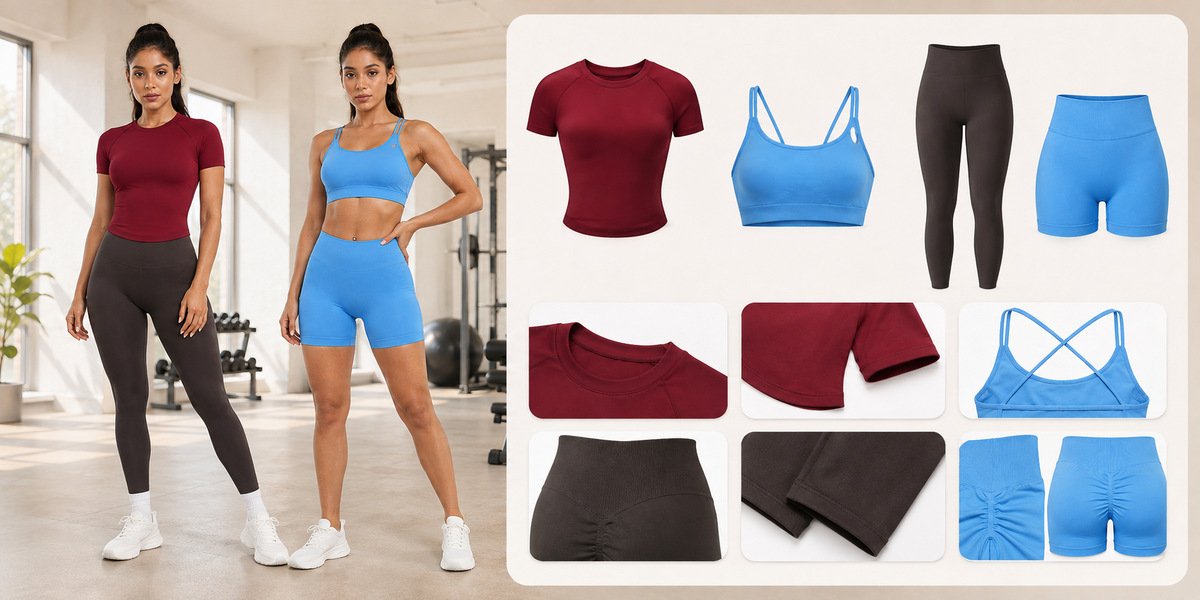
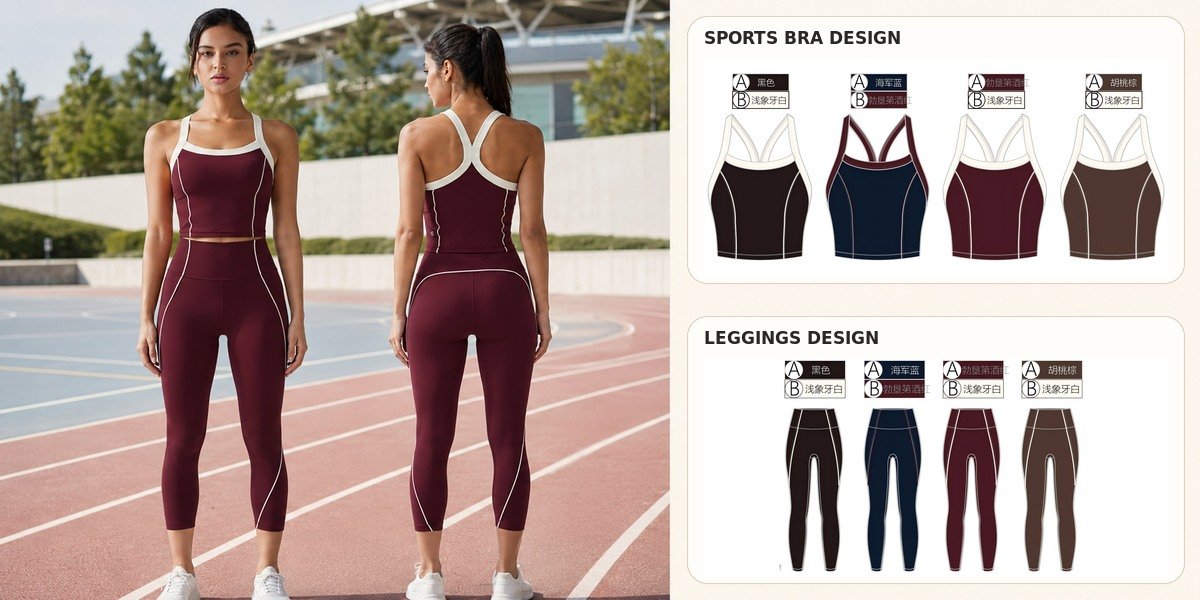
Sports Bras
Develop sports bras around fabric, fit, neckline, straps, bra-pad construction, seam structure, branding and coordinated collection requirements.
Sports Bras / Cut & Sew / Collection

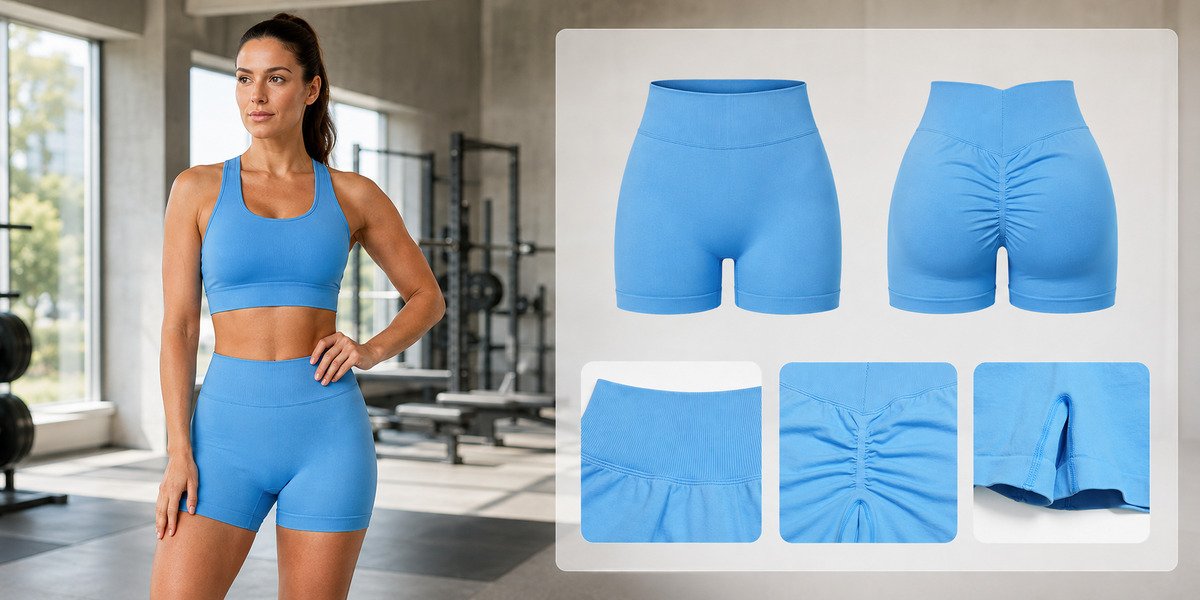
Yoga Shorts
Custom yoga shorts can be developed around waistband structure, inseam, material, fit, construction and brand-specific visual requirements.
Yoga Shorts / Seamless / Cut & Sew

Activewear Tanks
Tank development can consider material hand feel, body fit, neckline, armhole, length, logo execution and coordination with bottoms.
Tanks / Cut & Sew / Private Label

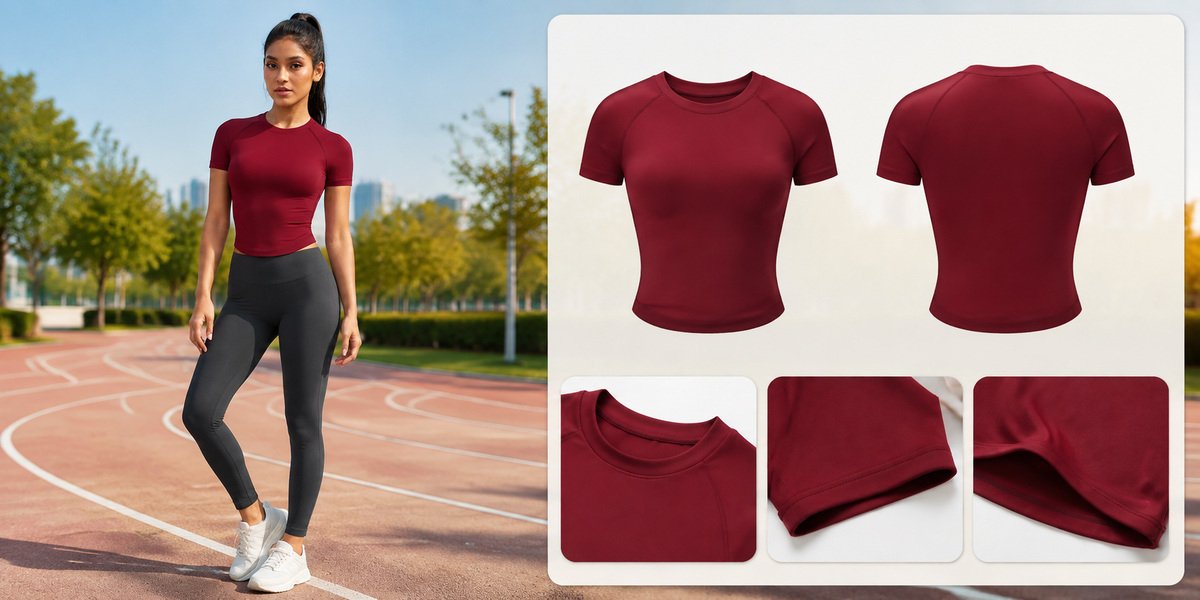
Active T-Shirts
T-shirts provide a regular Cut & Sew category for activewear collections, with customizable material, fit, construction, logo and private-label details.
T-Shirts / Cut & Sew / Branding

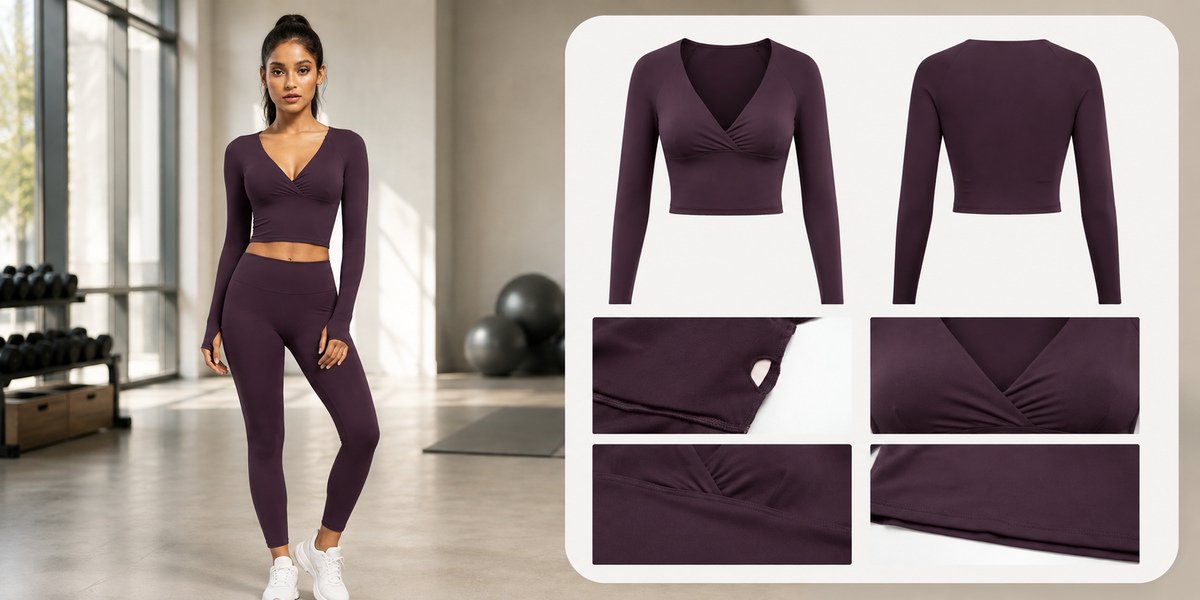
Long Sleeves
Long-sleeve active tops can be developed around fabric, silhouette, sleeve structure, seam construction and coordinated collection color requirements.
Long Sleeves / Cut & Sew / Collection

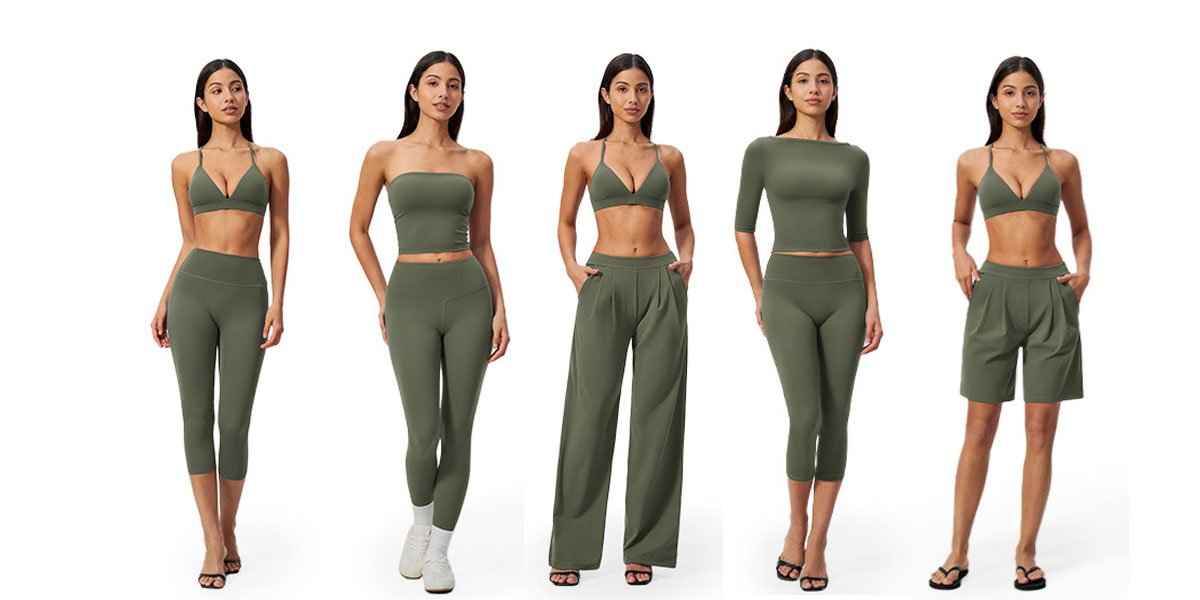
Coordinated Sets
Build coordinated sets by aligning fabrics, colors, product fit direction, logo placement, labels and packaging across selected tops and bottoms.
Sets / Multi-SKU / Private Label
Reduce Supplier Interfaces Without Hiding Production Reality
MOVEVOX combines multiple activewear development and production resources under one accountable project interface while keeping production-location responsibilities transparent when customer approval or audit requirements apply.
One Accountable Interface
The customer works through MOVEVOX for project requirements, technical clarification, material coordination, sample development, production progress, quality follow-up, packaging and shipment execution rather than independently managing every manufacturing and accessory interface.
Two Manufacturing Routes
Seamless and Cut & Sew capabilities allow different products within an activewear range to follow the manufacturing route appropriate to their construction instead of forcing every SKU through one production technology.
Controlled Supply Resources
MOVEVOX uses its own core manufacturing base together with a managed satellite production network and applicable specialist resources. This model should not be represented as every process occurring inside one building.
Unified Production Release
Technical files, approved standards, materials, PMC coordination, QC requirements and final release remain under MOVEVOX project management so satellite production does not independently redefine the customer's approved product requirements.
The objective is supplier consolidation with control, not an artificial claim of 100% single-site production. When a buyer requires an Approved Factory Only model, production-location changes require the appropriate customer review and written approval.
Six Capabilities Behind Custom Activewear Manufacturing at MOVEVOX
Custom manufacturing depends on more than sewing capacity. MOVEVOX combines development, two production routes, brand execution, quality control and managed scale-up into a single activewear manufacturing and supply-chain system.
Product Development
MOVEVOX can begin from a complete or incomplete Tech Pack, legal reference sample, sketch, image, concept or other usable project input depending on development complexity. The development process converts open product requirements into progressively confirmed material, fit, construction, branding and sample standards before bulk production is released.
Seamless Manufacturing
The core Seamless production system includes 28 Italian Santoni seamless knitting machines. Seamless development can involve yarn selection, knit structure, machine/program constraints, sizing, engineered texture or zones and finishing. “Seamless” should not be interpreted as meaning every product contains literally no seams or finishing operations.
Cut & Sew
MOVEVOX also operates a Cut & Sew manufacturing system with approximately 24 principal sewing and garment-production machines. Capabilities include cutting, overlock, Flatlock, Coverstitch, reinforcement and relevant garment assembly operations, with selected bonding or special construction requirements assessed according to the specific project.
Material and Branding
Custom programs can coordinate fabric, color, fit, construction, logos, labels, hangtags and packaging. These elements are not treated as independent decorative extras: approved specifications should remain linked to the correct style, SKU, color, size and production version throughout the project.
Quality Control
A five-person QC team supports the production control system. MOVEVOX can use incoming inspection, Specification Freeze, approved samples, pre-production review, First Article checks, inline inspection, finished-garment measurement, logo and label checks, packaging checks and final release according to the project requirement.
Managed Scale-Up
MOVEVOX combines its core manufacturing base with a managed satellite production network for additional controlled capacity. Technical requirements, materials, PMC, QC and final release remain under unified management so increased order volume does not mean satellite factories independently redefine the approved product standard.
See the Physical Operations Behind Custom Activewear Production
A supplier claim becomes more useful when buyers can connect it to real production activity. These six areas should be shown with current MOVEVOX factory evidence rather than generic stock photography.
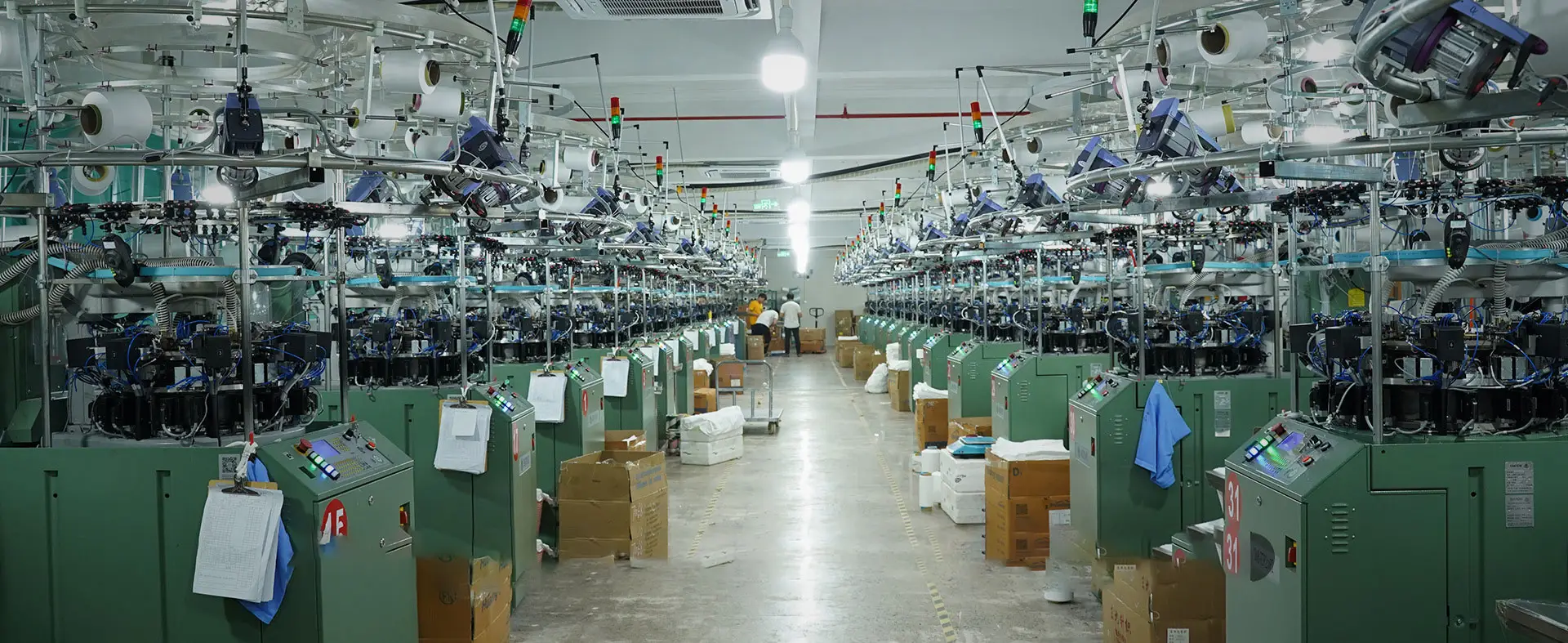
Seamless Production Area
Show the actual Santoni seamless knitting area at the MOVEVOX core production base. The image should make the machine type and production environment visible without exposing confidential customer products. A second close-up can document knitting activity, yarn feeding or an in-process seamless garment where disclosure is permitted.
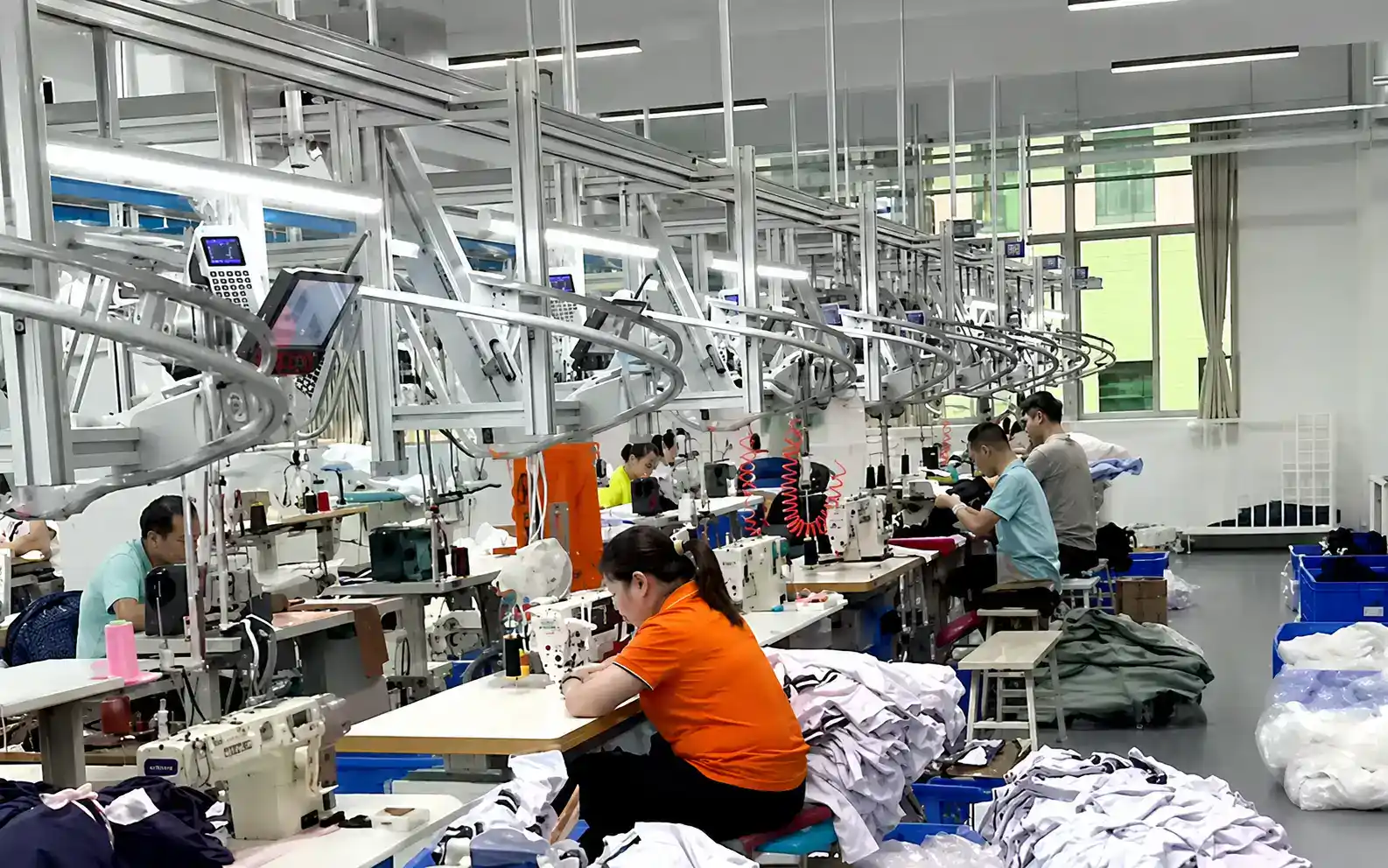
Cut-and-Sew Area
Show actual sewing and garment-production equipment used for Cut & Sew activewear. The visual should support the stated capability rather than act as a decorative factory photo. Where possible, include legitimate cutting, sewing or finishing activity while removing customer-identifiable product details.
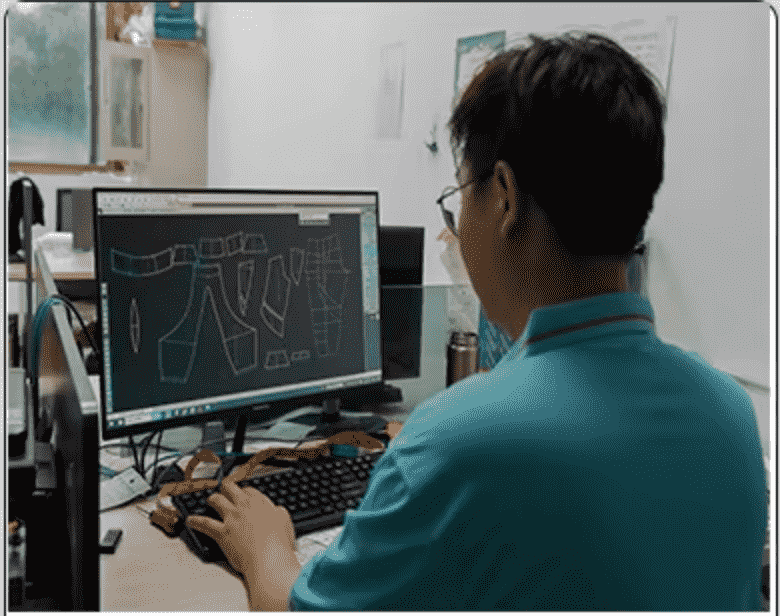
Sample Development
Show a real sample-development environment, including non-confidential pattern, technical review or sample preparation activity. The purpose is to demonstrate that sampling is connected to product development and manufacturing translation instead of being presented only as a finished sample photograph.
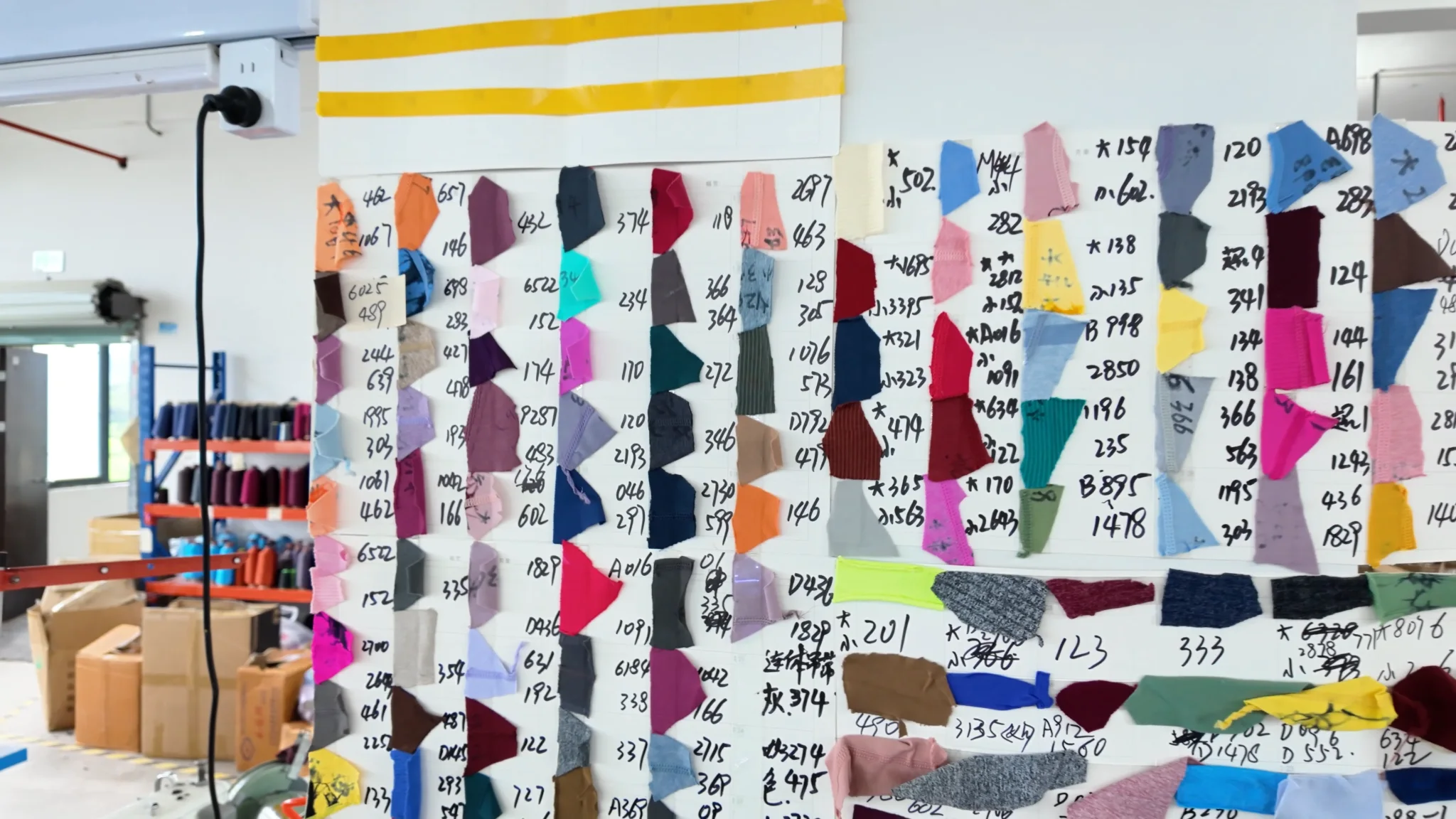
Material Review
Show actual fabric swatches, physical color standards, approved Lab Dip references or incoming material review where confidentiality allows. Images should demonstrate material decision and control processes rather than implying every photographed fabric is a permanently stocked or universally available option.
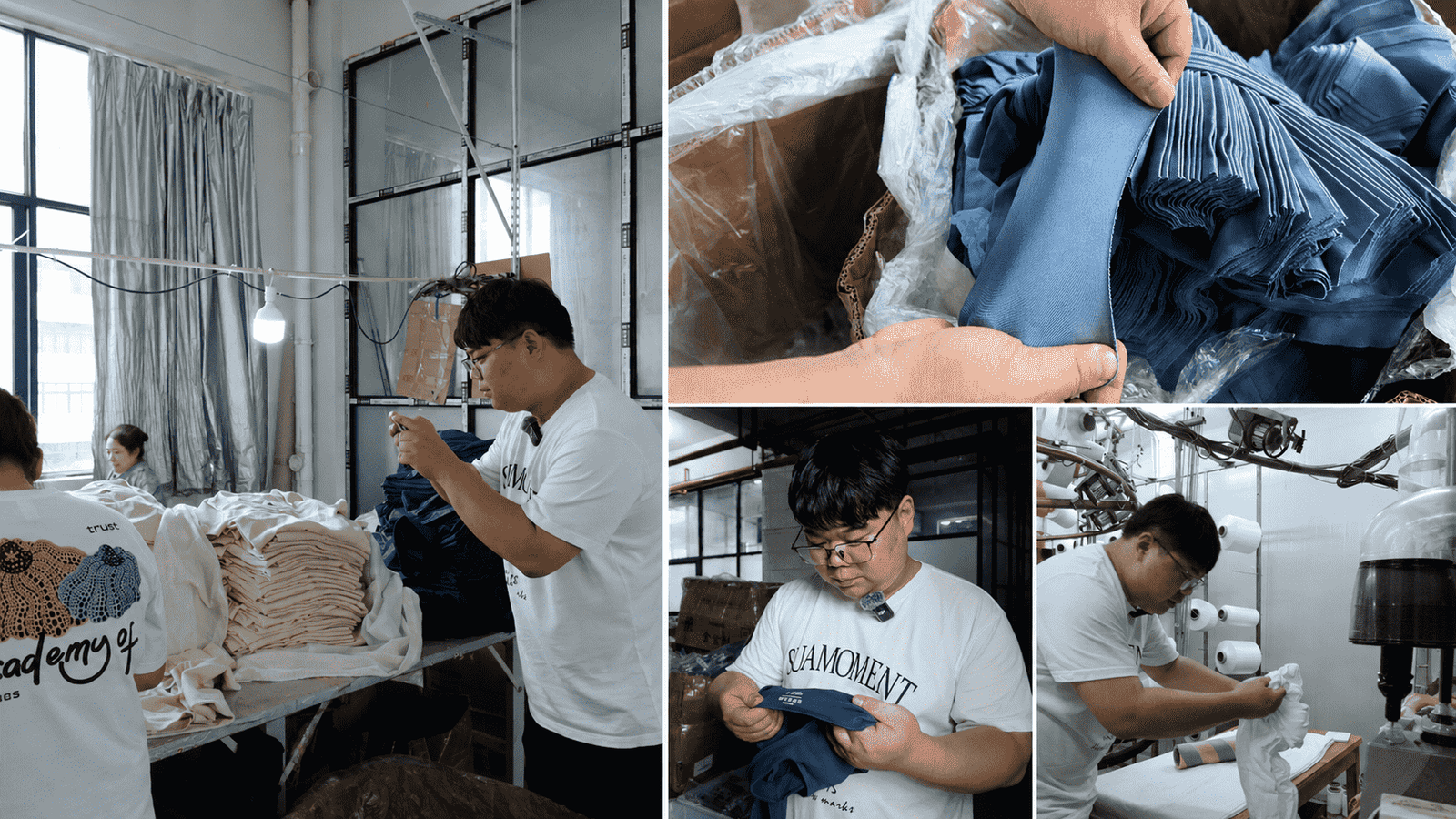
Quality Inspection
Show MOVEVOX QC personnel performing a real measurement, workmanship, color, logo, label or packaging check. The evidence should demonstrate an inspection activity against a defined reference, not simply show a person standing beside finished garments.

Packing and Release
Show final garments, approved packaging or carton preparation in a non-confidential production context. The visual should connect the manufacturing process to final product identification and shipment release while ensuring no unauthorized customer branding or commercial information is visible.
Engineer Seamless Products Around the Knitted Structure
Seamless development combines yarn, knitting structure, machine constraints, sizing and finishing decisions. MOVEVOX operates 28 Italian Santoni seamless knitting machines within its core production system.

Yarn Direction
Yarn composition and yarn behavior affect the structure that can be developed. Material selection should therefore be reviewed together with intended hand feel, stretch, recovery and product construction.
Knit Structure
Rib, texture, mesh and other knitted structures can be developed where technically suitable. The final result depends on yarn, machine programming, diameter, finishing and the approved physical sample.
Engineered Zones
Selected products may use differentiated knitted areas or structures for design and fit objectives. Any claim about compression or functional performance requires appropriate project-specific evidence rather than visual appearance alone.
Fit Control
Seamless fit is influenced by more than finished-garment measurements. Yarn behavior, knitted structure, machine diameter and finishing may also affect the physical result and must be reviewed during sampling.
Branding Integration
Logo, label and other brand requirements should be evaluated against the garment structure, position, material and finishing route so the selected application can be sampled before bulk production.
Final Finishing
Knitting is one stage of seamless manufacturing. Finishing, measurement, appearance, workmanship, branding and packaging checks remain necessary before an approved product is released for shipment.
MOVEVOX treats Seamless as a manufacturing route rather than a marketing label. The appropriate structure is selected from the customer's product requirement, then verified through physical sample development and approval. Machine diameter, yarn, knit architecture and finishing create technical boundaries, so a design should be reviewed before a final production promise is made.
Build Cut-and-Sew Products Through Controlled Construction Details
Cut & Sew development converts fabric, pattern and construction requirements into repeatable garment operations. MOVEVOX's core system includes approximately 24 principal sewing and garment-production machines.

Cutting Control
Structure: Cutting establishes the physical panels that will become the garment. Pattern version, fabric direction, quantity and approved requirements must therefore align before production cutting begins.
Applied Area: Panels and components across Cut & Sew products.
Control Value: Supports repeatable shape and consistent downstream assembly.
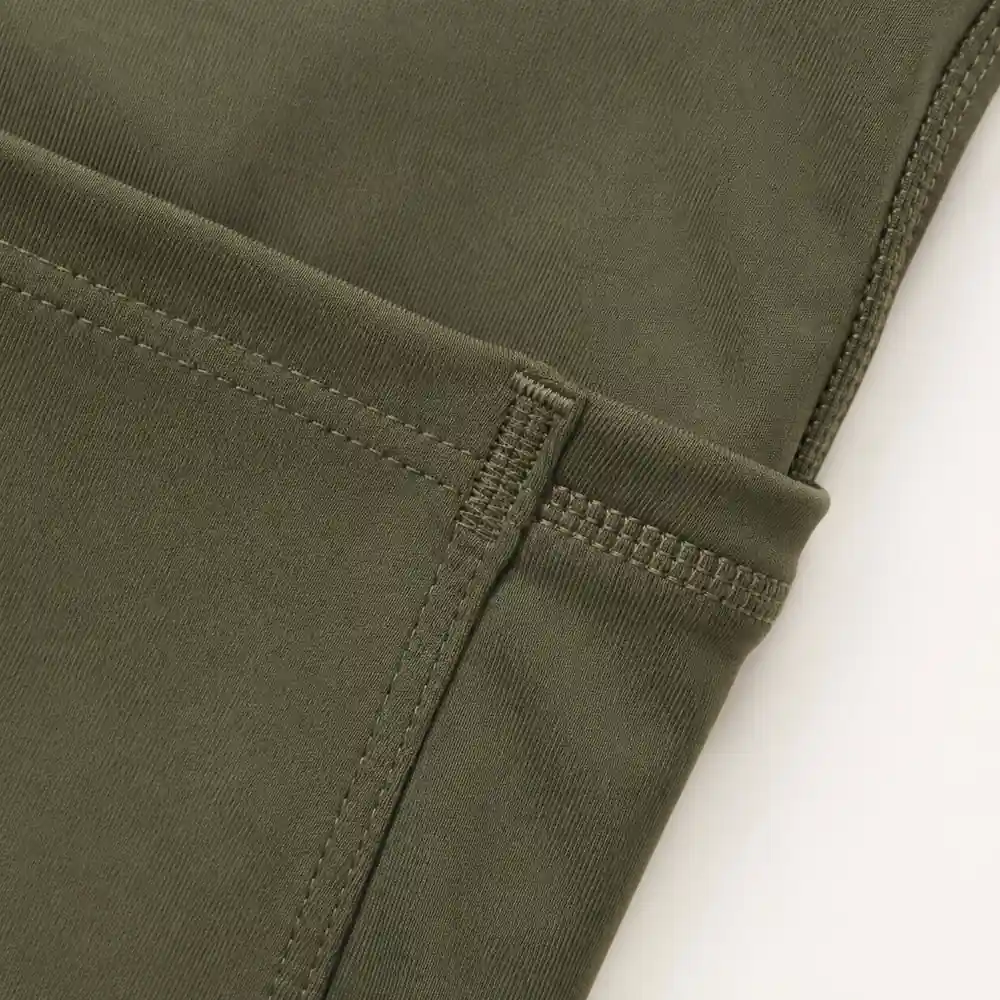
Overlock Construction
Structure: Overlock construction joins or finishes applicable knit garment components according to the required seam design. Machine setup and seam execution should correspond to the approved sample and product specification.
Applied Area: Applicable joining and edge-finishing operations.
Control Value: Provides controlled seam formation for suitable activewear structures.
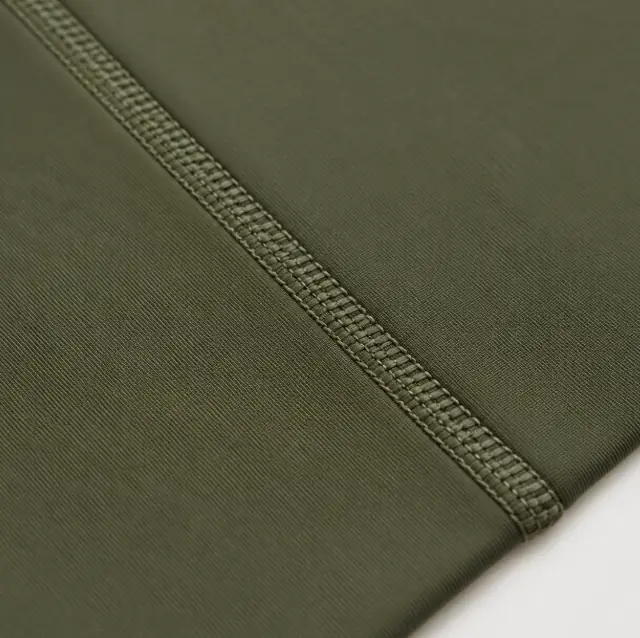
Flatlock Construction
Structure: Flatlock can be used where the selected activewear design requires its characteristic seam structure. Stitch execution, seam position and appearance should be reviewed on the physical sample before production approval.
Applied Area: Selected activewear seam and panel applications.
Control Value: Supports specified seam profile and visual execution.
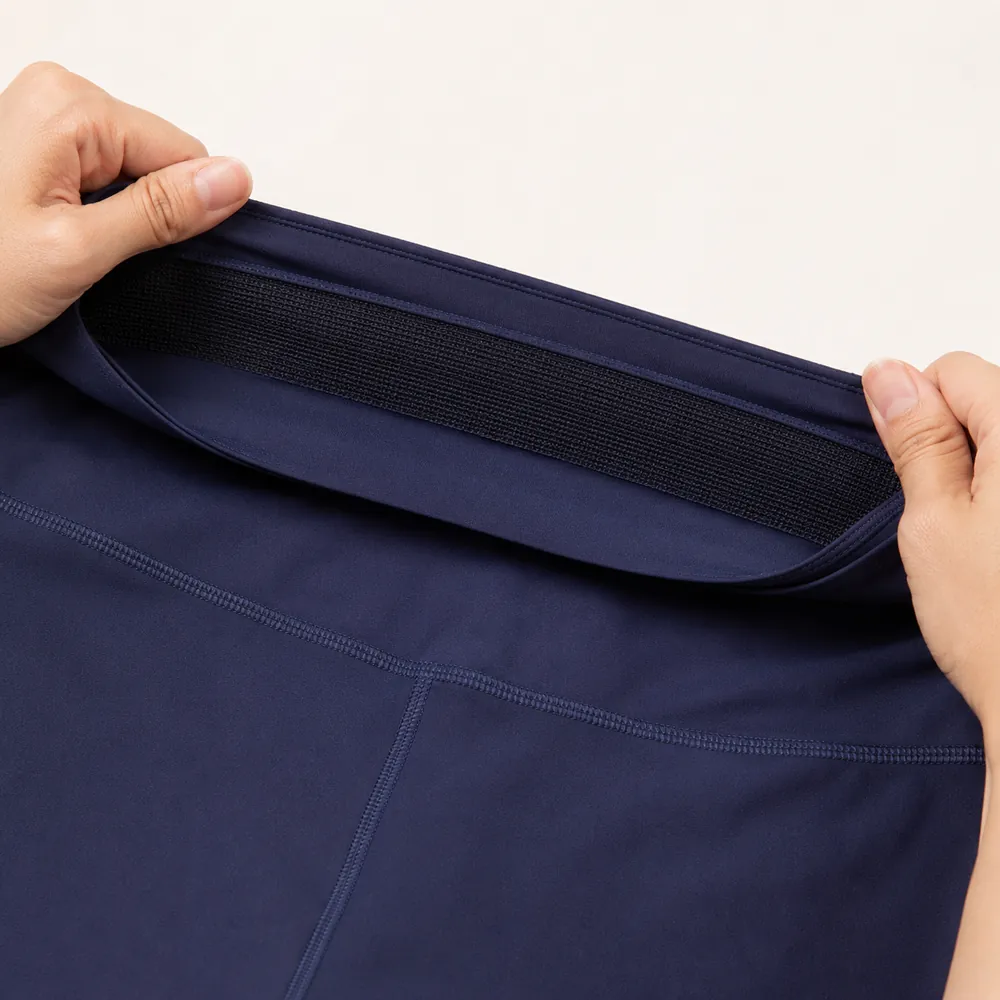
Coverstitch Execution
Structure: Coverstitch is used for suitable garment finishing and construction areas according to the approved technical requirement. Stitch position, appearance and execution must be controlled against the released reference.
Applied Area: Applicable hems, edges and construction details.
Control Value: Maintains the approved finish during repeat production.
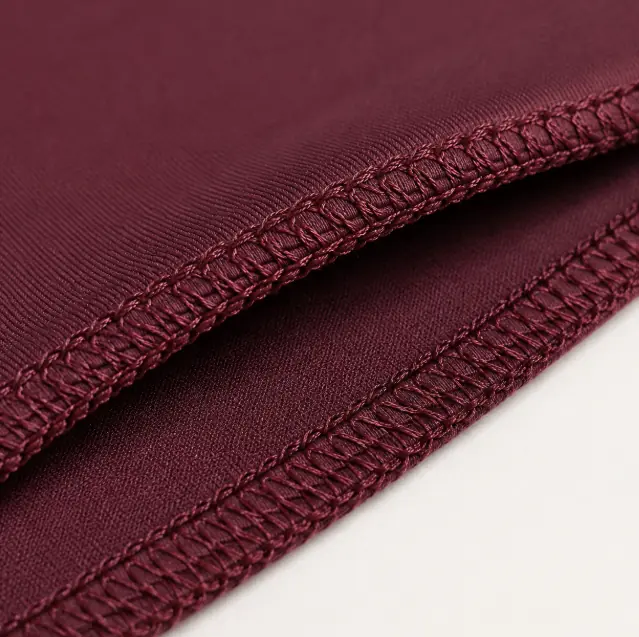
Reinforcement Details
Structure: Selected areas may require reinforcement based on garment construction and customer requirements. Reinforcement method and placement are reviewed during development rather than applied as a universal rule to every style.
Applied Area: Project-defined load or construction points.
Control Value: Adds structure where the approved design requires reinforcement.

Project-Based Bonding
Structure: Bonding can be reviewed for selected projects when the construction, materials, equipment route and customer requirement are technically suitable. It should not be represented as a universal process for every Cut & Sew product.
Applied Area: Selected designs requiring evaluated bonded construction.
Control Value: Provides an additional construction route when project-approved.
From Development Input to a Bulk-Ready Product Standard
MOVEVOX uses a structured development process to turn customer requirements into a physical and documented manufacturing reference. Each stage should reduce open questions before the next commercial commitment.
Project Input
Review the available Tech Pack, legal reference sample, sketch, image, concept, fabric swatch or other usable project input together with quantity, market and branding requirements.
Deliverable: Development Brief
Duration: Project dependent
Technical Review
Identify open points in measurements, material, construction, logo, accessories, MOQ, timeline or production route before physical sampling begins, reducing avoidable assumptions during development.
Deliverable: Open Point List
Duration: Project dependent
Material Direction
Review the applicable fabric or yarn route together with color, hand feel, stretch, recovery, opacity or construction requirements relevant to the product.
Deliverable: Material Direction
Duration: Project dependent
Pattern or Program
Translate the confirmed requirements into the appropriate Cut & Sew pattern route or Seamless knitting/program route, depending on the construction of the product.
Deliverable: Development Setup
Duration: Project dependent
Sample Development
Produce the physical development sample after relevant details are confirmed. Standard sample development is typically about 5–10 working days, subject to project complexity and material readiness.
Deliverable: Physical Sample
Duration: 5–10 working days
Customer Review
The customer reviews fit, measurement, construction, color, material, branding and other applicable details and provides consolidated feedback rather than uncontrolled parallel revision versions.
Deliverable: Review Comments
Duration: Customer dependent
Revision Approval
Agreed changes are incorporated into the controlled development version. Remaining major issues should be resolved or formally identified before final approval and production handover.
Deliverable: Approved Sample
Duration: Project dependent
Bulk Handover
Final technical information, approved physical references, branding and packaging requirements are transferred into production, pre-production review, First Article and QC control.
Deliverable: Bulk-Ready Standard
Duration: After approval
Send What You Have, Then Close the Gaps
A complete Tech Pack improves precision, but incomplete information does not automatically prevent a first review. MOVEVOX identifies what is sufficient to start and what must be confirmed before bulk production.
Product Information
Minimum to Start
- Product category and usable reference information
- Basic style or design direction
- Intended customer or market use
Better for Accurate Development
- Tech Pack or structured product specification
- Construction details and reference photographs
- Existing approved sample where legally available
Size and Fit
Minimum to Start
- Intended size range or reference size
- Basic fit direction for the product
- Relevant physical reference where available
Better for Accurate Development
- Detailed measurement chart and tolerance requirements
- Fit comments from previous product development
- Customer-approved fit reference or sample
Fabric and Color
Minimum to Start
- Material direction or desired hand feel
- Color direction or available reference
- Target product characteristics requiring review
Better for Accurate Development
- Fabric swatch or approved material reference
- Composition, GSM or technical information available
- Pantone and physical color standard where relevant
Logo and Branding
Minimum to Start
- Logo artwork or clear branding requirement
- Approximate logo position and intended appearance
- Required label categories where known
Better for Accurate Development
- Vector artwork and exact logo dimensions
- Approved color and position specification
- Label, hangtag and SKU mapping information
Packaging and Compliance
Minimum to Start
- Basic packaging or sales-channel requirement
- Destination market for the product
- Known buyer compliance requirement
Before Bulk
- Final packaging specification and carton information
- Required labels and approved legal information
- Applicable testing or buyer-manual requirements
Commercial Information
Minimum to Start
- Estimated quantity by style
- Target launch or required delivery timing
- Destination or shipping requirement where known
Better for Accurate Costing
- Quantity by style, color and size
- Expected reorder or collection structure
- Target cost when commercially available
Select Fabric Against the Product Requirement First
MOVEVOX reviews material direction against the intended product, manufacturing route, hand feel, stretch, recovery, opacity, structure and commercial requirements rather than recommending one fabric for every activewear style.
Decision Questions
- Which product are you developing? Leggings / Sports Bra / Shorts / Top / Set
- Which manufacturing route is intended? Seamless / Cut & Sew / Review Needed
- What hand feel is required? Smooth / Soft / Brushed / Textured / Review Needed
- Which performance factors require review? Stretch / Recovery / Opacity / Compression Direction / Other
- Is a custom color required? Stock Direction / Custom Dye / Lab Dip / Review Needed
Nylon-Spandex Direction
Nylon or Polyamide blended with Spandex is one material direction used across activewear depending on product construction and required hand feel. Final suitability should consider GSM, stretch, recovery, opacity, color route, finishing and the approved physical sample rather than fiber composition alone.
Soft Hand / Stretch / Activewear
Polyester-Spandex Direction
Polyester blended with Spandex can be considered for suitable activewear products where the project requirements align with the material's physical characteristics. The final decision should be based on actual fabric specification, product structure, approved hand feel, stretch, color and relevant testing requirements.
Activewear / Stretch / Cut & Sew
Seamless Knit Direction
Seamless products require a yarn and knitted-structure decision rather than selection from a conventional finished-fabric roll alone. Yarn, machine diameter, programmed structure, rib or texture direction and finishing all contribute to the approved product result.
Seamless / Knit Structure / Santoni
Brushed or Textured
Brushed, peach-like, soft-hand, ribbed or textured material directions may be considered when they fit the product brief. Surface treatment and structure can influence appearance and physical behavior, so approval should be based on the actual project material and finished sample.
Hand Feel / Texture / Physical Approval
Match the Logo Method to the Product
Logo selection should consider artwork, size, position, quantity, color, material and the intended visual result. MOVEVOX confirms the selected method before final quotation and production execution.
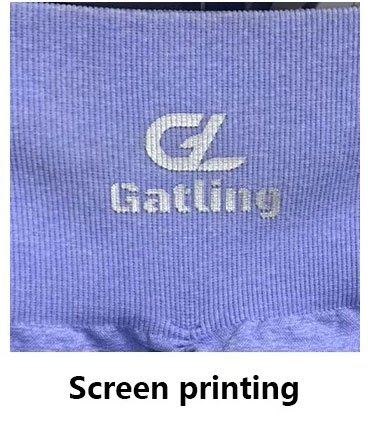
Screen Print
Screen printing can be reviewed for suitable artwork, materials and product positions. The final execution depends on the specific artwork, dimensions, colors, quantity and garment construction, so approval should be made on an actual sample rather than a generic process photograph.
Review: Artwork / Size / Position / Material
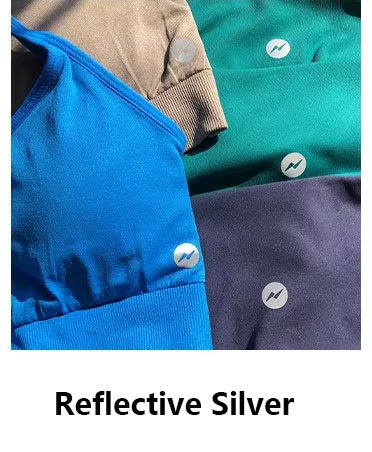
Heat Transfer
Heat transfer can support suitable activewear branding requirements when the artwork, material, position and application conditions are compatible. Logo color, dimensions and placement should be confirmed on the relevant sample before bulk release.
Review: Artwork / Color / Position / Material
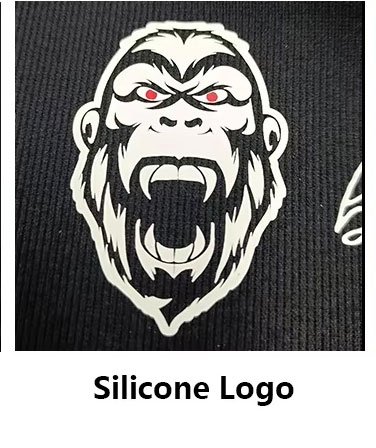
Silicone Print
Silicone printing is available as a project-based branding option. The required appearance, dimensions, placement, color and garment material should be reviewed together, and any durability statement should rely on actual agreed testing rather than an assumed wash-life claim.
Review: Appearance / Size / Color / Testing
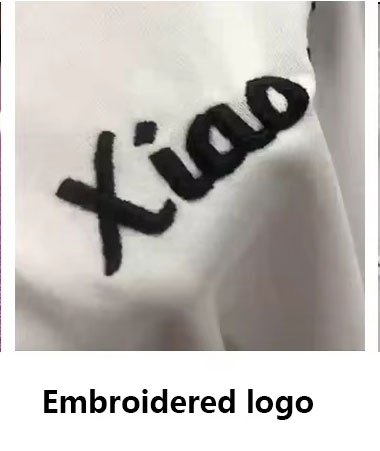
Embroidery
Embroidery can be selected for garment structures where the technique and finished appearance are suitable. Stitch density, backing, position, dimensions and the effect on the garment should be reviewed during physical sample approval.
Review: Structure / Position / Size / Appearance
Turn Each Sample Into a Controlled Approval Step
Sampling should progressively reduce technical uncertainty. Each version needs defined customer inputs, controlled MOVEVOX outputs and a clear pass condition before the next development or production decision.
First Sample
Goal: Translate the confirmed development brief into the first physical garment and expose remaining questions in material, measurements, fit, construction, color or branding before bulk commitments are made.
Customer Inputs
- Confirmed development brief and applicable technical information
- Material, color and branding direction
- Target measurements or fit requirements
MOVEVOX Outputs
- First physical development sample
- Initial measurement and construction review
- Documented open technical questions
Pass Standard: The sample provides a usable physical reference for structured customer feedback and the next controlled revision.
Revision Sample
Goal: Apply consolidated customer feedback to the controlled development version while preventing obsolete comments, measurements or technical requirements from continuing into the next sample.
Customer Inputs
- Consolidated comments from the previous sample
- Updated measurements or approved change instructions
- Priority issues requiring verification
MOVEVOX Outputs
- Revised physical sample
- Updated development information
- Applied changes for customer review
Pass Standard: Major requested changes are incorporated, clarified or formally identified as unresolved before the next approval stage.
Fit Review
Goal: Confirm that relevant measurements, proportions and product-specific fit correspond to the customer's intended standard before production approval. Evaluation depends on product construction and the applicable reference.
Customer Inputs
- Fit comments or model feedback
- Required measurement adjustments
- Priority comfort or movement observations
MOVEVOX Outputs
- Updated fit-related sample direction
- Revised measurements where applicable
- Controlled development notes
Pass Standard: Fit-critical issues are resolved to the customer-approved standard before the product proceeds toward bulk production.
Pre-Production Sample
Goal: Confirm that the production-intent combination of material, color, construction, branding, labels and packaging reflects the latest approved technical information before bulk production release.
Customer Inputs
- Final artwork and branding data
- Approved material and color reference
- Latest released technical documents
MOVEVOX Outputs
- PP or production-intent sample
- Final technical confirmation
- Production-reference package
Pass Standard: The product can serve as the approved physical and documentary reference for bulk production, subject to project requirements.
Bulk Handover
Goal: Transfer the released standard into production, material purchasing, PMC and QC so execution follows one approved version rather than a mixture of development-stage information.
Customer Inputs
- Final production approval
- Purchase order requirements
- Inspection or testing requirements
MOVEVOX Outputs
- Released production information
- QC reference standard
- Production and inspection handover
Pass Standard: Production and QC teams work from the same approved product, material, branding and acceptance requirements.
Have a Product Ready for Technical Review?
Send the information already available—Tech Pack, legal reference sample details, sketch, fabric direction, quantity or branding requirements. MOVEVOX can review the current development stage, identify open points and recommend the appropriate next step toward sampling or production.
Customer technical files and unreleased product information are handled under project confidentiality requirements.
Develop Coordinated Products Instead of Isolated Single Styles
A collection can share material, color, fit direction, branding and packaging while every SKU keeps its own product requirements and approval record. MOVEVOX supports both Seamless and Cut & Sew product routes.
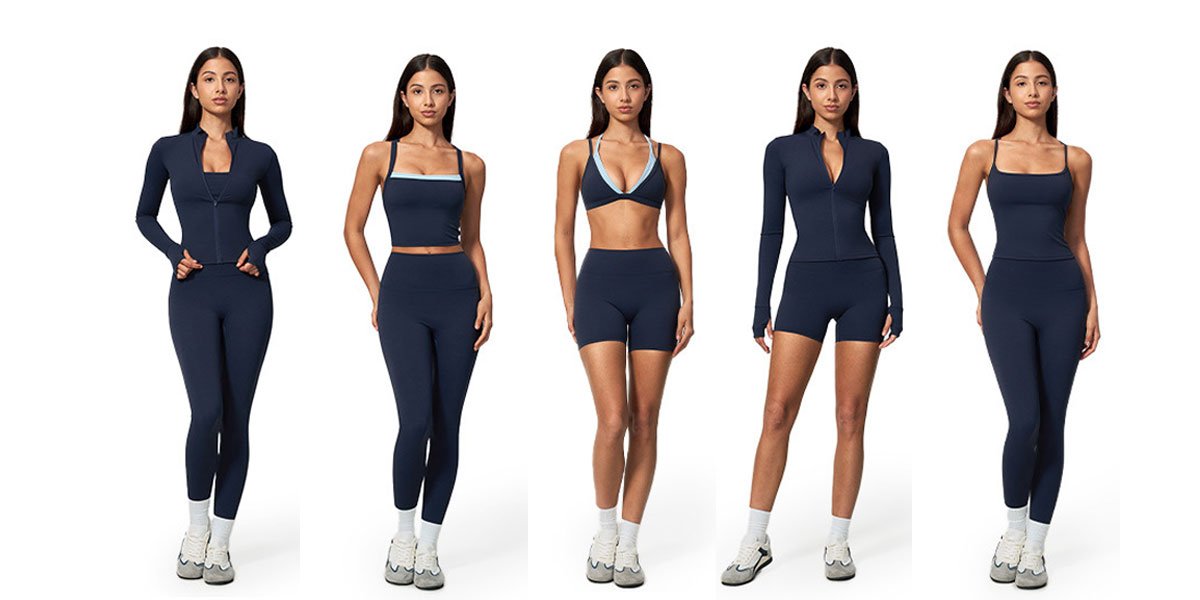
Yoga Core Collection
Build a coordinated core around leggings, sports bras and shorts using shared material or color directions where technically appropriate. Each product still receives its own fit, construction, sample and approval control rather than assuming one approved garment automatically validates every other SKU.
Yoga Leggings / Sports Bras / Yoga Shorts / Biker Shorts

Training Collection
Combine leggings or shorts with tanks, T-shirts or long sleeves to create a broader training-oriented product range. Material and construction can vary by product while colors, branding, labels and packaging remain coordinated under one collection-level project framework.
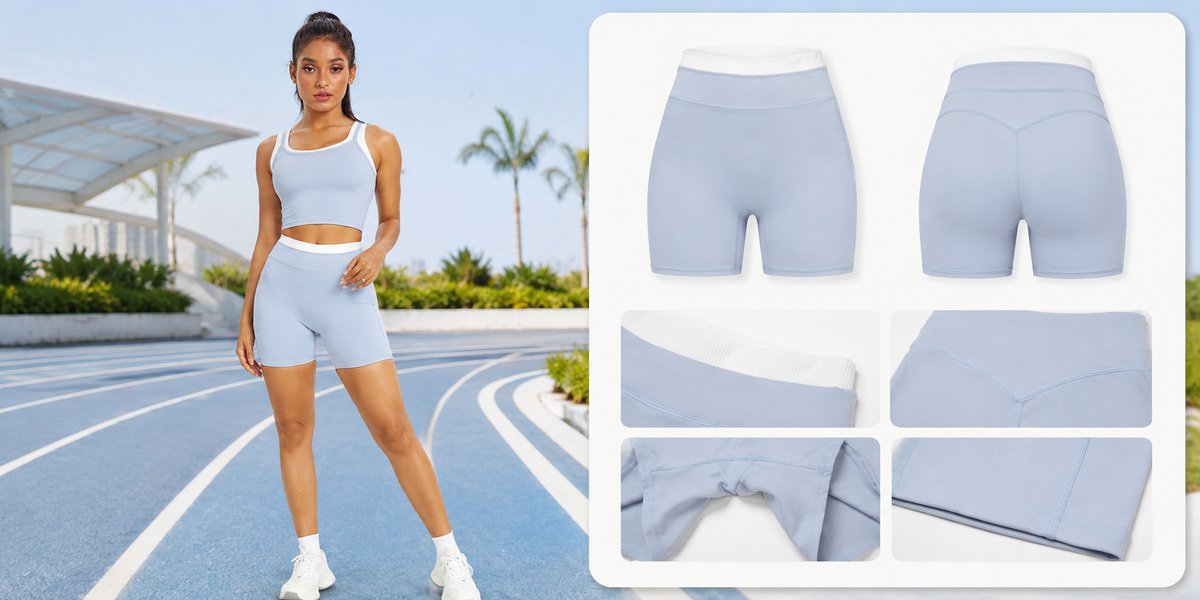
Training Leggings / Active Shorts / Active Tanks / Training T-Shirts

Active Essentials
Develop regular wardrobe-building activewear categories such as tops, bottoms and coordinated sets. This direction is suited to brands that want repeatable core products while maintaining product-specific technical approval and shared private-label rules.
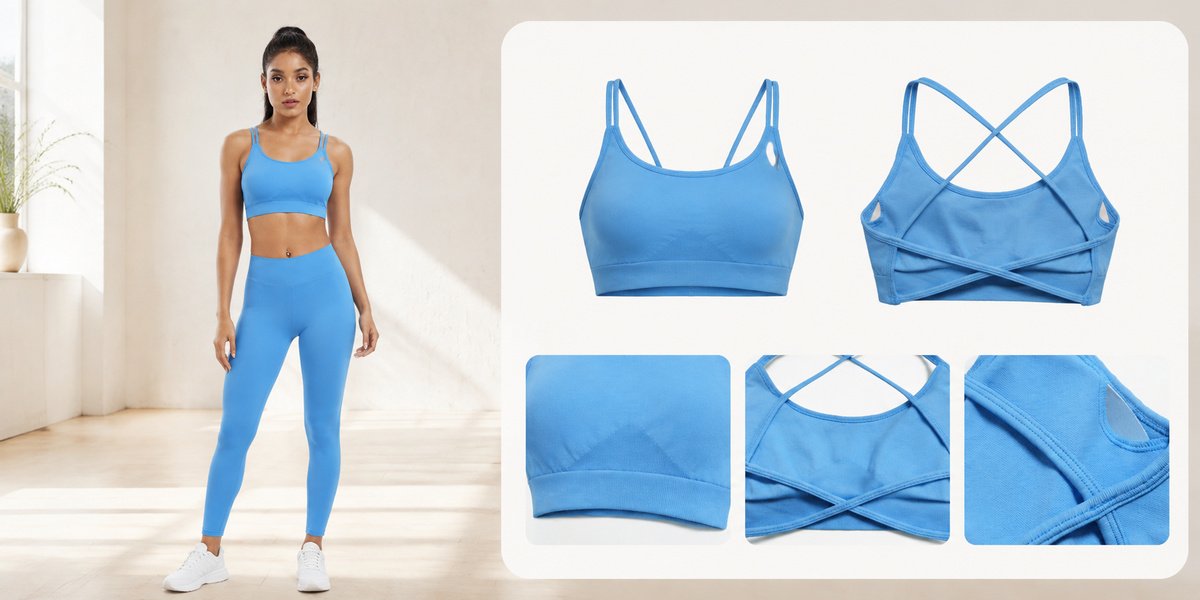
Active Tops / Long Sleeves / Biker Shorts / Coordinated Sets

Seamless-Led Collection
Use Seamless construction for suitable leggings, shorts or tops while adding Cut & Sew products where the collection requires another construction route. The objective is not to force one technology across every SKU, but to coordinate both routes through one development interface.
Seamless Leggings / Seamless Shorts / Seamless Tops / Cut-and-Sew Companions
Control Multiple SKUs Through Development Waves and Milestones
When inputs and material routes are clear, MOVEVOX can manage approximately 10–20 SKUs at different development stages. Larger programs are better controlled through waves than uncontrolled simultaneous sampling.
Project Setup
Establish SKU codes, development priorities, available technical inputs, manufacturing routes and common collection standards before multiple samples begin moving in parallel.
Shared Platforms
Identify where SKUs can legitimately share materials, color standards, fit logic, logos, labels or packaging without incorrectly assuming that one approval automatically covers another product.
Wave One
Prioritize approximately 5–10 strategically important SKUs when appropriate, allowing key material, fit or construction decisions to be resolved before they multiply across the wider collection.
Wave Two
Release the next group after dependencies from earlier development have become sufficiently clear, while maintaining independent sample versions, comments and approval status for every SKU.
Approval Control
Track whether each SKU is at development sample, revision, fit review, approved or production-ready status rather than treating the collection as one undifferentiated approval.
Production Handover
Only released SKUs should enter the applicable production process, with current technical information, material references, branding requirements and quality checkpoints handed over to production and QC.
The exact number of simultaneous SKUs depends on input quality, product complexity, shared materials, approval speed and project timing. “10–20 SKUs” describes manageable development scope under suitable conditions, not a fixed promise that every project can be developed simultaneously within one universal timeline.
Understand MOQ by Manufacturing and Material Route
MOVEVOX uses practical base MOQ references, but the final order condition depends on style, color, size allocation, material, logo, packaging and upstream supplier requirements rather than total quantity alone.
Seamless Custom
A standard Seamless custom project generally starts at approximately 100 pieces per style. Actual feasibility still depends on product structure, yarn or material route, colors, sizes and branding requirements. An order that meets garment quantity does not automatically remove separate MOQ requirements for special yarn, custom color, logo or packaging components.
Quantity: Approx. 100 pcs/style
Color / Size Logic: Confirm allocation before quotation
Factors: Yarn, color, structure, branding, packaging
Cut & Sew
A standard Cut & Sew custom project generally starts at approximately 150 pieces per style. Common stock-color allocation can sometimes provide more flexibility, but material availability, color allocation, size structure, garment complexity and branding components still need review before final commercial confirmation.
Quantity: Approx. 150 pcs/style
Color / Size Logic: Based on actual order structure
Factors: Fabric, cutting, colors, sizes, branding
Custom Color
Custom dyeing should be treated separately from garment MOQ. Depending on fabric, yarn and supplier dye-lot requirements, a custom color commonly requires evaluation around 400–600 pieces equivalent garment quantity, but this is not a universal fixed MOQ. Final requirements must be checked against the actual selected material and color route.
Quantity: Typically evaluated around 400–600 pcs equivalent
Color / Size Logic: Material and dye-lot dependent
Factors: Material source, dye lot, color, structure
Move the Approved Product Into Controlled Bulk Production
Bulk manufacturing should begin from released technical, material, commercial and quality requirements. Typical bulk timing is approximately 20–35 days, subject to material readiness, complexity, approvals and inspection requirements.
Production Readiness
Before release, MOVEVOX reviews the applicable PO, technical files, approved sample, material, color, logo, labels, packaging and project-specific quality or testing requirements. Major open points should be resolved before production begins.
Material Preparation
Applicable fabrics, yarns, trims, labels and packaging components are prepared according to the confirmed project route. Incoming materials can be reviewed for relevant factors such as color, GSM, shrinkage, stretch or other project requirements.
Pre-Production Review
Production, technical, PMC and QC requirements are aligned before normal bulk output begins. The objective is to prevent obsolete sample comments or earlier development information from becoming the production standard.
First Article
Initial production output is checked against the released technical and physical reference before the process continues at normal volume. Identified deviations require correction rather than automatic continuation into the full order.
Bulk Execution
Production follows the allocated manufacturing route and current released information. MOVEVOX coordinates progress across its own core capacity and, when applicable, managed satellite production under unified project controls.
Inline Quality
During production, applicable measurements, workmanship, construction, logo, label or other critical requirements are checked so issues can be contained before the entire order reaches final inspection.
Final Release
Finished garments, measurements, appearance, branding and packaging are reviewed according to the applicable acceptance requirements. Rework or re-inspection may be required before the order is released for shipment.
The 20–35 day bulk range is a typical reference, not a guaranteed universal lead time. Material readiness, quantity, complexity, customer approvals, testing and inspection can change the actual Cargo Ready date.
Understand Capacity by Scope Instead of One Inflated Number
MOVEVOX reports capacity according to the manufacturing and delivery scope being discussed. The figures below should not be added together to create an artificial “total maximum capacity” claim.
Managed Delivery Capacity
Approx. 150,000–200,000 garments per month represents the managed combined normal delivery range across the production system under normal project conditions.
Seamless Stable Capacity
Approx. 300,000 pieces per month describes the stable Seamless manufacturing capacity scope and should not be treated as the entire company's combined delivery figure.
Cut & Sew Capacity
Approx. 100,000 pieces per month describes the stable Cut & Sew manufacturing capacity scope under its own production definition and operating conditions.
Santoni Seamless Equipment
The MOVEVOX core production system includes 28 Italian Santoni seamless knitting machines supporting its Seamless activewear manufacturing capability.
Garment Equipment
The core Cut & Sew system includes approximately 24 principal sewing and garment-production machines supporting regular garment manufacturing processes.
Typical Order Range
Typical individual order size can range approximately from 300 to 50,000 pieces, subject to SKU structure, material, manufacturing route and project conditions.
Scope note: Do not add 300K and 100K to claim “400K total capacity.” Each figure has a different statistical scope and operational meaning.
Know Where Production Happens and Who Remains Accountable
MOVEVOX operates with its own core manufacturing base and a managed satellite production network. The system is designed to add controlled capacity without disguising satellite production as wholly owned manufacturing.
Own Core Factory
The Yiwu core base supports key Seamless and Cut & Sew manufacturing, development and quality-control functions. It is the central physical manufacturing and project-control foundation of the MOVEVOX supply system.
Managed Satellite Network
MOVEVOX works with eight major long-term managed satellite factories, including six in Yiwu and two in Guangzhou. They must be described as managed satellite production capacity, not eight MOVEVOX-owned factories.
Allocation by Project
Production allocation depends on product route, capacity, material, timing, capability and customer requirements. A satellite factory does not independently change the approved technical or quality standard.
Production Site Disclosure
Where a customer's contract, audit system or Approved Factory requirements demand production-location transparency, applicable manufacturing locations should be disclosed according to the project and buyer requirements.
Change Approval
If a customer operates an Approved Factory Only requirement, an unauthorized location change is not acceptable. Required production-location changes must follow the relevant disclosure and written approval process.
Unified Accountability
MOVEVOX keeps the customer-facing responsibility window for technical information, material coordination, PMC, QC and final release instead of transferring responsibility to whichever production location performs a particular operation.
Control Quality From Approved Standard to Final Release
MOVEVOX uses customer requirements, approved samples and released specifications as the quality reference. Inspection is distributed through development and production rather than relying only on final garment checking.
Requirement Review
Customer Tech Pack, PO, approved sample, measurements, color reference, logo artwork, packaging requirements and applicable QC Manual establish the project hierarchy before production begins.
- Current approved customer technical information
- Applicable PO and product requirements
- Approved physical and documentary references
Incoming Material
Relevant incoming fabric or material checks can cover composition information, color, GSM, shrinkage, elasticity or stretch, opacity and other project-specific requirements before material is accepted for production.
- Correct approved material or yarn route
- Color and applicable physical specifications
- Project-required incoming inspection criteria
Specification Freeze
Development decisions must be consolidated into the current production version. Obsolete measurements, artwork or sample comments should not remain active after the approved standard has been released.
- Current released technical specification
- Correct material and color standard
- Current artwork and branding version
Pre-Production Review
Relevant technical, production, PMC and QC personnel align the product requirements before normal production. The review identifies risk points that should be controlled during First Article and inline inspection.
- Approved sample and product specification
- Defined critical construction checkpoints
- Confirmed branding and packaging requirements
First Article
Initial production output is checked before normal-volume continuation. Measurements, workmanship, construction and applicable material or branding details are compared with the released standard.
- Approved sample comparison
- Required measurement and workmanship checks
- Correct construction and branding execution
Inline Inspection
During manufacturing, QC checks relevant production output so repeated problems can be identified before the full order is completed. Deviations can require containment, correction and re-inspection.
- Measurement checkpoints during production
- Workmanship and construction consistency
- Defined critical product-specific risk points
Finished Garment
Finished products can be reviewed for measurement, appearance, workmanship, logo, label and other applicable product details before final packing and order release.
- Finished-garment measurement requirements
- Appearance and workmanship acceptance
- Logo and label conformance
Packaging Check
Packing is checked against the released product and packaging requirements, including applicable label, SKU, polybag, carton and shipping-mark information.
- Correct SKU and product identification
- Approved packaging specification
- Correct carton and marking requirements
Final Release
Products that do not meet the applicable standard may require rework, correction or re-inspection before release. Final shipment decisions should follow the approved product and acceptance requirements.
- Final inspection results
- Rework and re-inspection when required
- Released order and packaging standard
Quality management is intended to keep one approved product definition active from sampling through production. MOVEVOX's five-person QC team supports this system, while customer or third-party inspections can also be integrated when required by the project.
Trace the Order From PO to Shipment Records
Traceability connects commercial, technical, material, production, inspection and packing information so a buyer can understand which approved requirements were used for a particular order and SKU.
Purchase Order
The PO identifies the commercial order, applicable styles, quantities and other agreed requirements that initiate the production and shipment record chain.
POStyle and SKU
Style, SKU, color and size identifiers separate different product variations so manufacturing and inspection information can be mapped to the correct item.
SKU MatrixApproved Standard
Current technical files, approved samples, measurements, color standards and branding information establish which released version should govern the order.
Approved SpecMaterial Lot
Applicable material, yarn, color or supplier-lot information can be associated with the production route so later review is not based only on finished-garment appearance.
Material RecordProduction Site
The manufacturing location used for the applicable product can be linked to the order when customer transparency, audit or Approved Factory requirements apply.
Factory RecordInspection Record
First Article, inline, finished-garment or final inspection information provides evidence of checks performed against the relevant order and production standard.
QC RecordPacking Record
SKU, quantity, polybag, carton and shipping-mark information links the finished order to its final packing and shipment preparation.
Packing ListShipment Release
Final release information connects completed production, accepted packing and shipment execution to the order records retained for follow-up or complaint investigation.
Shipment RecordDefine Compliance by Market, Product, Material and Evidence
Compliance requirements vary by destination, buyer, product, material and intended claim. MOVEVOX supports project-specific review and evidence preparation, but support must not be confused with blanket certification of every product or facility.
Market Requirements
A product should first be reviewed against its destination market and the customer's own compliance manual or sourcing requirements. Labeling, chemical, testing and documentation expectations may differ by product and sales channel, so a generic “compliant” statement cannot replace a project-specific requirement list.
Scope: Applicable requirements depend on the destination market, product category, buyer program and agreed commercial responsibility.
MOVEVOX Response: Review customer requirements, identify applicable project evidence and integrate confirmed requirements into development, testing and production documentation.
Chemical Requirements
Where a buyer specifies RSL, REACH or other chemical requirements, the relevant material or garment should be mapped to the required test scope. Existing third-party evidence cannot automatically be transferred to a different material, color, supplier or product.
Scope: Chemical compliance evidence applies only within the stated sample, material, method, date and report scope.
MOVEVOX Response: Support requirement review, sample selection, third-party submission, report review and retesting when relevant project inputs change.
Material Evidence
Material suppliers may provide certificates or declarations for specific materials. Such evidence must be checked for holder, product, scope, validity and applicability before it is used to support a customer project.
Scope: A supplier material certificate does not automatically mean MOVEVOX itself holds the same facility or chain-of-custody certification.
MOVEVOX Response: Collect applicable supplier evidence and describe certified material options only within the actual certificate scope and project verification.
Label Requirements
Main labels, care labels, composition information, size labels, warnings, packaging marks and other product information should follow the customer's approved requirement and the applicable market obligations.
Scope: Required label wording and format depend on destination market, product composition, buyer instructions and sales channel.
MOVEVOX Response: Confirm approved label information before production and link the final label version to the applicable style or SKU.
Testing Evidence
Testing may be performed through customer-nominated or qualified third-party laboratories when required. The workflow should define test item, sample, method, pass/fail decision and how the result maps back to production.
Scope: A passing report for one sample cannot be represented as permanent certification of all MOVEVOX activewear.
MOVEVOX Response: Support test planning, laboratory submission, report review, bulk mapping and retesting when a relevant material or product change occurs.
Compliance Formula: Market + Product + Material + Chemical + Label + Evidence
Protect Product and Commercial Information During Development
MOVEVOX supports NDA-based cooperation and treats customer-specific product files, brand materials, pricing, quantities and unreleased product information as project-confidential information rather than public marketing assets.
NDA
An NDA can be used when the customer's project requires formal confidentiality before detailed product or commercial information is shared.
- Customer-defined confidential project information
- Unreleased product and development plans
- Applicable commercial and sourcing information
Tech Packs
Tech Packs, measurements, specifications, BOM information, technical drawings and development comments are used for the authorized project and should not become public sales or marketing materials.
- Technical files and construction details
- Measurement and development information
- Revision and approval records
Artwork and Branding
Customer logos, artwork, labels, packaging and other brand assets are applied only for the authorized project and should not be publicly displayed without explicit traceable permission.
- Logo and vector artwork files
- Label and packaging design information
- Unreleased brand execution details
Commercial Data
Prices, purchase quantities, forecasts, SKU plans, target dates and other commercially sensitive information should remain separated from public marketing claims or unrelated customer projects.
- Project pricing and quantity information
- Forecast and reorder plans
- Customer commercial requirements
Production Access
When satellite resources or relevant external suppliers need project information, access should be limited to what is required for their authorized production or supply responsibility.
- Production-required technical information
- Relevant material or component specifications
- Authorized project execution data
Visits and Audits
Factory visits, live video tours and customer audits should demonstrate the required production areas without exposing other customers' confidential products, files, packaging or unreleased collections.
- Other customer products and branding
- Confidential documents visible in production
- Restricted project areas during visits
Verify MOVEVOX Through Buyer-Led Factory Audit Activities
Global brands and B2B buyers can arrange factory visits, technical audits, pre-production visits, inline inspections or pre-shipment inspections at the Yiwu production base, subject to scheduling and confidentiality controls.
Audit Access
Qualified buyers can arrange an on-site visit to review applicable production areas, equipment, development, QC, packing and documentation.
Live Video
Remote video verification can show real production areas, seamless equipment, sewing, sample development, QC, packing and storage where disclosure is permitted.
Technical Review
A technical audit can examine development, Tech Pack control, patterns, seamless programming, sample process, BOM, material approval and pre-production controls.
Quality Review
Applicable audit scope can include First Article, production process, measurement control, QC, CAPA, traceability, packaging and change-control practices.
Finding Closure
Where gaps are identified against a customer manual, corrective actions can be managed through Finding, Owner, Corrective Action, Evidence and Closure.
Audit status note: MOVEVOX supports factory audit, technical audit and social-audit readiness where applicable. Named third-party audit institutions, dates or “passed” status should only be published when current evidence with matching holder, address, scope and validity is available.
Prepare a More Accurate Custom Manufacturing RFQ
A useful RFQ should show not only total quantity, but also the product, style, color, size, material, customization, destination and timing structure that determines manufacturing feasibility and quotation accuracy.
Why Use the Checklist?
- Reduce clarification before technical and commercial project review
- Separate garment MOQ from material and branding requirements
- Make style, color and size quantities easier to evaluate
- Identify testing, packaging and delivery requirements earlier
Product
- Product category
- Style quantity
- Available Tech Pack or reference
Quantity
- Quantity by style
- Quantity by color
- Quantity by size
Customization
- Fabric and color
- Logo and labels
- Hangtags and packaging
Project Requirements
- Destination market
- Required testing
- Target delivery timing
Custom Manufacturing Frequently Asked Questions
These questions address the development, commercial, manufacturing and supplier-verification points that activewear sourcing and product teams commonly need to clarify before starting a custom project with MOVEVOX.
Development
Can you start without a complete Tech Pack?
Yes. Depending on project complexity, MOVEVOX can begin an initial review from an incomplete Tech Pack, legal reference sample, sketch, image, concept, fabric swatch or other sufficiently clear product requirement. A complete Tech Pack generally improves development precision, but the first task is to identify what information is available and what remains open. Critical material, measurement, fit, construction, branding and commercial requirements still need to be confirmed before the project becomes bulk-ready.
Do you support both OEM and ODM projects?
Yes, but the responsibilities differ. OEM projects generally begin with more customer-defined technical information, while development-led ODM projects require MOVEVOX to participate more actively in translating the customer's product direction into material, fit, construction and sample decisions. MOVEVOX should not be understood as providing unlimited free design. Customer approval remains necessary at the relevant development stages before the product is released for bulk production.
What can be customized on an activewear product?
Depending on the product and project, customization can cover material, color, fit, construction, logo, main labels, care labels, size labels, hangtags and packaging. Available logo options include screen print, heat transfer, silicone print and embroidery, among other project-reviewed solutions. Different components can have their own supplier MOQs and lead times, so garment MOQ should not be assumed to cover every custom material, color or packaging requirement automatically.
Can you develop Seamless and Cut & Sew together?
Yes. MOVEVOX combines Seamless and Cut & Sew manufacturing capabilities, allowing different SKUs within one activewear collection to follow different production routes where appropriate. Seamless product development considers yarn, knitted structure, machine diameter, programming and finishing, while Cut & Sew development uses fabric, pattern, cutting and garment construction. The two routes can be managed through one project interface while each SKU maintains its own approved product standard.
MOQ and Sampling
What is your MOQ for custom activewear?
MOVEVOX's standard base custom MOQ is approximately 100 pieces per style for Seamless products and approximately 150 pieces per style for Cut & Sew products. These are working reference points rather than universal guarantees. Final feasibility depends on style, color, sizes, material, logo, packaging and order structure. Stock or common colors can sometimes provide more flexibility, while special material or customization requirements may create higher upstream minimums.
What is the MOQ for custom colors?
Custom-color requirements are usually controlled by the selected material or yarn supplier and the relevant dye-lot requirement rather than garment MOQ alone. A typical evaluation level is around 400–600 pieces equivalent garment quantity, depending on the material and project. This is not a fixed universal minimum. MOVEVOX needs to confirm the actual material, construction, color and supplier route before giving a final custom-color requirement.
How long does sample development take?
Standard sample development is typically around 5–10 working days after the relevant development details are confirmed. This timing is not intended as a universal guarantee for every project. Special fabrics, custom-dyed materials, complex structures, unusual trims, special branding components or unresolved technical information can extend development time. MOVEVOX should first clarify the sample objective and required inputs, then confirm the timing for the actual product being developed.
How are sample revisions controlled?
MOVEVOX treats each sample as a controlled development version. Customer feedback should be consolidated, then agreed changes are applied to the current version rather than creating uncontrolled parallel samples. Fit, measurement, material, construction, color, branding and workmanship issues can be tracked separately. Before bulk handover, approved conclusions should be reflected in the applicable technical files and physical reference so obsolete instructions do not continue into production.
Production and Quality
How long does bulk production usually take?
Regular bulk production is typically around 20–35 days, but actual timing depends on material readiness, order quantity, product complexity, customer approvals, required testing or inspection and the agreed Cargo Ready definition. The bulk timeline should therefore be confirmed after the production requirements are known. A style requiring custom dyeing, special trims or additional customer approval cannot automatically be assigned the same timing as a straightforward repeat order using ready materials.
What monthly production capacity can MOVEVOX manage?
MOVEVOX's managed combined normal delivery capacity is approximately 150,000–200,000 garments per month under normal operating conditions. Separate scope figures also exist for Seamless stable capacity and Cut & Sew stable capacity, but they must not be simply added into a “400,000 pieces total capacity” claim. Actual project allocation depends on product route, material, SKU structure, delivery timing and production planning, so capacity should be checked against the intended order.
How do you control sample-to-bulk consistency?
MOVEVOX uses the customer's current technical requirements, approved physical sample and released specifications as the production reference. Controls can include Specification Freeze, pre-production review, First Article checks, inline inspection, finished-garment measurement, logo and label verification, packaging inspection and final release. The objective is to prevent early development versions from remaining active after approval and to keep production and QC working from the same released product standard.
Do you use subcontractors or satellite factories?
MOVEVOX operates its own core manufacturing base together with a managed satellite production network. Eight major long-term managed satellite factories provide additional controlled capacity and must not be represented as eight MOVEVOX-owned factories. MOVEVOX keeps unified technical requirements, material coordination, PMC, QC and final-release responsibility. Where customer contracts require production-site disclosure or Approved Factory Only control, applicable locations and changes should follow the customer's approval requirements.
Compliance and Verification
Can our team visit or audit the factory?
Yes. Global brands, sourcing organizations and other B2B customers can arrange factory visits, technical audits, pre-production visits, inline inspections or pre-shipment inspections at the Yiwu production base. Live video verification can also be arranged. Visits need to be scheduled around production and confidentiality requirements, because areas containing another customer's confidential products, documents or unreleased development cannot be exposed merely to demonstrate factory capability.
Can MOVEVOX support third-party testing?
Yes. MOVEVOX can support project-specific testing through customer-nominated or qualified third-party laboratories. The process can include requirement review, test-item definition, sample selection, laboratory submission, report review and retesting when relevant inputs change. Testing support should not be interpreted as a permanent blanket certification. Every report must be understood within its actual sample, test method, date, holder and scope.
Can you work under our quality or compliance manual?
Yes, subject to project review. Customer Tech Packs, PO requirements, approved samples, specifications, color standards, branding files, packaging requirements and customer QC manuals can form the project hierarchy. If a buyer's manual introduces requirements that are not yet satisfied, the correct approach is to identify the gap, define an owner and corrective action, provide evidence and close the finding rather than claim compliance before verification has been completed.
Can we sign an NDA before sending designs?
Yes. MOVEVOX supports NDA-based cooperation when required. Confidential information can include Tech Packs, drawings, logos, samples, unreleased products, pricing, order quantities, forecasts and other commercial materials. Customer logos or project information should not be used publicly without explicit permission. Factory visits and remote audits should also protect other customers' confidential projects, so one buyer's verification activity does not expose another buyer's information.
Start Your Custom Activewear Manufacturing Project With MOVEVOX
Whether you already have a complete Tech Pack or are still organizing an activewear product concept, the most useful first step is to send the information that currently exists. MOVEVOX can review projects based on a complete or incomplete Tech Pack, legal reference sample, sketch, image, concept, fabric swatch or other clear development input, depending on the complexity of the product.
For a more accurate initial review, include the product category, estimated quantity, color and size structure, intended material or hand feel, fit requirements, logo and branding information, packaging requirements, destination market and target delivery timing. If you already have measurements, fabric specifications, Pantone references, artwork or an approved physical sample, include those materials as well.
MOVEVOX will use the available information to understand the intended manufacturing route, identify major open points and determine whether the project should proceed through Seamless development, Cut & Sew development or another project-specific evaluation. Standard base custom MOQ references are approximately 100 pieces per style for Seamless and approximately 150 pieces per style for Cut & Sew, while custom colors and special materials may have separate supplier minimums.
Submitting a project does not mean every specification is automatically accepted. Material availability, technical feasibility, MOQ, sample requirements, testing, capacity and delivery timing still need to be confirmed against the actual product. Customer Tech Packs, logos, unreleased designs and commercial information are handled as project-confidential information and can be supported by NDA where required.