
Fitness Apparel Manufacturer for Multi-SKU Activewear Brand Programs
Develop private-label fitness collections through Seamless and Cut & Sew manufacturing, structured product development, controlled sampling, quality management and scalable B2B production.
MOVEVOX supports fitness and activewear brands from product definition through sampling and controlled bulk production. Projects can begin from a Tech Pack, reference garment, product image, sketch or structured brief, with material, fit, construction, branding and commercial requirements converted into an approved production standard before bulk release.
Italian Santoni Machines
Core seamless knitting capacity supports engineered ribs, mesh, textures and product-specific knitted structures for selected activewear programs.
Approx. Base MOQ
Standard starting MOQ is approximately 100 pieces per Seamless style and 150 pieces per Cut & Sew style.
Standard Sample Timing
Standard customized samples are typically developed within approximately 5–10 working days after key development details are confirmed.
Managed Monthly Delivery
Approximate managed combined normal delivery capacity across MOVEVOX's controlled production and long-term supply network.
Which Fitness Apparel Buyers Fit MOVEVOX Best
MOVEVOX is best suited to B2B buyers that need structured product development and repeatable manufacturing rather than simple blank-garment sourcing. Different buyer stages require different combinations of flexibility, technical control, commercial entry and production scale.
Established Fitness Brands
Established fitness and activewear brands usually already have product standards that must be protected across new development and repeat production. They may provide Tech Packs, measurement charts, physical references, fabric requirements, approved branding and internal quality standards. MOVEVOX can work from these inputs and translate them into appropriate Seamless or Cut & Sew manufacturing requirements, controlled samples and released bulk specifications.
The strongest fit is where the buyer needs both flexibility for new development and stronger discipline around material, version, quality and production-location control.
- Protect established fit and product specifications across repeat orders.
- Add new styles without losing approved material or construction standards.
- Review manufacturing routes before committing product to bulk production.
- Maintain clear sample, version, quality and production-site records.
Large B2B Programs
Large private-label, retailer and importer programs generally require more than unit-price competitiveness. Product range, capacity, testing, quality systems, packing accuracy, audit readiness and production-location transparency can all influence supplier approval.
MOVEVOX combines a core production base with a managed satellite production network. Product allocation is reviewed according to manufacturing route, technical requirements, approved specifications, capacity and delivery conditions. Where the buyer has formal Vendor Manuals, RSL requirements, inspection procedures or approved-factory restrictions, these can become part of the project qualification process rather than being handled after production begins.
- Confirm product route, material and manufacturing site before bulk allocation.
- Integrate buyer quality and compliance requirements into project controls.
- Support factory, technical and third-party verification where required.
- Maintain one MOVEVOX responsibility window across managed production resources.
Growing Multi-SKU Brands
Growing activewear brands often need to develop several connected products while controlling cash exposure and avoiding supplier changes every time volume increases. MOVEVOX can support coordinated development across leggings, sports bras, shorts, biker shorts, tanks, T-shirts, long sleeves and sets.
The objective is to create reusable product standards and shared collection logic where appropriate, while keeping each SKU independently controlled. Materials, colors, branding or fit platforms may be shared, but each style still needs its own measurements, construction and approval status.
- Develop several related SKUs through one coordinated project workflow.
- Balance initial MOQ against material and customization requirements.
- Build repeatable product standards before scaling best-selling styles.
- Plan future capacity without overcommitting before approvals are complete.
Can MOVEVOX Enter Your Supplier Shortlist?
A fitness apparel supplier should be evaluated through product development, manufacturing, quality, commercial and compliance evidence—not through price or sample appearance alone. Use this framework to assess whether MOVEVOX fits your vendor-qualification requirements.
Product Development
Manufacturing and Scale
Quality and Traceability
Commercial and Compliance
A supplier that can answer these questions with identifiable records is easier to qualify than one relying on generic claims such as “premium quality” or “fully certified.” MOVEVOX's intended position is evidence-based and project-specific: verified capability is presented directly, while requirements outside the currently documented scope should move into technical, commercial or compliance review before commitment.
Where Sample-to-Bulk Control Commonly Breaks
An approved sample does not automatically protect the bulk order. Problems usually appear when product standards, materials, versions or production controls change after approval without the same level of review.
Standards Not Frozen
A sample is approved visually, but the final measurement, material, color, construction, logo or packaging information remains distributed across several unaligned documents.
Production teams can interpret different references as the “final” standard, creating inconsistent product decisions and avoidable approval disputes during bulk execution.
The approved or PP sample should be connected with the applicable Tech Pack, measurement, material, color, artwork, label and packaging information before production release.
Material Changes
Bulk fabric, yarn or trim can change from the development reference because of availability, supplier substitution, dye lot or commercial pressure.
The product may remain visually similar while handfeel, stretch, recovery, color, fit or workmanship behavior changes from the approved sample.
Material identity and relevant lot information are checked against the applicable project standard. Changes affecting the approved basis require review instead of informal purchasing substitution.
Version Drift
Earlier Tech Packs, measurement charts, samples or artwork remain accessible after later revisions are approved and accidentally continue to guide production.
A correct final sample can still lead to incorrect bulk because different departments are executing different versions of the same style.
Current released versions should be clearly identified for production and QC, while obsolete information is removed from active production use.
Late Quality Detection
If the first meaningful quality check occurs only after bulk production is nearly complete, repeating defects become more expensive and difficult to correct.
Rework, delivery pressure and commercial disputes increase because the problem has already spread across a larger production quantity.
Pre-production review, First Article, inline inspection and final inspection are separated so repeated deviations can be identified before shipment release.
Six Capabilities Behind Fitness Apparel Manufacturing Programs
MOVEVOX combines two manufacturing routes with product development, material and branding coordination, quality control and managed scale. The objective is to connect these functions through one B2B project workflow.
Seamless Manufacturing
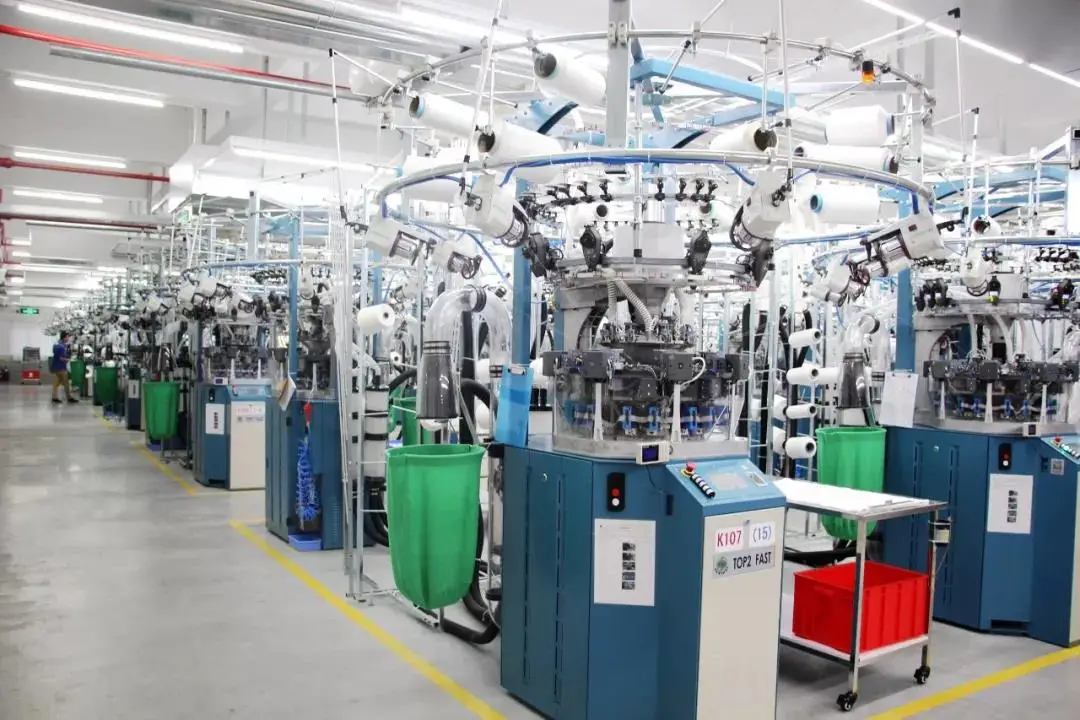
MOVEVOX's core production base operates 28 Italian Santoni seamless knitting machines. The Seamless route can support selected leggings, shorts, sports bras and tops through yarn selection, programmed knitted structure, rib, mesh, texture and engineered zones. Product feasibility remains dependent on machine diameter, yarn, structure, size range and finishing requirements, so Seamless is selected because it fits the product—not simply because the category is commercially popular.
Cut and Sew
MOVEVOX also operates a Cut & Sew activewear system with approximately 24 major sewing and garment-production machines. This route supports pattern-based development, panels, pockets, elastics, bra structures, material combinations and multiple seam constructions. The production standard is established through approved pattern, measurement, construction and sample references. This provides flexibility for products where garment shape and assembled structure are more important than engineered knitted zones.
Product Development
Development can start from a Tech Pack, legal reference sample, image, sketch, concept or fabric reference depending on project maturity. MOVEVOX's development role is manufacturing translation: identify open technical questions, convert product intent into material, pattern or Seamless structure decisions, build samples, document revisions and establish an approved standard. The customer retains responsibility for brand direction and final product approval rather than relying on undefined “free design.”
Materials and Branding
MOVEVOX coordinates fabric or yarn selection, colors, logo applications, labels, hangtags and packaging according to project requirements. Material selection can consider composition, GSM, handfeel, stretch, recovery, opacity, surface finish and intended product use. Branding artwork, size, position, label information and packaging details are confirmed before bulk application rather than being changed informally after production has begun.
Quality Management
MOVEVOX's confirmed quality organization includes five QC personnel. Quality control follows project specifications and approved references through incoming-material review, production preparation, First Article, inline inspection, measurements, workmanship, logo and label checks, packing and final release as applicable. The operating principle is not “zero defects”; it is to identify deviations, isolate affected products, correct issues and reinspect before release when required.
Managed Scale-Up
MOVEVOX combines its Yiwu core production base with eight major factories in a managed satellite production network. These satellite factories are not MOVEVOX-owned factories. Their role is to provide controlled additional production capacity under project allocation, common technical documents and quality requirements. Where buyers restrict production to approved factories or specific sites, production-location changes require the applicable approval process.
Inside MOVEVOX Fitness Apparel Manufacturing Operations in Yiwu
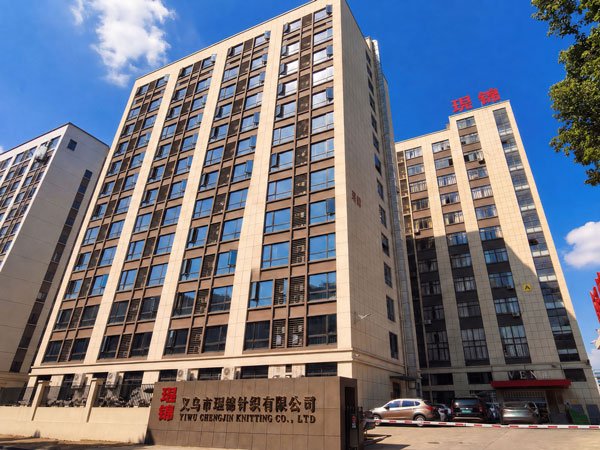
MOVEVOX's core production base is a six-floor facility with approximately 6,000 square meters of production space. The gallery should document actual operating functions instead of using generic factory photography.
Core Production Base
The first image should establish the physical identity of the MOVEVOX production base in Yiwu, Zhejiang. The confirmed fact basis is a six-floor production facility with approximately 1,000 square meters per floor and around 6,000 square meters of production space. The image should show enough context to connect the building or production environment with the actual manufacturing operation rather than functioning only as a decorative exterior photograph.
Seamless Production Area
This image should show actual Santoni Seamless production equipment inside the MOVEVOX operating environment. The confirmed count is 28 Italian Santoni seamless knitting machines. Useful visual evidence includes multiple operating machines, machine identifiers, yarn feeding and work-in-process context. The photograph should demonstrate how Seamless is physically manufactured and should not use a single-machine close-up to imply scale that cannot be independently seen or verified.
Cut-and-Sew Area
The Cut & Sew image should show actual activewear sewing and garment-production activity. MOVEVOX's fact base includes approximately 24 major sewing and garment-production machines. The evidence should demonstrate real pattern-based manufacturing capability and, where possible, show operations relevant to activewear such as elastic application, stretch seams or garment assembly rather than a staged row of idle equipment.
Development Area
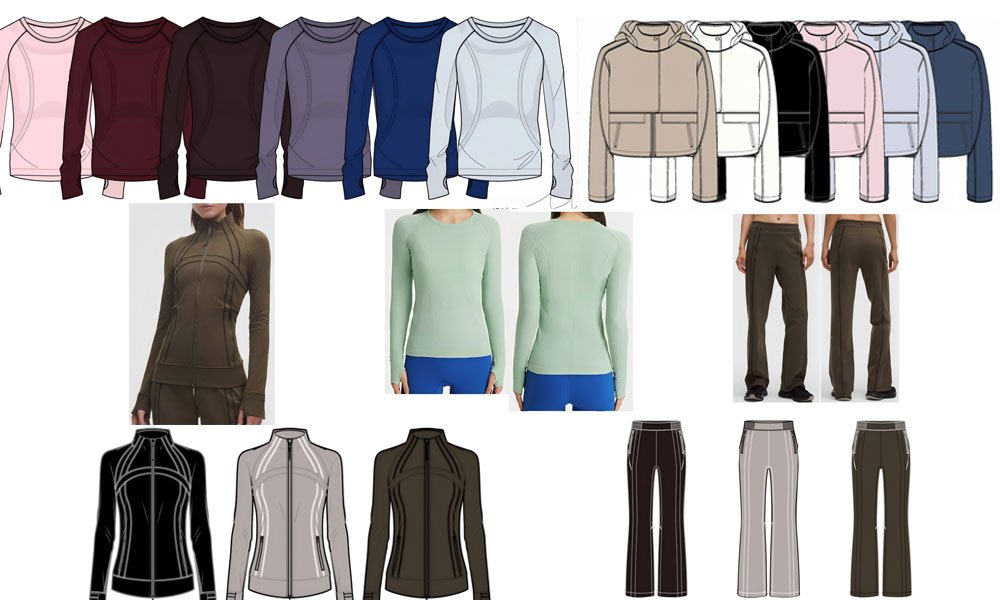
This image should demonstrate how a project moves from technical input toward a sample. Strong visual evidence could include pattern work, sample construction, measurement review, Seamless development or sample identification. Any buyer Tech Pack, logo, price, unreleased artwork or customer identity must be hidden before publication. A real technical-development scene is more useful to B2B buyers than a generic showroom image.
Quality Control Area
Quality photography should show an actual control action. Suitable examples include measurement inspection, workmanship checking, material review, logo verification or packaging checks. The strongest evidence combines the photo with an anonymized record or identified control stage so the buyer can understand what standard is being checked. A posed photograph of someone holding a measuring tape without a measurable reference provides much weaker qualification value.
Packing and Dispatch
The final image should demonstrate finished-order organization through SKU, size, label, polybag, carton or packing verification. Any real PO number, customer barcode, shipping address or commercially sensitive information must be anonymized. The purpose is to show that order accuracy continues after garment manufacturing and that finished products remain identified through packing and shipment preparation.
Build a Multi-SKU Fitness Apparel Collection
MOVEVOX's most mature women's activewear system covers core bottoms, bras and tops, with additional activewear categories available through defined development or technical review rather than being presented as ready-stock products.

Fitness Leggings
A core MOVEVOX category that can be developed through Seamless or Cut & Sew routes around waistband, fit, fabric, opacity, contour, pockets and intended training direction.
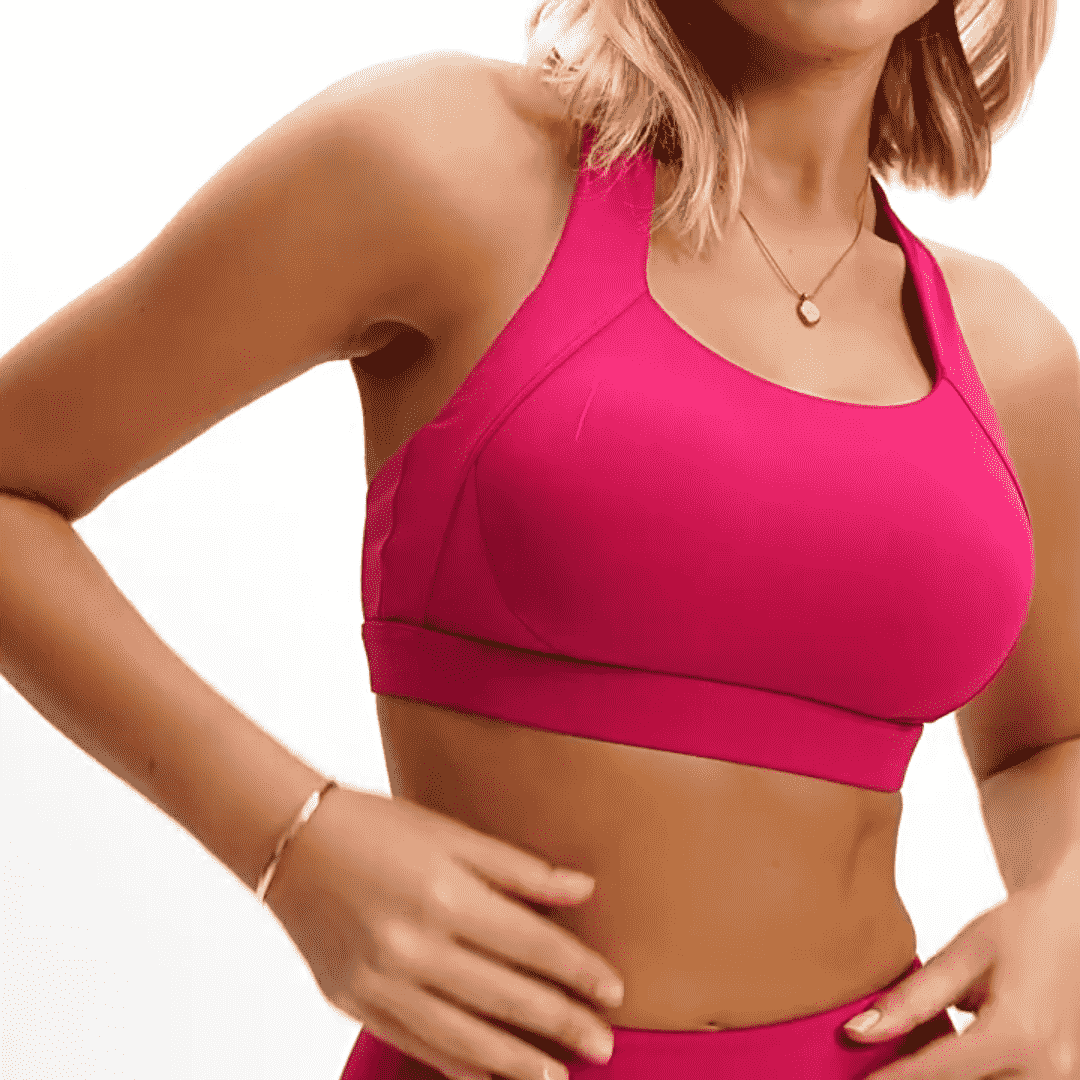
Sports Bras
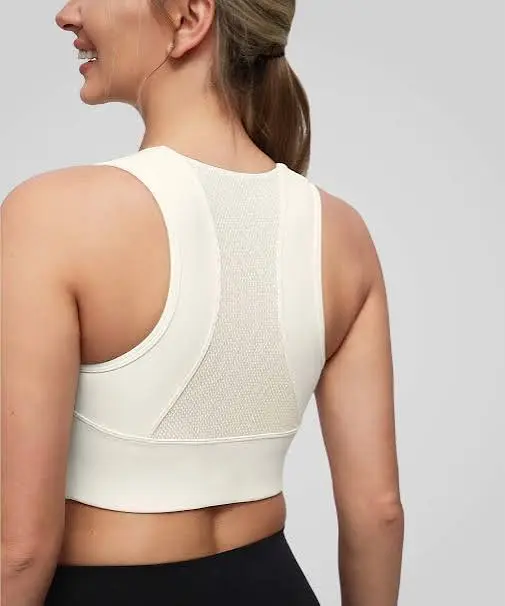
A core activewear product developed around underbust fit, coverage, straps, back construction, material recovery, pad configuration and the intended non-medical support direction.
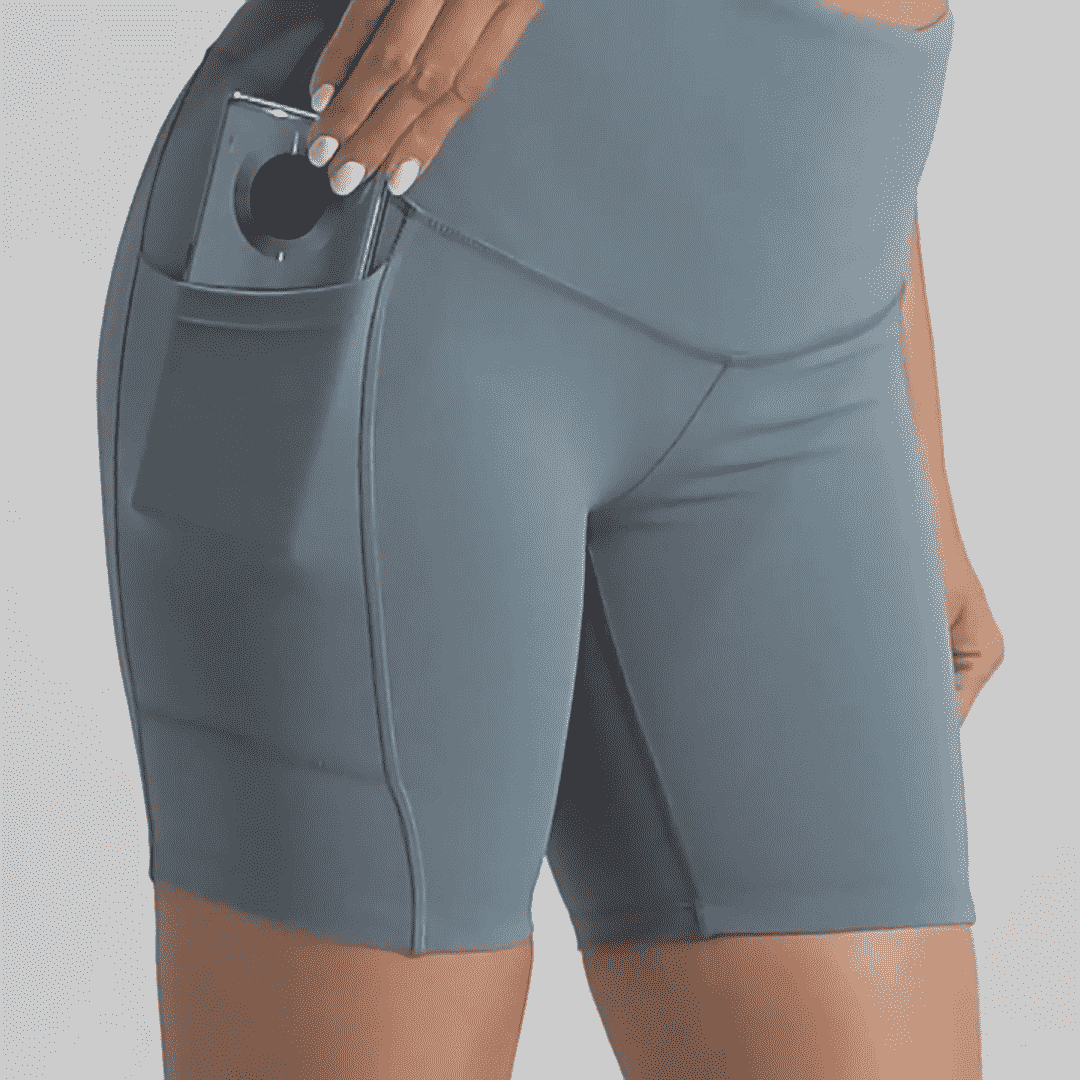
Training Shorts
Shorts can share selected fabric and branding platforms with leggings while requiring independent review of inseam, rise, leg opening, waistband and intended training movement.
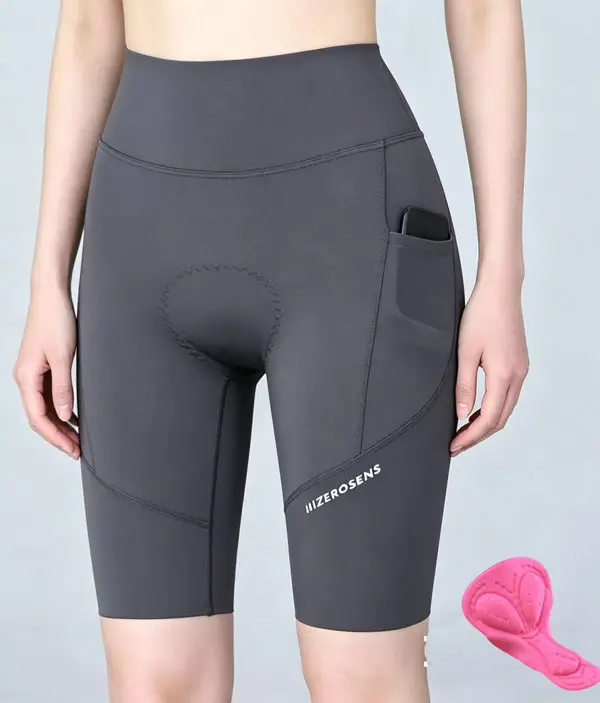
Biker Shorts
Biker shorts extend lower-body programs into shorter silhouettes while keeping specific controls for thigh fit, ride-up behavior, inseam, leg opening and waistband stability.
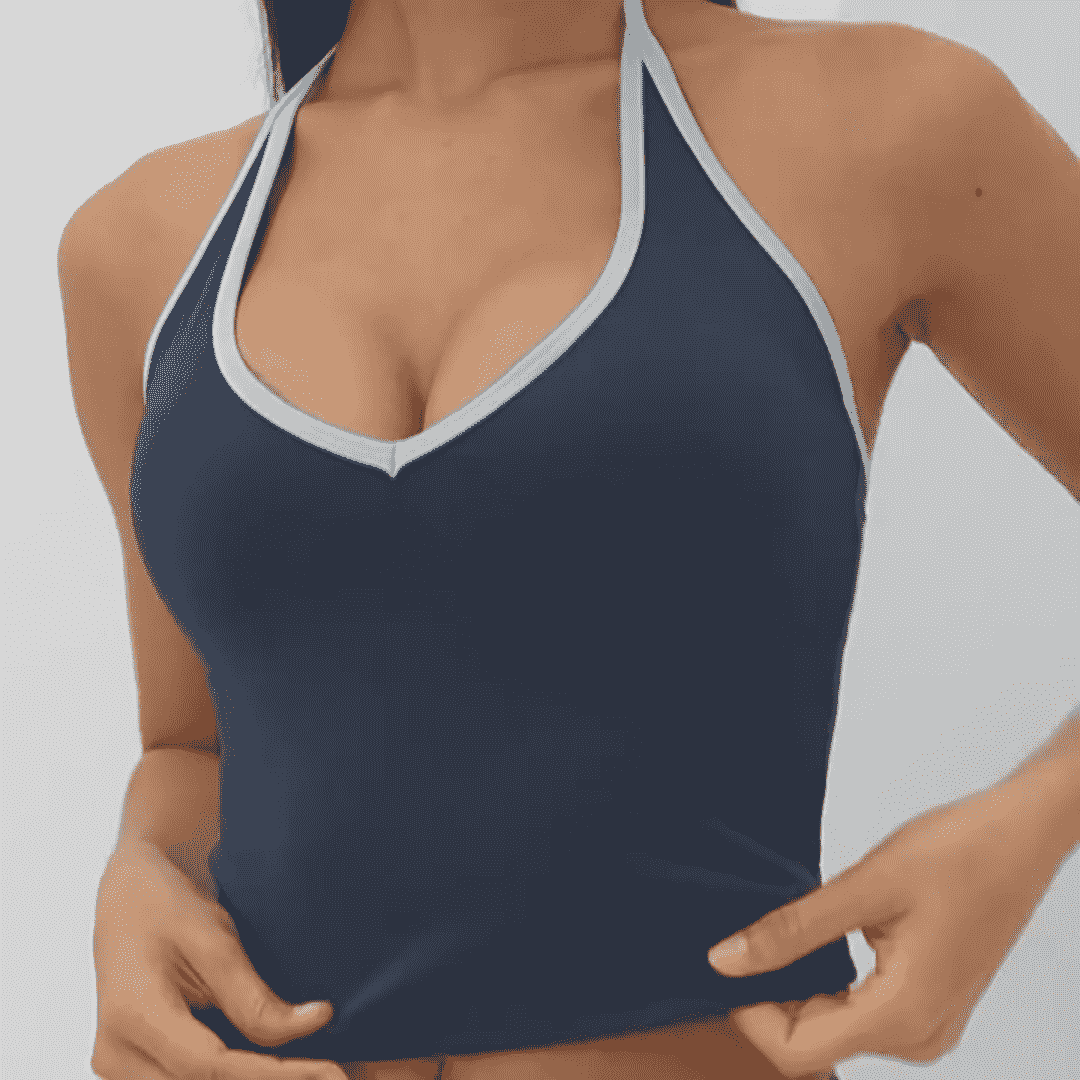
Fitness Tanks
Tanks can be developed for training and activewear programs through neckline, armhole, body length, fit, fabric and branding requirements appropriate to the intended collection.
Training T-Shirts
MOVEVOX can support activewear T-shirts as a stable category, with material, fit, seam, branding and finishing selected according to the actual performance and commercial requirements.
Long Sleeves
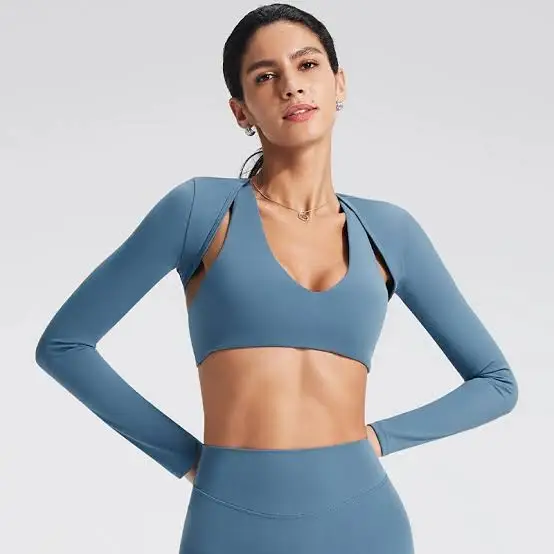
Long-sleeve training tops can extend activewear programs into layering and transitional products, with shoulder, sleeve, armhole, stretch and garment-length requirements independently developed.
Fitness Sets
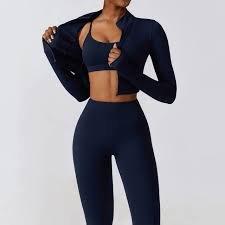
Coordinated sets can share selected colors, fabrics and brand language across bottoms, bras and tops while retaining independent measurements, construction standards and SKU approvals.
Know Where MOVEVOX Fits Your Product Program
A credible supplier should define capability boundaries rather than claim every apparel category equally. MOVEVOX focuses on activewear-related programs and uses technical review when a requested product sits outside its strongest manufacturing system.
Core Strength
MOVEVOX's strongest product position is women's Activewear, Yoga, Pilates, Gym and Fitness apparel. Core products include leggings, sports bras, yoga or training shorts, biker shorts and related coordinated activewear sets.
Stable Range
Tanks, T-shirts, long sleeves and selected activewear tops are stable regular capabilities that can support multi-SKU fitness collections. These products still require project-specific material, fit and construction review.
Project Review Range
Jackets, bodysuits, tennis or pickleball items, running products, compression directions and broader athleisure may be technically developable, but should not automatically be presented as equal core strengths. Feasibility depends on the requested construction, material, process and required production standard.
Outside Standard Scope
Footwear, bags, hardware products, denim, suits, formalwear, bridalwear, heavy insulated outerwear, professional fully seam-taped outdoor products, protective or medical apparel are not presented as standard MOVEVOX capability. Counterfeit or unauthorized trademark projects are not accepted.
Choose the Right Fitness Apparel Development Route
Different buyers arrive with different levels of technical preparation. MOVEVOX can work from developed specifications or support manufacturing translation from earlier-stage product inputs, while keeping brand ownership and final approval with the customer.
| Dimension | OEM | ODM | Private Label |
|---|---|---|---|
| Design Input | Buyer provides detailed Tech Pack and specifications. | Buyer provides concept, sample, sketch or product direction. | Buyer selects a manufacturable product direction and applies brand requirements. |
| Development Work | Technical execution and manufacturability review. | Manufacturing translation, materials, structure and sample development. | Selected product plus defined customization and branding. |
| Fit Input | Buyer normally provides measurement and fit standards. | Fit direction is developed through samples and buyer approval. | Existing fit direction may be adjusted by project. |
| Material Input | Buyer may nominate or specify required fabric. | MOVEVOX can recommend materials against product requirements. | Available material routes are reviewed for the selected product. |
| Pattern / Program | Follows approved buyer specification and technical review. | Developed from the agreed product direction. | Existing base may be modified where technically appropriate. |
| Branding | Applied according to buyer artwork and specification. | Developed after brand requirements are confirmed. | Core part of the private-label execution. |
| MOQ | Depends on manufacturing route and material conditions. | Depends on development choices and upstream minimums. | Depends on selected base, branding and material requirements. |
| Best For | Mature brands with defined technical standards. | Brands needing product-development support before production. | Buyers seeking faster brand customization from a defined product direction. |
OEM is normally the most efficient route when the buyer already controls the technical product standard. ODM is more appropriate when product intent exists but technical manufacturing decisions are still open. Private Label is useful when the buyer wants a branded program without independently engineering every product element. These terms should describe workflow responsibility rather than promise unlimited design work or identical MOQ and lead time across all three routes.
Private Label Fitness Apparel Beyond Logo Placement
Private-label fitness apparel can involve material, fit, construction, colors, branding, labels, packaging and testing. MOVEVOX separates these decisions so commercial and technical requirements can be approved before production.
Fabric and Color
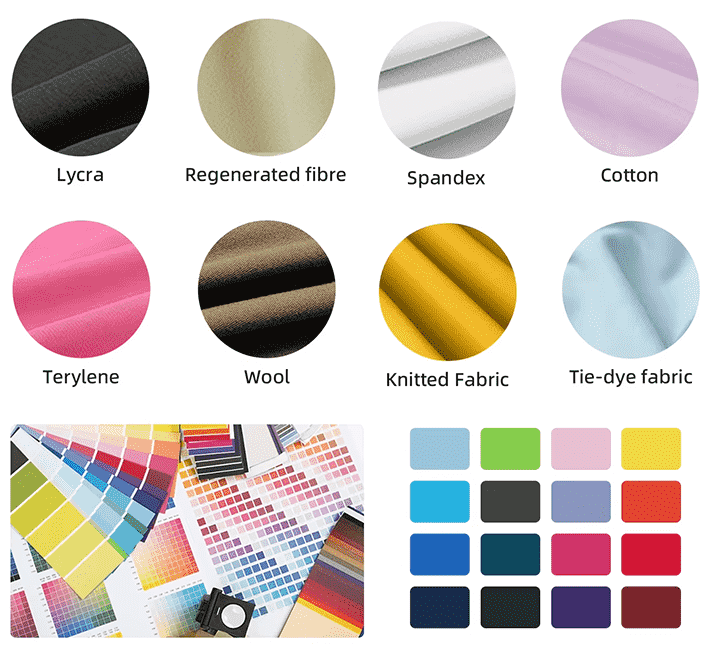
A private-label program can start from a customer fabric, physical garment, material specification or defined performance direction. MOVEVOX can coordinate fabric or yarn sourcing and physical color development. Pantone can be used as a target, but the final bulk reference should be a physically approved Lab Dip, yarn, swatch or garment. Custom fabric or color may create upstream MOQ and lead-time conditions beyond the standard garment MOQ.
- Develop from customer physical fabric or garment reference.
- Review composition, GSM, handfeel, stretch and recovery direction.
- Develop Pantone targets through applicable physical material approval.
- Control approved fabric and color references for bulk use.
Fit and Construction
Private-label execution can include measurement charts, pattern adjustments, waistband construction, pockets, panels, sports-bra structures and other technical requirements. The buyer may provide an existing fit standard or develop it through samples. Base-size fit approval is separated from grading and bulk measurement control so a correct sample size does not automatically become evidence that every production size has been controlled.
- Customer measurement chart and POM requirements.
- Fit Sample and documented revision comments.
- Size Set or PP review where required.
- Seamless program or Cut & Sew construction route.
Logo Branding
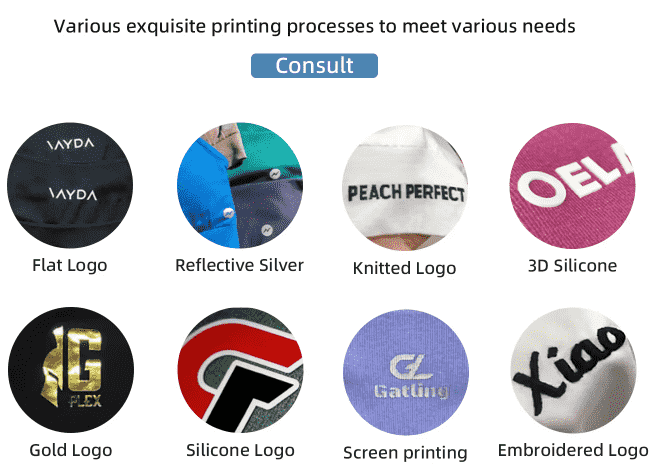
MOVEVOX supports verified logo techniques including screen printing, heat transfer, standard silicone applications, embroidery, jacquard and woven-label solutions where technically suitable. Artwork, color, size and placement require approval before bulk application. The actual durability depends on the material, process and project requirements, so no fixed wash-life or permanent-durability claim should be made without corresponding test evidence.
- Screen print for suitable fabrics and artwork.
- Heat-transfer logo based on approved application sample.
- Standard silicone branding for compatible designs.
- Embroidery or jacquard where product construction permits.
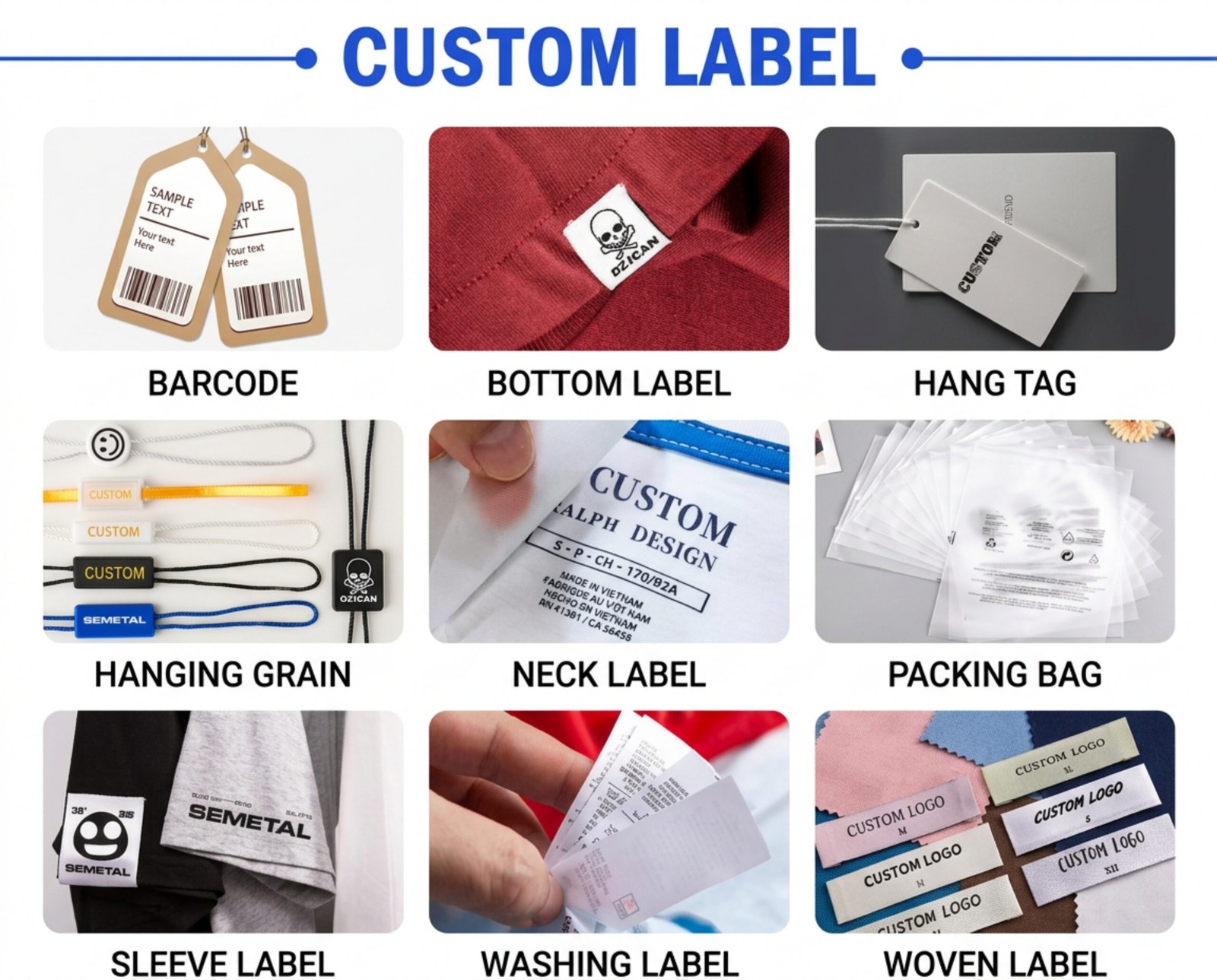
Labels
MOVEVOX can support main labels, care labels, size labels and woven-label development according to customer-approved artwork and required product information. Label language, fiber composition, size mapping, origin information and other market-specific content remain subject to the buyer's approved version and applicable requirements. Label production should be linked to the correct Style and SKU rather than treated as generic interchangeable components.
- Woven or printed main-label formats.
- Customer-approved care-label artwork.
- Separate or integrated size-label execution.
- Heat-transfer label where material compatibility is approved.
Packaging
Packaging can include hangtags, stickers, barcodes, individual packing requirements, polybags, size ratios, carton marks and buyer-defined retail preparation. Packaging should be treated as an order-control function because a correct garment with an incorrect SKU, barcode, size sticker or carton mark can still create a serious delivery and retail problem.
- Custom hangtag from approved buyer artwork.
- SKU, size or barcode-specific stickers.
- Individual packing according to approved instructions.
- Carton marking and packing ratios by order.
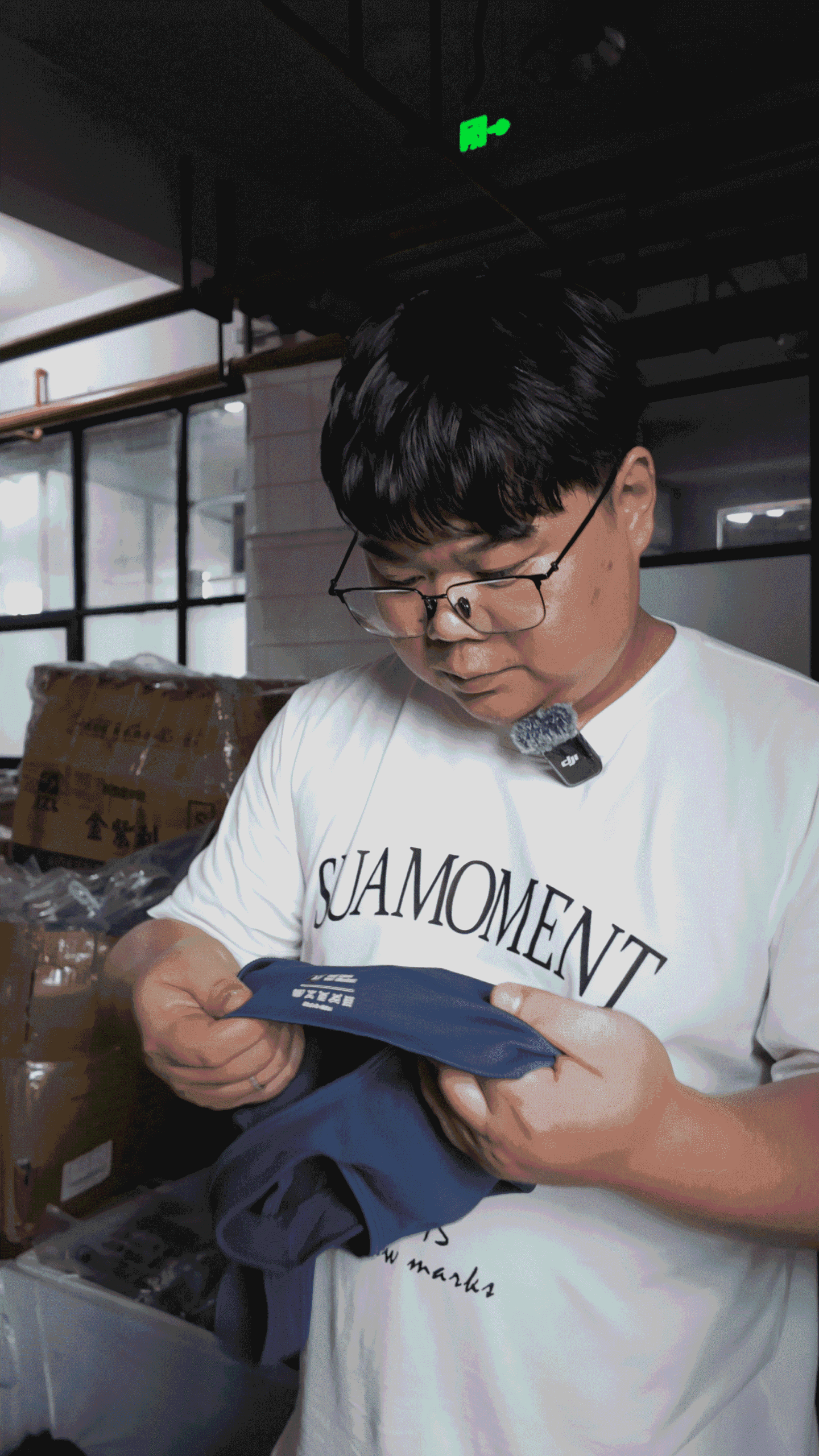
Testing
Testing requirements are defined from the buyer, target market, material and product risk. MOVEVOX can coordinate customer-nominated or project-qualified laboratories for relevant tests and can support sample preparation, test requests, BOM or material information, report collection and failure follow-up. Test support does not mean all MOVEVOX products are already certified or that one tested sample proves all production.
- Buyer-defined physical or performance tests.
- Customer RSL or chemical-risk requirements.
- Customer-nominated third-party laboratories.
- Supplier certificates reviewed by holder and scope.
From Fitness Apparel Brief to Bulk-Ready Standard
Development is used to close technical questions before production. MOVEVOX progressively converts brand direction, product specifications, material, fit and customization inputs into an approved reference that production and quality teams can execute.
Project Intake
The project begins by identifying product category, available technical files, estimated quantity, target market, launch timing and customization requirements. Missing information is recorded instead of silently assumed.
Project BriefTo ConfirmTechnical Review
MOVEVOX reviews construction, measurements, manufacturing route, material or yarn requirements, branding, testing needs and open feasibility points before committing the project to sample production.
Technical QuestionsProject SpecificMaterial Route
Fabric or yarn is selected against intended handfeel, stretch, recovery, opacity, product structure, surface direction, cost and manufacturing route. Custom requirements can affect MOQ and timing.
Material DirectionProject SpecificDevelopment Sample
After key details are confirmed and required materials are available, a standard customized sample is typically developed within approximately 5–10 working days. Complex materials or processes may require additional time.
Development Sample5–10 WorkdaysFit Revision
The sample is reviewed against measurements, appearance, fit, movement, construction and defined requirements. Changes are translated into pattern, measurement, material, Seamless program or workmanship revisions.
Revision RecordProject SpecificSize and PP
Where required, Size Set or PP review confirms the applicable size range, final materials, product construction, branding and production readiness before formal bulk release.
PP ReferenceAfter FitApproval Freeze
The approved sample is linked with the current Tech Pack, measurements, materials, color, logo, labels and packaging so production and QC use one released product standard.
Approved StandardAfter ApprovalBulk Production
Typical bulk production is approximately 20–35 days under normal conditions, subject to material readiness, complexity, buyer approvals, inspection requirements and the agreed Cargo Ready definition.
Finished Order20–35 DaysControl Multi-SKU Development Without Losing Version Discipline
When product and material paths are sufficiently clear, MOVEVOX's current system can manage approximately 10–20 SKUs at different development stages. The objective is controlled coordination, not simply opening many samples at once.
Project Setup
Each SKU receives a Style identity and project status. Shared and independent requirements are separated before development starts so one unresolved base decision does not unnecessarily block every product.
Customer: confirm collection scopeSKU Matrix
The matrix tracks style, version, size, BOM, logo, sample status, material route and approval status so the team can see which products are ready, blocked or awaiting buyer input.
Customer: confirm SKU/color scopeShared Platforms
Where appropriate, several SKUs can share selected fabrics, colors, fit logic, logo positions or packaging rules. Each style still keeps its own construction and approval record.
Customer: approve shared logicDevelopment Waves
Large programs are better controlled in waves rather than allowing every SKU to depend on an unapproved fabric or fit platform at the same time.
Typical wave: 5–10 SKUsIndividual Approval
Each SKU maintains its own sample, technical comments and approval status even when materials or brand elements are shared across the collection.
Customer: approve by SKUBulk Planning
Approved SKUs move into material, production and capacity planning according to product route and requested delivery timing rather than assuming the full collection enters production simultaneously.
Customer: final order and timingThe 10–20 SKU figure describes project-management capability when technical inputs and material paths are sufficiently clear; it is not a promise that 20 unrelated products can all be developed simultaneously within one fixed timeline. Development waves reduce dependency risk, while each SKU retains its own version and approval status.
Select Fitness Fabrics Around Product Requirements First
Fitness apparel fabric selection should reflect the intended garment, fit, stretch, recovery, opacity, surface and manufacturing route. MOVEVOX can use physical references and project requirements to narrow suitable material directions before approval.
What product will use it?
What handfeel is required?
What support direction applies?
How sensitive is opacity?
Which manufacturing route fits?
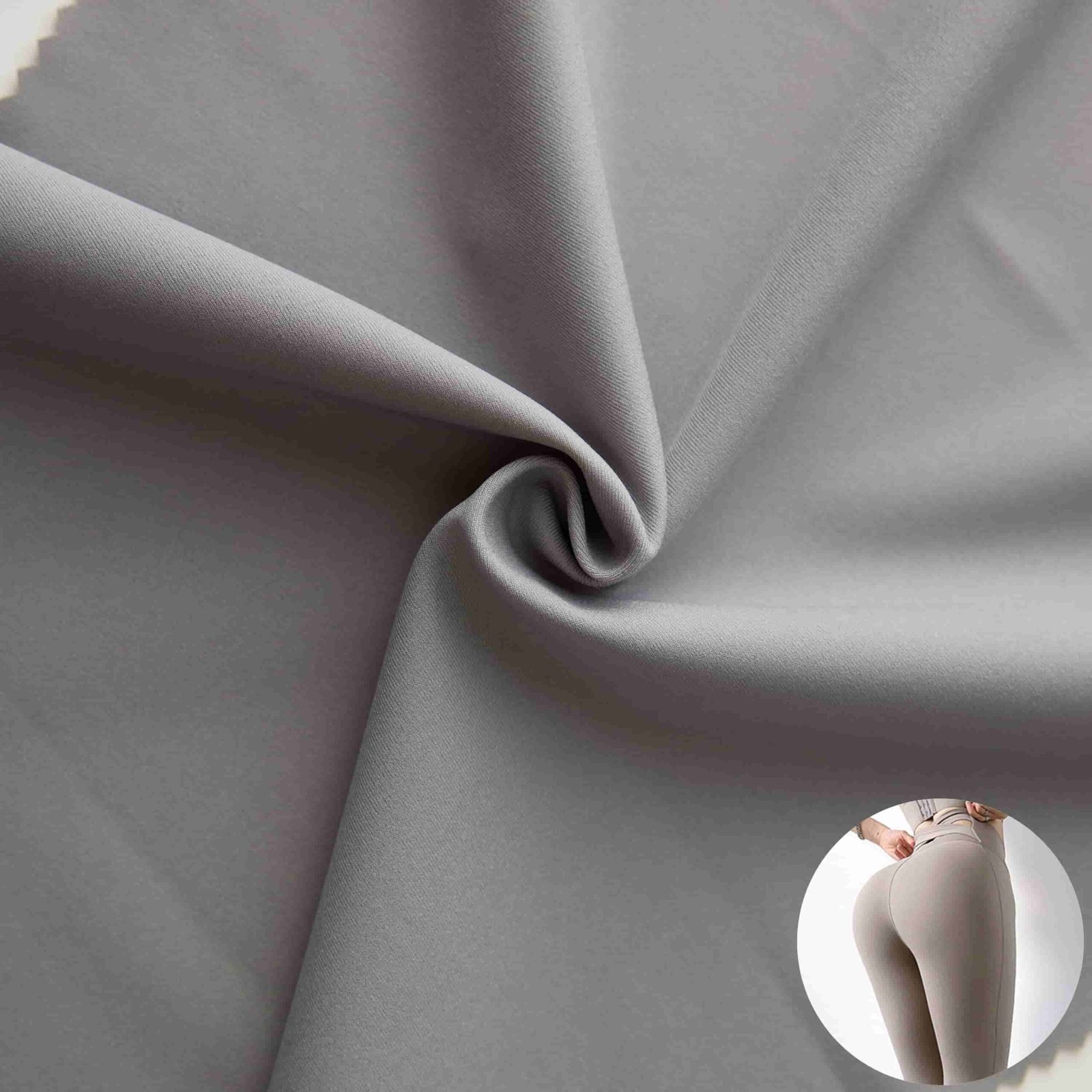
Smooth Stretch Knit
A smooth Nylon/Polyamide or Polyester stretch-knit direction can support selected leggings, shorts and tops where the buyer wants a clean surface and controlled stretch. The exact material must still be selected through a real Fabric Code and physical swatch because composition alone does not determine GSM, recovery, opacity, surface finish or garment behavior.

Soft-Touch Active Knit
Brushed, peach or other softer-finish active knits may suit products where tactile experience is important. “Soft” should remain a development direction until a specific physical material is approved. Surface finishing, GSM, recovery, compression direction and fit all affect the final garment, so a marketing adjective should never replace the actual material standard.

Structured Training Knit
A more structured active knit can be reviewed where the product requires greater coverage or a more defined supportive feel. GSM or Spandex percentage alone does not prove compression or durability. Final selection should consider recovery, opacity, pattern negative ease, product use and the approved garment rather than relying on one numerical specification.
Seamless Yarn Platform
Seamless products begin with yarn and programmed knitted structures rather than a finished Cut & Sew fabric. Yarn behavior, density, rib, mesh, texture and engineered zones can be adjusted during development. Final performance still needs verification through the finished Seamless sample because yarn composition alone cannot define fit or product behavior.
Engineer Fitness Apparel Through Seamless Knitted Zones
MOVEVOX operates 28 Italian Santoni seamless knitting machines. Seamless manufacturing uses yarn, programmed structures and localized knitted zones to create product architecture rather than simply removing visible seams.
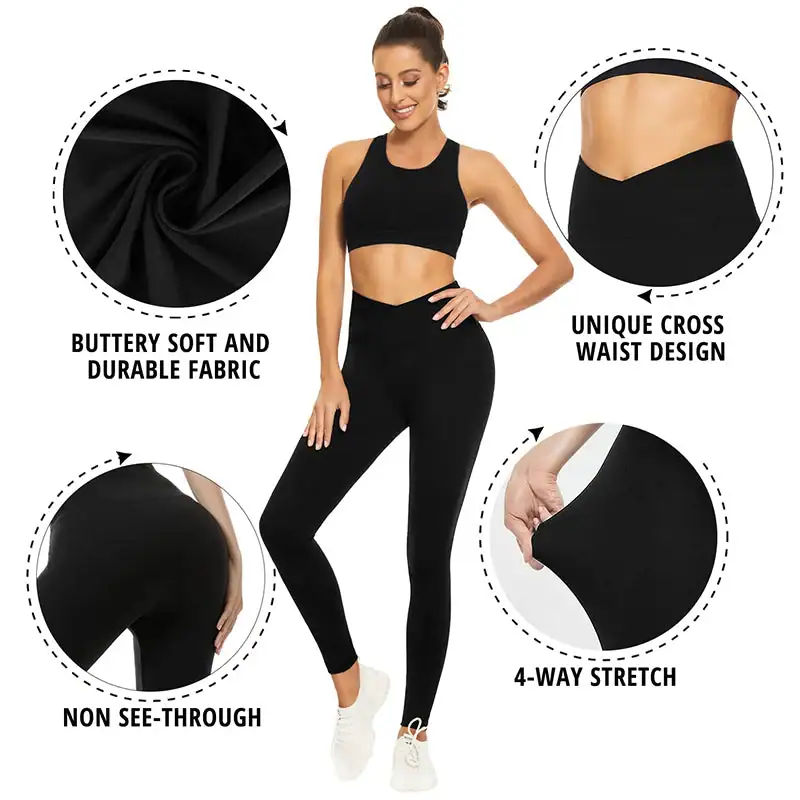
Waistband Zone
Waistband height, rib, density and elasticity can be programmed according to the intended product direction. Final stability still depends on size, garment dimension, yarn and actual sample fit.
Core Body Zone
The main body can use a base knitted structure selected for required stretch, surface and appearance. Density changes must remain compatible with the intended fit and finishing process.
Mesh Zone
Localized mesh structures can create more open knitted areas where appropriate. Placement, hole structure, coverage, snag risk and stretch should be reviewed before the zone is approved.
Rib Zone
Rib structures can add visual segmentation and influence local stretch or fit direction. Their density, dimensions and placement need to be assessed in the complete garment.
Texture Zone
Engineered texture can create differentiated surfaces or contour directions without adding separate fabric panels. Texture should be evaluated for visual consistency, stretch and the intended brand aesthetic.
Transition Zone
Transitions between dense, ribbed, mesh or textured structures require technical control. Abrupt changes can influence appearance and localized stretch, making sample-level review important.
Seamless manufacturing follows a different technical logic from Cut & Sew. Yarn, machine diameter, program, knitted structure, density and zone transitions all affect the finished garment. MOVEVOX can use its Santoni system for selected leggings, shorts, sports bras and tops, but technical boundaries remain real. The appropriate route should be chosen according to the product requirement and approved sample, not simply because “seamless” is commercially attractive.
Build Fitness Apparel Through Pattern and Construction Engineering
Cut & Sew provides greater flexibility for pattern shapes, panels, pockets, elastic systems and material combinations. MOVEVOX uses approximately 24 major sewing and garment-production machines within its core production system.
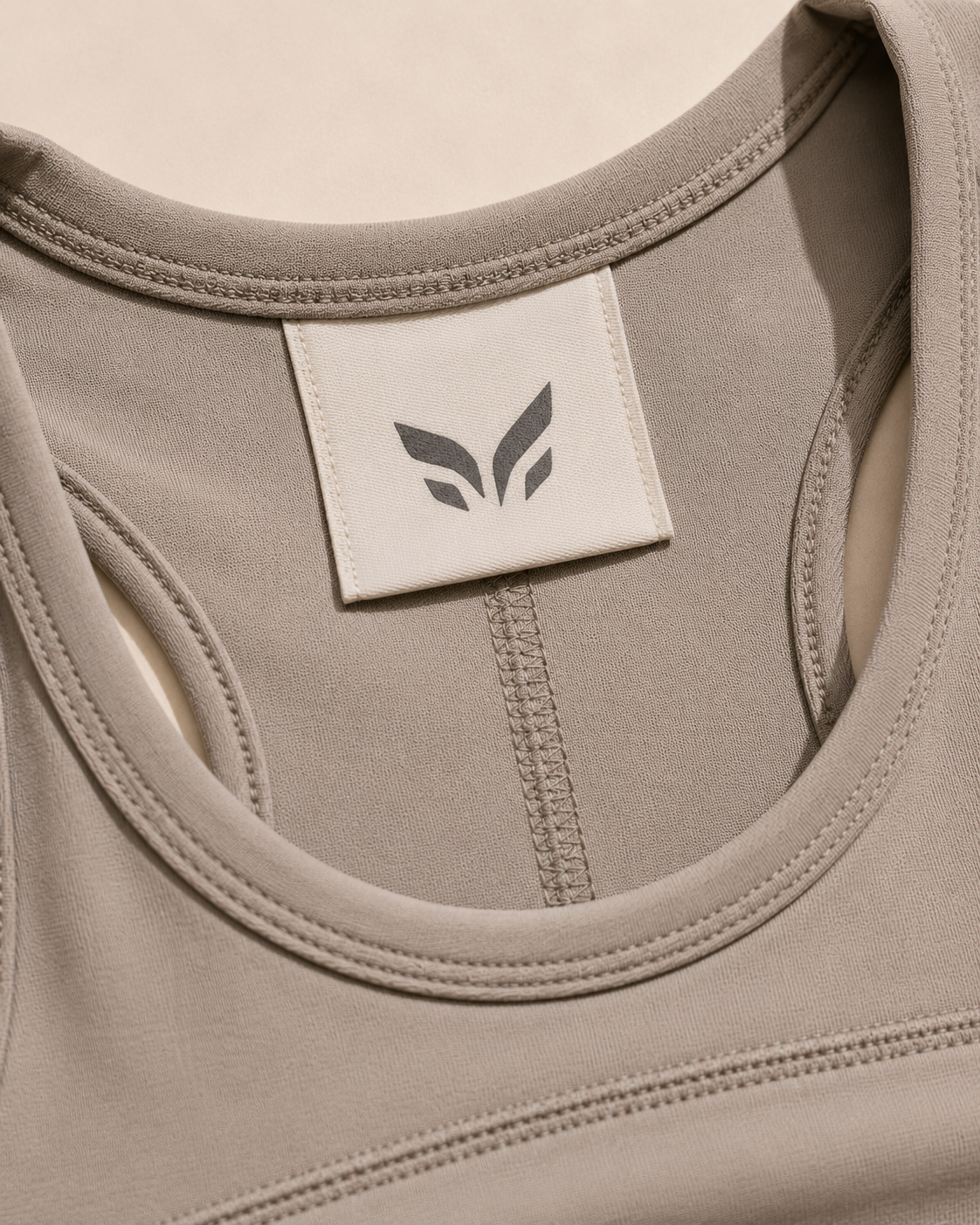
Flatlock Construction
Flatlock can be selected where a flatter seam profile is appropriate to the product. Needle configuration, thread, tension, fabric stretch and seam position need to work together; the stitch itself should not be treated as automatic proof of comfort or strength.
Applicable Area: Selected leggings, shorts, tops and activewear seams.
Control: Final result depends on material, tension and approved workmanship.
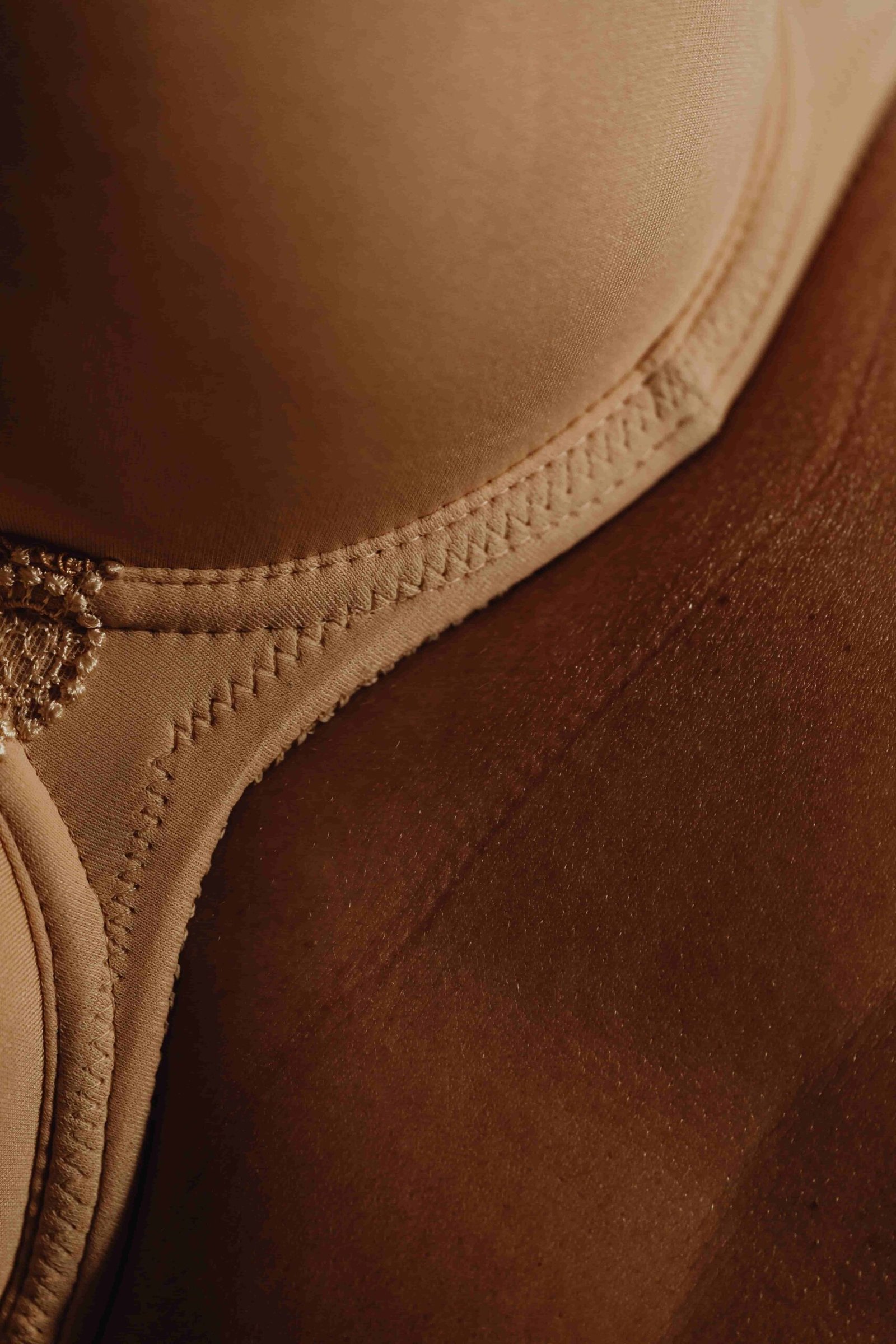
Overlock Construction
Overlock is used for joining and securing selected stretch-fabric seams. The operation must manage seam allowance, fabric extension, puckering, skipped stitches and thread balance while following the approved garment construction.
Applicable Area: Internal seams and selected assembly operations.
Control: Seam quality is checked against fabric behavior and construction requirements.
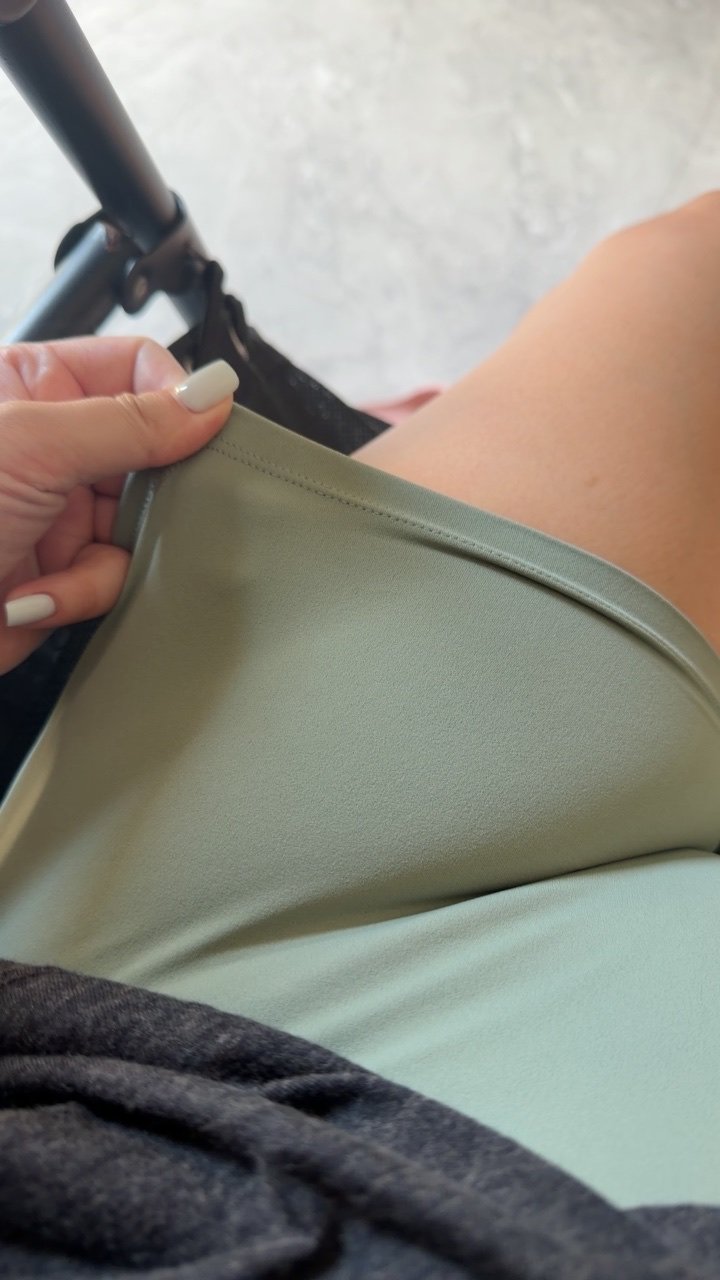
Coverstitch Finishing
Coverstitch can be applied to hems and selected stretch edges where the product design requires it. Fold width, thread tension, differential feed and stretched appearance should be reviewed before the bulk setting is standardized.
Applicable Area: Hems and selected activewear finishing areas.
Control: Finished edge should remain acceptable under expected garment stretch.
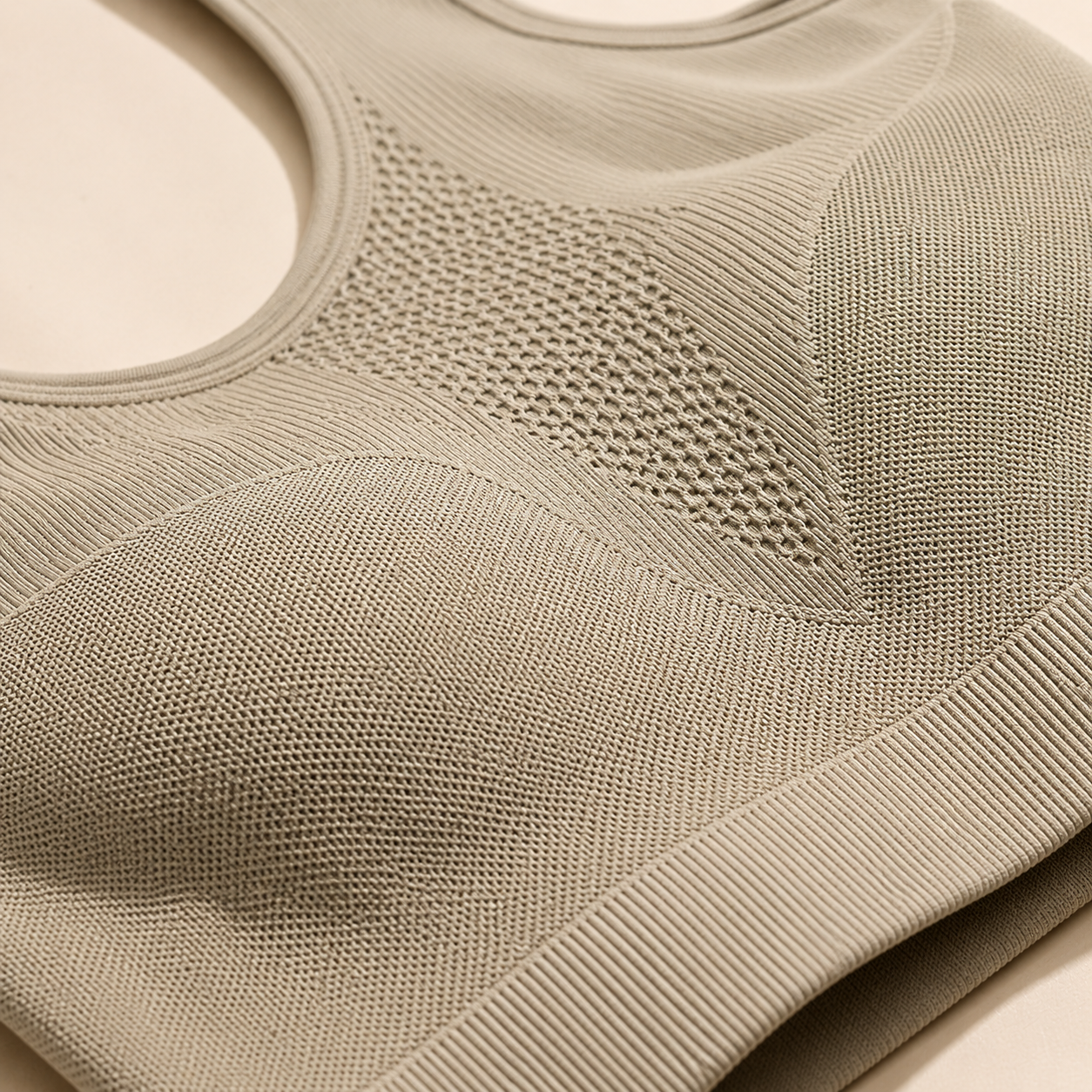
Elastic Application
Elastic width, stretch ratio, attachment and recovery influence waistbands, sports-bra underbands and other controlled openings. The correct elastic setup is selected for the individual product rather than using one specification across every fitness style.
Applicable Area: Waistbands, bra underbands and selected openings.
Control: Final fit and recovery require finished-garment approval.
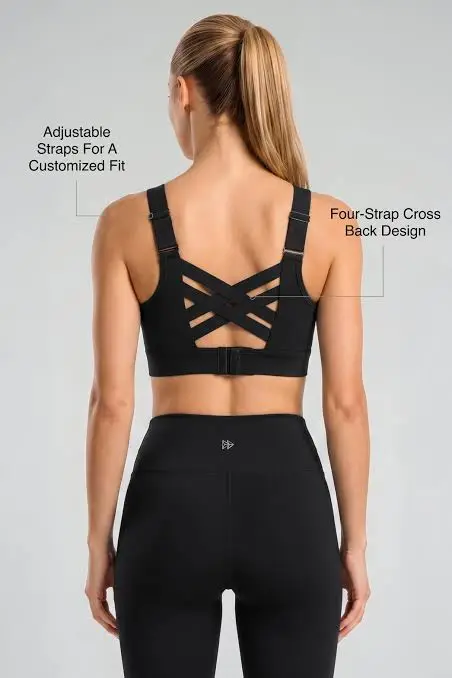
Bra Pad Construction
Sports bras and selected tops can require removable or other approved pad constructions, pad pockets, lining and defined openings. The correct solution depends on coverage, fit, material and buyer specification.
Applicable Area: Sports bras and selected built-in-bra tops.
Control: Pad position and surrounding construction require sample verification.
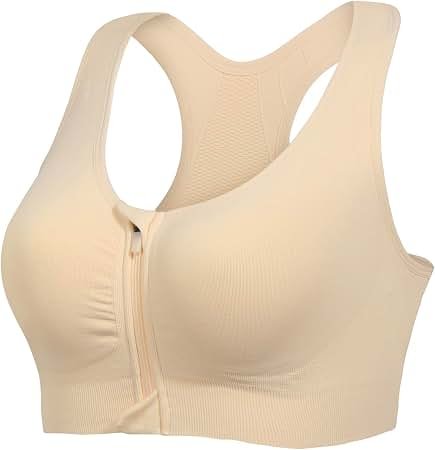
Stress Reinforcement
Selected garment areas can require reinforcement where construction or loading creates additional stress. Reinforcement should be determined through the garment design rather than added indiscriminately as a generic quality feature.
Applicable Area: Selected seams, pocket points and load-sensitive areas.
Control: Reinforcement follows approved construction and workmanship standards.
Use Sampling as a Controlled Product Approval System
Different sample stages answer different questions. MOVEVOX separates development, fit, revision and production approval so the final bulk reference is not confused with an earlier exploratory garment.
Development Sample
The first development sample converts the available Tech Pack, product reference or design direction into a physical garment. Its purpose is to evaluate the overall material, measurements, structure, workmanship and manufacturability.
- Tech Pack, reference or defined design direction.
- Material, fit and customization requirements.
- Physical sample for technical product review.
- Open-point list requiring clarification or correction.
Pass Standard: Product direction is sufficiently defined to begin detailed fit and technical review.
Fit Review
The fit stage compares the garment with the intended measurements, proportions and relevant movement requirements. Identified issues are converted into technical changes instead of remaining as subjective comments.
- Measurement and fit comments from the buyer.
- Required construction or product-feel changes.
- Documented technical revision points.
- Pattern, measurement or construction corrections.
Pass Standard: Major fit questions are translated into defined revisions with measurable next steps.
Revised Sample
The revised garment verifies whether agreed changes have been correctly executed and whether the changes create any new problems elsewhere in the product.
- Confirmed previous revision comments.
- Updated artwork or technical files if required.
- Updated garment reflecting the agreed changes.
- Current sample-version identification and open points.
Pass Standard: Required revisions are implemented and remaining issues are clearly identified for approval.
Size Set / PP
Where required, Size Set or PP review confirms size-range translation and production-ready material, construction and branding before bulk release.
- Final size and measurement requirements.
- Final fabric, color and branding approvals.
- Size Set or PP samples as applicable.
- Controlled production reference connected to specifications.
Pass Standard: Required product and production conditions are sufficiently approved for controlled bulk release.
Bulk Handover
The final approval stage connects the physical sample with the Tech Pack, measurement, material, color, logo, label and packaging version used by manufacturing and QC.
- Final approvals under the agreed workflow.
- Confirmed order and production requirements.
- Released reference for production and quality teams.
- Identified sample and document versions controlling bulk.
Pass Standard: Production can identify exactly which approved product standard applies to the order.
Ready to Review Your Fitness Apparel Program?
Send the product information you already have—Tech Packs, reference garments, images, fabric direction, quantities or an initial collection plan. MOVEVOX can review manufacturing route, development requirements, commercial conditions and the practical next step toward quotation, sampling or vendor qualification.
A complete Tech Pack helps, but earlier-stage product inputs can also enter technical review.
Match MOQ to Your Fitness Apparel Program
MOVEVOX's base garment MOQ is only one part of the commercial decision. Effective MOQ can also depend on material sourcing, custom colors, yarn, branding components, packaging and how quantities are divided across colors and sizes.
Pilot Order
Under standard material and production conditions, the approximate base MOQ is 100 pieces per Seamless style and 150 pieces per Cut & Sew style. Standard stock-color allocation can begin around 50 pieces per color, while size splits still need to meet practical manufacturing quantities. Custom materials, colors, trims or branding can create higher upstream minimums.
Quantity: Approx. 100 Seamless / 150 Cut & Sew
Color / Size: Confirm by project
Price Factors: Material, construction, branding, quantity
Core Program
For a repeatable multi-SKU program, selected materials, colors, labels or packaging may be shared where technically and commercially appropriate. This can improve collection planning, but does not remove the individual requirements of each style. Material MOQ, dye-lot requirements, product construction and color allocation remain part of the commercial review.
Quantity: Project Specific
Color / Size: Plan by Style and SKU
Price Factors: Shared materials, complexity, order structure
Scale Program
Larger programs are evaluated against approved specifications, materials, available capacity, production route and delivery requirements. Forecasts are useful for planning, but do not automatically reserve production capacity or replace confirmed orders. Product status, timing and actual commercial conditions must be reviewed before formal allocation.
Quantity: Volume by program
Color / Size: SKU and forecast planning
Price Factors: Material volume, capacity, complexity, timing
Custom Color Note: Custom dyeing commonly creates an upstream minimum corresponding to approximately 400–600 finished garments depending on material, dye lot and garment consumption. This is not a fixed MOQ for every product.
Capacity Means Controlled Delivery, Not Theoretical Machine Output
MOVEVOX uses several capacity measures with different statistical scopes. For buyer qualification, project allocation and managed delivery capability matter more than simply adding theoretical outputs from different manufacturing routes.
150K–200K pcs/month
Approximate managed combined normal delivery capacity across the controlled production system; this figure should not be combined with route-specific capacity as a simple total.
28
Italian Santoni seamless knitting machines in the core production base support MOVEVOX's primary Seamless activewear manufacturing route.
Approx. 24
Major sewing and garment-production equipment supports core Cut & Sew activewear development and bulk manufacturing requirements.
8
Eight major satellite factories provide managed additional production capacity. They must not be described as eight MOVEVOX-owned factories.
Project Specific
Actual availability depends on product route, quantity, complexity, material readiness, season, inspection requirements and the requested delivery window.
Data Scope: Capacity data uses different statistical definitions. Project commitments require a current product and delivery review rather than relying on one headline number.
Transparent Capacity Across Core and Managed Production Sites
MOVEVOX does not position its supply chain as “100% in one building.” The operating model combines the Yiwu core factory, eight long-term managed satellite factories and selected specialist resources where appropriate.
Core Factory
The Yiwu core factory anchors Seamless, Cut & Sew, development, quality and project-management functions. Product allocation starts from technical fit rather than assuming every order should remain inside one building.
Satellite Network
MOVEVOX works with eight major long-term satellite factories, including six in Yiwu and two in Guangzhou. These are managed production resources, not MOVEVOX-owned factories.
Specialist Resources
Some materials, branding, packaging or specialized processes require qualified upstream or specialist suppliers. These partners operate against approved project requirements rather than independently redefining the product.
Allocation Logic
Production location is selected according to manufacturing route, technical capability, approved standards, quantity, quality risk and delivery requirements instead of only available sewing capacity.
Site Disclosure
Where the buyer requires production-location visibility, MOVEVOX can disclose the relevant manufacturing site and support review according to agreed confidentiality and qualification requirements.
Change Approval
For Approved Factory Only or contractually restricted projects, production-location changes require the applicable written buyer approval rather than being transferred informally for operational convenience.
Single Accountability
Satellite factories do not replace MOVEVOX's responsibility toward the buyer. Technical standards, production management and final accountability remain managed through the MOVEVOX project system.
The purpose of a managed network is controlled scalability, not hidden subcontracting. MOVEVOX issues applicable Tech Packs, approved-sample references and quality requirements to the assigned facility and maintains production and QC oversight. If a buyer limits manufacturing to a specific approved facility, those contractual conditions take priority. Transparent production-site governance is therefore a stronger statement than claiming that every operation is permanently performed in-house.
Control Fitness Apparel Quality Before Shipment Release
MOVEVOX's quality organization includes five QC personnel. Quality controls begin with released specifications and continue through material, production, measurement, branding, packing and final inspection.
Specification Freeze
Production identifies the applicable Tech Pack, measurement chart, approved sample, material, color, artwork, label and packaging information before execution.
- Current released technical files only.
- Approved product and material references.
- Correct artwork and packaging versions.
Incoming Material
Incoming fabric, yarn and relevant components are checked against project requirements before use where applicable.
- Material and supplier identity.
- Color, GSM or relevant specifications.
- Lot information and applicable approval.
Pre-Production Review
The production team reviews materials, product specifications, sample status, workmanship and major risk points before larger-volume execution.
- Required materials available and approved.
- Current production documents confirmed.
- Open technical issues identified before production.
First Article
Initial production output is compared with the released standard before the process continues at larger scale.
- Measurement and construction checked.
- Workmanship follows approved reference.
- Critical deviation corrected before continuation.
Inline Inspection
QC reviews active production for recurring workmanship, measurement or process problems while correction is still practical.
- Production workmanship and appearance.
- Selected measurements and product details.
- Repeated defects escalated for correction.
Measurement Control
Selected production garments are measured against the released chart and applicable tolerance rather than assuming approved fit automatically guarantees bulk dimensions.
- Correct POM and measuring method.
- Current measurement chart used.
- Deviations handled by project standard.
Branding and Packing
Logo, labels, size information, hangtags, barcodes and packing details are checked as applicable to the order.
- Correct branding version and placement.
- SKU and size information aligned.
- Packing follows approved instruction.
Final Release
Finished products are inspected against applicable quality and packing standards before shipment release. Customer or third-party inspection requirements are incorporated where applicable.
- Final product condition reviewed.
- Packing and quantity checked.
- Required inspection status available.
Nonconforming Product Control: A nonconforming product should not be released merely because the order is late. Depending on the issue, affected goods can be held, identified, reworked, reinspected or escalated for disposition. Corrective action should address the cause where appropriate, while the final shipment decision follows the applicable quality, customer and inspection requirements instead of an unsupported promise of “zero defects.”
What Real MOVEVOX Quality Evidence Should Demonstrate
Quality records become credible when they can be connected to an actual control stage, material, Style, SKU, PO or production batch. Every image in this gallery should therefore come from real anonymized evidence.
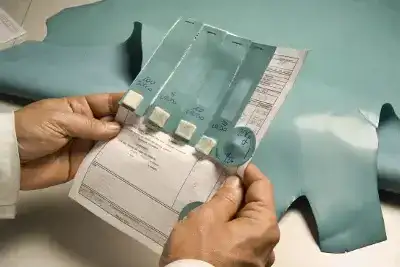
Incoming Material
Show a genuine incoming-material record with an anonymized material identity, supplier or lot reference, inspection date, relevant check items and disposition. The objective is to demonstrate that material entering production can be linked to an actual requirement rather than relying on visual memory. Customer identities, confidential pricing and supplier-commercial information should be removed before online publication.
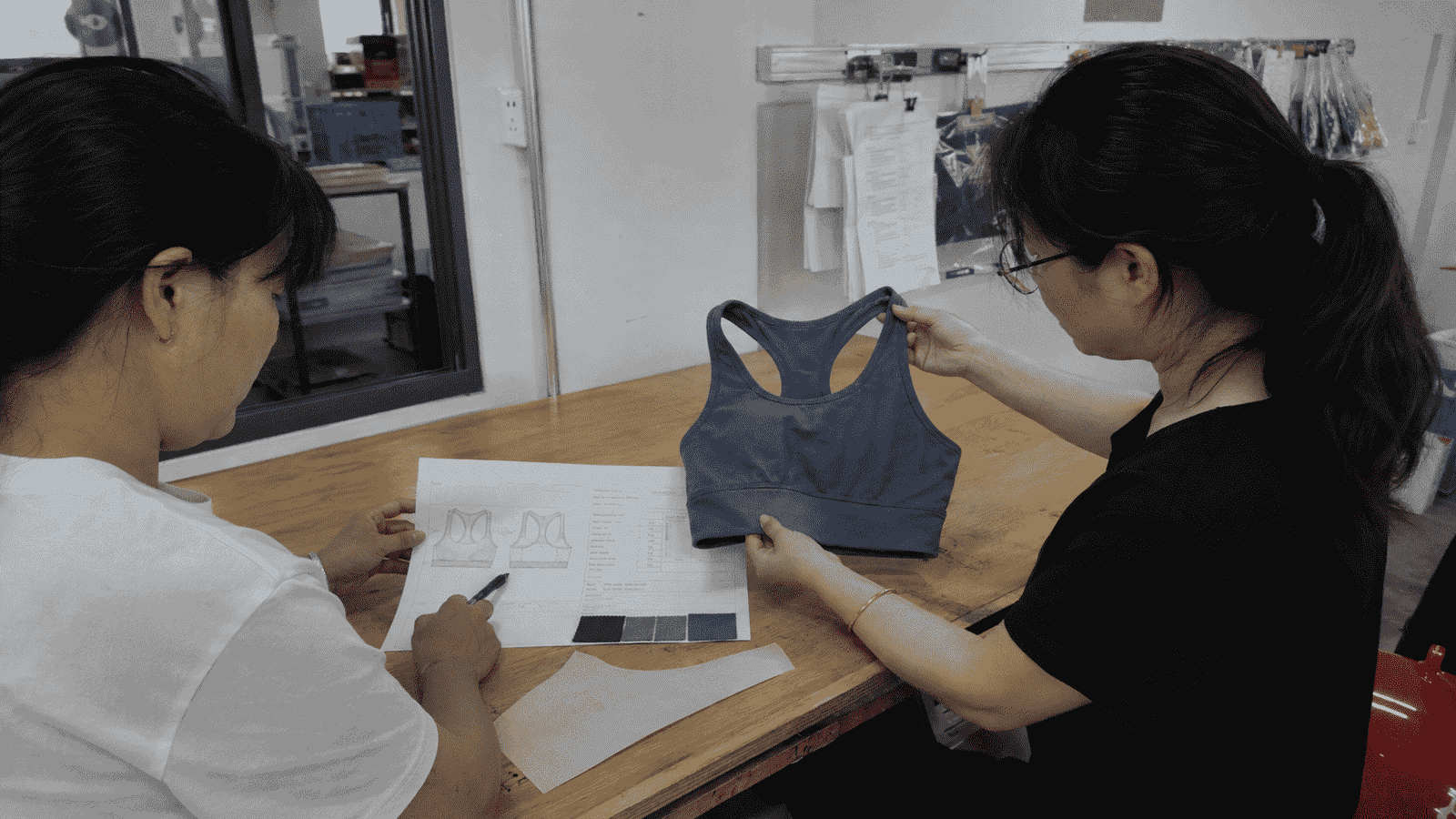
First Article
Use an actual First Article record or photograph that demonstrates how initial production was reviewed before wider execution. Strong evidence should connect the item with the applicable sample, specification or measurement requirement and show whether corrective action was required. Avoid recreating a perfect all-pass form specifically for marketing because that provides little evidence of the actual operating process.
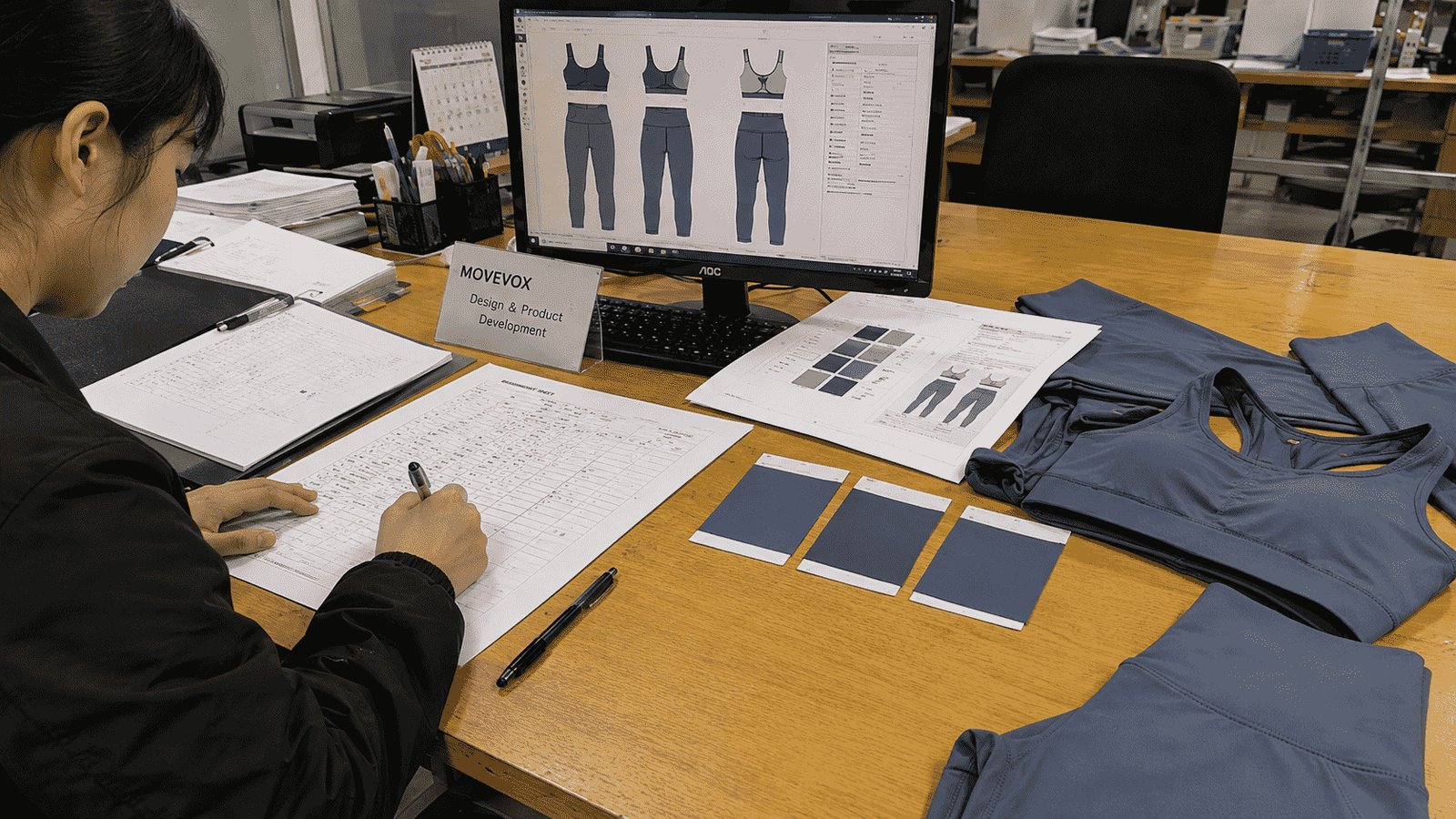
Bulk Measurement
A real measurement report can demonstrate how production garments are compared with the released measurement chart and tolerance. Show enough structure to verify POM values, actual measurements and result status while removing proprietary customer size specifications or identifiers that cannot be published. This is more credible than a generic photograph of a tape measure.
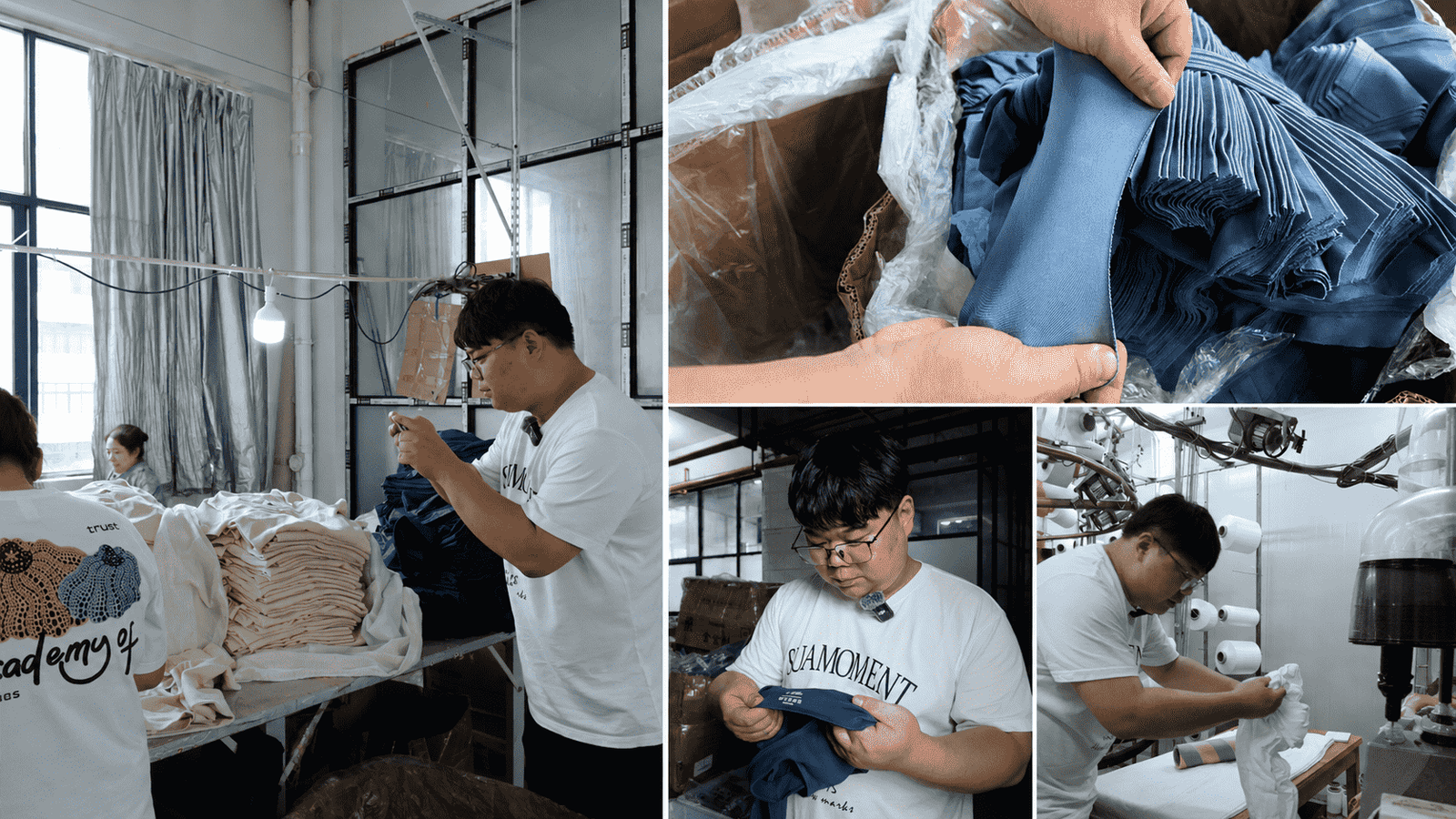
Inline Workmanship
Show actual production inspection where workmanship is assessed while manufacturing remains in progress. Useful evidence can include seam appearance, skipped stitches, construction alignment or other relevant defects together with the inspection stage. If possible, pair the photograph with a genuine internal record showing how a recurring deviation was communicated or corrected.
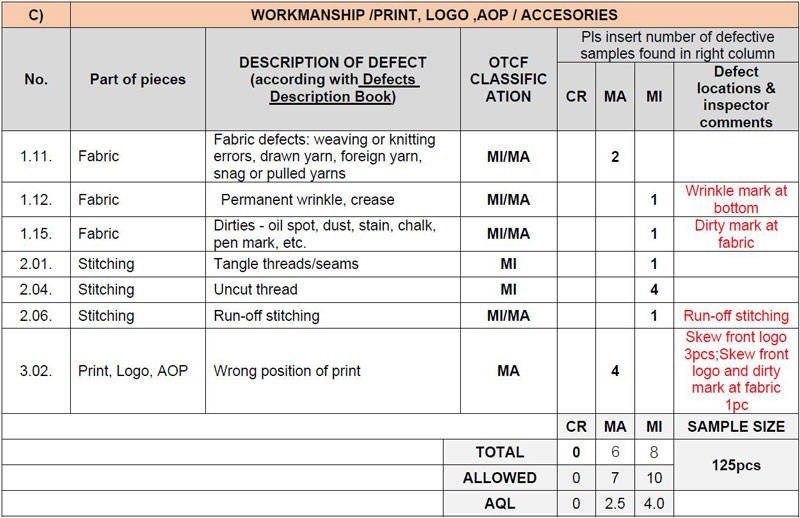
Material Lot Control
Use actual material-lot labels, receiving identification, dye-lot records or batch separation evidence. The purpose is to demonstrate that a later material issue can be linked back to a specific lot and affected production rather than assuming the complete order is either automatically affected or automatically safe.
Logo and Labels
Show a genuine inspection record for logo position, size, appearance, label version, size information or SKU mapping. If publication rights for customer logos are unavailable, blur or remove the brand identity while retaining the inspection structure. The evidence should prove the control step without exposing another customer's intellectual property.
Packaging Control
Use a real packing-verification record covering applicable quantities, SKU, labels, barcodes, polybags, hangtags, carton marks or buyer instructions. Remove customer addresses, PO numbers and proprietary barcode data where necessary. Packaging accuracy is especially important in multi-SKU fitness programs where visually similar products can otherwise be incorrectly mixed.
CAPA / Final Record
The strongest final evidence would show either a genuine final-inspection record or an anonymized corrective-action example connecting Finding → Correction → Reinspection → Closure. A real closed-loop issue provides more supplier-qualification value than a series of artificially perfect inspection screenshots because it demonstrates how the organization responds when something does not meet the standard.
Trace a Fitness Apparel Order From PO to Shipment
MOVEVOX's order-traceability concept connects the finished garment with its commercial order, SKU, material, production location, inspection and shipment information. This is especially important for complex multi-SKU programs.
Customer Order
The initial customer or internal order record creates the commercial project reference from which formal PO, style and product records can be connected.
Order RecordPurchase Order
The PO identifies the order against the applicable commercial requirements and provides the primary reference for later production, packing and shipment records.
POStyle
Each product Style has its own technical identity so different products within one collection are not managed only through descriptive product names.
Style RecordSKU
Color and size combinations are managed by SKU so multi-SKU orders can maintain correct product, label, packing and quantity relationships.
SKU RecordMaterial Lot
Fabric, yarn or relevant component lots can be connected with the styles or production batches in which they were used.
Lot RecordProduction Site
The assigned production factory or line can be recorded against the order, supporting production-location visibility and problem investigation when multiple facilities are involved.
Facility RecordInspection
Relevant First Article, inline, measurement or final-inspection evidence can be associated with the applicable PO, production batch or product reference.
InspectionPacking Batch
Finished goods can be connected with packing or carton identification so affected product groups can be located more precisely after manufacturing is completed.
Packing RecordShipment
Shipment information closes the traceability chain by connecting released cartons and order records with the applicable outbound delivery or shipment identification.
Shipment IDManage Fitness Apparel Compliance by Product and Market
MOVEVOX's compliance approach can be summarized as Market + Product + Material + Chemical + Label + Evidence. Requirements are reviewed against the actual project rather than converted into broad claims that every product automatically complies with every market or standard.
Buyer Standards
Large brands may provide Vendor Manuals, Quality Manuals, RSL requirements or other standards beyond general regulatory requirements. MOVEVOX can review those inputs and map relevant requirements into product materials, testing, labeling, manufacturing and documentation. Requirements that are not yet supported by verified evidence should remain qualification items rather than being treated as automatically satisfied.
Applicable Scope: Projects where the buyer provides formal product, quality, chemical or supplier requirements.
MOVEVOX Response: Review requirement → identify responsibility → connect evidence or control → confirm open gaps before commitment.
Material Certificates
Certificates belong to specific holders, facilities, materials and scopes. MOVEVOX may offer certified material options from qualified material suppliers where appropriate, but a supplier's GRS, RCS, OEKO-TEX or similar document does not automatically make MOVEVOX or the finished garment certified. Current public claims must stay within the verified certificate scope.
Applicable Scope: Projects requesting documented or certified upstream material options.
MOVEVOX Response: Verify holder, validity and material scope before connecting the evidence to the proposed project material.
RSL and Testing
Chemical and product testing should be triggered by the target market, customer requirement, new material or supplier, special dye or treatment, new logo or coating, historical issue or other relevant risk. MOVEVOX can support customer-nominated or qualified laboratories and coordinate test requests, samples, reports and failure follow-up rather than treating testing as a one-time universal certificate.
Applicable Scope: Projects requiring customer RSL, chemical-risk or other product-specific testing.
MOVEVOX Response: Requirement → material mapping → risk review → test → report review → bulk mapping or retest when needed.
Labels and Change Control
Fiber composition, care information, language, origin, importer details and other label requirements can differ by product and market. MOVEVOX executes the customer-approved final artwork and controls the applicable version. If a material or regulatory requirement changes, related labels and supporting documents may also need review rather than continuing to use an earlier production version.
Applicable Scope: Private-label products using buyer-approved commercial or legal labeling.
MOVEVOX Response: Control approved label version and review changes when material, product or market requirements affect label content.
Evidence Types for Live Projects: current Customer Vendor / Quality Manual; applicable Buyer RSL; material certificate with verified holder, scope and validity; and customer-approved label artwork for the relevant production version.
Testing Support With Clear Product and Evidence Scope
MOVEVOX can coordinate testing through customer-nominated or project-qualified third-party laboratories. Test evidence applies only to the actual sample, material, method and scope; support does not mean every product has already passed the same requirement.
RoHS Sample Evidence
Purpose: MOVEVOX currently holds sample-specific third-party evidence for a black fitness yoga legging submitted by Yiwu Chenjin Import And Export Co., Ltd.
Method: Report TST20250405148E used the listed IEC 62321 test methods for selected RoHS 2.0 substances in the submitted sample.
Report: The stated conclusion applies only to the tested sample, not MOVEVOX's entire production.
REACH Phthalates
Purpose: MOVEVOX also holds sample-specific phthalate evidence for the black fabric of a submitted fitness yoga legging.
Method: Report TST20250405150E references EN 14372:2004 with GC-MS analysis for the listed REACH Annex XVII Entry 51 and 52 phthalates.
Report: The report records a Pass for the tested sample within its stated scope.
Colorfastness
Purpose: Colorfastness testing can be arranged where wash, rubbing or another color-performance requirement is specified by the buyer or product risk.
Method: The applicable method and acceptance limit should follow the buyer standard, target-market requirement or approved test plan rather than one universal MOVEVOX value.
Report: A product-specific report is required before publishing any numerical performance claim.
Pilling
Purpose: Pilling testing may support material evaluation where surface wear is commercially important to the intended fitness product and buyer specification.
Method: The test method, cycles and acceptance standard need to be defined for the actual fabric or garment and buyer requirement.
Report: No universal pilling rating should be claimed without corresponding material-specific evidence.
Dimensional Stability
Purpose: Dimensional testing can evaluate shrinkage or post-wash change where product fit and measurement stability are important to repeat manufacturing.
Method: Wash conditions, measuring procedure and acceptance criteria should follow the agreed customer or laboratory standard for the specific product.
Report: Project-specific laboratory or controlled test evidence is required for numerical claims.
Stretch Recovery
Purpose: Stretch and recovery testing can support materials where repeated extension may affect fit, shape, waistband behavior or intended garment support.
Method: The actual test method, extension and recovery condition should be specified before results are compared or used for material approval.
Report: Specific recovery claims require corresponding test evidence for the applicable material.
Publication Scope: Existing RoHS and REACH reports contain laboratory restrictions on advertising publication and copying. Do not publish report screenshots or present MOVEVOX fitness apparel as broadly “RoHS/REACH certified” unless the applicable publication permission and exact evidence scope have been confirmed.
Audit MOVEVOX Through Factory, Records and Corrective Action
MOVEVOX supports buyer factory and technical verification. The correct positioning is Audit Ready, with certification status subject to actual verified documents—not an unsupported claim that every external audit scheme has already been passed.
Legal and Factory Identity
Supplier qualification can begin with verification of the legal entity, actual operating location, factory role and production scope. MOVEVOX operates from Yiwu, Zhejiang and combines an owned core factory with managed satellite production resources. Audit information should clearly distinguish these roles so the buyer understands what is owned, what is managed and which location applies to the specific project.
Actual MOVEVOX core production facility and verified manufacturing identity in Yiwu.
Seamless Production Area
The audit route can include the actual Santoni Seamless area, machine environment, production identification and relevant technical controls. MOVEVOX's fact base includes 28 Italian Santoni seamless knitting machines. The purpose is not simply to count machines but to verify that the Seamless process, product documentation and relevant work-in-process can be connected to a controlled production system.
Actual Santoni production area used for MOVEVOX Seamless activewear manufacturing.
Cut-and-Sew Area
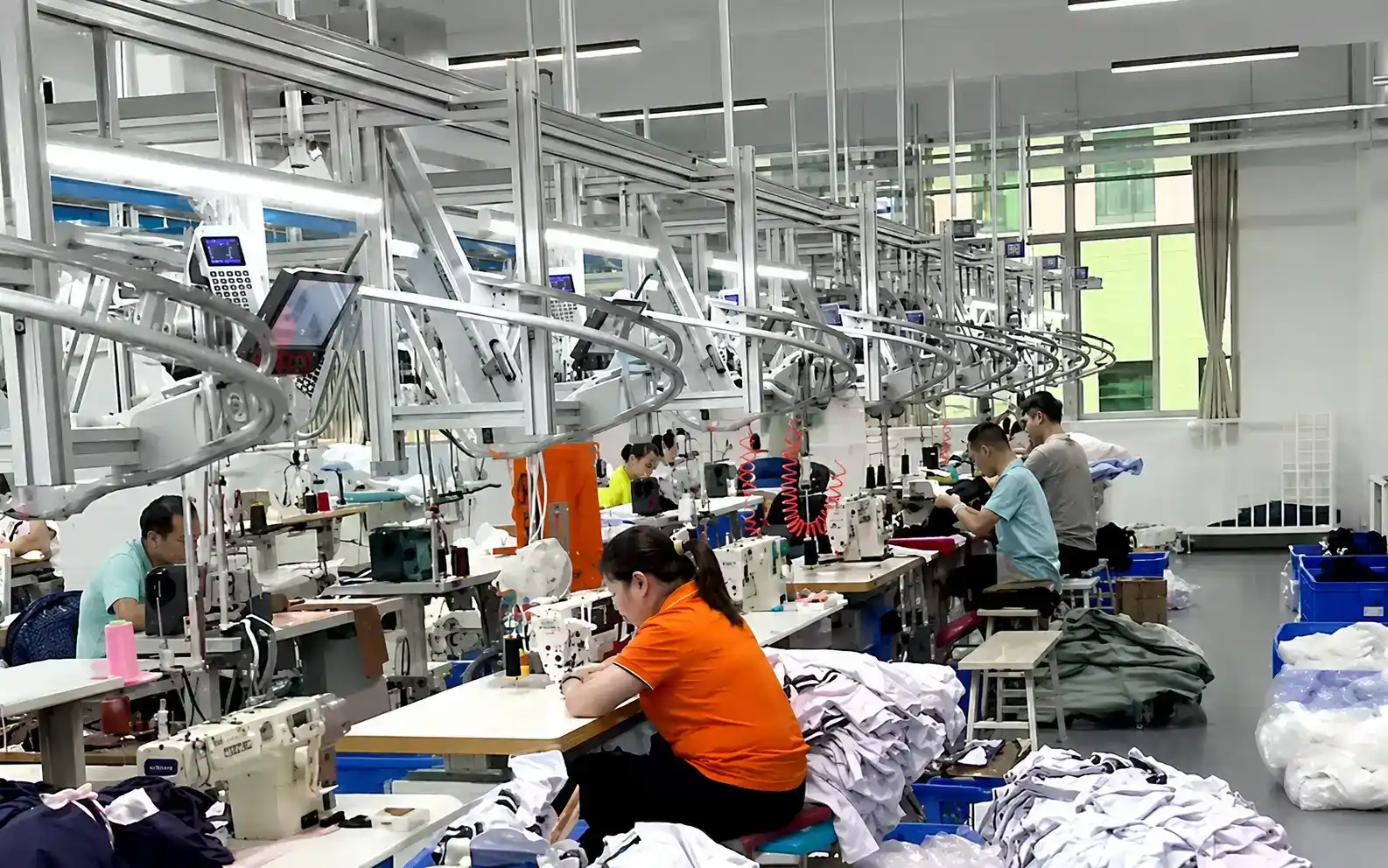
The Cut & Sew area can be reviewed for sewing operations, product construction, workmanship standards, line organization and production identification. MOVEVOX's core fact base includes approximately 24 major sewing and garment-production machines. Buyers can assess how the approved product specification and sample are translated into pattern-based activewear production rather than relying on a generic factory-capability statement.
Actual Cut & Sew area used for activewear construction and production.
Development and Documents
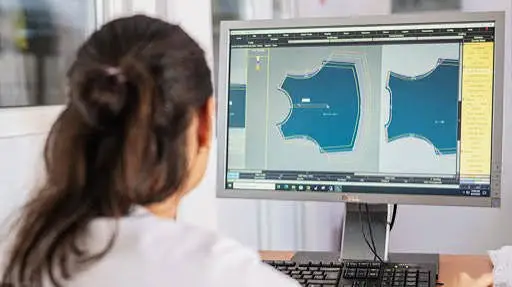
Technical audits can review Tech Pack control, patterns, Seamless development, material approvals, sample stages, revisions, Size Set or PP samples and production handover. This area demonstrates whether product decisions can move from development into a controlled bulk standard and whether older technical versions are prevented from directing current production.
Actual product-development and sample-control area with customer information anonymized.
Quality and Traceability
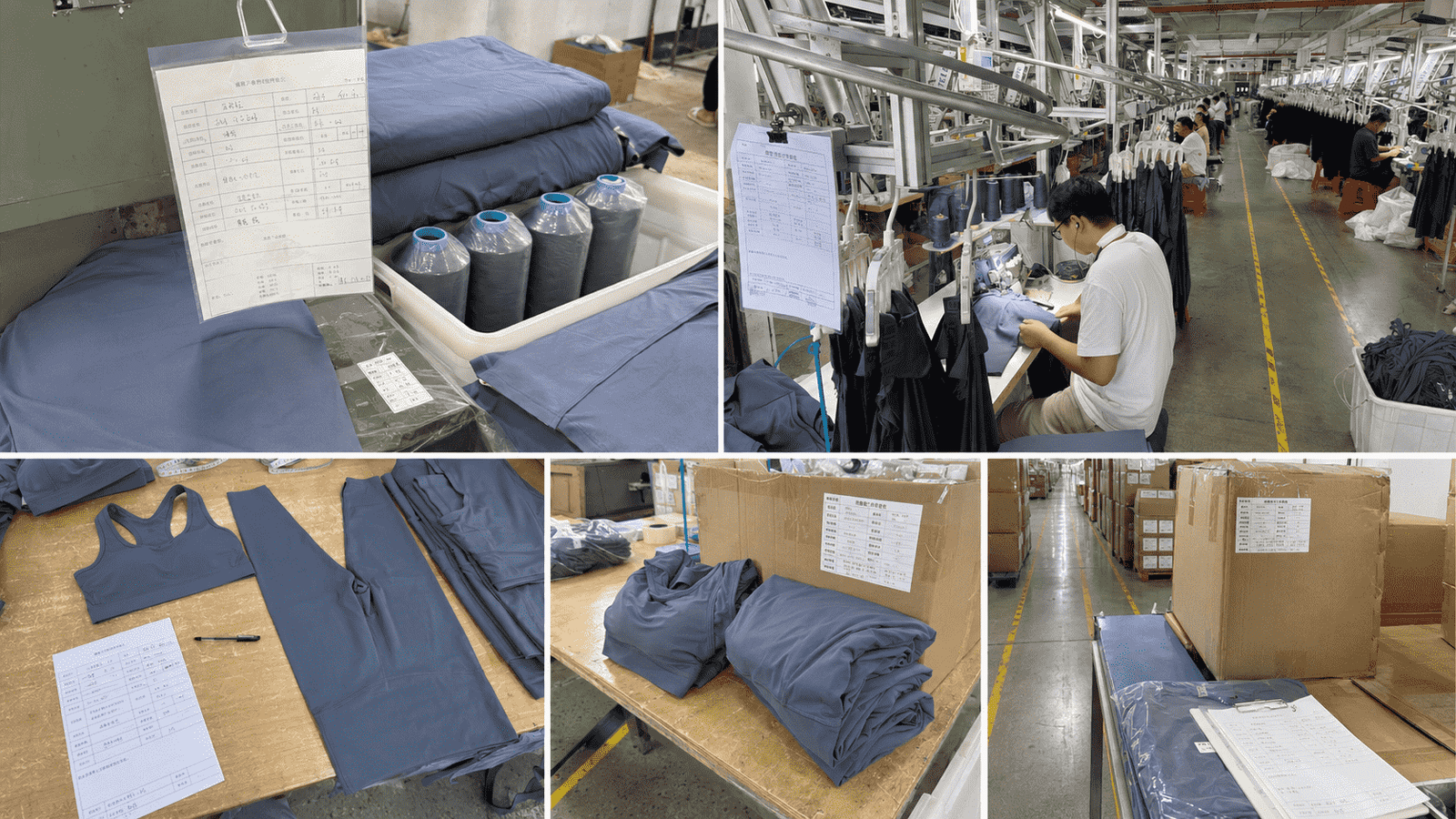
Audit scope can include pre-production control, First Article, inline inspection, measurement, final inspection, CAPA, material traceability and PO records. Findings should be handled through a documented path of Finding → Owner → Corrective Action → Evidence → Closure rather than treating the audit only as an on-site presentation.
Actual QC activity and anonymized quality or traceability documentation.
Packing and Supply Chain
Packing and supply-chain review can verify Style, SKU, labels, cartons and the actual production-location model. If managed satellite capacity is used, buyer-specific production-site requirements remain applicable. Evidence provided for one customer should not reveal another customer's designs, PO, prices or unreleased commercial information.
Actual packing or finished-goods area with all customer-sensitive identifiers removed.
Protect Commercial Information Before Product Development Begins
MOVEVOX supports NDA-based cooperation and treats customer Tech Packs, designs, pricing, quantities, unreleased products and other project information as confidential. The objective is to let buyers share enough information for accurate development without unnecessary disclosure.
NDA Framework
Project DependentMOVEVOX can work under a customer NDA or other agreed confidentiality arrangement where appropriate. Contract terms should be formally reviewed and accepted by authorized representatives rather than assumed from informal communication.
Confidential Files
RequiredTech Packs, measurements, product drawings, logos, reference samples, unreleased styles, pricing, purchase quantities and other identified commercial information should be used only for the applicable project.
Internal Access
RequiredAccess should be limited to personnel who need the information for development, commercial review, quality, compliance, production or other legitimate project execution responsibilities.
Supplier Access
Project DependentWhere materials, branding, packaging or specialist processes require external suppliers, only information reasonably required to perform the assigned work should be provided under the applicable project-control framework.
File Storage
RequiredWorking files and approved versions should be controlled so project information is not casually distributed through unrelated teams or reused for purposes outside the customer project.
Photo Restrictions
RequiredCustomer samples, logos, Tech Packs, production orders and unreleased designs should not automatically become website or marketing content. Public use requires appropriate permission and confidentiality review.
Audit Privacy
RequiredFactory visits, remote audits and traceability reviews should provide reasonable evidence about the visiting buyer's project without exposing another customer's PO, price, technical files or unreleased products.
Return or Disposal
Project DependentWhere the contract or project requires return, deletion, destruction or defined retention of confidential materials, the applicable process should be agreed and followed rather than assumed.
Your Brand. Your Commercial Information. Used Only for Your Project.
Prepare a Better Fitness Apparel Manufacturing RFQ
A structured RFQ helps MOVEVOX evaluate product route, material, quantity, customization, compliance and timing before quotation or sampling. The guide should help brands organize useful information without requiring a complete Tech Pack as the only entry point.
- Product and SKU information needed for an initial manufacturing review.
- Material, fit and construction questions that affect development and cost.
- Quantity, color and size inputs needed for realistic MOQ evaluation.
- Branding, packaging, testing and audit requirements worth defining early.
- File checklist for Tech Packs, references, measurements and artwork.
Fitness Apparel RFQ Guide
Suggested access fields: Name, Work Email, Company and Role.
Your information should be used for the requested B2B resource and relevant project communication in accordance with MOVEVOX's published privacy terms.
Fitness Apparel Manufacturer Frequently Asked Questions
These answers address common questions from fitness and activewear brands evaluating MOVEVOX for product development, OEM/ODM, private-label manufacturing, sampling, commercial fit, quality control and supplier qualification.
What fitness apparel can MOVEVOX manufacture?
MOVEVOX's most mature women's activewear system includes leggings, sports bras, yoga or training shorts, biker shorts, tanks, T-shirts, long sleeves and coordinated sets. Additional categories such as selected running, compression, bodysuit, jacket, tennis or athleisure directions can be technically reviewed. MOVEVOX does not present every apparel category as an equal core capability; products outside the established activewear system may require additional development review or may fall outside standard scope.
Does MOVEVOX support Seamless and Cut & Sew?
Yes. MOVEVOX's core production system includes 28 Italian Santoni seamless knitting machines and approximately 24 major sewing and garment-production machines. Seamless is used where yarn, knitted structure, rib, mesh, texture or engineered zones add value. Cut & Sew provides greater flexibility for patterns, panels, pockets, seams, elastics and material combinations. The correct route is selected from the product specification instead of forcing every fitness product into one manufacturing method.
Can development start without a complete Tech Pack?
Yes. A complete Tech Pack is often the most efficient starting point, but MOVEVOX can also review a legal reference garment, measurement information, image, sketch, clear product concept or fabric reference. The objective is to identify missing technical decisions and convert them into material, fit, construction and sample requirements. MOVEVOX supports manufacturing translation and industrial execution; the customer remains responsible for brand direction and final product approval.
Can MOVEVOX manage multi-SKU collections?
Yes, under suitable project conditions. When product information and material routes are sufficiently clear, MOVEVOX's current system can manage approximately 10–20 SKUs at different development stages. Larger programs are typically better controlled through development waves, often around 5–10 SKUs per wave, rather than allowing every product to depend on unresolved materials or fit decisions. Each SKU keeps independent version, sample and approval status.
What is the difference between OEM and ODM at MOVEVOX?
OEM normally begins from buyer-controlled specifications such as a Tech Pack, measurement chart, approved materials and construction requirements. MOVEVOX focuses on manufacturability and execution. ODM begins earlier, from a legal sample, sketch, image or concept, and requires more manufacturing translation before approval. Neither model means MOVEVOX automatically owns the brand design or provides unlimited free product design; customer approval remains central to the development process.
What private-label options can MOVEVOX support?
Private-label projects can cover fabric or yarn selection, color, fit, construction, logo application, main labels, care labels, size labels, hangtags, packaging and project-specific testing. Confirmed logo methods include screen print, heat transfer, standard silicone applications, embroidery, jacquard and woven-label options where technically suitable. Artwork, size, color, placement and material compatibility require approval before bulk execution. Testing and certified-material claims remain limited to the actual project evidence and verified scope.
What is the MOQ for fitness apparel?
MOVEVOX's approximate standard base MOQ is 100 pieces per Seamless style and 150 pieces per Cut & Sew style under normal material and process conditions. These are starting points, not universal guarantees. Upstream fabric, yarn, custom dyeing, special branding or packaging requirements can create a higher effective MOQ. Standard stock-color allocations may begin around 50 pieces per color, subject to the applicable product and size-split conditions.
How do custom colors affect MOQ?
Custom colors commonly depend on the material supplier's dye or yarn minimum. MOVEVOX's current fact basis indicates that one custom-color dye-lot requirement can typically correspond to approximately 400–600 finished garments depending on fabric, dye lot and garment consumption. This is a typical equivalent range rather than a permanent MOQ for every style. Final bulk color should be approved through a physical Lab Dip, yarn, fabric or garment reference rather than a screen image.
How long does a standard sample take?
A standard customized sample typically requires approximately 5–10 working days after the important development details and required materials are sufficiently confirmed. This is not a universal promise for every product. Complex construction, custom yarn or fabric, special branding components, external processing or incomplete buyer feedback may extend the development cycle. The timeline should therefore be confirmed against the actual product rather than using one fixed sample time for all fitness apparel projects.
How does MOVEVOX control sample-to-bulk consistency?
MOVEVOX links the applicable approved or PP sample with the released Tech Pack, measurements, material, color, logo, labels and packaging requirements. Production preparation, First Article, inline inspection, measurement and final inspection then reference the applicable released standard. The purpose is not to promise that variation can never occur, but to reduce the risk that different teams use different sample versions, materials or technical documents during bulk production.
What production capacity can MOVEVOX support?
MOVEVOX's managed combined normal delivery capacity is approximately 150,000–200,000 garments per month across its controlled production system. Separate route-specific figures use different statistical scopes and should not be simply added together. Actual project availability depends on manufacturing route, quantity, complexity, material readiness, season, approved specifications and requested delivery timing. The eight major satellite factories are part of a managed production network and are not eight MOVEVOX-owned factories.
How does MOVEVOX control multi-factory production?
The supply model combines the Yiwu core factory with eight long-term managed satellite factories and selected specialist resources. Applicable Tech Packs, approved samples and quality requirements remain centrally controlled by MOVEVOX. For projects requiring approved factories, designated production sites or contractual restrictions on subcontracting, the production location cannot be changed without the applicable written approval. MOVEVOX therefore positions the network as transparent controlled capacity rather than claiming every process occurs in one factory.
Can MOVEVOX arrange third-party testing?
Yes. MOVEVOX can work with customer-nominated or project-qualified third-party laboratories and can coordinate test requests, sample preparation, BOM or material information, report collection and failure follow-up. Testing is triggered by the actual product, material, target market and buyer requirements. Support does not mean every product has already passed the same test, and the result of one sample cannot automatically be applied to another material, product or production batch.
Does MOVEVOX have current third-party test evidence?
MOVEVOX currently holds April 2025 sample-specific third-party reports for a black fitness yoga legging submitted by Yiwu Chenjin Import And Export Co., Ltd., including selected RoHS testing and REACH Annex XVII phthalate testing. These documents apply only to the submitted tested sample and must not be presented as certification of all MOVEVOX products or production. Their publication also remains subject to the laboratory's stated report-use restrictions.
Can our team audit MOVEVOX?
Yes. MOVEVOX supports buyer Factory Audits, Technical Audits, pre-production visits, inline checks and pre-shipment inspections according to project requirements. Audit scope can include legal and factory identity, manufacturing areas, technical documents, sampling, materials, quality, traceability and supply-chain controls. MOVEVOX's correct public position is Audit Ready; the company should not claim BSCI, SMETA, WRAP or another audit certification unless a current verified document covers the relevant legal entity, facility and scope.
How does MOVEVOX protect confidential product information?
MOVEVOX supports NDA-based cooperation and confidentiality controls covering Tech Packs, designs, logos, reference samples, prices, quantities, unreleased products and related commercial information. Access should be limited to personnel and external resources reasonably required for the project. Factory visits, remote audits and traceability reviews should also protect other customers' information rather than exposing unrelated PO, prices, designs or unreleased products as proof of manufacturing activity.
Start a Structured Fitness Apparel Manufacturing Project
If you are evaluating MOVEVOX as a fitness apparel manufacturer, send the product and commercial information you already have. A complete Tech Pack is useful, but it is not the only possible starting point. You can also provide legal reference samples, product images, sketches, measurement information, material swatches or an initial collection brief.
For a more useful first review, include the product categories, estimated quantities, number of SKUs, target market and intended launch timing. If the collection includes leggings, sports bras, shorts or tops, identify important requirements such as fabric handfeel, stretch and recovery, fit, waistband, opacity, support direction, pockets, panels or other construction details.
For OEM projects, upload the current Tech Pack, measurement chart and applicable artwork. For earlier-stage ODM development, explain which decisions are already fixed and which still require material, fit or construction development. For private-label projects, include available logo files, label requirements, packaging expectations and color references.
If your company requires a Buyer Manual, RSL, third-party testing, certified-material documentation, Factory Audit, Approved Factory Only production or third-party inspection, include those requirements early. MOVEVOX can then review the evidence scope, production model and commercial implications before bulk commitments are made.
After submission, MOVEVOX can identify technical questions, evaluate Seamless or Cut & Sew manufacturing routes, review material and MOQ conditions, check project capacity and determine whether the appropriate next step is quotation, sample development or formal vendor qualification.
The objective is to establish enough technical and commercial clarity for both parties to determine whether the project is a practical long-term manufacturing fit.