
B2B Sportswear Manufacturing
Sportswear Manufacturer for Established Brands and Scalable B2B Production
Develop custom activewear with one Yiwu-based manufacturing partner combining seamless, cut-and-sew, sampling, quality control, private label execution, and scalable production.
MOVEVOX supports global brands and mid-to-large B2B buyers from technical review and sample development through material, branding, bulk production, inspection, packaging, and shipment coordination. Projects can enter with a Tech Pack, legal reference sample, or clear product concept, while manufacturing routes and production allocation are evaluated against the actual style, quantity, quality standard, and delivery requirement.
Santoni Machines
Self-owned Italian Santoni equipment supports core seamless knitting development and production within the Yiwu manufacturing system.
Sample Workdays
Typical standard sample development window after the required product and development details are confirmed.
QC Personnel
The current quality organization supports incoming, production, finished-garment, packaging, and final inspection activities.
Managed Monthly Capacity
Stable managed finished-goods release capacity across own and controlled production resources, subject to actual order conditions.
Who MOVEVOX Is Best Positioned to Serve
MOVEVOX is positioned for B2B buyers that need continuing product development, formal sample approval, repeat production, multiple SKUs, and accountable quality management—not projects based only on the lowest available unit price.
Established Sportswear Brands
Established sportswear brands usually need more than a factory that can reproduce one approved style. They need a supplier able to work from controlled technical input, manage multiple SKUs, support both seamless and cut-and-sew structures, protect approved standards, and continue into repeat orders. MOVEVOX is positioned for programs where product development, sample approval, quality control, branding, packaging, and production visibility matter alongside commercial cost.
- Disciplined sample-to-bulk execution across repeated orders.
- Seamless and cut-and-sew products under one program.
- Production visibility, quality records, and formal approval controls.
Large B2B Buyers
Large B2B buyers manage multiple POs, SKUs, colors, sizes, production locations, packaging requirements, and delivery milestones. MOVEVOX can organize these requirements through unified customer communication, technical versions, material control, production planning, QC, packing, and shipment coordination. Production allocation remains subject to project requirements, facility restrictions, technical fit, capacity, and customer approval where required.
- Structured PO, SKU, material, production, and QC coordination.
- Approved standards remain controlled as order volumes increase.
- One accountable customer-facing management window.
Mature Private Labels
Mature DTC and private-label brands often manage continuous development rather than isolated purchase orders. MOVEVOX is suited to brands that need product development, fabric and color coordination, Logo and label execution, formal samples, and a path from relatively flexible entry quantities into repeat and larger-volume production.
- Validate new products before inventory exposure increases.
- Coordinate product, color, Logo, labels, and packaging.
- Progress successful products into repeat orders and additional SKUs.
Importers and Retailers
Importers and retail-oriented buyers often need one supplier to manage more than garment workmanship. SKU identification, size ratios, labels, barcodes, individual packing, carton information, packing lists, and shipping handover can all affect whether an otherwise acceptable product is commercially deliverable.
- Multiple SKUs remain identifiable through packing and shipment.
- Garment quality and retail-information accuracy are both controlled.
- One supplier interface reduces fragmented communication.
What Mature Buyers Should Verify Before Shortlisting
A sportswear manufacturer should be evaluated against actual procurement risks, not generic claims about quality or service. Score each area against the evidence a potential supplier can actually provide.
Product Fit
Development Fit
Production and Delivery
Quality and Compliance
Long-Term Scale
Six Capabilities Behind a Scalable Sportswear Manufacturing Partnership
MOVEVOX combines product development, two core manufacturing routes, brand customization, quality management, and controlled production capacity.
Product Development
MOVEVOX can enter a project from a complete or incomplete Tech Pack, legal reference sample, product image, sketch, fabric swatch, or clearly defined concept. Development converts buyer input into manufacturable construction, materials, measurements, branding, sample revisions, and production standards.
Seamless Manufacturing
The self-owned manufacturing system includes 28 Italian Santoni seamless knitting machines. Projects can incorporate yarn, rib, mesh, jacquard, texture, waistband structures, and other engineered knitting concepts where technically appropriate.
Cut-and-Sew Production
MOVEVOX maintains a cut-and-sew sportswear route supported by approximately 24 principal sewing and garment-making machines in the own system. Pattern, fabric, seam construction, measurements, workmanship, and appearance become key production controls.
Materials and Branding
Yarn, fabrics, colors, elastics, bra pads, zippers, Logo materials, labels, hangtags, polybags, stickers, barcodes, and cartons can be coordinated according to project requirements and applicable supplier minimums.
Quality Control
Customer Tech Packs, approved samples, measurements, Logo files, packaging instructions, and customer quality requirements can become references for incoming, pre-production, in-line, finished-garment, packaging, and final checks.
Scalable Supply Chain
MOVEVOX uses its Yiwu own factory as the core development and manufacturing-control center while eight long-term satellite factories provide controlled additional capacity. Technical versions, materials, production allocation, QC, and release remain managed by MOVEVOX.
Inside MOVEVOX's Yiwu Sportswear Manufacturing Base
A manufacturer claim should be verifiable. These production areas connect MOVEVOX's equipment, development, quality control, packing, and shipment preparation to actual operations.
Yiwu Production Base
MOVEVOX's own production base uses approximately 6,000 square meters of operating space across a six-floor building. It functions as the core for development, samples, key seamless and cut-and-sew production, technical-standard setting, quality control, problem correction, and selected order execution.
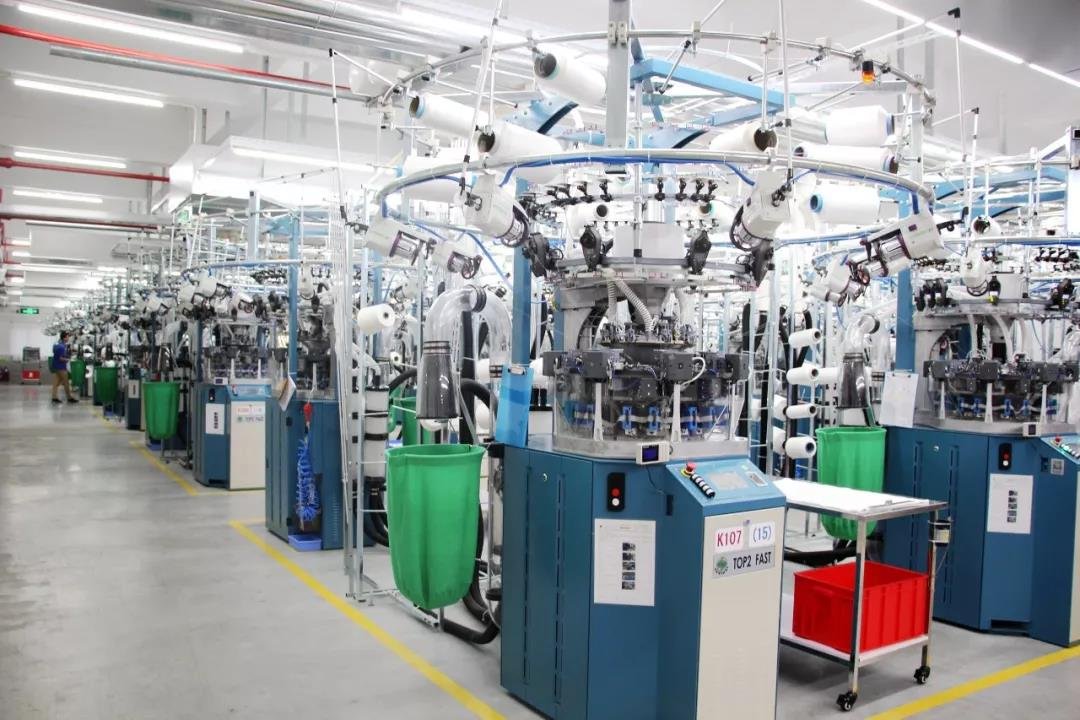
Seamless Knitting Area
The own manufacturing system contains 28 Italian Santoni seamless knitting machines. This area supports development and production where yarn, machine setup, density, rib, mesh, jacquard, texture, waistband structure, finishing, and fit influence the approved product.
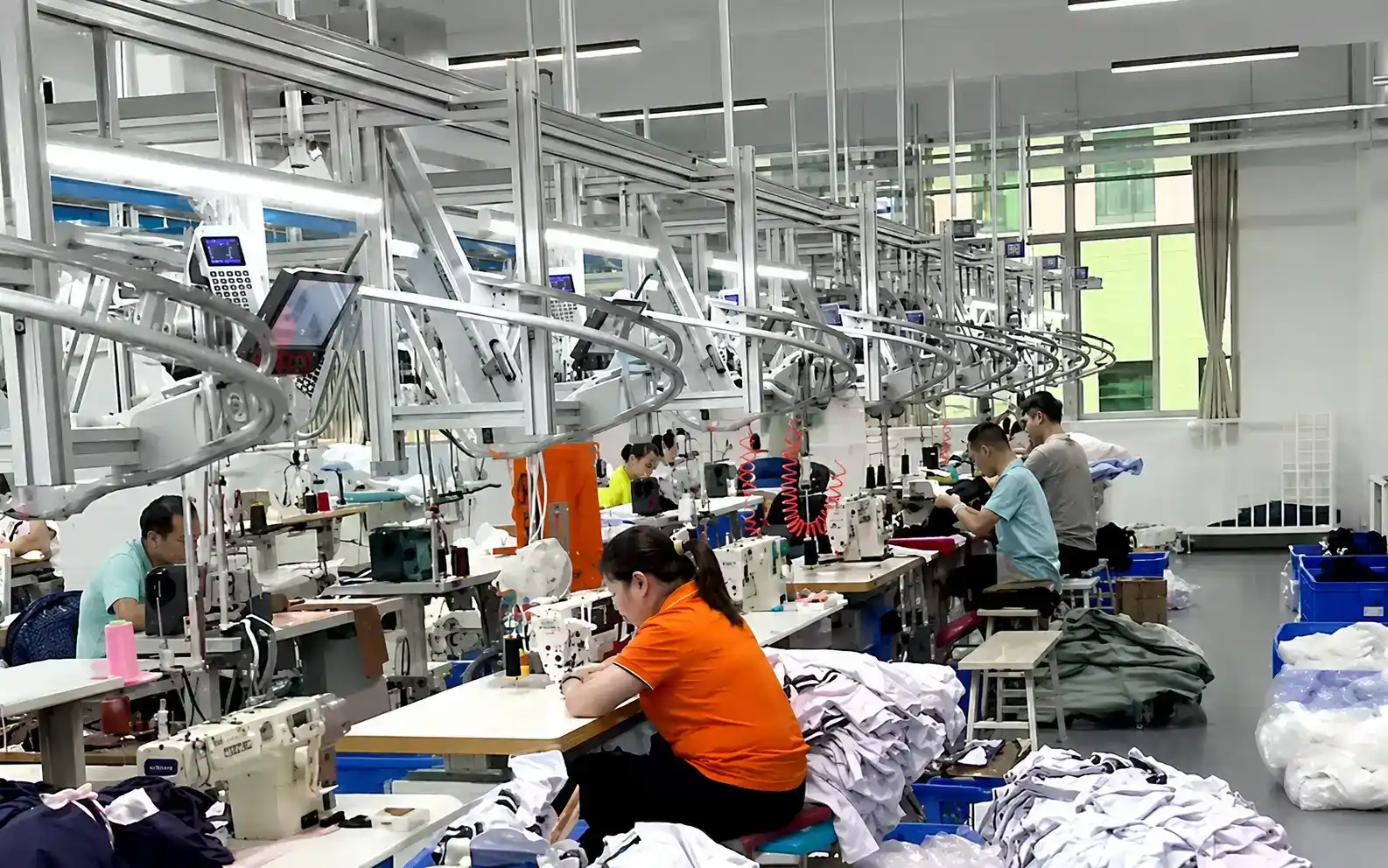
Cut-and-Sew Area
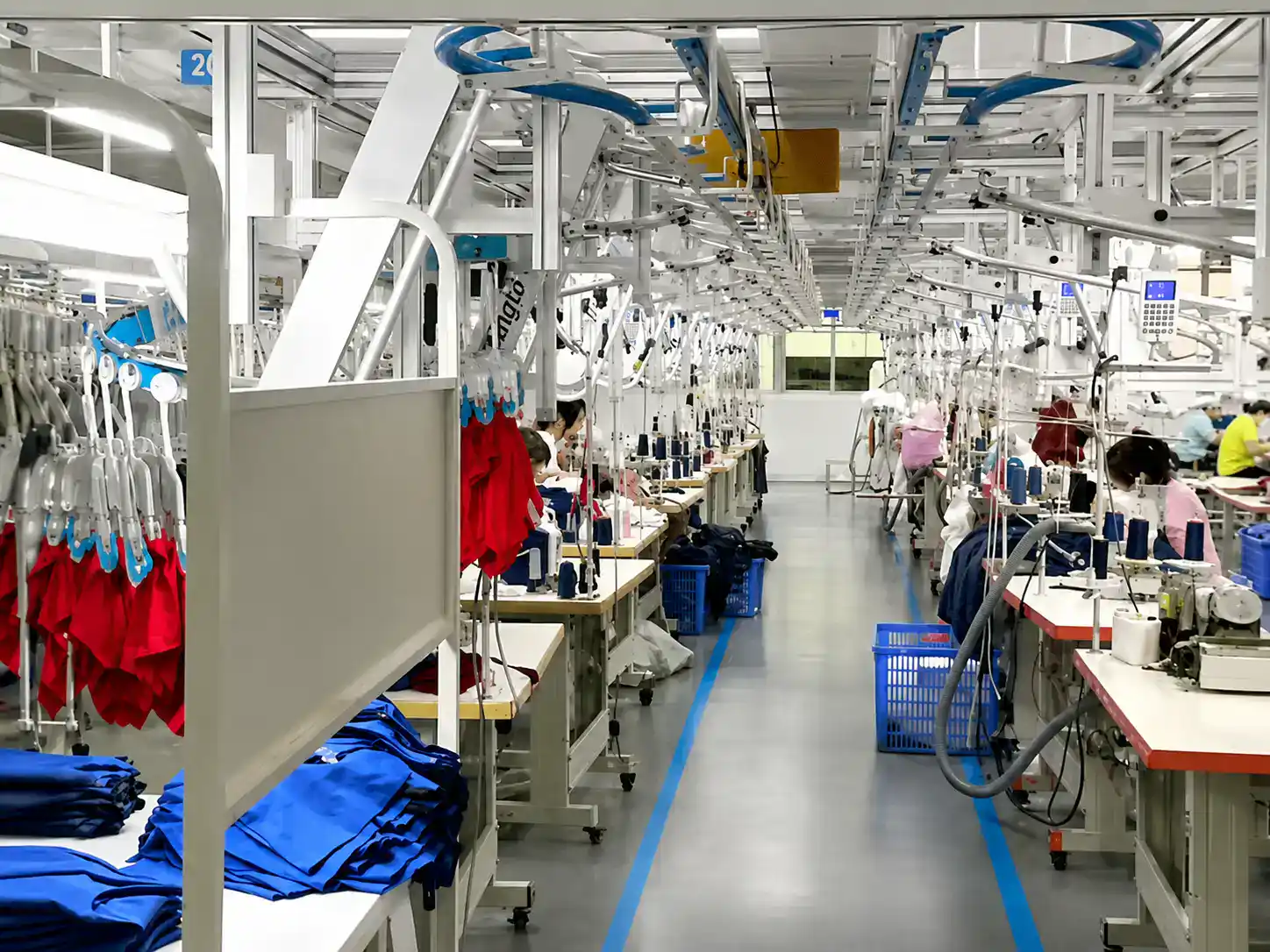
MOVEVOX's own system includes approximately 24 principal sewing and garment-making machines supporting cut-and-sew activewear. This route covers approved fabric, pattern, cutting, sewing, garment assembly, finishing, and quality checks.
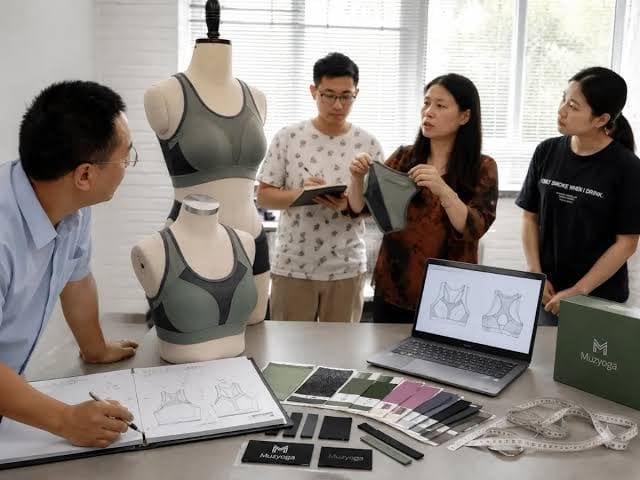
Development and Sampling
MOVEVOX's product-development organization is approximately eight people, including design, pattern-making, and sample-making functions. Development translates Tech Packs, legal samples, images, sketches, swatches, or concepts into reviewable samples and production standards.
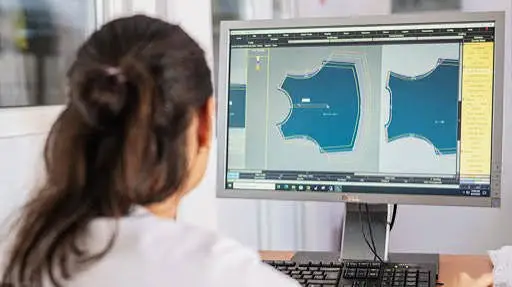
Quality Inspection
The current quality organization includes five QC personnel. Quality control begins with specifications, samples, and incoming materials and continues through production, finished-garment checking, packaging, and final release.
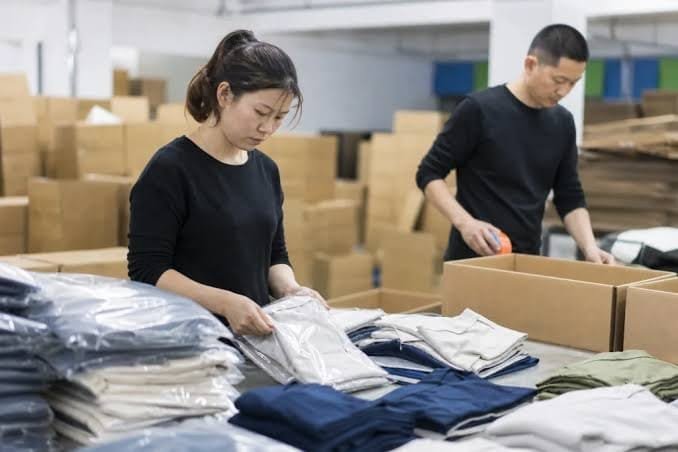
Packing and Finishing
MOVEVOX coordinates finishing, Logo and label checks, individual packing, size and SKU information, hangtags, stickers, barcodes, polybags, carton marks, and other approved packing requirements.
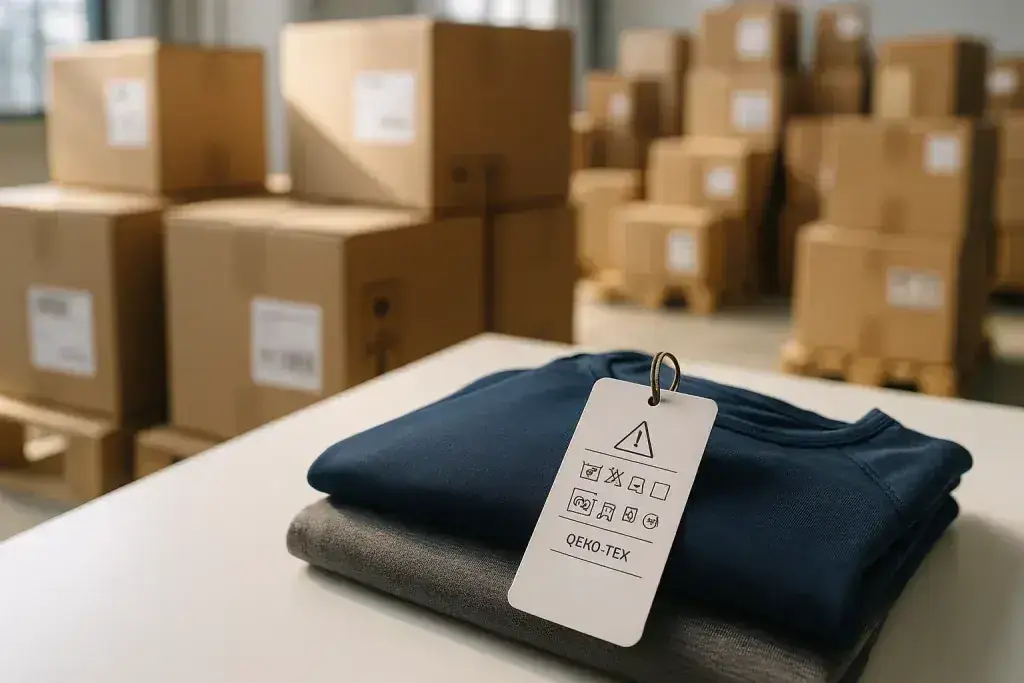
Warehouse and Dispatch
Completed orders enter shipment preparation after the applicable production and quality release. MOVEVOX coordinates Packing Lists, Carton Breakdown, carton marks, cargo-ready information, and logistics handover.
Sportswear Categories Supported Across Two Manufacturing Routes
MOVEVOX's strongest product base is activewear and related sportswear. Products are evaluated by construction, material, fit, branding, and required manufacturing route.
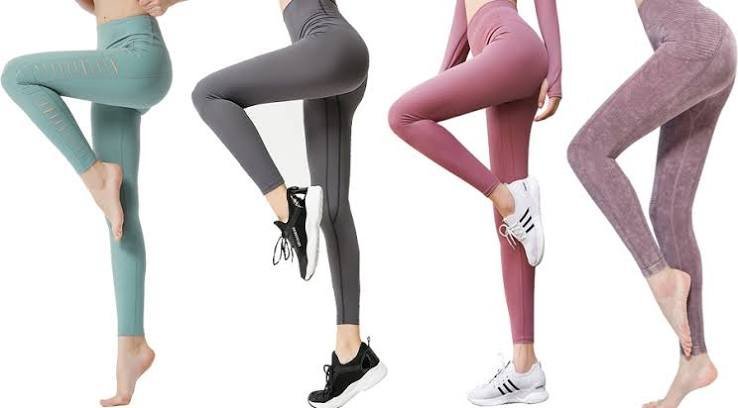
Yoga Leggings
Seamless or cut-and-sew construction depending on waistband, panels, pockets, texture, fit, and material.
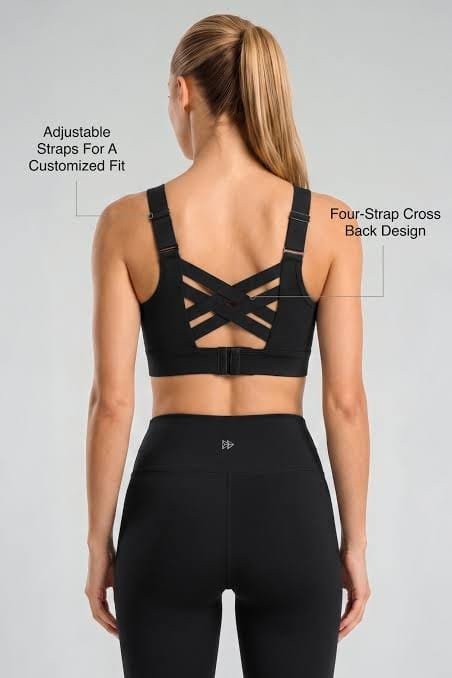
Sports Bras
Developed around fit, straps, back construction, pads, elastic, fabric or seamless structure, and support requirements.
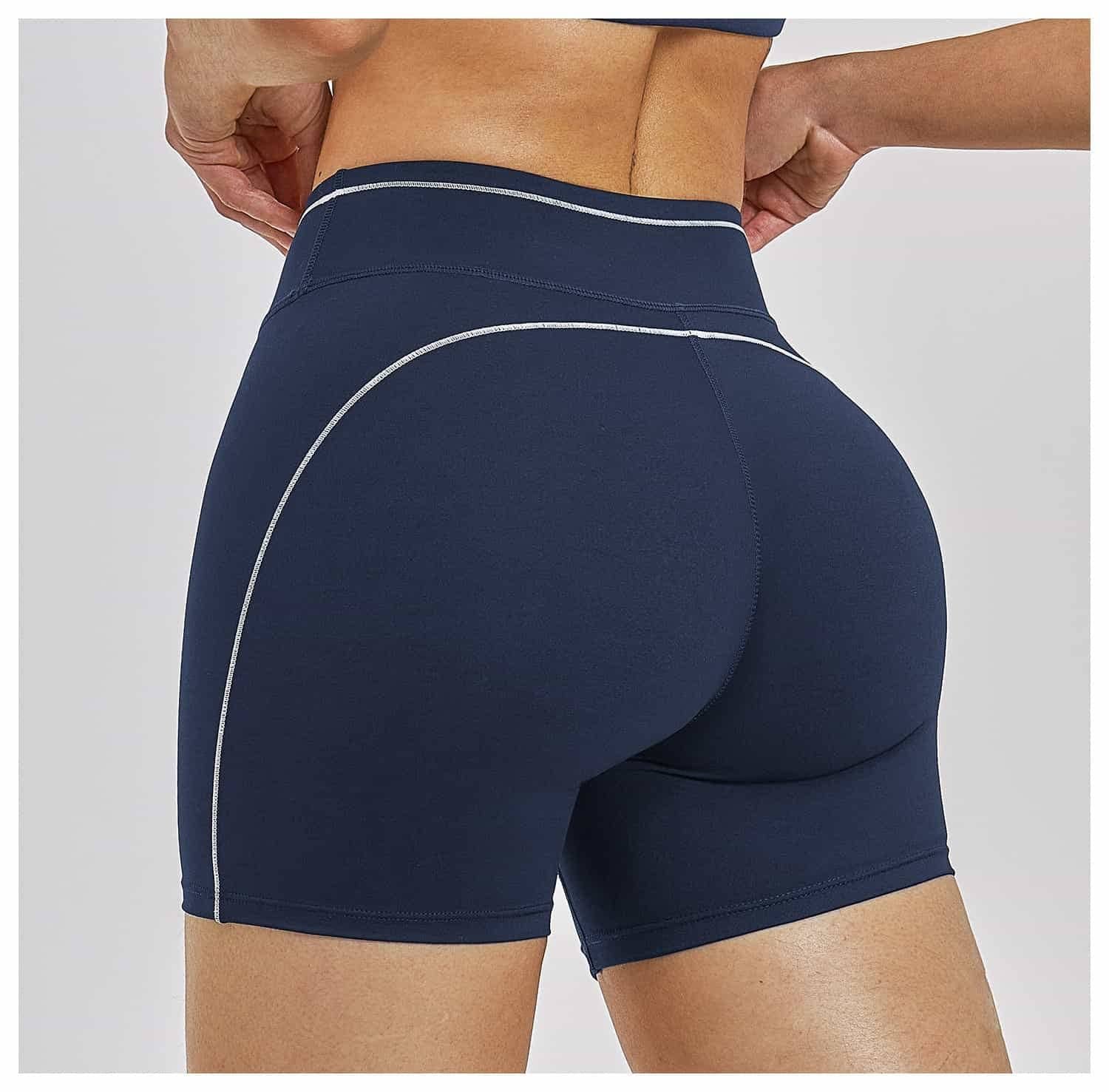
Yoga Shorts
Different waistband, inseam, texture, shaping, fabric, and construction requirements can use either manufacturing route.
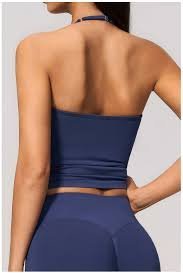
Biker Shorts
Different waist structures, lengths, fabrics, seamless textures, pockets, and sewn panels can be evaluated.
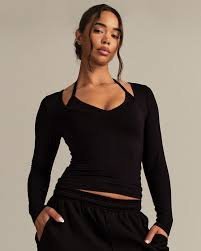
Tank Tops
Sports tank tops can be developed around fabric, neckline, armhole, fit, Logo, construction, and finishing.
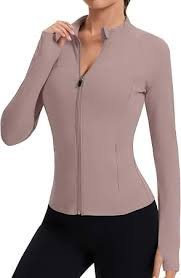
Long Sleeve Tops
Long-sleeve products can support yoga, gym, training, and athleisure programs using project-specific fabrics and fits.
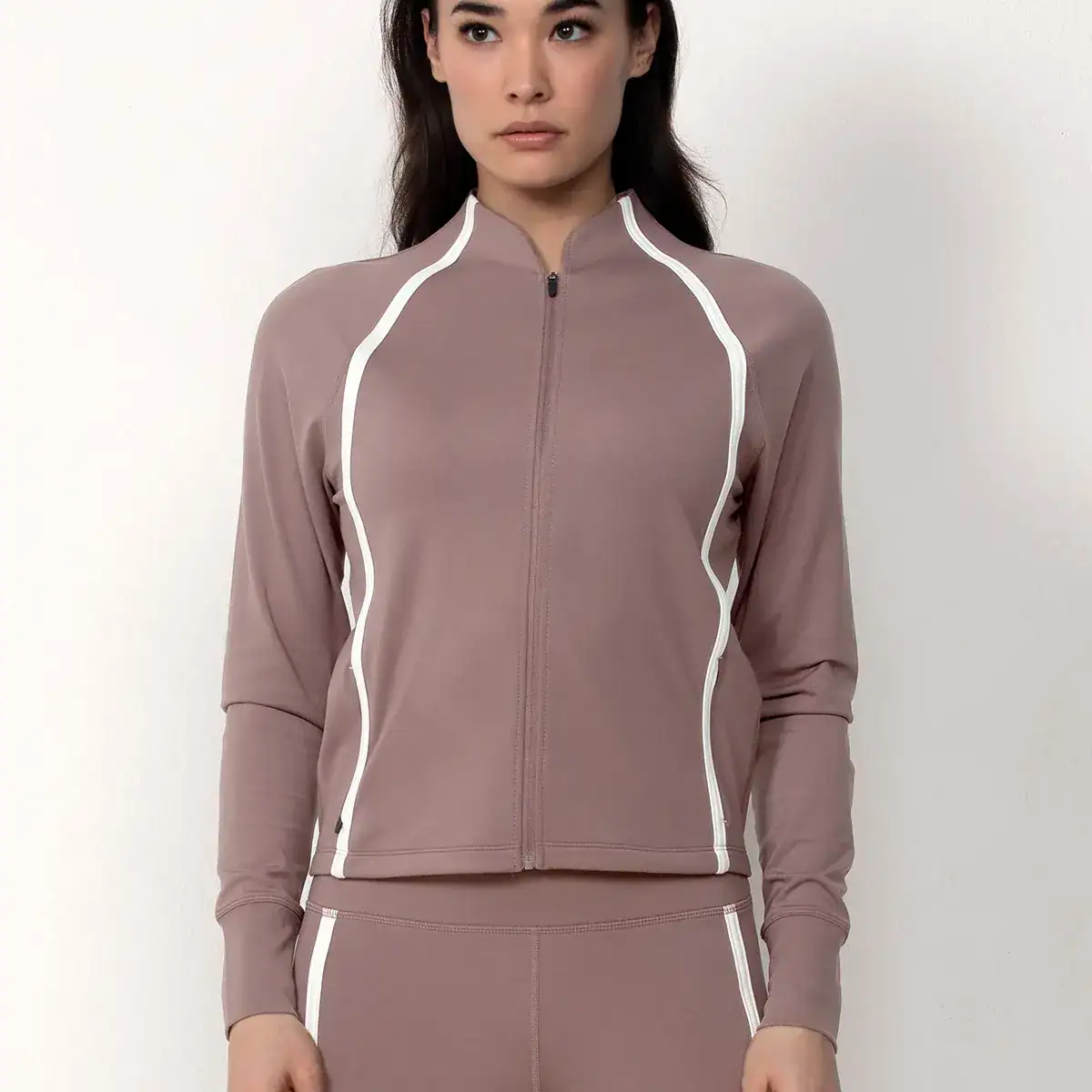
Yoga Sets
Coordinate leggings, bras, shorts, and tops around shared color, material, Logo, labels, and packaging.
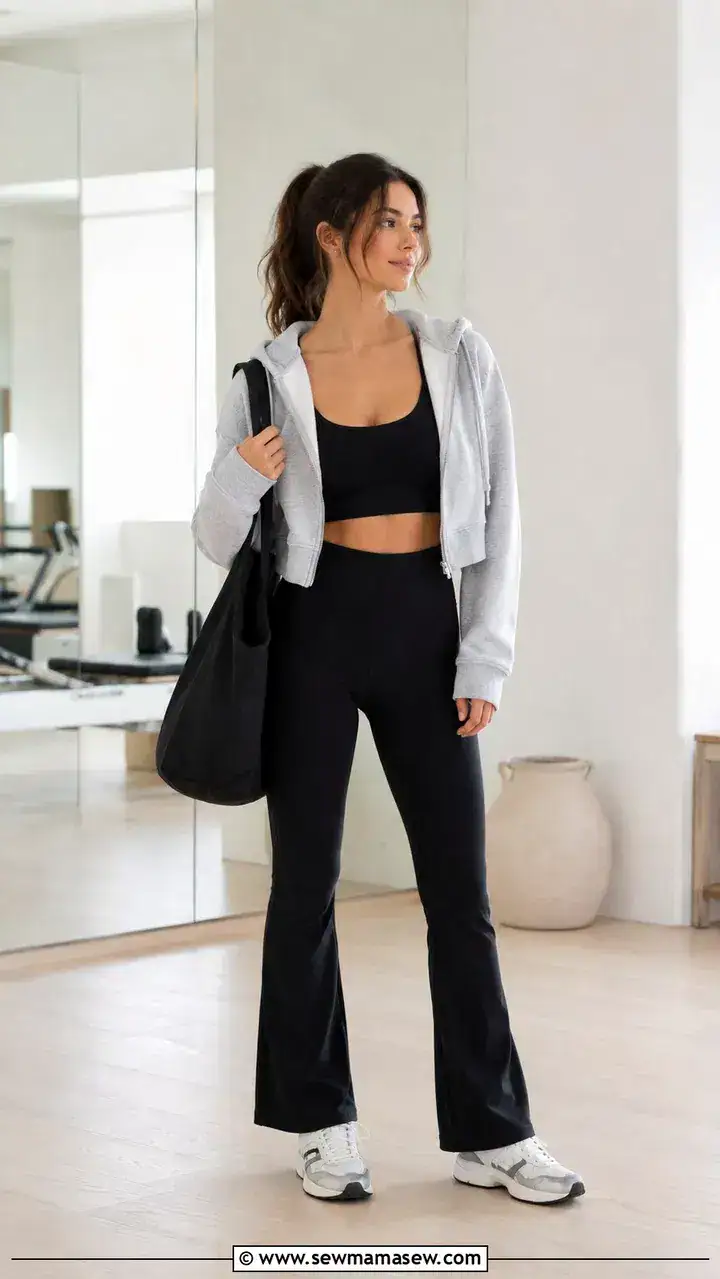
Active Jackets
Extended cut-and-sew projects require review of fabric, zipper, panel, pocket, finishing, and construction complexity.
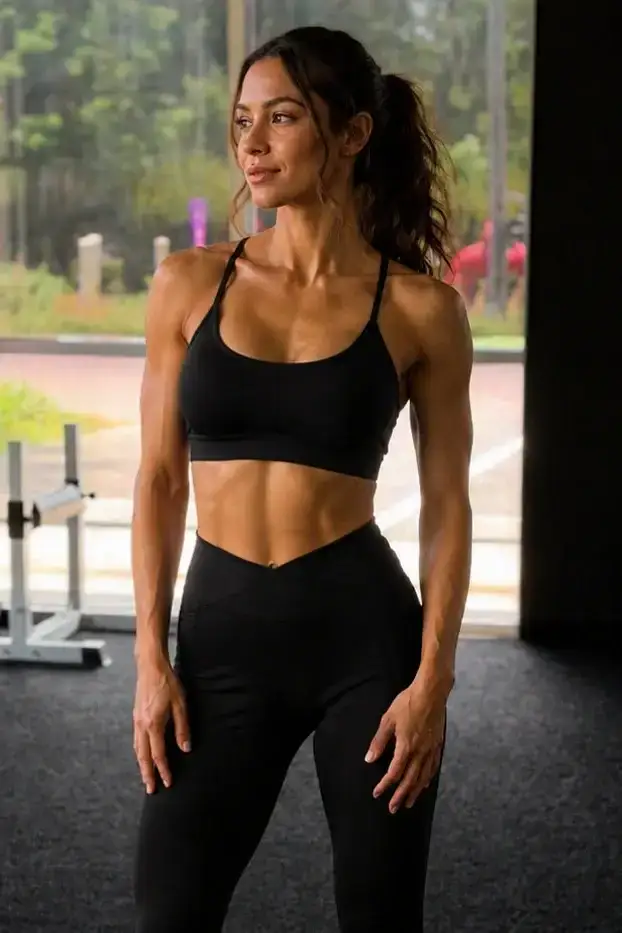
Pilates Wear
Pilates programs can include leggings, flared leggings, bras, fitted tops, shorts, and coordinated studio sets.
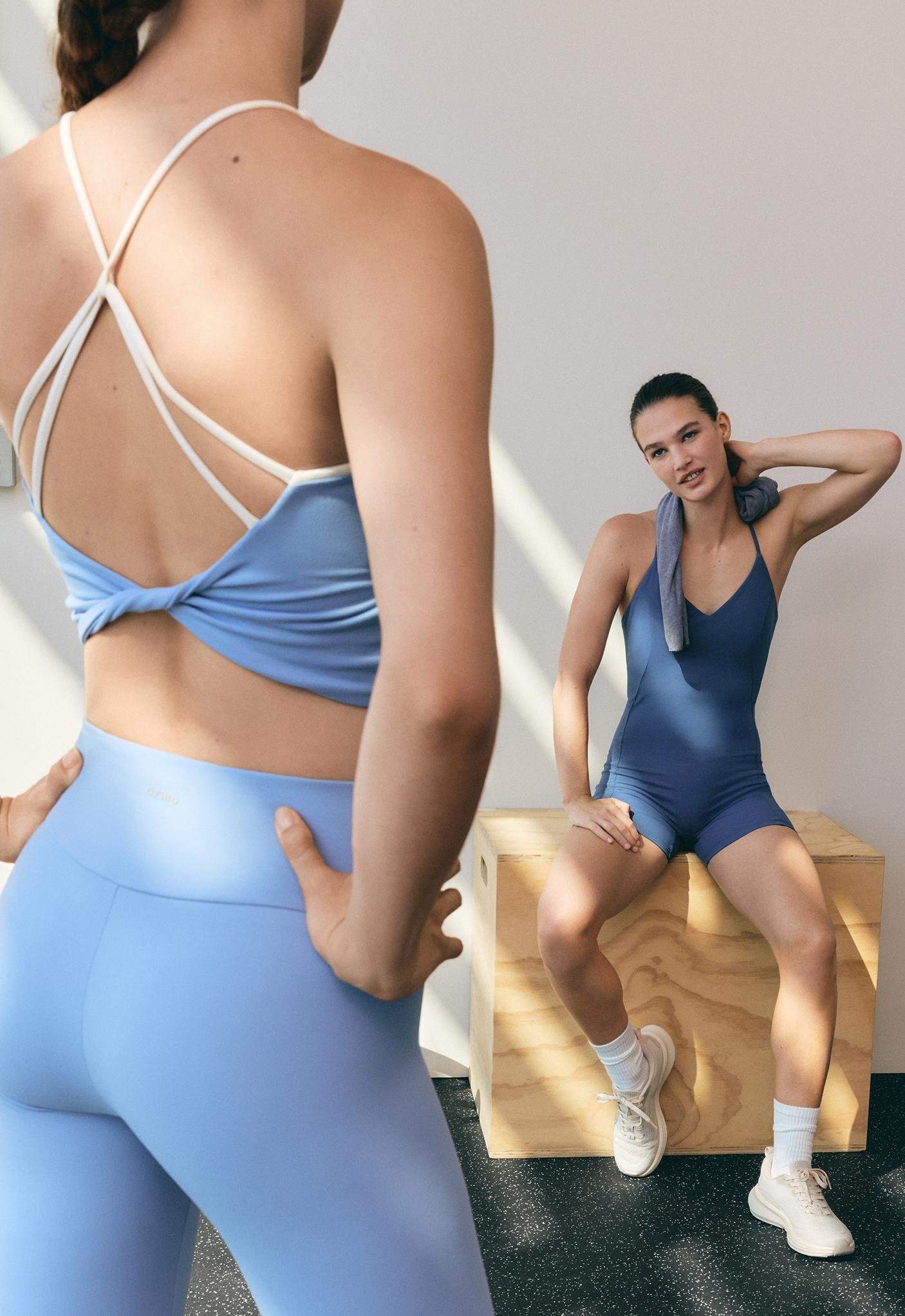
Gym Wear
Gym and training products can use seamless structures, cut-and-sew fabrics, rib, mesh, panels, and other project-specific features.
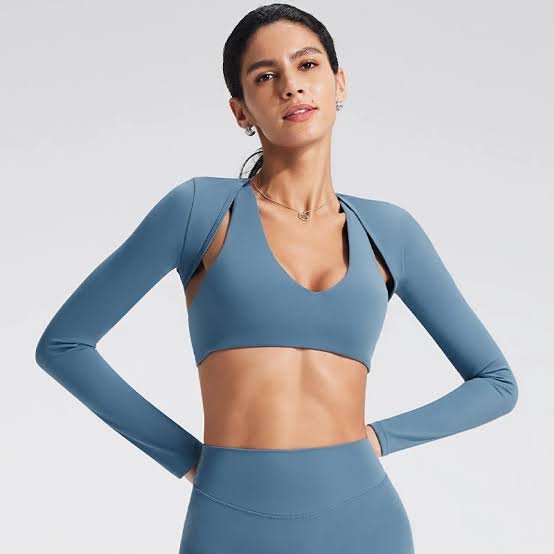
Running Wear
Regular running apparel can be evaluated against lightweight material, fit, construction, and required performance testing.
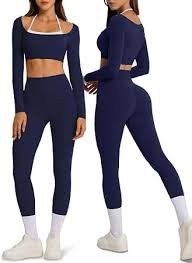
Athleisure Wear
Activewear can extend into coordinated lifestyle tops, bottoms, sets, and selected outer layers.
Seamless or Cut-and-Sew: Choose by Product Structure
Neither manufacturing route is inherently superior. The correct choice depends on product architecture, material, fit, styling, required details, MOQ, quality risks, and how the approved design must be reproduced.
| Decision Area | Seamless Manufacturing | Cut-and-Sew Manufacturing | Buyer Implication |
|---|---|---|---|
| Core Production Logic | Yarn is knitted into engineered garment bodies or sections using seamless equipment and programmed structures. | Fabric is sourced or developed, then pattern-cut, sewn, assembled, finished, and inspected. | Choose according to real construction rather than terminology. |
| Strong Applications | Rib, mesh, jacquard, textures, engineered waistbands, and knitted zones. | Panels, pockets, zippers, multiple materials, and complex sewn silhouettes. | A collection may legitimately require both routes. |
| Material Control | Yarn composition, density, structure, stretch behavior, color, and machine settings. | Fabric composition, GSM, stretch, recovery, direction, cutting, and seam construction. | Material approval must reflect the manufacturing method. |
| Development Focus | Knitting program, body mapping, size behavior, structure, finishing, and fit. | Pattern, grading, cutting accuracy, seam placement, construction, finishing, and fit. | Development documentation should follow route-specific risks. |
| Base MOQ | Approximately 100 pieces per style under standard conditions. | Approximately 150 pieces per style under standard conditions. | Materials, colors, Logos, labels, and packaging may increase practical MOQ. |
| Quality Focus | Structure consistency, knitting defects, symmetry, measurements, finishing, Logo, and labels. | Measurements, pattern consistency, seams, fabric behavior, Logo, labels, and finishing. | Approved samples must become route-specific checkpoints. |
| Scaling | Own Santoni resources plus controlled additional capacity where permitted. | Own cut-and-sew resources plus controlled satellite capacity. | Scaling must preserve standards and production-location rules. |
| Common Misunderstanding | Seamless does not mean literally zero seams or automatically lower cost. | Cut-and-sew does not mean lower technical value. | Evaluate engineering suitability, not marketing terminology. |
From Product Input to a Bulk-Ready Standard
MOVEVOX treats development as an engineering and approval process that converts brand input into defined materials, construction, measurements, samples, approved versions, and production controls.
Project Input
Start from a Tech Pack, legal sample, images, sketches, fabric swatches, or a defined concept.
Input ReviewTechnical Review
Review construction, measurements, materials, branding, manufacturing route, feasibility, and risks.
Technical QueriesMaterial Route
Match yarn, fabric, colors, elastics, pads, zippers, trims, and branding materials.
Material DirectionConstruction Setup
Translate the design into seamless knitting or cut-and-sew pattern and construction decisions.
Development SpecDevelopment Sample
Produce a physical reference for structure, material, measurement, fit, appearance, and branding review.
5–10 WorkdaysFit Revision
Translate customer comments into controlled measurement, pattern, knitting, material, or branding changes.
Revised VersionPP Approval
Align final technical, material, measurement, branding, and packaging information.
Approved StandardBulk Production
Release production after commercial, technical, material, and approval gates are satisfied.
20–35 DaysFrom Development Sample to Approved Production Standard
Not every project requires every sample type, but mature programs benefit from clear approval stages before the final version becomes a bulk-production reference.
Development Sample
Tests whether the current product interpretation is manufacturable and directionally aligned with the buyer's intended structure, material, dimensions, branding, and appearance.
Pass Criterion: Product direction is sufficiently defined for focused review.
Fit Sample
Focuses on proportions, measurements, POMs, garment balance, wearing fit, and product-specific fit comments.
Pass Criterion: Key fit and measurement comments are resolved.
Revised Sample
Incorporates agreed development comments and creates a new controlled physical reference for checking whether requested changes were implemented correctly.
Pass Criterion: Requested changes are incorporated and open issues identified.
Size Set Sample
Where required, selected sizes are checked against approved measurement and grading logic before bulk production.
Pass Criterion: Reviewed sizes conform to the agreed grading direction.
PP Sample
Represents approved material, color, construction, measurements, Logo, labels, trims, and relevant packaging requirements before bulk release.
Pass Criterion: Product configuration is sufficiently locked for production.
Choose the Right Sportswear Development Model
OEM, development-led ODM, and private label describe different starting points, development responsibilities, and customer approval requirements.
| Evaluation Area | OEM | Development-Led ODM | Private Label |
|---|---|---|---|
| Starting Input | Defined Tech Pack, measurements, materials, construction, and branding. | Concept, partial specification, sketch, image, swatch, or product direction. | Existing or selected product direction plus brand customization. |
| MOVEVOX Role | Manufacturability review, samples, production, QC, packing, and shipment execution. | Translate product direction into material, construction, fit, samples, revisions, and specifications. | Coordinate product changes, colors, Logo, labels, packaging, samples, and production. |
| Customer Role | Own product direction and approve technical and branding decisions. | Define brand direction and approve important development decisions. | Define brand identity, customization, commercial targets, and final approvals. |
| Development Depth | Lower when technical files are already mature. | Higher because incomplete product intent requires manufacturing translation. | Varies from lighter branding to deeper material and product customization. |
| Product Ownership | Customer remains responsible for designs, branding, IP, and approvals. | Customer controls brand direction and final product approvals. | Customer controls approved brand execution and legitimate intellectual property. |
| MOQ Logic | Depends on route, material, color, Logo, labels, packaging, and order structure. | The same production constraints apply together with development complexity. | Garment MOQ can differ from branding and packaging MOQ. |
| Timing Logic | Depends on technical completeness, material readiness, samples, and capacity. | Usually requires more development decisions and revision cycles. | Depends on the depth of product and brand customization. |
| Best Fit | Brands with mature internal product-development teams. | Brands needing manufacturing-development support. | Buyers building a branded private-label product program. |
How MOQ Changes Across Sportswear Customization Decisions
MOQ is not one universal number. MOVEVOX separates garment minimums from color, material, Logo, label, packaging, and special-process constraints.
| MOQ Area | Current MOVEVOX Reference | Buyer Consideration |
|---|---|---|
| Seamless Base MOQ | Approximately 100 pieces per style under standard conditions. | Yarn, colors, structures, branding, and packaging may increase practical MOQ. |
| Cut-and-Sew Base MOQ | Approximately 150 pieces per style under standard conditions. | Fabric, color, construction, trims, and size mix can change the executable quantity. |
| Existing Colors | Allocation can begin around 50 pieces per color where applicable conditions support it. | Actual material availability must be confirmed. |
| Custom Colors | Approximately 400–600 garment-equivalent pieces may be required per dye lot. | Actual quantity depends on material, dyeing route, color, and supplier conditions. |
| Logo and Branding | Project-specific. | Tooling, setup charges, process MOQ, or separate sampling requirements may apply. |
| Labels and Packaging | Project-specific and often independent from garment MOQ. | Labels, hangtags, polybags, stickers, barcodes, and packaging can have separate minimums. |
| Special Materials | Evaluated against the actual yarn, fabric, trim, and supplier conditions. | Dedicated materials may require larger quantities than the garment process itself. |
Ready for a Supplier Fit Review?
Send MOVEVOX your product category, expected quantity, customization requirements, target market, target date, and available technical files. We can review manufacturing route, development needs, MOQ constraints, capacity fit, and the appropriate next step before you commit to sampling or bulk production.
You can start with a Tech Pack, legal reference sample, sketch, image set, or clearly defined product concept.
Capacity That Scales Without Hiding Production Reality
Capacity is useful only when its scope is defined. MOVEVOX distinguishes own equipment, core production, controlled satellite capacity, and stable managed finished-goods release.
Own Production Space
Approximate operating space across the Yiwu production base.
Santoni Machines
Self-owned Italian seamless knitting equipment.
Garment Machines
Principal sewing and garment-making machines in the own system.
Satellite Factories
Long-term controlled production resources supplementing own capacity.
Stable Managed Capacity
Approximate comprehensive finished-goods release capacity per month across own production and controlled satellite resources.
Typical Order Range
Current order-management reference, subject to actual style, SKU, material, process, quality, and delivery requirements.
One Accountable Window Across Controlled Production Resources
MOVEVOX does not present every external production resource as a self-owned factory. The operating model combines an own Yiwu manufacturing core with controlled satellite and specialist resources.
MOVEVOX Own Factory
The Yiwu own factory is the technical and manufacturing control center for development, samples, key seamless and cut-and-sew production, first-article confirmation, production standards, quality control, correction, and selected bulk orders.
Satellite Factories
Eight long-term facilities provide controlled additional production capacity.
Material Suppliers
Yarn, fabrics, elastics, pads, zippers, trims, labels, and packaging resources.
Branding Suppliers
Logo, embroidery, transfers, woven labels, hangtags, and packaging resources.
Specialist Processes
Special printing, Logo processes, finishing, and specialist manufacturing resources.
Quality Control
Specifications, samples, inspection criteria, corrective action, and release remain coordinated.
Logistics Handover
Packing Lists, carton information, cargo readiness, and logistics handover remain managed.
Quality Control From Specification to Final Release
MOVEVOX treats quality as a sequence of controlled decisions rather than a final sorting activity.
Specification Freeze
Latest Tech Pack, measurements, approved sample, materials, branding, and packaging references are aligned before production release.
Incoming Materials
Relevant materials and components are checked against approved purchase and project requirements.
Pre-Production Review
Teams review approved product, materials, construction, production risks, packing requirements, and inspection points.
First Article
The first representative production unit confirms whether approved requirements have been translated correctly.
In-Line Inspection
Production drift and defects can be identified while corrective action is still practical.
Measurement Control
Dimensions are checked against the applicable buyer size chart, sample, and project tolerances.
Finished Garments
Measurements, workmanship, symmetry, branding, labels, trims, finishing, and appearance can be reviewed.
Packaging Check
Labels, barcodes, SKU information, packing, quantities, size ratios, and carton details can be verified.
Final Release
Shipment release follows completion or formal closure of applicable production, inspection, packing, and order requirements.
How to Read MOVEVOX Quality Inspection Evidence
Quality claims become more useful when buyers can inspect anonymized records connecting inspection scope, measurements, findings, correction, reinspection, and final disposition.
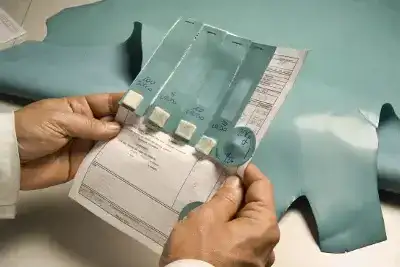
PO and Style
Identify the applicable PO, SKU, color, size range, inspection stage, and document version.
Inspection Scope
Define exactly what was inspected rather than implying universal inspection coverage.
Measurement Results
Show applicable POMs, required specification, measured results, and applicable tolerance.
Defect Classification
Record actual defects using the relevant buyer or agreed inspection framework.
Corrective Action
Connect findings with containment, repair, correction, segregation, or rework.
Reinspection Status
Demonstrate whether corrected products or processes were checked again.
Final Release
Connect final inspection status with disposition or shipment release.
Trace Materials From Supplier to Finished Shipment
Traceability helps define the affected scope when a material or production issue appears by connecting upstream sources with production, inspection, packing, and shipment.
Supplier Source
Relevant yarn, fabric, trim, branding, packaging, and specialist supplier information.
Supplier RecordMaterial Batch
Purchase and delivery records link approved sources with received materials.
Purchase RecordDye Color Lot
Lot identification distinguishes one color-production batch from another.
Batch RecordTrims Branding
Logo materials, labels, trims, packaging, and relevant components can be linked.
Trim RecordPO SKU Link
Material records connect to the relevant PO, style, SKU, color, or controlled identifier.
PO RecordProduction Batch
Production records connect standards and inputs with manufacturing batch and location.
ProductionInspection Record
Inspection records show what was checked, what was found, and what action followed.
InspectionShipment Record
Packing List, Carton Breakdown, quantities, and shipment records provide the downstream link.
Packing ListAudit Readiness for Global Sportswear Supplier Qualification
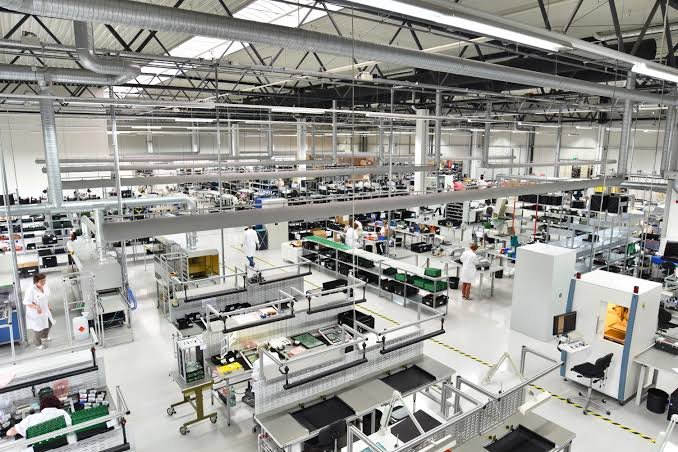
MOVEVOX supports on-site and remote verification so buyers can evaluate legal identity, manufacturing reality, quality controls, supply-chain transparency, and the records relevant to their program.
Verify the Manufacturing Base and Legal Supplier Identity
MOVEVOX is the international B2B brand and operating system managed by Yiwu Chenjin Import And Export Co., Ltd. The current legal entity was established in 2020, while MOVEVOX's manufacturing and sportswear supply-chain operations date from 2019.
Customer visits can cover development, sampling, Santoni seamless equipment, cut-and-sew areas, production management, QC, packing, finished-goods handling, and relevant records.
Live-video verification is also supported. Confidential areas containing another customer's protected products, designs, files, or order information may be restricted.
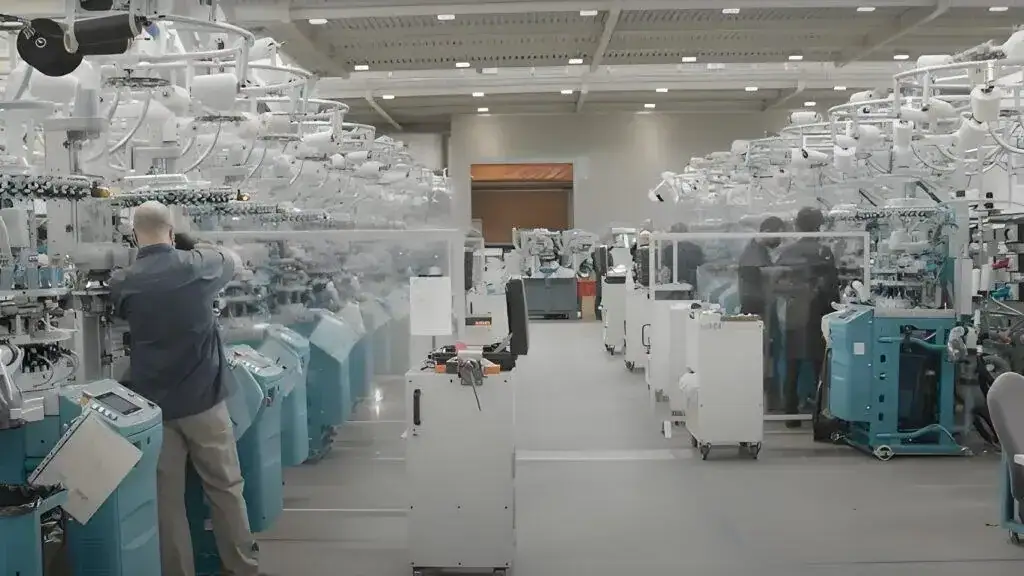
Production-Site Transparency and Controlled Facility Allocation
MOVEVOX's operating model combines the own Yiwu factory with eight long-term controlled satellite factories and selected specialist resources. Mature buyers need to understand where products may be manufactured and who controls the technical standard.
MOVEVOX centrally manages customer requirements, technical versions, approved samples, material requirements, factory allocation, progress, QC, packing standards, and final release.
Where a customer requires Approved Factory Only, designated production addresses, formal audits, or restrictions on subcontracting, production-location changes must follow the applicable customer approval requirement.
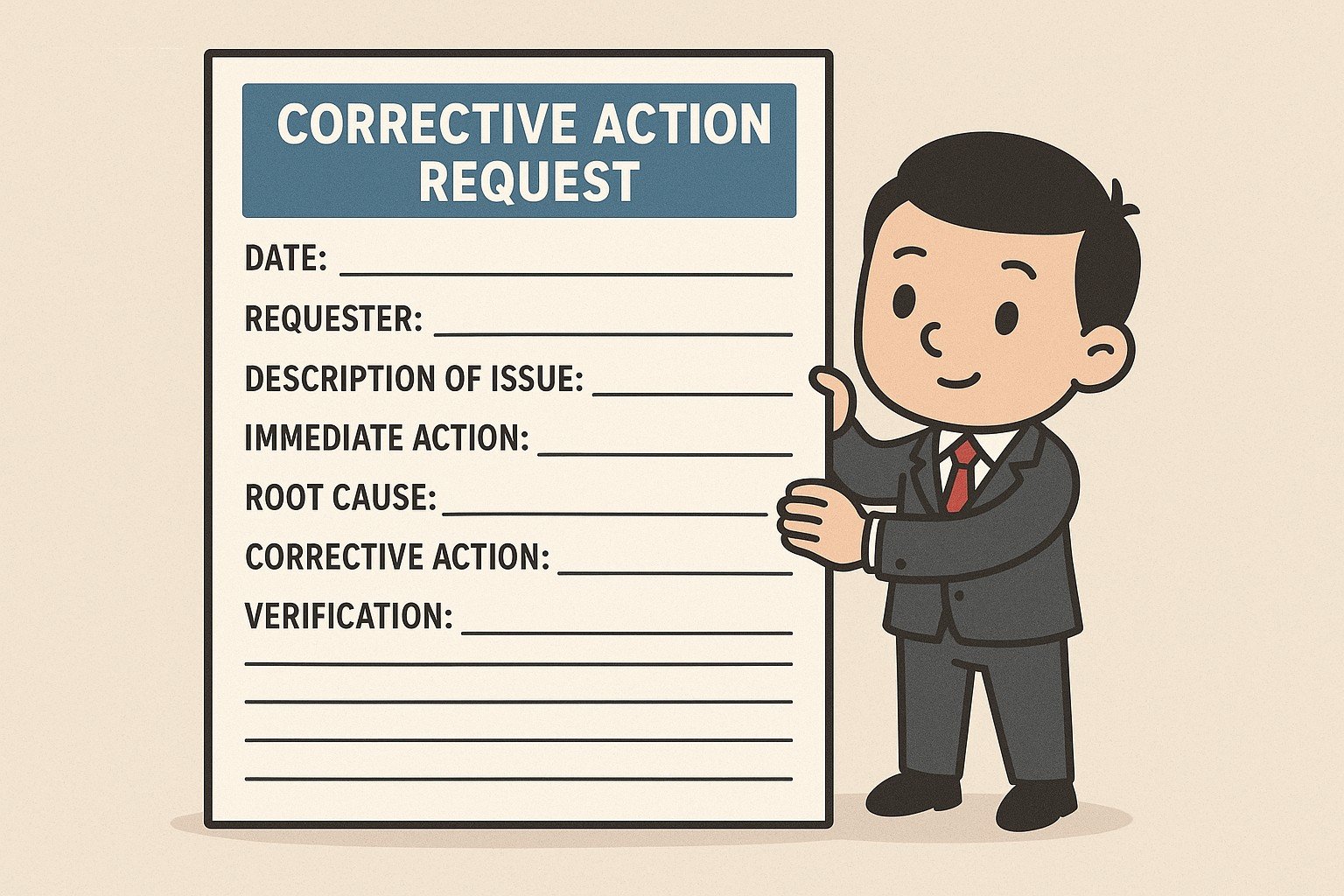
Quality Findings, Corrective Action, and Audit Follow-Up
Customer Tech Packs, measurement requirements, approved samples, Logo files, packaging standards, and customer-specific QC manuals remain the primary references where supplied.
Quality or audit findings can require containment, correction, rework, reinspection, escalation, root-cause review, or CAPA depending on severity and recurrence.
Certificates and testing evidence are only presented when the actual holder, site, validity period, scope, and project relevance can be verified.
A Comparable Sportswear Brand Project in Practice
{{CASE_SUMMARY}}
Client Background
{{CASE_CLIENT_BACKGROUND}}
Project Challenge
{{CASE_PROJECT_CHALLENGE}}
MOVEVOX Solution
{{CASE_MOVEVOX_SOLUTION}}
Execution Process
- {{CASE_STEP_01}}
- {{CASE_STEP_02}}
- {{CASE_STEP_03}}
- {{CASE_STEP_04}}
Client Quote
{{APPROVED_CLIENT_QUOTE}}
Sportswear Manufacturer Evaluation Checklist for Procurement Teams
Use this scorecard before moving a sportswear supplier into RFQ, sample development, trial order, or formal vendor onboarding.
Company and Factory
Product Development
Manufacturing and Capacity
Quality and Traceability
Commercial and Communication
Sportswear Manufacturer Frequently Asked Questions
Search common procurement questions about development, MOQ, production, quality, audits, and supplier qualification.
Development and Sampling
Can you develop from a Tech Pack or product concept?
Yes. MOVEVOX can enter development from a complete or incomplete Tech Pack, customer-owned or legally usable physical sample, product images, sketches, fabric swatches, or a clearly defined concept.
How long does standard sample development usually take?
Standard sample development is typically approximately 5–10 working days after required development details have been confirmed. Complex materials, revisions, special branding, or testing can extend the cycle.
Can one collection include seamless and cut-and-sew styles?
Yes. MOVEVOX operates both manufacturing routes and can allocate individual SKUs according to their actual construction and engineering requirements.
How are sample revisions approved before bulk?
Revision comments should connect to controlled technical and physical sample versions. Before production release, applicable specifications, materials, measurements, branding, packaging, and approved physical references should be aligned.
MOQ and Commercial
What is your typical MOQ for seamless sportswear?
The current base reference is approximately 100 pieces per style under standard project conditions. Actual executable MOQ depends on yarn, color, structure, branding, packaging, and supplier constraints.
What is your typical MOQ for cut-and-sew sportswear?
The current base reference is approximately 150 pieces per style under standard conditions. Fabric, custom color, trims, branding, size allocation, and construction complexity can affect it.
How do custom colors affect MOQ?
Dedicated custom colors commonly involve approximately 400–600 garment-equivalent pieces per dye lot, depending on the material, dyeing route, color, and upstream supplier conditions.
Do Logos, labels, and packaging have separate MOQs?
They can. Garment MOQ, Logo MOQ, label MOQ, packaging MOQ, and custom-material MOQ are not automatically identical.
Production and Quality
What monthly production capacity can MOVEVOX manage?
MOVEVOX currently manages stable finished-goods release capacity at approximately 150,000–200,000 pieces per month across own production and controlled satellite resources. Actual project capacity depends on style, SKU mix, materials, processes, quality resources, approvals, and delivery requirements.
How do you control quality from sample to bulk?
Approved specifications and samples can be translated into incoming, pre-production, First Article, in-line, finished-garment, packaging, and final-release controls according to project requirements.
What happens if an inspection finds a problem?
Depending on the issue, MOVEVOX can contain affected production, correct processes, repair or rework goods, reinspect, replace, remake, or initiate root-cause and CAPA review.
What is the typical bulk production lead time?
The standard bulk-production reference is approximately 20–35 days after applicable technical, material, commercial, and production-release conditions have been satisfied.
Audit and Compliance
Can buyers audit or visit your factory?
Yes. MOVEVOX supports scheduled factory audits, technical audits, pre-production visits, in-line inspections, pre-shipment inspections, and live-video verification, subject to confidentiality restrictions.
Do you support third-party inspections?
Yes. MOVEVOX can cooperate with third-party or customer-designated inspection arrangements according to applicable order requirements.
How do you manage satellite factories and subcontracting?
MOVEVOX operates an own Yiwu core factory together with eight long-term controlled satellite factories. Technical versions, materials, allocation, QC, packing, and final release remain centrally managed.
How are certifications and test reports handled?
Certificates and test reports are only presented within their verified holder, issuing body, validity period, address, material, product, batch, or testing scope.
Start Your Sportswear Manufacturing Review
Prepare the core commercial and technical information available today. MOVEVOX can first assess supplier fit, development requirements, manufacturing route, MOQ, capacity, and the appropriate project next step.
Company Details
- Name
- Work Email
- Company
- Role
- Country / Market
- WhatsApp — Optional
Product Scope
- Product Type
- Number of SKUs
- Manufacturing Route — If Known
- Target Market
- Development Input
- Current Project Stage
Customization and Quantity
- Estimated Quantity
- Color Requirements
- Fabric / Yarn Requirements
- Logo and Labels
- Packaging Requirements
- Testing Requirements — If Any
Timeline and Files
- Target Date
- Current Sample Status
- Target Commercial Range — Optional
- Project Message
- Tech Pack
- Reference Files
What Happens After Submission
Requirement Review → Clarification Questions → Feasibility Check → Costing / Sampling / Vendor Next Step
A complete Tech Pack may move toward technical review and costing. An early-stage concept may require development clarification. A larger sourcing program may first require capacity, audit, quality, or vendor-qualification discussion.